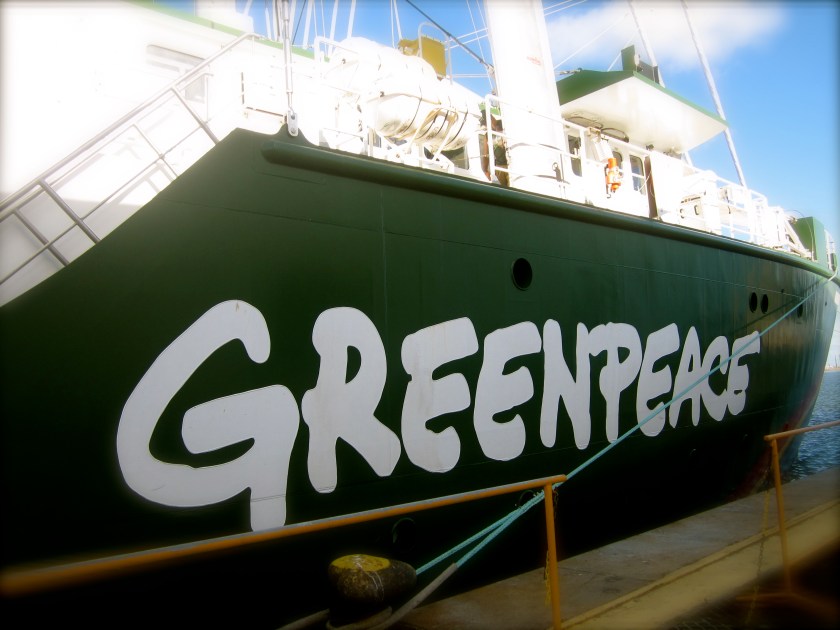
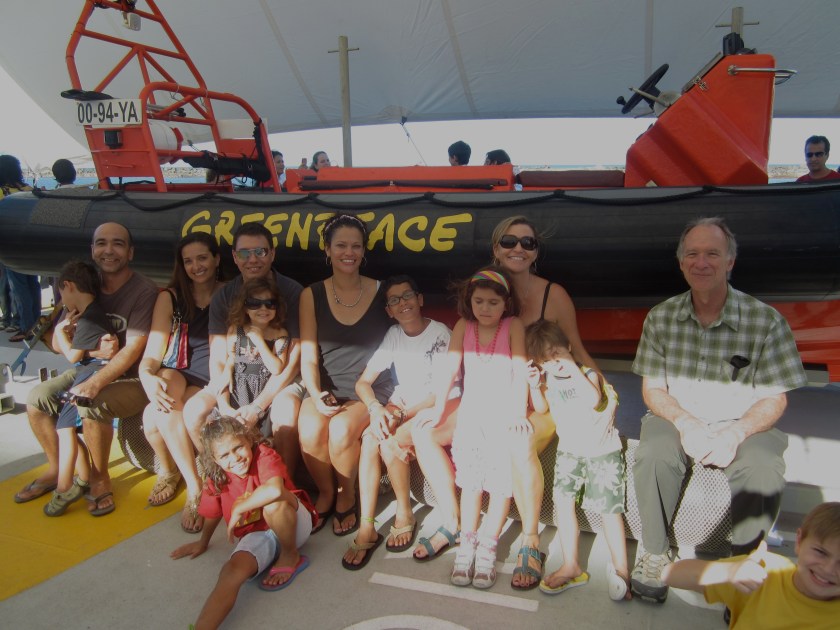
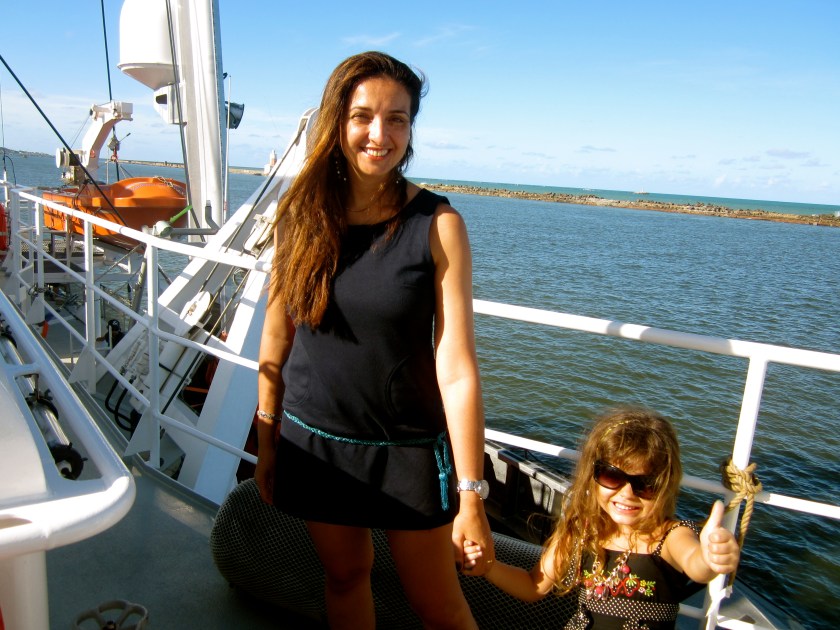
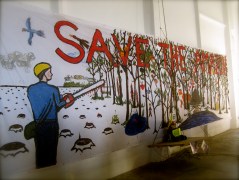
Greenpeace in Brazil. Visiting the Rainbow Warrior Ship.

2 biologists

The Greenpeace ship, Rainbow Warrior is in Brazil.

We had the opportunity to go on a guided visit through its compartments, talk with the captain, and learn more about the current projects involving the Greenpeace Initiative and Brazilian NGOs.

The visit also included the solar kitchen installations and the solar panels.


The Captain


Participando da Rede do Saber com o Infantil III do Colégio Madre de Deus.

Imagens de uma mamãe super orgulhosa, conversando e demonstrando “experiências científicas” com a turminha do Infantil III, da minha filhota! Vou sentir muita saudade desta escola

Muito grata pela oportunidade, Profa. Suzy!

Na hora de despedir, minha “assistente” resolveu lembrar-se que, apesar de todo do ‘glamour’ da ciência, queria mesmo era colo de mãe… Pode uma dessas??! 😮 😮

This slideshow requires JavaScript.

Sustainable energy in Brazil: Wind Power Park in the Northeast.

Today I decided to have fun writing, revisiting my long-lost past in research and natural sciences, as well as, a result of the ongoing inspiration (or should I call it “daily challenges”? :o) my current Physical Science students offer… The topic I chose to revisit, showcases one of the family’s trips to Natal, Rio Grande do Norte, while husband went to visit the Wind Power Park.

A little bit of background: A few years back, a drought in Brazil that cut water to the country’s hydroelectric plants, prompted severe energy shortages. The crisis underscored Brazil’s pressing need to diversify away from water power.

Brazil’s first wind-energy turbine was installed in Fernando de Noronha Archipelago, in 1992. Later, the government created programs to encourage the use of other renewable sources, such as wind power, biomass, and Small Hydroelectric Power Stations (PCHs). Such stations use hydropower, the flagship of Brazil’s energy matrix, which comprises around three-quarters of Brazil’s installed energy capacity.

High energy production costs, coupled with the advantages of wind power as a renewable, widely available energy source, have led several countries to establish regulatory incentives and direct financial investments to stimulate wind power generation. Brazil held its first wind-only energy auction in 2009, in a move to diversify its energy portfolio.

The Brazilian Wind Energy Association and the government have set a goal of achieving 10 gigawatts of wind energy capacity by 2020. Let’s just hope. Renewable resources: the greener and cleaner, the better!

The visiting team Recife and local experts


O Parque eólico Alegria é um complexo de propriedade da Multiner, localizado no munícipio de Guamaré, no Rio Grande do Norte (RN). O complexo refere-se aos parques Alegria I e Alegria II.

Weekly Photo Challenge: Active Summer

Surfing in Fernando de Noronha

This week’s WordPress photographic theme is “Summer“. Considering I had a few “pics to spare”, from our sort-of-large collection of paradisiac places in Brazil, here’s a second part of the original post… Hope you all enjoy the images as much as we did! 😮

Hiking trail
Exploring the open waters

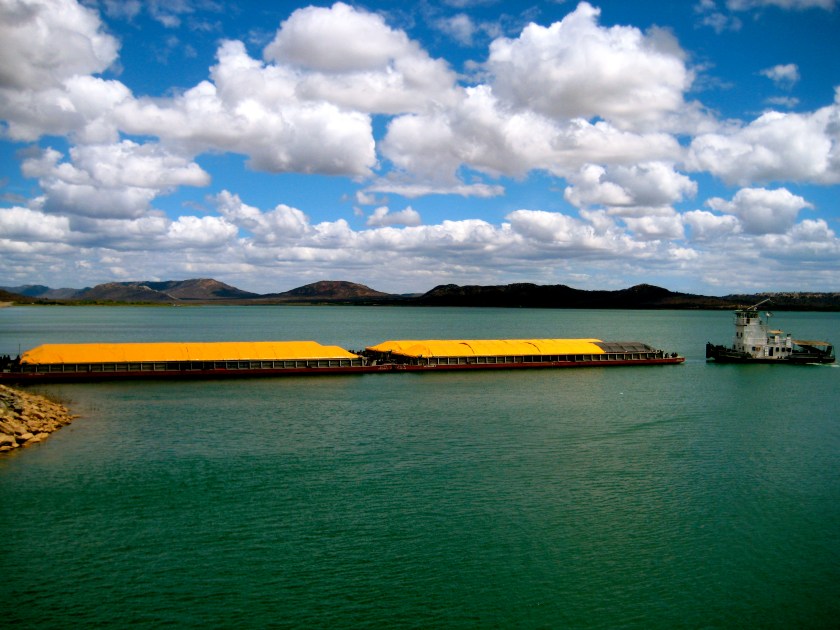
Largest artificial lake in Latin America

Traveling could be seen as a passion. No matter if it’s for work or leisure. Photography is another passion, trying to capture, as much as possible, some of the unique sights visited during the several trips throughout the Northeastern region of Brazil. This is another post from the “Collecting Brazilian States” segment.

the sign indicates that this is the largest artificial lake in Latin America - "generating energy for the whole country"

Sediments from the São Francisco River give Sobradinho Lake coloring that changes from brown, to golden tan, to green. The lake is located in the northern part of the Brazilian state of Bahia, already showcased here on a previous post.

Created by the construction of the Sobradinho Dam (“Represa de Sobradinho“), the reservoir itself is the largest in Brazil, covering a surface area of 4,225 km2. It has a mean depth of 8.6 m and a maximum depth of 30 m. Watch below the concrete bridge/platform being lifted, to give passage for the large ships, transporters and storing units! Really something!

João Pessoa, Paraíba: perfectly blending the natural, the old and the modern

Paraiba is one of the prime Brazilian states, situated on the Atlantic Ocean in the northeast region of the country. The state is famous for producing leather goods of various types.

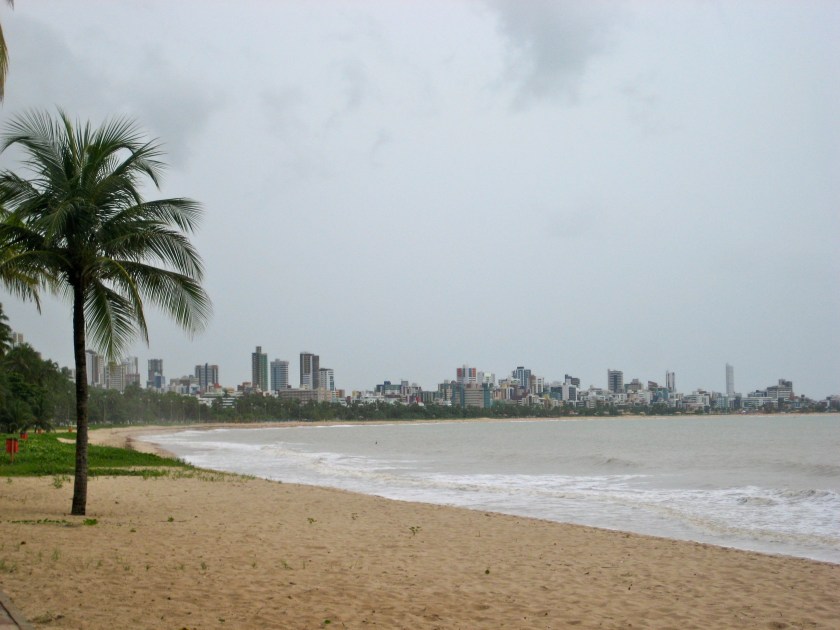
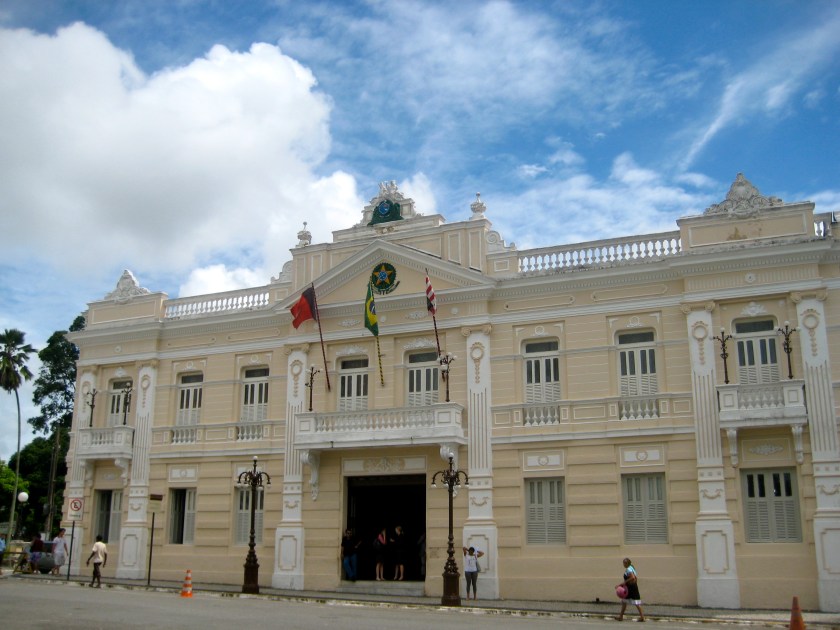
The capital of the state is rich in historical monuments as well as contemporary buildings, many of which are great examples of baroque-style architecture.  Nevertheless, the greatest enchantments are still related to the sea.  In addition to the beach of Cabo Branco, with its beautiful, unique lighthouse, the beaches of Tambaú, Manaíra, and Bessa are among the most urbanized on the coast and known for their lukewarm waters.

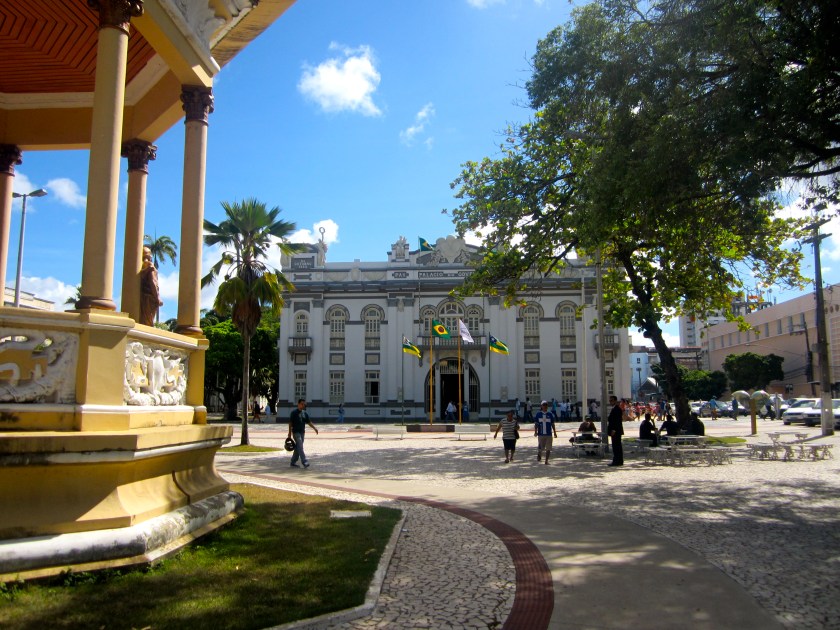
In the capital of João Pessoa, old meets new – a great example is the newly developed Convention Center.

The Natural

The modern, newly designed Convention Center, ready for 2014!


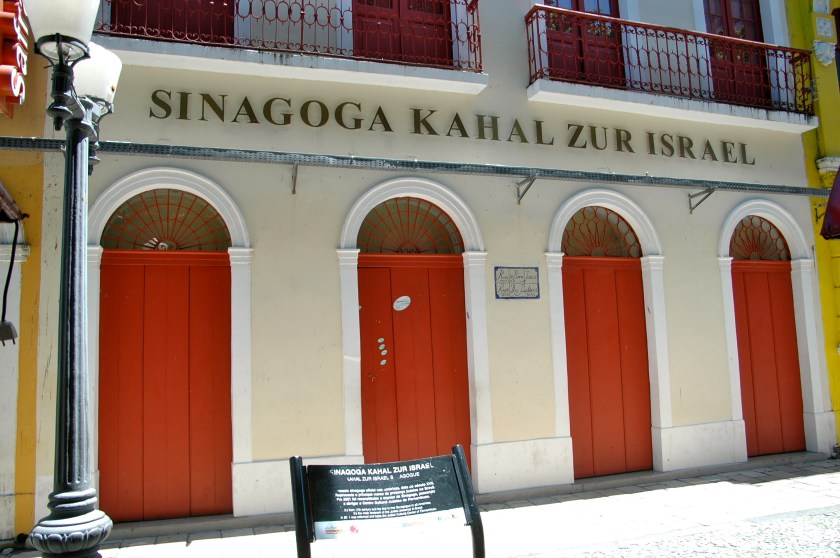
Photography: First official Synagogue in the Americas

Packing our memories out… Preparing our Farewell…

We are always trying to collect unique images from our host city. Downtown Recife encloses several little architecture gems (shown here), gifts from the Portuguese, Spanish and Dutch influences. In the world’s largest Catholic nation, the Recife synagogue has become an important symbol of the Jewish heritage in Brazil. It is one of the main stops on the city’s tourist circuit, located at the Rua Bom Jesus, old town Recife and its archives attract Brazilian and foreign historians.


Update: Taking antique photographs in the streets of Olinda, Brazil.

“Foto Lambe-Lambe”: calling in customers

We’re on countdown mode. Soon, our family’ll be heading out of Recife, towards our new assignment… Now, it’s time to organize our photos, and begin sorting to the memories we’ve built during our time here. One of our favorites, the city of Olinda, another UNESCO heritage site

Any traveller loves to take pictures! We are no different.
Imagine our surprise and joy when we discovered this Argentinean “street photographer” during one of our walks along the many historical streets in Olinda, Pernambuco.

street in Olinda
“Daniel the Argentinean” lives and works in Olinda. Before, lived in Paraty (RJ) and Ouro Preto (MG)

The man responds to the name of “Daniel the Argentinean“, and with his original equipment, offers the by-passers a unique opportunity to have an antique-style picture taken. He’s got it all: the chemical mixtures, developers, films, and once done, surprises you with a nostalgic impression – reminding me from when I was a child growing up in Brazil, and my mom would take my brother and I for the 2×2 photographs, for school’s documents…

Boy, am I that old???

“the man behind the machine”


“…and they lived happily ever after…”

Snapshots of blue crabs (Callinectes sapidus), from northeastern Brazil.

There has been an ongoing interest in blue crab fisheries in the northeast of Brazil since the 1960’s, when the state of Alagoas recorded an average annual yield of 57 tons. Being a Biologist and a teacher, I became curious to find out a bit more of this intriguing wild population…  official or unofficial literature on the activities of blue crab fisheries in Brazil are scarce, but this resource is known to be the bycatch of several fisheries. There is great fishing potential for the species of the genus Callinectes, since blue crab fisheries are still mostly artisanal, located in small fishing communities scattered along the Brazilian coast. 😮 Now worries… there’ll be no Science over here, though, only interesting snapshots of these beautiful creatures!

Due to blue crabs’ productivity and socioeconomic importance, they’ve been constantly monitored and evaluated, with the purpose of maintaining sustainability, ensuring the continuing existence of the fisheries. Here, a quick sample of their “protected homes” 😮

Related articles

From our kitchen to yours: Paloma Cocktail & Margarita Cupcakes!

Sunday is always for food… what about, let’s say… dessert and drinks? 

Our “quasi-Mexican creative juices” are constantly boiling, and when there’s time to “experiment something new in the kitchen”, I’m all for it! This time, snapshots from two quick ideas:

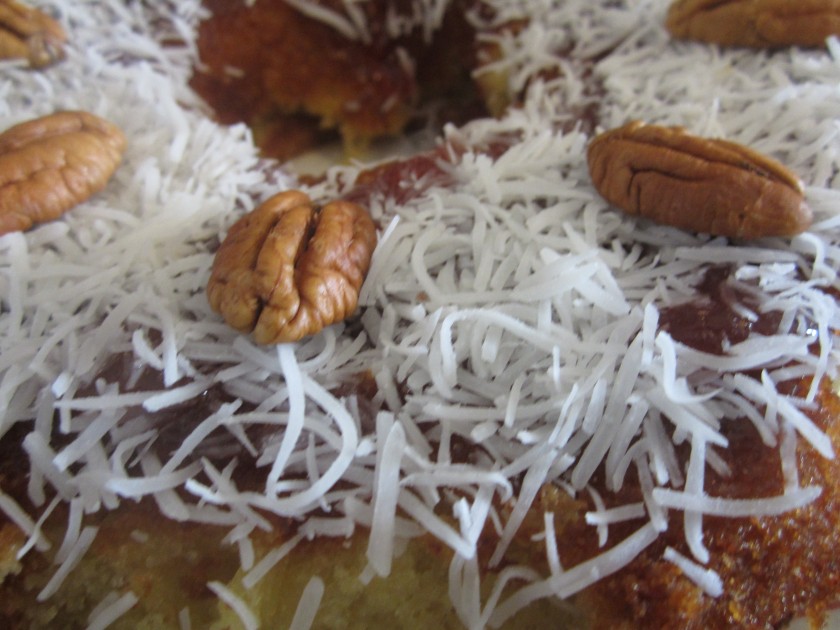
One Mexican drink, “Paloma Cocktail” and one dessert, “Margarita Cupcakes”, all “adjusted” to our reality here in Brazil (it’s not always possible to find the perfect ingredients for that perfect recipe – also, I’m far from perfect, when it comes to cooking/baking/mixing, but I’m pretty venturous for trying to make something intriguing, interesting, or, at least, cool-looking…) 😮

How to make the “Paloma”?

For a refreshing, thirst quenching cocktail, the Paloma is definitely at the top of the list and it’s a favorite in Mexico. It’s a light, fruity drink with a fizz and one of the smoothest tequila drinks out there. With a splash of soda instead of a grapefruit soda like Squirt (or, in our case here in Brazil, “Sprite”!).

Ingredients:

  • 2 oz blanco or reposado tequila
  • 1/2 oz lime juice
  • salt for rimming (optional)

Preparation:

  1. Rim a collins glass with salt.
  2. Fill the glass with ice and add the tequila and lime juice. Top it all off with a splash of Sprite. (need to share this with another fellow blogger, who loves “Brazilian challenges“!)

The original recipes for the margarita cupcakes may be found here: Margarita Cupcakes and here Margarita Cupcakes – I had to “adapt” a little, making the frosting myself with lime jello mix and chantilly cream – “Brazilian-style”, but it worked! 😮

Hey! We’re already missing some cupcakes!!!! 😮

The Emperor’s Bridge, Old Town Recife, Brazil

Images captured during one of our visits to downtown Recife – historical “Recife Antigo”… Ponte do Imperador (“Emperor’s Bridge”), an example of the several cultural footprints from the old Portuguese days in Brazil…

View from the Emperor’s Bridge and Old Town Recife

On your fingertips: stylish mom in a snap… and on a very low budget!

How to be a full-time mom of little kids, capable of helping them with homework despite the baby’s high pitch   crying, not forgetting to devote some attention to the hubby, and yet trying to look good and stylish according to the Brazilian trends? ? I know, pretty hard, right? We all try to be the “perfect woman-wife-mom”, fully committed with school activities, extra-curricular schedules, reserving some quality time for the growing family, keeping up with friends, being a committed professional…

Sometimes, it’s just too much… And then, you remember: you’re still a girl, and you’d like to (once in a while!) to look good, trendy, fashionable, stylish… not for your friends, your partner, your colleagues at work – but for your OWN SELF.

The question: how? You don’t have a whole lot of time for any pampering, and you’re not willing to spend a lot of money. Hummm… The answer: just give your hands/nails a make-up… a few minutes later and, voilá! The beauty of living in Brazil is that one is over-exposed to whatever is trendy/hot…. Why not try something new? And, I gotta say, I went for the nails thing… why not a different color a week? Why not try something metallic (see the pictures below, thanks to Lu Tranchesi, and I’m in love with it! Easy, quick, simple, and very, very affordable! Why not go for something different, just for the fun of it? And be a “very trendy & cool busy mom”, even if it’s only for a week! 😮

How to do it? Simply get your favorite nail polish (or the one you’ve got handy!), borrow some glitter from your kids, and sprinkle a gentle layer of glitter powder over the freshly coated nail… Just like that! Was it easy? Absolutely! Wanna try it? Let me know how it goes! 😮

Nail polishes

Quick look at Aracaju, capital of Brazil’s smallest state.

Aracaju is the capital of Sergipe, one of the Northeastern States of Brazil, and coincidently, the smallest one, but nonetheless, full of history and beautiful touristic sites.

Previously, we posted about Sergipe’s first capital, São Cristovão, a UNESCO World Heritage site. Now, a few images from the state’s current capital:

 Aracaju, is an example of the first planned cities in Brazil, and was built with the intention of becoming the state capital. It was founded in 1855, as the capital of Sergipe.

Enjoying the night beauty of Aracaju:

Thank you, Marcelle Cristinne, for the beautiful photo! Great angle! 😮

 Other historical cities from the northeast of Brazil:

São Luis, Maranhão  Eyes to the world   Teresina, Piauí   Interior da Bahia    Olinda, Pernambuco   João Pessoa and Ponta do Seixas, Paraíba  Maceió, Alagoas   Igarassu, Pernambuco  Vila dos Remédios, Fernando de Noronha, Pernambuco   Rio Grande do Norte

São Cristóvão, the fourth oldest city in Brazil.


The city of São Cristóvão is located 25 km from Aracaju, capital of Sergipe, another northeastern state of Brazil, and the Praça de São Francisco (shown here) is the reason why the site is a holder of a World Heritage title.

The cobblestones are originally from the Philippines, and it’s the only city in Brazil with that type of street stone!

It was founded in 1590 and is considered the fourth oldest city in country. With fast and easy access from the state capital, what was before called he “capital of the Province of Sergipe del Rei” is now registered at the Institute for National Artistic and Historical Heritage – Iphan – preserving its colonial architecture, which delights any curious eyes and souls. A UNESCO World Heritage Site– and, so close to us! 😮

The large Praça de São Francisco presents an architectural group formed by the Church and Convent of São Francisco, during the seventeenth century, which today houses a beautiful Baroque building that was the first hospital in the province of Sergipe, as well as the Historical Museum, where the old Provincial Palace hosted Dom Pedro II, while visiting the city in 1860.

This architectural complex of Praça de São Francisco was recently recognized by UNESCO, and awarded a World Heritage Site title.

In the Carmo Square visitors will find the Church of Our Lady of the Rosary of Black Men, built by the Jesuits in the eighteenth century.

The saint, who lends his name to the church, was the target of devotion of the slaves. At the Praça is also possible to find the Church and the Carmelite Convent, and the Museum of ex-votos. In the Convent, now home to Benedictine nuns, one of the attractions are the delicious cookies made by religious and fought over by tourists!

We try to travel as much as we can, work permitting! 😮

Other historical cities from the northeast of Brazil:

São Luis, Maranhão  Eyes to the world   Teresina, Piauí   Interior da Bahia    Olinda, Pernambuco   João Pessoa and Ponta do Seixas, Paraíba  Maceió, Alagoas   Igarassu, Pernambuco  Vila dos Remédios, Fernando de Noronha, Pernambuco   Rio Grande do Norte

The ‘post-supermoon’, May 7th 2012, Brazil.

I have to confess: I was a bit disappointed with the whole ‘lack of a glorious super moon‘ this past May 5th… Where was it??

At least,  from my very own point of view. Last year we got amazing views and unique snapshots from La Luna, but this year… not so much. Last night, after having all three kids in bed, their morning school backpacks ready, I was doing my regular ‘night round’, going around the house, checking windows, locking doors… when, while checking the sliding glass doors [which lead into our apartment’s veranda], there it was – Miss Luna, again, prettier than this past Saturday… I hope I was able to get a few good shots [had to use an old camera, since husband is out of town with our “good camera”]. Pictures taken, off to bed: “Good night, Moon…”

through the safe net…

The Supermoon and Cinco de Mayo

In case you missed it, yesterday was Super Moon night. And it was also Cinco de Mayo
At the end of the afternoon, a very shy, though gigantic moon, kept hiding behind the dark clouds, refusing to come out and share with us its full glory… and we kept waiting, but no success… we then realized, there would be no super moon over the northeastern coast of Brazil,like what we were able to witness last year, from our beachfront setting… Disappointment? Maybe, but then plan B kicked in: its Cinco de Mayo, with or without the magnificent moon! Let the party begin, and, if the moon is too shy to show us it’s grace, the party could continue until the other star – the sun! – would greet all the party people!
And so, enjoying good food, good music and great conversation, a Brazilian-Mexican Celebration went through the night… Happy Cinco & Happy 2012 SuperMoon!

A 'super Lua' e o Cristo Redentor, no Rio de Janeiro, na madrugada deste domingoA ‘super Lua’ e o Cristo Redentor, no Rio de Janeiro, na madrugada deste domingo (Ricardo Moraes/Reuters)

😮 😮 😮 😮 😮

Here, from last year’s unique impressions:

Just wanted to share a few pictures with you all. The Supermoon, seen from our apartment, in Recife, Pernambuco, Brazil, on March 20, 2011.

Feel free to use and/or share the photographs, just remembering to indicate the source! Thanks!


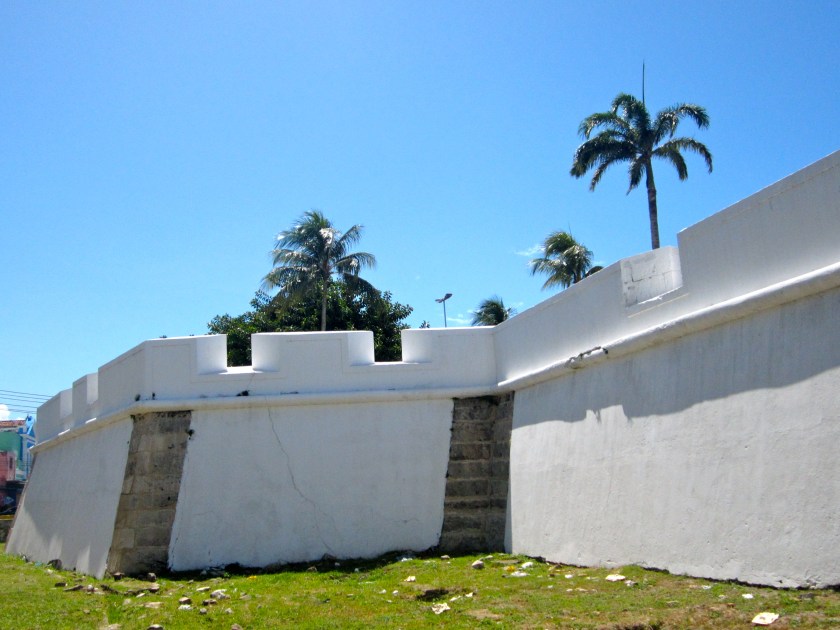
Forte das Cinco Pontas, Recife.

Nome histórico: Forte das Cinco Pontas.
Designação popular: Forte das Cinco Pontas.
Nome de tombamento: Forte das Cinco Pontas.
Outras designações históricas:

  • Forte Frederik Hendrik;
  • Fortaleza de São Tiago das Cinco Pontas;
  • Forte Frederico Henrique;
  • Forte Frederick;
  • Heinrich Trots Den Duivel (Desafio Ao Diabo);
  • Vijfhuck (Cinco Pontas);
  • Fortaleza de Frederico Henrich.

Muralhas desgastadas, fossos secos e aterrados, paliçadas em grande parte caídas pela deterioração das madeiras, foi este o quadro que apresentava o Forte Frederick Henrich, quando da chegada de Nassau a Pernambuco. Logo pode Nassau constatar a pouca defesa que em tais condições aquele forte poderia oferecer; e se tratava de um importante posto, pois era o único capaz de garantir água no caso de um cerco à cidade. Mandou alargar e aprofundar os fossos; construir uma contra-escarpa na face externa do fosso; alargar e elevar as muralhas; e do lado do mar, construir uma sapata. Posteriormente ampliaram as defesas externas, com a construção de novos fossos em direção ao sul.

Quando da Restauração Pernambucana, o Forte das Cinco Pontas foi a última fortaleza a ser conquistada pelas tropas luso-brasileiras.

Foi ainda no Forte das Cinco Pontas, onde se encontrava aquartelado o general Sigismund Von Schkoppe, que foram elaborados os termos da rendição das tropas holandesas. E a 28 de janeiro de 1654, na Campina do Taborda, o general Francisco Barreto de Menezes, recebeu oficialmente os termos de capitulação, quando ficaram definidos os moldes da evacuação dos holandeses de Pernambuco.

This slideshow requires JavaScript.

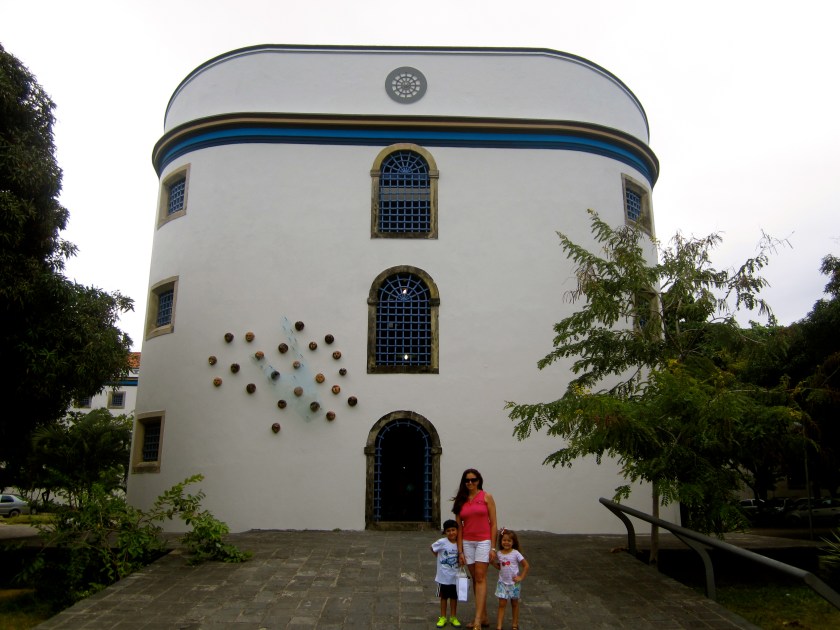
The Casa da Cultura de Recife

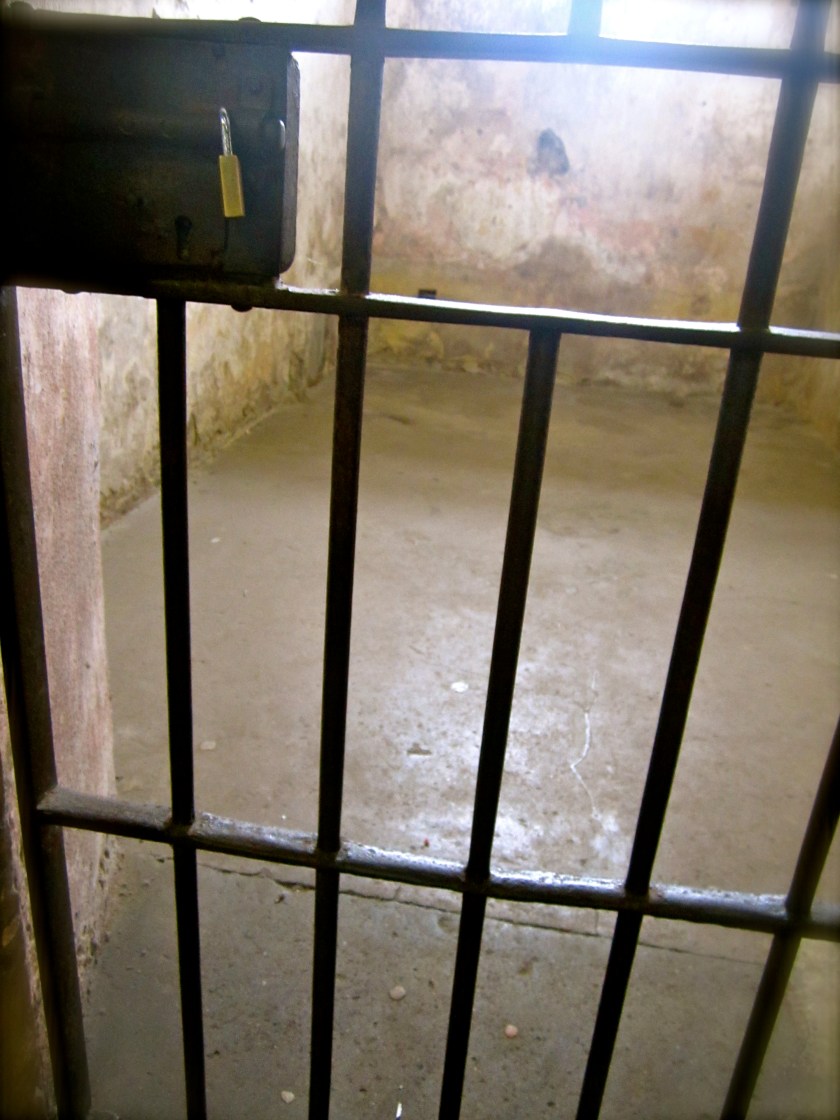
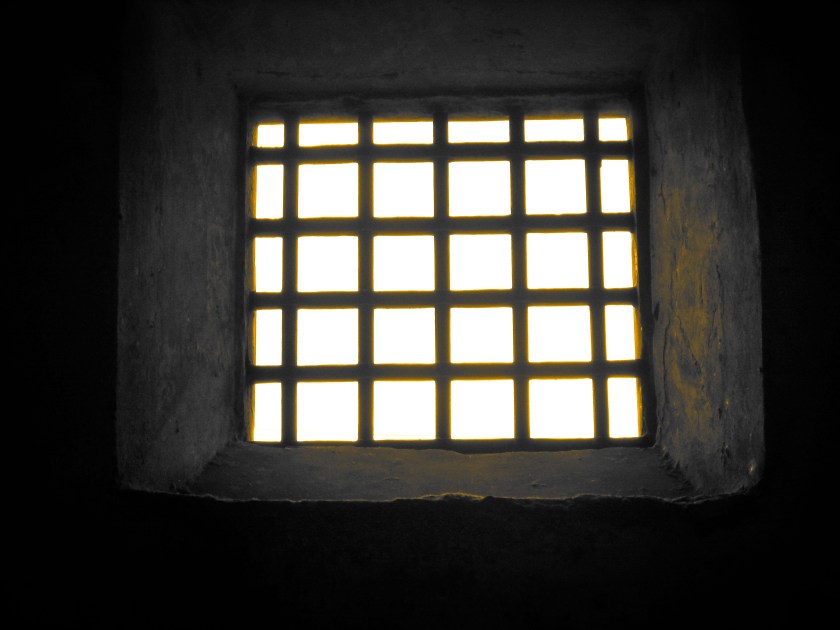
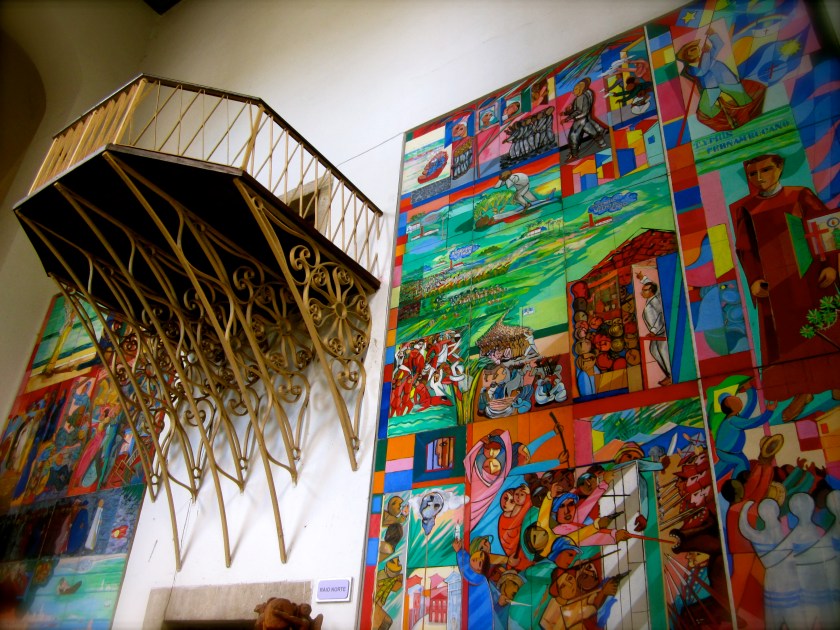
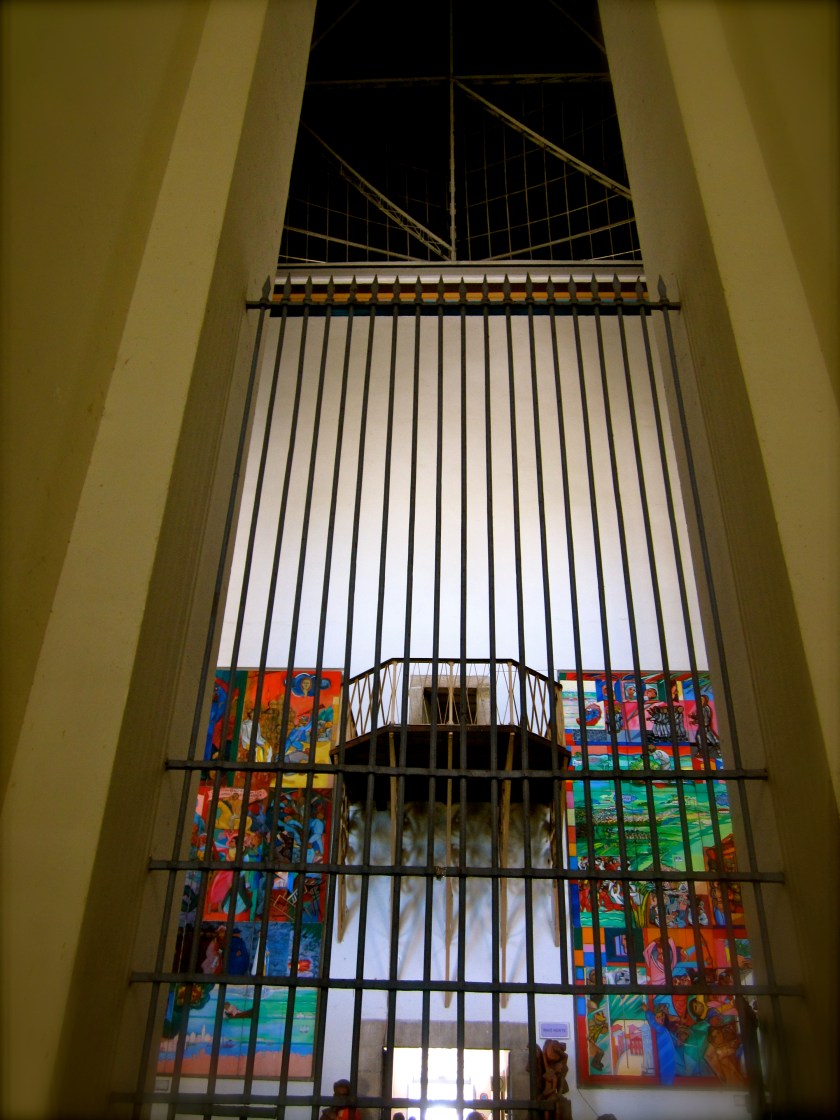
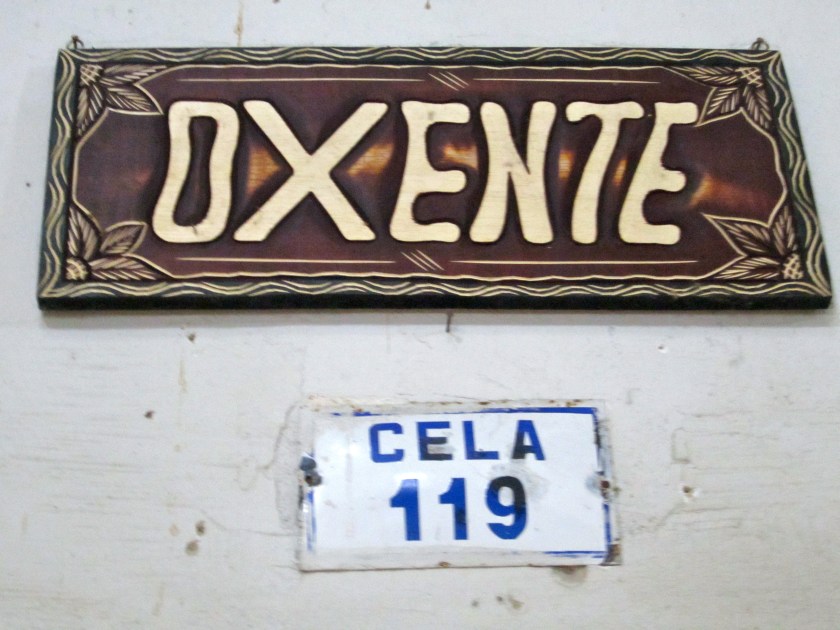
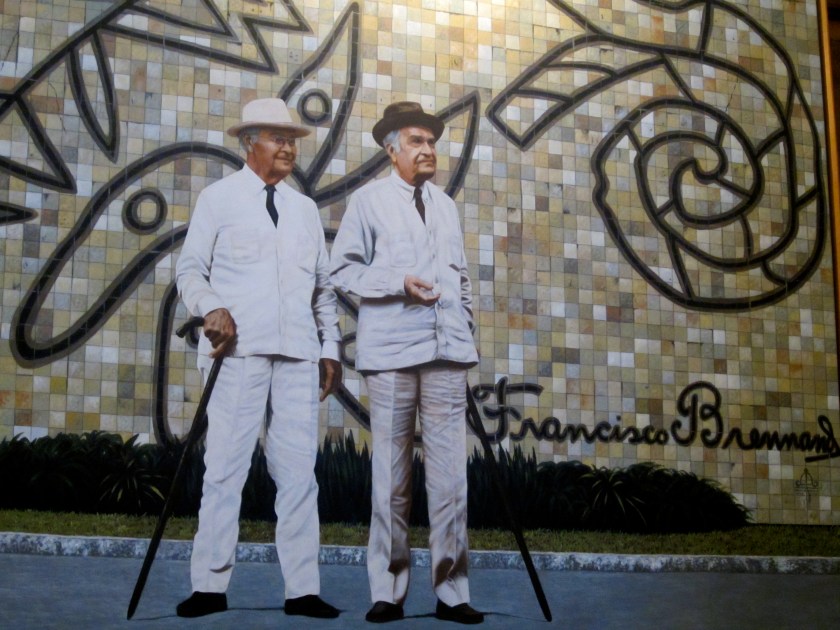
An old detention house, closed in 1973, was transformed under Brennand’s supervision (read more about this visionary, collector and artist, here), in a shopping mall.

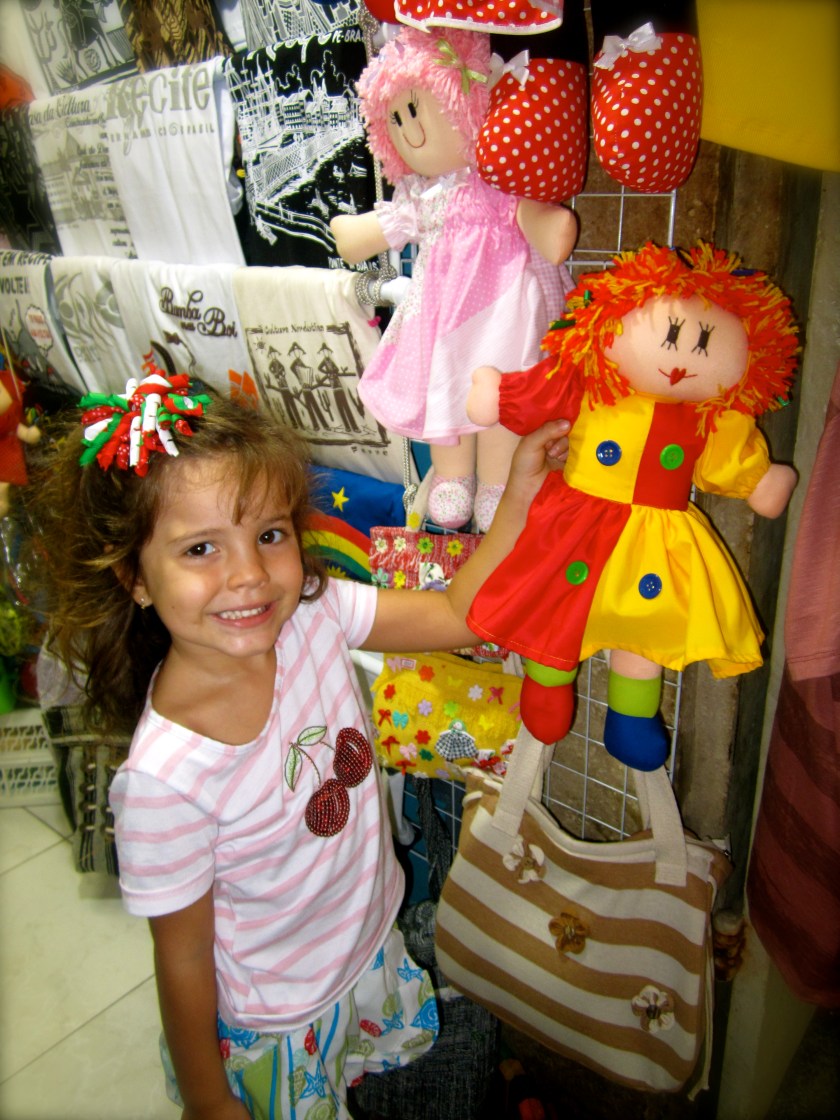
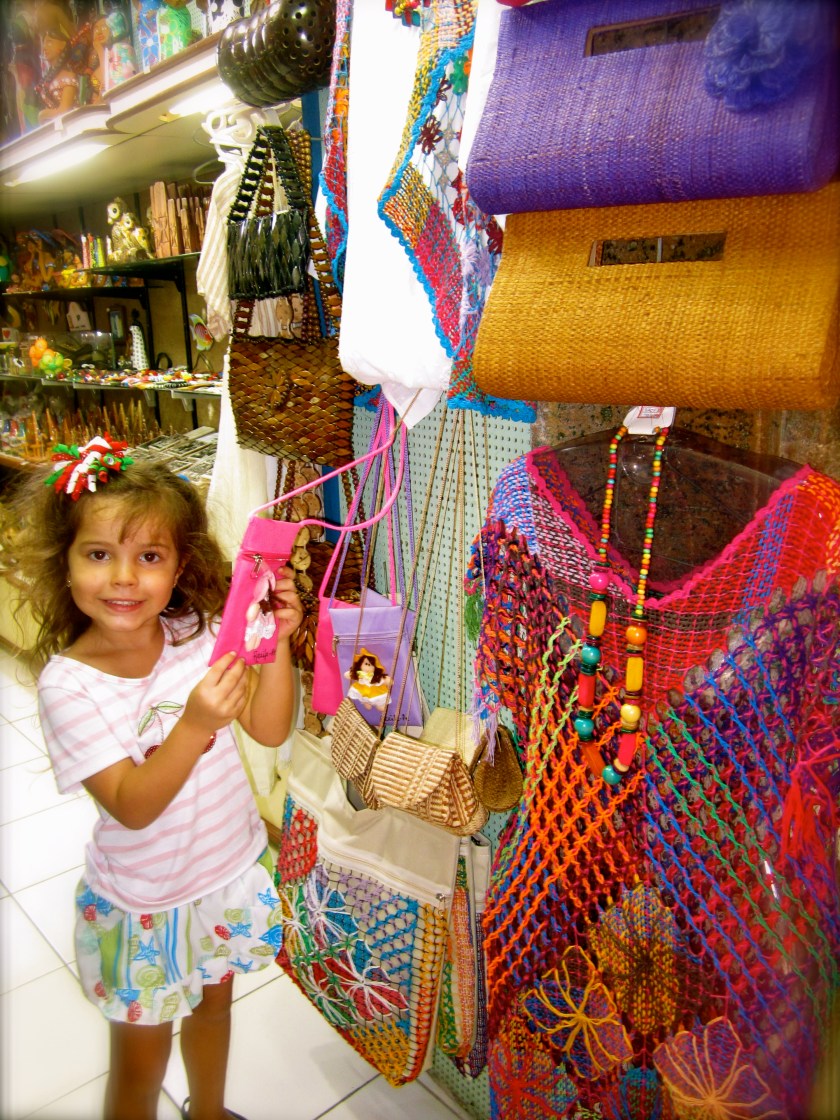
The architecture has been preserved, and the cells were occupied by dozens or small shops, selling local crafts.

detail, the prison seen from above, a project all made with wood

Even where interior walls were removed, to allow a little bigger shops, the look was maintained, only two lifts give a dispensable sign of modernity and comfort, in contrast with the strong grills in the center of the building, and one may find beautiful wood work, resembling the ones found in the colorful nearby city of Olinda.

Throughout the galleries it’s possible to find several different examples of the influence of Master Vitalino, when it comes to lively arts and crafts.

Excellent musical and dance performances often take place right outside the building. The Casa da Cultura is an excellent place to obtain tourist information and start an acquaintance with the region’s cultural arts.

Read more: http://www.virtualtourist.com/travel/South_America/Brazil/Estado_de_Pernambuco/Recife-1505048/Things_To_Do-Recife-Casa_da_Cultura-BR-1.html#ixzz1teqZmmNI

Mexican Luncheon

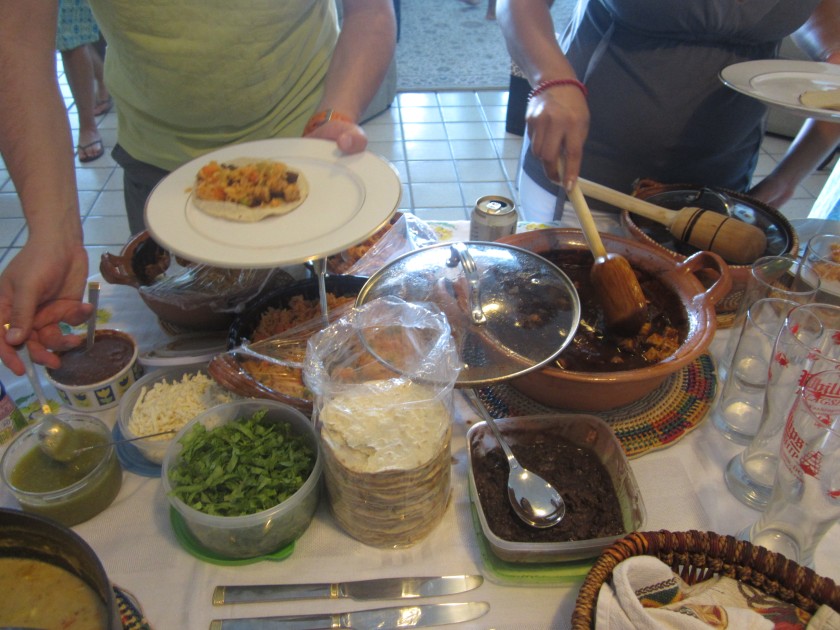
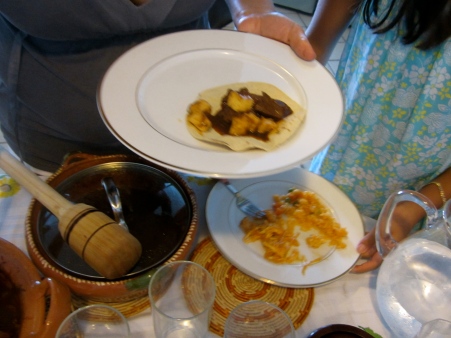
The best recipe for a successful Sunday: Gather friends and neighbors around good food, great conversation, games (for the children) and wait for the relaxing sunset…

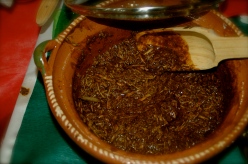
This is the authentic image of a genuine Mole Poblano… The recipe is not mine, unfortunately… Its preparation and execution are all credit to two of our lovely neighbors, both are Mexican families currently living in Recife due to work relocation. Click here for more images and their recipe! This past Sunday our Mexican neighbors brought to our place a quasi-Mexican fiesta, including delicious deserts, and we’ were happy to host [and still embarrassed for not knowing how to cook as well as they did!) 😮 … making sure everyone finished their plate! …and getting ready to wait for the calming sunset over the sea! Also, check this other post out. It’s about honoring the Mexican Culture, from another fellow blogger, passionate by Mexico, good food and cheerful celebrations!

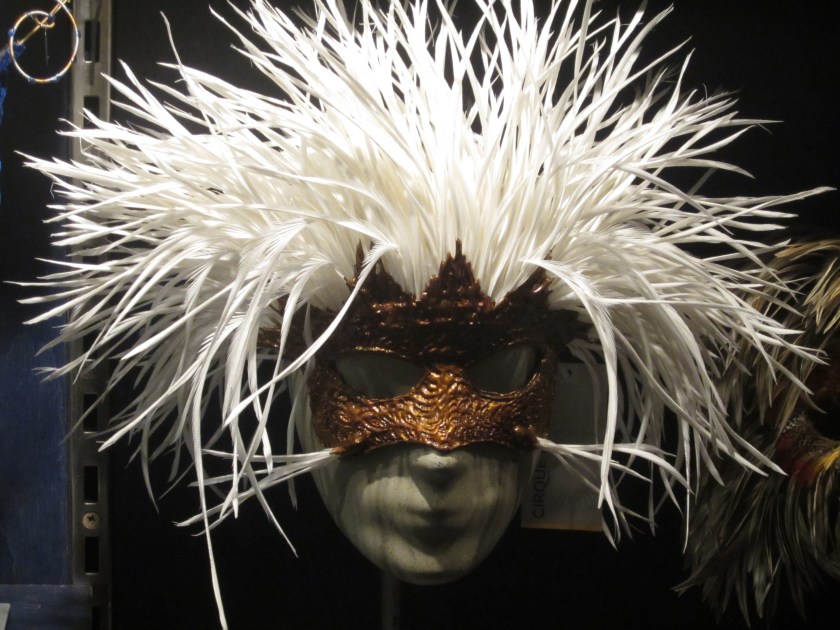
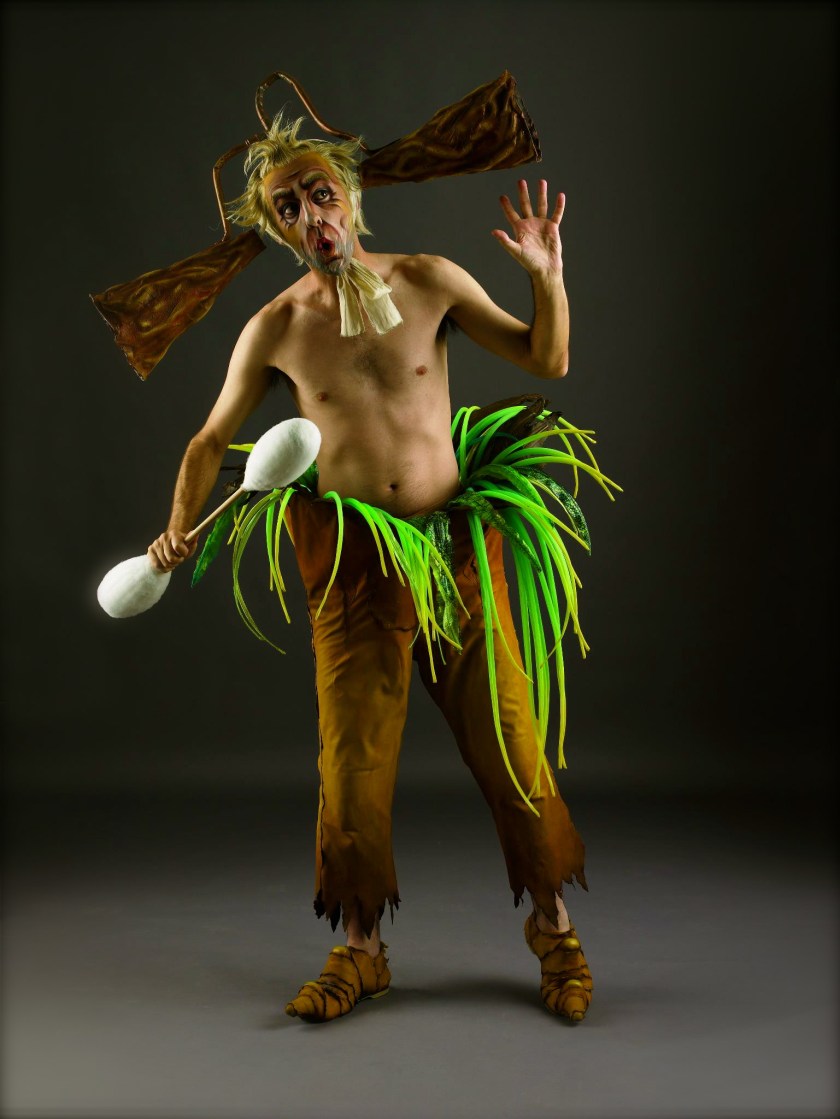
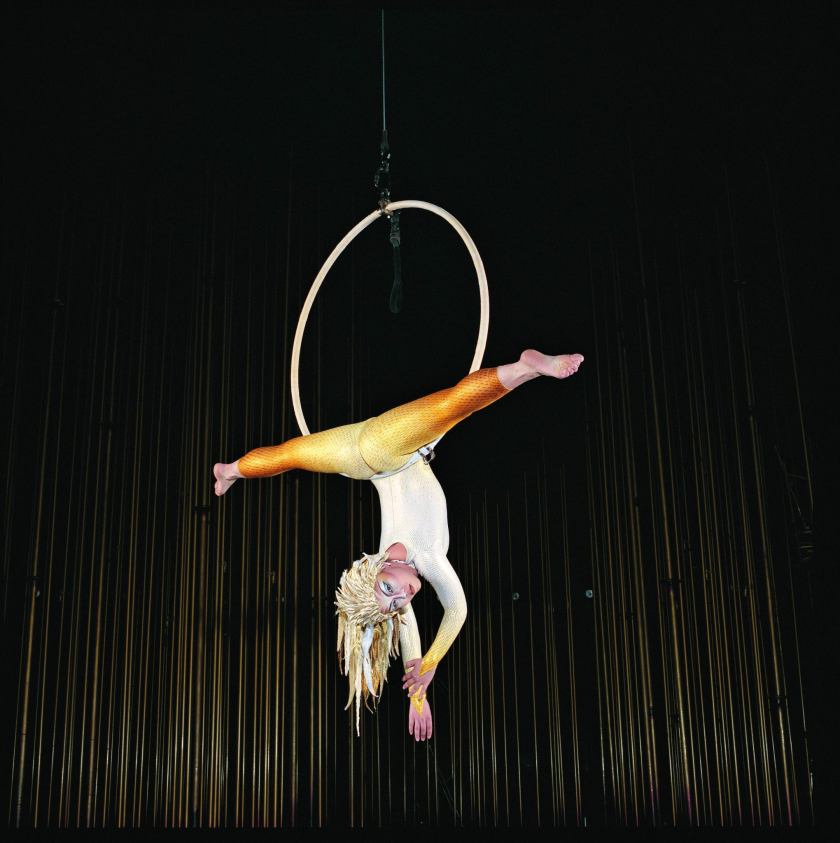
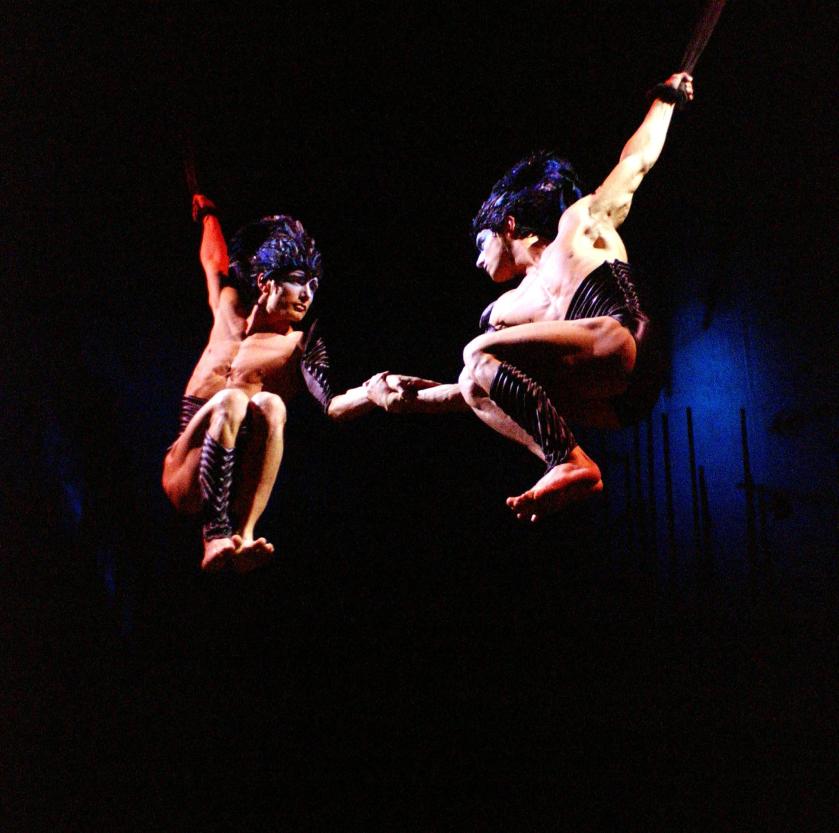
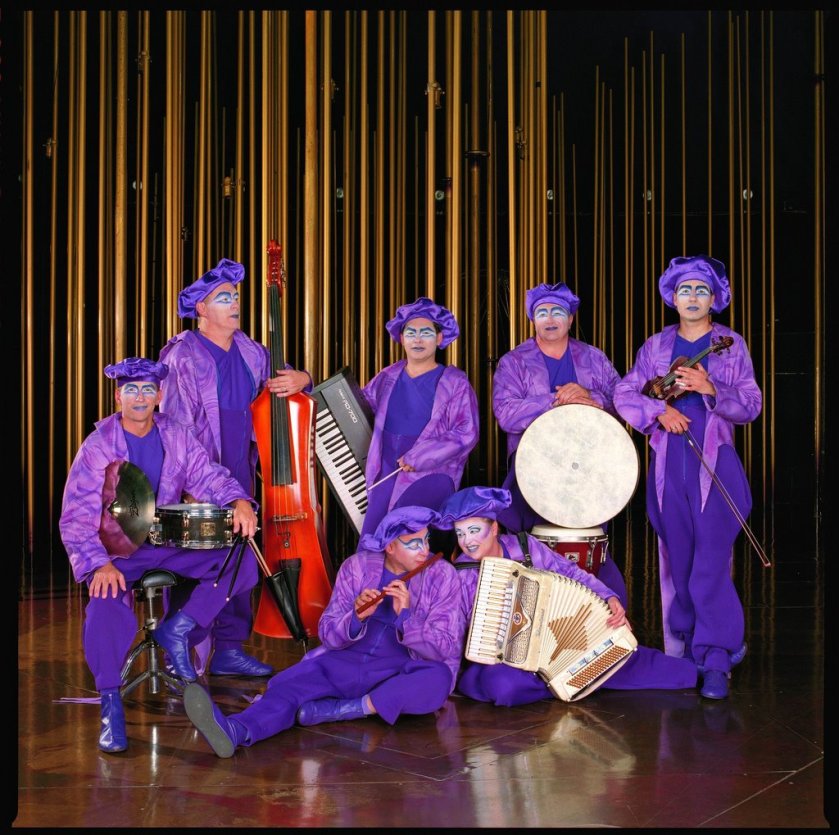
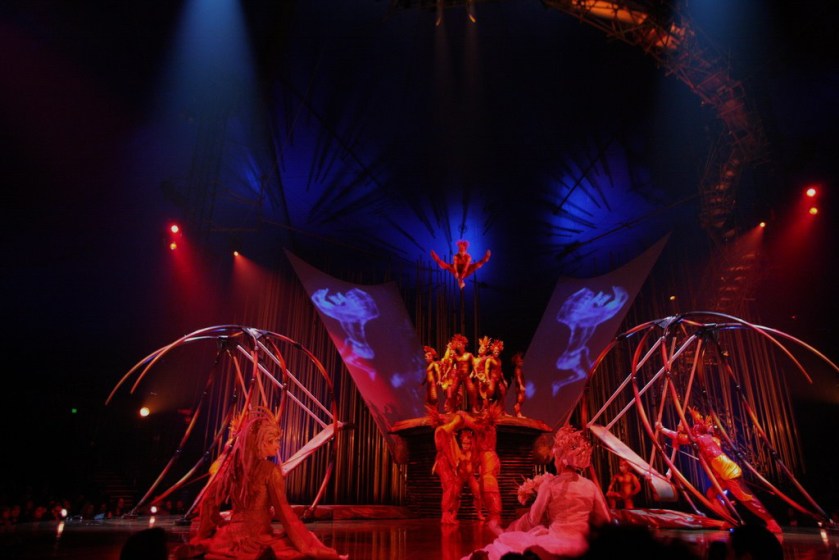
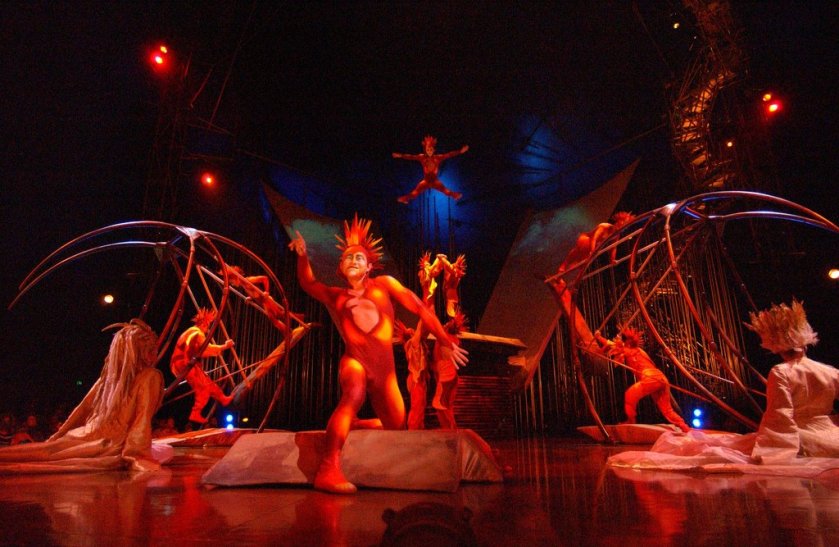
“Deep within a forest… exists an extraordinary world… where something else is possible… called Varekai…” Snapshots from Cirque du Solei in Brazil.

Source: Varekai, Cirque du Solei Fan Page

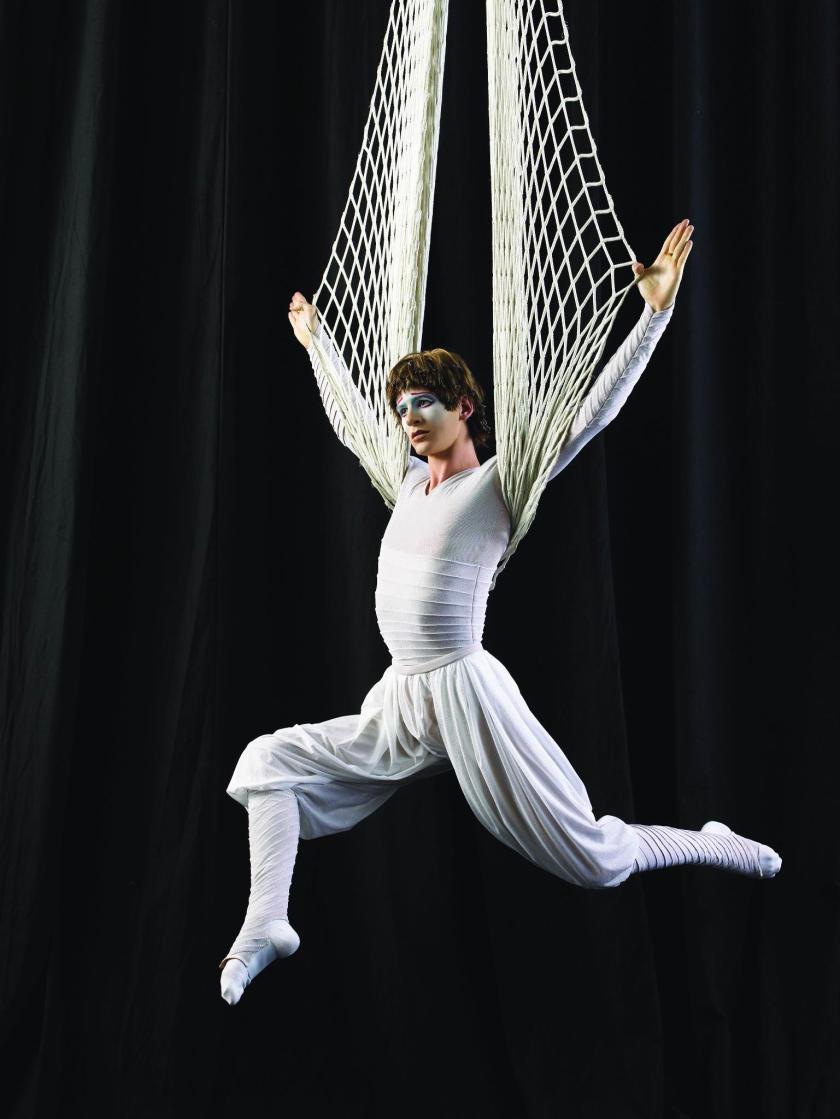
From the sky falls a solitary young man, and the story of Varekai begins.

Parachuted into the shadows of a magical forest, a kaleidoscopic world populated by fantastical creatures, this young man sets off on an adventure both absurd and extraordinary. On this day at the edge of time, in this place of all possibilities, begins an inspired incantation to life rediscovered. [Find Icarus at the end of this post!]

The word Varekai means “wherever” in the Romany language of the gypsies the universal wanderers. This production pays tribute to the nomadic soul, to the spirit and art of the circus tradition, and to the infinite passion of those whose quest takes them along the path that leads to Varekai.”

I’d like to state my “big thank you” for the Show’s production, it’s official website, from where these quotes are borrowed. We were fortunate in having the opportunity to watch the “trupe” in Recife, Brazil, during their last presentations. What a treat! Enjoy the images! [photographic shots were not allowed during the show/performance, but permitted during the 25 min. interval, and at the outside areas…] Most of the photos presented here were taken with our camera. Some pictures (all indicated as such) were borrowed from the Cirque du Solei official website and/or its official Fan Page. My deepest appreciation!

Source: Varekai, Cirque du Solei Fan Page

Source: Varekai, Cirque du Solei Fan Page

http://www.cirquedusoleil.com/en/shows/varekai/show/video-music.aspx?splash=http://www.cirquedusoleil.com/en/shows/varekai/media/CD/Track_16.aspx

Source: Varekai, Cirque du Solei Fan Page

Open Government Partnership in Brasília, city where architecture, mysticism, and government meet.

This past week, husband had the opportunity to enjoy its perfect architecture, while facing very long working days at the Capital, a lot happened in Brasília during this past week, including the meetings for the Open Government Partnership.

From the partnership goals: “It takes political leadership. It takes technical knowledge. It takes sustained effort and investment. It takes collaboration between governments and civil society. The Open Government Partnership is a new multilateral initiative that aims to secure concrete commitments from governments to promote transparency, empower citizens, fight corruption, and harness new technologies to strengthen governance. In the spirit of multi-stakeholder collaboration, OGP is overseen by a steering committee of governments and civil society organizations. To become a member of OGP, participating countries must embrace a high-level Open Government Declaration; deliver a country action plan developed with public consultation; and commit to independent reporting on their progress going forward.
 The Open Government Partnership formally launched on September 20, 2011, when the 8 founding governments (Brazil, Indonesia, Mexico, Norway, Philippines, South Africa, United Kingdom, United States) endorsed an Open Government Declaration, and announced their country action plans. Since September, OGP has welcomed the commitment of 43 additional governments to join the Partnership.”

This slideshow requires JavaScript.

More about the theme, from other bloggers:

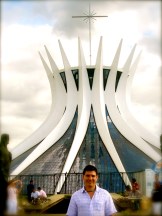
The singular city of Brasília, where architecture, mysticism, and government meet. First stop: Metropolitan Cathedral

I’d stated before my deep admiration for this city. Unique and beautiful, in every single way. Brasília is part of who I am, and who I’ll always be…

This past week, husband had the opportunity to enjoy its perfect architecture, while  facing very long working days at the Capital, but this talk will be left for an upcoming post – a lot happened in Brasília during this past week.

For now, I’m dedicating this series of posts to him, showing my deepest appreciation for this efforts in bringing back home (daytime & nightlight) pictures of my hometown, during his quite scarce free time… 😮 This first post will be about the dream of a visionary man, and the idea of constructing a cathedral resembling two hands together, reaching up…

Brasilia cathedral

Image Source (left): “aboutBrasilia.com” Brasilia is without any doubt a singular city, different from all others; even those ones considered moderns and planned.

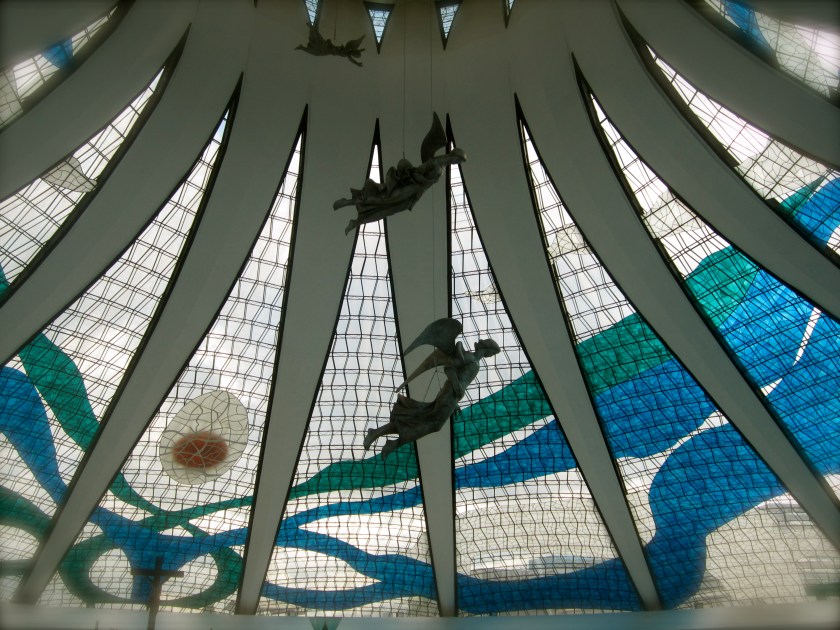
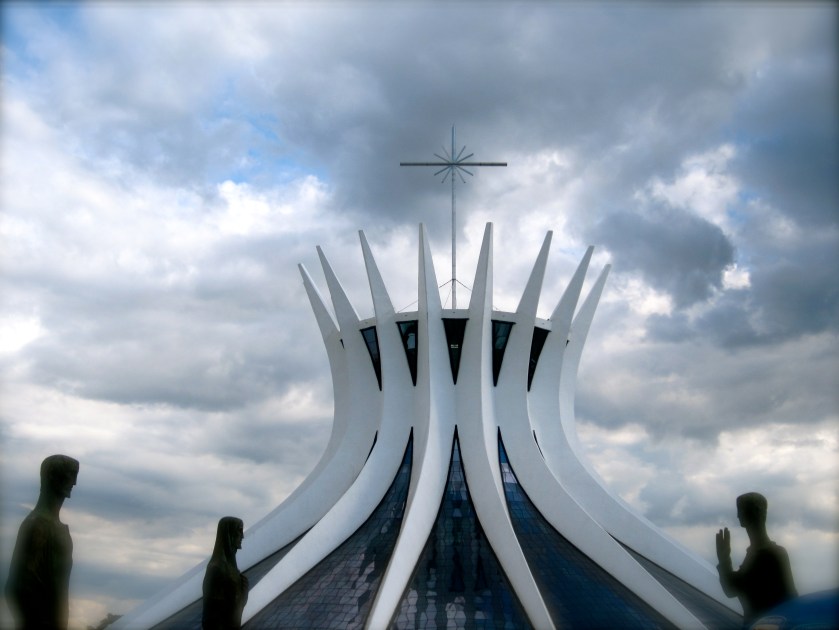
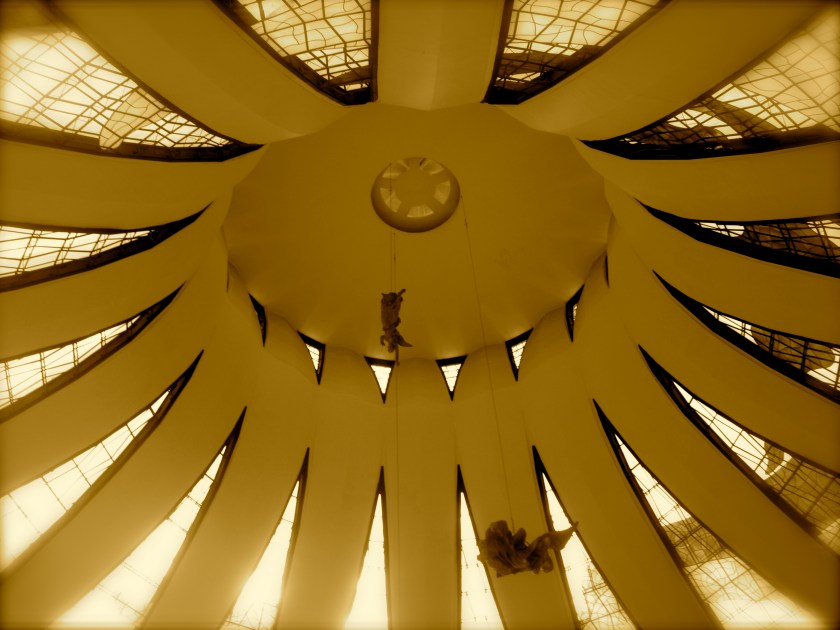
For such special city, an equally singular Cathedral was designed and built. On 12th September 1958, the Cathedral’s cornerstone was laid. The Metropolitan Cathedral of Brasilia is an expression of the geniality of the architect Oscar Niemeyer. In 1960, the Cathedral’s structure was finished, and only the 70 m diameter of the circular area and the 16 concrete columns were visible. These columns, having parabolic section and weighing 90 t, represent two hands moving upwards to heaven. The Cathedral was dedicated on the 31st May, 1970. At that time it had already the external transparent window. Four bronze sculptures 3 m high, representing the Evangelists, can be seen at the external square in the entrance of the Temple. These sculptures were made with the help of the sculptor Dante Croce, in 1968. Inside the nave, three sculptures of angels are suspended by steel cables.


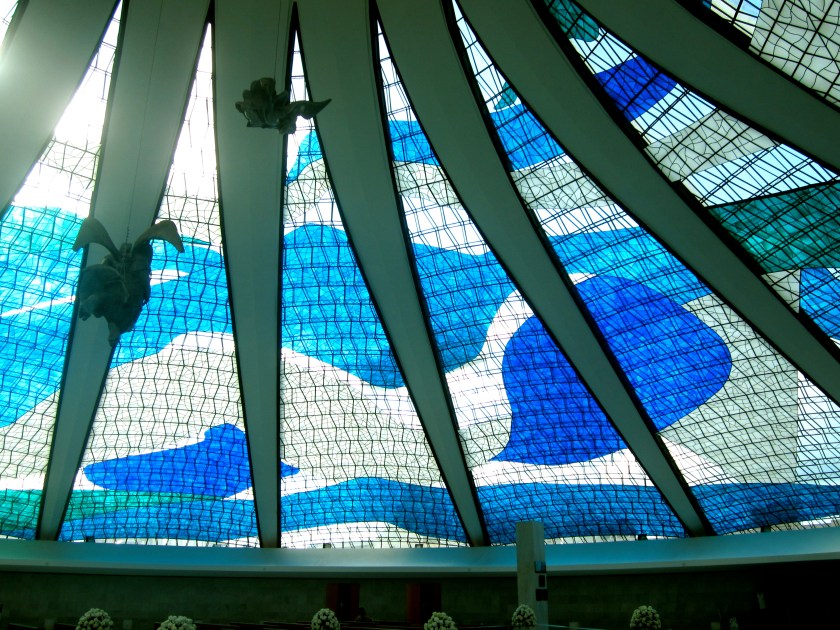
The smallest angel has 2,22 m of length and weighs 100 kg. The medium one has 3,40 m of length and weighs 200 kg. The big one has 4,25 m of length and 300 kg weighs. The sculptures were made by Alfredo Ceschiatti, with the help of Dante Croce, in 1970. The nave stained glass is made of 16 pieces of fibreglass. These pieces, in colours of blue, white and brown, were fixed between the concrete columns, in triangles of 10 m of base and 30 m of height. They were painted in 1990 by Marianne Peretti. Having an oval form, the Baptistery has its walls covered by a panel of ceramic tiles painted in 1977 by Athos Bulcão. The local architecture is completed by a bell tower. Its four big bells were donated by Spain.

52nd Anniversary of Brasilia, the city where everything meets, and the dream of JK, the visionary.

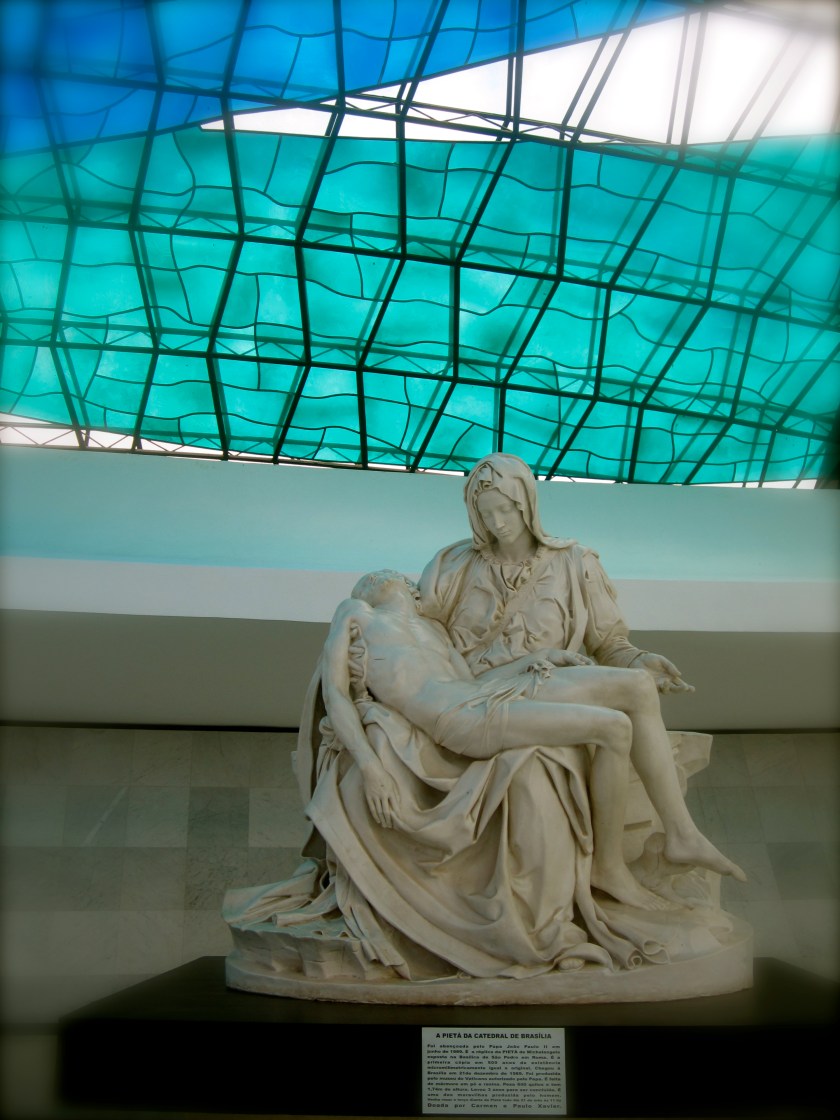
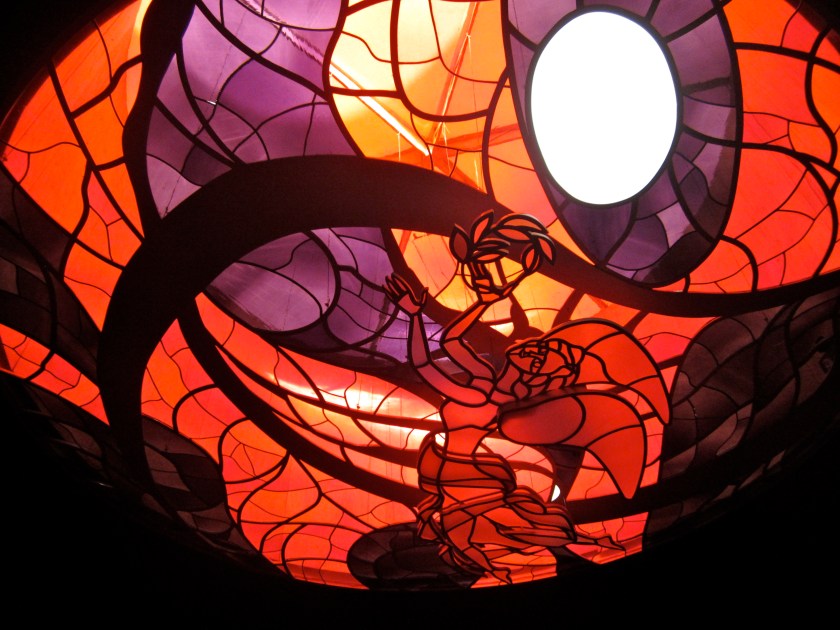
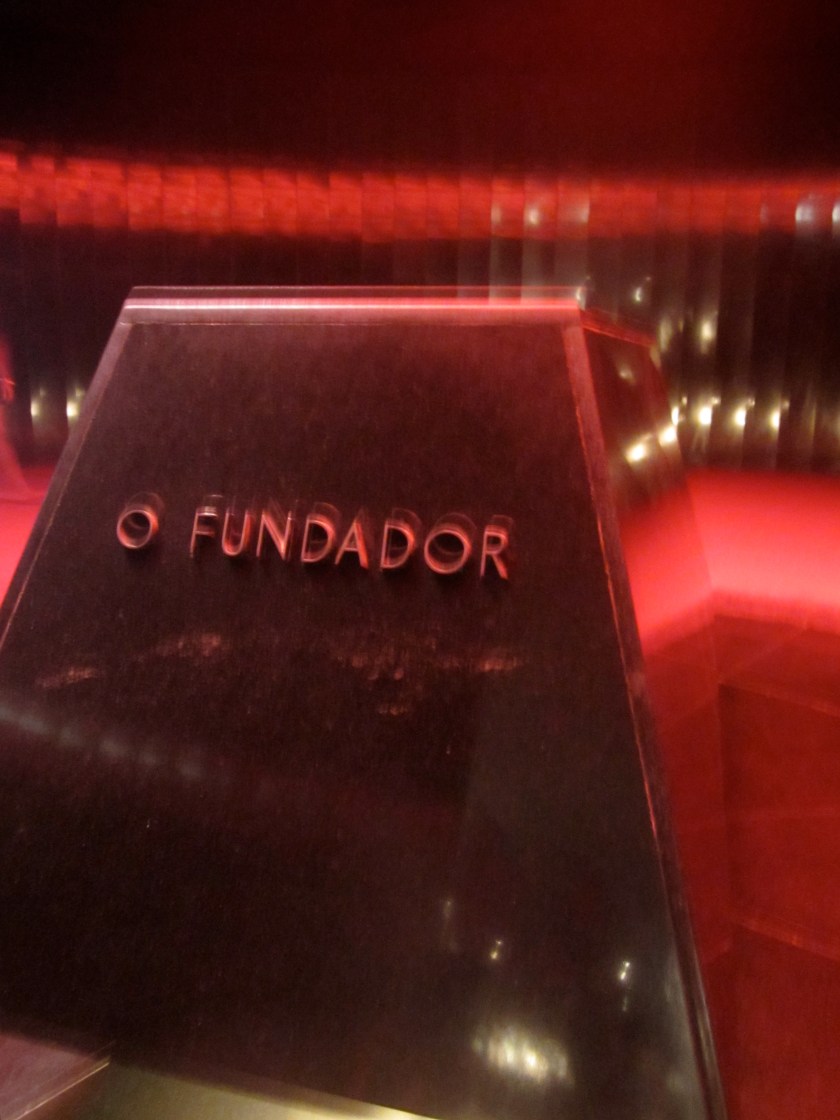
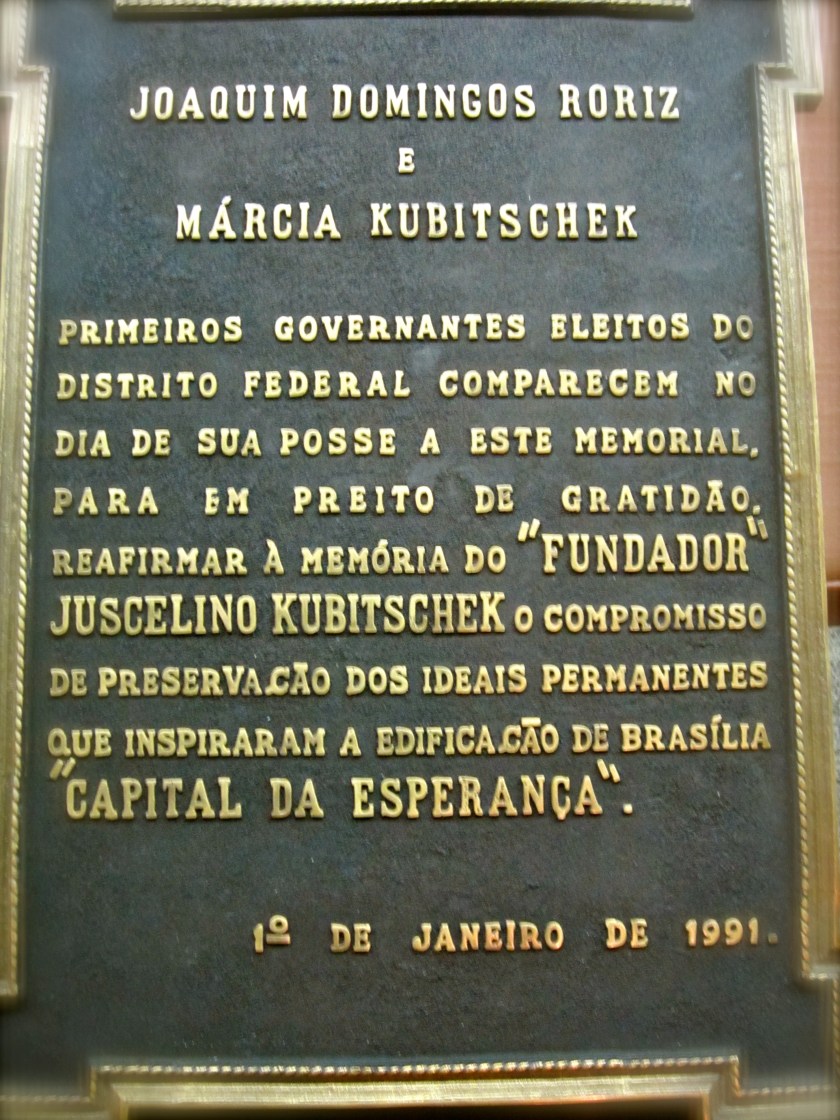
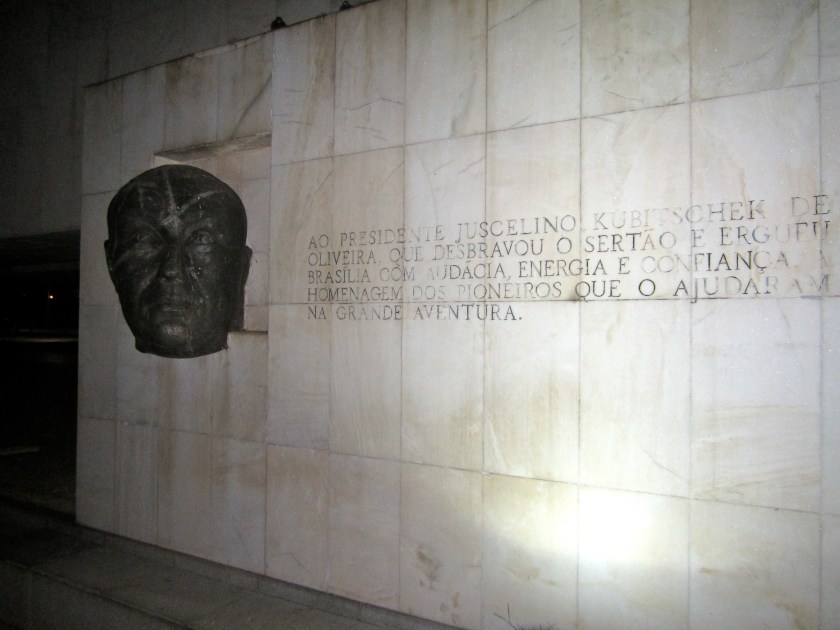
Continuing with the series of posts about the singular city of Brasilia, and again, very grateful for  all my husband’s efforts in bringing back home pictures of my hometown, during his time at the Federal Capital…Today, the City of Brasília, the “Capital of Hope” (Capital da Esperança, in Portuguese), as it’s known by all Brazilians, celebrates its 52nd Anniversary. One man, a visionary, was responsible for its creation/construction, a former President, Juscelino Kubitschek, known as President JK. This post is dedicated to his memory and the city of his dreams. Find below images from the JK memorial – the external building and its interior:

JK, in the words of another traveler, a contributor to Lonely Planet:

“The man had guts.. Moved the capital away from the mobsters, created a social system that worked – he had an unfortunate ‘accident’ that ended his life but cemented his legend. His visitors included much of S.America’s leaders, European heads of state, ministers of state of Canada and President Eisenhower of the USA. They came for the commodities, but remained friends for other reasons. Brazil has been an ally since before WWII and committed and lost mariners to support Western freedoms. Friends continue to remember who helped pay for the freedom. The collection of artifacts from JK’s and his wife, Sara’s personal effects and those items they touched in the course of their professional lives provide a colourful narrative of gentil and caring people intent on helping the people of Brazil. JK was a conservative man. His clothing demonstrates a focus on the essentials – not frivolity. Gifts to the president are similarly modest and suggest his support was not purchased but rather was what was important for the country at the time. Woven into the details about JK – the man, is the story of the design and creation of Brasilia. Evolving sketches, photo images document many of the design choices made by the Niemeyer team, who purpose built each of the major components of the city’s buildings, roads and services. JK lays entombed in granite on the second floor of the museum, surrounded by a stone rotunda where visitors can enter and pause over the man who created the new Brazil. In contrast to the rest of the dramatic exhibit, but in keeping with his nature, his resting place is solemn and remains reverent despite the comings and goings of many school children and tourists outside the rotunda. The JK Memorial is an essential part of a visit to Brasilia – a city that is completely different from any other and one that changed the perception of Brazil to the world.”

Read more about the Memorial here.

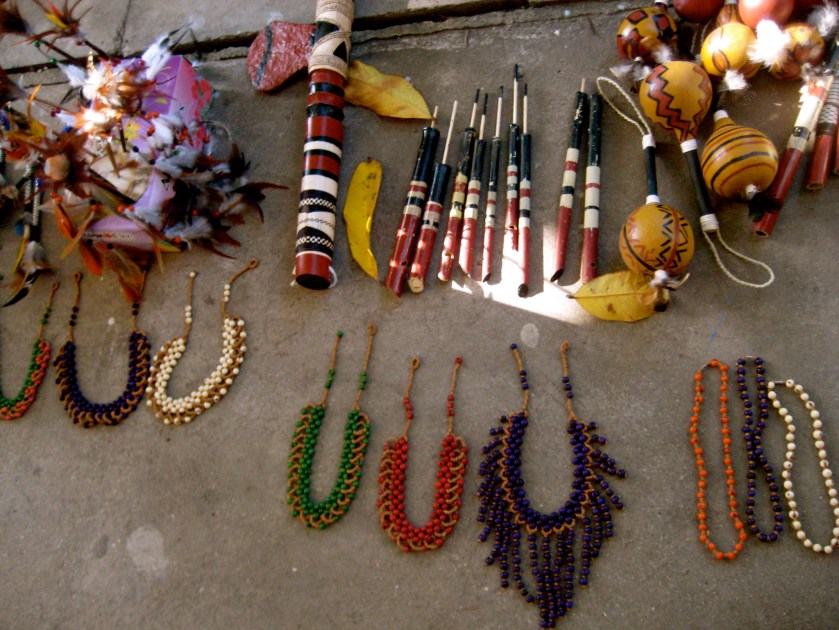
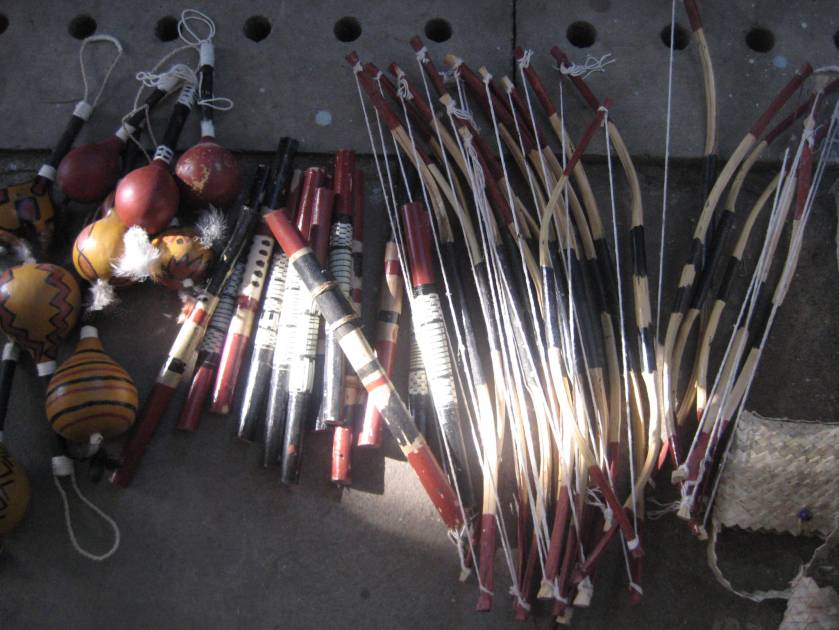
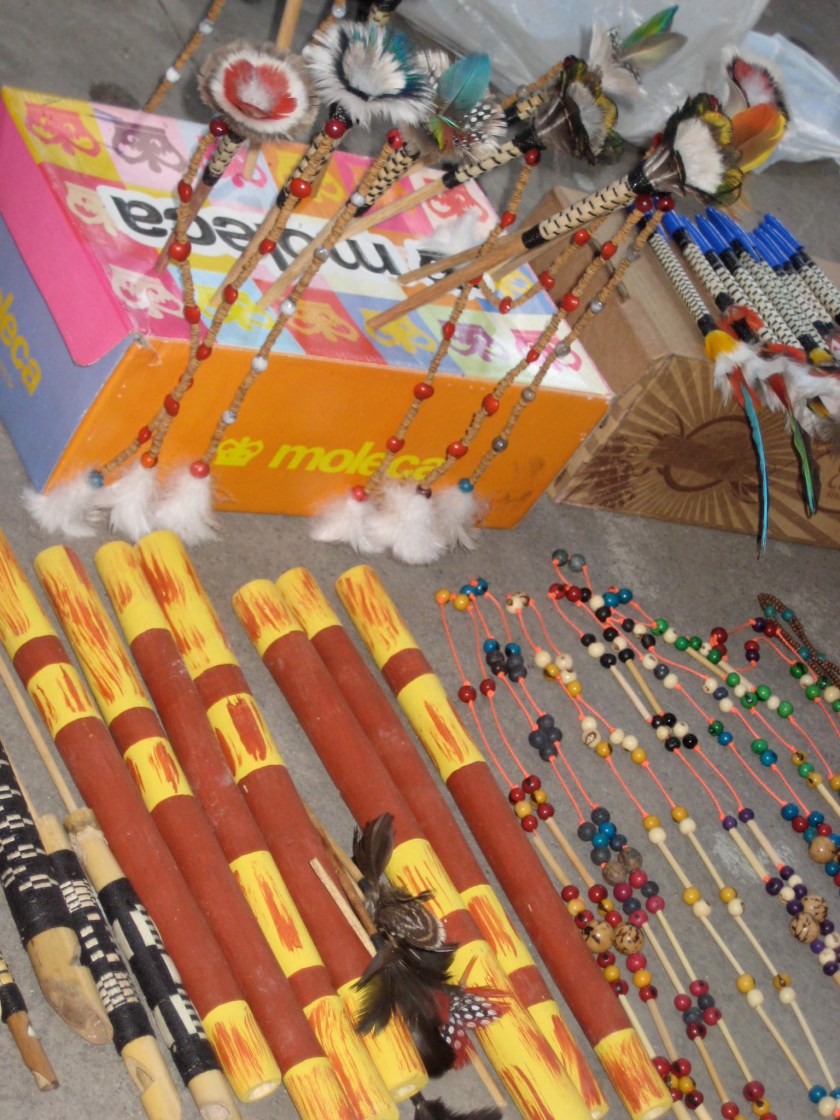
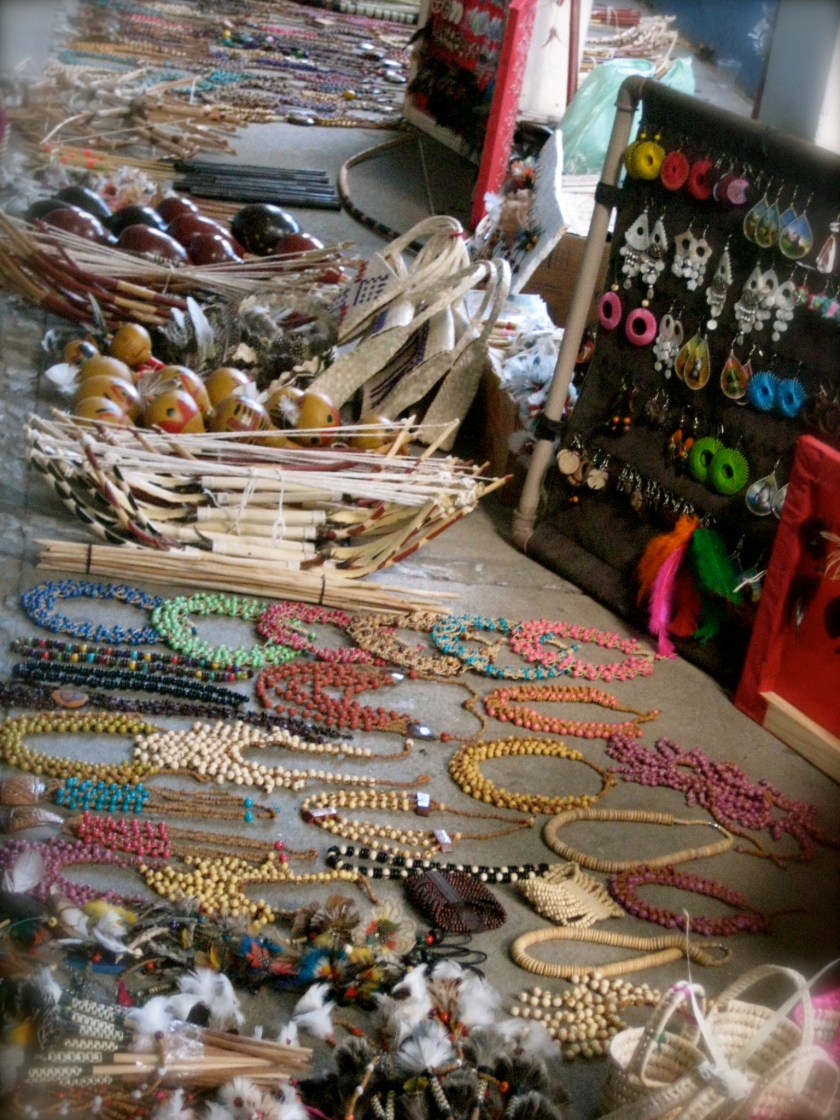
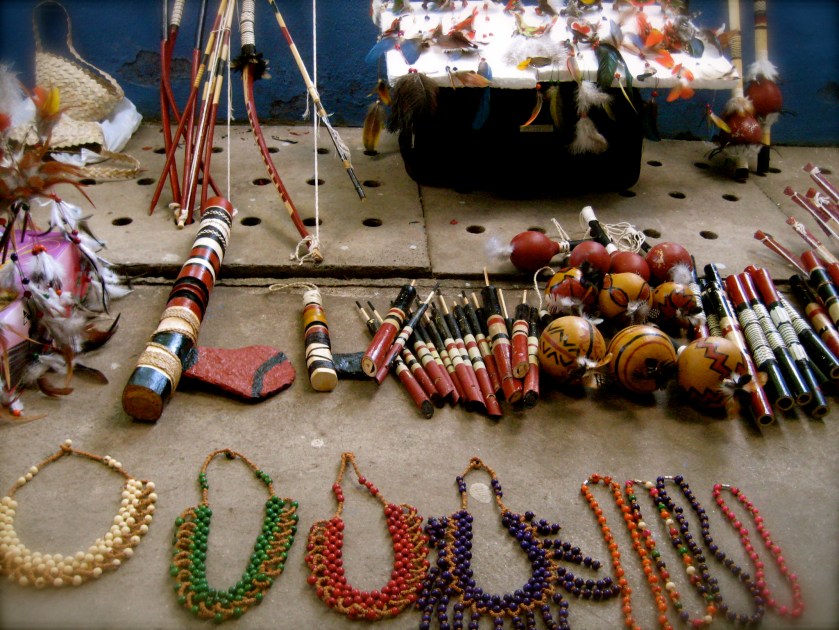
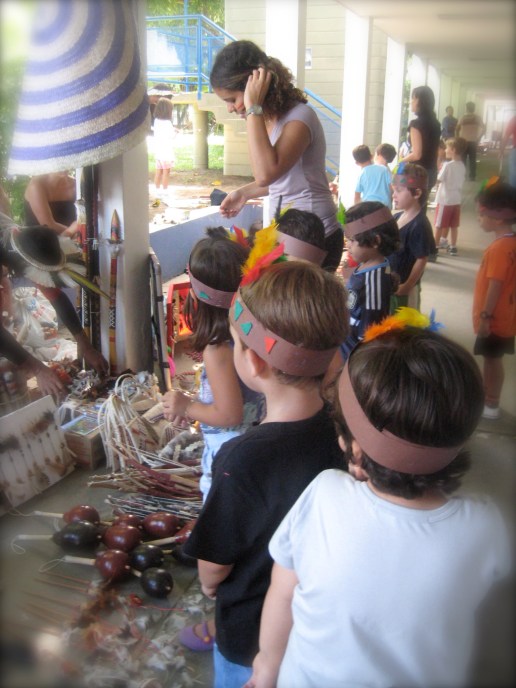
Snapshots from indigenous culture in Pernambuco, Brazil: arts and crafts of the Fulni-ô tribe

Today, April 19th, Brazil celebrates the National Indian Day.

In Pernambuco, the state of Brazil we’re currently calling ‘home’, there are still a few indigenous tribes – and most important of all, some of them still keep their native language, like the ones featured here.

The most common indigenous tribes in Pernambuco are: the Xucuru, the Fulni-ô, the Pankararu,  and the Truká.

Recently, other groups were added to the list, although, with fewer representatives: the Atikum, the Kambiwá and the Kapinawá. In order to honor today’s date, please find below a few images from the artistic tribe Fulni-ô, with 3,229 confirmed members.

Weekly Photo Challenge: Two Subjects

“Two Subjects”. That’s the inspiration for this week’s photo challenge from WordPressThis “theme” is more of a composition challenge, than the usual single themes we’re used to post about. Let’s see how this week’s compositions turn out… mix of natural and man-made two-subject themes…


Other posts from WordPress bloggers

Weekly Photo Challenge: Two Subjects « e-Me Photo Challenge: Two Subjects monochromatics | La mandrola de la Mandraka Weekly Photo Challenge: Two subjects « « The Great Escape » Life from behind a lens Weekly Photo Challenge: Two Subjects (2) « e-Me Two Subjects « Broken Light: A Photography Collective Weekly Photo Challenge: Two Subjects « Pathfinder: MotherWifeStudentWorker Two Subjects (Weekly Photo Challenge) « Cardinal Guzman Weekly Photo Challenge: Two Subjects « jeff sinon photography Weekly Photo Challenge: Two Subjects | Lonely Travelog Two Lights, Two Subjects | Nature in the Burbs Weekly Photo Challenge: Two Subjects | Figments of a Dutchess Weekly Photo Challenge: Two Subjects Weekly Photo Challenge: Two Subjects « Inside Out Cafe Weekly Photo Challenge: Two Subjects « Fenland Photos Weekly Photo Challenge: 2 Subjects | Jumbled Contents Of My Head Weekly Photo Challenge: Two Subjects « weird & cool stuff seen while out & about Weekly photo challenge: Two subjects « Connie’s World Double Your Pleasure ~ Two Subjects « Spirit Lights The Way Weekly Photo Challenge: Two Subjects « Mystiic Weekly Photo Challenge : Two Subjects « Hurtled to 60 and Now Beyond… Weekly Photo Challenge: Two Subjects | Creativity Aroused Weekly Photo Challenge: Two Subjects | fluffy flurries WordPress Weekly Photo Challenge: Two Subjects « A year in the Life Weekly Photo Challenge: Two Subjects « Mike Hardisty Photography Weekly Photo Challenge: Two Subjects | Wind Against Current You don’t see many penguins in Oxfordshire | Pseu’s Blog Weekly Photo Challenge: Two Subjects « The Urge To Wander Weekly Photo Challenge: Two Subjects « Sin Polaris Weekly Photo Challenge: Two Subjects « The potato blog WordPress Weekly Photo Challenge..Two Subjects. « thepurpledogpaintingblog WEEKLY PHOTO CHALLENGE : TWO SUBJECTS « 2012 – ON THE BENCH Weekly Photo Challenge: Two subjects « Alice through the Macro Lens Weekly Photo Challenge: Two Subjects | Children’s Books & More Weekly Photo Challenge: Two Subjects | Ingset’s Blog Weekly Photo Challenges – Journey & Two Subjects – Just a lil’ lost… Weekly Photo Challenge: Two Subjects | mothergrogan Weekly Photo Challenge: Two Subjects | Jaajaabor Weekly Photo Challenge: Two Subjects « Ink. Photo Weekly Challenge: Two subjects | Autumn in Bruges Weekly Photo Challenge: Two Subjects « R Shad Weekly Photo Challenge: Two Subjects | Heart Renovation Weekly Photo Challenge: Two Subjects | Even A Girl Like Me Weekly Photo Challenge: Two Subjects « YSalma WEEKLY PHOTO CHALLENGE: TWO SUBJECTS « Francine In Retirement Weekly Photo Challenge: Two Subjects | Chronicles of Illusions Weekly Photo Challenge: Two Subjects « Changeversations Weekly Photo Challenge: Two Subjects | heartfelt images WordPress Photo Challenge: Two subjects « right in front of me A Picture with Me in it | Empire of Lights Weekly Photo Challenge: Two Subjects « Heart’s Home Weekly photo challenge: Two subjects « rondomtaliedraai Weekly Photo Challenge: Two Subjects… | Mirth and Motivation Weekly Photo Challenge: Two Subjects « My Sardinian Life | La Mia Vita Sarda Weekly Photo Challenge: Two Subjects #2 « My Sardinian Life | La Mia Vita Sarda Weekly photo challenge ~ Two Subjects | holistic complications Weekly Photo Challenge: Two Subjects… | The Blog Farm – A Growing Blog Community Weekly Photo Challenge: Two Subjects « Eclipse Of The Moon Weekly Photo Challenge: Two Subjects | Four Deer Oak Weekly Photo Challenge: Two Subjects « acieartikulasi Weekly Photo Challenge – Two Subjects | Aspiring Creativity pavlov « yi-ching lin photography Elmo’s Gnome Gnotes « Misk Cooks Weekly Photo Challenge: Two Subjects « Simply Charming Weekly Photo Challenge: Two Subjects #3 « My Sardinian Life | La Mia Vita Sarda

Preparing for Easter Sunday! Bacalhau a Gomes de Sa (Portuguese Codfish)

Although I may be able to take credit for the photo, the “execution” and recipe belong to my mother, and to her Portuguese heritage. For the past ten years, I’ve been promising my husband I’ll make, one day. One day… not today… not yet! [smiles!]

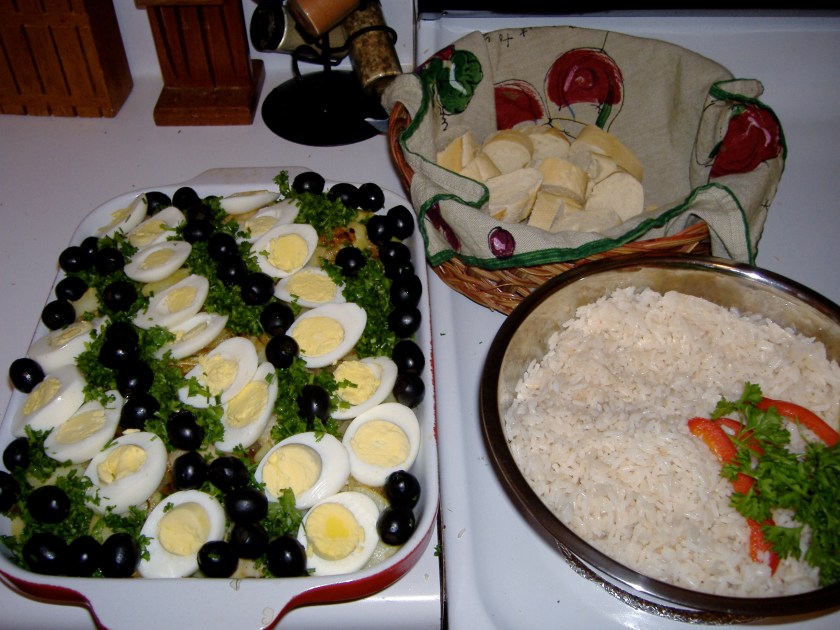
Bacalhau à Gomes de Sá is essentially a casserole of cod, potatoes, eggs, olives, olive oil and onion. It is a speciality from the northern city of Porto, being today popular throughout Portugal, and is considered one of Portugal’s greatest bacalhau recipes.

Suggestion for a delicious Easter Sunday, or in good Portuguese: “Domingo de Páscoa”… Sharing my mother’s favorite recipe: Portuguese Codfish – Bacalhau a Gomes de Sá… Got a lot of positive feedback when I first published this recipe, that, I’m getting it out – again, now, as a great suggestion for Sunday’s luncheon! Showing the deepest appreciation to my Portuguese heritage… thanks, mom! 😮

**********************

Originally published:

Although I may be able to take credit for the photo, the “execution” and recipe belong to my mother, and to her Portuguese heritage. For the past ten years, I’ve been promising my husband I’d make it one day. One day… not today… not yet! [smiles!]

 Bacalhau à Gomes de Sá is essentially a casserole of codfish, potatoes, eggs, olives, olive oil and onion. It is a speciality from the northern city of Porto, being today popular throughout Portugal, and is considered one of Portugal’s greatest bacalhau recipes.

Origin of the name
Gomes de Sá was the son of a rich nineteenth century merchant, in Porto. The family fortune dwindled and the son had to find a job at the famous restaurant Restaurante Lisbonense in downtown Porto, where the well-known recipe was created.

 Bacalhau à Gomes de Sá

“É um prato alourado no forno, formado por uma mistura de lascas de bacalhau amaciadas em leite, batatas cozidas e um refogado ligeiro. É enfeitado com ovo cozido, salsa e azeitonas”.

Alguns pratos tradicionais da culinária recebem o nome de seus criadores. Este é o caso do bacalhau à Gomes de Sá, tradicional receita portuguesa deste peixe, de autoria de José Luís Gomes de Sá, falecido em 1926, e na época cozinheiro do Restaurante Lisbonense, no Porto, lugar em que criou a receita. Sua receita tradicional propõe que o bacalhau seja cortado em pequenas lascas marinadas no leite por mais de uma hora. Assado no forno, com azeitealhocebola, acompanhando azeitonas pretas, salsa e ovos cozidos.

Este é um prato típico da região Norte de Portugal. É de preparação simples e relativamente rápida.

O bacalhau à Gomes de Sá foi um dos candidatos finalistas às 7 Maravilhas da Gastronomia portuguesa.

Gomes de Sá era um comerciante do Porto nos finais do Séc. XIX. A ele se deve esta receita de bacalhau que, segundo a lenda, terá sido criada com os mesmos ingredientes (à excepção do leite) com que semanalmente fazia os bolinhos de bacalhau que deliciavam os amigos. Com efeito, os ingredientes são os mesmos, mas a receita resulta de uma confecção cuidada e de grande requinte. A receita que se segue é retirada de um manuscrito atribuído ao próprio Gomes de Sá que terá dado a receita a um seu amigo, João, com a deliciosa nota: “João se alterar qualquer cousa já não fica capaz”

Receita em Portugues:

3 Porções

  • 400 g Bacalhau
  • 500 g Batata
  • 2 Ovos
  • 1 dente Alho
  • 3 Cebolas
  • 0.35 g folhas louro
  • 1 ramo salsa em rama
  • Q.B. Azeitonas Pretas
  • Q.B. Azeite
  • Q.B. Sal
  • Q.B. Pimenta

Cortar o bacalhau em postas e demolhar durante 48 horas. Colocar panela ao lume com água e deixar ferver. Juntar o bacalhau, deixar cozer, retirar e lascar.

Lavar bem as batatas com a pele. Cozer em água, temperada com sal, retirar e deixar arrefecer. Pelar as batatas e cortar em camponesa.
Cozer os ovos (duros), arrefecer e picar.

Descascar os dentes de alho e picar e descascar as cebolas e cortar em meia-lua. Colocar um tacho ao lume, adicionar o azeite. Juntar os dentes de alho, as cebolas e as folhas de louro; deixar refogar lentamente. Temperar com sal e pimenta. Retirar as folhas de louro e guardar.

Colocar uma frigideira ao lume. Adicionar a cebolada e o bacalhau lascado e saltear. Juntar a batata e temperar com sal e pimenta. Colocar dentro de um tabuleiro, regar com azeite aquecido com alho picado e levar ao forno. Retirar e empratar. Decorar com salsa picada, azeitonas pretas e os ovos picados e servir.

And in English: (from EMERIL)

INSTRUCTIONS

Soak the cod in cold water to cover for 24 to 36 hours, changing the water occasionally, drain. Flake the cod into small pieces, removing any bones. Set aside. In a large sauté pan, over medium heat, add 1/4 cup of the oil. When the oil is hot, add the onions and the garlic. Season with salt and pepper. Sauté until slightly golden, about 6 minutes.

Preheat the oven to 350ºF.

Grease a medium ovenproof casserole dish with 1 teaspoon of olive oil. Season the potatoes with salt and pepper.

Spread half of the potatoes over the bottom of the prepared dish. Sprinkle half of the salt cod over the potatoes. Place half of the onion mixture over the salt cod. Top the onion mixture with more salt cod. Place another layer of potatoes over the top of the cod. Drizzle the entire pan with the remaining 1/4 cup of oil. Place in the oven and bake for 30 to 40 minutes, or until golden. Place on a serving platter. Garnish with the sliced eggs, olives, and parsley.

Yield: 4 to 6 servings

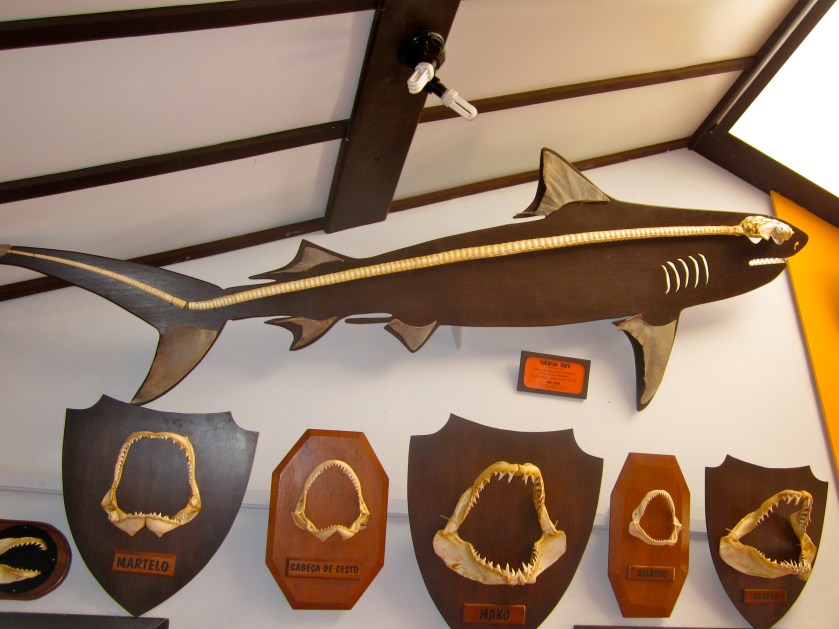
Snapshots from the Shark Museum, Fernando de Noronha Archipelago, Brazil

The "Two Brothers" hill - Morro Dois Irmãos, viewed from the Praia da Cacimba do Padre, FN. All images from 3rdculturechildren.com

This post was promised a long time ago…It’s already been a month we came back from the archipelago, and finally, got through the last photos – the last two posts, a bit on the “scientific side”, but still, very enjoyable. Sharks and Marine investigation. Today, it’s all about the sharks. Backstory: Just like the AtlantisFernando de Noronha has caught the imagination of travelers for centuries and many urban myths are associated with this gloriously surreal island.

The archipelago is made up of one 11-square-mile chunk of volcanic rock and 20 smaller islands, three degrees south of the equator, 220 miles from Brazil’s north-eastern coast.

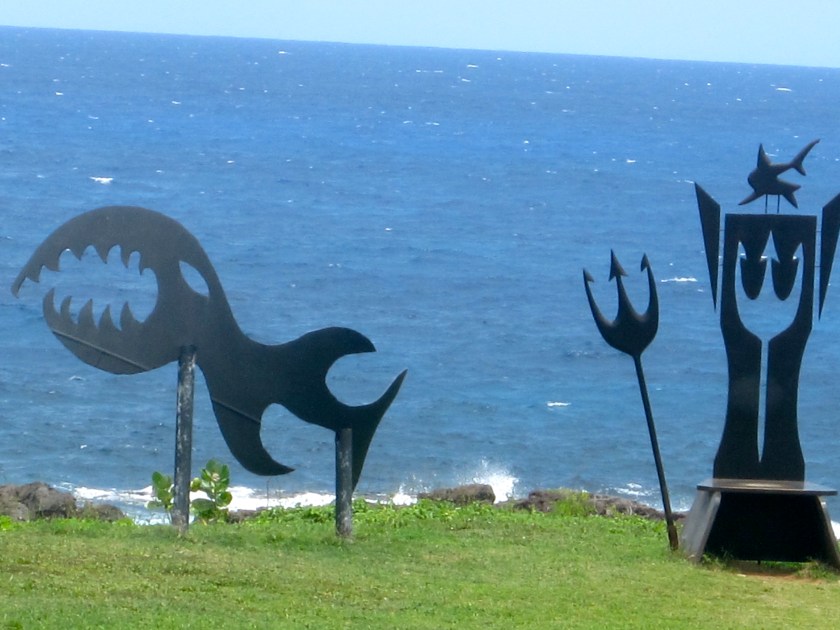
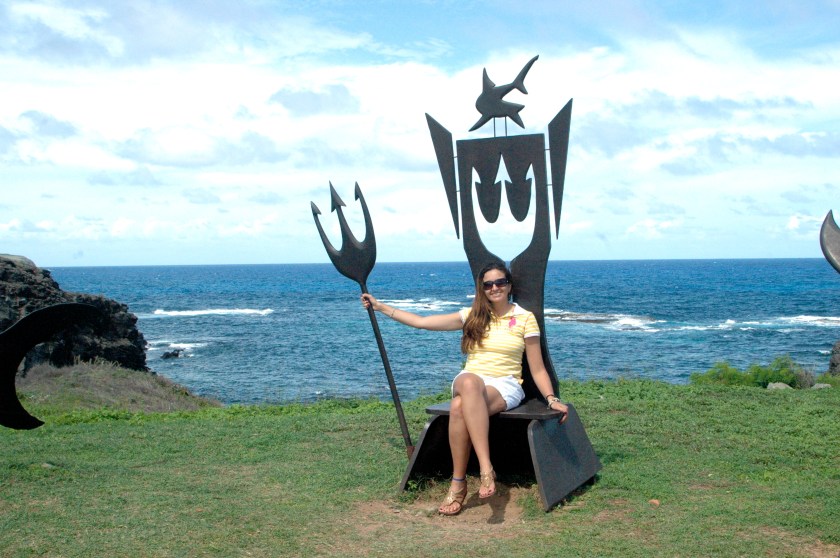
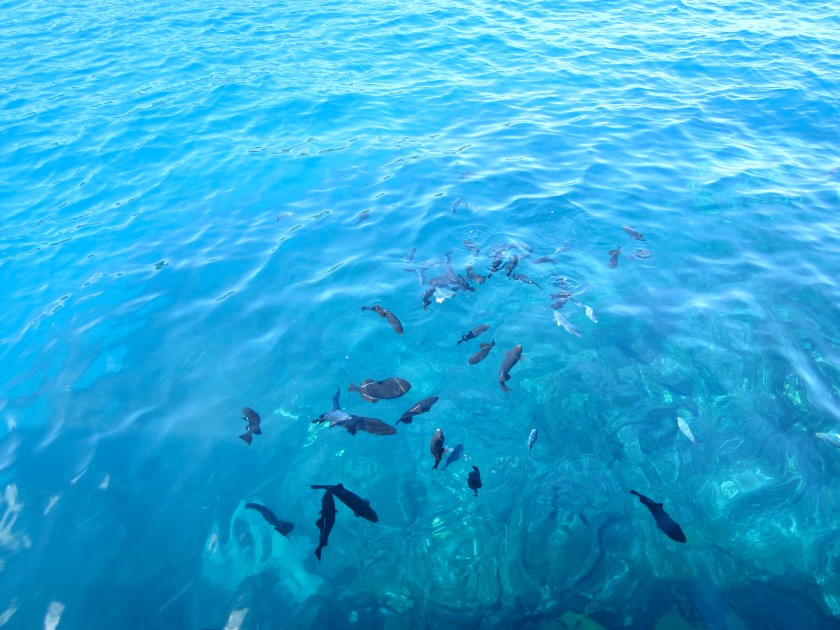
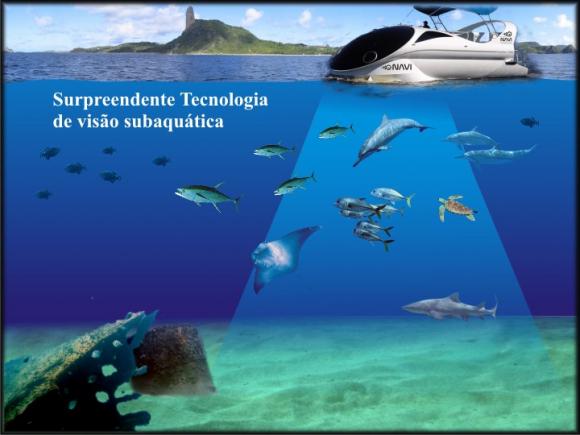
In Atalaia Beach, we were able to snorkel with fishes and juvenile sharks, checking out the swarms of hawksbill and green turtles, and also, witness rare island species like iguanas. Other adventure seekers like us, engaged in underwater activities, diving and snorkeling to experience the prolific marine life including albacore, barracuda, snappers, cangulos (fish)… Continuing with our experiences in Noronha, we reserved some time to visit and enjoy the company of Leonardo Veras, the curator for Fernando de Noronha’s Shark Museum (“Museu dos Tubarões”). Leo, as he prefers to be called, is a passionate engineer who lives and works at the main island, and was kind enough to take us on an unforgettable trip through the marine world! An upcoming post will share our adventures with Leo Veras and his Navi Project, investigating the deep open ocean waters. For now, you’ll be left with images we snapped while visiting the “Museu dos Tubarões” – current residence of Leo Veras, his own sculpture garden and his “front yard view”. Check them all out! 😮 

Our host, Eng. Leonardo Veras


This slideshow requires JavaScript.

Fernando de Noronha’s claim to fame is its diverse and rich ecosystem. And while nature lovers throng to this eco-paradise, the volcanic island with its splendid marine life, dramatic rock formations and long lazy stretches of beaches is the perfect romantic destination as well… We’ll miss it!

Gardens and Sculptures at the Brennand Museum, Brazil

This is the second part of our visit to the Brennand Institute in Recife, Brazil, which encompasses museum and castle. The theme for this last post covers the beautiful and pristine gardens surrounding the Institute, as well as the sculptures garden, and the sculptures throughout the museum. Again, all collections longtime cared by Mr Ricardo Brennand. Ricardo Brennand Institute is a cultural institution that holds a museum, an art gallery, a library, a cafe, as well as, a large park. The collector Ricardo Brennand is its creator and owner.

During our visit, we were able to appreciate objects of art from many different locations and times, from Middle Ages Europe to the 15th century, through Colonial Portuguese & Spanish Brazil, Dutch Brazil, 17th century, and Brazil in the 19th century. All photos were taken by one of the members of our family (even the 4 year old!). Stop by the Slideshow at the end of this post for a treat! 😮

For 50 years Brennand acquired those objects. The Institute owns Brazilian e foreign paint colections, like the largest Frans Post colections outside the Netherlands, one of the biggest armory in the planet, sculptures from all over the world, carpets and many others objects of art.

This slideshow requires JavaScript.

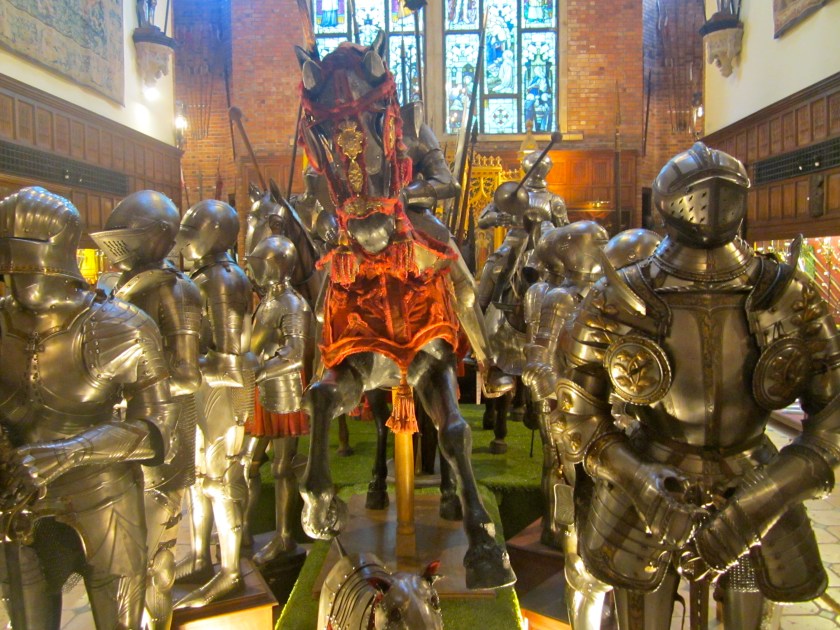
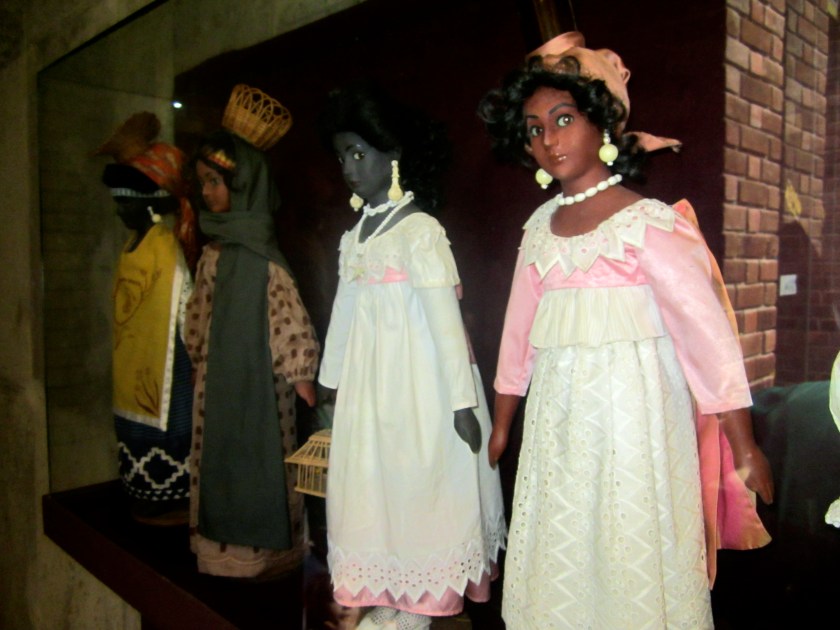
Armors and Dolls at the Ricardo Brennand Institute, Brazil

Weekends are always reserved for quality time with the family (obviously, after we’re done with the necessary grocery shopping!). Why not offer our children the opportunity to truly experience culture, learn about the Colonial Brazil, the first settlers, and yet, have a great deal of fun? And that’s exactly what our family did! This post showcases one of themes from our visit to the Institute & Brennand Castle, focusing on two very distinct collections/areas: the dolls and the armors, longtime cared and collected by Mr Ricardo Brennand. A follow up about the gardens and overall view of the Institute, a product of the visionary Mr Brennand will be coming soon…

Ricardo Brennand Institute is a cultural institution that holds a museum, an art gallery, a library, a cafe, as well as, a large park. The collector Ricardo Brennand is its creator and owner.

During our visit, we were able to appreciate objects of art from many different locations and times, from Middle Ages Europe to the 15th century, through Colonial Portuguese & Spanish Brazil, Dutch Brazil, 17th century, and Brazil in the 19th century. For 50 years Brennand acquired those objects. The Institute owns Brazilian e foreign paint colections, like the largest Frans Post colections outside the Netherlands, one of the biggest armory in the planet, sculptures from all over the world, carpets and many others objects of art – these last ones will be subject of another post!

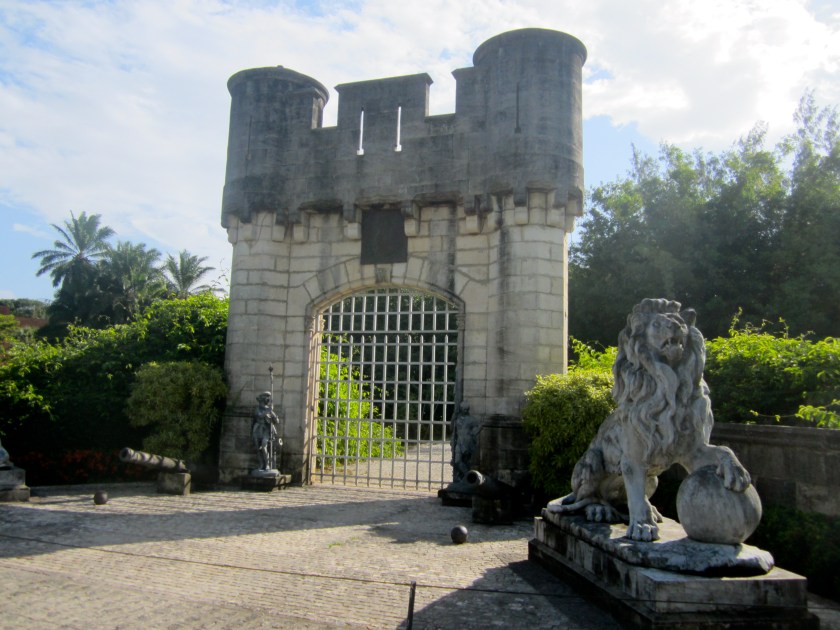
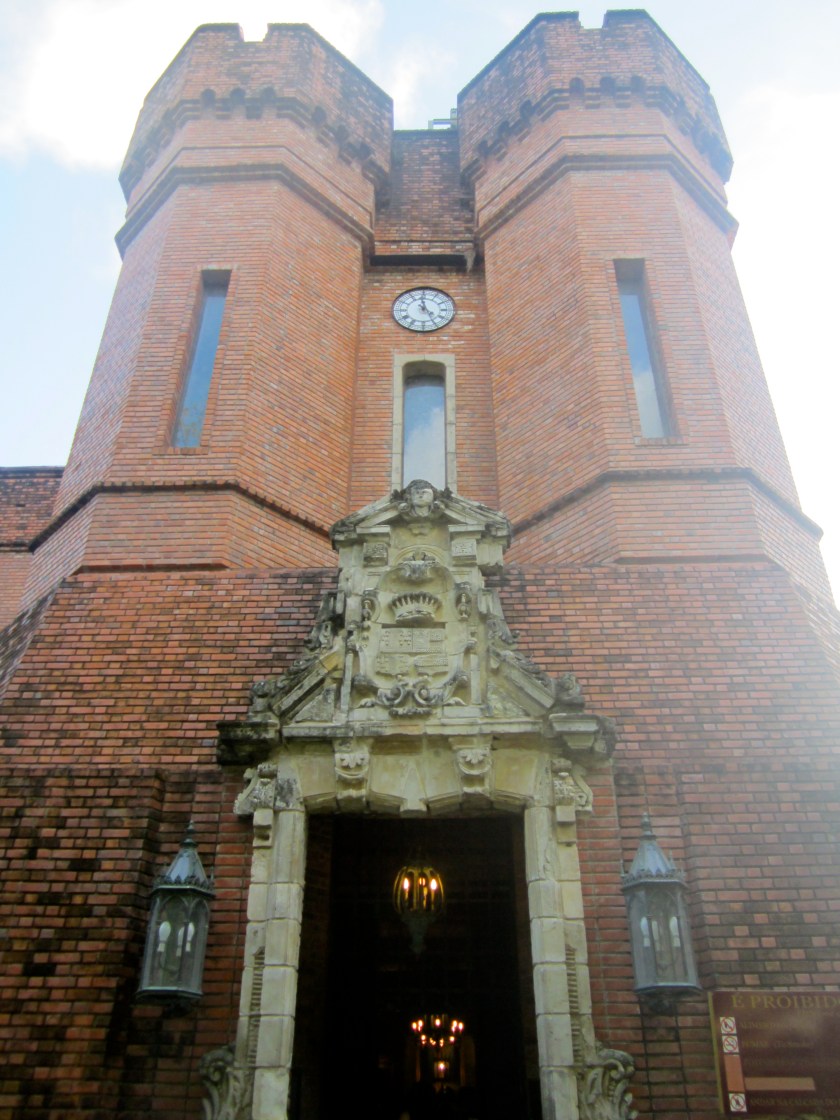
The Entrance to the Complex: Institute & Castle

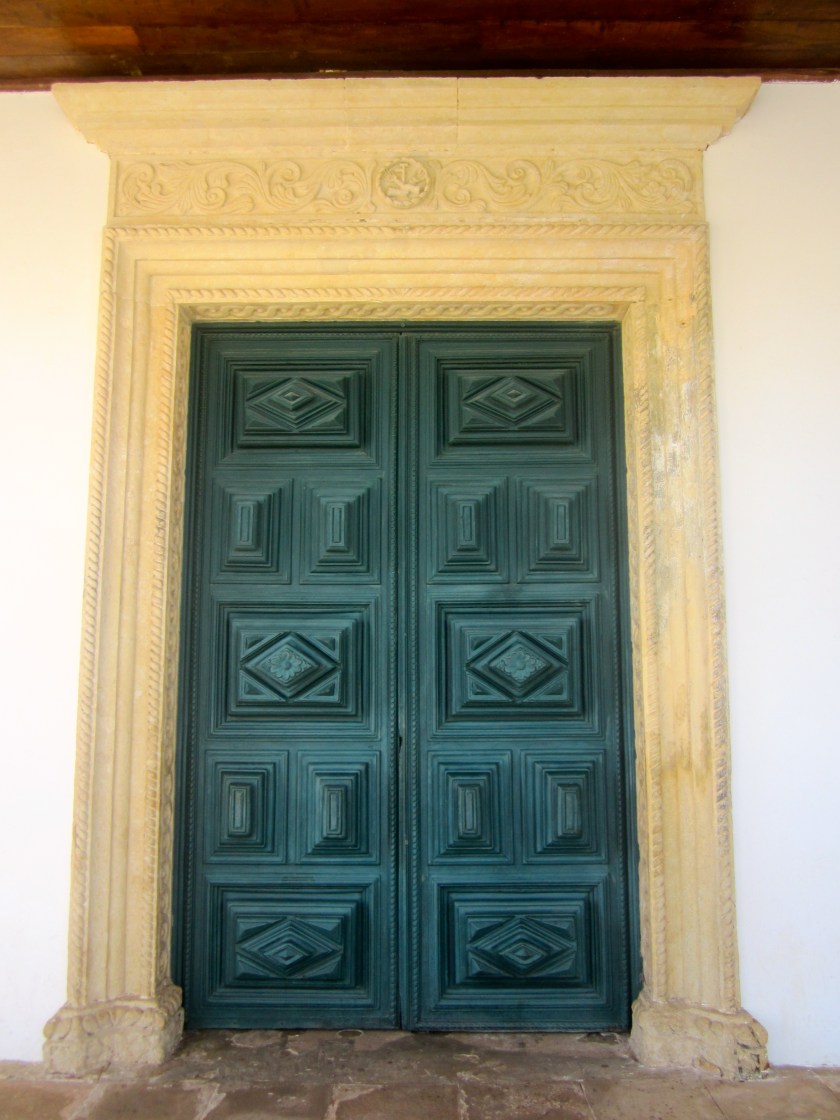
The doors leading to the Castle

Porcelain Dolls quietly observe the visitors...

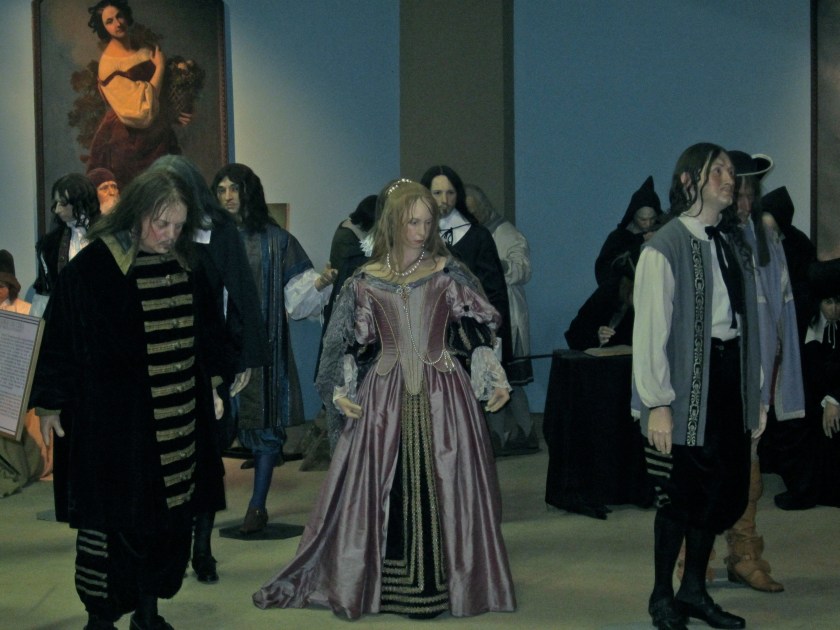
“Peeking” into the Wax Museum: live-size people re-enact a socio-political meeting

The creators saluting the visitors:

Passion of the Christ in Brazil {Nova Jerusalém, Pernambuco}

De maneira simples, porém criativa, as apresentações contavam ainda com a participação de familiares, na maioria mulheres, e amigos que juntos contracenavam nas ruas utilizando-se do cenário local. 

No ano de 1956, Plínio Pacheco chega a Fazenda Nova e encanta-se pela bela atriz Diva Pacheco, filha de Epaminondas. 

Desde então são 42 anos de representações ininterruptas dentro das muralhas, atraindo espectadores do Brasil e do mundo. O espetáculo, que chega a sua 44ª edição, será encenado entre 15 e 23 de abril. Neste ano, Lacerda, que completa 33 anos, representará Jesus Cristo pela terceira vez. Já Fafá estreia no papel de Maria, mãe de Jesus. O elenco conta ainda com a atriz Vanessa Lóes, mulher de Lacerda, como Madalena; Sidney Sampaio, como Pôncio Pilatos; e Carlos Reis, Herodes.

Das ruas para o maior teatro ao ar livre do mundo, assim começou a ser encenado o espetáculo da Paixão de Cristo de Nova Jerusalém.

 Era 1951 e o comerciante Epaminondas Mendonça teve a ideia de realizar pelas ruas da pequena vila de Fazenda Nova, no período da Semana Santa, a encenação da vida, morte e ressurreição de Jesus Cristo. 

A inspiração partiu após ler em uma revista como os alemães da cidade de Oberammergau realizavam uma apresentação semelhante.

 Enquanto Epaminondas atraia hóspedes para o hotel da família e movimentava o comércio local, Sebastiana, sua esposa, de veia artística cultural e teatral, cuidava da direção do espectáculo.

De maneira simples, porém criativa, as apresentações contavam ainda com a participação de familiares, na maioria mulheres, e amigos que juntos contracenavam nas ruas utilizando-se do cenário local. 

No ano de 1956, Plínio Pacheco chega a Fazenda Nova e encanta-se pela bela atriz Diva Pacheco, filha de Epaminondas. 

Desde então são 42 anos de representações ininterruptas dentro das muralhas, atraindo espectadores do Brasil e do mundo. O espetáculo, que chega a sua 45ª edição em 2012, foi encenado entre 15 e 23 de abril do ano passado, quando tivemos a oportunidade de prestigiá-lo na pré-estréia. Naquele ano, Lacerda, que completava 33 anos, representou Jesus Cristo pela terceira vez. Já Fafá estrelava no papel de Maria, mãe de Jesus. O elenco contou ainda com a atriz Vanessa Lóes, mulher de Lacerda, como Madalena; Sidney Sampaio, como Pôncio Pilatos; e Carlos Reis, Herodes.

Jesus aparece ao fiéis entre anjos

Pregação aos fiéis

Discussões no Templo: 
Jesus entra triunfalmente em Jerusalém, aclamado pelo povo. Expulsa os vendilhões do Templo e discute com fariseus, escribas e doutores da lei.


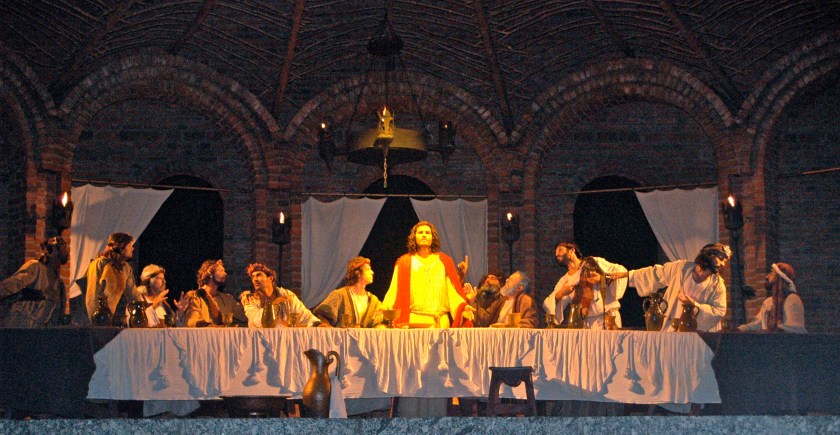
A despedida dos apóstolosA última ceia:
 Jesus reúne os seus discípulos para a Última Ceia e deles se despede, dando-lhes o pão (o seu corpo) e o vinho (o seu sangue).
"Eu sou o Corpo e o Sangue"

a Ceia com os Apóstolos

A Traição de Judas e a Prisão de Jesus

Judas betrayed Jesus
Preparation for the arrest - Jesus prepara-se para a prisão

The Temptation

Jesus atormentado busca auxílio do céu

Agonia no Horto: 
Jesus sofre antevendo sua Paixão e Morte.

O Bacanal de Herodes

Convidados do bacanal de Herodes
O Bacanal de Herodes


O Julgamento de Jesus, a Condenação

Ao Palácio para Julgamento

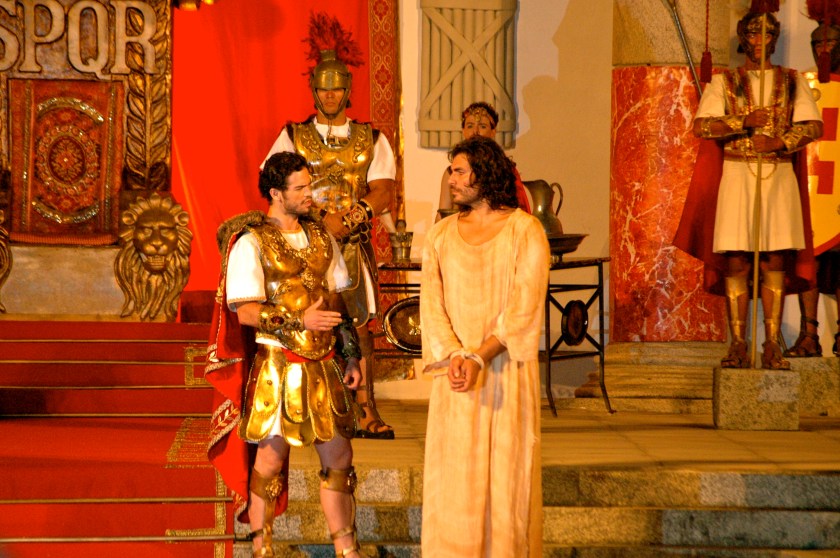
Pilatos questiona a Jesus

Pilatos pede a Jesus um milagre

Jesus perante Herodes e Pilatos:

Herodes pede a Jesus um milagre e não é atendido. Irritado, o rei manda-o de volta a Pilatos. 
O Pretório Romano é invadido pela multidão e pelos que querem a morte de Jesus. Pilatos, o Procurador de Roma, chega ao Pretório numa biga romana e saúda os seus legionários.

Humilhação e Coroação de Jesus, Jesus leva sua Cruz

Jesus is brought out to judgement - Jesus é trazido a julgamento

Jesus suffers


O Encontro com as Mulheres de Jerusalém

O perdão à Maria Madalena


- à espera de Jesus

Crucificação

A chegada à Gólgota

 Preparação

Últimas palavras à Nossa Senhora

A morte de Jesus.

myspace layout codes

Também na primeira apresentação de 2011 foi usado, pela primeira vez, o recurso de áudio-descrição para deficientes visuais. De acordo com a organização, o sistema permitirá que o público, com um fone de ouvido, escute uma narrativa sobreposta ao som original da peça descrevendo imagens, sons e textos. A encenação da “Paixão de Cristo” é dublada. Em 2010, 80 mil pessoas vindas de 22 estados brasileiros e 12 países assistiram ao espectáculo. De acordo com a organização do evento, a ideia de construir uma réplica da cidade de Jerusalém para as encenações da “Paixão” foi de Plínio Pacheco, que chegou a Fazenda Nova em 1956. O fascínio que o espetáculo da Paixão de Cristo de Nova Jerusalém exerce no público não está apenas na grandiosidade das construções, na atmosfera que ali se respira e na beleza da história de Jesus. Reside também na participação ativa do público, diante da mobilidade das cenas. Entre um ato e outro, uma multidão movida pela emoção passada pela boa interpretação dos atores, caminha entre os cenários, transportando-se por algumas horas à época de Cristo e revivendo sua saga.

Brasilia Teimosa, from a distance… refreshing images and Portuguese text

 
“Brasilia Teimosa” [Stubborn Brasilia] is the oldest urban non-official community in Recife, Pernambuco, Brazil. a great way to observe what’s happening along the coastline, and within the community, is by enjoying a meal with with friends at the Biruta Bar & Restaurant:
 
Source: Wikipedia:
 
Brasília Teimosa é um bairro do Recife.
Situada na zona sul do Recife, entre o bairro do Pina e o Porto do Recife, numa área caracterizada por uma linha contínua de arrecifes paralela à orla, surgiu através da ocupação de uma área antes denominada Areal Novo, iniciada em 1947. Seus habitantes, pescadores, negociantes, estudantes, donas de casa, têm ligação muito forte com o mar.


O nome foi uma alusão a Brasília, então nova capital do Brasil que estava sendo projetada no governo de Juscelino Kubitschek, em contraste com a área em que os moradores viviam, em perene ameaça de expulsão. Essa persistência teve grande destaque nos anos 1950, quando essa área foi destinada pelo Governo do Estado à construção de depósitos inflamáveis. A perseverança dos primeiros moradores, que reconstruíam suas casas durante a noite quando ao longo do dia eram demolidas consolidou a ideia de teimosia, coincidente com o período da construção da Capital Federal. Mais antiga ocupação urbana do Recife. O bairro foi uma das primeiras áreas a serem urbanizadas com recursos do BNH, através de um projeto de urbanização denominado Teimosinho. Esse projeto tomou força em 1982, com a relocação de famílias da Vila da Prata, com ações também em 1986 e 1989, mas a área era novamente ocupada. Em 2004, uma grande intervenção urbana foi realizada pelo Governo Federal com a construção de uma avenida à beira mar. Atualmente o bairro está modificado urbanisticamente, em sua orla marítima, com restaurantes típicos e comércio de frutos do mar, o forte da economia dos seus moradores.


333rd Post: Surrounded by marine dolphins [video]

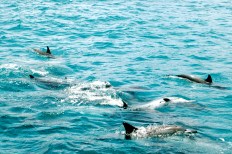
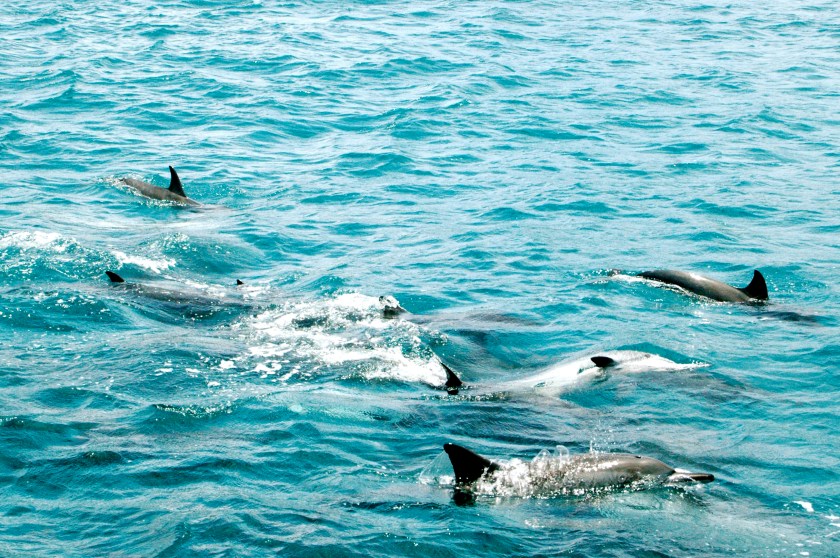
Every year, people travel to Fernando de Noronha, a group of islands off the coast of Brazil, to meet some of the archipelago’s most famous residents: spinner dolphins:

The spinner dolphin is a tropical oceanic dolphin that lives in groups numbering three to more than two thousand individuals. Of the 37 different dolphin species, it is the third most abundant in the world and is named for its tendency to shoot out of the water and complete as many as seven rotations whilst airborne.
The dolphins usually surface during boat rides, showing off their acrobatics skills as they leap out of the water and putting on a real show. The stunts they perform are more than simply fun; they’re an important form of signalling, drawing the attention of the boat, which, in turn, protects the rest of the pod from potential predators. The communication system consists of different types of jumps and beats made with the body on the surface of the water, producing turbulence when the dolphin completes its dive.
The daily routine for the spinner dolphins in Fernando de Noronha involves feeding, primarily during the night, followed by a morning relocating to the appropriately named Dolphins Bay. They arrive in the bay at sunrise and depart for various feeding areas in the afternoon.

Dolphins Bay (Baia dos Golfinhos), located off Sancho Beach, is a top destination for dolphin spotters. The bay’s waters are the calmest and deepest in the entire archipelago, ranging from 0 to 25 metres but averaging about 15 meters in the centre. The floor of the bay is composed predominantly of volcanic sands with scattered rocks and can be accessed by a single trail that offers a good vantage point from which to observe the activities of the spinner dolphins. One ideal point from which to observe Dolphins Bay is Dolphin Lookout, set 55 metres above sea level. It can be reached via a one-kilometre-long walking trail that begins in a parking lot at Sancho Bay.

This slideshow requires JavaScript.

Fernando de Noronha Marine National Park: wildlife

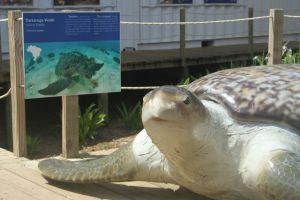
Fernando de Noronha in Brazil is famous for its exquisite natural environment, pristine beaches, and tropical climate where the sun shines the whole year! A paradise for scuba diving in Brazil, there are numerous things to do on the Fernando Noronha island. The wildlife of Fernando de Noronha is very rich, and one of the main attractions of the island are the Spinner Dolphins which can be seeing 365 days a year from the Dolphins Bay Viewpoint or on a Noronha boat ride. We were fortunate to spot a few other “representatives” of the archipelago’s wildlife.

This slideshow requires JavaScript.

[Impressions] Surfing the uncertainty

Several options, different paths to choose from...
Searching for your own path...
A change in direction is always an opportunity to experience different things...
The experience
The experience...
Lonely Observer...

[Português/English] Marine Turtles in Northeastern Brazil – Projeto TAMAR em Fernando de Noronha

Five of the world’s seven sea turtle species are found in Brazil.

For over 20 years TAMAR project is responsible for identifying and protecting nesting beaches and feeding areas, doing research, promoting awareness and involving the local community.

Thanks to good planning, loyal sponsorship and an innovative merchandising program they are able to maintain 20 bases in Brazil. Releasing more than 600 thousand hatchlings every year, the TAMAR bases have become important tourism attractions and mean income to 1200 families.

[NOTE FROM BLOGGER] ALL THE INFORMATION BELOW IS PROVIDED BY WWF BRAZIL:
Project: Supported by WWF
Year started: 1982
Other Partners/Supporters: Petrobrás
Address: Alameda do Boldro s/no. – Fernando de Noronha – PE
Contact: Claudio Bellini
e-mail: infonoronha@tamar.org.br
more info: www.projetotamar.org.br
Area: Natural
Activities: Visit a conservation unit
Equipments: sandals, shorts, t-shirts, swimming gear, towel, small backpack, sunglasses, sunscreen
Gateway: Recife ou Natal
Near airport: Fernando de Noronha – PE
Dist. from the airport: 2 KM
Max. number visitors: 15
Min. number visitors: 2
Max. Lenght: 10 day(s)
Min. Lenght: 2 day(s)
Level: easy
Activity: Enviromental, Scientific, Social
Best time to go: February, March, April, May
Attending a night-time lecture (9 pm) at the TAMAR Institute

[Portuguese] O arquipélago de Fernando de Noronha, composto por 21 ilhas e ilhotas de origem vulcânica, está situado a 345km de Natal, capital do Rio Grande do Norte/RN e a 545Km de Recife, capital de Pernambuco/PE. É sítio de reprodução da tartaruga-verde (Chelonia mydas), que utiliza as praias arenosas do lugar para desovar entre os meses de dezembro e julho. É também área de alimentação, crescimento e repouso para juvenis desta espécie e da tartaruga-de-pente (Eretmochelys imbricata).

As praias de desova apresentam características propícias a um monitoramento diário, inclusive noturno nas áreas principais. A do Leão concentra 80% das ocorrências. As demais desovas acontecem ao longo do mar de dentro, entre as praias do Sancho e da Conceição. Cada estação reprodutiva, registra em média 100 desovas, gerando 8.900 filhotes da tartaruga verde.
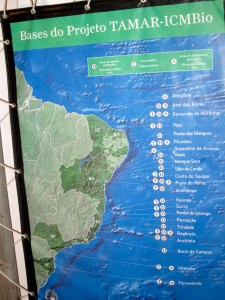
O TAMAR iniciou suas atividades na região em 1984, quando o arquipélago ainda era território federal administrado pela Aeronáutica (hoje é território do Estado de Pernambuco).

Em 1986, foi criada a APA-Área de Proteção Ambiental. A praia do Leão, principal área de desova do arquipélago, tornou-se o embrião do Parque Nacional Marinho, criado por decreto federal, em 1988.

Fernando de Noronha é uma das bases mais importantes para o trabalho do Tamar.

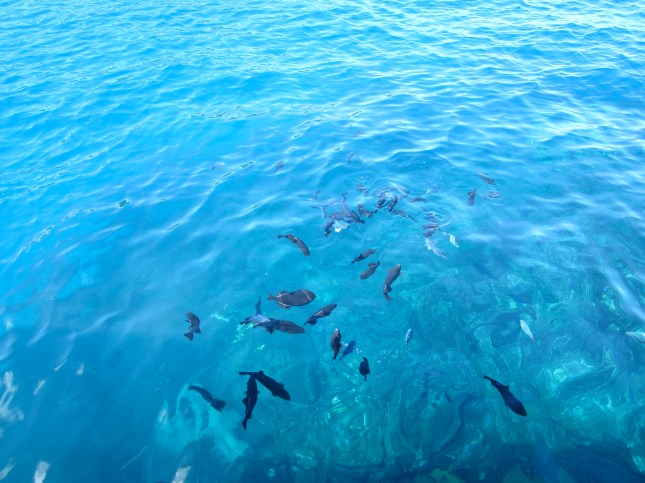
É um verdadeiro laboratório natural, pois a transparência do mar oferece excelente condição ao desenvolvimento de pesquisas sobre a biologia e comportamento das tartarugas marinhas em ambiente natural, sobretudo debaixo d’água.

Além do monitoramento de fêmeas, durante o período reprodutivo, a base mantém um programa de marcação e recaptura de tartarugas que utilizam o arquipélago como área de alimentação, crescimento e repouso, durante uma etapa do seu ciclo de vida. Desde 1990, mais de mil tartarugas já foram marcadas pelo Tamar através desse programa, em que os pesquisadores realizam mergulho livre, autônomo ou rebocado.

Além do mais, o grande fluxo turístico que o arquipélago registra é estratégico para o trabalho de sensibilização e educação ambiental, principalmente através do Centro de Visitantes-Museu Aberto das Tartarugas Marinhas, o qual tivemos o prazer e honra de visitar durante nossa recente visita ao arquipélago. Todos os visitantes do Museu-Aberto do TAMAR recebem uma palestra gratuita sobre a vida selvagem a ser encontrada no arquipélago, assim como, são instruídos a como se comportar em frente à natureza, sem causar quaisquer impacto ambiental. Todas as palestras são às 9 da noite, e seguem por cerca de uma hora até uma hora e meia. Extremamente informativas,claras, concisas e ministradas por pesquisadores e voluntários do TAMAR. É a perfeita preparação para os que irão aventurar-se a explorar as ilhas na manhã seguinte. Nós adoramos a experiência, eu enquanto bióloga, e meu esposo, agora apaixonado pela vida marinha. Um sucesso e uma oportunidade única de vivenciar, aprender e compartilhar conhecimentos.
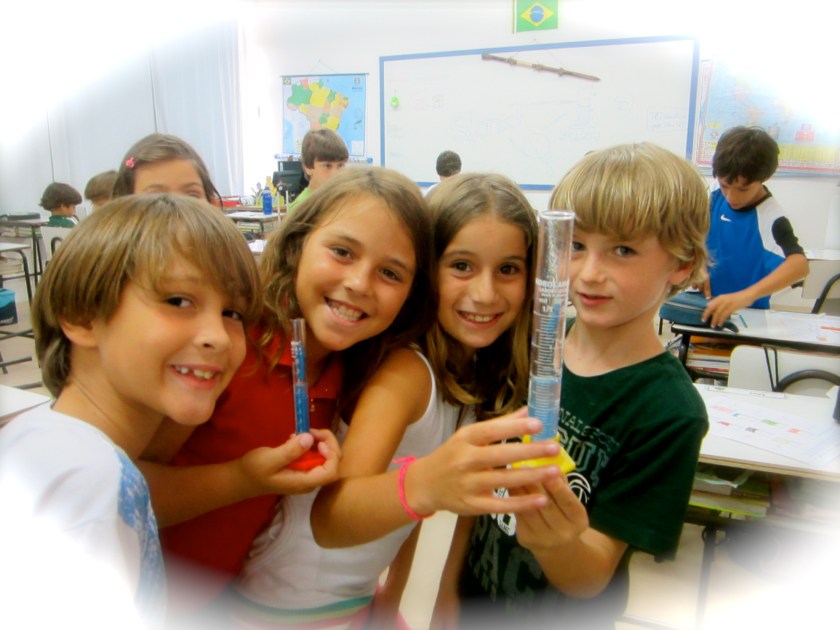
Snapshots of fun science!

This slideshow requires JavaScript.

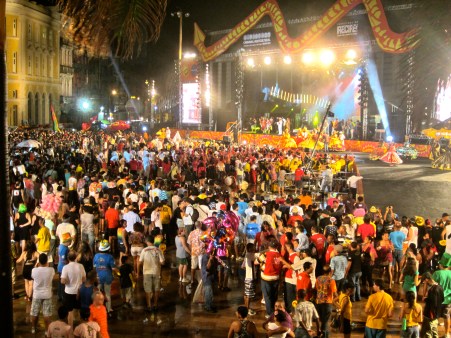
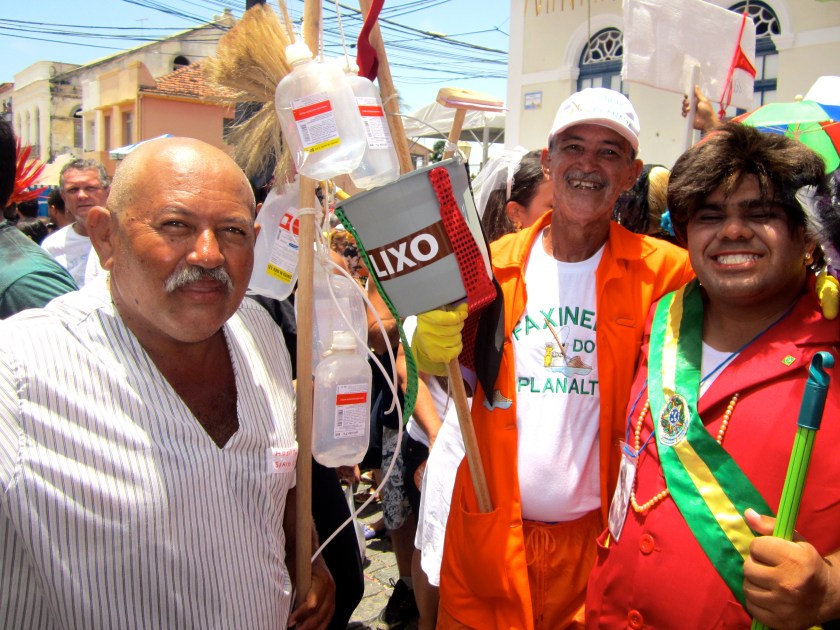
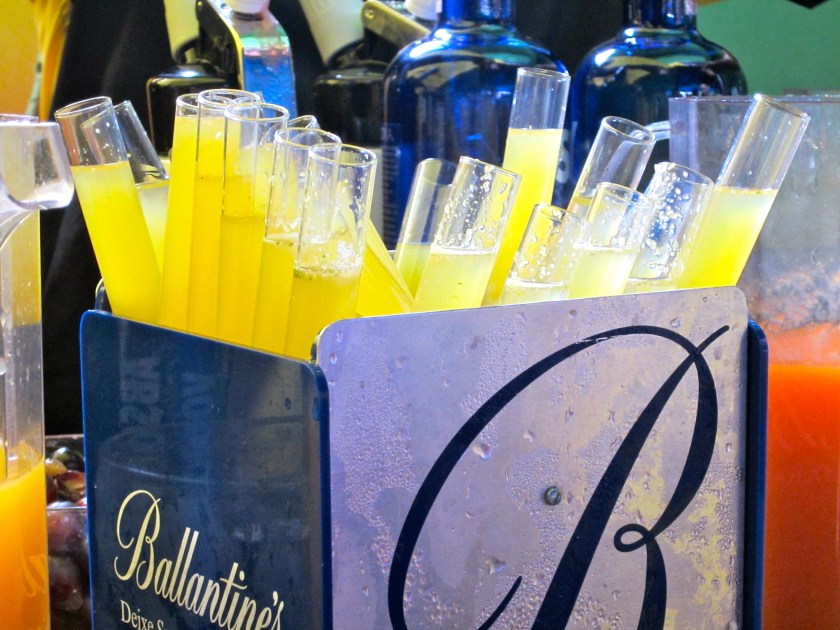
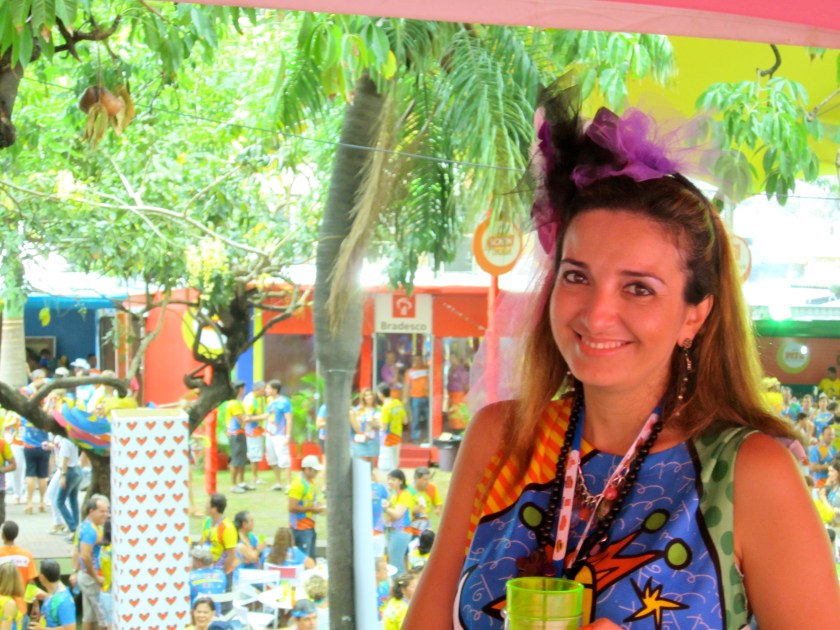
Multicultural Carnival: February 2012, Pernambuco, Brazil

During one of my blog hopping ventures, found a very good site – my deepest appreciation to this great blog, for sharing such a rich description about how diverse the Carnival in Pernambuco is!


“Recife and Olinda are among the best cities in Brazil to experience Carnival. With the distance between them at less than one half mile, their combined Carnival is really just one distinctive party even bigger than the sum of the two. The party has an enticing contrast of tradition and imagination. Deep set traditions practiced for ages are reminiscent of the romance of Carnivals past. Yet, popular music and culture certainly reserve an equally powerful influence over the festivities. Carnival in Recife and Olinda is said to be the most beautiful, spontaneous and diverse of all the Carnivals in Brazil.

According to the Guiness Book of World Records, ever since 1995 Carnival in Recife has been home to the bloco that gathers the largest number of people in the world: Galo da Madrugada. The group began waking up the city at sunrise on the first official day of Carnival in 1978 with 75 people around a truck carrying a giant rooster. The mascot still stands the same, but by last year the celebration around it had grown to an estimated 2 million people dancing in the streets, bridges and boats to the sounds of 31 trios elétricos (moving speaker trucks with bands playing on the stages atop them). These trios elétricos warm up the party parading in Recife’s ocean front avenue between modern high rises and the beach every night of the week preceding official Carnival. Recife’s old harbor neighborhood also hosts people partying in its narrow streets where the colonial architecture makes for the perfect setting to watch the passing of music schools for various traditional rhythms every night of Carnival and during the four weekends prior to the official holiday. The party through the narrow roads up and down the hills of Olinda is on the same schedule. Those celebrating in their costumes, jumping and dancing in a multiplicity of blocos among the giant dolls and water wars literally take over the hills where tourists rent the houses of the residents who make space and some extra income. Different from the rhythms of the Samba in Rio de Janeiro and the Axe in Salvador, in Recife and Olinda, Carnival participants immerse themselves in the ecclectic sounds of Frevo (typical music of Pernambuco), Maracatu, Coco (of African origin), and Coboclinhos (of Indian origin). Manifesting the rich cultural backgrounds of Brazil, these unique rhythms originated from Africa and the indigenous cultures of Brazil. Partygoers in Recife and Olinda are notoriously tireless, as they move together in the most pleasureble chaos to the euphoric music and energy of Carnival.”

This slideshow requires JavaScript.

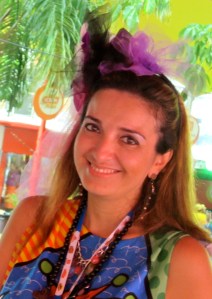
2012 Street Carnival: Heads with Style

Carnival Heads: Color & Style!

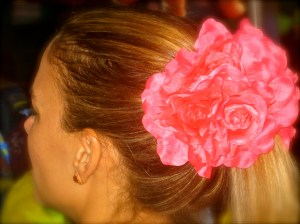
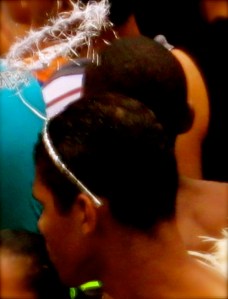
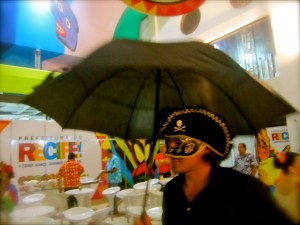
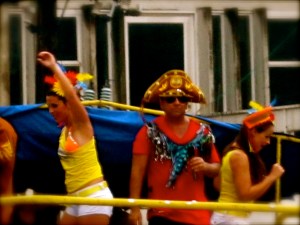
Carnival head decorations, flower arrangements, head pieces, tiaras, hats, colorful hair, any excuse is a good one to come out, taking over the streets, showcasing unique designs when it comes to fun and stylish costumes…

Why not, extend the costumes to “over the head”? 😮 Too many different styles to choose from: conservative, modern, over-the-top… Pick your favorite, or simply enjoy the endless creativity displayed during the most democratic carnival in the world!

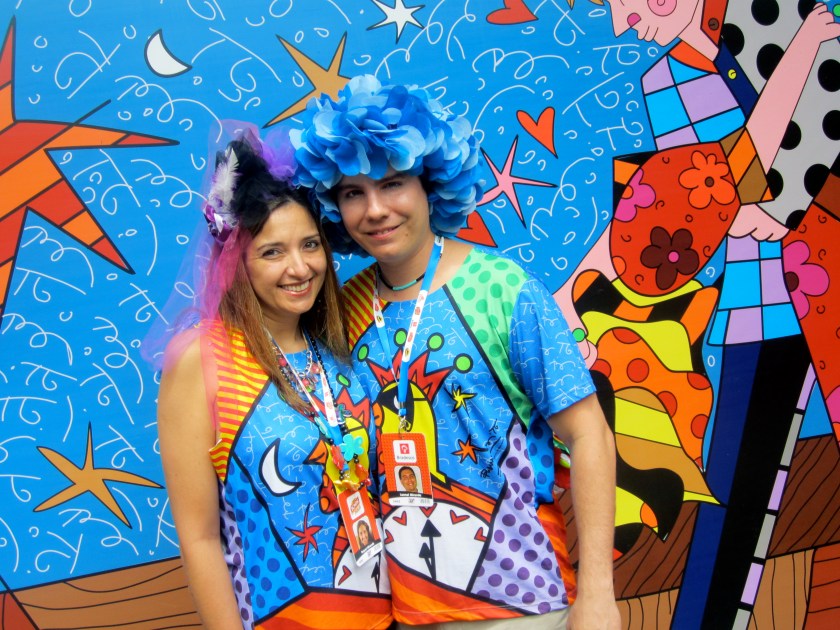
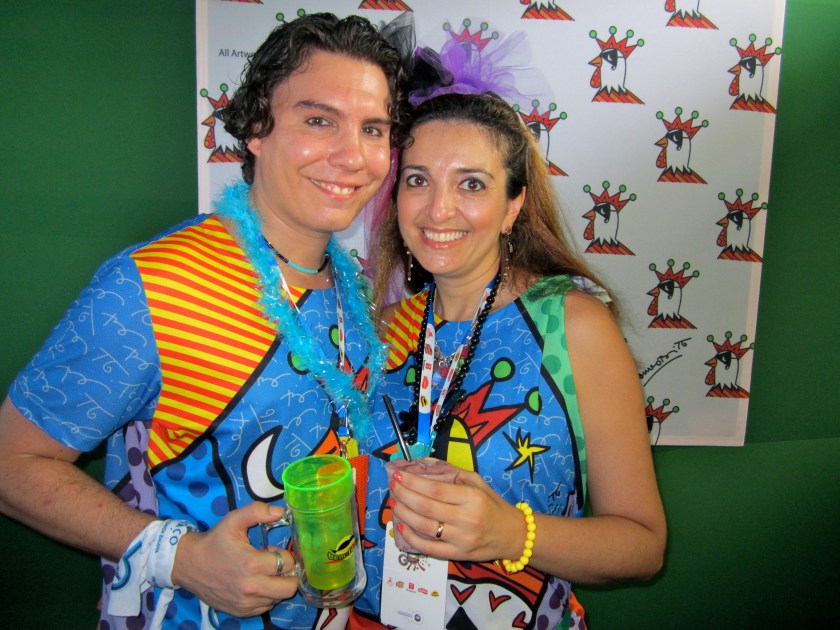
…and of course, as part of this list, our “own” head decoration: when it comes to having fun during carnival, this couple here likes to dare: every day, a different outfit, a different piece of art decorating our heads! 😮

"Married Couple", first night of Carnival
Second day of Carnival: Blue Happiness with Galo da Madrugada

Scientific investigation during Carnaval 2012…

All for Science… good investigation! I for one, just watching and taking notes of the results!

The Materials & Methods

The Conclusion: [science can definitely be fun!]

[300th post] Bora Bora, but not the French Polynesian island!

What a great way to celebrate the blog’s 300th post! [WOW, it’s amazing how much you can do, when you put your heart to it!] We did not have to cross the seas to find this natural beauty. Not an island, though, but for sure, a paradisiac stop! The name: Bora Bora, but in Brazil!

This slideshow requires JavaScript.

Happy Birthday to our Valentine’s Day Baby!

UPDATE: How is she now? 😮

She’s not a baby anymore… growing up pretty fast, becoming her own person, very loving, very intense. Four years ago, we got the best Valentine’s Day gift: our daughter Marcela. Baie Dankie, South Africa for this wonderful Valentine’s!

With much love, happy birthday, darling! Feliz cumple, Feliz Aniversário!

Environmentally Protected Area (APA): Reserva Biológica do Altinho, Pernambuco, Brazil

Be aware: Cute Animals Ahead!

Find below images from our visit to the “Environmentally Protected Area” of Altinho, a park embedded in the middle of the State of Pernambuco, in the Agreste Region of the country, showcasing the characteristic Caatinga vegetation (desertic, hiperxerophyla, lacking leaves trees). Not far from our home, some good 160 km, or 260 miles – a good weekend getaway!
The protected park borders the (famous for seasonal festivities and their arts & crafts) cities of Caruaru and São Caetano; Cupira, Panelas and Ibirajuba; Agrestina and Cachoeirinha. The park is surrounded by several rivers, but mainly by the Una and Ipojuca rivers. The rivers lead into the Atlantic Ocean, creating deltas, which are a great spot for calming and relaxing baths…

Entering the Park:

Área de Proteção Ambiental, Reserva Ecológica do Saltinho, Pernambuco
Where the Una river meets the Atlantic Ocean
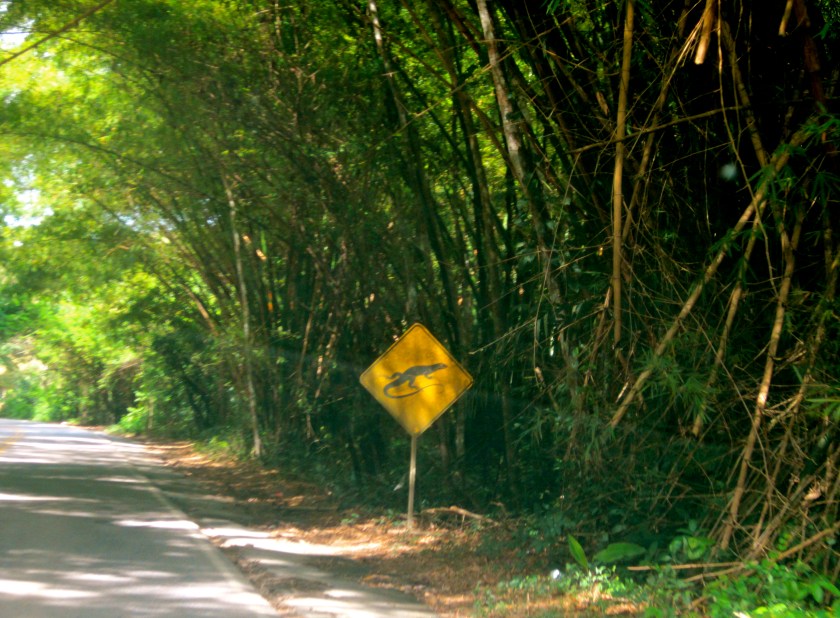
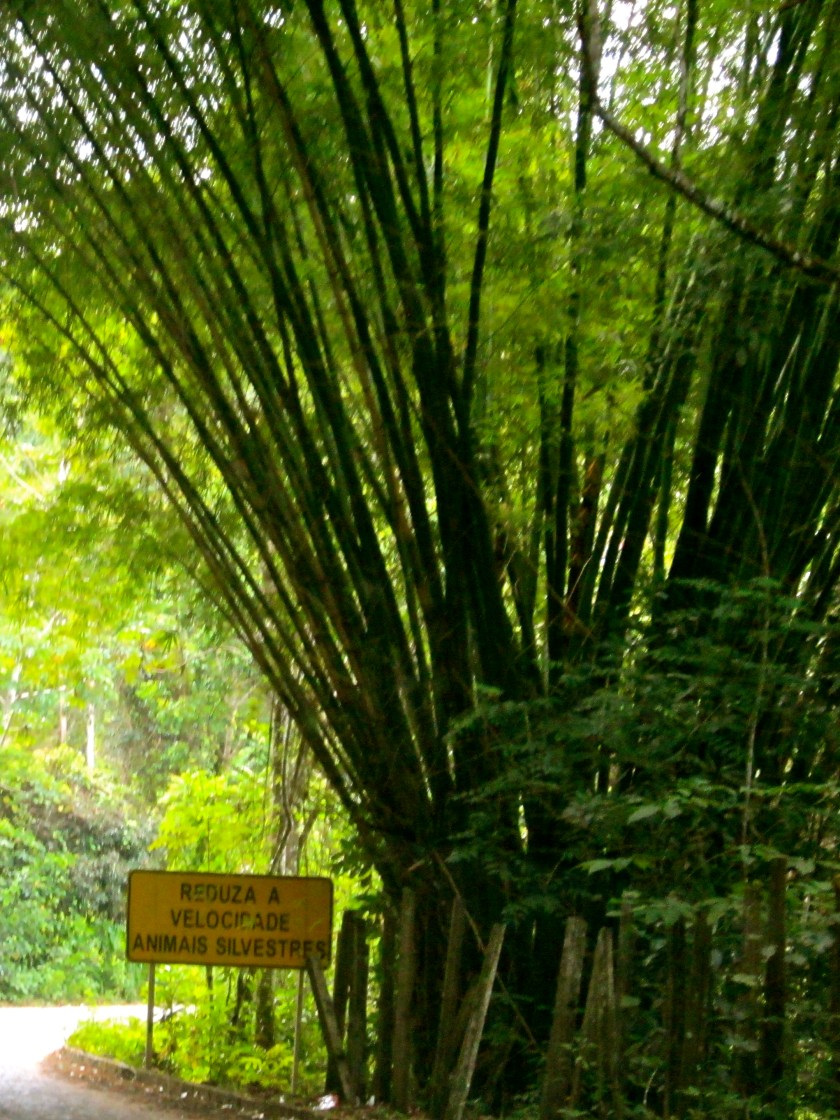
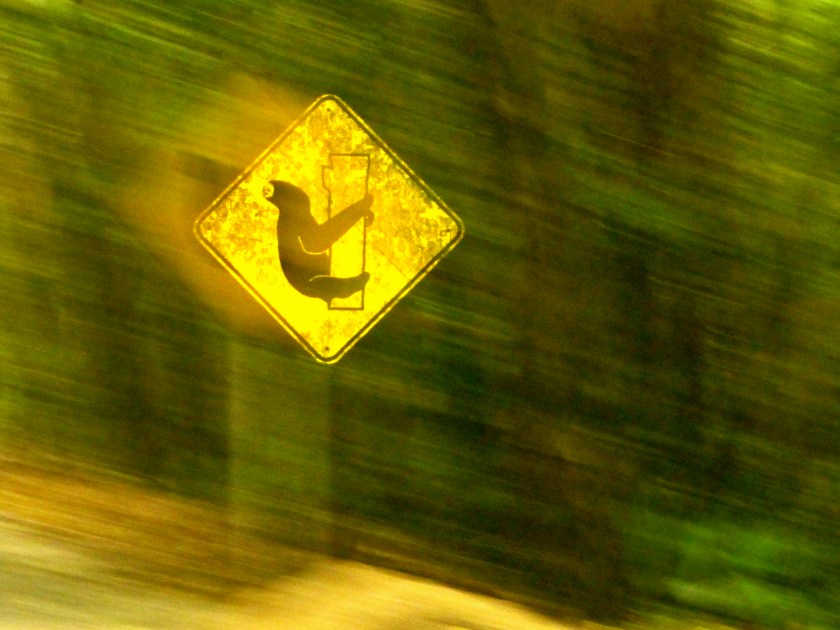
Caution with the animals crossing the road

Exploring one of the largest coral reefs in the world: Carneiros Beach, Pernambuco, Brazil

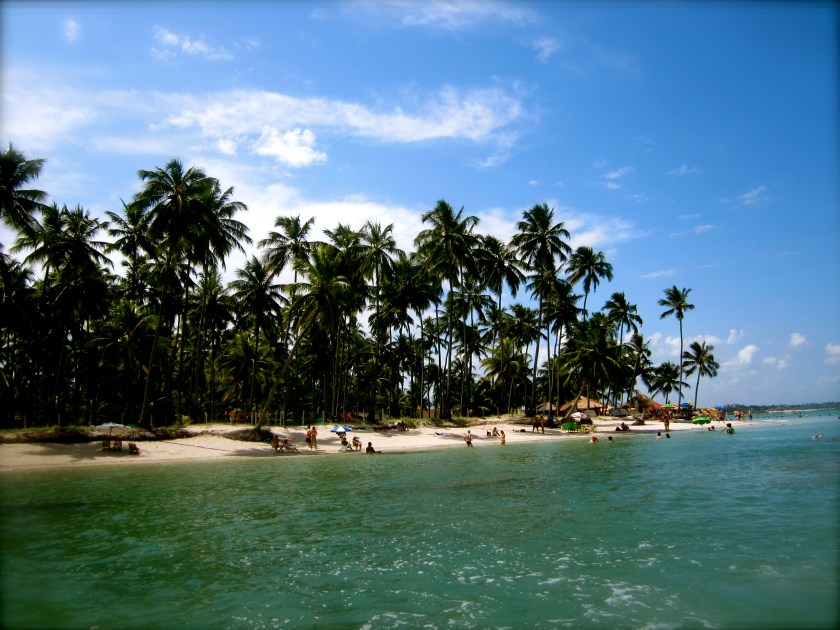
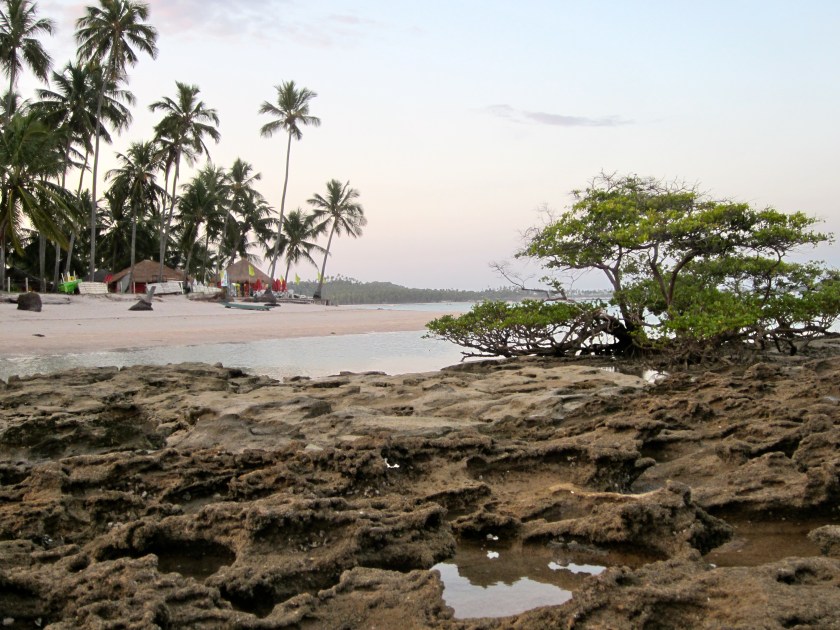
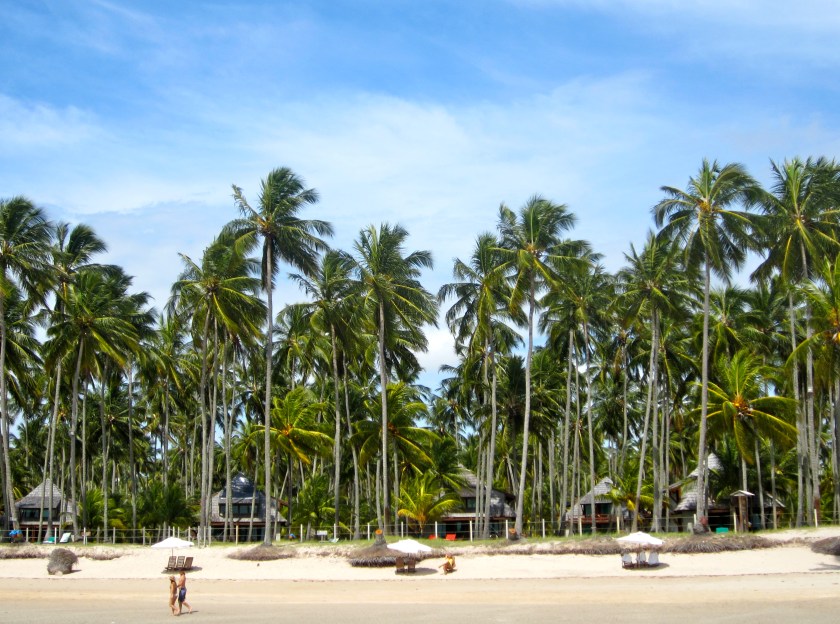
Waving along the Southern Coast of Pernambuco, Carneiros Beach (“Praia dos Carneiros”) discreetly possesses all the requirements to become a paradise. Sea of calm and crystal clear waters in shades of blue, palm trees, coral reefs and even a river that ends into the ocean.
Rustic bungalows have been built and decorated to meet the needs of comfort, and privacy, so tourists, or vacationing families may enjoy the peaceful setting that reigns in this paradise, still respecting the environment, its unique features and learning about preservation and ecological conscience. [The ‘talk’ about the beach’s intriguing bungalows is reserved for a ‘soon-to-come‘ post!]

bidding farewell...

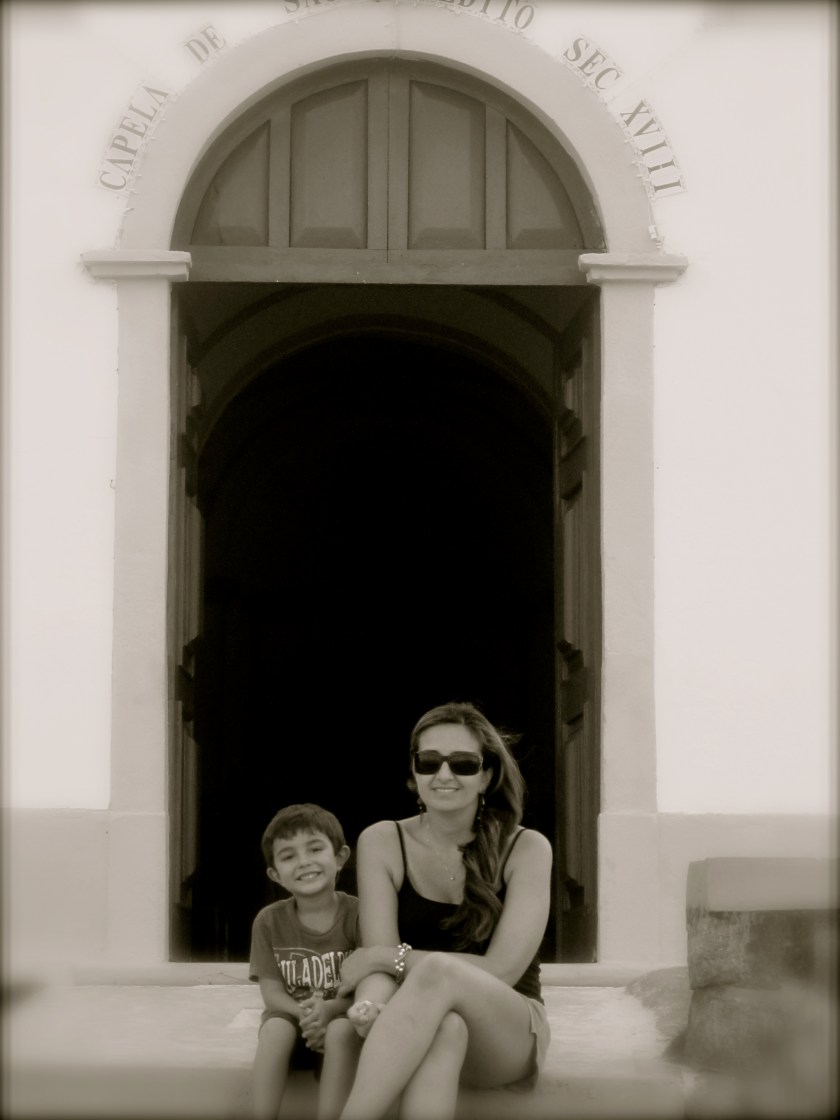
XVIII Century São Benedito Chapel at the sea shore of Carneiros Beach, Northeastern Brazil.

The walk along the beach, leading to the church front

The front of the Secular Church

The young learns about the secular traditions

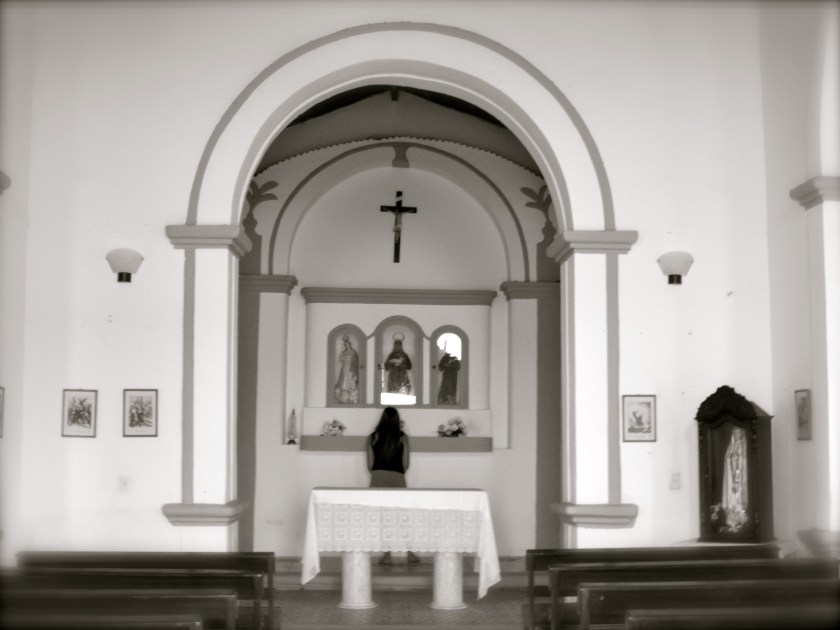
Inside the Church

Church window looks out to the beach front

Bidding farewell to the Church and getting ready to walk back along the beach

mother and daughter

one more photo before leaving the church area

“Twenty Days to Carnaval”, says the beer can!

That’s right! And who says that is a beer can… What?! 

Wait… it’s a bit more than a gigantic beer can on the side of the road… it’s a traffic engineering device… hiding not one, but two traffic-monitoring camera… very clever! 😮

A very “shy” pair of cameras silently watch and monitor the street traffic…

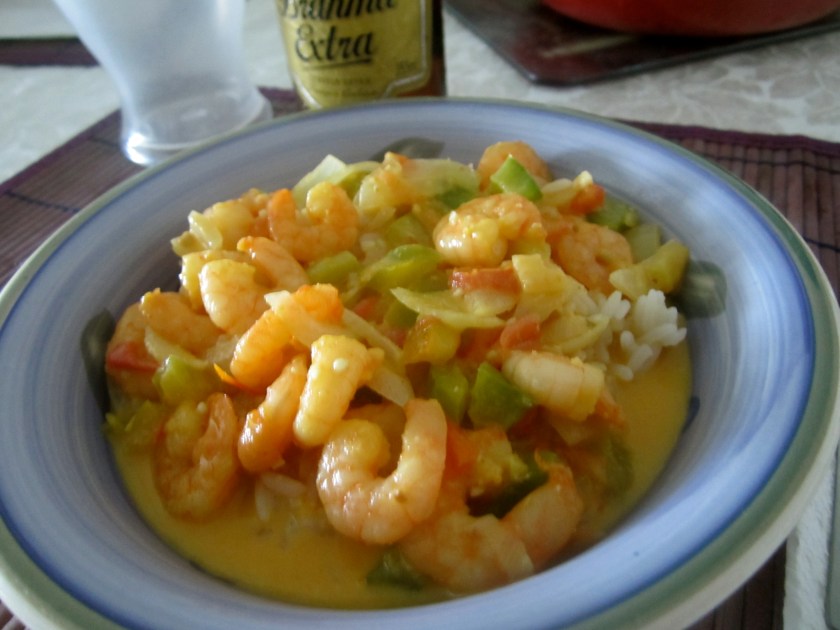
Spicy shrimp casserole with curry and coconut milk

Sunday is the best excuse for a great family lunch! Easy, quick, colorful and delicious!

I just started playing with the ingredients, trying different variations of the shrimp casserole, or Brazilian moqueca – a very popular dish among the members or our household, and responding to the husband’s request, here it is, “step-by-step”, or better saying, “image-by-image”… 😮

First, get all the fresh ingredients (or as fresh as possible, but hey, nothing against a convenient bottle of garlic powder!) together. The shrimp needs to be peeled and cooked. After being cooked, it could be stored in the freezer, if needed. Able to get a some organic vegetables (tomatoes, bell peppers, onions), as well, and they looked beautiful!

Sunday is the best excuse for a great family lunch! Easy, quick, colorful and delicious!

Where hot sauce and curry meet... heaven!

I just started playing with the ingredients, trying different variations of the shrimp casserole, or Brazilian moqueca – a very popular dish among the members of our household, and responding to the husband’s request, here it is, “step-by-step”, or better saying, “image-by-image”… 😮

First, get all the fresh ingredients together (or as fresh as possible, but hey, nothing against a convenient bottle of garlic powder!). The shrimp needs to be peeled and cooked. After being cooked, it could be stored in the freezer, if needed. I was able to get a some organic vegetables (tomatoes, bell peppers, onions), as well, and they looked beautiful!

Starting with some heat… curry & hot sauce:

Can you see the heat in action? look at the color of these bad boys!

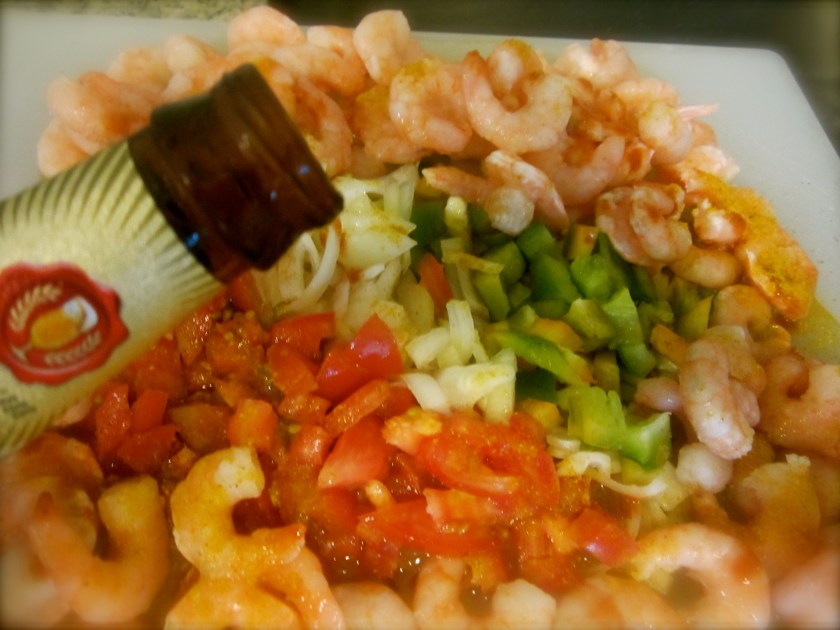
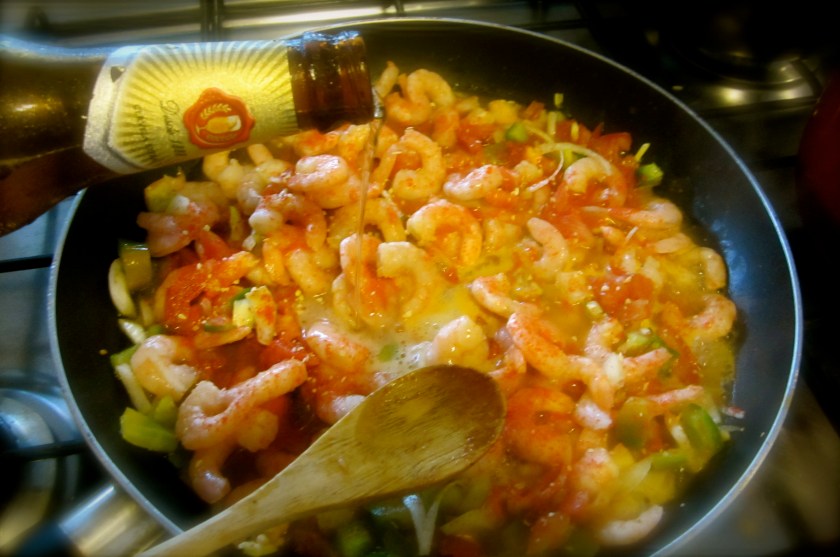
Adding a very important ingredient to the marinating mix: beer!

Simmering all the ingredients.. allowing for all the flavors to rejoice!

...don't forget to add a bit more "liquid" to the mixture...

Bringing in another surprising ingredient: coconut milk – very popular member of the traditional Brazilian cuisine!

How should it look? Pretty much like this! 😮

Now, a quick look over the side dishes:

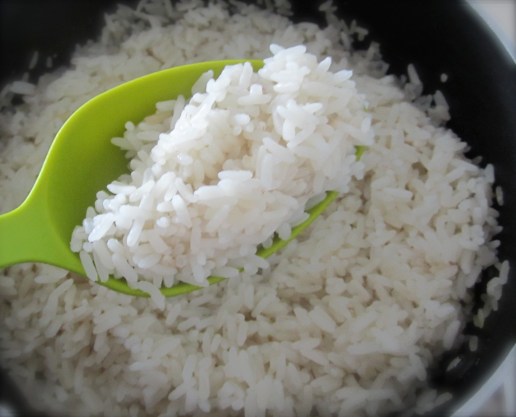
While you were working your magic with the shrimp casserole, rice was being cooked! It's simple like that!

Rice is done!

quick, easy, fluffy! like gradma's homecooking!

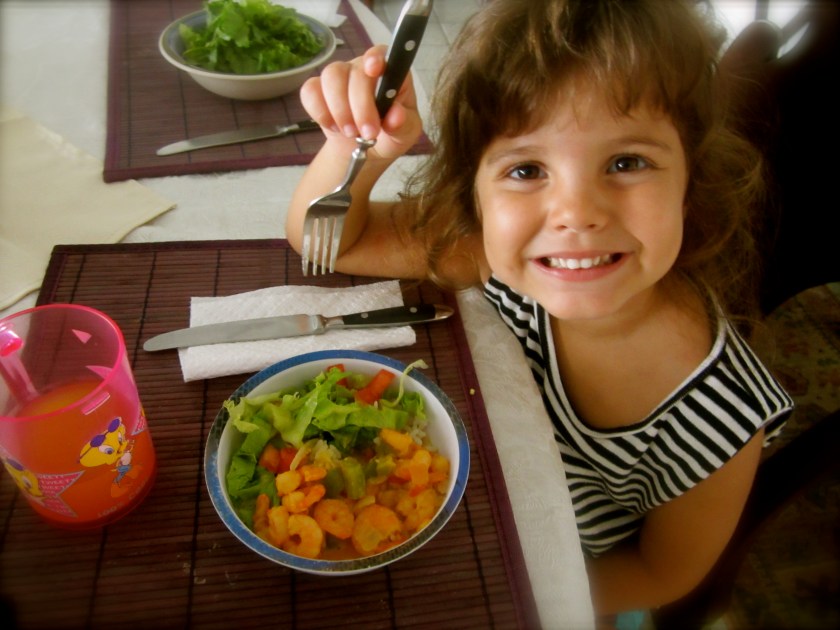
Another side order: organic veggies make a great and tasty salad!

Husband’s plate: [accompanied by his ‘favorite’ cold drink!]

Two of my most demanding [and happy] customers! Happy Sunday!

Snapshots from Fort Orange (Dutch Brazil), on Itamaraca Island.

Another day trip endevour, getting to explore our surroundings, and offering our family an opportunity to have fun, enjoy quality time together, and learn more about the local history, geography and social arts.

A bit of historical background, first, bringing everyone to the same page: 😮

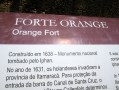
“The Fort of Santa Cruz de Itamaracá, popularly known as Fort Orange (“Forte Orange” due to the Dutch Colonization of the Pernambuco territory), located on Itamaracá Island (the word “Itamaraca” means rock that sings, in Tupi-Guarany native language) on the north coast of the state of Pernambuco in Brazil.

In the context of the second Dutch invasions in Brazil, it was originally a small island (now lost) in front of the tip of the Southeast Itamaracá Island, where the bar dominated the southern channel of Santa Cruz.

It was started from May 1631 as a fortification campaign by Dutch forces (Barretto, 1958:133), under the command of Steyn Callenfels and received the name Fort Orange, in homage to the House of Orange-Nassau, which then ruled the Netherlands.

It was garrisoned by a detachment of 366 men under the command of the Polish Captain Crestofle d’Artischau Arciszewski. This effectively resisted the Portuguese forces commanded by Conde of Bagnoli, who defeated (1632), withdrew abandoning its artillery: four pieces of brass brought from Arraial Velho do Bom Jesus. This position formed the basis for the conquest of the island of Itamaracá, defended by the forces of Salvador Pinheiro. After this achievement (1633), the fort was repaired and expanded.

Another day trip endevour, getting to explore our surroundings, and offering our family an opportunity to have fun, enjoy quality time together, and learn more about the local history, geography and social arts.

A bit of historical background, first, bringing everyone to the same page: 😮

“The Fort of Santa Cruz de Itamaracá, popularly known as Fort Orange (“Forte Orange” due to the Dutch Colonization of the Pernambuco territory), located on Itamaracá Island (the word “Itamaraca” means rock that sings, in Tupi-Guarany native language) on the north coast of the state of Pernambuco in Brazil.

In the context of the second Dutch invasions in Brazil, it was originally a small island (now lost) in front of the tip of the Southeast Itamaracá Island, where the bar dominated the southern channel of Santa Cruz.

It was started from May 1631 as a fortification campaign by Dutch forces (Barretto, 1958:133), under the command of Steyn Callenfels and received the name Fort Orange, in homage to the House of Orange-Nassau, which then ruled the Netherlands.

It was garrisoned by a detachment of 366 men under the command of the Polish Captain Crestofle d’Artischau Arciszewski. This effectively resisted the Portuguese forces commanded by Conde of Bagnoli, who defeated (1632), withdrew abandoning its artillery: four pieces of brass brought from Arraial Velho do Bom Jesus. This position formed the basis for the conquest of the island of Itamaracá, defended by the forces of Salvador Pinheiro. After this achievement (1633), the fort was repaired and expanded.

In this structure, Maurice of Nassau reported:

“(…) Inside the bar [of the island of Itamaracá] presents the first strong Orange, situated on a low sand separated from the mainland by a creek, which is fordable low-water mark. This fort dominates the harbor entrance, since such vessels entering have to pass before him the shot gun. It is square with four bastions [the vertices], and lately has been raised and repaired, but almost no gaps, or stockade or palisade, which is necessary to make, and should widen the gap and surround the outside with a counter-scarp.(Nassau, Maurice of.’Short Address. January 14 in 1638.)

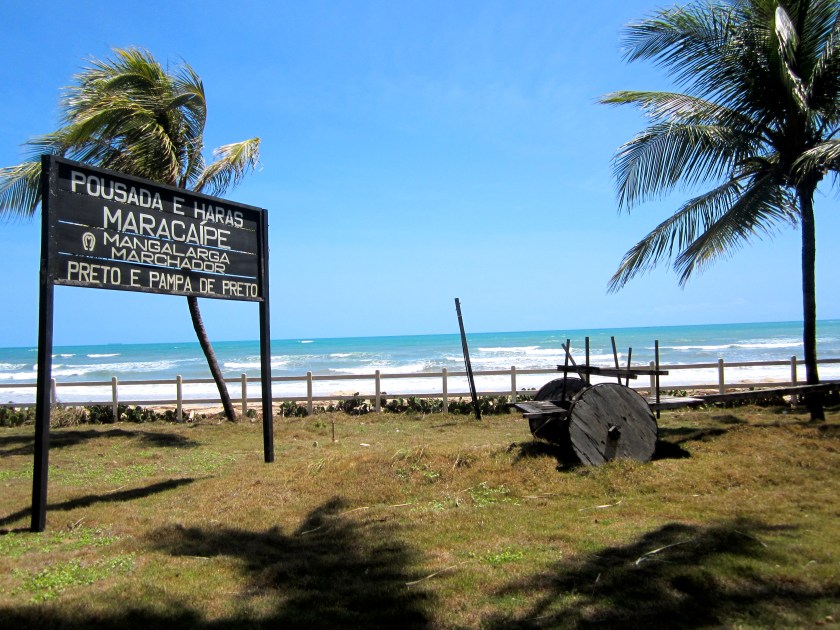
Snapshots from Maracaipe Beach, Pernambuco

Preserve este paraíso. Não deixe nada além de pegadas, não leve nada além das lembranças.”

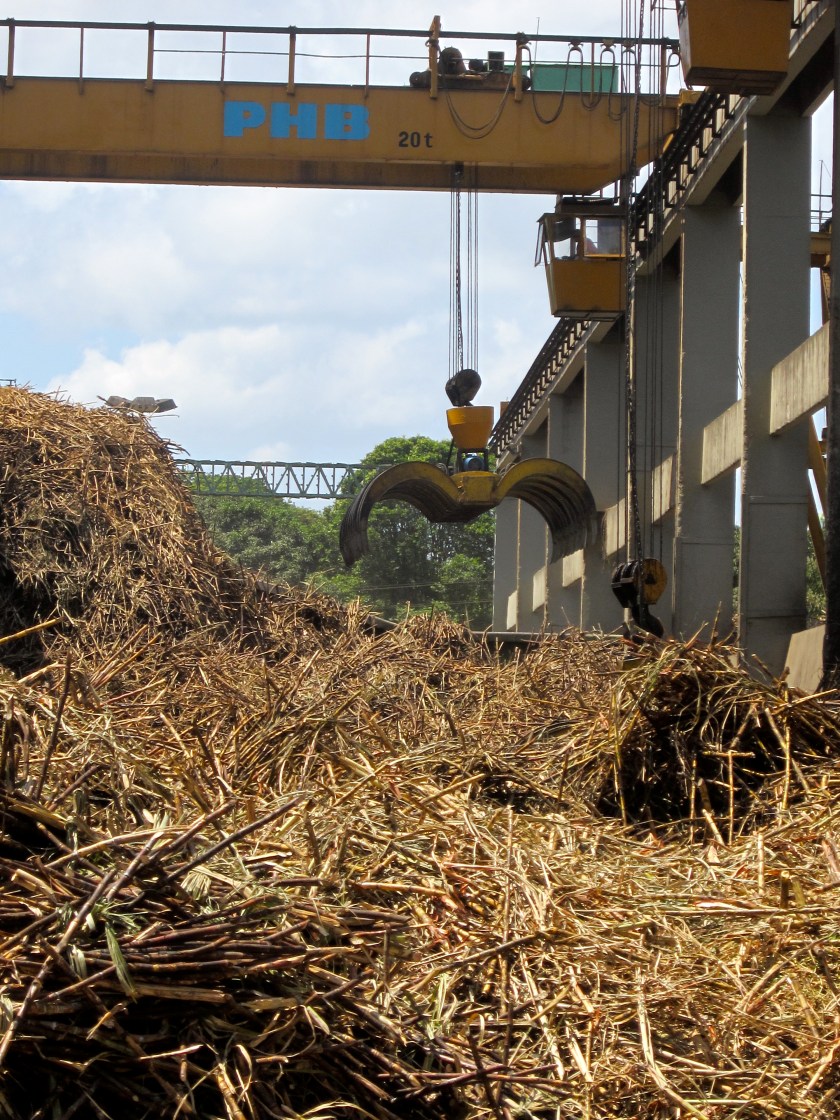
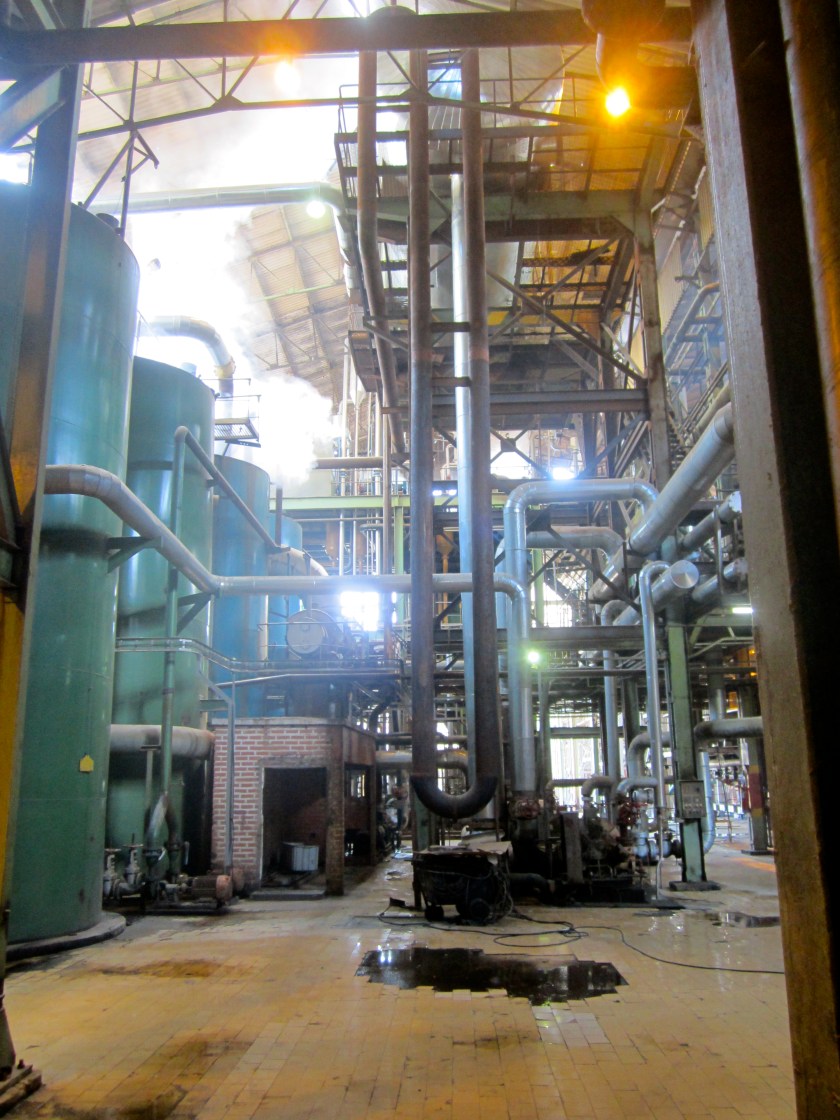
Snapshots from typical sugarcane farm in Brazil

Sugarcane products include table sugar, falernum, molasses, rum, cachaça (a traditional spirit from Brazil), bagasse and ethanol.

Photography: Sharing some images from recent visit to a traditional sugarcane farm, and its corresponding mill, in the Northeastern region of Brazil.

[From Wikipedia] ”Sugarcane is an important industrial crop of tropical and subtropical regions and is cultivated on close to 20 million hectares in more than 90 countries (according to FAO). Sugarcane products include table sugar, falernummolassesrumcachaça (a traditional spirit from Brazil), bagasse and ethanol”. 

Sugarcane is a renewable, natural agricultural resource, providing not only sugar, but also, biofuel, fibre, fertilizers and a myriad of by-products/co-products, ecologically sustainable. Molasses, sugarcane’s main by-product, is the raw material for alcohol-based industries. Excess bagasse is now being used as raw material in the paper industry, and its use as a potential fuel alternative, has been considered in recent years.

Some images were taken during the flyover, before arriving at the farm, while others, came through the visit to its grounds, the mills, main installations and sugar processing steps. Enjoy this “sweet” journey!

Arriving at the sugarcane farm:

Visiting the sugar cane plant:

Beginning the process of collection, extraction, refining:

general view
"Casa Grande" (owner's house)
old manual mill

it's always nice to live close to work! 😮


A little gift, to bring home…

hummm... sweet!


Departing…


Touring the city of Igarassu, home of Brazil’s oldest church (circa 1535).

Igarassu is one of Brazil’s oldest settlements, located in the island of Itamaraca (“rock that sings” in Tupi-Guarany language) and is full of rich cultural heritage, including the oldest church in Brazil, which dates back to 1535.

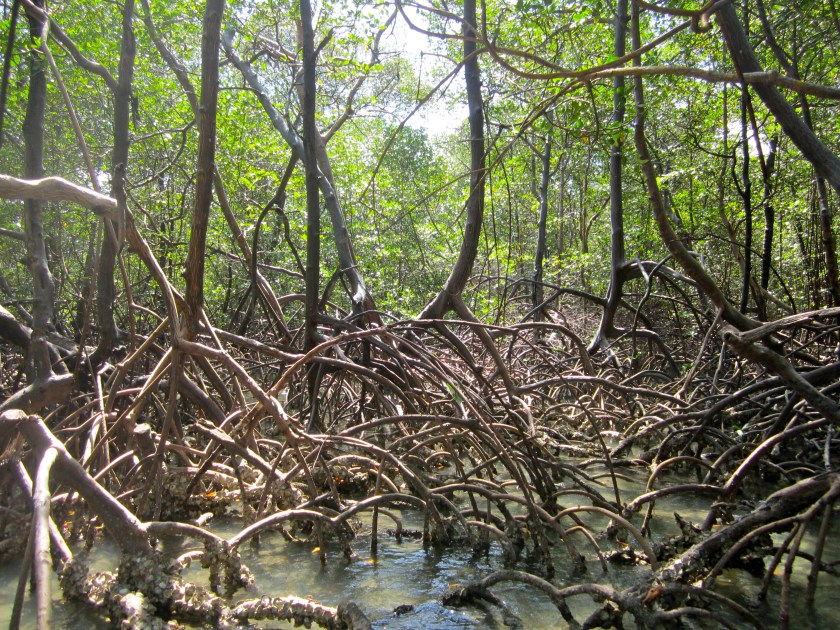
The Itamaraca Island is connected to the continent by a bridge, and a short trip there will take you to an enchanting paradise of warm, calm ocean waters and coconut tree forests. One of the singular beauties of the island was already featured here, when our family took a boat trip into the mangrove scenario

The Lima-Miranda family is curious and adventurous: in one single day, we visited the city of Igarassu, and its famous church, the original Dutch Fort (“Fort Orange”), and had time and energy to spend through the intriguing branches of mangrove trees, covered with budding oysters and fresh water crabs! All this is described throughout the blog – if one’s got time and interest to search for! 😮

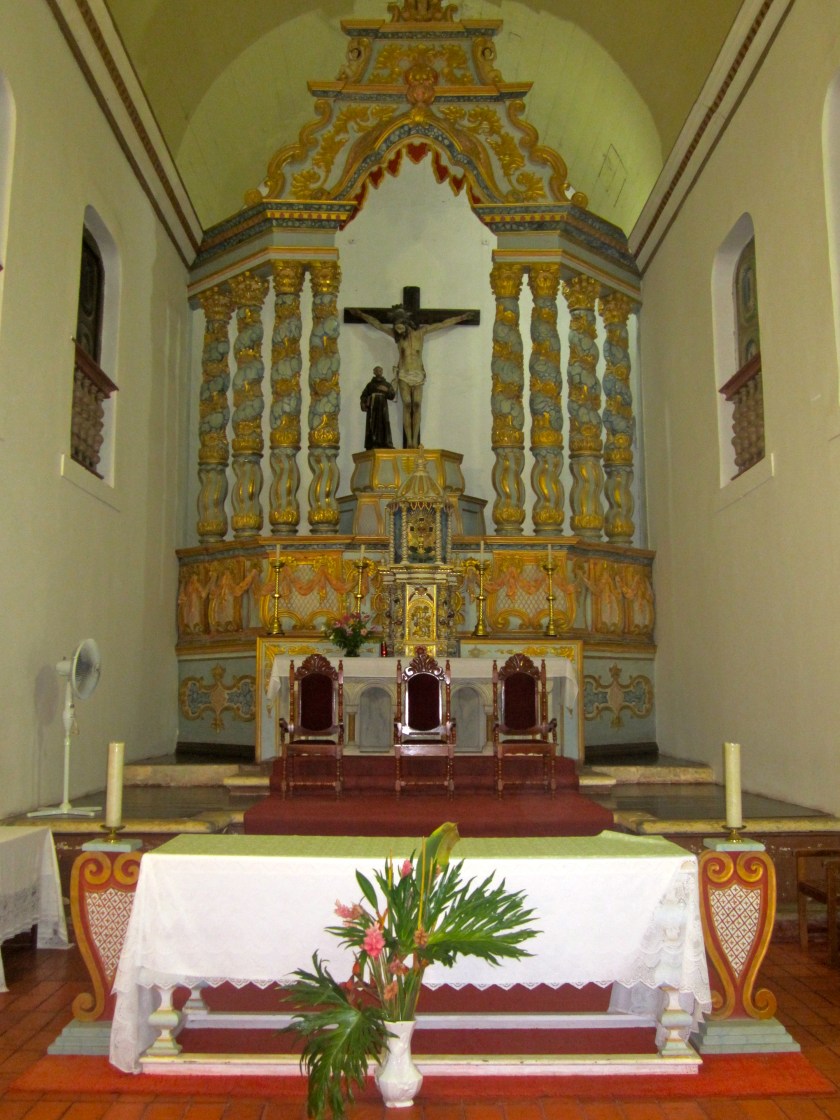
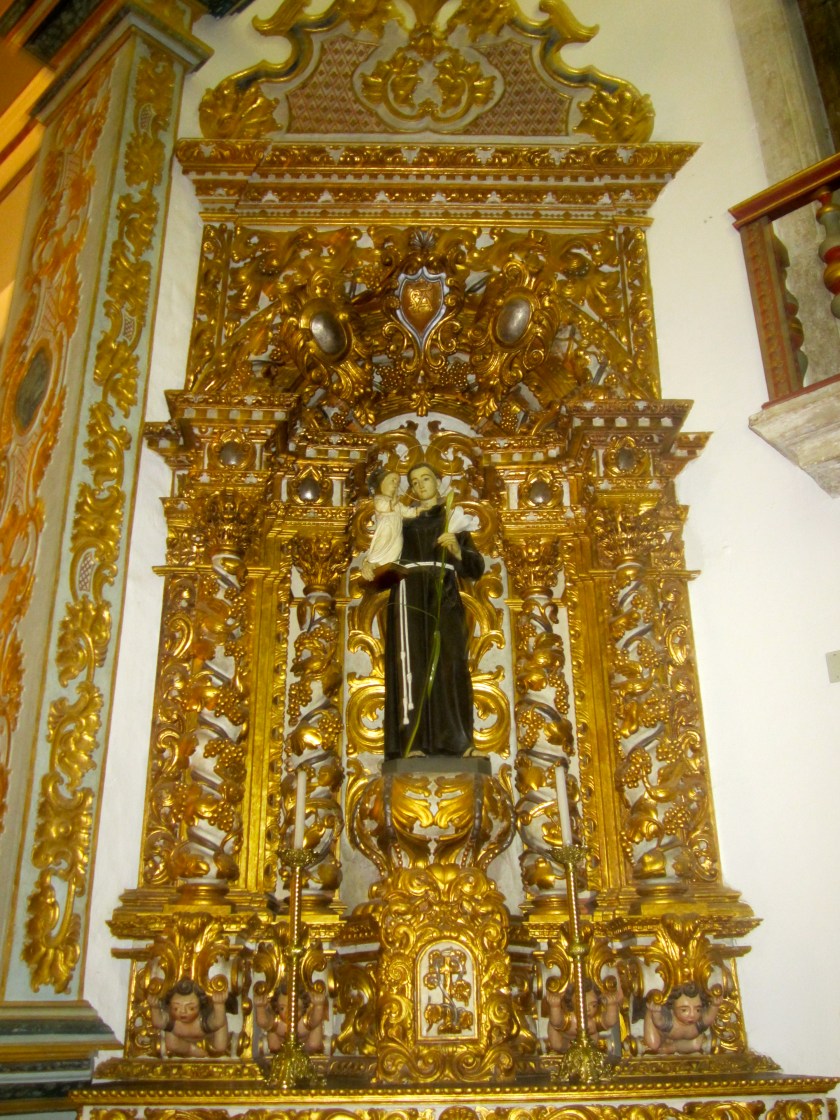
Today, I’m sharing the images of the Church of Saints Cosme and Damião, built in 1535, in the city of IgarassuPernambuco is Brazil’s oldest church (Roman Catholic):