Picture the World Project: Representing Brazil!

Four months have gone since we left Brazil…

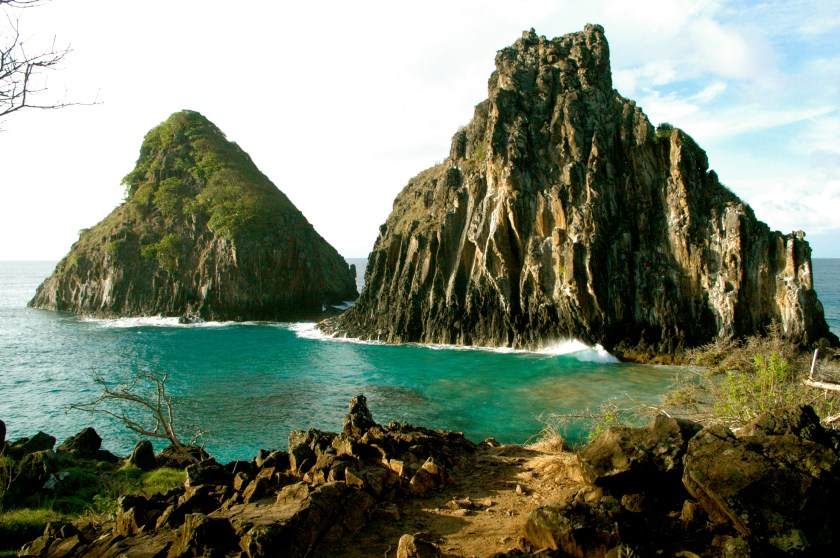
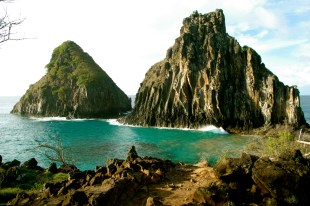
A short stop for a well-deserved home-leave with family, and, now, we’ve been at our newest post/assignment for almost 3 months… Memories for our departure from Brazil? Many, but this post summarizes it. Four months ago, this photo was chosen to represent Brazil, and its unique landscape. Here is the original post. Enjoy…

Watching the sunset behind the "Morro Dois Irmãos" (Two Brothers)

Four months have gone since we left Brazil…

A short stop for a well-deserved home-leave with family, and, now, we’ve been at our newest post/assignment for almost 3 months… Memories for our departure from Brazil? Many, but this post summarizes it. Four months ago, this photo was chosen to represent Brazil, and its unique landscape. Here is the original post, and my appreciation to the country gifting us with such beautiful memories!

**********************

What an honor! Great gift for our departing family – we leave Brazil with our heart filled with emotions and wonderful memories. The best way to celebrate our departure is knowing we’ve contributed to a fantastic project: one of our travel photographs will be part of the Picture the World Project.

The Departure Board website has a great initiative to create a gallery of wonderful photos, one from each country in the world.  I am so honored to be nominated to offer a photo from my collection to represent Brazil. What to choose from? I went with nature – one of the most beautiful beaches my ´Brazilian eyes´ have ever seen! 😮 The picture chosen for the website is the one presented earlier – a unique orange-toned sunset, overlooking the warm waters of the Atlantic Ocean…

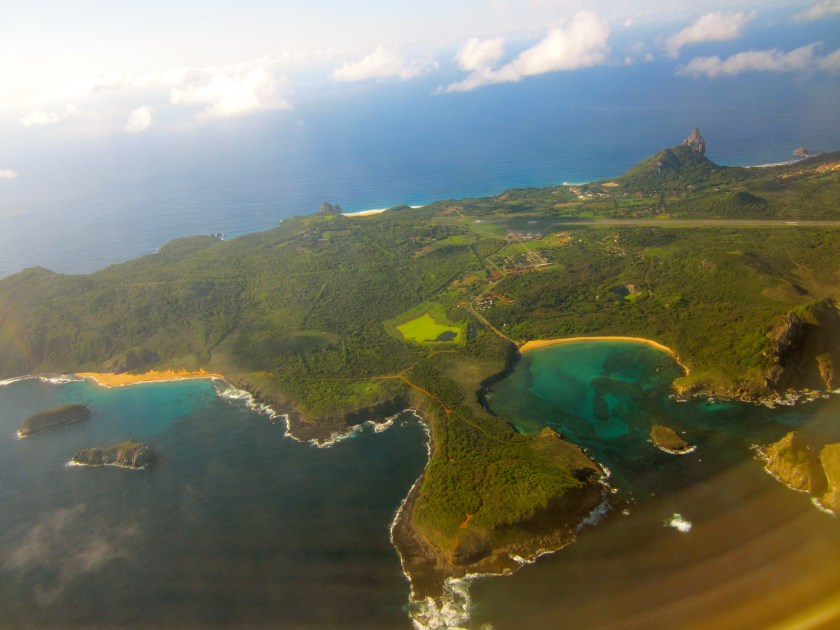
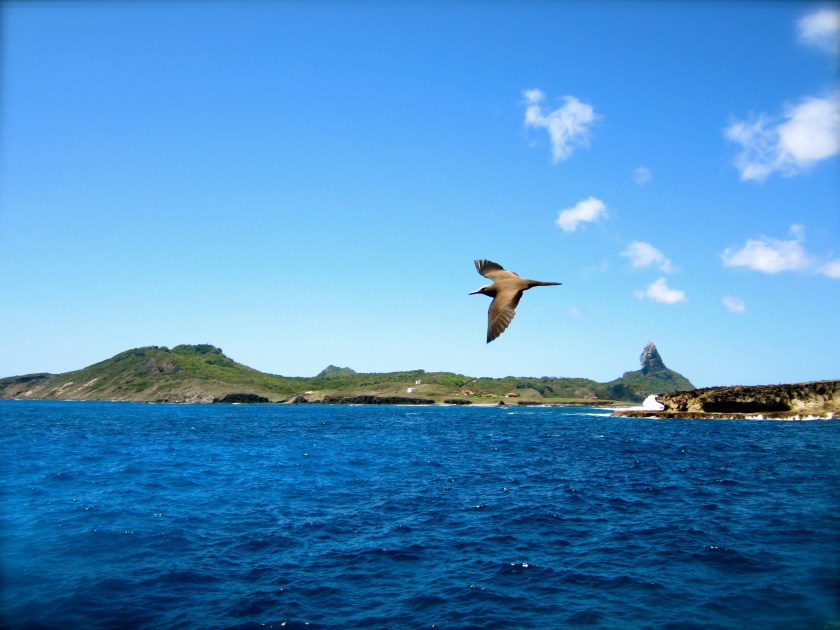
Just like the Atlantis, the Fernando de Noronha archipelago has caught the imagination of travelers for centuries and many urban myths are associated with this gloriously surreal island. With its powdery beaches, lush rolling greens and crystalline azure waters, Fernando de Noronha is a tropical paradise of sublime beauty that is steeped deep in mysticism and mystery. The archipelago – named after a 16th-century Portuguese nobleman who may never have actually set foot there – exists in the proud Brazilian imagination, as well as a beautiful group of a main island and several islets. The archipelago of Fernando de Noronha, with its 20-something volcanic rock islands, pictured here. Made up of one 11-square-mile chunk of volcanic rock and 20 smaller islands, three degrees south of the equator, 220 miles from Brazil’s north-eastern coast, Fernando de Noronha’s claim to fame is its diverse and rich ecosystem. Here’s another reminder of the archipelago’s beauty, now during the early morning hours:

It’s my duty to nominate two people to submit photos of another country.  I would like to nominate Heather, from  The Wandering Drays, who has moved with her family to Egypt. I would also like to nominate Carla, from Carla Runs the World, currently in the Philippines, and getting ready for their next move in January 2014, to Rio de Janeiro, Brazil!

Thank you so much, Catbirdinoman – “a nomad, a pilgrim, a vagabond, a wanderer… who’ve discovered the art of living and working abroad, and now is hopelessly addicted”, as she likes to describe herself –  for the nomination! 😮

The La Paz Natural History Museum: an afternoon with the Tyrannosaurus Rex and ‘other friends’…

[Backstory]: Bolivia is known internationally as “The Country of the Altiplano, which has the highest seat of government of the world, highest navigable lake on earth, is known for pre-Columbian ruins Tiahuanaku etc. What is known that two thirds of Bolivia are located in the tropical lowlands of the Amazon and silver, whose average elevation is 300 m. above sea level with an average temperature of 27 º C. La Paz sits in the Andes Mountain range and is the world’s highest capital. The city is the top place to visit in Bolivia. National Museum of Natural History joined the Bolivian Fauna Collection (La Paz), and the Noel Kempff Mercado National History Museum (Santa Cruz) to bring community and scientific expertise together to enable effective local and regional planning for biodiversity conservation. This association was called Conservación de la Biodiversidad para un Manejo Integrado (COBIMI), or Biodiversity Conservation through Integrated Management.

October Magic – learning through art, history, and now… dinosaurs! A group of friends got to spend an afternoon at the La Paz Natural History Museum, sharing with our children the fantastic lessons learned through investigative work, replicas, stories and, even… tales! Needless to say, everyone had a great time, easy to verify below through the images/photos taken during our trip to the museum.

[Backstory]: Bolivia is known internationally as “The Country of the Altiplano, which has the highest seat of government of the world, highest navigable lake on earth, is known for pre-Columbian ruins Tiahuanaku etc. What is known that two thirds of Bolivia are located in the tropical lowlands of the Amazon and silver, whose average elevation is 300 m. above sea level with an average temperature of 27 º C. La Paz sits in the Andes Mountain range and is the world’s highest capital. The city is the top place to visit in Bolivia. National Museum of Natural History joined the Bolivian Fauna Collection (La Paz), and the Noel Kempff Mercado National History Museum (Santa Cruz) to bring community and scientific expertise together to enable effective local and regional planning for biodiversity conservation. This association was called Conservación de la Biodiversidad para un Manejo Integrado (COBIMI), or Biodiversity Conservation through Integrated Management. Recognizing the urgent need for communities living in and around protected areas to actively participate in and benefit from the conservation of the resources upon which they depend, the COBIMI partners convened workshops to develop dialogue among local stakeholders, provided training for these groups in communication and outreach; and provided financial resources and technical assistance for communities and protected area staff to design and implement, for the first time, their own conservation projects. Several innovative community resource management projects were implemented, including community museums (or “interpretive centers”), ecotourism facilities, trails for tourists that highlight biodiversity, and protected area informational materials.

The T-Rex: The Official Story

“Tyrannosaurus, meaning ‘tyrant lizard’) is a genus of theropod dinosaur. The famous species Tyrannosaurus rex (‘rex’ meaning ‘king’ in Latin), commonly abbreviated to T. rex, is a fixture in popular culture around the world. It lived throughout what is now western North America, with a much wider range than other tyrannosaurids.

Fossils of T. rex are found in a variety of rock formations dating to the last three million years of the Cretaceous Period, approximately 68 to 65 million years ago; it was among the last non-avian dinosaurs to exist prior to the Cretaceous–Tertiary extinction event.

WEIRD PHOTO WEDNESDAY

It’s so true! I feel confused just by looking at the wires along the street! Way too many… way too tangled! 😮

riedeljoshua's avatarTravel Junkie Josh

View original post

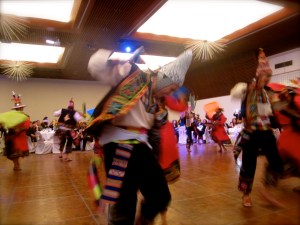
Snapshots of the Ballet Folklorico de Potosi, Bolivia. A dinner and dance presentation in La Paz.

South America is home to some of the oldest known societies, with pre-Columbian civilizations dating back to earlier than 15,000 BCE.

Aymara and Quechua cultures are among the indigenous peoples that still dwell in the Andes Mountains, which cover parts of Bolivia, Peru, Ecuador, and Chile. In Bolivia, fifty percent of the population is of indigenous ancestry.


South America is home to some of the oldest known societies, with pre-Columbian civilizations dating back to earlier than 15,000 BCE.

Aymara and Quechua cultures are among the indigenous peoples that still dwell in the Andes Mountains, which cover parts of Bolivia, Peru, Ecuador, and Chile. In Bolivia, fifty percent of the population is of indigenous ancestry.

Bolivia’s rich dance repertoire consists of pre-Columbian dances performed in rural areas during religious and secular community celebrations, as well as European influenced mestizo dances, which originated after the Spanish conquest.

Mestizo dances are common in urban centers where they are performed at popular festivals and celebrations of Catholic patron saints. During these community celebrations, group solidarity is strengthened, while shared values and cultural identities are reaffirmed.

We were fortunate enough to enjoy a pleasant dinner and dance, organized by the Association of Diplomatic Ladies in La Paz, Bolivia, was the stage for a beautiful and colorful presentation, coordinated by the Ballet Folklorico Potosi.

[From local newspaper] 

Obtener fondos, socializar algunos problemas y llegar a más centros de atención de los más necesitados forman parte de la agenda diaria de la Asociación de Damas Diplomáticas y Organismos Internacionales.

La actividad más importante del año es el baile de gala, evento en el que las damas buscan recaudar la mayor cantidad de fondos, con el apoyo de empresas y personas que contribuyen a la realización de este noble fin.

Este año, la gala se realizará el sábado 29 del presente, en los salones del Radisson Plaza Hotel.

La presidenta de la organización, Keiko Watanabe, y las damas de su directiva invitan a los corazones generosos a contribuir con esta labor social.


Travel Theme: Foliage – Is it Spring or Fall over here?

Ailsa, from “Where’s my Backpack?” brought this week’s suggestion: “It’s getting all autumnal up here in the northern hemisphere, while down in the southern hemisphere everyone’s looking forward to spring. Whichever hemisphere you inhabit, now is a fantastic time to get out and have a look at what the trees are doing. Whether they’re about to burst into life with fresh green growth, or starting to adorn themselves in their autumn glory; even if they’re still wearing their evergreen needles, it’s a wonderful time to go leaf peeping!”

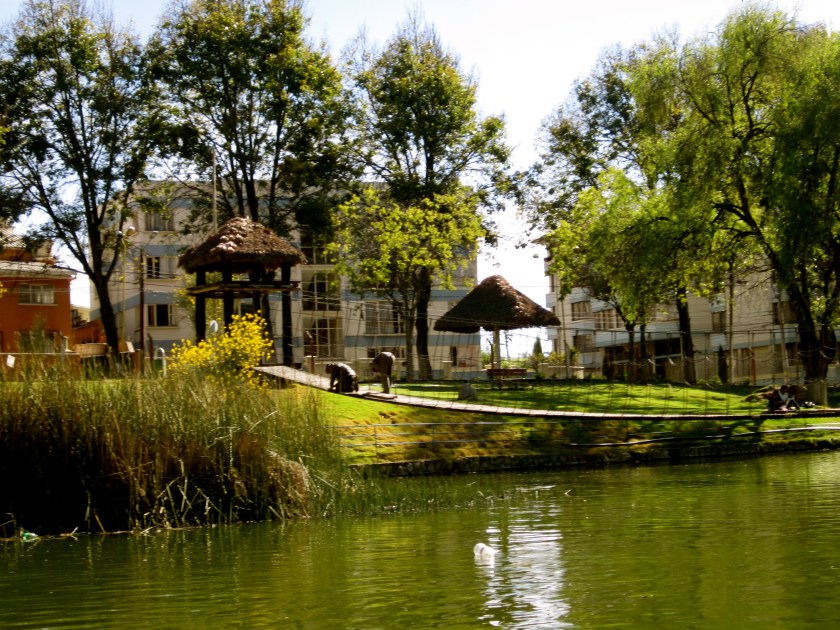
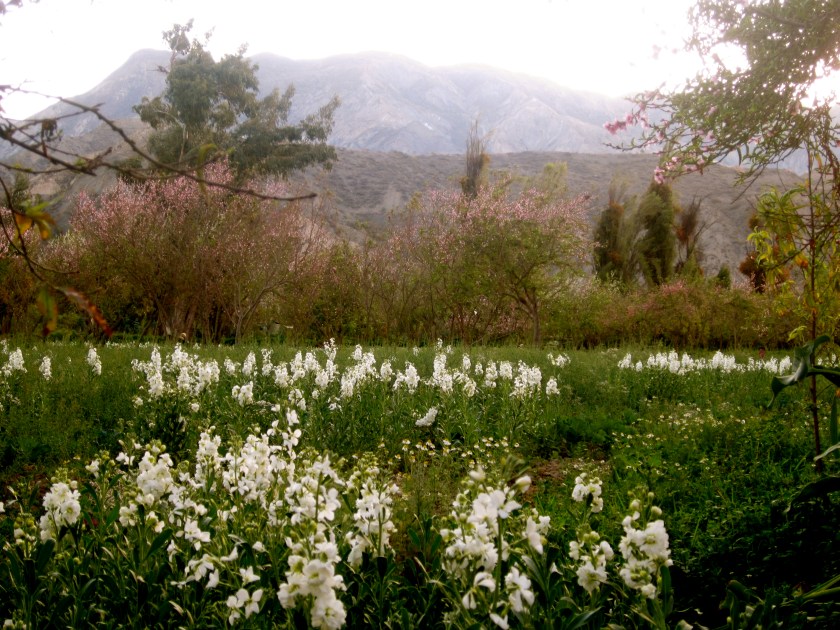
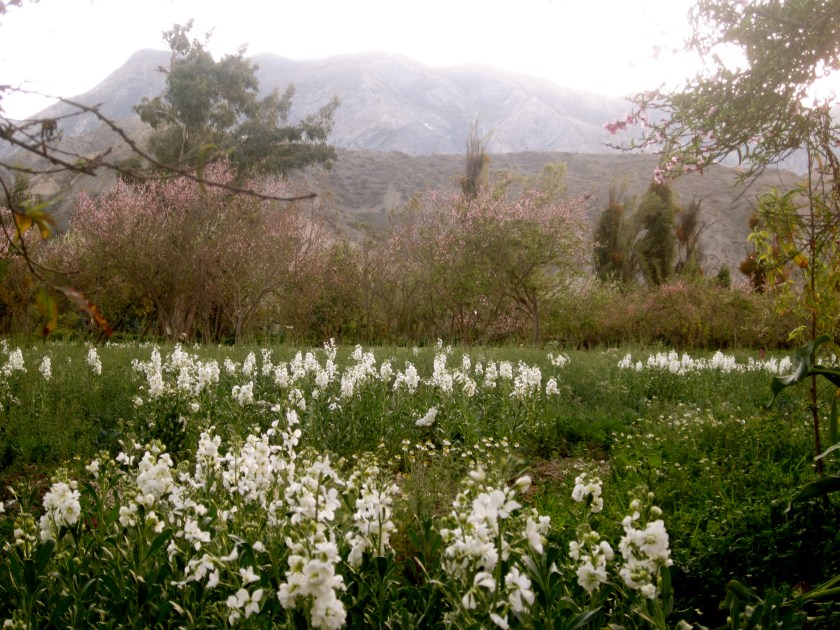
For us, Spring just started. But we’re in La Paz, Bolivia, so, the colors, the textures, the feelings, very much bring us back to Fall – what a fantastic experience!

Ailsa, from “Where’s my Backpack?” brought this week’s suggestion: “It’s getting all autumnal up here in the northern hemisphere, while down in the southern hemisphere everyone’s looking forward to spring. Whichever hemisphere you inhabit, now is a fantastic time to get out and have a look at what the trees are doing. Whether they’re about to burst into life with fresh green growth, or starting to adorn themselves in their autumn glory; even if they’re still wearing their evergreen needles, it’s a wonderful time to go leaf peeping!”

For us, Spring just started. But we’re in La Paz, Bolivia, so, the colors, the textures, the feelings, very much bring us back to Autumn – what a fantastic experience! Sharing here, images from a local park in La Paz, from a road trip to Mecapaca or simply, a snapshot from my front yard. Enjoy!

Focus On: Expat Life Blogs

Creativity

Expat definition maze

Ute Limacher-Riebold's avatarExpat Since Birth – A Life spent "abroad"

I was reading several blogs about expats, Third Culture Kids, Adult Third Culture Kids, Global Nomads and was wondering about the definitions of all these terms. An expat is “a person temporarily or permanently residing in a country and culture other than that of the person’s upbringing”. The “country and culture… of the person’s upbringing” isn’t necessarily the country or culture the parents come from. But in a strict sense, an expatriate is someone who “lives out of the fatherland” (ex-patria). It can be any person living in a different country from where he or she is a citizen from. I’m a german citizen who was born in Switzerland and grew up in Italy. – According to this definition, I am either an expat since birth or since the age of 18, when I left Italy to go to study in Switzerland. Assuming the latter case, what was I before?

View original post 971 more words

180 years later, an analogy with Charles Darwin’s Beagle Voyage.

The most recent Wordpress Writing Challenge, is about “writing style”. Quoting WP:

“Like it or not, we all have our own style. Where we’re from, our local colloquialisms, our favorite writers, and our preferred subject matter all influence the tone and language in our posts. We do not blog in a vacuum…Better yet, you can tell us about your favorite writer’s tone, or you can take it a step further — after all, imitation is the sincerest form of flattery. Highlight a particular element of your favorite writer’s style, and incorporate it into a post of your own. Whether it’s their delightfully wry wit, the rhythmic insertion of repeated phrases, or lackadaisical sentence structure, become your favorite writer for a day (or an hour).”
Here’s my original post, writen under the format of a ‘quasi-journal’, taking advantage of the suggested Writing Challenge from Wordpress, and the fantastic journey reports from another Biologist,Charles Darwin… Am I trying to ‘imitate’ Darwin’s style, comparing our family’s journeys with his? Not at all – trying to be humble, and realistic…But, as a researcher, former scientist, and now traveling mom, the challenge of comparing both memories is intriguing and exciting. Hope you enjoy it!

Brazil-PTWP

The most recent WordPress Writing Challenge, is about  “writing style“. Quoting WP:

“Like it or not, we all have our own style. Where we’re from, our local colloquialisms, our favorite writers, and our preferred subject matter all influence the tone and language in our posts. We do not blog in a vacuum…Better yet, you can tell us about your favorite writer’s tone, or you can take it a step further — after all, imitation is the sincerest form of flattery. Highlight a particular element of your favorite writer’s style, and incorporate it into a post of your own. Whether it’s their delightfully wry wit, the rhythmic insertion of repeated phrases, or lackadaisical sentence structure, become your favorite writer for a day (or an hour).”
Here’s my original post, writen under the format of a ‘quasi-journal’, taking advantage of the suggested Writing Challenge from WordPress, and the fantastic journey reports from another Biologist,Charles Darwin… Am I trying to ‘imitate’ Darwin’s style, comparing our family’s journeys with his? Not at all – trying to be humble, and realistic…But, as a researcher, former scientist, and now traveling mom, the challenge of comparing both memories is intriguing and exciting. Hope you enjoy it!

“Our traveling family has just departed from Brazil. On a plane, not on a ship. We didn’t have a crew, nor shipmates, just the five of us, 2 intense parents and 3 children aged 6 and under – but still keeping a diary of our experiences, encounters, a way to tell our stories, share lessons learned and comment on challenges and small victories…

In July 5, 1832 – HMS Beagle and Charles Darwin departed Rio de Janeiro, Brazil. He was in Brazil from Feb 28 until Jul 5, 1832. The same week he departed, but, 180 years later, our family also departed Recife, Pernambuco, northeastern coast of Brazil, heading to our next adventure… An interesting coincidence, for several different reasons, and one of them, for sure, led a fellow blogger/researcher to kindly invite me to prepare a guest post for his blog, The Beagle Project. According to the site’s author, Rob Viens, “The Beagle Project – is an attempt to read and reflect on Charles Darwin’s Beagle Diary in real time over a five year period – 180 years to the date the original entries were recorded.” As the author likes to describe himself, “He currently resides on the planet Earth, on the Eocene Blakeley and Renton formations in Bellevue, with his wife, daughter, son and cats“. Find more about the creation of this Project, here.

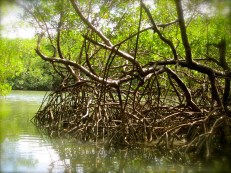
Photography: Exploring the mangrove biome on Itamaraca Island, Brazil.After departing Brazil, 180 years ago, Charles Darwin headed South… nice coincidence: our next posting is La Paz, Bolivia, and after a short stop back in the US, our family, led by the International Affair’s father and his right-hand Biologist wife (aka, the Mother), will again, be heading to South America! 😮 Hey, please don’t get me wrong: no intention to compare between the 2 biologists! 😮 I’m humble enough to admit myself as being a passionate researcher, who loves to learn and is eager to share experiences I’ve acquired through life, with our growing children.oyster colonies growing along the tree branches

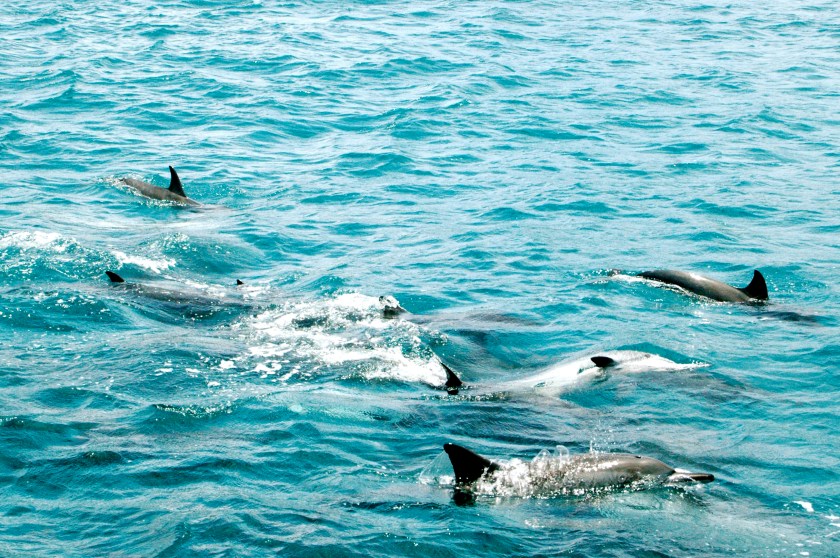
During these 2 years in Brazil, our family had the opportunity to really immerse into the culture, and personally, I was grateful for the possibility of letting my children experience what I grew up with in Brazil. As a family, we traveled through most of the northeastern region of Brazil, visited historical sites, dating from the Dutch, Portuguese, Spanish colonization days. We experienced the intriguing architecture of this nation’s capital, Brasilia; and as an exploring couple, my husband and I got to visit several unique sites, like the paradise beach coast of Jericoacoara, one of the ten most beautiful beaches on Earth and the world’s heritage site, [Archipelago of] Fernando de Noronha, coincidentally, one of the Brazilian sites visited by Charles Darwin’s expedition [other posts about Fernando de Noronha here and here]. and . We saw spinning dolphins, volcanic rock formations, horizontal trees, manatees, baby sharks, deep blue lagoons, and hiked through untouched natural settings… We experienced life to its fullest – always sharing our findings with our offspring… who knows, maybe one day, they’ll also become passionate explorers, life their parents? 😮

Through the aerial roots of this old tree...

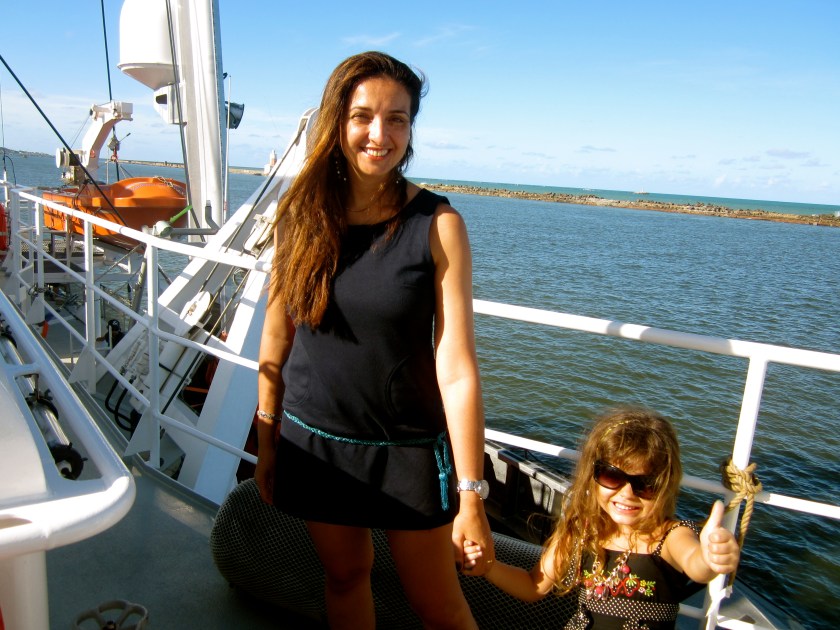
While living in Brazil we saw different color sunsets, and once-in-a-lifetime sunrises. We lazed in hammocks dipped in the deepest blue water, listened to volunteers talking and showing the importance of preserving the sea and green turtles, and watched them hatch… at the end, we simply enjoyed the wonders of nature… We learned about conservation and the importance of respecting the natural creations, as well as, its limits. We learned about the use and potential of the “green energy resources“, and talked about it with our colleagues. We boarded on the visiting Rainbow Warrior Greenpeace ship for a live lesson on Conservation of Natural Resources…IMG_4108

Our children are learning to love and respect their mixed culture and the importance of learning how to explore, how to care, how to preserve.

They’re beginning to understand historical events, their causes and consequences. They’re learning that any country is not just about land, but also, its people, their beliefs and their sense of social respect. Hybrid cultures are a rich experience. They will grow up comprehending that the world they live in is much bigger than geography may present itself. And a country’s boundaries go as far as its people. We bring our culture with ourselves. Our traditions, our honor, our respect to others. Wherever we are. Wherever we move to. We’ve departed Brazil with a heavy heart and lots of good memories, that we’re trying to register through this interactive quasi-travel diary… And, as Charles Darwin himself wrote on his Diary, our adventure will also continue:

[July, 1832] 5th A little after 9 oclock we tripped our anchor, & with a gentle breeze stood out of the bay.— Capts Talbot & Harding accompanied us beyond Santa Cruz.— As we sailed past the Warspite & Samarang (our old Bahia friend) they manned the rigging & gave us a true sailor-like farewell, with three cheers.— The band at the same time striking up “To glory you steer”.— The Captain had intended touching at Cape Frio, but as the lightning did so.— we made a direct course for the South.— Near to the Isle de Raza the wind lulled, & we are now becalmed & shall probably remain so during the night: |190| The moon is now shining brightly on the glassy water.—every one is in high spirits at again being at sea & a little more wind is all that is wanted.— The still & quiet regularity of the ship is delightful; at no time is “the busy hum of men” so strongly perceived as when leaving it for the open ocean.—”

Thank you, WordPress Readers! And the journey continues!

Picture the World Project: Representing Brazil! (3rdculturechildren.com)


Travel Theme: Red.


According to Ailsa, from “Where’s my Backpack?” “Red is a terribly versatile colour. It can indicate both anger and love; danger and celebration. You can paint the town red, roll out the red carpet or have a red letter day. I’ve been seeing red recently – southern Utah will do that to you. Everywhere you look there is red rock and red sand. There are even red mountain ranges. Here are a few of the red landscapes that caught my eye.”

Traveling is also made of colors… Let’s see what ‘kinds’ of “RED” we’re able to come up with, for this week’s travel theme…

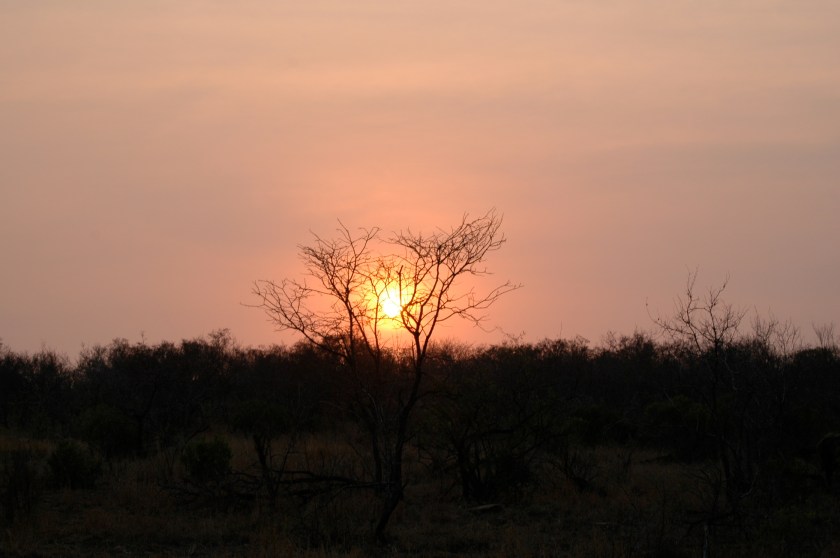
Red sunset, at the Kruger Park, South Africa.
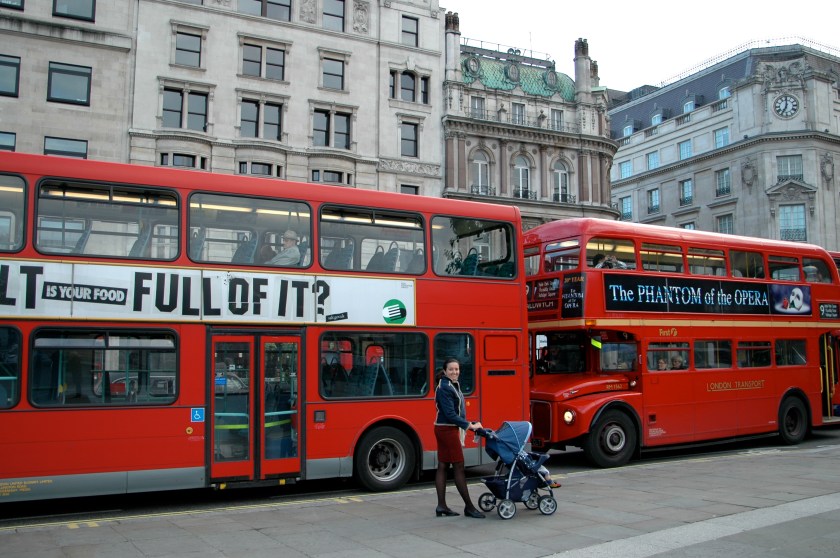
Red Double-Decker, Oxford, England.
Red “Happy Birthday” in Portuguese!
Red candles at an Indonesian Temple.
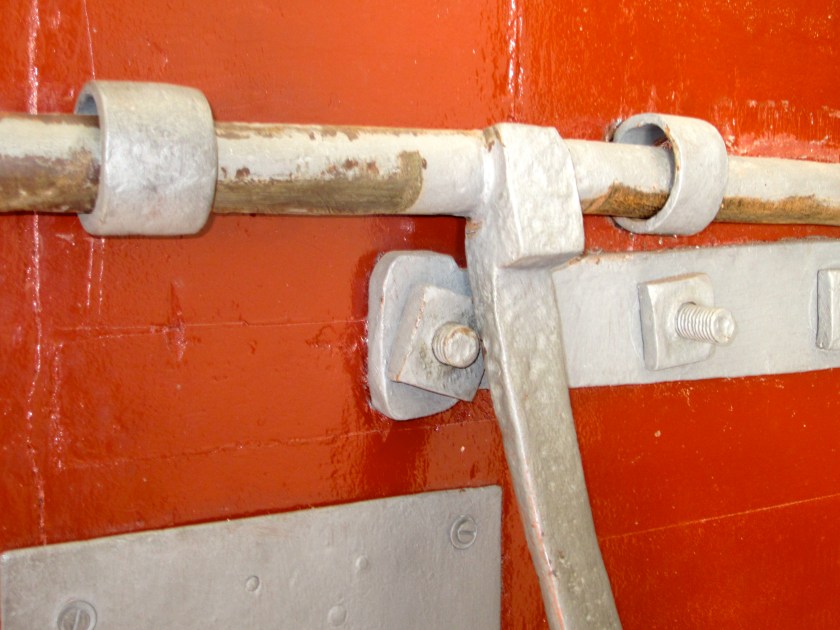
Door to a Dutch Fort in NE Brazil.
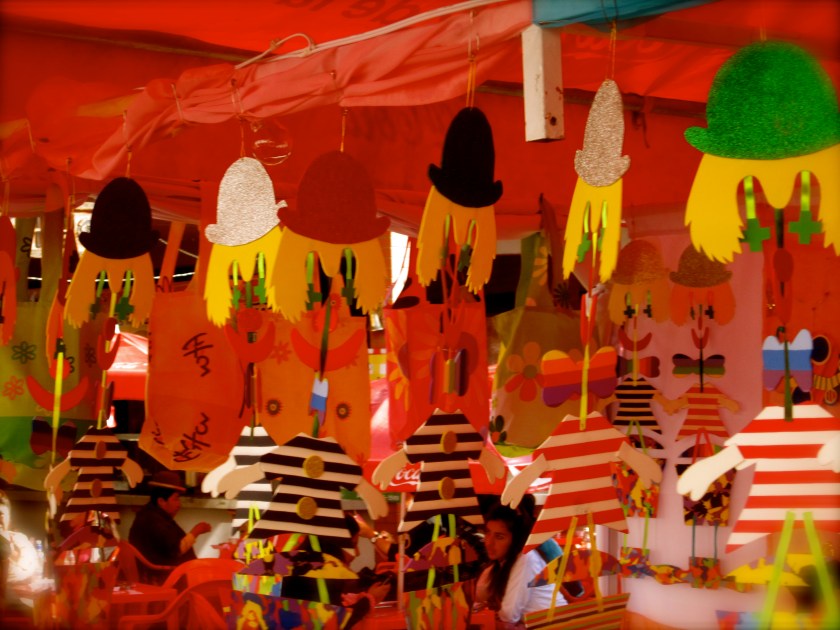
Art Fair in La Paz, Bolivia
“Kids in Red”, Delaware, USA.

My appreciation to Where’s my backpack? for the inspiration! 😮

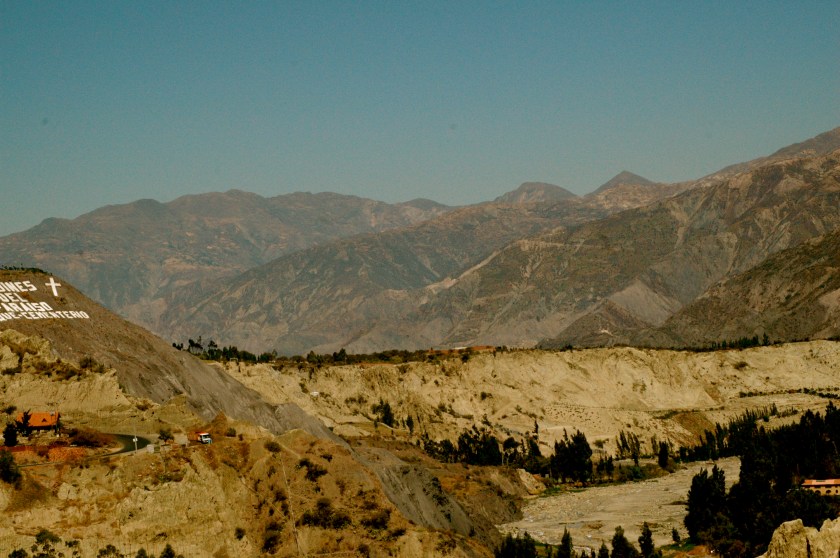
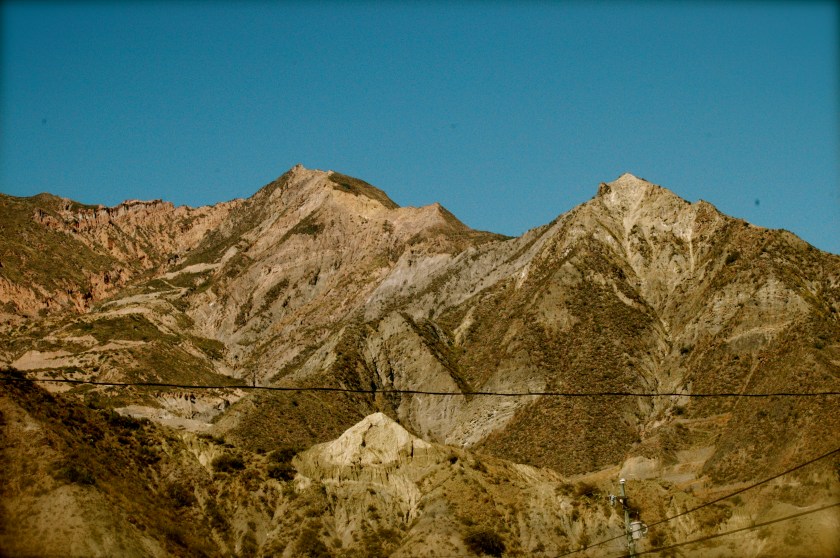
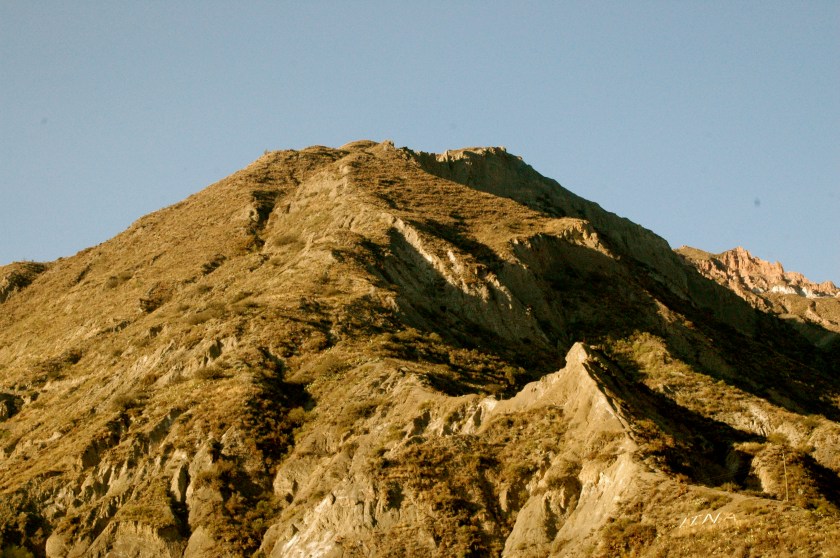
Road trip from La Paz to Mecapaca, Bolívia.

One of the great attractions of Mecapaca is that it is only 45 minutes from La Paz city center and even closer to the Zona Sur (the southern suburbs of La Paz). Moreover, it is easily reached by taxi or one of the regular minibuses. Minibuses (number 253–look for the “Mecapaca” sign on the dashboard) leave for Mecapaca regularly from Plaza Humbolt, a small plaza on the right as you cross into the Zona Sur. Mecapaca is the “end of the line” so transportation back is not a problem. We went by car, a family of friends (2 adults, 2 kids) kindly invited us to join them for lunch at a popular hotel/restaurant in Mecapaca. Close by to our end-point, is the well-known Valle de la Luna (Valley of the Moon), a popular tourist destination with strange eroded sandstone formations – but hopefully, will be hit on a future trip… we’re still adjusting to the new lifestyle, altitude and the curvy roads, so, would’ve been a bit much to ask the kids to endure… For the time being, enjoy the images from our recent road trip!

view from the Hotel Andino, Mecapaca

One of the great attractions of Mecapaca is that it is only 45 minutes from La Paz city center and even closer to the Zona Sur (the southern suburbs of La Paz). Moreover, it is easily reached by taxi or one of the regular minibuses. Minibuses (number 253–look for the “Mecapaca” sign on the dashboard) leave for Mecapaca regularly from Plaza Humbolt, a small plaza on the right as you cross into the Zona Sur. Mecapaca is the “end of the line” so transportation back is not a problem. We went by car, a family of friends (2 adults, 2 kids) kindly invited us to join them for lunch at a popular hotel/restaurant in Mecapaca. Close to our end-point, is the well-known Valle de la Luna (Valley of the Moon), a popular tourist destination with strange eroded sandstone formations – but hopefully, will be hit on a future trip… we’re still adjusting to the new lifestyle, altitude and the curvy roads, so, would’ve been a bit much to ask the kids to endure… For the time being, enjoy the images from our recent road trip!

How we got there:

The Curvy, Bumpy, No-Shoulder Roads… and the Reward!

Weekly Photo Challenge: Free Spirit

This week’s photo challenge is guest hosted by Strauss Louw. “Free Spirit. I chose this as the topic for this week’s photo challenge as it lends itself to so many possibilities for subject matter and composition. I work exclusively with film and believe this element is quite important concerning a theme such as the free spirit, as it allows for more experimentation and creative exploration due to how film reacts differently to light than a digital sensor would. To capture this idea of the free spirit, I would suggest breaking some rules. Sometimes it is necessary to overexpose a frame slightly and point the lens to the sun for a bit of glare to capture that sense of a different, free, moving reality. I shot this image at the Fish River Canyon in Namibia on a road trip with a dear friend of mine who likes writing and always keeps her typewriter close by. When she took it out and started writing at the edge of the canyon, it was just too perfect of an opportunity for some interesting shots to pass on”.

This week’s photo challenge is guest hosted by Strauss Louw“Free Spirit. I chose this as the topic for this week’s photo challenge as it lends itself to so many possibilities for subject matter and composition. I work exclusively with film and believe this element is quite important concerning a theme such as the free spirit, as it allows for more experimentation and creative exploration due to how film reacts differently to light than a digital sensor would. To capture this idea of the free spirit, I would suggest breaking some rules. Sometimes it is necessary to overexpose a frame slightly and point the lens to the sun for a bit of glare to capture that sense of a different, free, moving reality”.

My take on the theme? A very free-spirited fisherman! 😮

Thanks for the inspiration! ♥

Travel Theme: Curves.

Ailsa, from “Where’s my Backpack?” asked this week’s question: “Are you ready to show off your curves?” Sometimes, the best way to see and ‘feel the curves’ while traveling, is not actually by road… what about by plane? Definitely, a different experience!

“Curving over’ the archipelago of Fernando de Noronha, South AmericaMy appreciation to Where’s my backpack? for the inspiration! 😮

¡Biénvenidos a la Escuela, con Salteñada! Images and Recipe.

School year just begun… nothing says “Welcome” better than a morning filled with fun activities for the whole family, topped off with typical (and delicious!) “salteñas!

Bolivia is known for its special kind of empanada called a salteña Oddly, the salteña takes it’s name from a city in Argentina (Salta), but it’s definitely a Bolivian specialty. You can recognize salteñas by the repulgue (the braid-like fold that seals the filling inside) which runs across the top of the pastry instead of along the side.

There are many varieties, but in general the meat and vegetable filling in a salteña tends to be runnier and sweeter (yet spicy) than most other empanadas. They are tricky and time-consuming to prepare, with traditional recipes calling for gelatin in the filling, so most salteña fans buy them from restaurants and street food carts. Salteñas are typically enjoyed as a mid-morning snack in Bolivia.

Salteñas are often served with a plate and a spoon, but expert salteña eaters know how to enjoy them without letting the juices run down their sleeves, by kind of pouring the liquid into their mouth as they take bites!! 😮

This slideshow requires JavaScript.

And here, the recipe for this delicious treat!

Filling – Ingredients:
1 cup lard or margarine
1 cup ground spicy red pepper (cayenne) mixed with water

½ tablespoon ground cumin
½ tablespoon black ground pepper
½ tablespoon crumbled oregano
1½ tablespoon salt
2 cups white onion, cut into small cubes
1½ cups green onion, finely chopped
3 pounds lean meat, cut into small cubes
1 cup potato, peeled, cooked, and cut into small cubes
½ cup cooked green peas
¼ cup granulated sugar
½ tablespoon vinegar
½ cup parsley, finely chopped
2 spoonfuls unflavored gelatin dissolved in 3 cups water
½ black olive per salteña
3 raisins per salteña
1 slice of boiled egg per salteña

Preparation:

  1. In a casserole add the margarine and the spicy red pepper. Set to boil over high heat until the margarine separates from the pepper. Next add cumin, ground black pepper, oregano, and salt. Let cook for ten minutes over low heat so that the mixture does not stick. Stir constantly. Next add the white onion and let it cook for five more minutes. Finally add the green onion.
  2. Remove the casserole from the heat, add the sugar, vinegar, parsley, potato and cooked peas.
  3. In another casserole add the three gelatin cups. Let it cook over high heat and as soon as it starts to boil, add the meat. Mix quickly and remove from the heat.
  4. Mix the first preparation with the gelatin and meat. Let it cool in the refrigerator one night or until it thickens. If wanted, add the olives, raisins and egg before it thickens or add them directly on the dough when preparing the salteñas.

DOUGH
Ingredients:

12 cups flour
1½ cups lard or margarine (boiling)
6 whole eggs
½ cup sugar
3 teaspoons salt
2¼ cups lukewarm water (more or less)

Preparation:

  1. Sift the flour in a bowl and add the boiling lard or margarine. Mix quickly with a wood spoon. Let it cool for a few minutes and add the eggs, the sugar and lukewarm water with salt. Knead until getting a dry dough. Cover the dough with a kitchen towel  and let it rest for ten minutes.
  2. Divide all the dough into fifty small balls and thin them out one by one with a roller, until getting round-shaped pieces (about ¼ of and inch thick by 5 inches of diameter).
  3. On each round-shaped piece put a spoonful of the filling with the olive, raisins and egg, if these ingredients were not mixed before.
  4. Dampen the edges of each piece with water, fold each one and join the edges very well so that each salteña is closed perfectly. Leave the closing on top.
  5. Put salteñas, on a backing sheet sprinkled with flour. Place each salteña separate from the next one.  Bake them at a high temperature (European oven: 300 C.; American oven  572 F.) between seven to ten minutes. Serve them warm.

NOTE 1: If desired, paint salteñas before baking them. In a frying pan add 6 spoonfuls of lard or margarine, 2 spicy red peppers (ground), 4 spoonfuls of water and a teaspoon of salt. Mix the ingredients and cook them over low heat until the water evaporates. Remove the mixture from the heat and paint eachsalteña with a kitchen brush. NOTE 2: If desired, you can substitute meat with chicken, or you can combine both.

Weekly Photo Challenge: Silhouette.

SILHOUETTE. The proper definition of a silhouette is “the outline of a body viewed as circumscribing a mass.” In photography, often we achieve that effect by putting light behind the object whose silhouette we want to capture, effectively darkening out the features of the subject instead of highlighting them – according to this week’s challenge, from the Daily Post, in Wordpress.

According to Ailsa, from “Where’s my Backpack?”: It fascinates me how a silhouette; a two-dimensional outline of a person or object, can suggest a story just as clearly as if you could see the scene in its entirety. Perhaps it makes our imagination work overtime, trying to fill in the details we cannot see.”

SILHOUETTE. The proper definition of a silhouette is “the outline of a body viewed as circumscribing a mass.” In photography, often we achieve that effect by putting light behind the object whose silhouette we want to capture, effectively darkening out the features of the subject instead of highlighting them – according to this week’s challenge, from the Daily Post, in WordPress

According to Ailsa, from “Where’s my Backpack?”: It fascinates me how a silhouette; a two-dimensional outline of a person or object, can suggest a story just as clearly as if you could see the scene in its entirety. Perhaps it makes our imagination work overtime, trying to fill in the details we cannot see.”

Our family arrived at our new assignment less than 3 months ago, as many of you may know by now: 2012 marks the move to our first Spanish speaking post: La Paz, Bolivia. The ‘model’ for this photograph is our oldest son, and adventurous and curious boy, pictured against our view through the backyard. The idea of the ‘unknown’ is, at the same time, scary and intriguing… The silhouette against the beautiful mountain scenario tries to represent that – even though we’re not totally sure about what’s ahead of us, we can still enjoy the little bit of beauty that our eyes are able to catch… we’ll be writing our stories and tales in different ways now… This particular blogpost represents the transition that’s waiting for us – my appreciation to Where’s my backpack? for the inspiration! 😮

Learning about Culture and Presidents at the National Museum of American History, Washington DC.

                    George Washington Statue at National Museum of American History – Washington, D.C.

This is the last post of a series – images and stories from our experiences during the US Home Leave. Before we arrived to our newest work and life adventure, we got to spend some time with family back in the US, sharing our stories and experiences of the past two years living and working in Brazil; do a bit of traveling, spend some great quality time with our kids at parks in Delaware and Virginia… and visit the National Mall in Washington, DC. A lot done during our ‘home leave’, now, being shared with our friends, family and curious readers! :All of that will be presented here… one at a time, though! 😮 

Sixth stop: The Presidents Hall, at the National Museum of American History, Washington DC: Link to the exhibit is here.

Día Nacional de Los Pueblos Indígenas, Plaza San Francisco, La Paz.

Celebración del Día Internacional de los Pueblos Indígenas en la Plaza San Francisco, La Paz el 9 de Agosto 2012.

Fotos: Kathrine Dalsgaard

Buenos Días at the Achumani Market [B&W photography].

Good Morning in La Paz… sharing a few images from the Achumani Market.

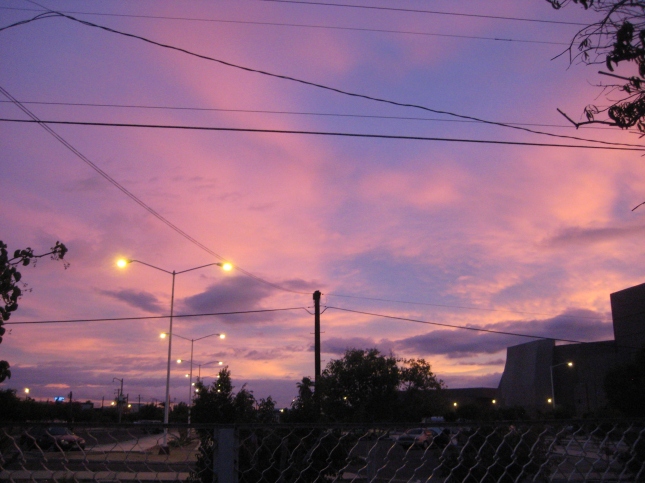
Sunset as it is, in La Paz, Bolivia

Sunset in La Paz… couldn’t be any more peaceful in the city…

awoodstock's avatarawoodstock

No filters – No curves – No.thing

View original post

Snapshots from Home Leave: The Flag that Inspired the National Anthem [National Museum of American History, Washington DC].

The Flag that inspired the National Anthem

Well, we’re in La Paz, Bolivia, now. But before we arrived to our newest work and life adventure, we got to spend some time with family back in the US, sharing our stories and experiences of the past two years living and working in Brazil; do a bit of traveling, spend some great quality time with our kids at parks in Delaware and Virginia… and visit the National Mall in Washington, DC. A lot done during our ‘home leave’, now, being shared with our friends, family and curious readers! :All of that will be presented here… one at a time, though! 😮 

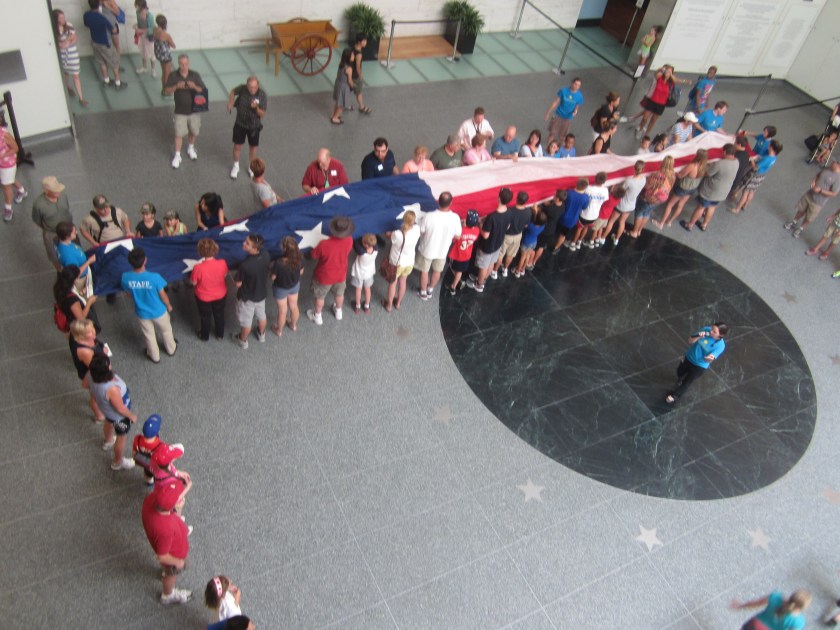
Third stop: The Star-Spangled Banner Exhibit, Washington DC: Link to the exhibit is here.

Getting ready to unfold the Flag and sing the National Anthem. Curious eyes follow every step of the way. All visitors become part of the interactive visit to the Museum of American History – at 3pm, the performance starts…


Our children watched, mesmerized, the visitors below, singing and honoring the National Flag – what a great way to share with them information about the greatest symbol of the country… learning should never stop… a live experience they’ll always hold in their hearts!

Next time, our fourth stop, where we’ll share images and comments of our visits to several halls at the Museum of Natural History (Smithsonian). Children’s curiosity is endless! 😮 We had the pleasure of being joined by a dear friend, whose patience and care for my children are priceless… Thank you very much, Cherise! ♥

Sunset through the Mountains around Nuestra Señora de La Paz, Bolívia.

Click to visit the original post
Sunset… as it is! Beautiful, thanks to Awoodstock!

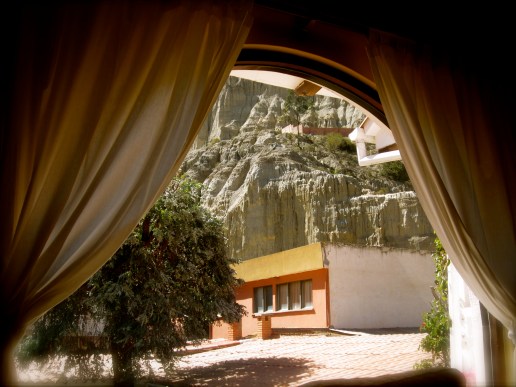
What we see looking though our TV room window…

We made it. We’ve been in La Paz for exactly 7 days, and here is a bit of what we’ve been able to see… But before we go into the image gallery, just found out that Jill is hosting another Foreign Service Blog Round Up (here we go, people unfamiliar with the ‘acronym world’- it became FS BRU!) – and, a fellow blogger, Ailsa, from “Where’s my Backpack?“, came up with a great travel theme: “sunset”!

Anyway, this week’s theme is coincidently: ‘your current post’, and 5 pros and cons of it… so, for somebody who’s got less than 2 weeks at post, take this list with a grain of salt… 😮 I’m sure things will change with time… for better… or for worse… let’s wait and see! For now, enjoying life in ‘Breathless La Paz‘ (you’ll soon find out why!). So, just taking advantage of a blog post written a couple days ago, to share my very own list of “pros and cons” or our newest post:

Nuestra Señora de La Paz is the administrative capital of Bolivia. It is located at an elevation of 3,660 meters above sea level, making it the world’s highest capital city. The city sits in a “bowl” surrounded by the high mountains of the altiplano. As it grows, La Paz climbs the hills, resulting in varying elevations from 3,000 meters to 4,100 meters. Overlooking the city is towering triple-peaked Illimani, which is always snow-covered and can be seen from several spots of the city, including from the neighbor city, El Alto. La Paz is an important cultural center of Bolivia, and we can’t wait to start discovering its culture, learning about its history, the people, the traditions…. and living surrounded by unique beauty!

The city hosts several cathedrals belonging to the colonial times, such as the San Francisco Cathedral and the Metropolitan Cathedral, this last one located on Murillo Square, which is also home of the political and administrative power of the country. Hundreds of different museums can be found across the city, the most notable ones on Jaén Street, which street design has been preserved from the Spanish days and is home of 10 different museums… We haven’t had a chance (yet!) to really go through the main attractions, but, ‘high altitude permitting’ (!!), we’ll begin… very soon!

PROS of our current ‘setting’:

  • The beautiful views surrounding our house, the mountains, the unique geography throughout the city of Nuestra Señora de La Paz, our #1 bid… I seem to never get tired of looking at these mountains…
  • The School. We were finally able to be at a post where we enrolled our kids (almost 7 & 4,5 yrs old) at an American School [in Mozambique, our son went to a Canadian Montessori Academy, and in Brazil, the oldest ones went to a private local school – for now, let’s just leave any discussions behind us… let’s say we were lucky to have different options for our children!]. Regarding their current school, we’re quite pleased with what we’ve seen, so far… Baby girl is still too young for school days, so, for the time being, she’s staying at home with….
  • … a great NANNY! Close friends (from our time in Mozambique) who were living in La Paz, hooked us up with their nanny/maid pair, right before they had to depart to their next posting – so, we had both ladies waiting for us at the house the day we arrived at our new home…
  • Our ‘sponsors’ have been in country for over a decade. They’re pretty ‘plugged in’, have a lot of insight info to share, tips, recommendations… they’ve got kids at similar ages to ours, and… are pretty involved with tourism, extreme sports, mountain biking, hiking… That said, we’ve already built a good ‘network’ during our few days in country…
  • The food! I’m simply loving it! Very tasty, so far, very safe to our ‘foreign stomaches’…  Our maid is a trained cook, and tries to ‘surprise’ us with a different recipe each day. Groceries seem to be way more affordable than back in Recife (Brazil) or DC/Va, for that matter. That said, going grocery shopping has become an entertaining task for this still-stay-home-mom!

Now, the, ‘not-so-positive’ remarks:

  • ‘mate’ (tea) does help with the high altitude effects… A lot, actually! 😮

    The ALTITUDE. Coming from our 4 weeks of home leave in the US, and before that, a great couple of years posted in Recife, Brazil, pretty much across the street from the ocean, the effects of the high altitude resulted in a shock to my body …

  • The HIGH ALTITUDE. I DEFINITELY WAS NOT MYSELF for the first 36 hours in country. Had the husband call the med unit at the embassy, and thought: “has somebody ever asked for curtailing after less than 48 hours at post?“. Became best friends with the oxygen tank. It made it possible, so, i’m very grateful to whoever came up with the idea of portable/personal oxygen tanks/cylinders. My deepest appreciation to you, Mr Inventor, whoever you are….

    One of my newest ‘best friends’ here in in La Paz!
  • The VERY HIGH ALTITUDE. Besides the oxygen, I learned about keeping your body filled with fluids… Any kind, just avoiding the obvious options of alcohol, sodas, coffee… What??! Can’t I drink coffee?! I’m born in Brazil, to a Portuguese mom, and we’ve been drinking coffee since I was in grammar school! [I know it’s sounds horrible, but, hey, blame the Portuguese culture for that!] 😮 That said, imagine somebody, already dizzy, with a killer headache for literally almost 2 full days, lacking her daily dose of caffeine… Simply, not fair… But I survived… and now, guess what? I’m back into drinking my favorite beverage… And it’s all good…
  • The COLD WEATHER. It’s pretty cold over here, no central heating system, so we’re managing with several portable space heaters (thanks GSO!), but I’m sure we’ll adjust. Right now we’re leaving out of our suitcases, waiting for our stuff to come from Brazil (hasn’t left yet!) and from the US (part of the HHE/UAB coming from the east coast). Despite the cold, it’s quite easy to get a real SUN BURN if you’re just outside, trying to warm your bones up… sunscreen is a must! As they say here, “you’re closer to the sun, so, gotta respect that!”.
  • And lastly, it’d be great once we have a working cable TV… no shows for the kids, yet. No cartoons… but it’s giving us a chance to talk more (at least, that’s what we’re doing to forget about the lack of a TV). It’s been good to talk with the kids, and inquire about their first impressions of this new life. Talking’s been good. Unless, they get on our nerves, and guess what? Then it’s time for bed, school days are back, and the school bus doesn’t wait for long in the morning!

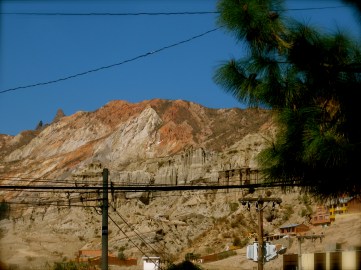
After the adjustment to the weather and the high altitude, it’s possible to enjoy the beauty that surrounds us…

Here, ‘peeking’ into our new life… and this is just the beginning!

A view of the American School, La Paz

UPDATED: “Got Greene?” – Greenes’ roots in England and fun Facts!


The Greene Family, Burke, Virginia, July 2012. A long-waited family reunion enable almost 40 of us to get together and celebrate family ties! 😮

The Greene family has a very rich history in the United States and England that  has been well-documented by researchers.  The Greenes were among he earliest colonizers of the United States, having arrived in 1635.  Related branches of the Greene family trace back to at least three Mayflower passengers:  William BrewsterRichard Warren, and George Soule.

The first Greenes were likely Norman French before arriving in England, and the original spelling was de Grene de Boketon – which means Lord of the Deer Park.

Greens Norton in Central England was where the original Greenes lived, and the town still carries their name.  Our line later moved to Gillingham on the Southern coast of England.  It is from this town that our Greenes sailed to the New World.

 While no Greene was on the Mayflower, our Greene line traces directly back to at least three Mayflower passengers:  William Brewster, George Soule, and Richard Warren.

  • The first Greene of our line to arrive in North America was John Greene “the Surgeon”, who arrived on the ship James on June 3, 1635.  He really was a surgeon.
  • John Greene was a friend of Roger Williams.  He was also one of the original proprietors of Providence, Rhode Island and a co-founder of the town of Warwick.
  • Our line from the arrival of the first generation until my grandfather goes like this:  John-James-David-David-David-David-Joseph-David-Hosea-Hosea-Shirley.
  • David Sr. (third generation) was the first of our Greene line born in America.
  • David III (fifth generation) was a Private in the Rhode Island Militia during the Revolutionary War.  He was a second cousin of the famous General Nathanael Greene, considered second only to George Washington in military ability.
  • David (eight generation) was a private in the CT Volunteers during the Civil War and fought at Winchester, VA before his discharged after a year of service (1862-3).
  • Hosea Jr. (tenth generation) was a Private and appointed musician in the CT Volunteers during the Spanish-American War.  The war ended before he saw action.

Five years ago… We began the search for the Greenes’ roots:
The Miranda Family headed back to Washington, DC, for our well-deserved R&R, after almost a year in Mozambique during our first hard-to-fill assignment.
We decided to stop in England, one of Leonel’s long lost plans as part of his genealogy hobby/work…
The family enjoyed time in London, visiting the Big Ben and Parliament in Westminster Abbey, the London Eye, the plaza of St. Margaret’s Church, the Buckingham Palace, the Tower Bridge and Tower of London.
And, of course, experienced the famous “London rain”…
Leaving the capital, we visited Greens Norton, the historic home of the Greene Family – St. Bartholomew’s Church, and headed out to Oxford, the home of the famous university, and visited sites like the Saxon Tower of St Michael at the North Gate, the city’s oldest building.
After Oxford, we drove to Bath. City used to be a spa resort built by Romans in the 1st Century, with its various architecture examples, including the medieval wall at the Bath Abbey.
Continuing with the search through the family ancestors, we visited Gillingham, the last home of the Greenes before moving to the new world in the 1630s. Road trip continued to Shaftesbury, Salisbury and the mysterious Stonehenge, before heading back to London on our way to the New World!

Snapshots from The Washington Redskins Training Camp – a great keepsake for our departing family!

We’re leaving the DC area…. Once more, heading out to our new ‘assigned life’: this time, La Paz, Bolivia, for the next two years. But we’re departing DC with a beautiful set of images, to remind our family of one of its passions: The Washington Redskins! 😮

I’d like to show my deepest appreciation to a dear friend, Joe Glorioso, for these fantastic shots (thank you for letting me share these, Joe! Our son loved them!) 😮

Thanks to a friend of his (Darwin Navarrete) and the Redskins Nick Sundberg #57, he got to go VIP style to his first Redskins training camp. Amazing experience and it brought him one step closer to fulfilling yet another bucket list action item. Here is what he saw…

Related articles

UPDATED: Building Memories – the result: Three generations honoring multiculturalism.

The Greene Mirandas, The Lima Mirandas, The Solorzano Mirandas 😮 Three countries merging together into one multicultural setting!

This slideshow requires JavaScript.

A Family Portrait: The best way to celebrate the bonds between different generations, especially when they’re all scattered around, due to work schedules and/or lifestyles… They live in different places, learn and speak different languages, share and cherish different cultures, but all with one common goal: to celebrate and honor the family ties…

Building memories through photography: three generations honoring multiculturalism.

A Family Portrait: [the making-of]

The best way to celebrate the bonds between different generations, especially when they’re all scattered around, due to work schedules and/or lifestyles… They live in different places, learn and speak different languages, share and cherish different cultures, but all with one common goal: to celebrate and honor the family bonds…

This slideshow requires JavaScript.

Stay tuned for the results! 

[a.k.a. the long-wished Family Portrait!] 😮

Weekly Photo Challenge: Dreaming.

While most of us were still dreaming, a real dream becomes true… an everyday wonder, an everyday dream…

See what others have to show, for this week’s photo challenge!


While most of us are still dreaming, a real dream becomes true… an everyday wonder, an everyday dream…

See what others have to show, for this week’s photo challenge!

Weekly Photo Challenge: Dreaming « wingrish Weekly Photo Challenge: Dreaming « e-Shibin Weekly Photo Challenge: Dreaming | Wind Against Current Weekly Photo Challenge: Dream « Much Ado About Nothing Weekly Photo Challenge: Dreaming | Lonely Travelog Weekly Photo Challenge – Dreaming (and a bit of flash fiction) | Four Deer Oak Photo Challenge: Dreaming « Detours by Deepali Dreaming « bukaningrat ™ Weekly Photo Challenge: Dreaming | Andy in Oman ¿Soñando de nuevo? | La Mandraka Weekly Photo Challenge: Dreaming « Fenland Photos Dreaming « Broken Light: A Photography Collective Weekly Photo Challenge – Dreaming Weekly Photo Challenge: Dreaming « beyondpaisley Weekly Photo Challenge – Dreaming « The Urge To Wander Weekly Photo Challenge: Dreaming | Chronic Illness Champions Weekly Photo Challenge: Dreaming… | Figments of a Dutchess Weekly Photo Challenge: Dreaming « Words And Peace Weekly Photo Challenge: Dreaming | Lucid Gypsy

Deciding what to see at Delaware State Parks

So much to see, so many attactions to visit and appreciate… so little time now! We’ve just learned that there’s a “Lifetime Pass”  for Delaware State Parks, and we’re very grateful for the opportunity to enjoy some time with mother nature!

While we’re still deciding what to do during our last week in Delaware, we found this great description of natural attractions, from Delaware State Parks, with the respective links for further information… some would involve a bit of driving (and it could become pretty challenging with 3 kids aged 6 and under!) – but all well worthy! 😮

All information displayed below is public and further details may be obtained at the DE State Parks administration office.

Delaware State Parks have exceptional trails, ponds, beaches, forests and fields, but there’s so much more! Delaware State Parks bring you exotic animals at the Brandywine Zoo, resort cottages and a state-of-the-art marina at Indian River, folk art at the Blue Ball Barn, and history in the Mt. Pleasant Meeting House, Indian River Life-Saving Station, Fort Miles Historical Area and many, many more special places.

Auburn Heights Preserve

Auburn Heights Preserve
Delaware State Parks’ newest attraction offers the chance to experience life at the dawn of the automotive age..  Home to the three generations of the Marshall family, the Auburn Heights mansion is fully furnished with exquisite antiques. The Marshall Steam Museum, operated by the Friends of Auburn Heights Preserve, features model and scale trains as well as the largest collection of steam automobiles in the world!

 Blue Ball Barn

Blue Ball Barn

This extraordinary barn, built in 1914 by Alfred I. duPont, is named after the Blue Ball Tavern, an inn and meeting house, that was once located near the property. The Blue Ball Barn is the centerpiece of the new Alapocas Run State Park, and an example of the preservation and adaptive reuse of an historic structure.

Brandywine Zoo

Brandywine Zoo

Open since 1905, Delaware’s only zoo is located a few steps from the Brandywine River. The 12-acre zoo features a siberian tiger, river otters, and other animals native to the Americas and the temperate areas of Asia.

The Cottages at Indian River Marina

Cottages

The cottages at Indian River Inlet are located on the north shore of the Indian River Inlet inside Delaware Seashore State Park. The park is one of the Mid-Atlantic region’s most popular recreational destinations, with a wealth of natural settings and six miles of ocean and bay shoreline.

Delaware Folk Art Collection

Folk Art

The works in the collection reflect the local cultures of Delaware. Visitors are able to tour the exhibit and yard art use the interactive touchscreens to learn about the collection, and the artists and their work.

Fort Miles Historical Area

Fort Miles

During World War II, the Delaware River was a chief priority for defense planners because of the access it afforded to the giant trade centers of Wilmington, Philadelphia, and beyond. Fort Miles, located in what is now Cape Henlopen State Park, was a key piece in the nation’s coastal defense at that time.

Indian River Life-Saving Station

IRLSS

A trip back in time with the help of a soft breeze off the inlet and pristine white sand, against the backdrop of a picturesque, historic Life-Saving Station. The Life-Saving Station has been meticulously restored to its 1905 appearance, complete with diamond-shaped trim.

Mount Pleasant Meeting House

Mount Pleasant

A step back to a simpler time at the Mount Pleasant Meeting House, listed on the National Register of Historic Places. A restored sanctuary with its original decorative amber windows and walnut pews, the meeting house offers a simple, yet tranquil setting.

Picture the World Project: Brazil!

Picture The World Project, BrazilPosted on July 3rd, 2012

Brazil-PTWP

Photo by 3rdCultureChildren

I am so honored to be nominated to offer a photo from my collection to represent Brazil. What to choose from? I went with nature – one of the most beautiful beaches my ´Brazilian eyes´ have ever seen! The picture chosen a unique orange-toned sunset, overlooking the warm waters of the Atlantic Ocean…

It’s my duty to nominate two people to submit photos of another country. I would like to nominate Heather (of thewanderingdrays.blogspot.com.br) who has moved with her family to Egypt. I would also like to nominate Carla (of carlarunstheworld.com) currently in the Philippines, and getting ready for their next move in January 2014, to Rio de Janeiro, Brazil!

Thank you 3rdculturechildren for this beautiful photo for Brazil. Looking forward to seing Heather and Carla’s contributions.

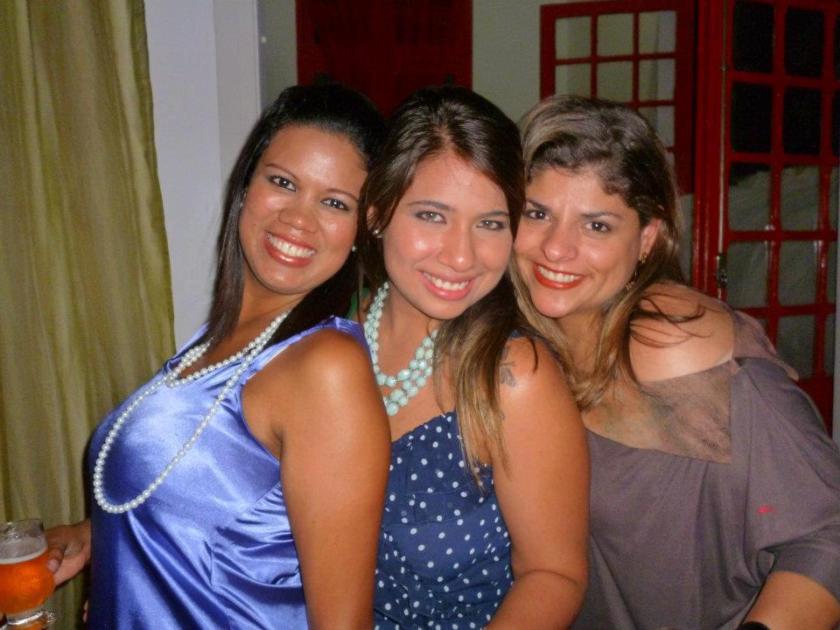
Peace & Love, Fashion & Faces: ‘Goodbye Brazil’ in style!

c-maria-do-ceu-vasconcelos-alejandro-hurtadoc-heidi-jonathan-merrmis-cava-usha-pitts-leonel-raquel-miranda


And the series of “despedidas”(goodbyes) continues in Recife, Brazil, as our family gets ready to depart from post… Fashionable people and colorful memories celebrated this bittersweet moment!

pr-micaela-passamani-marlies-kruger

This slideshow requires JavaScript.

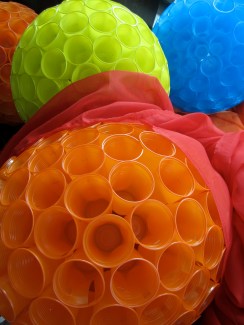
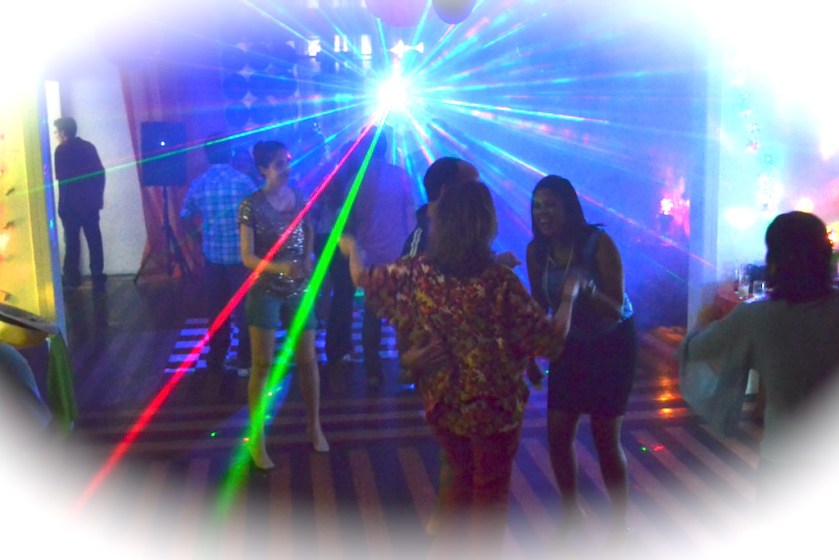
Lights, Color & Music: Saying ‘Goodbye Brazil’ in style!


Travel Theme: Secret Places

Every time we feel sad, lost, or a bit scared of the ‘unknown’, I tend to go find ‘shelter’ and comfort among some of our dear pictures, our memories from previous postings, and this brings me back to a more ‘stable’ self… Anyway, this week’s been bittersweet… Last days of school for our children, a few days left in country… so much to do, people we’d like to see/visit again… so little time… Moving is not easy, and this week, a little ‘less easy than usual’… This blogpost represents the transition that’s waiting for us – my appreciation to Where’s my backpack? for the inspiration! 😮

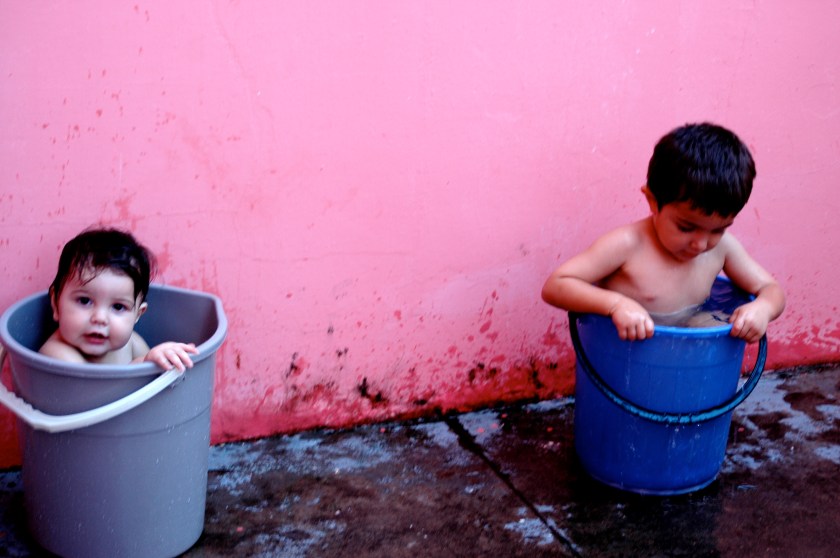
African Bath

Our family is also getting ready for our new assignment: 2012 marks the move to our first Spanish speaking post: La Paz, Bolivia. Our household will formally have 3 languages… we’ll be writing our stories and tales in different ways now… Hope it’s appreciated… 😮

Weekly Photo Challenge: Close

The best recipe for a good time at a new posting/assignment: making friends. Interesting… already mentioned that here… Last week’s theme was about friendship… and a while back, about togetherness… Why not have a bit of all? For this week´s WordPress Photo challenge, a tribute to friendship, close friends, and the will to be together, for the long, long haul! 

Paraíba, home of the Brazilian blue tourmaline, encloses the Easternmost point of the Americas

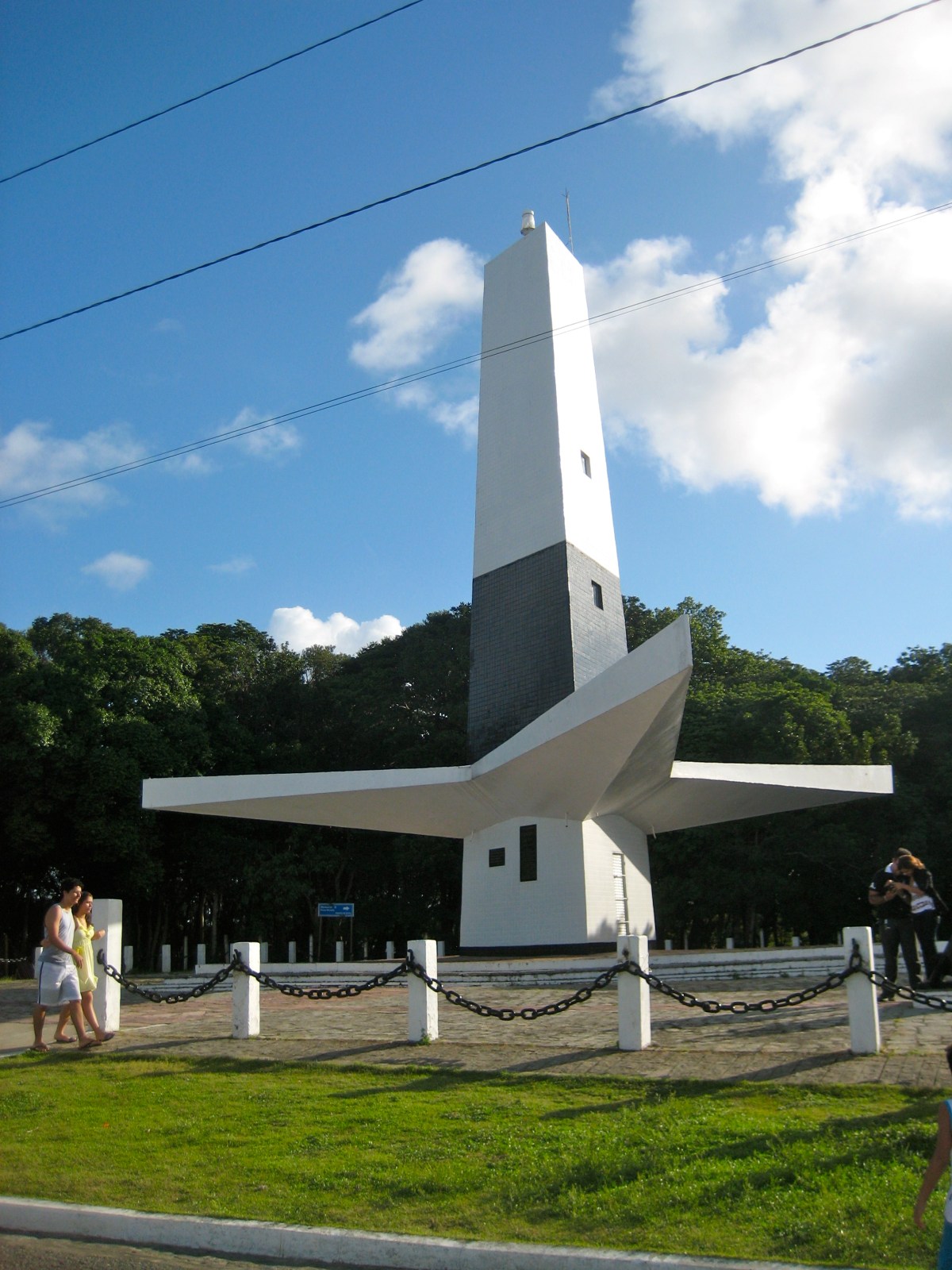
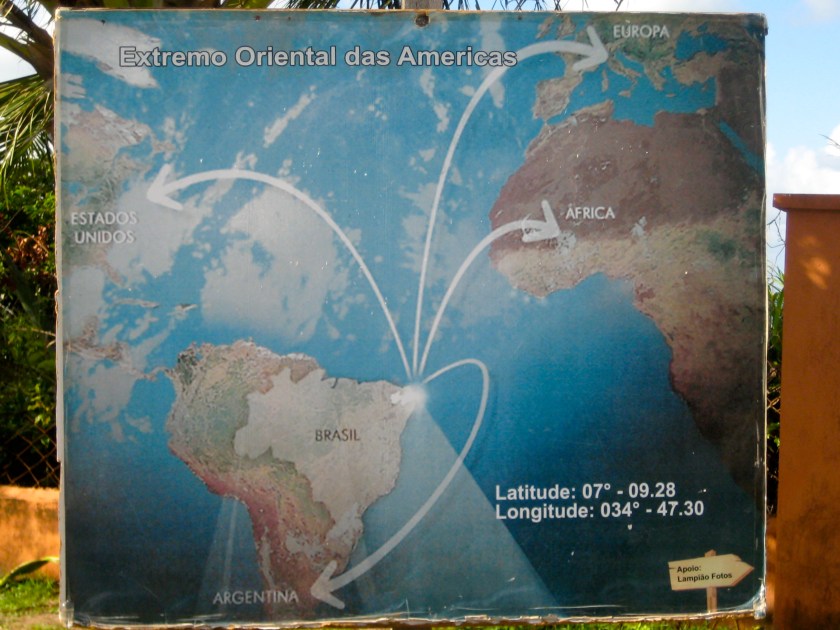
Family day trip to Cabo Branco, in the State of Paraíba. Hidden in one of the Norteastern Brazilian states, it’s possible to discover this ‘gem‘, the geographic place, corresponding to a cape on the Atlantic coast of Paraíba state, which forms the easternmost point of the American continent, five miles southeast of João Pessoa, the state capital. It is surrounded by beautiful white sand beaches bordered by flat-topped forms of sedimentary strata called “tabuleiros“, which rise sharply above the beaches to heights between 150 and 500 ft, and enjoys abundant rainfall. The name of the State comes from the combination of the Tupi words pa’ra (river) and a’íba (unsuitable for navigation). The Ponta do Seixas, on Cabo Branco beach, where, according to a traditional saying, “the sun rises first” is the land of the sun indeed, and of an enviable shore — but also of other historical, ecological and cultural beauties.

We got to see the famous lighthouse of Ponta Seixas, and enjoy the idea of being by the farthest East of the Continent.

Ponta do Seixas é o ponto mais oriental do Brasil e da América continental, localiza-se na Parte Leste da cidade de João Pessoa, capital do estado da Paraíba, a 14 quilómetros do centro da cidade e 3 quilômetros ao sul do Cabo Branco, que já foi considerado o ponto mais a leste do continente e que devido à erosão marinha que ao longo dos anos fez com que suas ondas desgastassem o Cabo Branco e depositasse estes sedimentos na Ponta Seixas (fazendo-a aumentar) e passando a ser atualmente o ponto mais oriental das américas.

Do alto da Ponta do Seixas, erigido sobre uma falésia, fica o formoso Farol do Cabo Branco, no formato de um pé de sisal, de onde se tem uma bela vista da orla e do oceano Atlântico. Muitas pessoas confundem a Ponta do Seixas com a falésia do Cabo Branco. São duas formações geológicas diferentes. A ponta é que representa o ponto mais a leste da América e não a falésia do Cabo Branco. A ponta do Seixas é uma estreita faixa de terra mais ao sul da barreira que se prolonga para o leste.

Taking advantage of the opportunity to teach the kids a bit of Geography:


Saying ‘Goodbye Brazil’ in style!

♥ Getting ready to party… you don´t wanna miss this bus, do you? 😮

♣ Stay tuned! More to come! 😮

Collecting Brazilian states: the mystic city of Juazeiro do Norte

 Brazil is famous for its ´mystic´places… Some believe, some others, don´t… Another well-know ´mystic place´ is the country´s capital – at least, unique on its beauty and touristic sights… Believing or not, all the sites are great for visiting, and for learning about culture, tradition and stories…

From Recife, Pernambuco
To Juazeiro do Norte, Ceara, Brazil
Distance: ~ 309 miles or 498 km

The city of Juazeiro do Norte in the state of Ceará has approximately 212,133 inhabitants, with an area of 248.56 km2, resulting in a very dense population for a city in the interior of Brazil.  Juazeiro do Norte is becoming a center for artisans, with a large vocation for the production of souvenirs and mementos. One of these mementos is the little rag doll or “boneca de pan”,  whose primary materials are cloth scraps, corncobs, thread, needles, cotton wadding, and a lot of imagination. The city has become famous for its religious pilgrimage. Here is a little bit of historical background, from Wikipedia:

“Juazeiro do Norte is best known as the base of the charismatic priest and politician Padre Cícero (Cícero Romão Batista) (1844-1934). A pilgrimage in his honour takes place every November, attracting thousands of followers. It was initially a district of the nearby city Crato, until a young Padre Cícero Romão Batista decided to stay as a cleric in the village. Padre Cícero was then responsible for the independence and emancipation of the city. Because of the so-called “milagre de Juazeiro” (“miracle in Juazeiro”, when Padre Cícero gave the sacred host to the religious sister Maria de Araújo, the host became blood), the priest was associated with mystical characteristics and began to be venerated by the people as a saint. Today the city is the second largest in the state and a reference in the Northeast region thanks to the priest.”

Find below a series of peculiar images from this mystic city, a site visited by tourists all-year around – religious or not…

This slideshow requires JavaScript.

A Traveler In The Foreign Service: A ‘Trailing Spouse’ Speaks Out

Like many of us, Jennifer Seminara is another FSO spouse, who worked while her husband was serving overseas in Macedonia, Trinidad and Hungary. She’s been invited by Dave, the husband, to offer her thoughts on what it’s like to be a “trailing spouse.” Not pessimistic, and not overly optimistic. Just very honest, clear, realistic and sweet. My appreciation to Dave and his wife Jennifer for sharing this. Hope you enjoy it as much as I did. Good reading!

“I really had no idea what I was getting into when I agreed to be a Foreign Service (FS) spouse. My boyfriend of five years joined the Foreign Service and asked me to marry him right before he left Chicago for his training in Washington. I didn’t know where he was headed but a life overseas as a diplomat’s wife seemed exciting and I was in.

I was in graduate school at the time, pursuing a master’s degree in public health and had grand ideas about working on public health programs in developing countries. At the time, I didn’t realize how difficult it is for the “trailing spouse” to have a career.

Being a FS spouse can be a great opportunity to stay home and raise children or pursue hobbies. Housing is covered by the U.S. Government, which makes it much easier to get by on one income, especially when living in a country with a low cost of living. Having a career as a FS spouse, however, is not easy for most.
For those that would like to work, Eligible Family Member (EFM) positions are available at most embassies but these administrative and/or low level (and usually low paying) jobs can be difficult to secure since there aren’t enough jobs for everyone who wants one. I worked as the Community Liaison Office Coordinator at two posts; there were also EFM positions for Consular Associates (which requires CON-GEN training) and Office Management Specialists (OMS/administrative assistants) in various departments. My CLO predecessor at our first post described the position as the cruise director for the embassy. There are the more serious and important parts of the job, which include providing information to newly assigned employees and families, advocating for employees and families, advising post management on quality of life and reporting to the Family Liaison Office in Washington, D.C., on education and employment at post, but a large part of the job is to build community spirit and enhance morale. In other words, the CLO plans a lot of parties, happy hours and all kinds of events to help maintain American traditions (super bowl parties, Easter egg hunts, BBQs, trick or treating, visits by Santa, etc.) and tours to help Americans get to know the host culture. I really enjoyed being a CLO but it wasn’t quite what I was expecting to do as a career and the salary I earned was far below what I could have been making in the U.S. in my field. Spouses who would rather work outside of the embassy have limited options. Despite reciprocity agreements, which the U.S. has with a number of countries, it’s difficult for many spouses to secure gainful employment at many posts around the world. Even when spouses have the legal right to work in a country, many lack the local language skills needed to find jobs.

Spouses are entitled to take language training at the Foreign Service Institute but many can’t afford to devote months to classroom study due to financial or family issues and those who do still may not be able to achieve the fluency needed to get jobs. Also, finding a job in many foreign countries is all about networking and who you know, and if you don’t know anyone and can’t speak the local language, you’ll have an uphill climb. And even if you can find a job on the local economy, salaries in many countries can be as low as $500 or $1,000 per month. FS spouses that tend to have the most luck finding work are often in fields where they can find a U.S. job that will allow them to work remotely. Teachers are always in demand, as there are international schools everywhere and you need not know the local language to teach at most of them. Personal trainers can find work in some posts, as can nurses and development workers. For spouses that don’t find jobs, it can be difficult to adapt to life overseas. Foreign Service Officers (FSO’s) have a network of Americans to interact with at the embassy, but the stay at home spouse can feel isolated and bored, especially if they don’t speak the local language well. In a way, they’re the ones who are truly living in the local culture, while their spouses are in an English-speaking, American bubble at work. Up until the 1950s, the wives of FSO’s were given formal evaluations along with their husbands, and spouses who weren’t viewed as being good hostesses – planning and hosting representational events – could negatively impact their husbands’ careers. While that’s now ancient history, some spouses do feel subtle pressure to attend all sorts of cocktail parties and events that might seem glamorous but are actually quite boring. Most trailing spouses are female and posts with large expatriate communities have plenty of groups they can join, and a lot of women manage to forge their own networks easily. But trailing men often have a harder time, because some feel awkward joining female dominated clubs or groups, and men with no jobs tend to feel a loss of identity more acutely than women do. But despite all the personal drawbacks, and career sacrifices, being a FS spouse can also be a lot of fun. Many spouses make really close friends overseas and become part of social circles that are tighter than the ones they had at home. Since all expats are by nature away from their lifelong friends and relatives, everyone has an incentive to be open to meeting new people and making friends.

Last, but definitely not least, is the fact that life overseas can be more exciting than life in the U.S. If you’re an adventurous person who is curious about the world, you’ll enjoy having the opportunity to experience a new culture, not as a tourist but as a local. And if you love to travel, living overseas will open up possibilities that would be impossible when based in the U.S. If you want to live overseas, but aren’t sure if you could do it on your own, doing it as a Foreign Service family is the way to go. You’ll have a U.S. mailing address, so you can order products online to your heart’s content, you’ll have a network of people at the embassy to help you navigate the local culture, and you’ll have free housing and education for your kids. And for those in countries with a low cost of living, you can afford the kind of household staff – cooks, cleaners, nannies, gardeners – that would be impossible in the U.S. Some get a little carried away and get so addicted to this sort of neo-Colonial lifestyle that they don’t want to return to Washington, where they have to live the kind or ordinary middle class lives they left behind before they joined the Foreign Service.” Read more from “A Traveler in the Foreign Service” here.

The April issue of the Foreign Service Journal (FSJ, April 2012) discussed the Family Member Employment, and the search for meaningful work overseas. Reading through the whole edition, you’ll find great stories about living and working as a Foreign Service spouse. Several FS spouses shared their experiences and impressions regarding working overseas. It’s an honor to be one of the contributors to this edition. Congratulations to all who contributed to that month’s issue. Here’s the link to another FS blogger, also sharing her impressions about family member employment.

Giving expats a hand

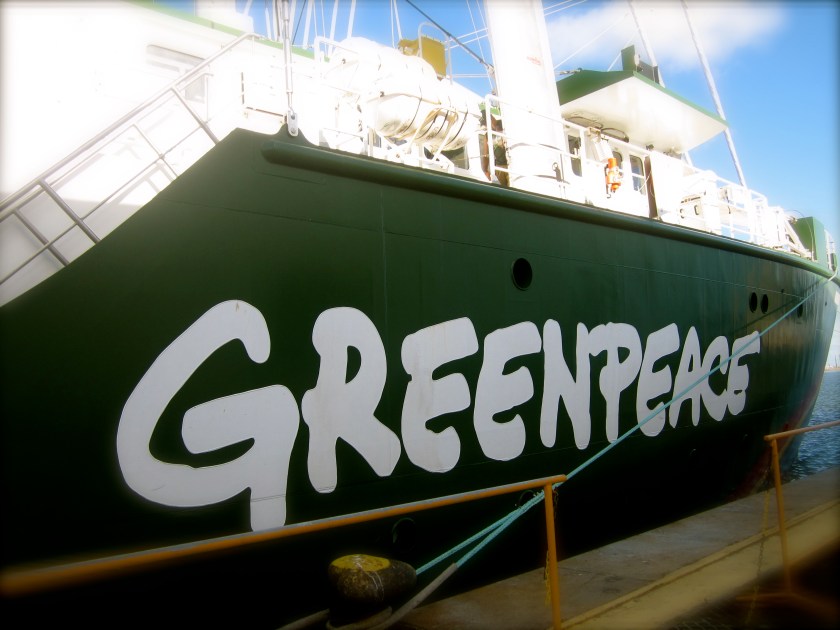
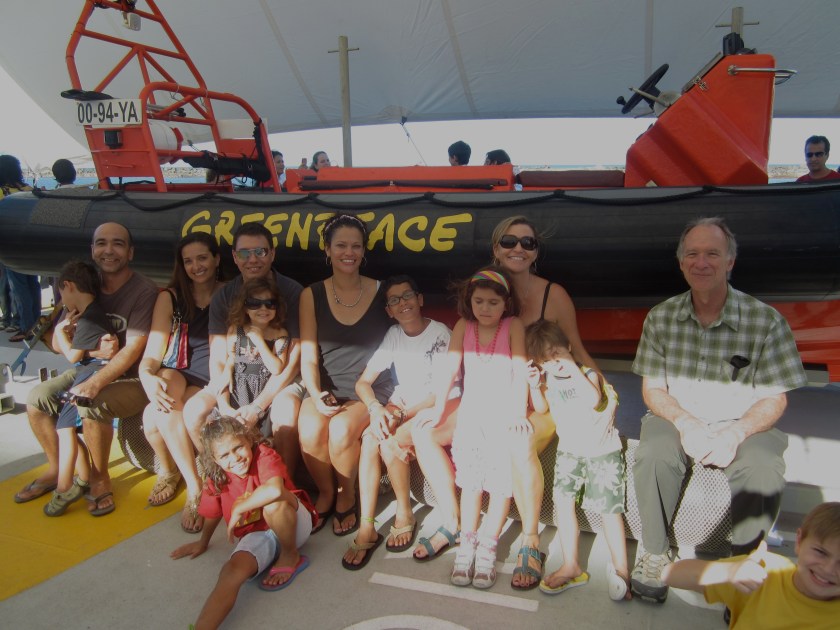
Greenpeace in Brazil. Visiting the Rainbow Warrior Ship.

2 biologists

The Greenpeace ship, Rainbow Warrior is in Brazil.

We had the opportunity to go on a guided visit through its compartments, talk with the captain, and learn more about the current projects involving the Greenpeace Initiative and Brazilian NGOs.

The visit also included the solar kitchen installations and the solar panels.


The Captain


Sustainable energy in Brazil: Wind Power Park in the Northeast.

Today I decided to have fun writing, revisiting my long-lost past in research and natural sciences, as well as, a result of the ongoing inspiration (or should I call it “daily challenges”? :o) my current Physical Science students offer… The topic I chose to revisit, showcases one of the family’s trips to Natal, Rio Grande do Norte, while husband went to visit the Wind Power Park.

A little bit of background: A few years back, a drought in Brazil that cut water to the country’s hydroelectric plants, prompted severe energy shortages. The crisis underscored Brazil’s pressing need to diversify away from water power.

Brazil’s first wind-energy turbine was installed in Fernando de Noronha Archipelago, in 1992. Later, the government created programs to encourage the use of other renewable sources, such as wind power, biomass, and Small Hydroelectric Power Stations (PCHs). Such stations use hydropower, the flagship of Brazil’s energy matrix, which comprises around three-quarters of Brazil’s installed energy capacity.

High energy production costs, coupled with the advantages of wind power as a renewable, widely available energy source, have led several countries to establish regulatory incentives and direct financial investments to stimulate wind power generation. Brazil held its first wind-only energy auction in 2009, in a move to diversify its energy portfolio.

The Brazilian Wind Energy Association and the government have set a goal of achieving 10 gigawatts of wind energy capacity by 2020. Let’s just hope. Renewable resources: the greener and cleaner, the better!

The visiting team Recife and local experts


O Parque eólico Alegria é um complexo de propriedade da Multiner, localizado no munícipio de Guamaré, no Rio Grande do Norte (RN). O complexo refere-se aos parques Alegria I e Alegria II.

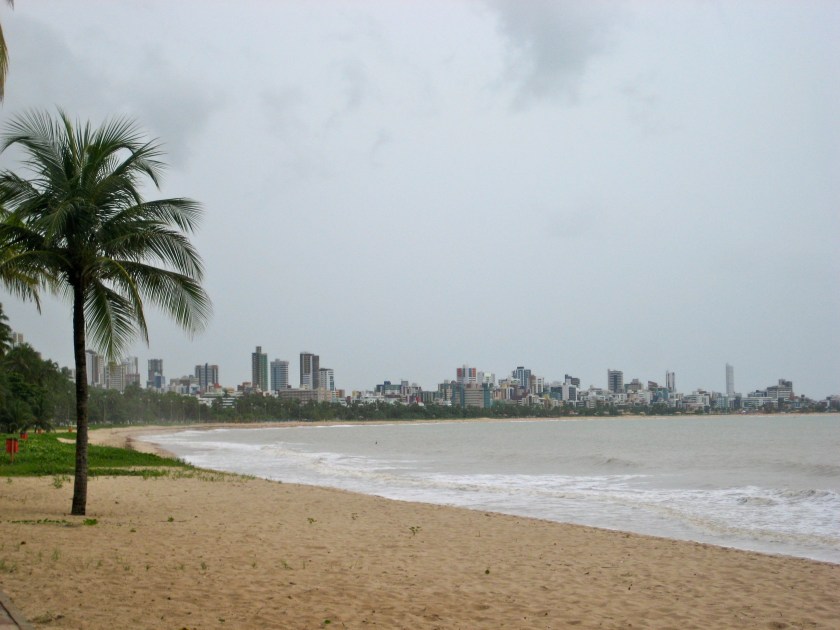
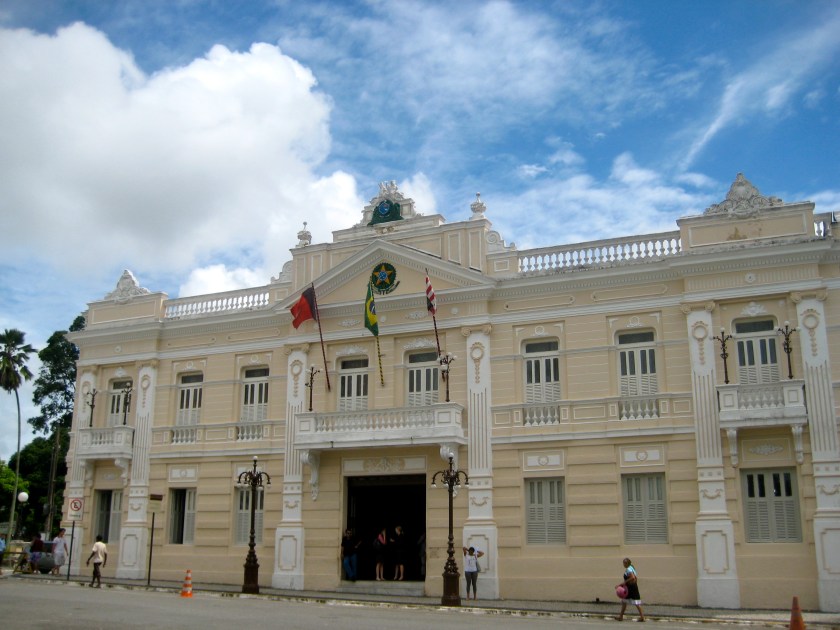
João Pessoa, Paraíba: perfectly blending the natural, the old and the modern

Paraiba is one of the prime Brazilian states, situated on the Atlantic Ocean in the northeast region of the country. The state is famous for producing leather goods of various types.

The capital of the state is rich in historical monuments as well as contemporary buildings, many of which are great examples of baroque-style architecture.  Nevertheless, the greatest enchantments are still related to the sea.  In addition to the beach of Cabo Branco, with its beautiful, unique lighthouse, the beaches of Tambaú, Manaíra, and Bessa are among the most urbanized on the coast and known for their lukewarm waters.

In the capital of João Pessoa, old meets new – a great example is the newly developed Convention Center.

The Natural

The modern, newly designed Convention Center, ready for 2014!


Update: Taking antique photographs in the streets of Olinda, Brazil.

“Foto Lambe-Lambe”: calling in customers

We’re on countdown mode. Soon, our family’ll be heading out of Recife, towards our new assignment… Now, it’s time to organize our photos, and begin sorting to the memories we’ve built during our time here. One of our favorites, the city of Olinda, another UNESCO heritage site

Any traveller loves to take pictures! We are no different.
Imagine our surprise and joy when we discovered this Argentinean “street photographer” during one of our walks along the many historical streets in Olinda, Pernambuco.

street in Olinda
“Daniel the Argentinean” lives and works in Olinda. Before, lived in Paraty (RJ) and Ouro Preto (MG)

The man responds to the name of “Daniel the Argentinean“, and with his original equipment, offers the by-passers a unique opportunity to have an antique-style picture taken. He’s got it all: the chemical mixtures, developers, films, and once done, surprises you with a nostalgic impression – reminding me from when I was a child growing up in Brazil, and my mom would take my brother and I for the 2×2 photographs, for school’s documents…

Boy, am I that old???

“the man behind the machine”


“…and they lived happily ever after…”

The Emperor’s Bridge, Old Town Recife, Brazil

Images captured during one of our visits to downtown Recife – historical “Recife Antigo”… Ponte do Imperador (“Emperor’s Bridge”), an example of the several cultural footprints from the old Portuguese days in Brazil…

View from the Emperor’s Bridge and Old Town Recife

Quick look at Aracaju, capital of Brazil’s smallest state.

Aracaju is the capital of Sergipe, one of the Northeastern States of Brazil, and coincidently, the smallest one, but nonetheless, full of history and beautiful touristic sites.

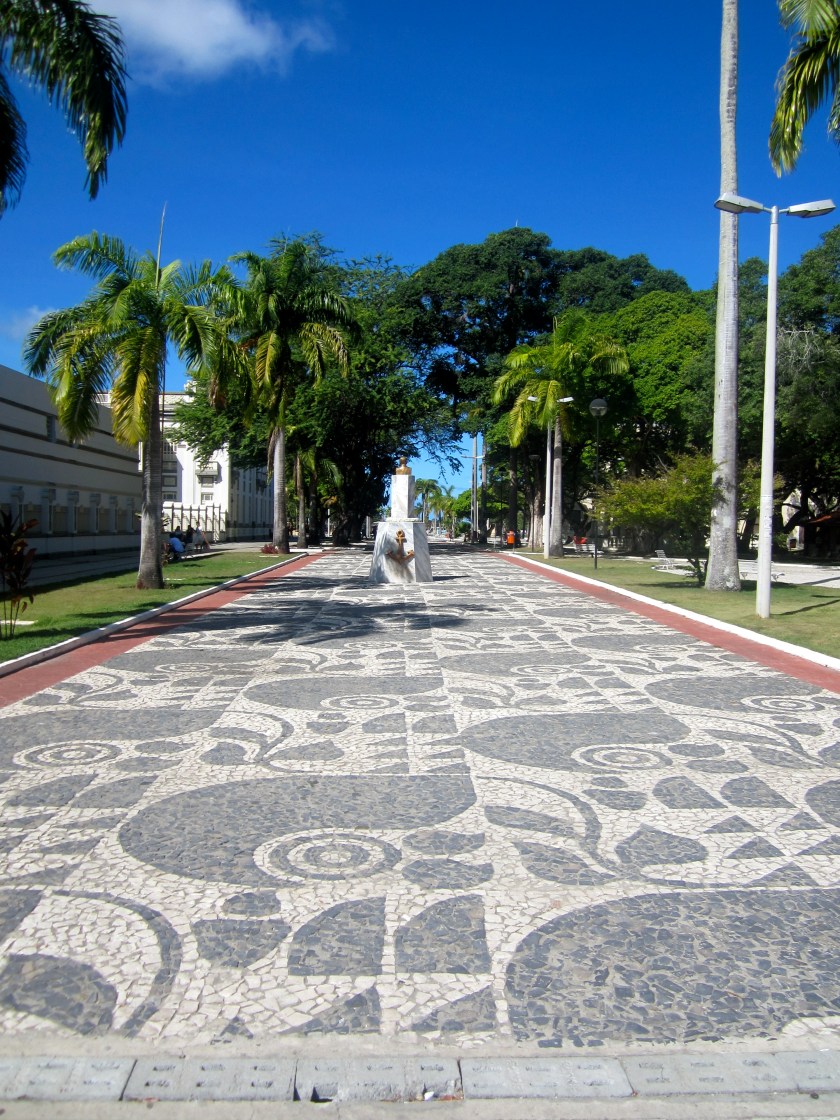
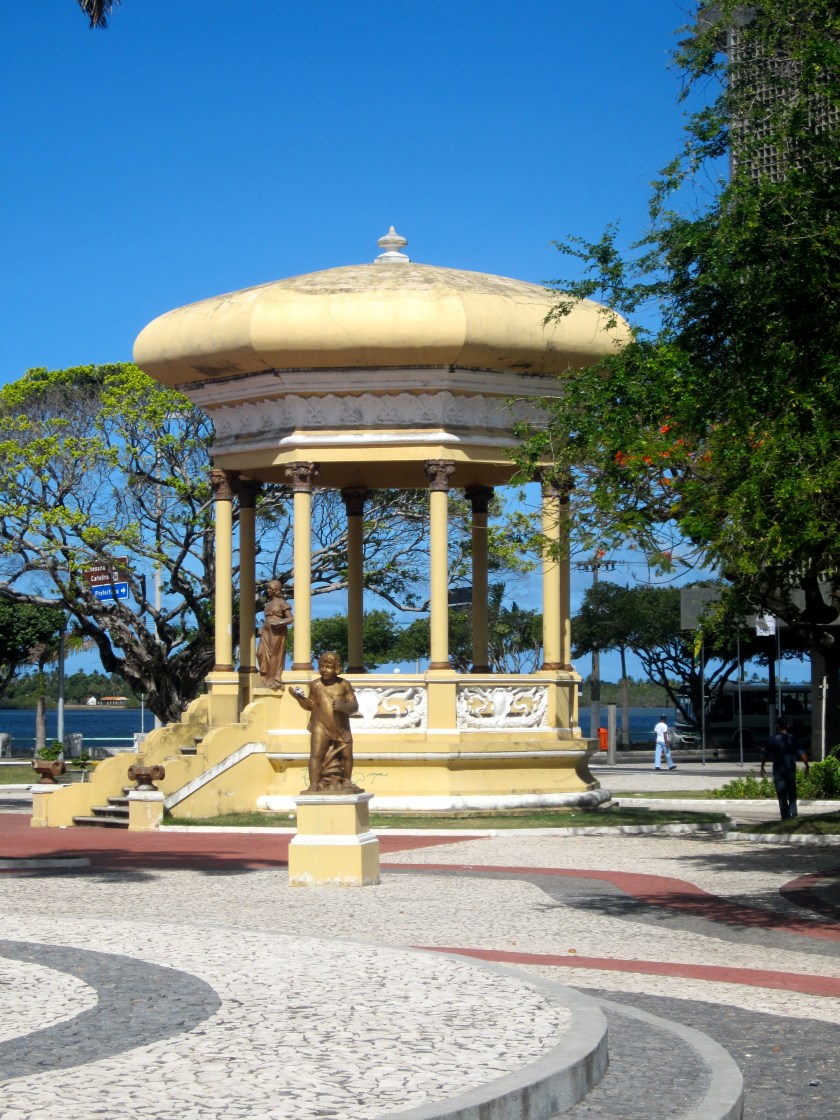
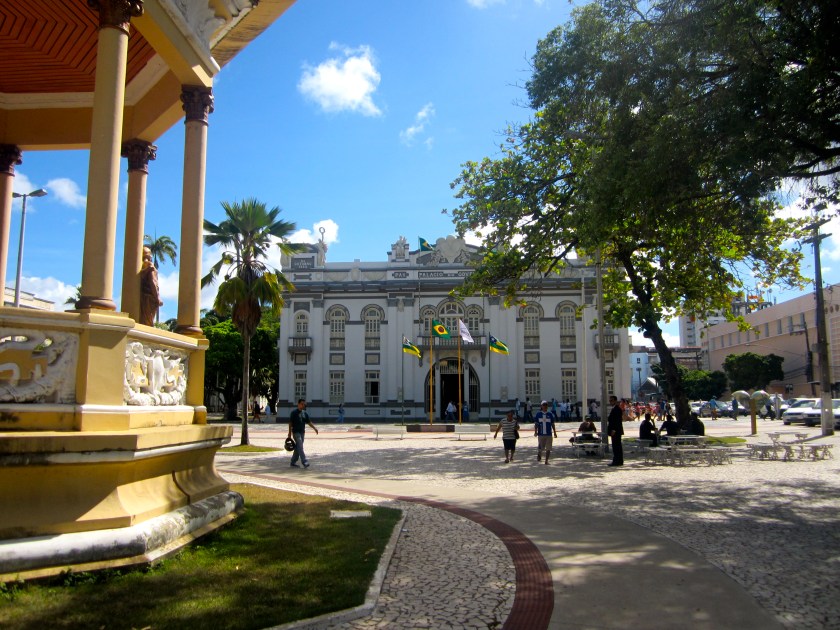
Previously, we posted about Sergipe’s first capital, São Cristovão, a UNESCO World Heritage site. Now, a few images from the state’s current capital:

 Aracaju, is an example of the first planned cities in Brazil, and was built with the intention of becoming the state capital. It was founded in 1855, as the capital of Sergipe.

Enjoying the night beauty of Aracaju:

Thank you, Marcelle Cristinne, for the beautiful photo! Great angle! 😮

 Other historical cities from the northeast of Brazil:

São Luis, Maranhão  Eyes to the world   Teresina, Piauí   Interior da Bahia    Olinda, Pernambuco   João Pessoa and Ponta do Seixas, Paraíba  Maceió, Alagoas   Igarassu, Pernambuco  Vila dos Remédios, Fernando de Noronha, Pernambuco   Rio Grande do Norte

São Cristóvão, the fourth oldest city in Brazil.


The city of São Cristóvão is located 25 km from Aracaju, capital of Sergipe, another northeastern state of Brazil, and the Praça de São Francisco (shown here) is the reason why the site is a holder of a World Heritage title.

The cobblestones are originally from the Philippines, and it’s the only city in Brazil with that type of street stone!

It was founded in 1590 and is considered the fourth oldest city in country. With fast and easy access from the state capital, what was before called he “capital of the Province of Sergipe del Rei” is now registered at the Institute for National Artistic and Historical Heritage – Iphan – preserving its colonial architecture, which delights any curious eyes and souls. A UNESCO World Heritage Site– and, so close to us! 😮

The large Praça de São Francisco presents an architectural group formed by the Church and Convent of São Francisco, during the seventeenth century, which today houses a beautiful Baroque building that was the first hospital in the province of Sergipe, as well as the Historical Museum, where the old Provincial Palace hosted Dom Pedro II, while visiting the city in 1860.

This architectural complex of Praça de São Francisco was recently recognized by UNESCO, and awarded a World Heritage Site title.

In the Carmo Square visitors will find the Church of Our Lady of the Rosary of Black Men, built by the Jesuits in the eighteenth century.

The saint, who lends his name to the church, was the target of devotion of the slaves. At the Praça is also possible to find the Church and the Carmelite Convent, and the Museum of ex-votos. In the Convent, now home to Benedictine nuns, one of the attractions are the delicious cookies made by religious and fought over by tourists!

We try to travel as much as we can, work permitting! 😮

Other historical cities from the northeast of Brazil:

São Luis, Maranhão  Eyes to the world   Teresina, Piauí   Interior da Bahia    Olinda, Pernambuco   João Pessoa and Ponta do Seixas, Paraíba  Maceió, Alagoas   Igarassu, Pernambuco  Vila dos Remédios, Fernando de Noronha, Pernambuco   Rio Grande do Norte

Weekly Photo Challenge: Brasília, Unfocused

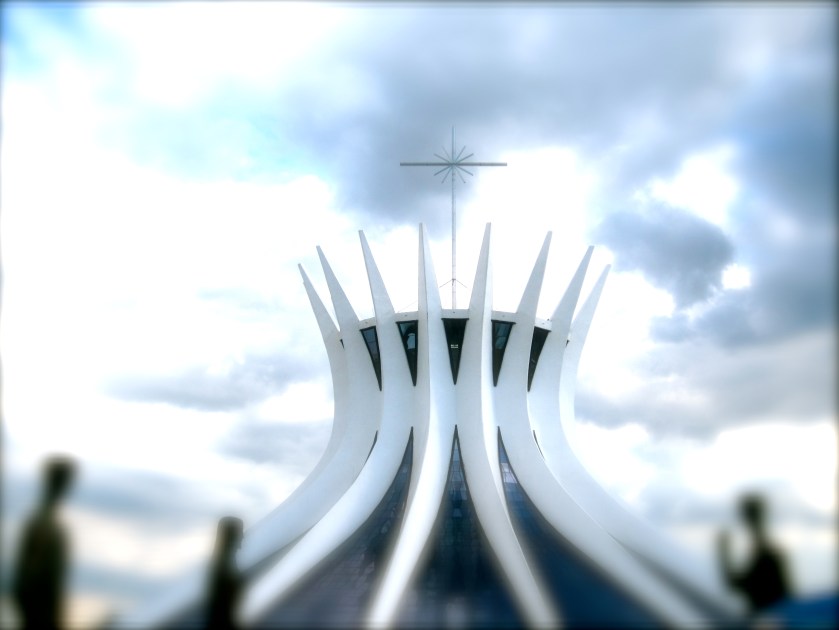
The illusion of two hands together reaching up to the sky creates the Metropolitan Cathedral of Brasilia
The founder, President JK

The capital of Brazil is well-known for its unique architecture, and the use of other media, like the water, to create architectural and sculptural illusions. Here is a bit of the city, showing that, even with the lack of focus on the main feature, the city constructions and its urban art remain unique, powerful and fabulous!

The Cultural Center
Detail from the JK Memorial

This is an experiment in blogging motivation from the folks atWordPress.com. Every week, they post blogging ideas and tips to help you get the most out of the blog. This week’s photo challenge from WordPress is UnfocusedAccording to Sara Rosso, from WP, “Unfocused”. You may curse or cheer this week’s theme. We’re looking for that picture which is unfocused. It may be completely intentional, or accidental. You might have thought about trashing it, but in the end it definitely conveys something“.

What other bloggers are sharing?

Weekly Photo Challenge: Unfocused | Street Cat Weekly photo challenge: Unfocused « Musings of a librarian Weekly Photo Challenge: Unfocused | Chronicles of Illusions Weekly Photo Challenge: Unfocused « AbstractUnknownBoy Weekly Photo Challenge: Unfocused « Reflections in a Puddle Weekly Photo Challenge: Unfocused « R Shad Weekly Photo Challenge: Unfocused | Long Exposure Zooms « samjgreen WEEKLY PHOTO CHALLENGE: Unfocused – woven decor Weekly Photo Challenge: Unfocused « Canadiantravelbugs’s Blog Weekly Photo Challenge: Unfocused « Simply Charming Weekly Photo Challenge – Unfocused « superkendy Weekly Photo Challenge: Unfocused « Colour Me Happy Weekly Photo Challenge (2): unfocused | Het is goed Weekly Photo Challenge: Unfocused « Misk Cooks Weekly Photo Challenge: Unfocused | Perpetual Learner Unfocused – Unscharf « picturebandit Photo Challenge : Unfocused « a weirder fetish tunnel « primo piano WEEKLY PHOTO CHALLENGE: UNFOCUSED. | Colonialist’s Blog focus pocus « yi-ching lin photography

Weekly Photo Challenge: Two Subjects

“Two Subjects”. That’s the inspiration for this week’s photo challenge from WordPressThis “theme” is more of a composition challenge, than the usual single themes we’re used to post about. Let’s see how this week’s compositions turn out… mix of natural and man-made two-subject themes…


Other posts from WordPress bloggers

Weekly Photo Challenge: Two Subjects « e-Me Photo Challenge: Two Subjects monochromatics | La mandrola de la Mandraka Weekly Photo Challenge: Two subjects « « The Great Escape » Life from behind a lens Weekly Photo Challenge: Two Subjects (2) « e-Me Two Subjects « Broken Light: A Photography Collective Weekly Photo Challenge: Two Subjects « Pathfinder: MotherWifeStudentWorker Two Subjects (Weekly Photo Challenge) « Cardinal Guzman Weekly Photo Challenge: Two Subjects « jeff sinon photography Weekly Photo Challenge: Two Subjects | Lonely Travelog Two Lights, Two Subjects | Nature in the Burbs Weekly Photo Challenge: Two Subjects | Figments of a Dutchess Weekly Photo Challenge: Two Subjects Weekly Photo Challenge: Two Subjects « Inside Out Cafe Weekly Photo Challenge: Two Subjects « Fenland Photos Weekly Photo Challenge: 2 Subjects | Jumbled Contents Of My Head Weekly Photo Challenge: Two Subjects « weird & cool stuff seen while out & about Weekly photo challenge: Two subjects « Connie’s World Double Your Pleasure ~ Two Subjects « Spirit Lights The Way Weekly Photo Challenge: Two Subjects « Mystiic Weekly Photo Challenge : Two Subjects « Hurtled to 60 and Now Beyond… Weekly Photo Challenge: Two Subjects | Creativity Aroused Weekly Photo Challenge: Two Subjects | fluffy flurries WordPress Weekly Photo Challenge: Two Subjects « A year in the Life Weekly Photo Challenge: Two Subjects « Mike Hardisty Photography Weekly Photo Challenge: Two Subjects | Wind Against Current You don’t see many penguins in Oxfordshire | Pseu’s Blog Weekly Photo Challenge: Two Subjects « The Urge To Wander Weekly Photo Challenge: Two Subjects « Sin Polaris Weekly Photo Challenge: Two Subjects « The potato blog WordPress Weekly Photo Challenge..Two Subjects. « thepurpledogpaintingblog WEEKLY PHOTO CHALLENGE : TWO SUBJECTS « 2012 – ON THE BENCH Weekly Photo Challenge: Two subjects « Alice through the Macro Lens Weekly Photo Challenge: Two Subjects | Children’s Books & More Weekly Photo Challenge: Two Subjects | Ingset’s Blog Weekly Photo Challenges – Journey & Two Subjects – Just a lil’ lost… Weekly Photo Challenge: Two Subjects | mothergrogan Weekly Photo Challenge: Two Subjects | Jaajaabor Weekly Photo Challenge: Two Subjects « Ink. Photo Weekly Challenge: Two subjects | Autumn in Bruges Weekly Photo Challenge: Two Subjects « R Shad Weekly Photo Challenge: Two Subjects | Heart Renovation Weekly Photo Challenge: Two Subjects | Even A Girl Like Me Weekly Photo Challenge: Two Subjects « YSalma WEEKLY PHOTO CHALLENGE: TWO SUBJECTS « Francine In Retirement Weekly Photo Challenge: Two Subjects | Chronicles of Illusions Weekly Photo Challenge: Two Subjects « Changeversations Weekly Photo Challenge: Two Subjects | heartfelt images WordPress Photo Challenge: Two subjects « right in front of me A Picture with Me in it | Empire of Lights Weekly Photo Challenge: Two Subjects « Heart’s Home Weekly photo challenge: Two subjects « rondomtaliedraai Weekly Photo Challenge: Two Subjects… | Mirth and Motivation Weekly Photo Challenge: Two Subjects « My Sardinian Life | La Mia Vita Sarda Weekly Photo Challenge: Two Subjects #2 « My Sardinian Life | La Mia Vita Sarda Weekly photo challenge ~ Two Subjects | holistic complications Weekly Photo Challenge: Two Subjects… | The Blog Farm – A Growing Blog Community Weekly Photo Challenge: Two Subjects « Eclipse Of The Moon Weekly Photo Challenge: Two Subjects | Four Deer Oak Weekly Photo Challenge: Two Subjects « acieartikulasi Weekly Photo Challenge – Two Subjects | Aspiring Creativity pavlov « yi-ching lin photography Elmo’s Gnome Gnotes « Misk Cooks Weekly Photo Challenge: Two Subjects « Simply Charming Weekly Photo Challenge: Two Subjects #3 « My Sardinian Life | La Mia Vita Sarda
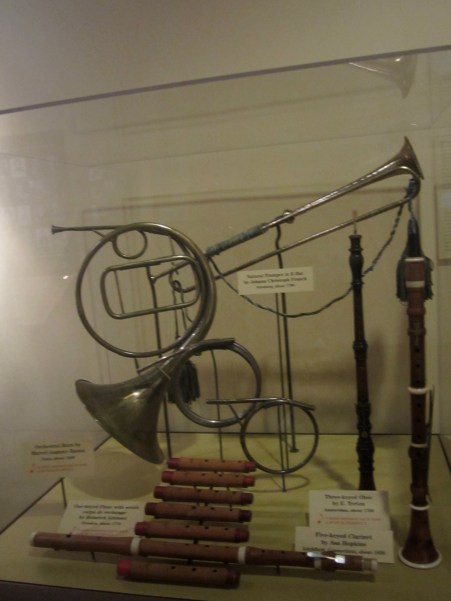
16 meters deep: Investigating marine life without getting wet! Projeto Navi in Fernando de Noronha.

Projeto Navi - The Navi Project: seeing 16 meters deep!

It’s finally here: the last post on our trip/expedition to the Fernando de Noronha Archipelago.

The husband, an avid and passionate amateur photographer. His wife, yours truly, always being reminded of her background as a Biologist and forever researcher… The perfect combination for venturing with Eng. Leonardo Veras through a private investigation trip along the open ocean waters in Fernando de Noronha.

Eng. Leo Veras takes responsibility for the Navi Project (Projeto Navi), a pioneer experiment at the archipelago – unique, and wonderful!

We were taken to observe the marine life, 16 meters deep, thanks to the ship’s glass bottom, resistant to pressure, high volume and speed. Talk about biology, math, physics, all at once! Lovely and fantastic! We were able to snap several shots, as well as, a couple of videos during our expedition. All 3 images from the Project’s Website (above) are used with permission from the Project’s Coordinator. [We are very thankful to Mr Leonardo Veras for his attention, kindness and, obviously, for the private tour!] All other photographs, (including all the videos to come!) presented below, are part of our family’s personal collection (feel free to use or share them, just remembering to mention the original source!) 😮 Thanks for the interest! 

Fernando de Noronha has caught the imagination of travelers for centuries and many urban myths are associated with this gloriously surreal island. The archipelago is made up of one 11-square-mile chunk of volcanic rock and 20 smaller islands, three degrees south of the equator, 220 miles from Brazil’s north-eastern coast. Fernando de Noronha’s claim to fame is its diverse and rich ecosystem.

This slideshow requires JavaScript.

Snapshots from the Shark Museum, Fernando de Noronha Archipelago, Brazil

The "Two Brothers" hill - Morro Dois Irmãos, viewed from the Praia da Cacimba do Padre, FN. All images from 3rdculturechildren.com

This post was promised a long time ago…It’s already been a month we came back from the archipelago, and finally, got through the last photos – the last two posts, a bit on the “scientific side”, but still, very enjoyable. Sharks and Marine investigation. Today, it’s all about the sharks. Backstory: Just like the AtlantisFernando de Noronha has caught the imagination of travelers for centuries and many urban myths are associated with this gloriously surreal island.

The archipelago is made up of one 11-square-mile chunk of volcanic rock and 20 smaller islands, three degrees south of the equator, 220 miles from Brazil’s north-eastern coast.

In Atalaia Beach, we were able to snorkel with fishes and juvenile sharks, checking out the swarms of hawksbill and green turtles, and also, witness rare island species like iguanas. Other adventure seekers like us, engaged in underwater activities, diving and snorkeling to experience the prolific marine life including albacore, barracuda, snappers, cangulos (fish)… Continuing with our experiences in Noronha, we reserved some time to visit and enjoy the company of Leonardo Veras, the curator for Fernando de Noronha’s Shark Museum (“Museu dos Tubarões”). Leo, as he prefers to be called, is a passionate engineer who lives and works at the main island, and was kind enough to take us on an unforgettable trip through the marine world! An upcoming post will share our adventures with Leo Veras and his Navi Project, investigating the deep open ocean waters. For now, you’ll be left with images we snapped while visiting the “Museu dos Tubarões” – current residence of Leo Veras, his own sculpture garden and his “front yard view”. Check them all out! 😮 

Our host, Eng. Leonardo Veras


This slideshow requires JavaScript.

Fernando de Noronha’s claim to fame is its diverse and rich ecosystem. And while nature lovers throng to this eco-paradise, the volcanic island with its splendid marine life, dramatic rock formations and long lazy stretches of beaches is the perfect romantic destination as well… We’ll miss it!

Hot off the press!

Image from AFSA.ORG (Foreign Service Journal)

Just fresh off the press: read it all!

The latest issue of the Foreign Service Journal (FSJ, April 2012) discusses the Family Member Employment, and the search for meaningful work overseas. Reading through the whole edition, you will find great stories about living and working as a Foreign Service spouse.

Several FS spouses shared their experiences and impressions regarding working overseas. It’s an honor to be one of the contributors to this edition.

Congratulations to all who contributed to this month’s issue. Here’s the link to another FS blogger, also sharing her impressions about family member employment.

Thank you for reading! 😮

Passion of the Christ in Brazil {Nova Jerusalém, Pernambuco}

De maneira simples, porém criativa, as apresentações contavam ainda com a participação de familiares, na maioria mulheres, e amigos que juntos contracenavam nas ruas utilizando-se do cenário local. 

No ano de 1956, Plínio Pacheco chega a Fazenda Nova e encanta-se pela bela atriz Diva Pacheco, filha de Epaminondas. 

Desde então são 42 anos de representações ininterruptas dentro das muralhas, atraindo espectadores do Brasil e do mundo. O espetáculo, que chega a sua 44ª edição, será encenado entre 15 e 23 de abril. Neste ano, Lacerda, que completa 33 anos, representará Jesus Cristo pela terceira vez. Já Fafá estreia no papel de Maria, mãe de Jesus. O elenco conta ainda com a atriz Vanessa Lóes, mulher de Lacerda, como Madalena; Sidney Sampaio, como Pôncio Pilatos; e Carlos Reis, Herodes.

Das ruas para o maior teatro ao ar livre do mundo, assim começou a ser encenado o espetáculo da Paixão de Cristo de Nova Jerusalém.

 Era 1951 e o comerciante Epaminondas Mendonça teve a ideia de realizar pelas ruas da pequena vila de Fazenda Nova, no período da Semana Santa, a encenação da vida, morte e ressurreição de Jesus Cristo. 

A inspiração partiu após ler em uma revista como os alemães da cidade de Oberammergau realizavam uma apresentação semelhante.

 Enquanto Epaminondas atraia hóspedes para o hotel da família e movimentava o comércio local, Sebastiana, sua esposa, de veia artística cultural e teatral, cuidava da direção do espectáculo.

De maneira simples, porém criativa, as apresentações contavam ainda com a participação de familiares, na maioria mulheres, e amigos que juntos contracenavam nas ruas utilizando-se do cenário local. 

No ano de 1956, Plínio Pacheco chega a Fazenda Nova e encanta-se pela bela atriz Diva Pacheco, filha de Epaminondas. 

Desde então são 42 anos de representações ininterruptas dentro das muralhas, atraindo espectadores do Brasil e do mundo. O espetáculo, que chega a sua 45ª edição em 2012, foi encenado entre 15 e 23 de abril do ano passado, quando tivemos a oportunidade de prestigiá-lo na pré-estréia. Naquele ano, Lacerda, que completava 33 anos, representou Jesus Cristo pela terceira vez. Já Fafá estrelava no papel de Maria, mãe de Jesus. O elenco contou ainda com a atriz Vanessa Lóes, mulher de Lacerda, como Madalena; Sidney Sampaio, como Pôncio Pilatos; e Carlos Reis, Herodes.

Jesus aparece ao fiéis entre anjos

Pregação aos fiéis

Discussões no Templo: 
Jesus entra triunfalmente em Jerusalém, aclamado pelo povo. Expulsa os vendilhões do Templo e discute com fariseus, escribas e doutores da lei.


A despedida dos apóstolosA última ceia:
 Jesus reúne os seus discípulos para a Última Ceia e deles se despede, dando-lhes o pão (o seu corpo) e o vinho (o seu sangue).
"Eu sou o Corpo e o Sangue"

a Ceia com os Apóstolos

A Traição de Judas e a Prisão de Jesus

Judas betrayed Jesus
Preparation for the arrest - Jesus prepara-se para a prisão

The Temptation

Jesus atormentado busca auxílio do céu

Agonia no Horto: 
Jesus sofre antevendo sua Paixão e Morte.

O Bacanal de Herodes

Convidados do bacanal de Herodes
O Bacanal de Herodes


O Julgamento de Jesus, a Condenação

Ao Palácio para Julgamento

Pilatos questiona a Jesus

Pilatos pede a Jesus um milagre

Jesus perante Herodes e Pilatos:

Herodes pede a Jesus um milagre e não é atendido. Irritado, o rei manda-o de volta a Pilatos. 
O Pretório Romano é invadido pela multidão e pelos que querem a morte de Jesus. Pilatos, o Procurador de Roma, chega ao Pretório numa biga romana e saúda os seus legionários.

Humilhação e Coroação de Jesus, Jesus leva sua Cruz

Jesus is brought out to judgement - Jesus é trazido a julgamento

Jesus suffers


O Encontro com as Mulheres de Jerusalém

O perdão à Maria Madalena


- à espera de Jesus

Crucificação

A chegada à Gólgota

 Preparação

Últimas palavras à Nossa Senhora

A morte de Jesus.

myspace layout codes

Também na primeira apresentação de 2011 foi usado, pela primeira vez, o recurso de áudio-descrição para deficientes visuais. De acordo com a organização, o sistema permitirá que o público, com um fone de ouvido, escute uma narrativa sobreposta ao som original da peça descrevendo imagens, sons e textos. A encenação da “Paixão de Cristo” é dublada. Em 2010, 80 mil pessoas vindas de 22 estados brasileiros e 12 países assistiram ao espectáculo. De acordo com a organização do evento, a ideia de construir uma réplica da cidade de Jerusalém para as encenações da “Paixão” foi de Plínio Pacheco, que chegou a Fazenda Nova em 1956. O fascínio que o espetáculo da Paixão de Cristo de Nova Jerusalém exerce no público não está apenas na grandiosidade das construções, na atmosfera que ali se respira e na beleza da história de Jesus. Reside também na participação ativa do público, diante da mobilidade das cenas. Entre um ato e outro, uma multidão movida pela emoção passada pela boa interpretação dos atores, caminha entre os cenários, transportando-se por algumas horas à época de Cristo e revivendo sua saga.

Fernando de Noronha Marine National Park: wildlife

Fernando de Noronha in Brazil is famous for its exquisite natural environment, pristine beaches, and tropical climate where the sun shines the whole year! A paradise for scuba diving in Brazil, there are numerous things to do on the Fernando Noronha island. The wildlife of Fernando de Noronha is very rich, and one of the main attractions of the island are the Spinner Dolphins which can be seeing 365 days a year from the Dolphins Bay Viewpoint or on a Noronha boat ride. We were fortunate to spot a few other “representatives” of the archipelago’s wildlife.

This slideshow requires JavaScript.