life of a globetrotting family of 5 in the US foreign service
Author: 3rdCultureChildren
Welcome! Here I am, 'releasing' my thoughts on traveling, parenting, raising TCKs, teaching, writing, working... and who knows what else! I’m a WIFE, 'geeky-stuff' SCIENTIST, TEACHER, AMATEUR photographer, MOM of 3, TRAVELER by choice and by marriage, and of course, a HOUSEHOLD QUEEN!!
I totally understand the words ‘sea’ and ‘Bolivia’ do not got together in the same sentence!
For the ones who have forgotten a bit of their geography: no, the country of Bolivia do not have access to the ocean, it does not have a ‘sea view’ of it’s own… Not going into political details… some neighboring countries may have some justification to that… 😮 but for now,leaving politics completely out of any of my blogposts!
For this week photo series, I’m bringing in two possible options for the ‘Challenge Sea’.
fun by the boardwalk in Chile
Sunset by the lake Titicaca
Location of Bolivia in South America (Photo credit: Wikipedia)
I totally understand the words ‘sea’ and ‘Bolivia’ do not got together in the same sentence!
Sorry for that… ♥
For the ones who have forgotten a bit of their geography:
Unfortunately, the country of Bolivia do not have access to the ocean, it does not have a ‘sea view’ of it’s own…
Not going into political details…
Some neighboring countries may have some justification to that… 😮 but for now, leaving politics completely out of any of my blogposts!
For this week photo series, I’m bringing in two possible options for the ‘Challenge Sea‘.
The second option: the easiest way to get a unique ‘sea view’, on any given ‘Bolivian Sunday’ is to visit the neighboring Chile…. like our family did, some time this year!
Oh, well, why not mention here a great book that just came out [July 2013], by the author Linda Janssen?
And the reason for that? Linda interviewed several expats, families, collected their experiences, challenges, suggestions, stories and tales. All together, bound in one book – and I’m happy to say I’m one of the proud contributors [insert a shameless smile here! :o] to her compendium… My little 2 cents: lessons learned from our ‘nomadic life’ with the US Foreign Service – as a professional, a around-the-clock mother, a traveler, an FSO spouse… a survivor… 😮
Happy reading!
Oh, well, why not mention here a great book that just came out [July 2013], by the author Linda Janssen?
And the reason for that? Linda interviewed several expats, families, collected their experiences, challenges, suggestions, stories and tales. All together, bound in one book – and I’m happy to say I’m one of the proud contributors to her compendium…
[insert a shameless smile here! :o]
My little 2 cents: lessons learned from our ‘nomadic life’ with the US Foreign Service – as a professional, a around-the-clock mother, a traveler, an FSO spouse… a serial expat… ♥
Happy reading!
Linda A Janssen, The Emotionally Resilient Expat
The Emotionally Resilient Expat: Engage, Adapt and Thrive Across Cultures
Living abroad offers enriching experiences of growth, broadened perspective, enhanced cultural understanding. Yet its transition-rich, change-driven, cross-cultural nature can place considerable demands, leaving us stressed, disconnected, our identity in flux. Building on existing literature and benefitting from recent developments in psychology and brain-body connections, The Emotionally Resilient Expat: Engage, Adapt and Thrive Across Cultures shows the key to successful transitions and beyond lies in emotional resilience to adapt, adjust or simply accept. Linda A. Janssen combines candid personal stories from experienced expats and cross-culturals, with a wealth of practical tools, techniques and best practices from emotional, social and cultural intelligence, positive psychology, mindfulness, stress management, self-care and related areas. FACTORS™ offers a way to live a healthier, more positive, emotionally engaged, culturally connected global life.
Curious to learn more about the book? Follow this link:
“Using personal story and solid theory in her groundbreaking book on emotional resilience, Linda A. Janssen guides those facing the challenges of cross-cultural living to dig under the initial rocky surfaces of overseas life to discover – and use – the rich gold of their own experience. A great resource for expats of all backgrounds.” Ruth E. Van Reken, Author, Third Culture Kids: Growing Up Among Worlds
“Janssen’s work is sure to be a stand out in any expatriate or cross-cultural arena. She eloquently, articulately and incisively delves into areas previously considered taboo in order to highlight how we can all gain mastery over whatever life throws our way. I will definitely be referencing Janssen’s material when working with TCKs, expat parents and international students.” Tina L Quick, Author, The Global Nomad’s Guide to University Transition,www.internationalfamilytransitions.com
“A practical guide in the art of managing the risks of overseas life in ways that will promote endurance and effectiveness. Full of honest and hope-filled stories from the lived experience and life-long learning of Janssen and her dozens of expatriate contributors. An invaluable companion for expats who want to know that they are not alone.” Duncan P. Westwood, PhD, (C)OACCPP Clinical Director of Expatriate Care & Development, International Health Management
“As with any food rich in nutrition, this book is best sampled regularly and digested slowly.” Drs. Douglas W. Ota, NIP Psychologist, NMI Mediator, Family Therapist, www.dougota.nl
And why is she always giving orders? Acting like she’s some sort of ‘commander’ for a civilian army of three little children [and a husband!]?
‘Who’s that woman behind the growing children? ‘
The one trying her best not to fail, trying her hardest to be up to any and all tasks, excelling on her parenting skills, in the hope that other parents would look up to her as a role model?
‘Who’s the woman who lets herself be kept backstage, silently watching life play its theatrical acts, desperately witnessing her heart beat outside her body, every time one of her children crosses the house door and heads out to the world?’
‘Who’s that woman?’
‘Which woman?’
‘That one, discreetly hiding behind her children…
Doesn’t she have a life of her own?’
‘Shhhh… Pay no attention to the woman behind the children…
She may hear you. She may get upset’.
‘She seems so afraid for her little ones… She looks so fragile… like if at any moment, she will break down into tears.. or break apart into small glass pieces… I would like to see her smiling…’
‘Why is she hiding from us? Have we done anything to her?’
‘Who’s that woman behind the growing children?
The one trying her best not to fail, trying her hardest to be up to any and all tasks, excelling on her parenting skills, in the hope that other parents would look up to her as a role model?’
‘Who’s the woman who lets herself be kept backstage, silently watching life play its theatrical acts, desperately witnessing her heart beat outside her body, every time one of her children crosses the house door and heads out to the world?’
‘Pay no attention to the woman behind the curtains of life…’
‘She’s no Wizard‘.
‘She’s no Witch‘.
‘She’s not longing to find her way back home…’
‘Pay no attention to her – she looks tired and helpless…’
For this week photo series, I’m bringing in our view from the top of the Muela del Diablo [‘The Devil’s Molar’] mountain – result from a recent family hiking trip. If curious to see more unique images about this intriguing, challenging attempt, filled with endless beauty, come by later and click here! [Still working on the “Pictorial Journal”!] 😮
For this week photo series, I’m bringing in our view from the top of the Muela del Diablo [‘The Devil’s Molar‘] mountain – result from a recent family hiking trip. If curious to see more unique images about this intriguing, challenging attempt, filled with endless beauty, come by later and click here! [Still working on the “Pictorial Journal“!] 😮
For the second view, moving the point of interest a little – from the natural scenario, searching for the urbane: at the center, the city of La Paz, surrounded by the mountainous chain, and blessed by the lightest blue sky…
Visiting a typical Italian village? Not really – we’re still in La Paz, Bolivia, and no chances of finding ‘romantic steps’ leading to an Italian restaurant… The way around it? Pose in front of the restaurant’s wall poster! 😮
Visiting a typical Italian village? Not really – we’re in the heart of La Paz, the well-known neighborhood of San Miguel – the hotspot for fashion trends.
No chances of finding ‘romantic steps’ leading to an Italian restaurant… The way around it? Pose in front of the restaurant’s wall poster! 😮
Life is definitely filled with ‘fake’ moments – it’s the fun part of it!
I know, I know…. Procrastination seems to be word of order…
I know I’ve gotta get out the images from our recent hiking adventure to the Muela del Diablo [“Devil’s Tooth”], but feel like we’re always caught up, keeping ourselves afloat while cruising through daily homework [kids], the demanding toddler and work [outside the house, for the grown-ups!]
I know, I know…. Procrastination seems to be word of the moment… 😮
Evnetually, I’ve gotta get the images from our recent hiking adventure out, the drive to the Muela del Diablo [“Devil’s Molar“, and its 150 meters, on a 3,800m of altitude]; but feel like we’re always caught up, keeping ourselves afloat while cruising through daily homework [kids], attending to the demanding toddler and obviously, going to work [outside the house, for the grown-ups!]
This wild rock [“Muela”] can be seen from almost every where in the southern part of La Paz. The giant appears steep und unapproachable right within its bizarrely shaped erosion landscape and green lands.
For the time being, I’m leaving here a little ‘place holder’ for what’s to come. Hopefully, very soon. 😮
And, as a bit of a spoiler [text borrowed from The Gadling], “Devil’s Tooth is an inactive volcano that is approximately 492 feet high. According to our guide, it got its name because indigenous people believed it looked like the tooth of Satan.”
The command for our past Sunday was: “are you ready?” I’m sure these ones here were!
It’s definitely hard to keep a balance between these two options: ‘has your child spent much time on academics this summer, or has he/she went out to play, chasing fireflies, collecting ‘knee scratches’ and minor wounds while attempting to bike with no training wheels?’ 😮
Maybe, like many parents out there, we’re ‘programmed to feel guilty‘ about not having our children work hard on their academics, taking advantage of the summer break; and instead, we’re fighting that.
School is back. Summer vacation is seeing its last days….
Children at N.Y. Zoo [Wikipedia]
Although joy is the word of the hour, there’s a familiar question in the air: ‘how was your summer?‘ Or even better than that: ‘What did your kids do during their school break? I’m sure you had them catch up with their homework packages – they gotta be ready before school days are back!’
It’s definitely hard to keep a balance between these two options: ‘has your child spent much time on academics this summer, or has he/she went out to play, chasing fireflies, collecting ‘knee scratches’ and minor wounds while attempting to bike with no training wheels?’ 😮
Here are my 2 cents to the discussion. Not in 1,000 words, though – more likely, half of that! Hopefully, still bringing out some food for thought!
Maybe, like many parents out there, we’re ‘programmed to feel guilty‘ about not having our children work hard on their academics, taking advantage of the summer break; and instead, we’re fighting that.
All moms and dads out there: try to remember your own childhood summer vacations – do you recall having touched a math/reading comprehension work sheet? I’ll leave the answer to you… with a candid smile.
I personally, don’t. When I was a child, there was no structure, and there were no demands. That said, what is your dearest/sweet memory of your summer vacations? I dare you tell me/us it dealt with extra homework!
😮 Just saying…
And I guess, we all did fine, right?
We’re all here, we’re survivors, and we remember really enjoying summer… carefree-style!
Please, don’t get me wrong! I’m all for good academics performance – the ones who frequently visit and read through this blog and its posts on education, language, and establishing a healthy multicultural environment for growing children will well understand how I value personal education.
But I also value creativity when raising a child. I value the ability parents have to offer [their kids] opportunities to find their own growing paths.
Analyzing the ‘metrics’ for our children’s summer, we [their mom and dad] believe they are doing pretty well! Academics are important. Structure and discipline are important. Fun is a cornerstone for both processes.
Photo by Michelle Weber, from the Daily Post WordPress.
Having fun and experiencing childhood on its fullest are crucial points for a well-balanced development. Children need that. They seek that. Playtime amongst their peers helps them develop a sense of self-awareness, a good dose of self-confidence, and to understand their minds have no limits when it comes to creativity and desire. And they look up to us, parents, as the key-providers of a healthy combination of structure, discipline and fun moments.
That’s exactly what vacations are about: hopefully, our kids will do just fine in the future, with fantastic memories of what they did with their family over the school breaks – even if they forgot to finish some of the reading assignments, or left aside that math worksheet [to be completed after dinner!]…
Maybe after they’ve come back inside the house, tired of chasing frogs and playing tag with neighboring friends… and are ready to jump right back into the school schedule.
Chasing their own dreams is part of a healthy childhood development – and should be enjoyed as such! Now, off to a great school start – with all the academics that come with it! 😮
I recognize you may be still too young to understand many of the things that go around in your life.
I’m also aware that you may feel confused at times, when your mother and father come forward telling you we will have to move, once more.
I feel and I know your pain, and your disbelief. I myself felt the same when back in Brazil – your grandparents would come to me and to your uncles, letting us know we would again, have to change schools, due to new job assignments and/or the economic situation.
One day you will begin hearing and understanding a very powerful word – ‘Economy’. It has the ability to change scenarios, to split families up, and to alter planning. Times were different when your mother was growing up, than it is now for the three of you. Back then, your mother, the oldest of 3 children, learned to cook, clean and take care of your uncles, way before she was ready to begin middle school.
You, my children, will not have to face any of this.I was a nomad child without the realization of it. I learned to cope with family moves before having to deal with any ‘high school drama’, so familiar to any teenager. There was no time, nor space for ‘teen drama’. Childhood is a very special place in time, and should be lived through. Hopefully, it will not happen to the three of you, my children.
You will be presented with the opportunity to experience life on its fullest. You’ll have the chance to choose your paths, making your own mistakes and learning from them…
Life’s been laid out in front of you, and despite also living a ‘nomad life’ because of your mother and father’s work style, you’ll confidently be shielded from most of the difficulties.
Your father and I are cautious and attentive to any signs of distress – please come to us with your questions, your concerns, your troubles. We’ll try to help you, and offer advice, as much as we’re capable of. Please let us know when you’re sad, when you’ve been hurt, when your heart is unsettled…
We’ll be there for you. We’ll offer you comfort and our arms. We’ll talk together, and if needed, we’ll cry together.
I’m very happy for you, my children. This nomad life has taught me a great deal, and I feel capable of transferring some resilience to you. I’m not passing on any resentment, any sadness or hard feelings… I’m thankful with what life has offered me, and my gratitude will show itself on the way we’re raising the three of you. I’m grateful life has given me the opportunity to become your mother, your guide, your safe haven. I sincerely hope you’re not disappointed on me…
You will grow to become worldly citizens, grounded and compassionate. That would definitely be the best reward to me, still working on my parenting skills, but trying my best not to fail…
Quite an accomplishment, I’d say. Especially in our present time, where marriages come and go with the wind… 😮
Quite an accomplishment, I’d say. Especially in our present time, where marriages come and go with the wind… 😮
Our proud friends were happy to celebrate their 20th Wedding Anniversary – in a fantastic style – Red for the Victorious Couple, and black & white for the guests!
My hope is that one day, husband and I will be repeating this… for our own anniversary. But for now, still looking forward to celebrate our first decade together – just a few months ahead of us! 😮
It’s higher than any other tree in the world. Polylepis woodland is a distinctive, high-elevation Andean forest habitat that occurs above cloud level (3,500-5,000 m) as patches of woody vegetation surrounded by paramo (e.g., Festuca species) or puna (e.g., Ichu species) grass and shrub (e.g., Baccharis species) communities. These high-altitude woodlands tend to be relicts of a once-widespread habitat and comprise mainly evergreen trees of the genusPolylepis (Rosaceae) which are highly drought tolerant. The trunk and branches are laminated with brown-reddish bark that peels off in paper-like sheets as a protection against extremely low temperatures, and often have mosses and lichens growing on them.
For this photo, decided to go with different angles to better showcase the unique and intriguing texture displayed by the tree.
It’s higher than any other tree in the world. Polylepis woodland is a distinctive, high-elevation Andean forest habitat that occurs above cloud level (3,500-5,000 m) as patches of woody vegetation surrounded by paramo (e.g., Festuca species) or puna (e.g., Ichu species) grass and shrub (e.g., Baccharis species) communities. These high-altitude woodlands tend to be relicts of a once-widespread habitat and comprise mainly evergreen trees of the genusPolylepis (Rosaceae) which are highly drought tolerant. The trunk and branches are laminated with brown-reddish bark that peels off in paper-like sheets as a protection against extremely low temperatures, and often have mosses and lichens growing on them.
The original/inspirational photo:
For this week photo series, decided to go with different angles to better showcase the unique and intriguing texture displayed by the tree.
Enjoy as you please, and thanks for stopping by! ♥
This morning’s article on Parenting, from the Washington Post got me thinking…
And I’m thankful that Nicole Anzia [freelance writer; she can be reached at nicole@neatnik.org] took a stab at it: “Finding a space where your child can complete his or her homework without getting totally stressed out, or stressing you out, is difficult. Don’t be discouraged if the first place you choose isn’t perfect; this will be an ongoing and evolving process throughout your child’s life as a student. But having a space set up and creating a homework routine during the first week of school will help smooth the transition from summer’s hot, hazy days to fall’s hurried, homework days.”
And I’m thankful that Nicole Anzia [freelance writer; she can be reached at nicole@neatnik.org] took a stab at it: “Finding a space where your child can complete his or her homework without getting totally stressed out, or stressing you out, is difficult. Don’t be discouraged if the first place you choose isn’t perfect; this will be an ongoing and evolving process throughout your child’s life as a student. But having a space set up and creating a homework routine during the first week of school will help smooth the transition from summer’s hot, hazy days to fall’s hurried, homework days.”
Homework (Photo credit: TJCoffey)
According to Anzia, there are few points that MUST be addressed, and since school days for my 2 elementary kids has just begun, I hope I’m on the right track, and will, for sure, try to follow her ‘advice’: [I’ve added my personal comments after the ‘important-points’ suggested by the author]
1. Choose the right location
We’re fortunate enough to have an extra ‘lunch table’, in a separate room, with a framed world map, a large wall clock and a buffet with drawers. The whole area has been defined for ‘homework’ and school assignments: reading response; school poster preparation, coloring, cutting and pasting [I’ve got a 2nd grader and a KG5].
2. Find and organize supplies
The buffet drawers were turned into ‘storage space’ for their school supplies. Backpacks are kept on the floor, against the wall, and handy, when they’re needed. Plastic containers/organizers are a must-have to keep their pencils, coloring gear, scissors; glue sticks IN PLACE AND EASY TO FIND. 😮
Homework (Photo credit: christinepollock)
3. Create a Go-To spot
Anzia also points out that “Another advantage of a designated homework space is that you can have a set surface where you and your kids can post scheduling reminders and deadlines. You could hang a magnetic board or bulletin board, or use stick-on chalkboard or dry-erase boards that can be easily removed in seconds, without damaging the wall.”
For that, unfortunately, I had to resource to our kitchen area, where we mounted a white board on the wall, with our cell phone numbers [for the sitter, when both mom and dad are at work!]. The board displays each child’s chores, a brief schedule and any necessary reminder…. The kitchen wall is also the place for an oversized interactive calendar [months, days, seasons, weather and special dates]. Our oldest son, now 7,5 is the one in charge of changing the dates/information on the calendar, every morning.
4. Try out and reassess
This is the author’s final suggestion. Try things out, and after the initial month or so, reassess the results. Change. Improve. Get feedback from the kids. See what works and what needs to be fixed.
We’re on week 1, for this school year… let’s wait and see what’s in store for us…we’re all hopeful… maybe ‘homework time’ will be a breeze… who knows? 😮
–- This post was originally written in Spanish. Scroll down in this post for the English translation! –-
Spanglish es la combinación del inglés y español. Se escucha más con inmigrantes hispanos quienes tienen mucho tiempo viviendo en EUA; también se escucha con sus hijos y nietos.
He creado unas listas cortitas de los pros y contras del uso regular del Spanglish, basados en lo que he leido y visto.
PROS:
Con Spanglish, básicamente tomamos las mejores palabras de cada idioma y las entrelazamos. | Ya que hay menos transiciones y traducciones torpes con el Spanglish, el flujo de las frases es más suave.
Algunas palabras y frases simplemente suenan mejor, o son más facilmente comunicadas en un idioma más que en el otro. | Por eso, Spanglish puede ser más apropiado que estrictamente inglés o español para la conversación.
A criatividade humana: brigageiro de capirinha! Uma receita que me foi enviada via web!
More on ‘high altitude fun baking’… a good combo here: cupcake and brigadeiro de caipirinha, Brazil’s (in)famous drink! For the cupcake (Portuguese recipe below), it’s simple lemon cake batter, and for the frosting, lime chantilly, with a tiny bit of confectioners sugar, and a few drops of cachaça(!!). Add the straws for a more ‘mixed drink look’. Done! 😮
Super Fácil:
[Portuguese] Cupcake de Caipirinha: massa de limão com cachaça, recheio de ganache de limão com cachaça e cobertura de chantilly de limão, o finzinho dele é bem azedinho, e o mimozinho ma rodelinha de limão com canudinho.
Remember this one, from when we were back in Brazil? A huge success among expats and locals!
Since I already had a post on two of the most famous foods of Brazil, “feijoada” and “pão de queijo”, I was sent a great idea and recipe, for desert: a bit daring, interesting & intriguing, but for all the Brazilian Food lovers, should be a great suggestion: BRIGADEIRO DE CAIPIRINHA… Why not have two awesome suggestions on Sunday, all before lunch?
Remember “brigadeiro”? Those little chocolate candies that one may find at birthday parties? Well, this one resembles a famous Brazilian drink: “The Caipirinha”… a candy made with ingredients for a mixed drink… The main ingredient? A little bit of cachaça, Brazil’s famous “sugar cane aguardiente”… 😮 And, obviously: “enjoy responsibly”…. Enjoy at a friend’s house, after a great feijoada… Take a good nap afterwards… find yourself a comfy hammock and forget about getting behind the wheel! 😮 No “eating and driving”, okay? 😮
Here is the imag and recipe, in Portuguese, with comments in English:
Opcional: suco de um limão e ½ caixa de creme de leite
Modo de preparo
Leve ao fogo uma panela com o leite condensado, o creme de leite e a manteiga. Vá mexendo em fogo baixo até dar ponto e desgrudar da panela. Tire um pouco do fogo e adicione a cachaça/vodca, e o suco do limão. Volte a panela ao fogo e deixe dar o ponto novamente. Use uma assadeira untada (de manteiga) pra colocar a “massa”, e deixe reservado até esfriar.
Pra fazer as bolinhas: unte as mãos com manteiga, pegue um pouco da “massa” e vá boleando, fazendo movimentos circulares. Passe a bolinha no açúcar cristal, com raspas de limão, para decorar. (Obs: existe um açúcar especial, de confeiteiro, que parece um gelo triturado e também é uma boa opção).
One may add lemon/lime zest over the candy, making it look even more similar to the original drink… Humm!
[Portuguese] Há quem goste de colocar um pouquinho de raspas de limão na massa no lugar do suco. Deve deixar um azedinho bem gostoso!
This is a third post on my ‘random thoughts’ about bringing our children out [first one discussed multilingualism and its approach as parents], especially when it comes to the diverse society they [children] are about to face…. any moment from now… the second post presented a discussion on the misperceptions of being a ‘serial expat’, a nomad, a ‘rolling stone’….
The discussion on social diversity is not only part of our family’s daily life, but it also tailors the way we are raising our children, and the way we would like them to understand and perceive their surroundings.
This is a third post on my ‘random thoughts‘ about bringing our children up into this ‘nomad world’ [first one discussed multilingualism and its approach as parents], especially when it comes to the diverse society they [children] are about to face…. any moment from now… the second post presented a discussion on the misperceptions on being a ‘serial expat‘; a nomad, a ‘rolling stone‘…. I’m sure there’ll be more posts to come – thank you all for reading, and for the continuous feedback on this [and other!] topics – the suggestions, comments and shared stories from other parents/travelers/expats have made this ‘blogging experience’ much richer. And I’m very grateful for all that.
The discussion on social diversity is not only part of our family’s daily life, but it also tailors the way we are raising our children, and the way we would like them to understand and perceive their surroundings.
Geodesic Dome, by Buckminster Fuller (credit: Wikipedia)
For many children, expat life is an enriching, wonderful experience, but for many others, it is an unbelievably difficult time. Much is gained — language, travel, worldview, diversity – but there are very real losses — extended family, longtime friends, a sense of belonging. Some of the losses are unrecognized and unacknowledged until later in life…
As parents of TCKs, my husband and I try to be sensitive to their particular situation. Each child is different, and reacts to the uprootedness differently. Some are more sensitive, and others relish in it.
Buckminster Fuller (credit: Wikipedia)
One thing we have always tried to be, however, is their anchor. Since their external life is in constant flux, we try to keep our family life constant and stable. We try to have our own habits and traditions, which, as it turns out, are a bit of a blend between the countries we inhabit. Yes, they [our kids] may be exotic to the kids around them, and again, each handles that differently. One thrives on that, another cringes, but it is what it is. We know that they would have a different perspective than we do as their parents…
Perhaps, the best way of handling the identity issue is to adopt the dictum of the late Buckminster Fuller: “I am not a noun, I seem to be a verb…”
This inspiring image/photo came from another travel blog – Thanks for sharing! 😮
From Wikipedia: “The Laguna Verde, meaning neaon Green lake,[1] covers an area of 1700 ha, and a narrow causeway divides it into two parts. It is at the southeastern extremity of the Reserve Eduardo Avaroa and Bolivia itself. It has mineral suspensions of arsenic and other minerals which renders colour to the lake waters. Its colour varies from turquoise to dark emerald depending on the disturbance caused to sediments in the lake by winds. In the backdrop of the lake is the inactive volcano Volcan Licancibur (elevation 5868m), which is the near perfect shape of cone.[2] It is believed that an ancient crypt used to be at its peak. Icy winds are a common phenomenon here and lake waters can attain temperatures as low as -56 degree C but because of its chemical composition its waters still remains in a liquid state. It is 30 km from Laguna Palques.[3][4]
The laguna verde is well known for its spectacular scenery and hot springs.”
One year’s gone by since we first arrived in La Paz, for our 2-year assignment with the Foreign Service.
Looking back at sunsets on the east side
We lost track of the time
Dreams aren’t what they used to be
Some things sat by so carelessly
Smile like you mean it
Smile like you mean it…
[that’s exactly how my husband and I see ourselves! We’re just sitting up there, watching the world go by, and quite often, criticizing the way it moves!] 😮
One year’s gone by since we first arrived in La Paz, for our 2-year assignment with the Foreign Service. This song from The Killers seems pretty fitting for the moment we’re living:
The Killers on stage (Photo credit: Wikipedia)
Looking back at sunsets on the east side
We lost track of the time
Dreams aren’t what they used to be
Some things sat by so carelessly
Smile like you mean it
Smile like you mean it…
We’ve got mixed feelings regarding our present. Our future is still blurry. And yet, we’ll keep on smiling at life… smiling like we mean it…
Let’s see what the future has in-store for us… ♥ Will keep you posted. 😮
Welcome to the July edition of The Raising Multilingual Children’s Blogging Carnival. This month’s theme was Hidden Opportunities where I asked people to submit blogs based on the unexpected occurrences of bringing up multilingual children.
Opportunities for the Kids
Spanish Playground opens up this month’s carnival with some encouraging news for anyone still struggling to teach two or more languages: she has been there and done that and now has three grown kids. In her post Teaching my Children Spanish – A Few Observations Now that they Are Older she identifies the advantages they now have, some of which she never ever dreamed of when she started out on the road to bilingual education.
Came to Find – Vim Encontrar is nowadays a grown up bilingual English and Portuguese speaker. She writes about the day that changed her life and all of the opportunities she has now that she is…
This post is for this month’s Raising Multilingual Children Blogging Carnival hosted by Headoftheheard. This month’s theme is “Hidden Opportunities”.
When you are multilingual and start having kids, you have to choose which language you’ll talk to your children. Linguists always recommend to talk your “mothertongue” to you children. But which is the mothertongue if you are perfectly bilingual? In my case: should I talk Italian or German to my kids?
When our son was born, we lived in Italy and as Italian is one of my mother tongues, it was very natural for me to talk Italian to him from the beginning. Our home languages were Italian (me and my son), Swissgerman (my husband and my son) and German (my husband and me) and we were convinced that he would pick up German automatically too.
When we moved to the Netherlands our son was 2.5 years old…
The value of diversity promotion in the State Department was well emphasized by EEO Counselor Krishna Das (Letters to the Editor, January issue). As a parent, I see the discussion regarding how we bring up our children within the diverse Foreign Service lifestyle as equal parts interesting, challenging, and crucial. It is, of course, necessary to serve as role models for our children right from the start, particularly in teaching the lesson that everyone, despite appearances or stereotypes, deserves respect.
As noted, State Department children are highly exposed to diverse cultures, and we as parents should demonstrate why this is such an advantage to their own growth as human beings.
Building a culture of diversity starts at home, a literal reality for many State Department families. We speak different languages, come from distinct cultural backgrounds, and practice different religions. And yet in most cases, our children are growing up in a culturally richer environment than we (parents) were brought up. Children in the Foreign Service live the concept of diversity and its social implications – on a daily basis.
Seal of the United States Department of State. (Photo credit: Wikipedia)
That said, it is often necessary for us to question what is our role as parents in this process? How can we assist our children regarding the issue of diversity? It would appear as far as diversity is concerned, we need to be extra involved in their lives: listening to their stories, learning about their ventures and challenges adjusting to new, countries, discussing their questions and social frustrations, establishing a healthy communication channel, building positive identities and respect for differences. Further, we should seek ways to insert these concepts into the routines of our children’s everyday lives and help convince them through our actions that a society without discrimination is possible. It is critical for us parents and caretakers to develop ‘cultural sensitivity’ regarding our surroundings; otherwise, without specific cultural information, we may inadvertently promote practices and approaches that could counter other parents’ efforts.
One great piece of advice I once received was to “encourage your child’s friendships with others across race, ethnicity, class, religious practices, background and ability.”
The more personal experiences children have with other groups, the easier it will be to dismiss stereotypes and misperceptions.
******
Want to add to the discussion? Please feel free to share your comments/opinions/suggestions here!
Around 20km north of La Paz, some four hundred square kilometres of the north face of the Cordillera Real are protected by PARQUE NACIONAL COTAPATA (otherwise known as Parque Nacional y Area Natural de Manejo Integrado Cotapata).
Around 20km north of La Paz, some four hundred square kilometres of the north face of the Cordillera Real are protected by PARQUE NACIONAL COTAPATA (otherwise known as Parque Nacional y Area Natural de Manejo Integrado Cotapata).
Ranging in elevation from 1000m to 6000m, Cotapata encompasses many of the astonishing range of different ecosystems and climatic zones formed as the Andes plunge down into the valleys of the upper Amazon Basin.
Within a remarkably short distance high mountain peaks, snowfields and puna grasslands give way to dense cloudforest, which in turn blends into the humid montane forest that covers the lower slopes of the Andes in a thick green blanket.
The cloudforest – also known as the ceja de selva or “jungle’s eyebrows” – is particularly striking, made up of low, gnarled trees and home to many unique bird species, and elusive pumas and spectacled bears.
Nature’s masterpieces at their best expression… a few examples of unique works of art throughout the Bolivian country. Enjoy as you please, and thanks for stopping by! ♥
Moon Valley – “Valle de La Luna”The urban peacefully co-existing with the natural
Nature’s masterpieces at their best expression… a few examples of unique works of art throughout the Bolivian country. Enjoy as you please, and thanks for stopping by! ♥
…the person with whom I share my dearest passions: traveling, photography, story-telling.We’ve become life partners, we’ve developed a strong relationship that goes beyond passion – we’re friends, we’re lovers, we’re parents to our children, we’re secret keepers… 😮
We share our lives together, and we’re helping each other raise our ‘little worldly citizens’.
…the person with whom I share my dearest passions: traveling, photography, story-telling. We’ve become life partners, we’ve developed a strong relationship that goes beyond passion – we’re friends, we’re lovers, we’re secret keepers, and we haven’t gone at each other’s thoat after all the difficulties inherent to this most-challenging job: we’re parents to our children! 😮
We share our lives together, and we’re helping each other raise our ‘little worldly citizens’.
We share our joys and our sorrows. We’ll be together for the long haul – wherever life takes us.
No challenge should fase us – we’ll always be in good company – our own. And as close friends should be, we’ll laugh and cry in each other’s arms… ♥
The Miranda Family arrived in La Paz in the beginning of august, 2012. assignment. Our familial “nucleus” is constituted of 2 adults, 2 kids (7 1/2 and 5 1/2 yrs-old) and a 2 1/2 year-old toddler. ,Being a parent/caretaker requires lots of diplomacy, negotiation, peacekeeping, policy implementation and strategy skills. That said, managing a household, its respective juvenile population and the consequent budgetary implications, is a… HUGE, EXPERIMENTAL and UNFORESEEN task!
A male Green-and-rufous Kingfisher on Chalalan Lake, Tuichi River. (Photo credit: Wikipedia)
The Miranda Family arrived in La Paz in the beginning of August, 2012. assignment. Our familial “nucleus” is constituted of 2 adults, 2 kids (7 1/2 and 5 1/2 yrs-old) and a 2 1/2 year-old toddler. Being a parent/caretaker requires lots of diplomacy, negotiation, peacekeeping, policy implementation and strategy skills. That said, managing a household, its respective juvenile population and the consequent budgetary implications, is a… HUGE, EXPERIMENTAL and UNFORESEEN task!
There is a never-ending need to keep kids and parents sane (as much as possible). Family outings require loads of planning and logistics management – even if we’re just talking about a Sunday lunch!
Here are some suggestions for entertaining the kids (without pulling our hair off), we’ve learnt along the way:
Take weekend trips with other families with kids – it’s a life-saver!Immerse into the local culture and traditionsGo hiking through the Isla del SolHost a kids’ Halloween Blast!Join the traditional ‘water balloon fights’ during Carnaval!Go bowling!Go Zip-lining at the Yungas!Throw impromptu ‘themed lunches’Go out! Family and friends spend the Sunday together at Oberland.Go on a boat trip along the waters of Lake TiticacaJoin a ‘greening initiative’ for a weekend of activitiesCome up with impromptu costume parties!Days spent at close-by parks and playgroundsGet out of your comfort zone! Family luncheons and walks thru the neighborhood of CalacotoEscape to the neighboring Santiago…Visit Museums in Prado, La Paz.Take a mountain biking tripUnplug! Family trip to the Isla del Sol, Copacabana.Out again! Family day trip to the Cotapata ParkWeekend with friends at the Yungas Region
Surprise your children. Here are some links on good stuff to do around La Paz:
Español: Alumnos del Colegio Padre Luis Gallardo “Nayra Inti” interpretando con sus tarkas una tarkeada. (Photo credit: Wikipedia)
Children’s Activities
Bolivia does not boast an extensive selection of activities for children, but what it does offer is stunning national parks and the chance to get close to nature and see scenes that cannot be seen anywhere else in the world.
La Paz Zoo
La Paz Zoo has recently relocated from a tiny plot of land in the south of the city to a much bigger area in Mallasa, which can be found just outside of the city. The bigger space has allowed new enclosures to be built as well as a children’s petting area and an information block. Children will not fail to be impressed by the menagerie living in natural surroundings. You will find many animals in a park-like setting, living life as they would in the wild. After a morning’s excitement with the animals, try out the on-site café for some lunch and treat the kids to a souvenir from the gift shop.
Madidi National Park, Bolivia (Photo credit: Wikipedia)
National Parks
Bolivia is home to some of the most unspoilt national parks in the world. These parks boast a tremendous variety of wildlife, although you have to be lucky to see a lot of animals as most of them hide deep in the densest of forests. Madidi National Park is recorded by National Geographic as being one of the world’s largest biologically diverse reserves. One of Bolivia’s richest forests can be found here as well as over 988 species of animals. It stretches from the Andes to the western Amazon Basin and allows people to watch animals, trek through woodland and explore the many nature trails. The children will love this unique chance to get back to nature.
Toro Park fountain (Photo credit: Rob Michalski)
Toro Toro National Park is located close to Potosi and is ideal for dinosaur lovers. You will find giant dinosaur footprints and fossils as well as the caves of Umajalanta. Carrasco National Park is an enormous rainforest park located in the Andes’ foothills. It is a great park for children as there is so much space to run around in.
Witches’ Market
This market is also known as Mercado de Brujas and is full of magic and mystery. Goods sold here include herbs and remedies as well as other components used in ancient Aymara traditions. It is La Paz’s most colourful site, with many sights to amaze and excite children.
Though more people are starting to travel for their job, and more people are embracing the idea of “lifestyle design,” the serial expat is still a relatively rare creature. Maybe you know someone who taught English in Asia for a year – I’m one of them – but few of us know people who spend their whole lives living abroad, maybe even bouncing from country to country, seeing the world while they work.
Perhaps because so few people actually know a serial expat, there are a lot of misconceptions about what serial expats are like and what their lives are like. Many of them are negative, though a couple are positive. Either way, they all miss the mark in some way. Here are a few of the myths about the serial expat compared to the reality of the expat lifestyle:
by Chloe Trogden
In the Midst of This (Photo credit: Wikipedia)
Though more people are starting to travel for their job, and more people are embracing the idea of “lifestyle design,” the serial expat is still a relatively rare creature. Maybe you know someone who taught English in Asia for a year – I’m one of them – but few of us know people who spend their whole lives living abroad, maybe even bouncing from country to country, seeing the world while they work.
Perhaps because so few people actually know a serial expat, there are a lot of misconceptions about what serial expats are like and what their lives are like. Many of them are negative, though a couple are positive. Either way, they all miss the mark in some way. Here are a few of the myths about the serial expat compared to the reality of the expat lifestyle:
They Don’t Want to Grow Up
One of the most common perceptions about the serial expat is that they are Peter Pan types who don’t want to grow up. They party all the time, and they hold down a job only long enough to finance their next trip to some tropical beach where they can party the days and nights away. The perception is that serial expats can’t face the reality of a job and a mortgage and a family, so they defer the inevitable by literally dropping out and moving to another country.
The reality is that – just like with any group of people – this is true for some expats, but it is not true of them as a group. Many serial expats are working in serious jobs that are a part of achieving their long-term career goals. They are working in senior positions or working their way up to them. They are living the same kind of lives that anyone else lives – except they’re doing it in another country. In many cases, they may even be buying real estate or raising families.
They Can’t Commit
Serial expats are often thought of as serial bachelors. Many people think that they don’t want to commit to a partner, to get married, or to raise a family. The logic is that if they were settled down with a spouse and children, they wouldn’t be moving around to other countries – they’d be saddled with a mortgage State-side near their extended families.
However, the reality is that many serial expats are traveling with their partners and their spouses and that many of them have children. There are expats taking round-the-world trips as they homeschool their children. There are expats who are pursuing career opportunities as they put their children in English-speaking schools.
They Can’t Get “Real” Jobs
Going overseas to teach English is a popular choice for recent college grads who can’t find work in their home state – or who aren’t quite sure what they want to do for a career. Yet many people think that serial expats – especially teachers – decided to go overseas because they couldn’t or didn’t want to get “real” jobs.
The truth is that there are expats working in all types of jobs overseas. There are some working in NGOs, working as reporters at English daily newspapers, working as business leaders and so on. Even those working as teachers are working “real” jobs – many are committed to careers teaching ESL and developing curriculum.
Expats are seen as adventurers who are traveling the world, learning about new cultures, tasting new cuisine, and meeting new people. Many people think that every day for them will bring something new and exciting. They may look to the lives of serial expats with envy.
There is some truth to this perception, as expats do get to experience many adventures and learn about new cultures and new people. However, every day doesn’t bring something new and exciting. Many expats are living the same kind of lives as their friends and family back home – going to work, paying bills, keeping doctors’ appointments and so on.
Many people think that moving to another country is a big risk and that only those who are spontaneous and used to taking risks will make that choice. While moving to another country may be a big risk for some, it’s not for others. There are many expats who consider the move to be on par with moving to another state for a job. They may be comfortable making the move yet be risk averse in other areas of their life.
There’s no one-size-fits-all approach for the expat lifestyle. There’s as much diversity in the expat community as there is in any other community. Perceptions are just that: Perceptions, not necessarily reality. The truth is that serial expats are living the same kind of lifestyles as any other group of people – just in a different location.
Bio:
Chloe Trogden is a seasoned financial aid writer who covers specific opportunities such as grants for school. Her leisure activities include camping, swimming and volunteer work.
What perceptions have you encountered about serial expats? Share your thoughts on them in the comments!
When raising a child, remember to offer him/her a healthy dose of ‘worldly experiences’: take them on field trips, sightseeing tours, museums, photo exhibits. Share videos and tales from your own childhood. Take advantage of each and every opportunity to show your growing child that the world is much more than what they’re gathering from social media tools.
Make sure you’ve got all the ingredients handy. Ensure their good quality and origin. When raising a child, remember to offer him/her a healthy dose of ‘worldly experiences‘: take them on field trips, sightseeing tours, museums, photo exhibits. Share videos and tales from your own childhood. Share with them your curiosity, your concerns, your dreams. Listen to their plans, their ambitions, their fears of the unknown…
[Note from the Chef] These are just suggestions for this dish. Alter as you please, adding or subtracting ingredients. Come up with your own unique recipe and most important of all, have fun cooking! 😮
Get the oven going: Take advantage of each and every opportunity to show your growing child that the world is much more than what they’re gathering from social media tools.
Cooking and Serving:
Travel, go to places, move. By car, by bus, by train, by boat, on the back of a horse or camel. Try flying, but also, try different transportation methods – the stranger, the better! Dealing with travel difficulties is part of the learning process, and overcoming challenges brings the experience to a whole new level.
Spend some time planning your trips. Imagine how it would be, what you’d do, who you’d encounter… Dream about it. Enjoy the preparations and be ready to appreciate the reality, when the time comes.
Find someone who shares your passions, and share your life with him/her. I did that, and have no regrets: married another serial expat, and he’s helped me raise our 3 little ‘nomads’…
Try meeting new people. Chat with them. Exchange stories. Build new relationships. Be yourself, be silly, and yet, be smart – care and attention are never excessive when moving out of one’s comfort zone…
Try out new foods – it’s an easy and fun way to immerse into the culture. Remember the smells and the tastes. Take a heart picture of the dishes you’re enjoying. Reserve for future use.
Check out city maps, newspapers, street posters. Don’t know/don’t speak the language? Go for the pictures, the colors, the textures, the funny images and signs. Remember: your friends or family back home are living vicariously through your travel experiences!
When traveling, visiting new places or renewing memories from old ones, take as many photos as possible. Keep them handy for future use. Store in a tight container [but please, not in the fridge!]. You will surely need them for future recipes…
[Note from the Chef] When checking out of hotels/hostals/B&Bs remember to always check under the beds for misplaced pieces of clothing, photo gear, baby toys, lost socks… and maybe… a kid or two! 😮
Recipe preparation and cooking times may vary. Season it to taste. For some, it may take years and many mistakes/missteps before reaching the ‘optimum point’. Be careful:Try not to burn yourself, but if it happens, make sure you’re surrounded by good friends and good memories to help you through the tough times…
Use your best judgment when traveling, but once you begin improving this recipe, there’s no way back – you’ve certainly become a ‘serial traveler’ like myself, my husband and these three little ones pictured above. We can’t really stay put for long…
That said, guess how we’ve been raising these ‘tree branches’ over here?
It’s Thursday morning. And since I’m always on the lookout for inspiration, happened to stumble upon a quote from one of the Wordpress dailypost editors, Michelle W.: “Some of us have purely personal sites where we discuss the day-to-day, while others are trying to create an online presence around our blogs or use them as a springboard for other projects. If you’re in the latter camp, you’re not just a blogger: you’re a brand”.
WordPress (Photo credit: Adriano Gasparri)
Well, let me explain.
It’s Thursday morning. And since I’m always on the lookout for inspiration, happened to stumble upon a quote from one of the WordPress dailypost editors, Michelle W.: “Some of us have purely personal sites where we discuss the day-to-day, while others are trying to create an online presence around our blogs or use them as a springboard for other projects. If you’re in the latter camp, you’re not just a blogger: you’re a brand“.
So… is this blog a brand??
Brand (n): a particular product or a characteristic that serves to identify a particular product
I guess so… and to confirm the assumption [suggested by the original writer], I continued reading the ‘inspirational post’ , and found:
“In terms of a blog, your brand is:
Your site’s personality.
Your name, tagline, color scheme, and design (including your logo).
A promise you make to readers about what they’ll find on your site.
The way you represent yourself and your blog in other spaces online.
The thing that differentiates your blog from the seventy zillion other blogs on the internet”.
Now, it begs the question: for this site/blog, is all that true? Does it behoove me/the writer/the ‘mind behind the curtain’ to create a distinct personality and consistent experience for this blog’s readers, reinforcing why 3rCultureChildren is worth reading?? Tough question, right? I’ll also see if i can answer that… through future posts… not today… just getting my creative juices flowing! 😮
Recently, our family was invited to a friend’s house warming. The original couple has moved to Bolivia over a decade ago, and are strengthening their roots with this beautiful country, in more ways than one.
They’re a loving, caring family, who has elected Bolivia as their home, and the home for their children.
As part of the ‘open house’ celebrations, the guests could appreciate a Saya Celebration, in honor of the new house, a new home for years to come. Sharing here are a few snapshots of this folkloric celebration, and wishing our friends and their family many years of happiness at their new home!♥
Learning a bit more about the Bolivian culture – part of my ‘unofficial duties’ as an expat and a mother… The harmonious relationship between the Indian population and the Mother Nature is very present in the handycraft industry, the musical folklore, and the religion. The worship dedicated to the natural divinities influences the daily life of the Indian community on the altiplano. Bolivians have a great respect and veneration of Pachamama, the goddess of the Earth. In her honor, offerings (challa) of small object with symbolic value are deposited or burned in the medium of incantations and prayers. There are lots of rituals dedicated to Pachamama, as for example, the construction of a new house must be preceded by a small blessing ceremony; another common ritual is before swallowing a glass of beer or liquor, one must honor Pachamama, while pouring a few drops on the ground. A few months ago, family was invited to a friend’s house warming. The original couple has moved to Bolivia over a decade ago, and are strengthening their roots with this beautiful country, in more ways than one… They’re a loving, caring family, who has elected Bolivia as their home, and the home for their children.
As part of the ‘open house’ celebrations, the guests could appreciate a Challa Celebration, in honor of the new house, a new home for years to come. Sharing here are a few snapshots of this folkloric celebration, and wishing our friends and their family many years of happiness at their new home! ♥
Guests and their family members were invited to participate in the ceremony.
Ashes are buried in the house yard for happy and peaceful years to come…
This is a third post on my ‘random thoughts’ about bringing our children out [first one discussed multilingualism and its approach as parents; and the second one dealt with approaching diversity issues], especially when it comes to the heterogeneous society they [children] are about to face…. any moment from now… [find all interesting links to great discussions at the bottom of this post!]
For a child, especially the young ones, parents are their strongest link to the concepts of ‘reality’ and ‘normalcy’.
That said, I recently found from Expat Child, a fantastic site for inspirations for any parent out there, even if they’re not ‘serial expats’ like our family: [and my deepest appreciation to the site authors for letting me share this!]
Here’s a brief update on this blogpost – a book that just came out, from the author Linda Janssen, and from which I’ve learned a lot during this journey of ‘raising expat children’:
The Emotionally Resilient Expat – Engage, Adapt and Thrive Across Cultures
For a child, especially the young ones, parents are their strongest link to the concepts of ‘reality‘ and ‘normalcy‘.
That said, I recently found from Expat Child, a fantastic site for inspirations for any parent out there, even if they’re not ‘serial expats’ like our family:
[and my deepest appreciation to the site authors for bringing out such an interesting discussion!]
It is not the strongest of the species that survive, nor the most intelligent, but the one most responsive to change. – Charles Darwin
Resilient children tend to have parents who are concerned with their children’s education, who participate in that education, who direct their children everyday task, and who are aware of their children interests and goals. Another important characteristic of resilient children is having at least one significant adult in their lives. – Linda F. Winfield
Courage is resistance to fear, mastery of fear, not absence of fear. – Mark Twain
There are two lasting bequests we can give our children: one is roots, the other is wings. – Hodding Carter
Self-esteem is the real magic wand that can form a child’s future. A child’s self-esteem affects every area of her existence, from friends she chooses, to how well she does academically in school, to what kind of job she gets, to even the person she chooses to marry. – Stephanie Martson
I don’t have answers for these questions, and maybe, secretly, would hope to find a few over here… from other expat/parents out there... I’m aware that we [parents] are all seeking answers, suggestions, so, I’ll echo my voice with many more… who knows? Comments/messages are very much appreciated, and more than welcome! “How are we [parents] working on raising more [socially] resilient children?”
Inspired by this week’s photo challenge, and continuing our travel project “52 Bolivian Sundays”, we’re cruising though week 28. For this week, a set of photo shots, departing the USA and getting back to our current home, Bolivia – all taking advantage of the intriguing light of the ‘golden hour’, the last hour of our last day. According to Cheri Lucas, from Wordpress, “The Golden Hour. In photography, the “golden hour” is the first and last hour of sunlight of the day. Photographers venture out on sunrise hikes or sunset treks to capture a magical shot, due to the quality of the light during that time of day.”
Inspired by this week’s photo challenge, and continuing our travel project “52 Bolivian Sundays”, we’re cruising though week 28. For this week, a set of photo shots, departing the USA and getting back to our current home, Bolivia – all taking advantage of the intriguing light of the ‘golden hour‘, the last hour of our last day; an overnight flight separating our family from the ‘goodbyes’ to dear friends and family in DC, to a warm ‘welcome back’ from our friends and colleagues in La Paz.
According to Cheri Lucas Rowlands, from WordPress, “In photography, the “golden hour” is the first and last hour of sunlight of the day. Photographers venture out on sunrise hikes or sunset treks to capture a magical shot, due to the quality of the light during that time of day.”
Enjoy as you please, and thanks for stopping by! ♥
And, since we’re talking about the last flight from this year’s R&R, here are a few shots from two little people taking advantage of the night flight opportunity – posing as flight captains before the take off! 😮
Find here, more impressions from other bloggers on “nostalgic”… Thank you all for sharing!
Have you checked the blue line on the map [above]? That’s right! 😮 All the driving done, during our so-called Rest and Recuperation [with 3 little kids?!] trip. As many know, we’re currently in La Paz, Bolivia, for our work assignment. And a year from now, we’ll be leaving here, heading to our new post assignment. In order to break our 2-year assignment a little, we headed back to the US for a well-deserved “Rest & Recuperation” {R&R} trip. Three weeks driving from Florida to Delaware, stopping, snapping photo shots and introducing our children to new cities/states.
I’ve been quite introspective, recently. Maybe it’s because we’re approaching the mid-point of our work assignment in Bolivia, and begin thinking about what’s ahead of us, the near future, the prospective work. Or maybe, because we’re a bit concerned about what’s out there – we’re trying to ‘redefine’ ourselves, as a moving/nomad family, as we always do when this time of the year comes around…
I’ve been quite introspective, recently. No special reason, and no ugly results from that. Simply spending a lot of time with my own self, and paying more attention to those ‘little voices’, insisting to be part of my daily thoughts… 😮
Or maybe, it’s because we’re approaching the mid-point of our work assignment in Bolivia, and begin thinking about what’s ahead of us, the near future, the prospective work. Or maybe, because we’re a bit concerned about what’s out there – we’re trying to ‘redefine’ ourselves, as a moving/nomad family, as we always do when this time of the year comes around…
In any event, there’s a line that’s been part of my thoughts – the idea of “home”… The definition of home is quite difficult, and I often see myself as this little girl, with her innocent thoughts [and yet, gorgeous shoes! Which woman has never dreamed of wearing those shoes?!] 😮
“There’s no place like home… there’s no place like home…”
Whatever ‘home‘ is; wherever it is… I’m always trying to get back there… Not today, though, but for sure, a friendly yellow brick road will guide me home one day… I’ll simply close my eyes, clicking my heels together, and repeat three times: “there’s no place like home…” ♥
Have you checked the blue line on the map? That’s right! All the driving done, during our so-called Rest and Recuperation [with 3 little kids?!] trip. As many know, we’re currently in La Paz, Bolivia, for our work assignment. And a year from now, we’ll be leaving here, heading to our new post assignment. In order to break our 2-year assignment a little, we headed back to the US for a well-deserved “Rest & Recuperation” {R&R} trip. three weeks driving from Florida to Delaware, stopping, snapping photo shots and introducing our children to new cities/states.
Have you checked the blue line on the map [above]? That’s right! 😮 All the driving done, during our so-called Rest and Recuperation [with 3 little kids?!] trip. As many know, we’re currently in La Paz, Bolivia, for our work assignment. And a year from now, we’ll be leaving here, heading to our new post assignment. In order to break our 2-year assignment a little, we headed back to the US for a well-deserved “Rest & Recuperation” {R&R} trip. three weeks driving from Florida to Delaware, stopping, snapping photo shots and introducing our children to new cities/states.
“If you could live a nomadic life, would you? Where would you go? How would you decide? What would life be like without a “home base”?”
Answer:
Oh, well, I guess I already live a ‘nomadic life’… Early this year I tried to ‘map it out’, describing the different places I’ve lived, as a growing child in Brazil, due to my parents work duties; later, as a researcher, and finally, as a spouse married to the ‘Foreign Service’, raising our three third-culture children, in a similar nomadic way I’d been brought up! I fell like this ‘circle’ will never end… and… why should it? 😮
Here is the question:
“If you could live a nomadic life, would you? Where would you go? How would you decide? What would life be like without a “home base”?”
And here, the tentative answer:
Oh, well, I guess I already live a ‘nomadic life’… Early this year I tried to ‘map it out’, describing the different places I’ve lived, as a growing child in Brazil, due to my parents work duties; later, as a researcher, and finally, as a spouse “married into the Foreign Service“, raising our three third-culture children, in a much similar nomadic way I’d been brought up!
I fell like this ‘circle’ will never end… and… why should it? 😮
A couple years back when I began blogging, I decided to name this blog, representing/expressing what my [now 3] kids are: the product of their mom’s and dad’s hybrid/joined cultures. Moving is part of our lives, and was part of mine, way before meeting the so-called ‘better-half’.
I could define myself as a ‘serial expat’, but in a very positive way. The idea of being a ‘rolling stone’ always attracted me, and I was lucky enough to find a match who shared the same ‘itch’… we can’t stay put for long! 😮
And the best part: we’re not alone in this type of lifestyle. Recently, the movie Argo brought out a side of the Foreign Service that only few knew about – and it made us happy. It has made us proud. We’re proud to be ‘that type of nomads‘…
There are so many bloggers sharing their life stories, experiences, travels and joys about the foreign service! They talk about learning new languages, new cultures, adapting/adjusting… moving, and re-adapting… Some time ago, I wrote about an intriguing reality: “moving is the third most stressful life event“… for real! 😮
Again, the circle does not end… why should it? We embrace the nomadic life… and welcome the changes!
Inspired by this week’s photo challenge, and continuing our travel project “52 Bolivian Sundays”, we’re cruising though week 27, and this picture of my oldest daughters and her two BFFs in the hammock sent me back to a happy place down memory lane… growing up in Brazil, and having the luxury of hours spent swinging in hammocks…
Venue: Nor Yungas, Bolivia
Inspired by this week’s photo challenge, and continuing our travel project “52 Bolivian Sundays”, we’re cruising though week 27, and this picture of my oldest daughters and her two BFFs in the hammock, sent me back to a happy place down memory lane… growing up in Brazil, and having the luxury of hours spent swinging in hammocks…
Have you checked the blue line on the map [above]? That’s right! 😮 All the driving done, during our so-called Rest and Recuperation [with 3 little kids?!] trip. As many know, we’re currently in La Paz, Bolivia, for our work assignment. And a year from now, we’ll be leaving here, heading to our new post assignment. In order to break our 2-year assignment a little, we headed back to the US for a well-deserved “Rest & Recuperation” {R&R} trip. three weeks driving from Florida to Delaware, stopping, snapping photo shots and introducing our children to new cities/states.
As many know, we’re in La Paz, Bolivia, for our current assignment. And a year from now, we’ll be leaving here, heading to our new post assignment. In order to break our 2-year assignment a little, we headed back to the US for a well-deserved “Rest & Recuperation” [R&R} trip. three weeks driving from Florida to Delaware, stopping, snapping photo shots and introducing our children to new cities/states.
First stop: Saint Augustine, Florida.
As many know, we’re in La Paz, Bolivia, for our current assignment. And a year from now, we’ll be leaving here, heading to our new post assignment. In order to break our 2-year assignment a little, we headed back to the US for a well-deserved “Rest & Recuperation” [R&R} trip. three weeks driving from Florida to Delaware, stopping, snapping photo shots and introducing our children to new cities/states.
In Bolivia there’s always an excuse to bring out colors – by nature, in an incomparable way, or through handmade artwork. Our family of 5 has been at post for exactly 11 months now – enjoying life, watching our kids grow surrounded by new friends, improving their Spanish communication skils, and delighting ourselves with the inherent beauty this country has to offer.
Here’s a small sample of past 11 months in-country:
In Bolivia there’s always an excuse to bring out colors – by nature, in an incomparable way, or through handmade artwork. Our family of 5 has been at post for exactly 11 months now – enjoying life, watching our kids grow surrounded by new friends, improving their Spanish communication skills, and delighting ourselves with the inherent beauty this country has to offer. Here’s a small sample of past 11 months in-country:
The fearless colors of a group of bikers cruising the “World’s Most Dangerous Road”
Despite not having access to the ocean, Bolivia hides some wonderful secrets, like the scenery around the Lake Titicaca…
The unique, multi-color display of beauty… not found in many places like here. Where tradition, religion, faith and pride meet!
The perfect combination between blues, greens and earth tones!
The respect and appreciation to others, shown by people from all over the world:
Our 11th month in Bolivia is ending, sealed with happiness, joy and our warmest greetings to our friends and extended family – wherever they are, please enjoy a bit of our “colorful home“…♥ Now, off to our second year at a great FS Post Assignment – thank you all! 😮
Inspired by this week’s photo challenge, and continuing our travel project “52 Bolivian Sundays”, we’re cruising though week 26, already back from a much deserved R&R with friends and family in the USA…
Leaving here the question: ‘what’s life without good companionship?’ 😮
Enjoy as you please, and thanks for stopping by! ♥
Find here, more impressions from other bloggers on “companionable”… Thank you all for sharing! ♥
Originally posted on rogue cheerios: My husband bought me Mama, PhD as a graduation gift. He thought I would appreciate the stories about “motherhood and academic life.” In under a week, I tore through the anthology. Divided into four sections, the editors captured women’s stories about “The Conversation” whether to start a family, “That Mommy…
I’m back. Back on blogging, back from a restful family R&R and just found this great piece. Loved her final comment, and felt so related to it, that decided to share it over here, with my dear readers/expats/travelers/nomad parents in the Foreign Service! And how cool is that we [the author and myself] share the same name – granted: my version is in Portuguese, a proud devotion to my roots – thanks, mom! ♥
Family life is important. More important than your/our [original] career decisions… once one’s got a family, decisions and changes in life need to take that into consideration! 😮 I remember myself being so afraid/concern to tell my [then] Post-Doctorate advisor on my [first] pregnancy, back in 2005, and fearing for his reactions… today, several years later, 3 kids and changing jobs at every post we’ve been assigned to live/work, there are no regrets. My career did change, and I believe, for better. I’ve become more adaptable, more adjustable, and with the always-needed flexibility, I’m more patient with myself, with my husband, and more understanding about his career. I believe we [as a family] have evolved, which is great. 😮 After that, life has taken us to many different places, and for sure, my career has changed. Quite a bit, I’d say. And I’m happy with that. I’m satisfied with the decisions we’ve made for our growing children, under the circumstances of being a ‘nomad couple’ with the Foreign Service.
Definitely, it’s worth a read – my favorite part, the original author’s [another mother/career/academic woman!] wrap-up comment: “I am not sure if I have been “parent tracked” but I do know that my family is important to me, and decisions about my or my husband’s professional lives will always take the well-being of our family and our marriage into account. We would not choose to have jobs that forced us apart, we want to remain close to our extended family if we can, and we want our children to have both of us present in their everyday lives. If that means that I make deliberate professional choices and pursue non-tenure-track or alternative-academic opportunities, I feel comfortable with that arrangement”…
My husband bought me Mama, PhD as a graduation gift. He thought I would appreciate the stories about “motherhood and academic life.” In under a week, I tore through the anthology. Divided into four sections, the editors captured women’s stories about “The Conversation” whether to start a family, “That Mommy Thing” that competes with more scholarly pursuits, how “Recovering Academic[s]” fare after becoming parents, and the “Momifesto” that women create for themselves to guide their own professional and personal lives.
I felt comforted to read memoirs of women’s lives as they described their worry in revealing their pregnancy to their advisory committee, the schlepping and physical challenges of being pregnant on a big college campus, the swell of support or the lack thereof from different significant others in their lives, and the realization that life would never be the same after becoming a mother. Each vignette was short, and I…
During our family’s recent R&R in the USA [gotta take a break from work, right? :o], the 5 of us attended one of my husband’s lifelong friend’s wedding in Virginia. Kids were welcome to the celebration [with great baby-sitters on-site/on duty during the ceremony, so grown-ups could really appreciate the traditional wedding events!] and definitely helped us celebrate in style – I guess our kids have become fast learners when it comes to errrr – party! ♥
As one of the groomsmen, husband was looking pretty sharp in the full Scottish kilt gear, I’d say, and well fulfilled his duties…
Modern Scottish wedding traditions are far more relaxed than they were in the olden days, but even today remnants of the ancient traditions still linger – making Scottish weddings the festive and joyous occasions that they are!
Inspired by last week’s photo challenge, and continuing our travel project “52 Bolivian Sundays”, this set of photos represent the begining of winter in Bolivia, and all the Celebrations associated with that.
The Kallawaya have been well known as traditional healers and medicine men for centuries, and come from the Cordillera Apolobamba near Charazani in the north of La Paz department.
Inspired by last week’s photo challenge, and continuing our travel project “52 Bolivian Sundays”, this set of photos represent the begining of winter in Bolivia, and all the Celebrations associated with that.
The Kallawaya have been well known as traditional healers and medicine men for centuries, and come from the Cordillera Apolobamba near Charazani in the north of La Paz department.
The Kallawaya culture dates from the Pre-Inca period. It originated in the Charazani region (and surroundings of Curva, Chajaya, Inka, Chari, etc.), located in the northern part of the department of La Paz.
This practice is currently carried out itinerantly using plants, animals, minerals, etc., and is part of the Intangible Cultural Heritage recognized by UNESCO.
The Kallawaya speak Quechua, Aymara, Spanish and and their own language where kallawaya means “initiate“.
Their magical and medicinal lore is passed down from one generation to the next, and their therapies are based on rituals, ceremonies, massages, potions, etc., that are used in order to prevent, treat or cure physical or psychic ailments.
The kallawaya have a special Weltanschauung, so their psychotherapy works in three dimensions: symbolic, spiritual and animist. The latter awaits the return of the Ajayu (the soul or element that generates life).
Enjoy as you please, and thanks for stopping by! ♥ Original inspiration here ♥
Inspired by this week’s photo challenge, and continuing our travel project “52 Bolivian Sundays”, we’re cruising though week 21, the last one before our family goes back to the USA for a much well-deserved R&R… The chosen spot for our last weekend of May was the intriguing scenario of the Yungas, and these background and foreground images here bring out a bit of the unique beauty of the Cotapata Park. Enjoy as you please, and thanks for stopping by and riding with us! ♥
Inspired by this week’s photo challenge, and continuing our travel project “52 Bolivian Sundays”, we’re cruising though week 21, the last one before our family goes back to the USA for a much well-deserved R&R… The chosen spot for our last weekend of May was the intriguing scenario of the Yungas, and these background and foreground images here bring out a bit of the unique beauty of the Cotapata Park. Enjoy as you please, and thanks for stopping by and riding with us! ♥
Find here, more impressions from other bloggers on “In the Background”… Thank you all for sharing! ♥
From WordPress: “I’m looking forward to seeing you all but disappear into the moments you capture. – Pick”


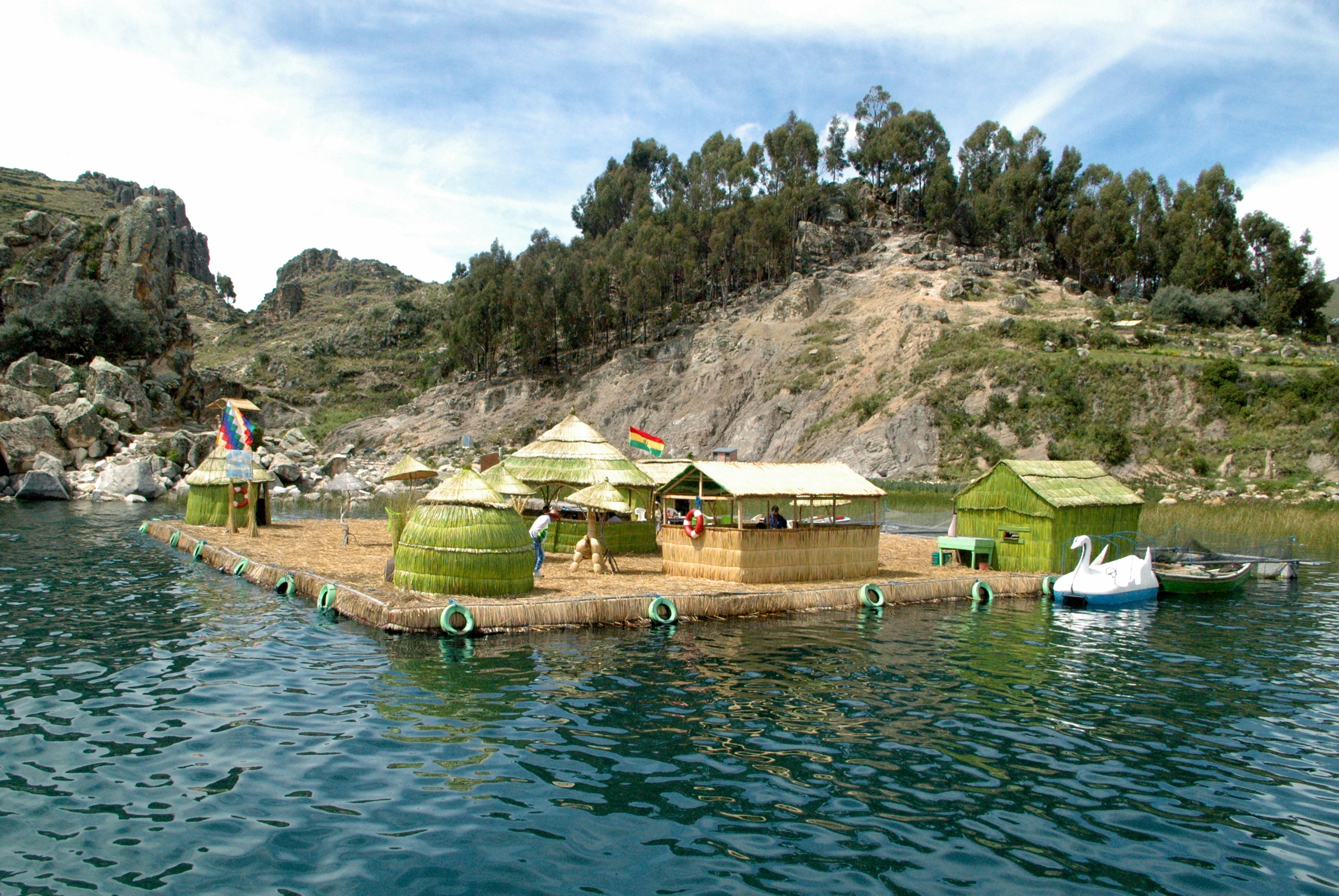


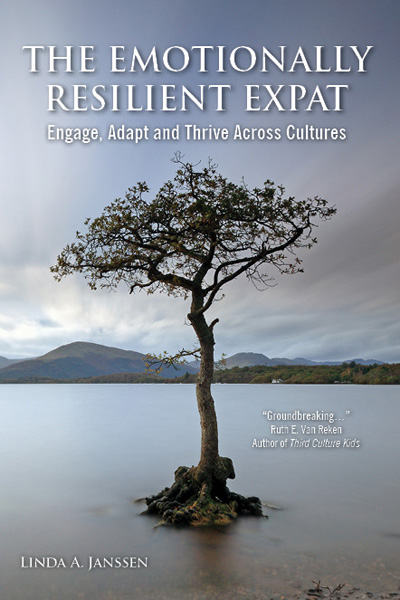

![The city of La Paz seen from the Devil's Molar [Muela del Diablo]](https://3rdculturechildren.com/wp-content/uploads/2013/08/dsc_00061.jpg)


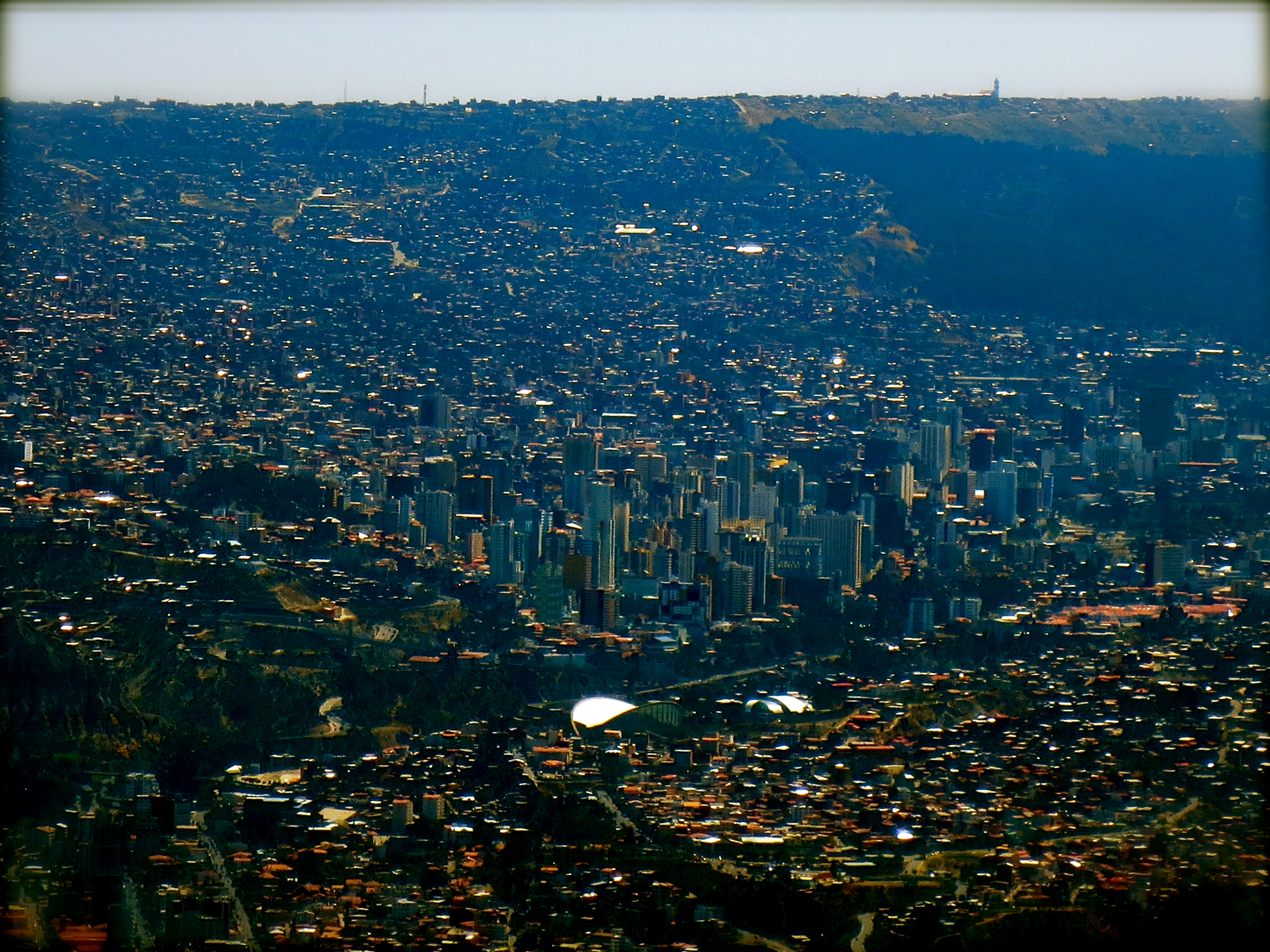


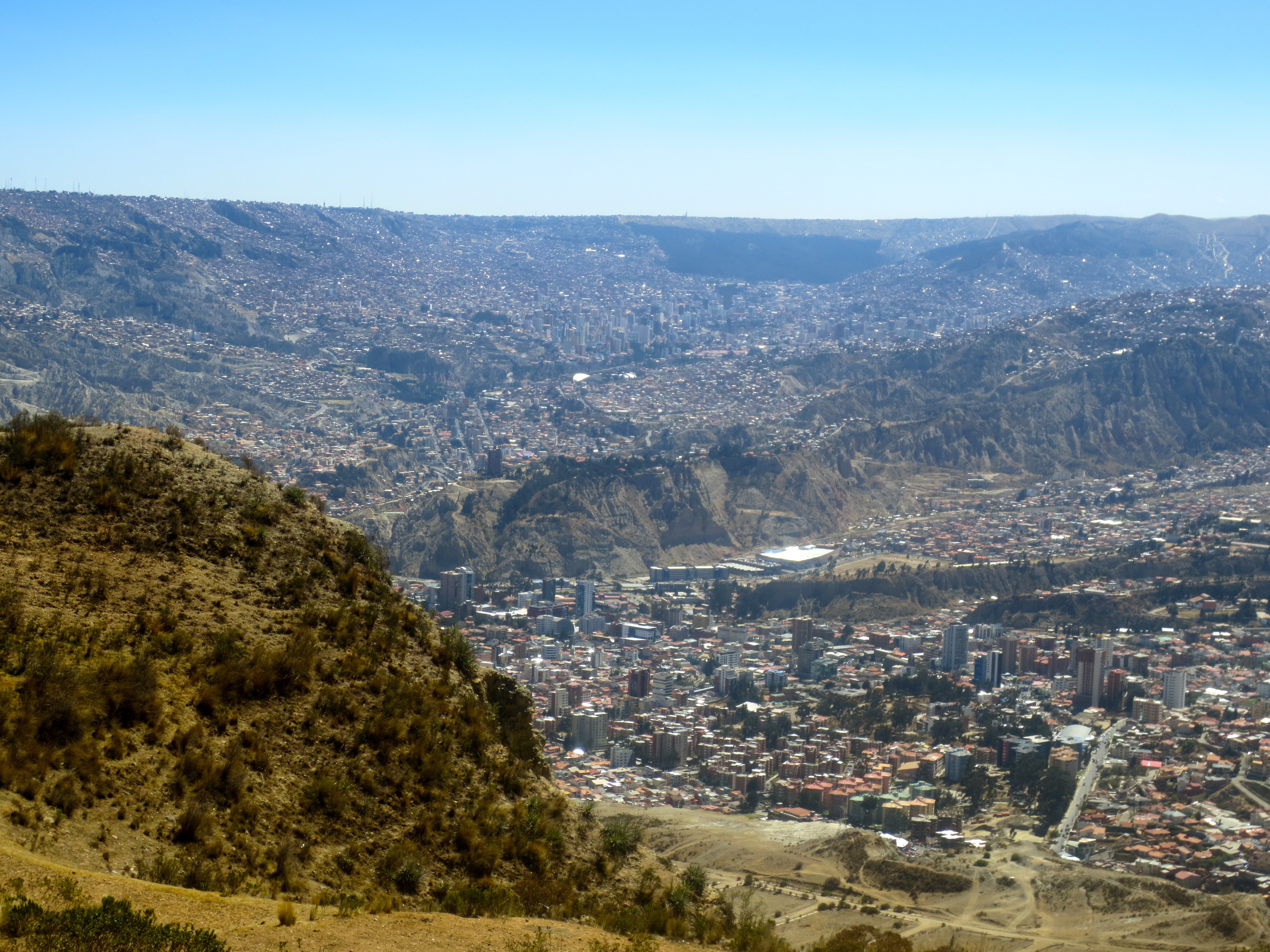


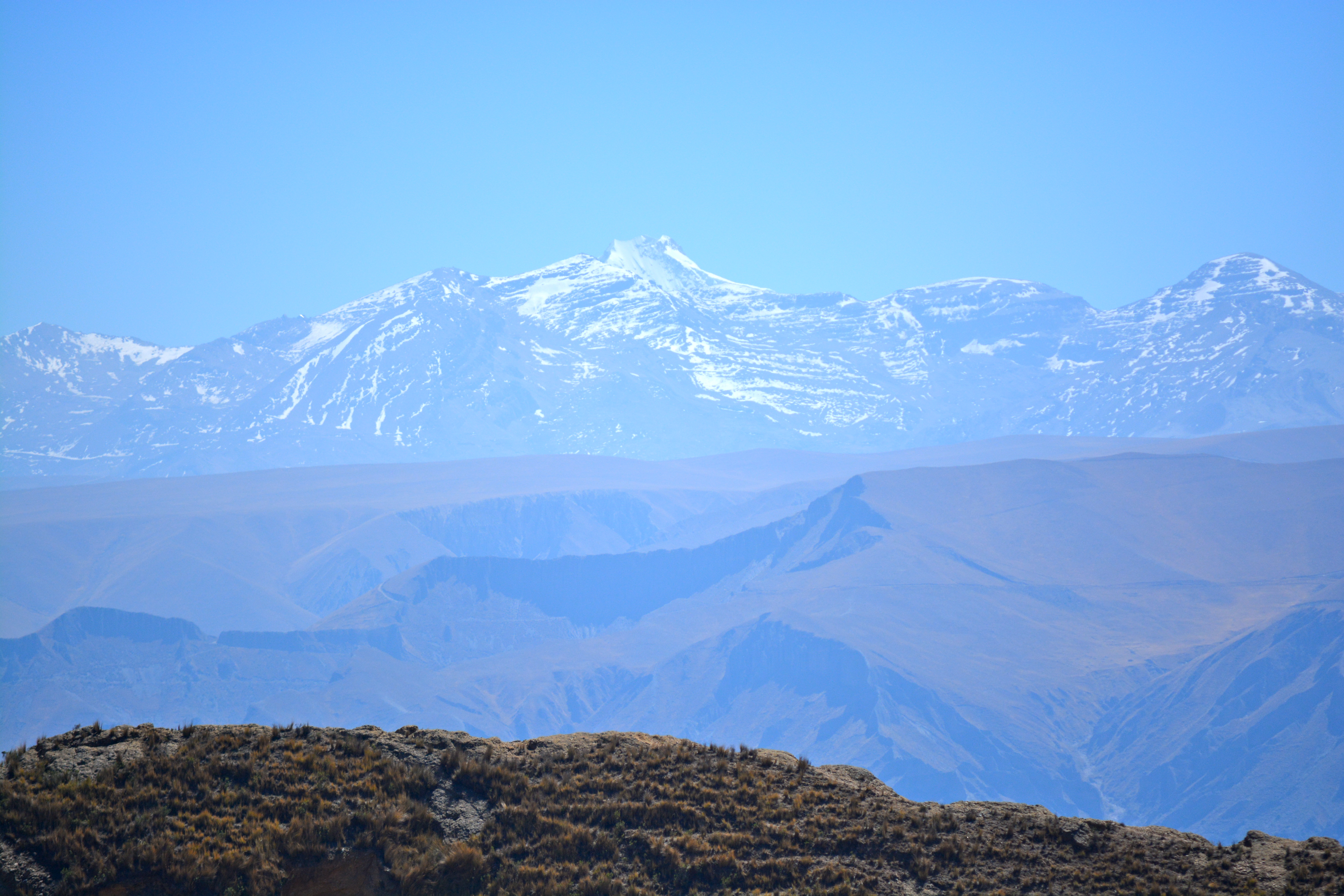


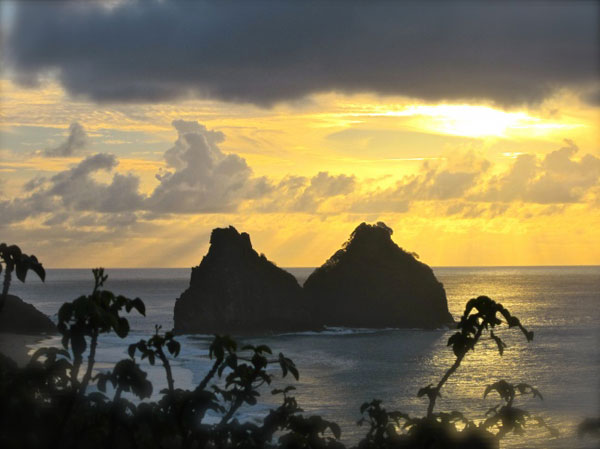


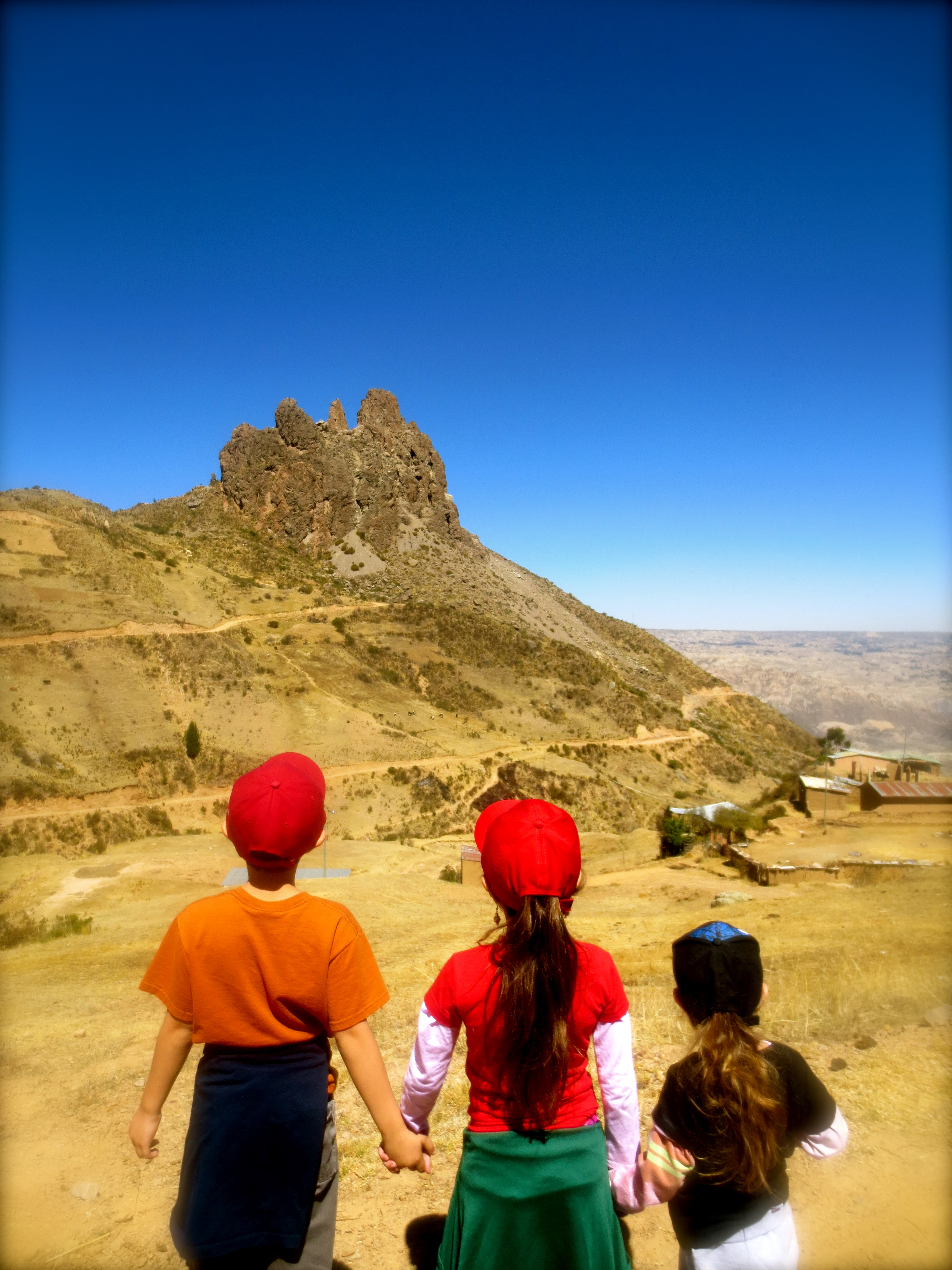




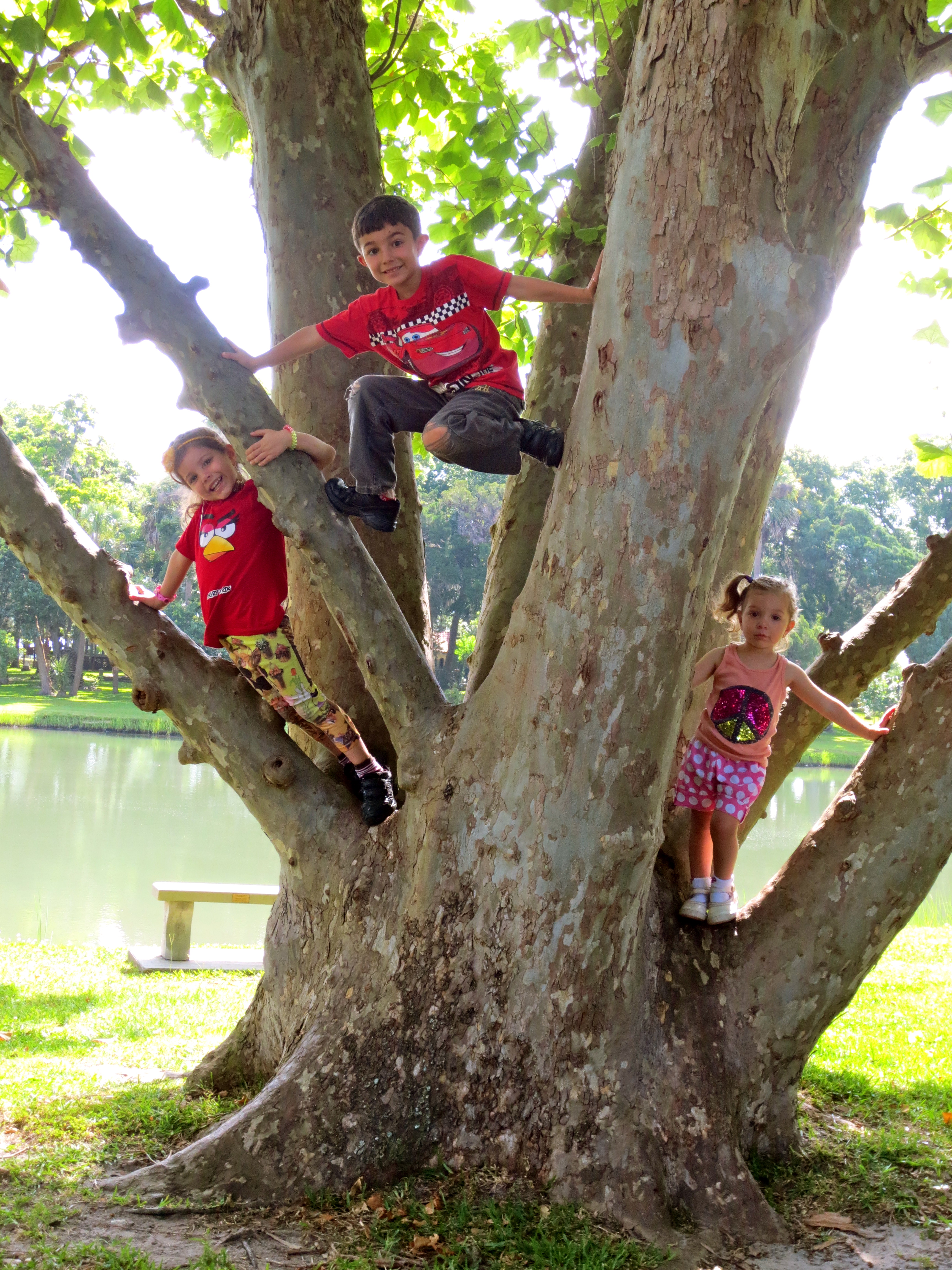
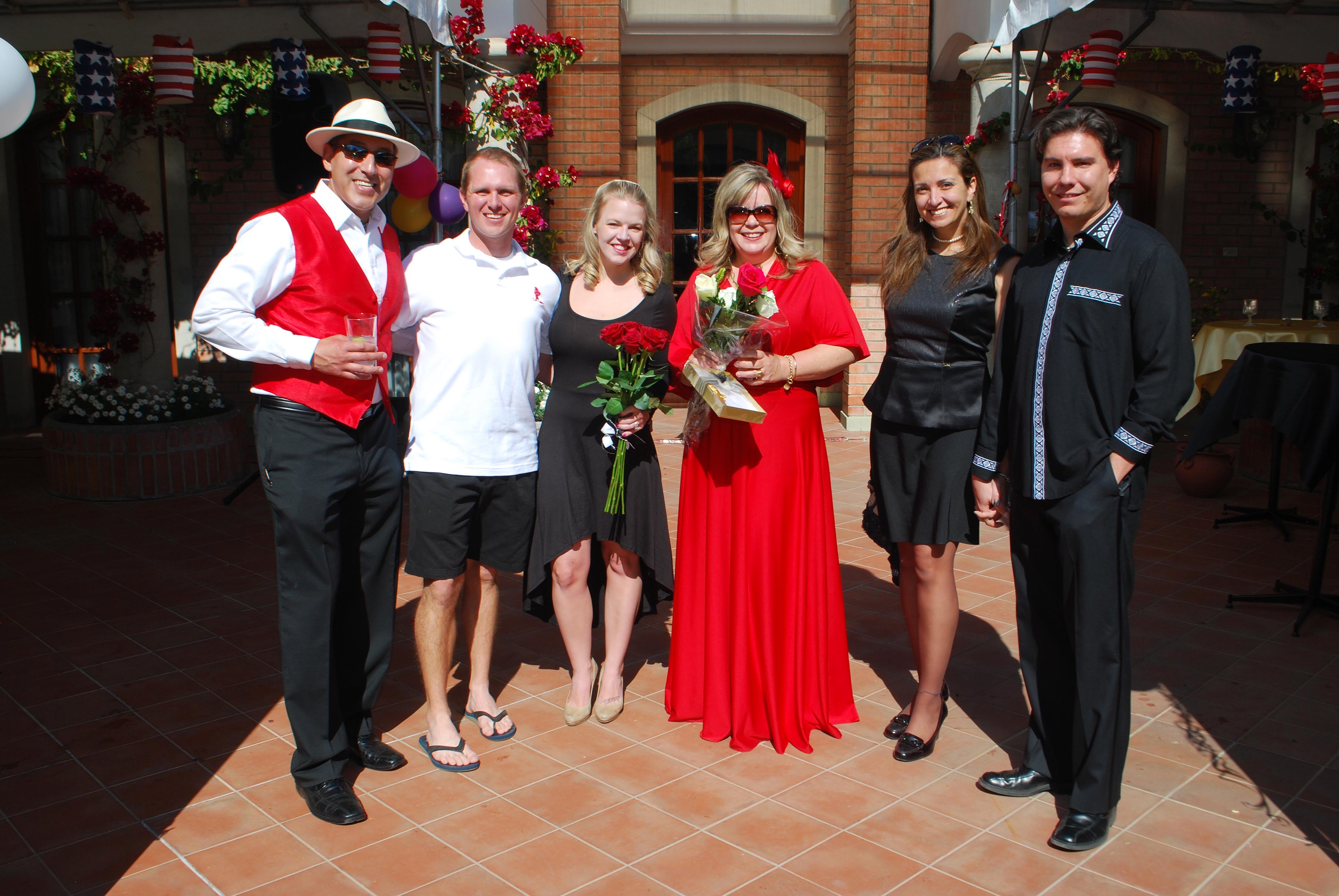


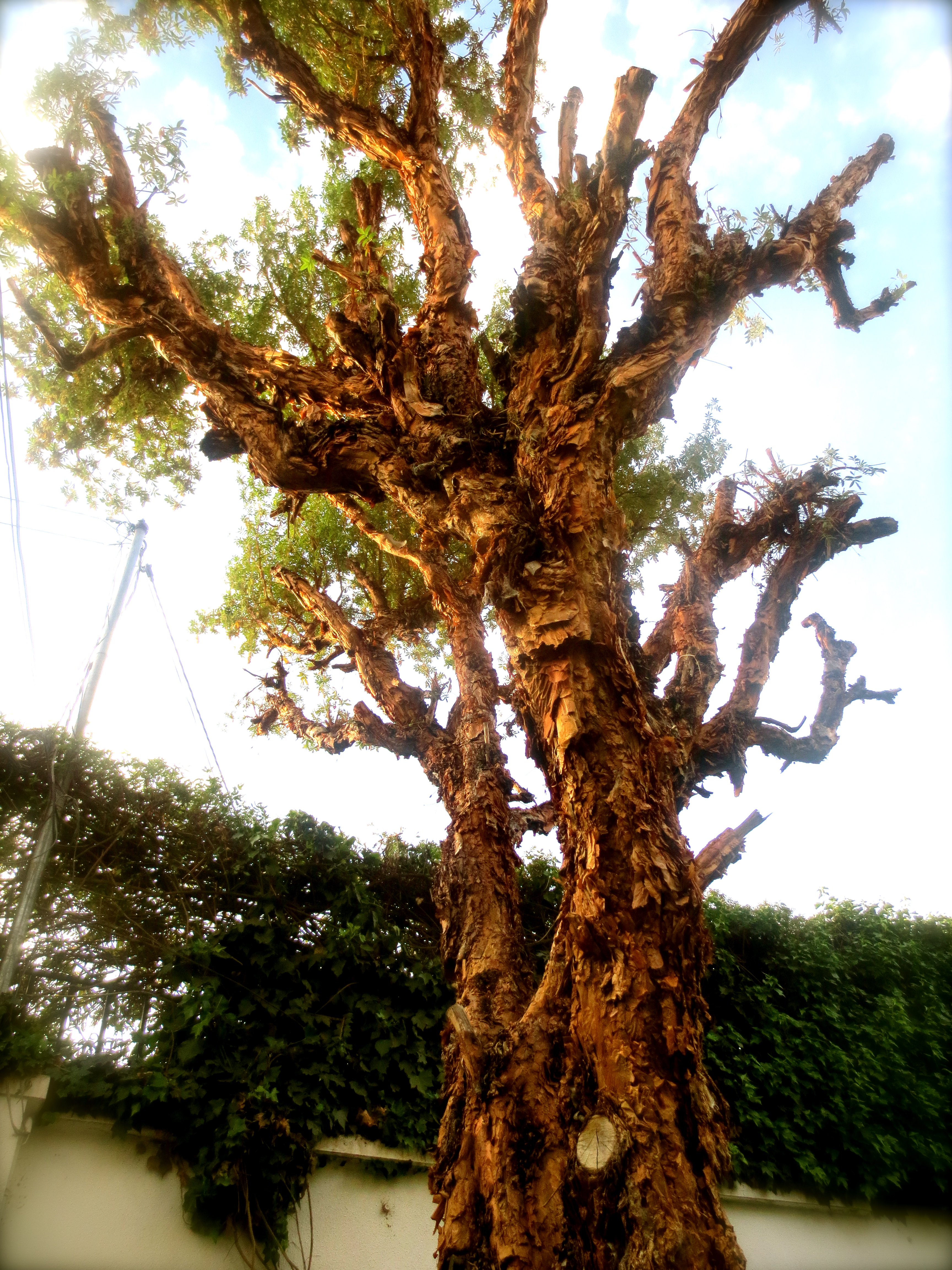


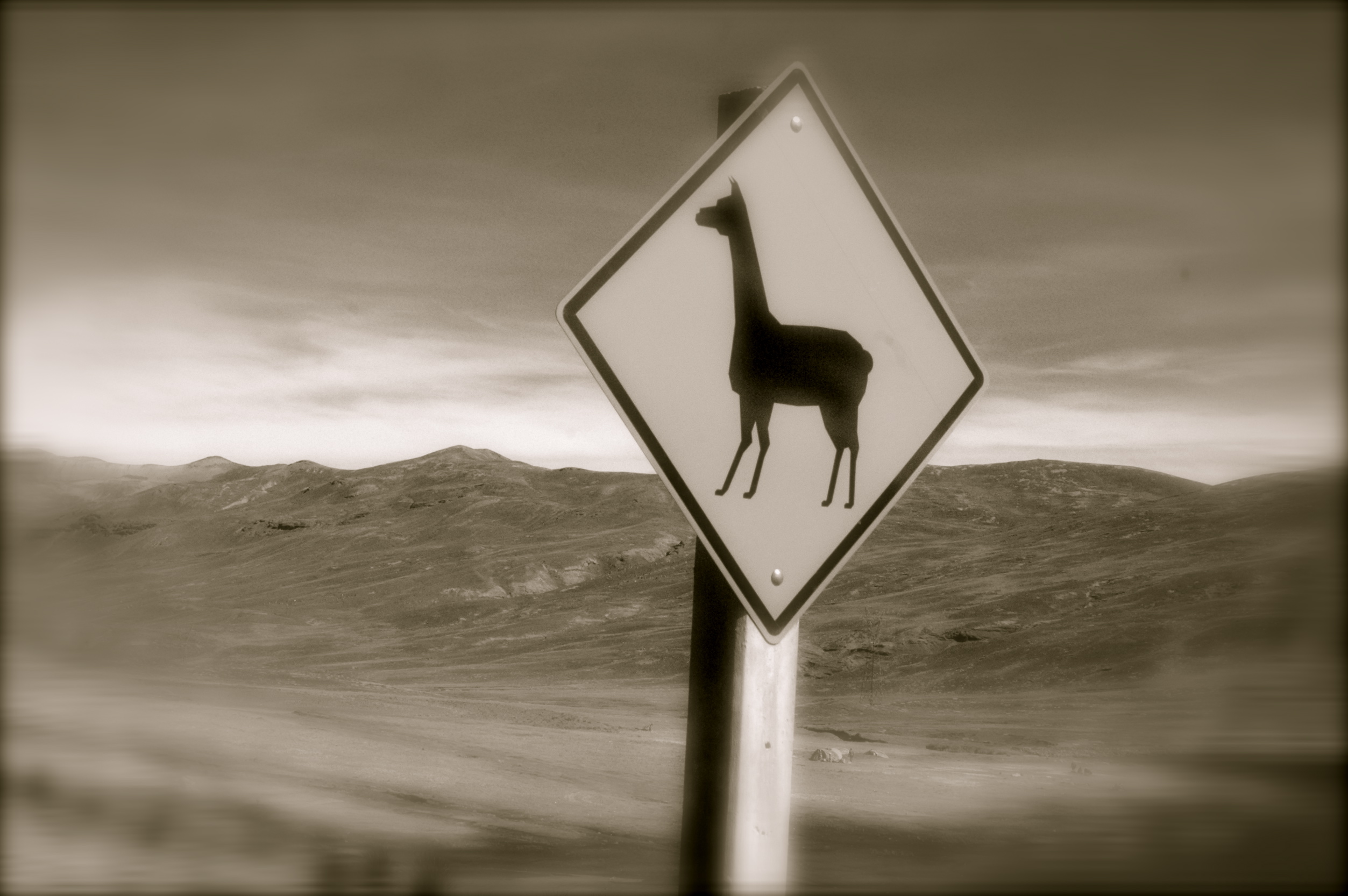
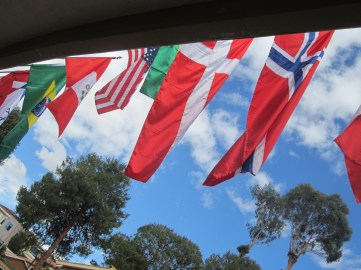


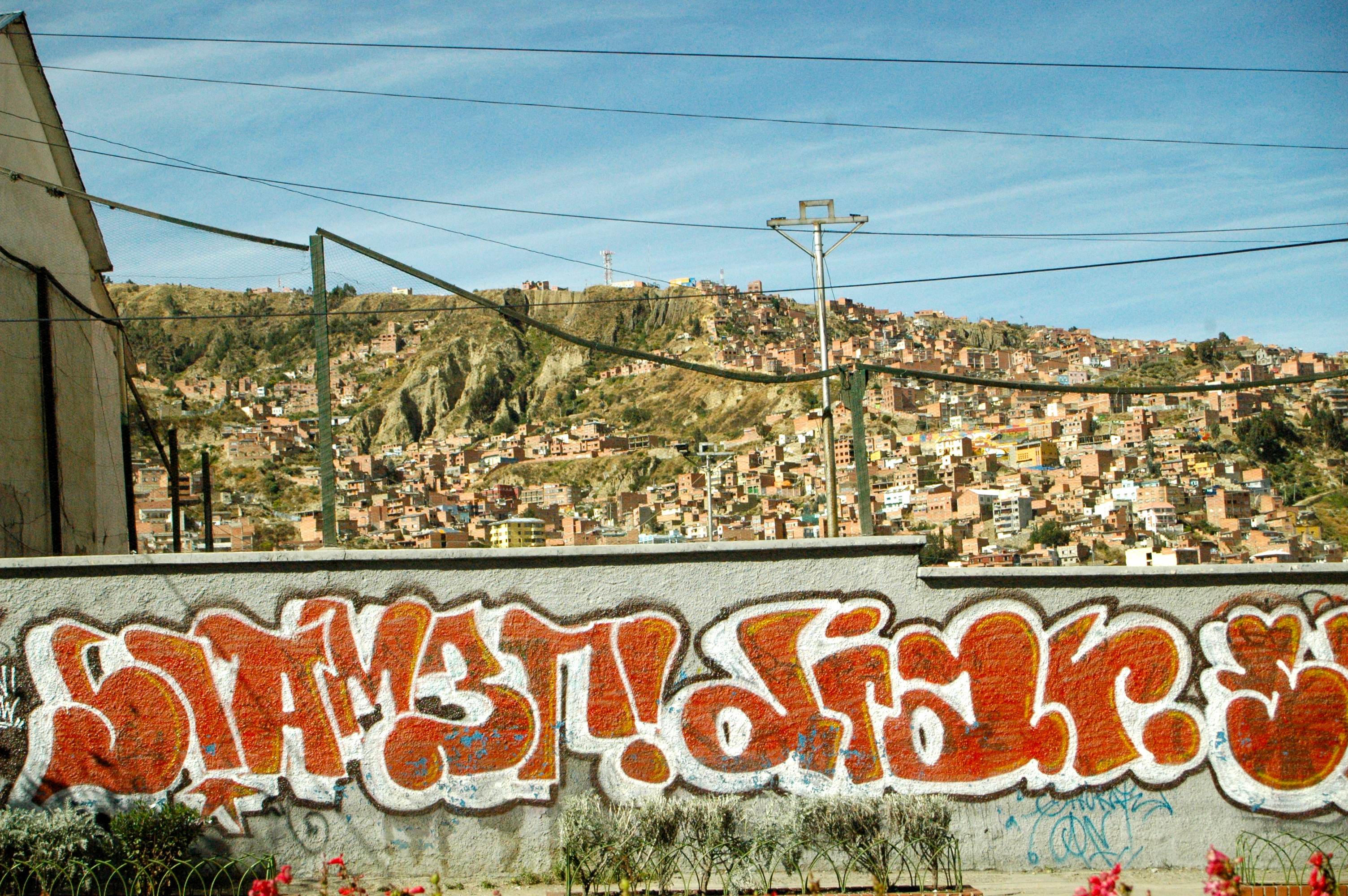


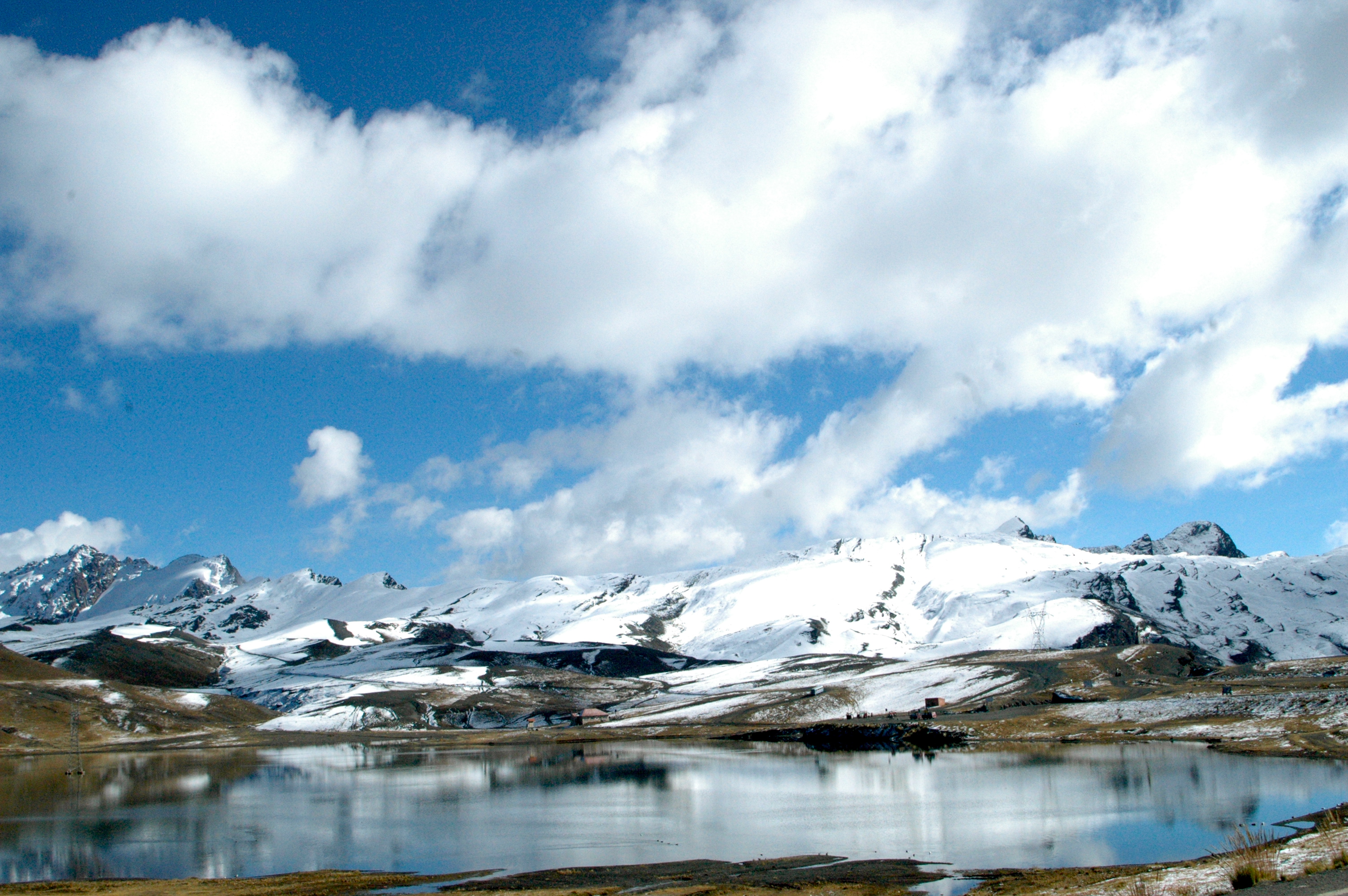
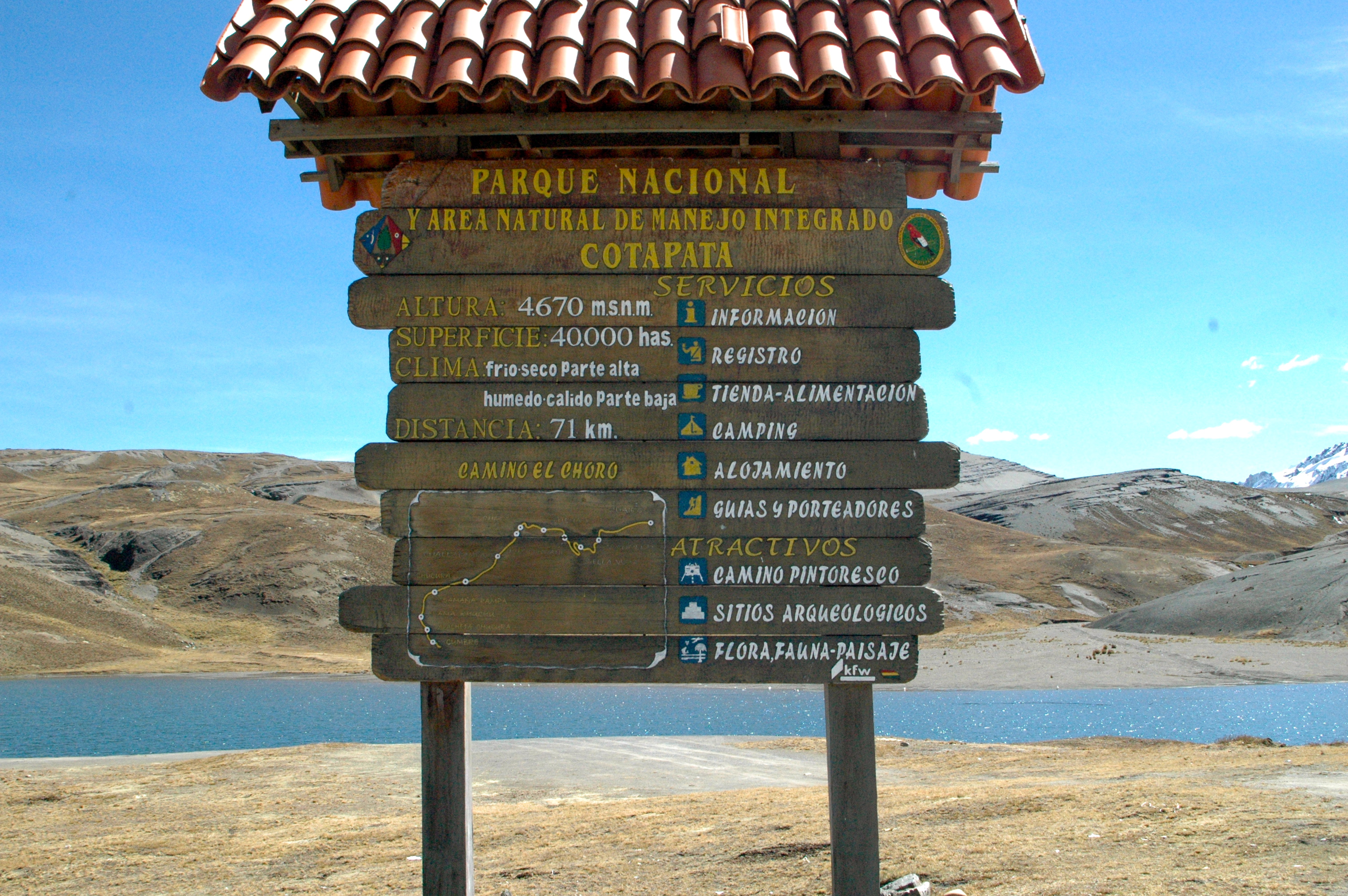

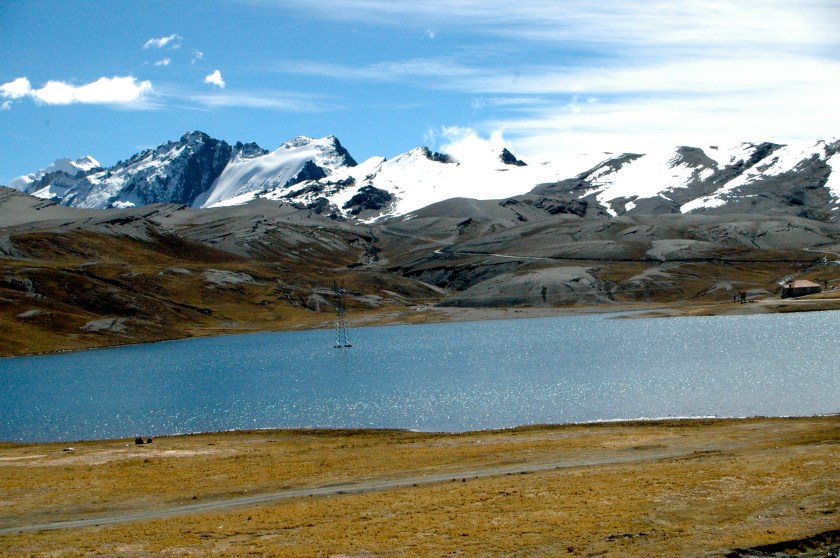
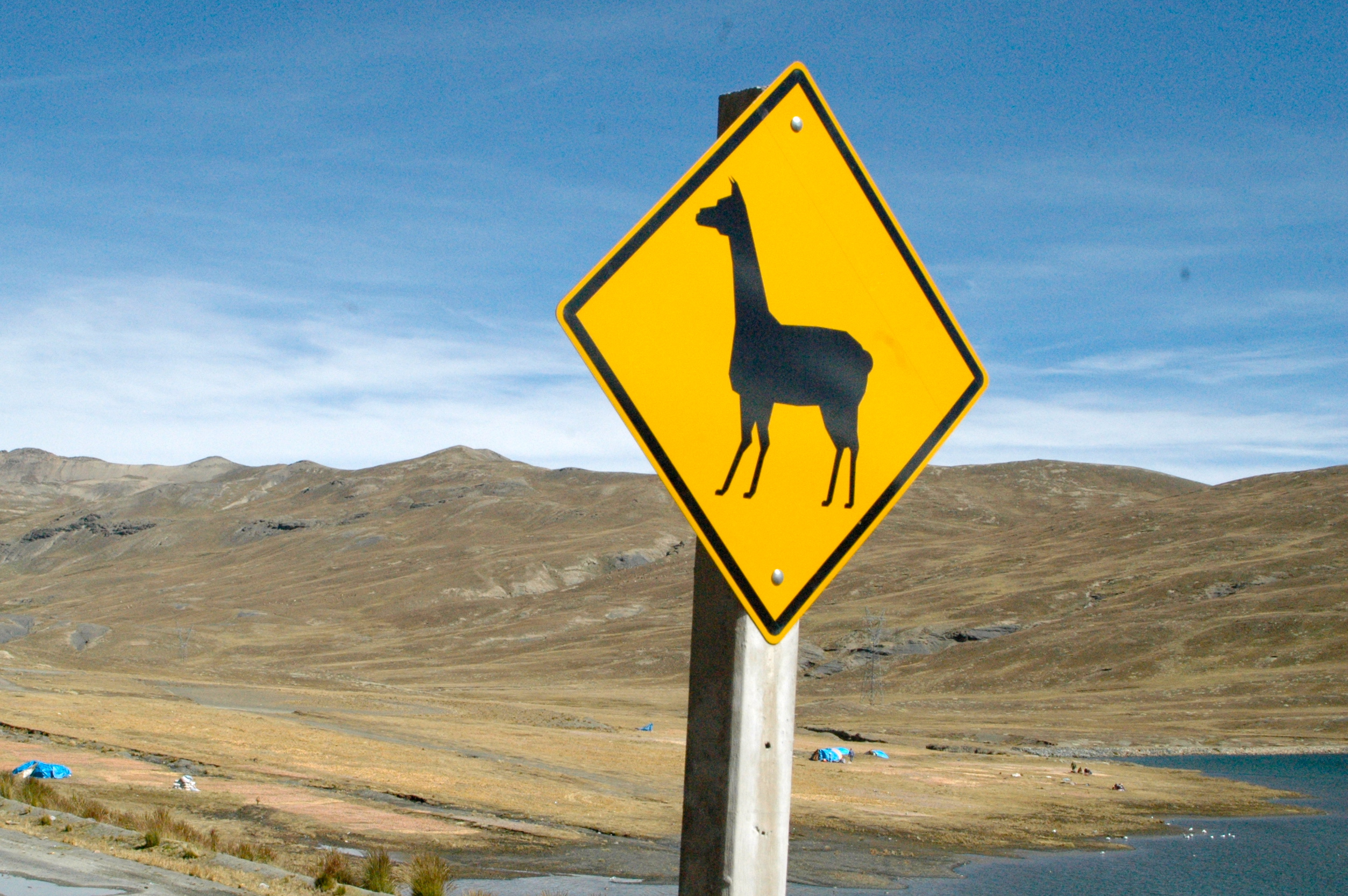


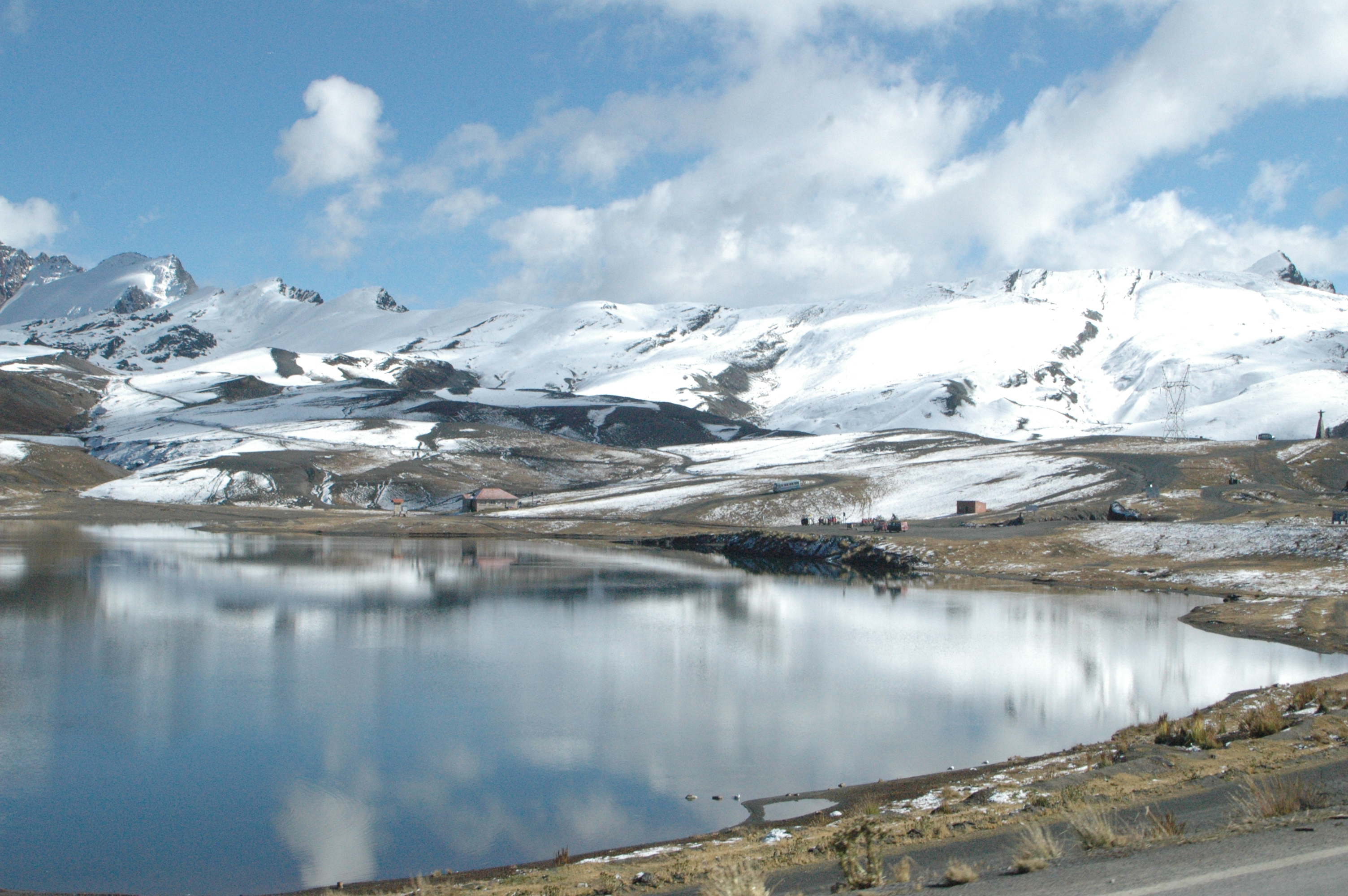
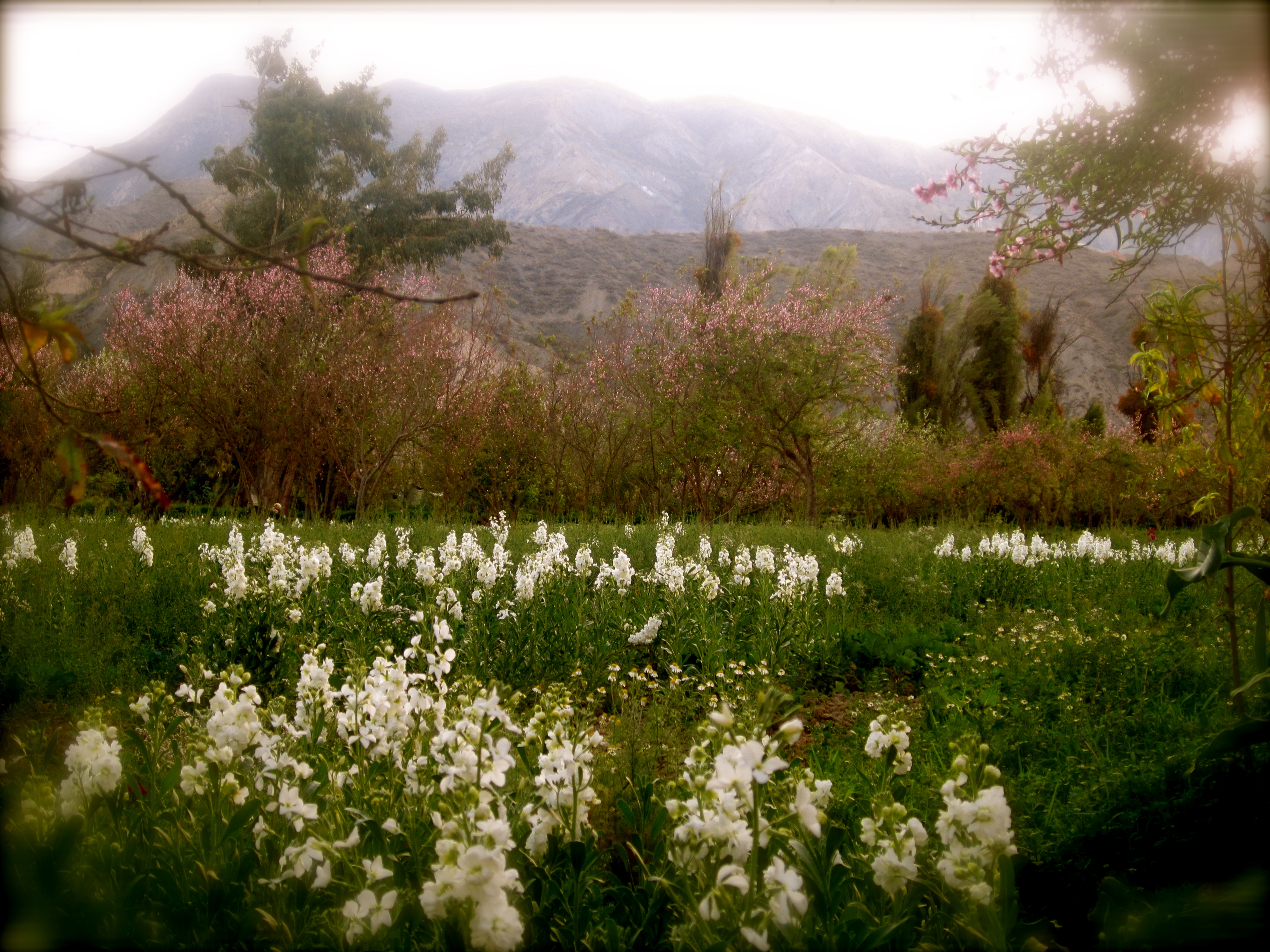

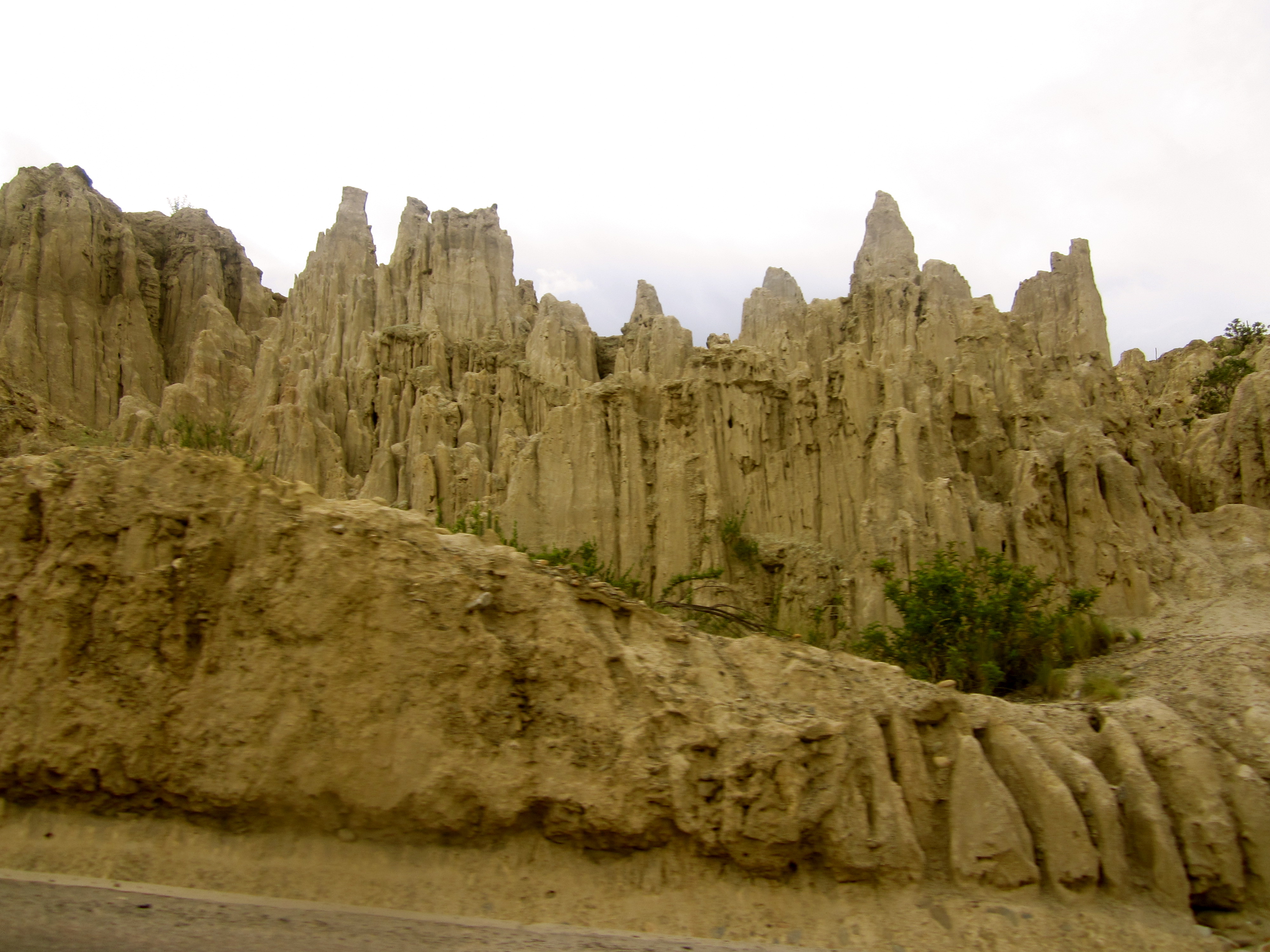
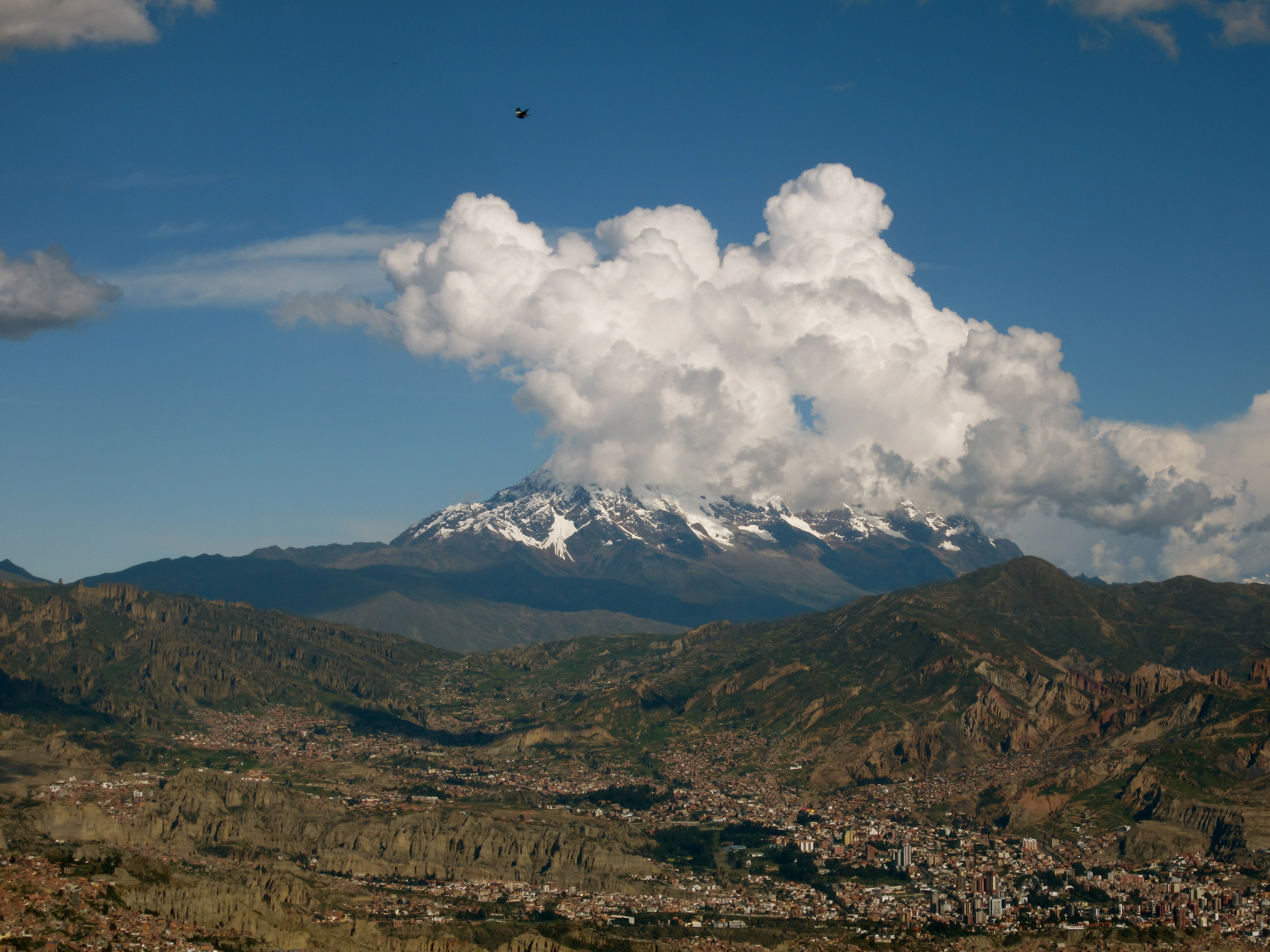


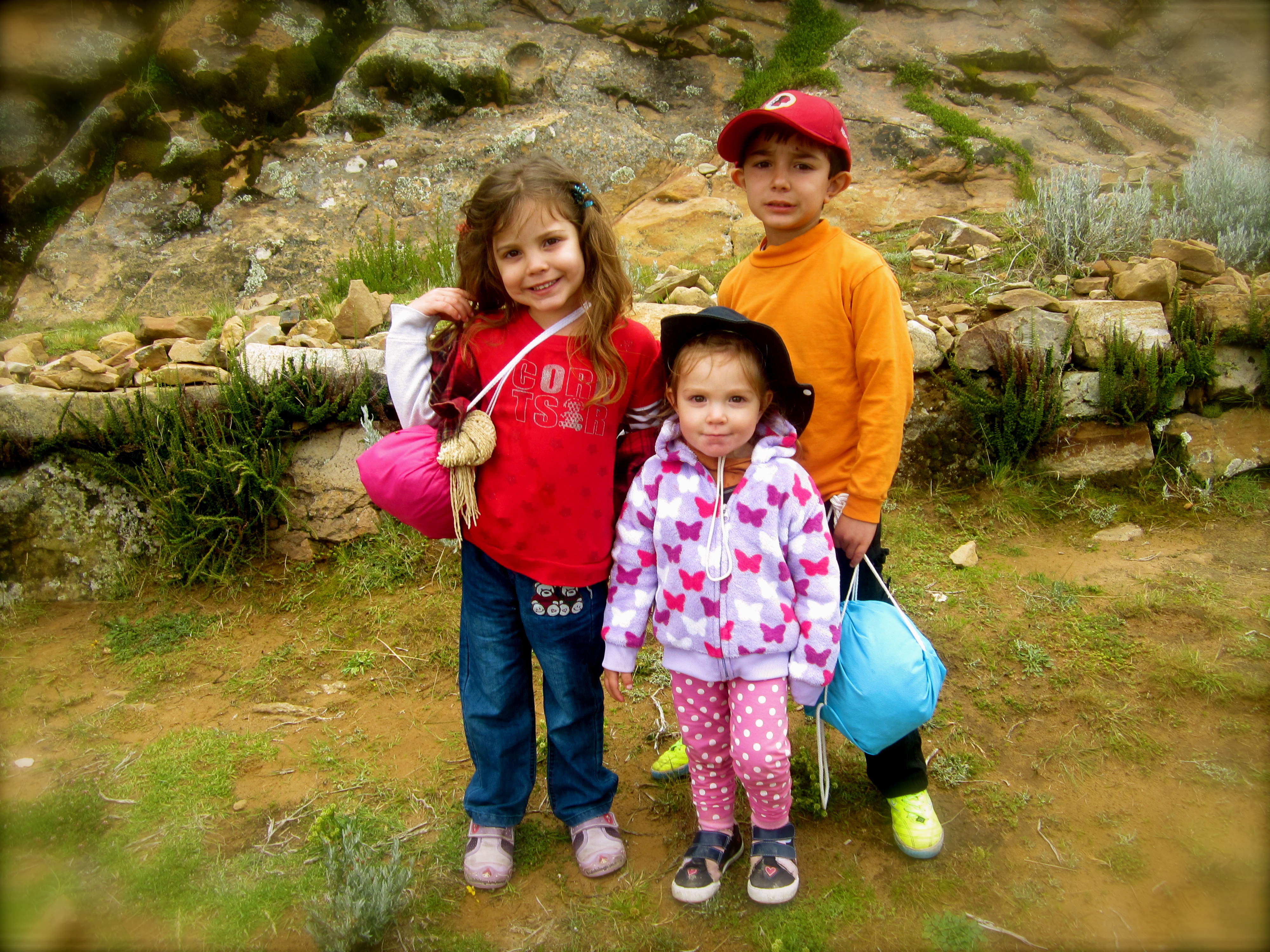


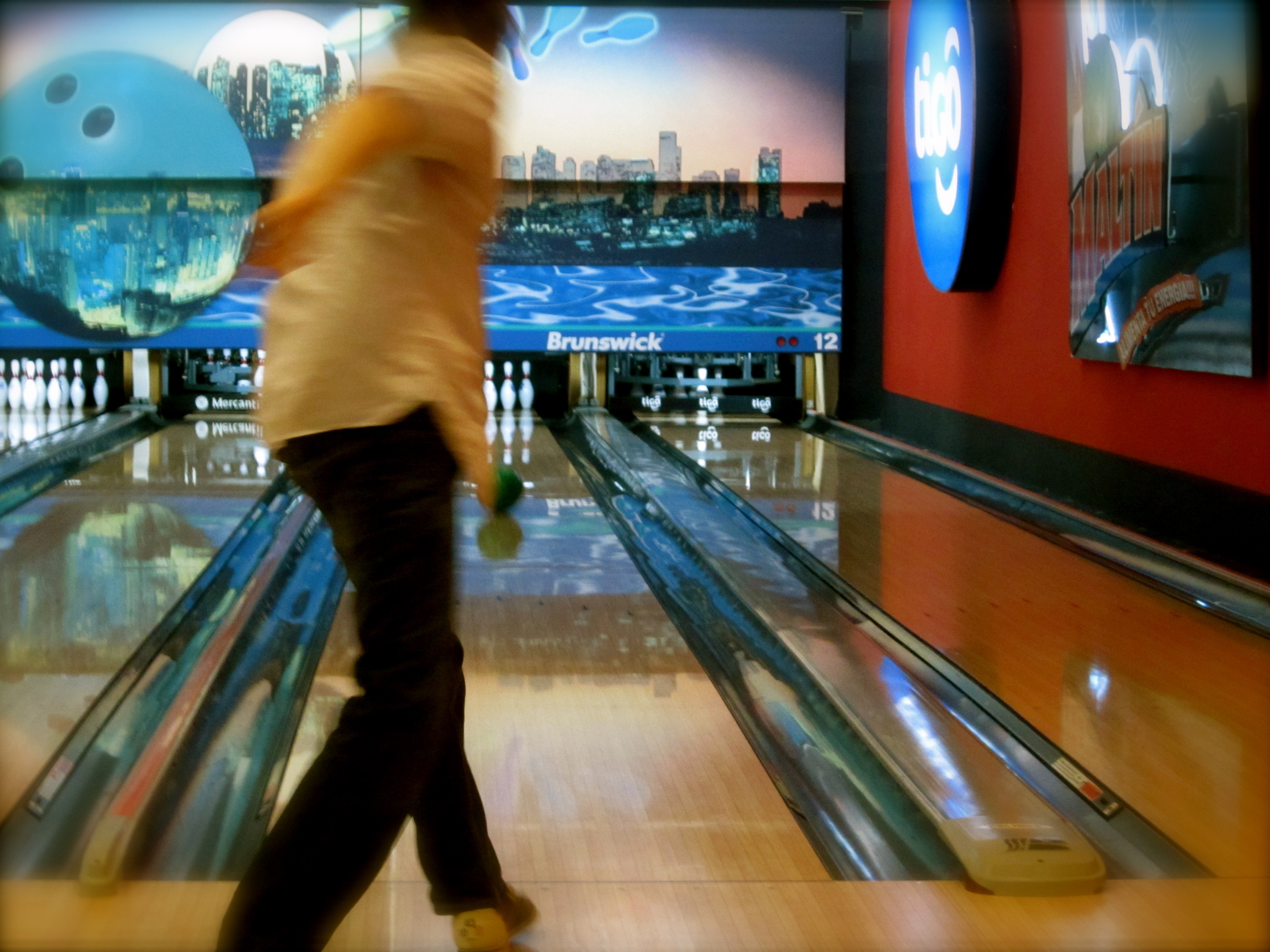
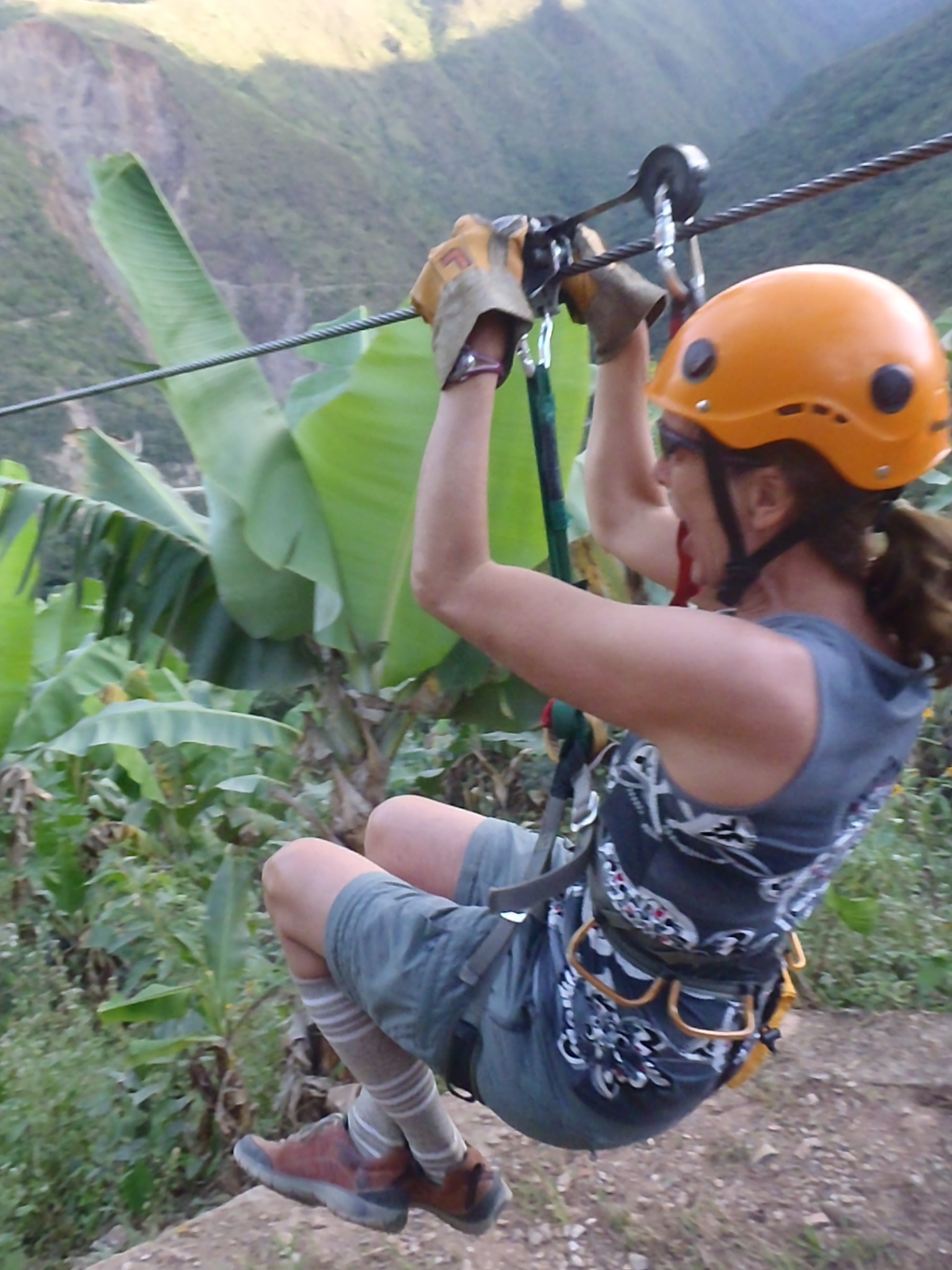
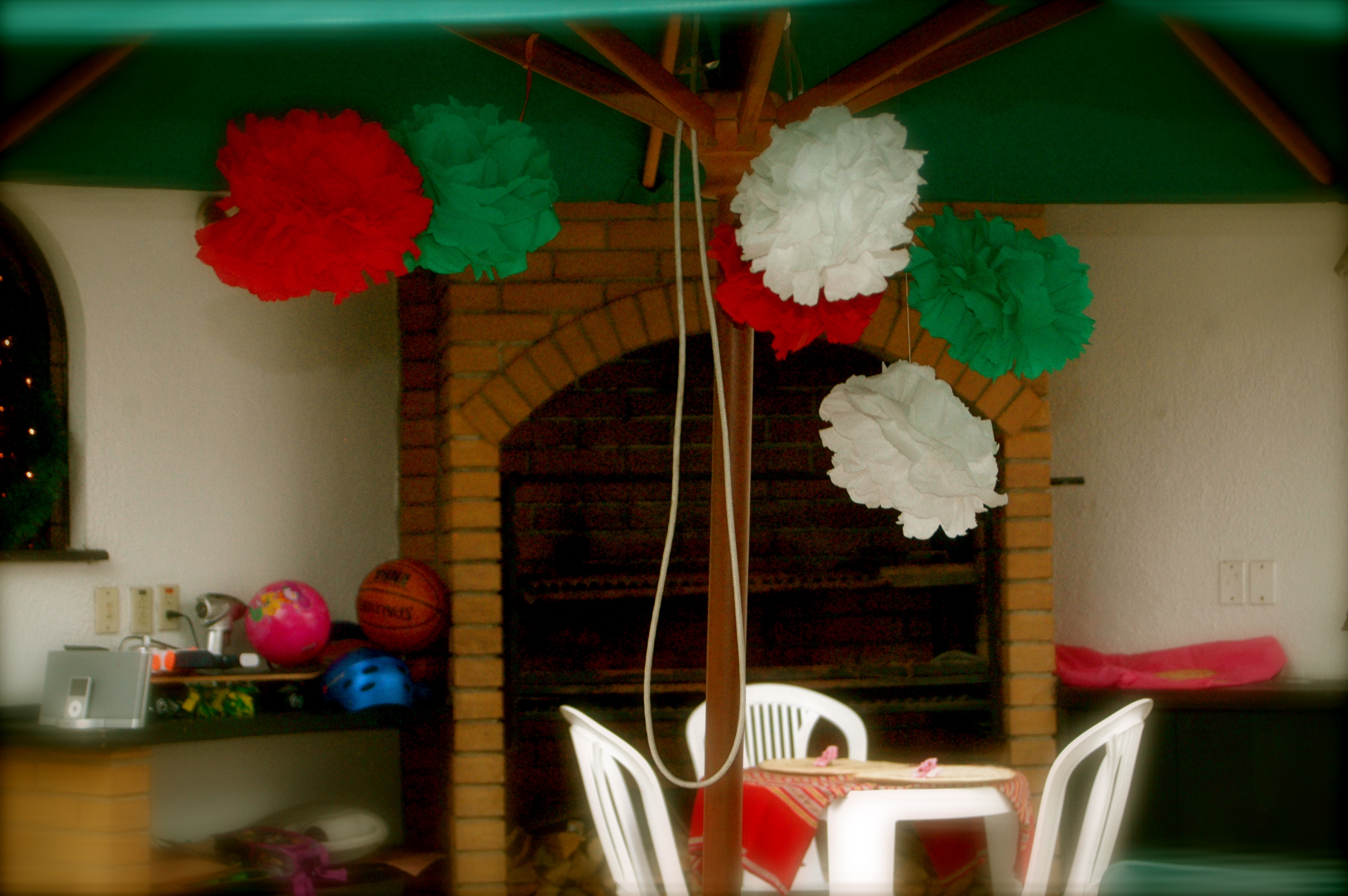
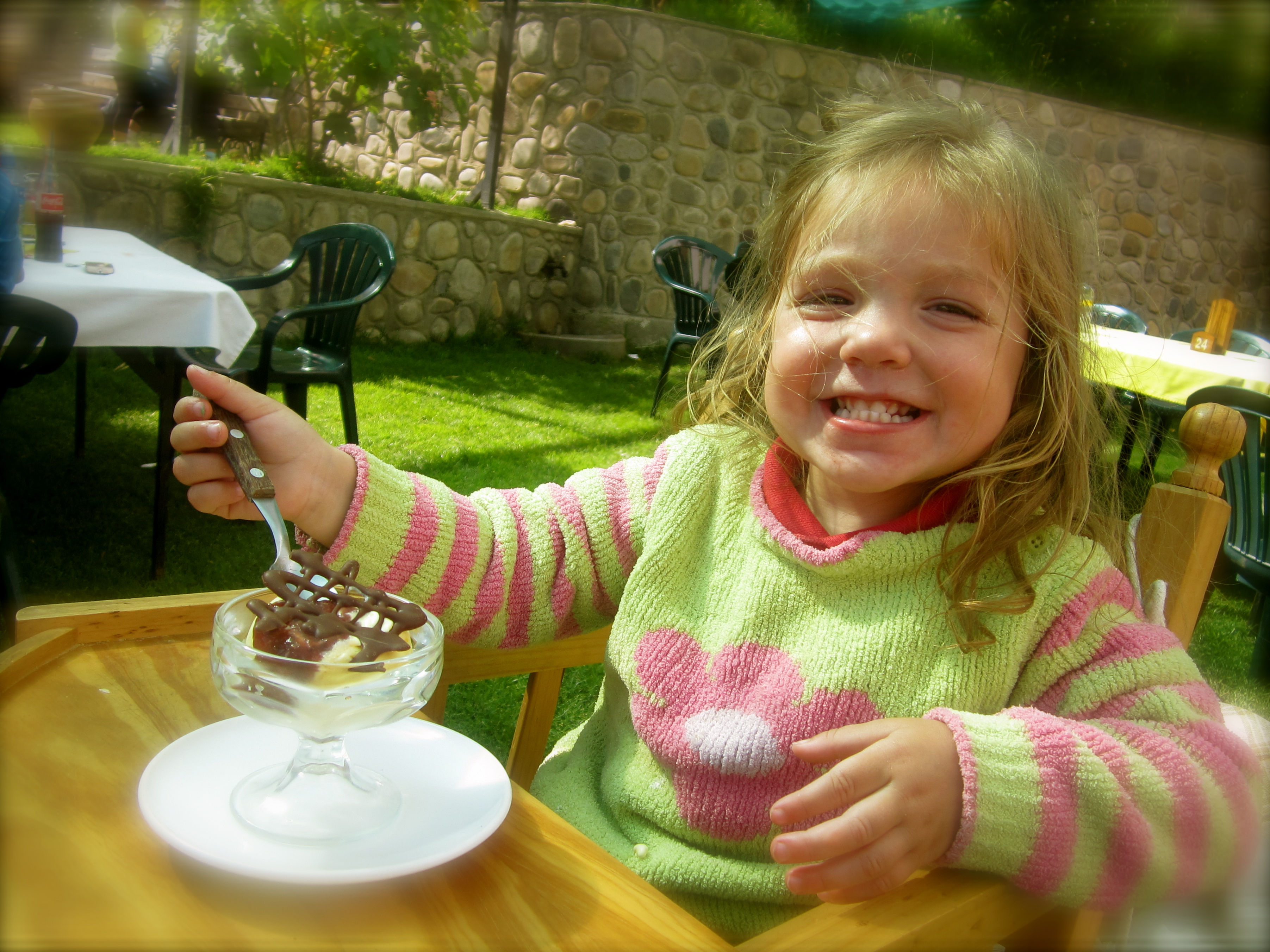


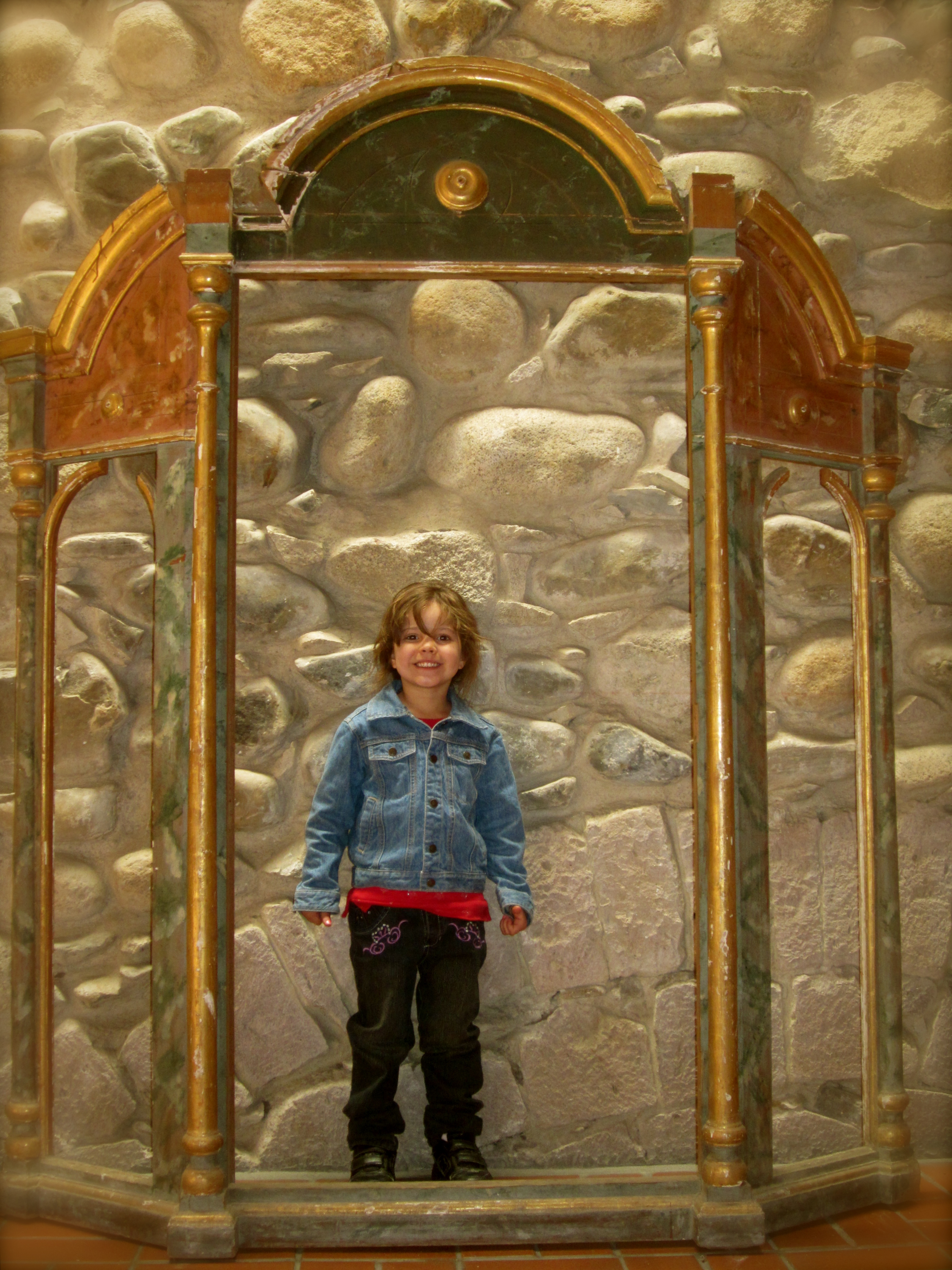


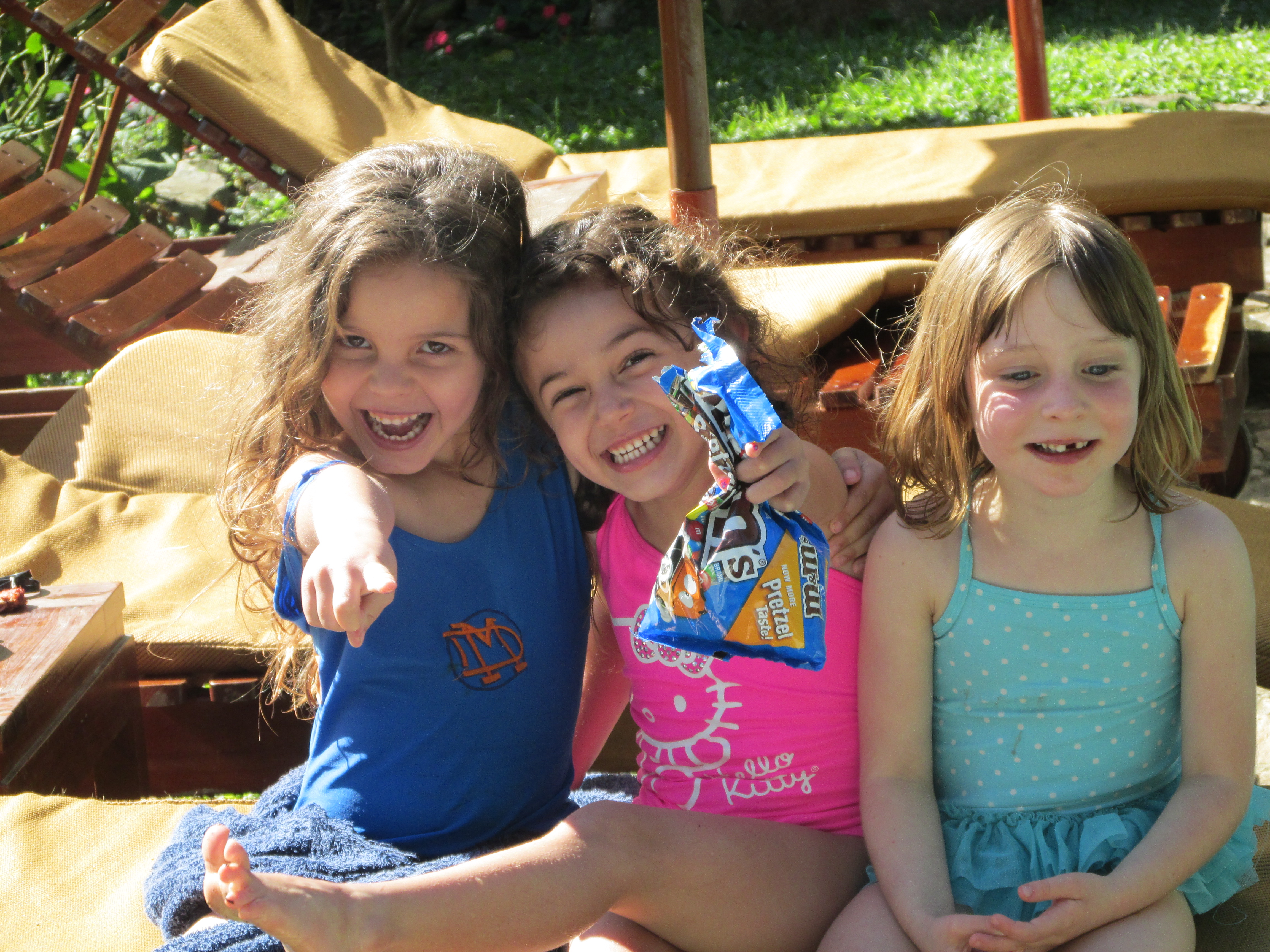


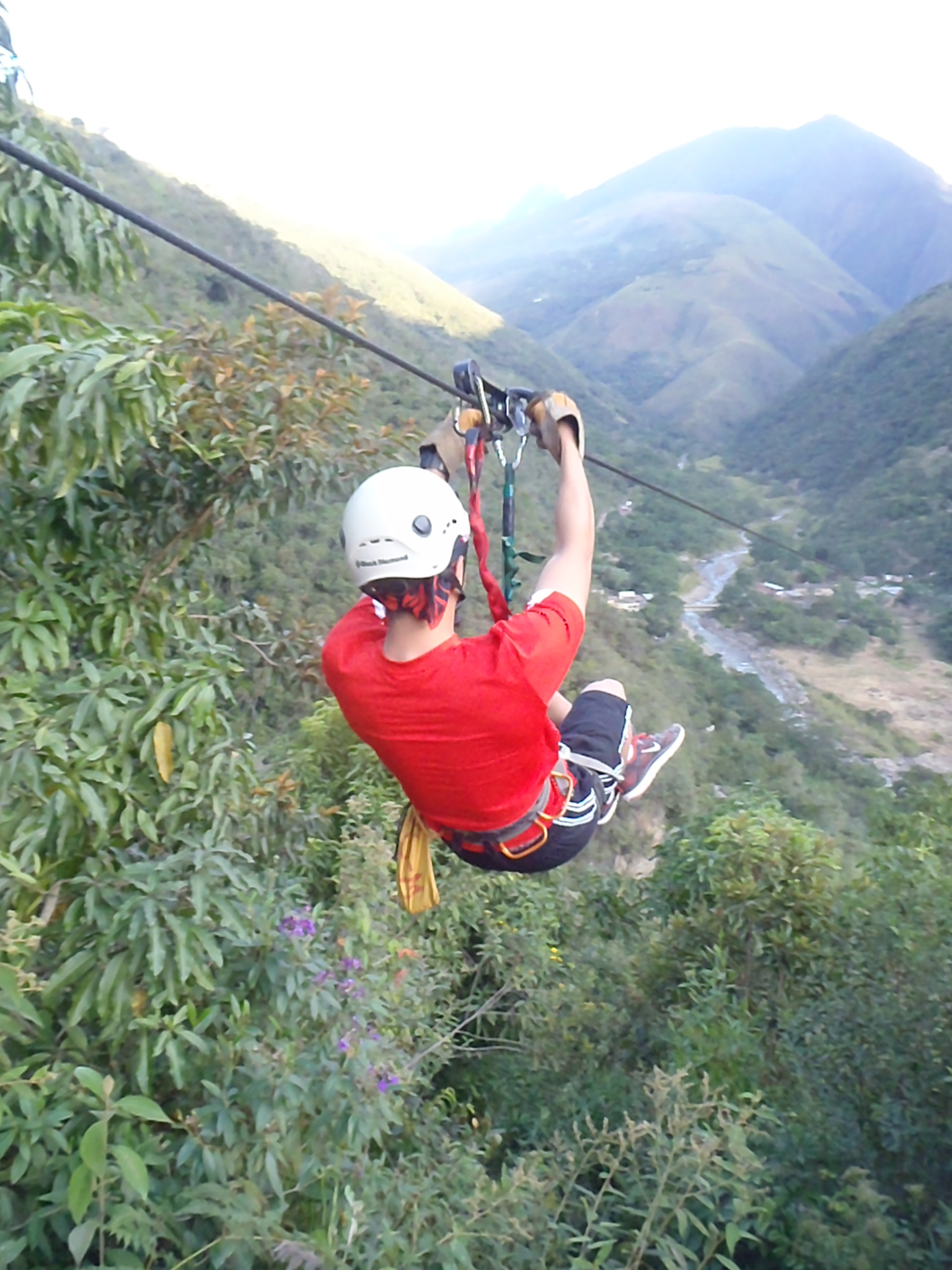


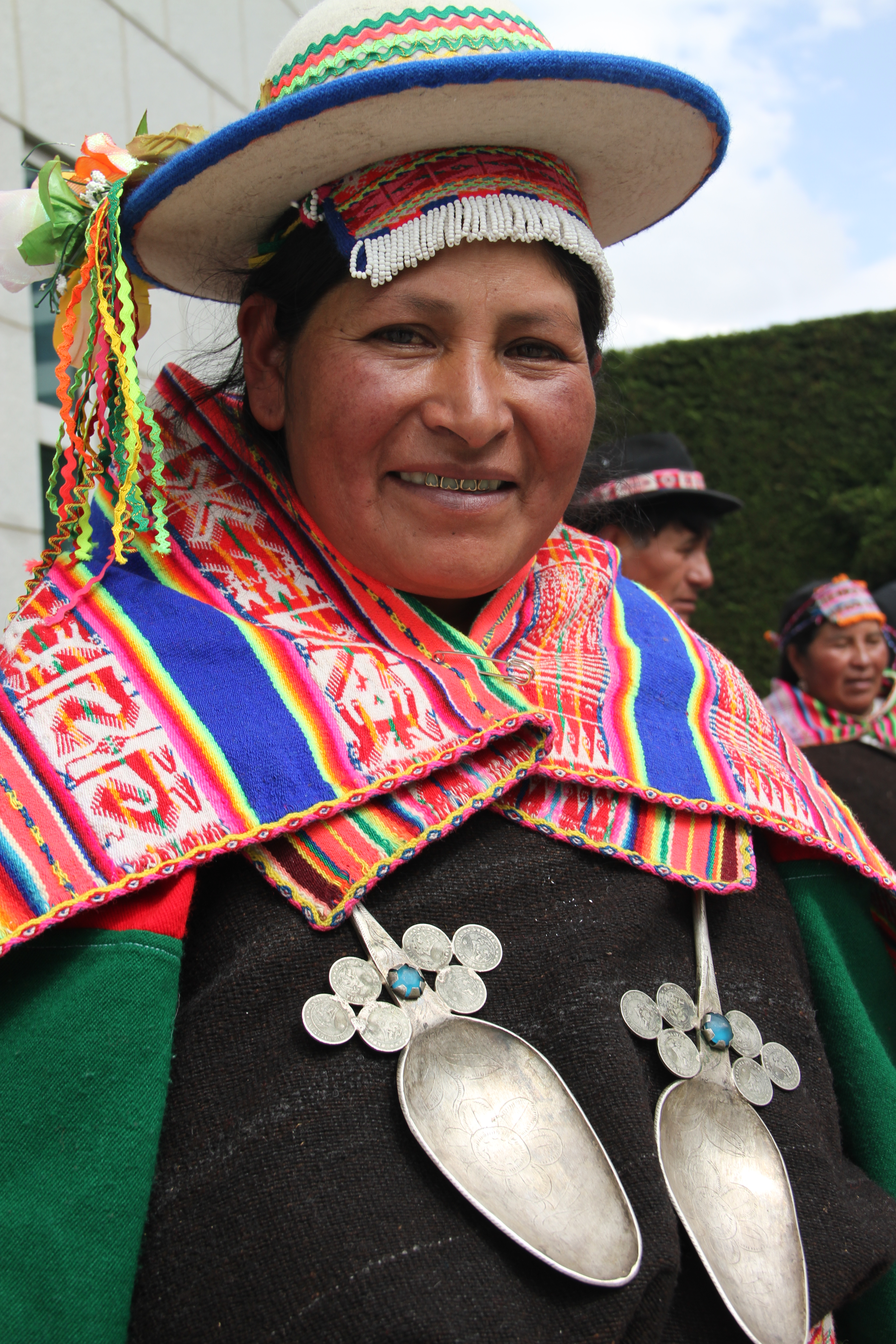



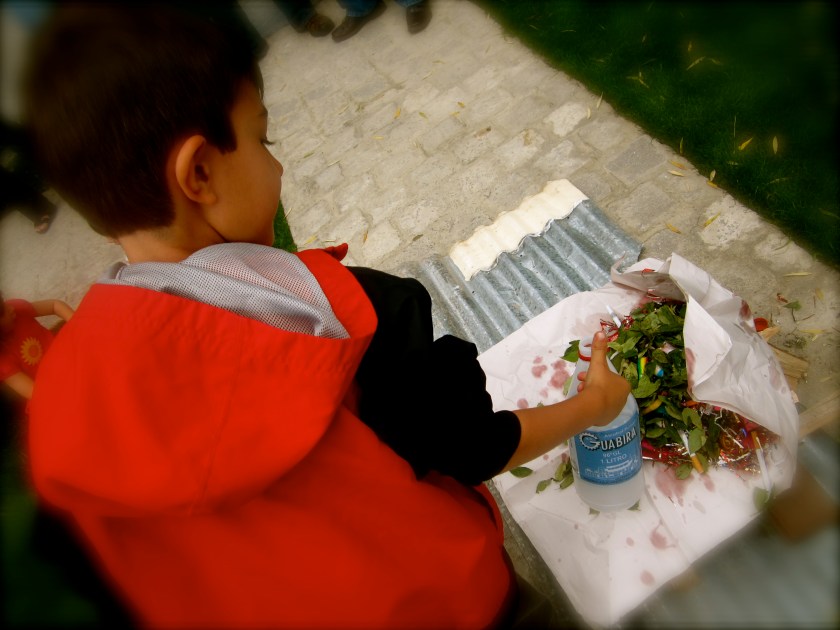
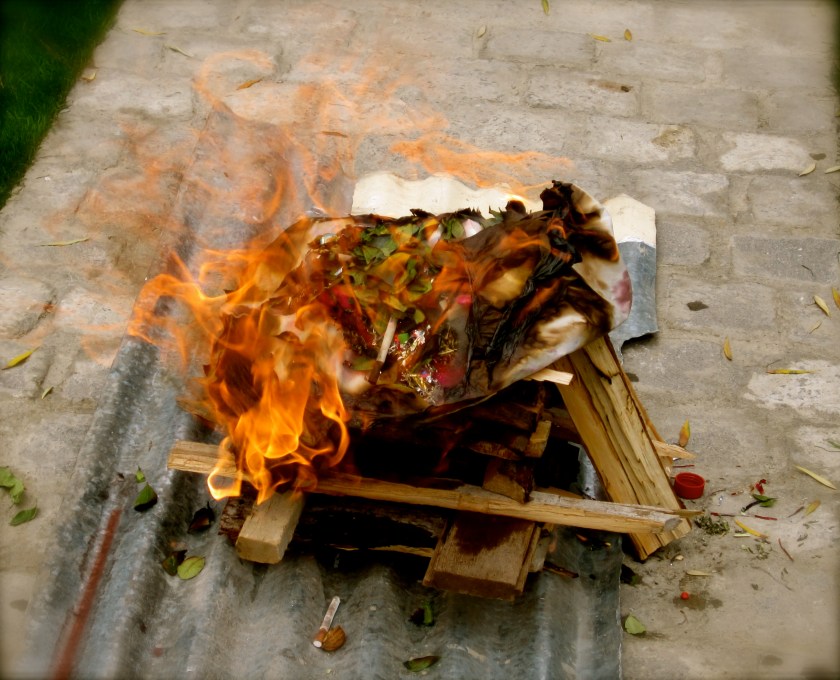


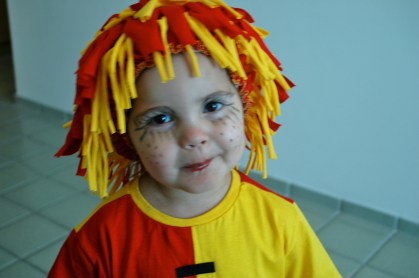
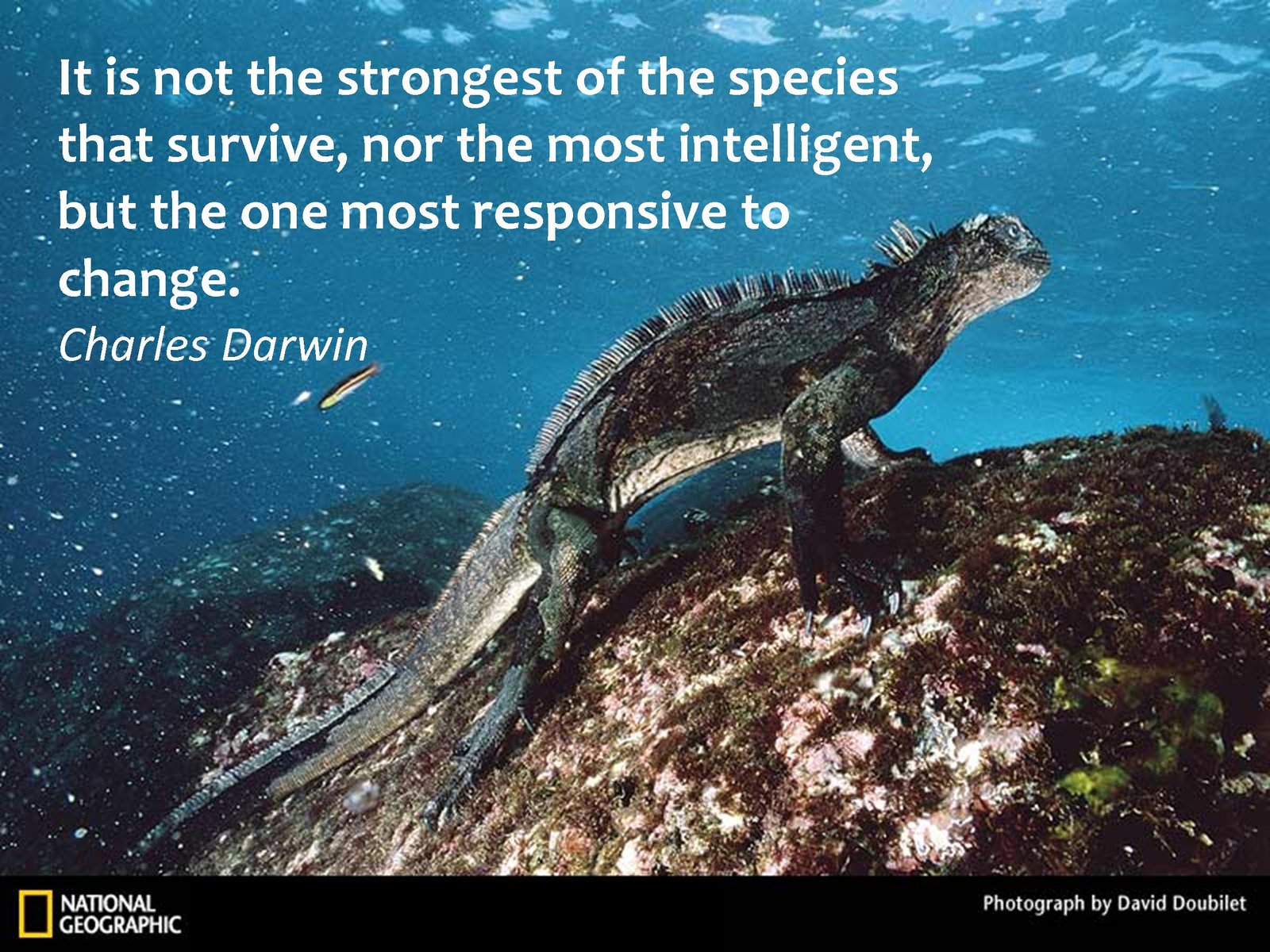





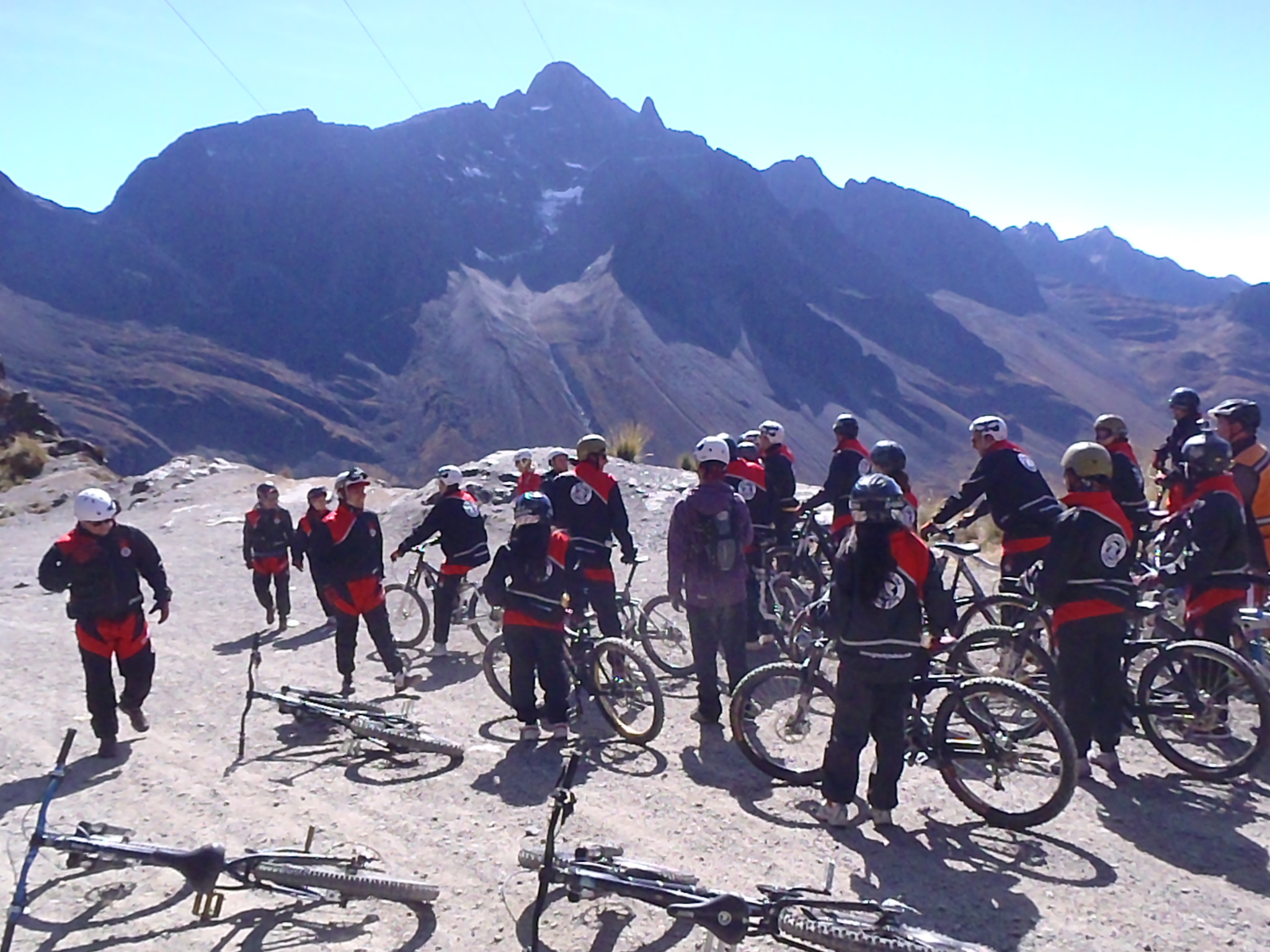

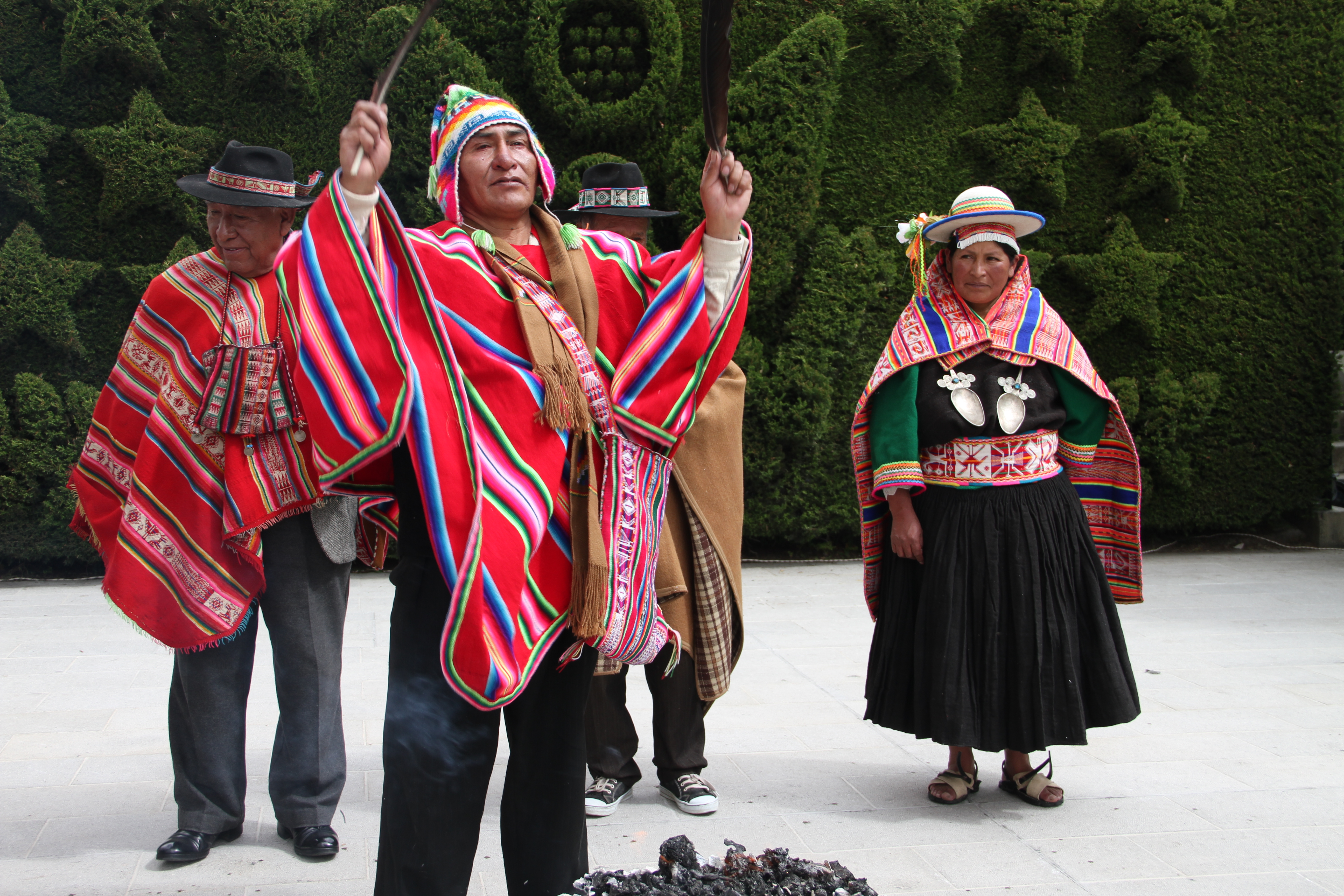
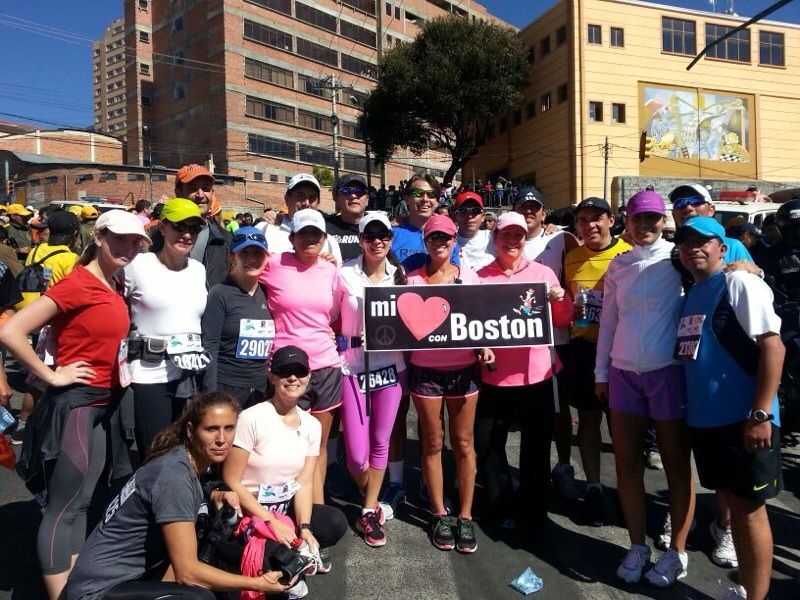


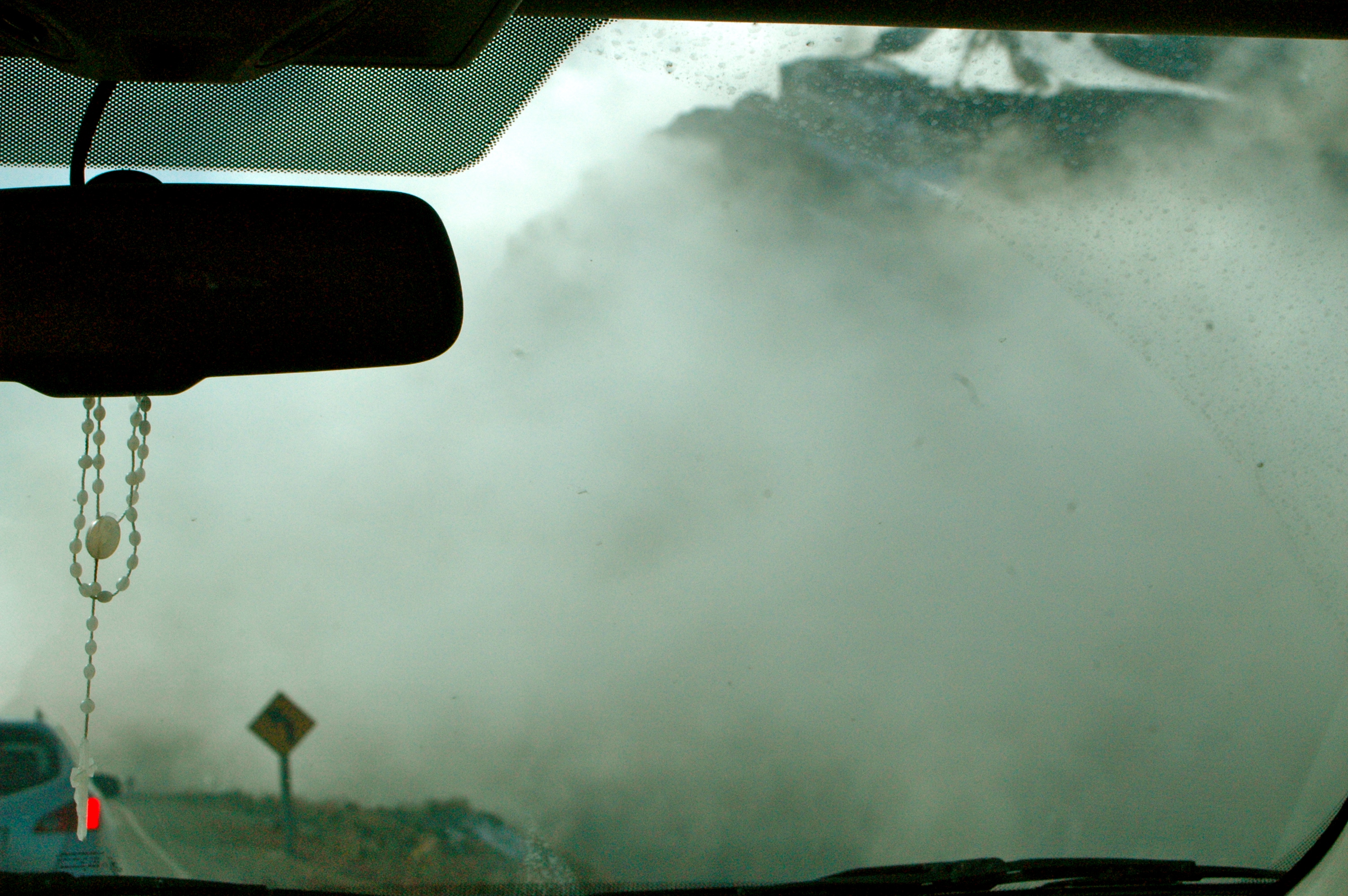
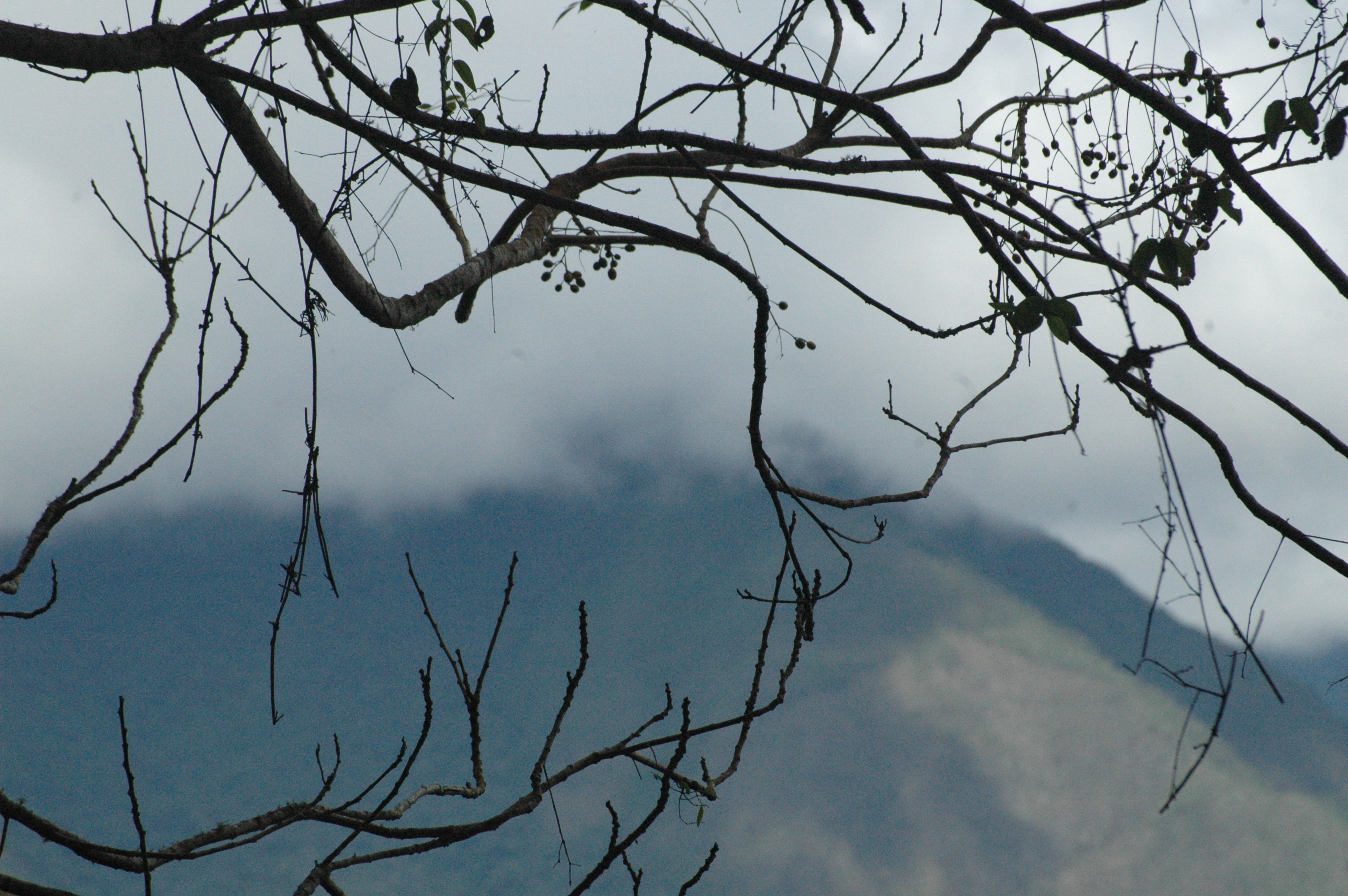
 3rdculturechildren