The Miranda Family arrived in La Paz in the beginning of august, 2012. assignment. Our familial “nucleus” is constituted of 2 adults, 2 kids (7 1/2 and 5 1/2 yrs-old) and a 2 1/2 year-old toddler. ,Being a parent/caretaker requires lots of diplomacy, negotiation, peacekeeping, policy implementation and strategy skills. That said, managing a household, its respective juvenile population and the consequent budgetary implications, is a… HUGE, EXPERIMENTAL and UNFORESEEN task!
A male Green-and-rufous Kingfisher on Chalalan Lake, Tuichi River. (Photo credit: Wikipedia)
The Miranda Family arrived in La Paz in the beginning of August, 2012. assignment. Our familial “nucleus” is constituted of 2 adults, 2 kids (7 1/2 and 5 1/2 yrs-old) and a 2 1/2 year-old toddler. Being a parent/caretaker requires lots of diplomacy, negotiation, peacekeeping, policy implementation and strategy skills. That said, managing a household, its respective juvenile population and the consequent budgetary implications, is a… HUGE, EXPERIMENTAL and UNFORESEEN task!
There is a never-ending need to keep kids and parents sane (as much as possible). Family outings require loads of planning and logistics management – even if we’re just talking about a Sunday lunch!
Here are some suggestions for entertaining the kids (without pulling our hair off), we’ve learnt along the way:
Take weekend trips with other families with kids – it’s a life-saver!Immerse into the local culture and traditionsGo hiking through the Isla del SolHost a kids’ Halloween Blast!Join the traditional ‘water balloon fights’ during Carnaval!Go bowling!Go Zip-lining at the Yungas!Throw impromptu ‘themed lunches’Go out! Family and friends spend the Sunday together at Oberland.Go on a boat trip along the waters of Lake TiticacaJoin a ‘greening initiative’ for a weekend of activitiesCome up with impromptu costume parties!Days spent at close-by parks and playgroundsGet out of your comfort zone! Family luncheons and walks thru the neighborhood of CalacotoEscape to the neighboring Santiago…Visit Museums in Prado, La Paz.Take a mountain biking tripUnplug! Family trip to the Isla del Sol, Copacabana.Out again! Family day trip to the Cotapata ParkWeekend with friends at the Yungas Region
Surprise your children. Here are some links on good stuff to do around La Paz:
Español: Alumnos del Colegio Padre Luis Gallardo “Nayra Inti” interpretando con sus tarkas una tarkeada. (Photo credit: Wikipedia)
Children’s Activities
Bolivia does not boast an extensive selection of activities for children, but what it does offer is stunning national parks and the chance to get close to nature and see scenes that cannot be seen anywhere else in the world.
La Paz Zoo
La Paz Zoo has recently relocated from a tiny plot of land in the south of the city to a much bigger area in Mallasa, which can be found just outside of the city. The bigger space has allowed new enclosures to be built as well as a children’s petting area and an information block. Children will not fail to be impressed by the menagerie living in natural surroundings. You will find many animals in a park-like setting, living life as they would in the wild. After a morning’s excitement with the animals, try out the on-site café for some lunch and treat the kids to a souvenir from the gift shop.
Madidi National Park, Bolivia (Photo credit: Wikipedia)
National Parks
Bolivia is home to some of the most unspoilt national parks in the world. These parks boast a tremendous variety of wildlife, although you have to be lucky to see a lot of animals as most of them hide deep in the densest of forests. Madidi National Park is recorded by National Geographic as being one of the world’s largest biologically diverse reserves. One of Bolivia’s richest forests can be found here as well as over 988 species of animals. It stretches from the Andes to the western Amazon Basin and allows people to watch animals, trek through woodland and explore the many nature trails. The children will love this unique chance to get back to nature.
Toro Park fountain (Photo credit: Rob Michalski)
Toro Toro National Park is located close to Potosi and is ideal for dinosaur lovers. You will find giant dinosaur footprints and fossils as well as the caves of Umajalanta. Carrasco National Park is an enormous rainforest park located in the Andes’ foothills. It is a great park for children as there is so much space to run around in.
Witches’ Market
This market is also known as Mercado de Brujas and is full of magic and mystery. Goods sold here include herbs and remedies as well as other components used in ancient Aymara traditions. It is La Paz’s most colourful site, with many sights to amaze and excite children.
Though more people are starting to travel for their job, and more people are embracing the idea of “lifestyle design,” the serial expat is still a relatively rare creature. Maybe you know someone who taught English in Asia for a year – I’m one of them – but few of us know people who spend their whole lives living abroad, maybe even bouncing from country to country, seeing the world while they work.
Perhaps because so few people actually know a serial expat, there are a lot of misconceptions about what serial expats are like and what their lives are like. Many of them are negative, though a couple are positive. Either way, they all miss the mark in some way. Here are a few of the myths about the serial expat compared to the reality of the expat lifestyle:
by Chloe Trogden
In the Midst of This (Photo credit: Wikipedia)
Though more people are starting to travel for their job, and more people are embracing the idea of “lifestyle design,” the serial expat is still a relatively rare creature. Maybe you know someone who taught English in Asia for a year – I’m one of them – but few of us know people who spend their whole lives living abroad, maybe even bouncing from country to country, seeing the world while they work.
Perhaps because so few people actually know a serial expat, there are a lot of misconceptions about what serial expats are like and what their lives are like. Many of them are negative, though a couple are positive. Either way, they all miss the mark in some way. Here are a few of the myths about the serial expat compared to the reality of the expat lifestyle:
They Don’t Want to Grow Up
One of the most common perceptions about the serial expat is that they are Peter Pan types who don’t want to grow up. They party all the time, and they hold down a job only long enough to finance their next trip to some tropical beach where they can party the days and nights away. The perception is that serial expats can’t face the reality of a job and a mortgage and a family, so they defer the inevitable by literally dropping out and moving to another country.
The reality is that – just like with any group of people – this is true for some expats, but it is not true of them as a group. Many serial expats are working in serious jobs that are a part of achieving their long-term career goals. They are working in senior positions or working their way up to them. They are living the same kind of lives that anyone else lives – except they’re doing it in another country. In many cases, they may even be buying real estate or raising families.
They Can’t Commit
Serial expats are often thought of as serial bachelors. Many people think that they don’t want to commit to a partner, to get married, or to raise a family. The logic is that if they were settled down with a spouse and children, they wouldn’t be moving around to other countries – they’d be saddled with a mortgage State-side near their extended families.
However, the reality is that many serial expats are traveling with their partners and their spouses and that many of them have children. There are expats taking round-the-world trips as they homeschool their children. There are expats who are pursuing career opportunities as they put their children in English-speaking schools.
They Can’t Get “Real” Jobs
Going overseas to teach English is a popular choice for recent college grads who can’t find work in their home state – or who aren’t quite sure what they want to do for a career. Yet many people think that serial expats – especially teachers – decided to go overseas because they couldn’t or didn’t want to get “real” jobs.
The truth is that there are expats working in all types of jobs overseas. There are some working in NGOs, working as reporters at English daily newspapers, working as business leaders and so on. Even those working as teachers are working “real” jobs – many are committed to careers teaching ESL and developing curriculum.
Expats are seen as adventurers who are traveling the world, learning about new cultures, tasting new cuisine, and meeting new people. Many people think that every day for them will bring something new and exciting. They may look to the lives of serial expats with envy.
There is some truth to this perception, as expats do get to experience many adventures and learn about new cultures and new people. However, every day doesn’t bring something new and exciting. Many expats are living the same kind of lives as their friends and family back home – going to work, paying bills, keeping doctors’ appointments and so on.
Many people think that moving to another country is a big risk and that only those who are spontaneous and used to taking risks will make that choice. While moving to another country may be a big risk for some, it’s not for others. There are many expats who consider the move to be on par with moving to another state for a job. They may be comfortable making the move yet be risk averse in other areas of their life.
There’s no one-size-fits-all approach for the expat lifestyle. There’s as much diversity in the expat community as there is in any other community. Perceptions are just that: Perceptions, not necessarily reality. The truth is that serial expats are living the same kind of lifestyles as any other group of people – just in a different location.
Bio:
Chloe Trogden is a seasoned financial aid writer who covers specific opportunities such as grants for school. Her leisure activities include camping, swimming and volunteer work.
What perceptions have you encountered about serial expats? Share your thoughts on them in the comments!
When raising a child, remember to offer him/her a healthy dose of ‘worldly experiences’: take them on field trips, sightseeing tours, museums, photo exhibits. Share videos and tales from your own childhood. Take advantage of each and every opportunity to show your growing child that the world is much more than what they’re gathering from social media tools.
Make sure you’ve got all the ingredients handy. Ensure their good quality and origin. When raising a child, remember to offer him/her a healthy dose of ‘worldly experiences‘: take them on field trips, sightseeing tours, museums, photo exhibits. Share videos and tales from your own childhood. Share with them your curiosity, your concerns, your dreams. Listen to their plans, their ambitions, their fears of the unknown…
[Note from the Chef] These are just suggestions for this dish. Alter as you please, adding or subtracting ingredients. Come up with your own unique recipe and most important of all, have fun cooking! 😮
Get the oven going: Take advantage of each and every opportunity to show your growing child that the world is much more than what they’re gathering from social media tools.
Cooking and Serving:
Travel, go to places, move. By car, by bus, by train, by boat, on the back of a horse or camel. Try flying, but also, try different transportation methods – the stranger, the better! Dealing with travel difficulties is part of the learning process, and overcoming challenges brings the experience to a whole new level.
Spend some time planning your trips. Imagine how it would be, what you’d do, who you’d encounter… Dream about it. Enjoy the preparations and be ready to appreciate the reality, when the time comes.
Find someone who shares your passions, and share your life with him/her. I did that, and have no regrets: married another serial expat, and he’s helped me raise our 3 little ‘nomads’…
Try meeting new people. Chat with them. Exchange stories. Build new relationships. Be yourself, be silly, and yet, be smart – care and attention are never excessive when moving out of one’s comfort zone…
Try out new foods – it’s an easy and fun way to immerse into the culture. Remember the smells and the tastes. Take a heart picture of the dishes you’re enjoying. Reserve for future use.
Check out city maps, newspapers, street posters. Don’t know/don’t speak the language? Go for the pictures, the colors, the textures, the funny images and signs. Remember: your friends or family back home are living vicariously through your travel experiences!
When traveling, visiting new places or renewing memories from old ones, take as many photos as possible. Keep them handy for future use. Store in a tight container [but please, not in the fridge!]. You will surely need them for future recipes…
[Note from the Chef] When checking out of hotels/hostals/B&Bs remember to always check under the beds for misplaced pieces of clothing, photo gear, baby toys, lost socks… and maybe… a kid or two! 😮
Recipe preparation and cooking times may vary. Season it to taste. For some, it may take years and many mistakes/missteps before reaching the ‘optimum point’. Be careful:Try not to burn yourself, but if it happens, make sure you’re surrounded by good friends and good memories to help you through the tough times…
Use your best judgment when traveling, but once you begin improving this recipe, there’s no way back – you’ve certainly become a ‘serial traveler’ like myself, my husband and these three little ones pictured above. We can’t really stay put for long…
That said, guess how we’ve been raising these ‘tree branches’ over here?
This is a third post on my ‘random thoughts’ about bringing our children out [first one discussed multilingualism and its approach as parents; and the second one dealt with approaching diversity issues], especially when it comes to the heterogeneous society they [children] are about to face…. any moment from now… [find all interesting links to great discussions at the bottom of this post!]
For a child, especially the young ones, parents are their strongest link to the concepts of ‘reality’ and ‘normalcy’.
That said, I recently found from Expat Child, a fantastic site for inspirations for any parent out there, even if they’re not ‘serial expats’ like our family: [and my deepest appreciation to the site authors for letting me share this!]
Here’s a brief update on this blogpost – a book that just came out, from the author Linda Janssen, and from which I’ve learned a lot during this journey of ‘raising expat children’:
The Emotionally Resilient Expat – Engage, Adapt and Thrive Across Cultures
For a child, especially the young ones, parents are their strongest link to the concepts of ‘reality‘ and ‘normalcy‘.
That said, I recently found from Expat Child, a fantastic site for inspirations for any parent out there, even if they’re not ‘serial expats’ like our family:
[and my deepest appreciation to the site authors for bringing out such an interesting discussion!]
It is not the strongest of the species that survive, nor the most intelligent, but the one most responsive to change. – Charles Darwin
Resilient children tend to have parents who are concerned with their children’s education, who participate in that education, who direct their children everyday task, and who are aware of their children interests and goals. Another important characteristic of resilient children is having at least one significant adult in their lives. – Linda F. Winfield
Courage is resistance to fear, mastery of fear, not absence of fear. – Mark Twain
There are two lasting bequests we can give our children: one is roots, the other is wings. – Hodding Carter
Self-esteem is the real magic wand that can form a child’s future. A child’s self-esteem affects every area of her existence, from friends she chooses, to how well she does academically in school, to what kind of job she gets, to even the person she chooses to marry. – Stephanie Martson
I don’t have answers for these questions, and maybe, secretly, would hope to find a few over here… from other expat/parents out there... I’m aware that we [parents] are all seeking answers, suggestions, so, I’ll echo my voice with many more… who knows? Comments/messages are very much appreciated, and more than welcome! “How are we [parents] working on raising more [socially] resilient children?”
Inspired by this week’s photo challenge, and continuing our travel project “52 Bolivian Sundays”, we’re cruising though week 28. For this week, a set of photo shots, departing the USA and getting back to our current home, Bolivia – all taking advantage of the intriguing light of the ‘golden hour’, the last hour of our last day. According to Cheri Lucas, from Wordpress, “The Golden Hour. In photography, the “golden hour” is the first and last hour of sunlight of the day. Photographers venture out on sunrise hikes or sunset treks to capture a magical shot, due to the quality of the light during that time of day.”
Inspired by this week’s photo challenge, and continuing our travel project “52 Bolivian Sundays”, we’re cruising though week 28. For this week, a set of photo shots, departing the USA and getting back to our current home, Bolivia – all taking advantage of the intriguing light of the ‘golden hour‘, the last hour of our last day; an overnight flight separating our family from the ‘goodbyes’ to dear friends and family in DC, to a warm ‘welcome back’ from our friends and colleagues in La Paz.
According to Cheri Lucas Rowlands, from WordPress, “In photography, the “golden hour” is the first and last hour of sunlight of the day. Photographers venture out on sunrise hikes or sunset treks to capture a magical shot, due to the quality of the light during that time of day.”
Enjoy as you please, and thanks for stopping by! ♥
And, since we’re talking about the last flight from this year’s R&R, here are a few shots from two little people taking advantage of the night flight opportunity – posing as flight captains before the take off! 😮
Find here, more impressions from other bloggers on “nostalgic”… Thank you all for sharing!
Have you checked the blue line on the map [above]? That’s right! 😮 All the driving done, during our so-called Rest and Recuperation [with 3 little kids?!] trip. As many know, we’re currently in La Paz, Bolivia, for our work assignment. And a year from now, we’ll be leaving here, heading to our new post assignment. In order to break our 2-year assignment a little, we headed back to the US for a well-deserved “Rest & Recuperation” {R&R} trip. Three weeks driving from Florida to Delaware, stopping, snapping photo shots and introducing our children to new cities/states.
Have you checked the blue line on the map? That’s right! All the driving done, during our so-called Rest and Recuperation [with 3 little kids?!] trip. As many know, we’re currently in La Paz, Bolivia, for our work assignment. And a year from now, we’ll be leaving here, heading to our new post assignment. In order to break our 2-year assignment a little, we headed back to the US for a well-deserved “Rest & Recuperation” {R&R} trip. three weeks driving from Florida to Delaware, stopping, snapping photo shots and introducing our children to new cities/states.
Have you checked the blue line on the map [above]? That’s right! 😮 All the driving done, during our so-called Rest and Recuperation [with 3 little kids?!] trip. As many know, we’re currently in La Paz, Bolivia, for our work assignment. And a year from now, we’ll be leaving here, heading to our new post assignment. In order to break our 2-year assignment a little, we headed back to the US for a well-deserved “Rest & Recuperation” {R&R} trip. three weeks driving from Florida to Delaware, stopping, snapping photo shots and introducing our children to new cities/states.
I’ve been quite introspective, recently. Maybe it’s because we’re approaching the mid-point of our work assignment in Bolivia, and begin thinking about what’s ahead of us, the near future, the prospective work. Or maybe, because we’re a bit concerned about what’s out there – we’re trying to ‘redefine’ ourselves, as a moving/nomad family, as we always do when this time of the year comes around…
I’ve been quite introspective, recently. No special reason, and no ugly results from that. Simply spending a lot of time with my own self, and paying more attention to those ‘little voices’, insisting to be part of my daily thoughts… 😮
Or maybe, it’s because we’re approaching the mid-point of our work assignment in Bolivia, and begin thinking about what’s ahead of us, the near future, the prospective work. Or maybe, because we’re a bit concerned about what’s out there – we’re trying to ‘redefine’ ourselves, as a moving/nomad family, as we always do when this time of the year comes around…
In any event, there’s a line that’s been part of my thoughts – the idea of “home”… The definition of home is quite difficult, and I often see myself as this little girl, with her innocent thoughts [and yet, gorgeous shoes! Which woman has never dreamed of wearing those shoes?!] 😮
“There’s no place like home… there’s no place like home…”
Whatever ‘home‘ is; wherever it is… I’m always trying to get back there… Not today, though, but for sure, a friendly yellow brick road will guide me home one day… I’ll simply close my eyes, clicking my heels together, and repeat three times: “there’s no place like home…” ♥
“If you could live a nomadic life, would you? Where would you go? How would you decide? What would life be like without a “home base”?”
Answer:
Oh, well, I guess I already live a ‘nomadic life’… Early this year I tried to ‘map it out’, describing the different places I’ve lived, as a growing child in Brazil, due to my parents work duties; later, as a researcher, and finally, as a spouse married to the ‘Foreign Service’, raising our three third-culture children, in a similar nomadic way I’d been brought up! I fell like this ‘circle’ will never end… and… why should it? 😮
Here is the question:
“If you could live a nomadic life, would you? Where would you go? How would you decide? What would life be like without a “home base”?”
And here, the tentative answer:
Oh, well, I guess I already live a ‘nomadic life’… Early this year I tried to ‘map it out’, describing the different places I’ve lived, as a growing child in Brazil, due to my parents work duties; later, as a researcher, and finally, as a spouse “married into the Foreign Service“, raising our three third-culture children, in a much similar nomadic way I’d been brought up!
I fell like this ‘circle’ will never end… and… why should it? 😮
A couple years back when I began blogging, I decided to name this blog, representing/expressing what my [now 3] kids are: the product of their mom’s and dad’s hybrid/joined cultures. Moving is part of our lives, and was part of mine, way before meeting the so-called ‘better-half’.
I could define myself as a ‘serial expat’, but in a very positive way. The idea of being a ‘rolling stone’ always attracted me, and I was lucky enough to find a match who shared the same ‘itch’… we can’t stay put for long! 😮
And the best part: we’re not alone in this type of lifestyle. Recently, the movie Argo brought out a side of the Foreign Service that only few knew about – and it made us happy. It has made us proud. We’re proud to be ‘that type of nomads‘…
There are so many bloggers sharing their life stories, experiences, travels and joys about the foreign service! They talk about learning new languages, new cultures, adapting/adjusting… moving, and re-adapting… Some time ago, I wrote about an intriguing reality: “moving is the third most stressful life event“… for real! 😮
Again, the circle does not end… why should it? We embrace the nomadic life… and welcome the changes!
Have you checked the blue line on the map [above]? That’s right! 😮 All the driving done, during our so-called Rest and Recuperation [with 3 little kids?!] trip. As many know, we’re currently in La Paz, Bolivia, for our work assignment. And a year from now, we’ll be leaving here, heading to our new post assignment. In order to break our 2-year assignment a little, we headed back to the US for a well-deserved “Rest & Recuperation” {R&R} trip. three weeks driving from Florida to Delaware, stopping, snapping photo shots and introducing our children to new cities/states.
As many know, we’re in La Paz, Bolivia, for our current assignment. And a year from now, we’ll be leaving here, heading to our new post assignment. In order to break our 2-year assignment a little, we headed back to the US for a well-deserved “Rest & Recuperation” [R&R} trip. three weeks driving from Florida to Delaware, stopping, snapping photo shots and introducing our children to new cities/states.
First stop: Saint Augustine, Florida.
As many know, we’re in La Paz, Bolivia, for our current assignment. And a year from now, we’ll be leaving here, heading to our new post assignment. In order to break our 2-year assignment a little, we headed back to the US for a well-deserved “Rest & Recuperation” [R&R} trip. three weeks driving from Florida to Delaware, stopping, snapping photo shots and introducing our children to new cities/states.
In Bolivia there’s always an excuse to bring out colors – by nature, in an incomparable way, or through handmade artwork. Our family of 5 has been at post for exactly 11 months now – enjoying life, watching our kids grow surrounded by new friends, improving their Spanish communication skils, and delighting ourselves with the inherent beauty this country has to offer.
Here’s a small sample of past 11 months in-country:
In Bolivia there’s always an excuse to bring out colors – by nature, in an incomparable way, or through handmade artwork. Our family of 5 has been at post for exactly 11 months now – enjoying life, watching our kids grow surrounded by new friends, improving their Spanish communication skills, and delighting ourselves with the inherent beauty this country has to offer. Here’s a small sample of past 11 months in-country:
The fearless colors of a group of bikers cruising the “World’s Most Dangerous Road”
Despite not having access to the ocean, Bolivia hides some wonderful secrets, like the scenery around the Lake Titicaca…
The unique, multi-color display of beauty… not found in many places like here. Where tradition, religion, faith and pride meet!
The perfect combination between blues, greens and earth tones!
The respect and appreciation to others, shown by people from all over the world:
Our 11th month in Bolivia is ending, sealed with happiness, joy and our warmest greetings to our friends and extended family – wherever they are, please enjoy a bit of our “colorful home“…♥ Now, off to our second year at a great FS Post Assignment – thank you all! 😮
Originally posted on rogue cheerios: My husband bought me Mama, PhD as a graduation gift. He thought I would appreciate the stories about “motherhood and academic life.” In under a week, I tore through the anthology. Divided into four sections, the editors captured women’s stories about “The Conversation” whether to start a family, “That Mommy…
I’m back. Back on blogging, back from a restful family R&R and just found this great piece. Loved her final comment, and felt so related to it, that decided to share it over here, with my dear readers/expats/travelers/nomad parents in the Foreign Service! And how cool is that we [the author and myself] share the same name – granted: my version is in Portuguese, a proud devotion to my roots – thanks, mom! ♥
Family life is important. More important than your/our [original] career decisions… once one’s got a family, decisions and changes in life need to take that into consideration! 😮 I remember myself being so afraid/concern to tell my [then] Post-Doctorate advisor on my [first] pregnancy, back in 2005, and fearing for his reactions… today, several years later, 3 kids and changing jobs at every post we’ve been assigned to live/work, there are no regrets. My career did change, and I believe, for better. I’ve become more adaptable, more adjustable, and with the always-needed flexibility, I’m more patient with myself, with my husband, and more understanding about his career. I believe we [as a family] have evolved, which is great. 😮 After that, life has taken us to many different places, and for sure, my career has changed. Quite a bit, I’d say. And I’m happy with that. I’m satisfied with the decisions we’ve made for our growing children, under the circumstances of being a ‘nomad couple’ with the Foreign Service.
Definitely, it’s worth a read – my favorite part, the original author’s [another mother/career/academic woman!] wrap-up comment: “I am not sure if I have been “parent tracked” but I do know that my family is important to me, and decisions about my or my husband’s professional lives will always take the well-being of our family and our marriage into account. We would not choose to have jobs that forced us apart, we want to remain close to our extended family if we can, and we want our children to have both of us present in their everyday lives. If that means that I make deliberate professional choices and pursue non-tenure-track or alternative-academic opportunities, I feel comfortable with that arrangement”…
My husband bought me Mama, PhD as a graduation gift. He thought I would appreciate the stories about “motherhood and academic life.” In under a week, I tore through the anthology. Divided into four sections, the editors captured women’s stories about “The Conversation” whether to start a family, “That Mommy Thing” that competes with more scholarly pursuits, how “Recovering Academic[s]” fare after becoming parents, and the “Momifesto” that women create for themselves to guide their own professional and personal lives.
I felt comforted to read memoirs of women’s lives as they described their worry in revealing their pregnancy to their advisory committee, the schlepping and physical challenges of being pregnant on a big college campus, the swell of support or the lack thereof from different significant others in their lives, and the realization that life would never be the same after becoming a mother. Each vignette was short, and I…
During our family’s recent R&R in the USA [gotta take a break from work, right? :o], the 5 of us attended one of my husband’s lifelong friend’s wedding in Virginia. Kids were welcome to the celebration [with great baby-sitters on-site/on duty during the ceremony, so grown-ups could really appreciate the traditional wedding events!] and definitely helped us celebrate in style – I guess our kids have become fast learners when it comes to errrr – party! ♥
As one of the groomsmen, husband was looking pretty sharp in the full Scottish kilt gear, I’d say, and well fulfilled his duties…
Modern Scottish wedding traditions are far more relaxed than they were in the olden days, but even today remnants of the ancient traditions still linger – making Scottish weddings the festive and joyous occasions that they are!
When I stop to think, ‘why do I blog?’ or ‘why do we share stories about your family experiences, our travels, our difficulties and joys while raising kids?’, I come back to the same answers:
I blog because, to me, it’s a personal experience. I have no ambitions to use the blog as some sort of ‘marketing springboard’, although, since along the years, it has become quite a forum for other expatriates, traveling families, members of the foreign service community… a safe place where I can express my views and takes on life, share our questions, seeking for answers and/or advice from others facing similar situations…
When I stop to think, ‘why do I blog?’ or ‘why do we share stories about your family experiences, our travels, our difficulties and joys while raising kids?’, I come back to the same answers:
I blog because, to me, it’s a personal experience. I have no ambitions to use the blog as some sort of ‘marketing springboard’, although, since along the years, it has become quite a forum for other expatriates, traveling families, members of the foreign service community… a safe place where I can express my views and takes on life, share our questions, seeking for answers and/or advice from others facing similar situations…
I’m a parent, and with my husband, we’ve built an interesting lifestyle for ourselves and for our growing children. We are diverse. We share different backgrounds, cultures, knowledges and lessons learned. We share our learnings with our kids. We speak different languages in our household… and everyone has to try all the different types of food mom and dad were brought up with! 😮
We share the joy, the sad moments, the adventurous decisions… We share the concerns and we look for solutions. Among ourselves, within the expat community. We look for input from other families in the foreign service. We try to enjoy life, snapping shots along the way, and sharing those beautiful and unique images here. Hopefully, this ‘live journal’ will one day be useful to our kids, our worldly citizens, growing up as products of hybrid cultures – and if that happens, I’ll be very proud! ♥
That’s why I blog. I makes me happy to share, and at the same time, it keeps me going. It helps me cope with difficult situations, it helps me assist other families, and it gives me the so much needed reassurance that, despite all challenges, we are not alone. And we’ll never be alone… that’s one of the beauties and positive sides of the cybersphere! 😮
And you, why do write, blog, share your very own ‘personal space’ with other bloggers, keeping the ‘blogsphere’ active and spinning? 😮 Some others have done their part, and, as expected, given away their reasons [see below]… thank you all for sharing!http://dailypost.wordpress.com/2013/05/01/daily-prompt-personal-space/
The Diplomatic Ladies Association [Asociación de Damas Diplomáticas] in La Paz, Bolivia, organized a fair to showcase products and a little bit of the culture of the many countries who mark their presence in La Paz. Entrance fees were used as a fundraiser for charity projects throughout the capital. Here, a collection of snapshots of a few of these countries, including Panama, Japan, Great Britain, and, the United States…
Wish I wouldn’t be so caught up working at the booth, and gone around snapping more pictures from the beautiful German Embassador’s Residence! Maybe next time… next year, for sure! 😮
Diplomatic Corp present at the Diplomatic Ladies Event in La Paz {April 2013}.
The Diplomatic Ladies Association [Asociación de Damas Diplomáticas] in La Paz, Bolivia, organized a fair to showcase products and a little bit of the culture of the many countries who mark their presence in La Paz. Entrance fees were used as a fundraiser for charity projects throughout the capital. Here, a collection of snapshots of a few of these countries, including Panama, Japan, Great Britain, and, the United States…
Wish I weren’t be so caught up working at the booth, and had the opportunity to go around snapping more pictures from the beautiful German Embassador’s Residence! Maybe next time… next year, for sure! 😮
Find here, more impressions from other bloggers on “Culture”… Thank you all for sharing! ♥
The most popular beach resort in Chile, Viña del Mar is within reach of both Santiago and Valparaiso. Viña teems with tourists during peak months December, January and February, despite Antarctic currents that make swimming a formidable prospect. Renaca is the hippest spot to sink onto the sands – and the ‘chosen spot’ for our son’s ‘acrobatic performances’… 😮
This slideshow requires JavaScript.
The most popular beach resort in Chile, and an easy flight-and-drive from our house in La Paz, Viña del Mar is within reach of both Santiago and Valparaiso. Viña teems with tourists during peak months December, January and February, despite Antarctic currents that make swimming a formidable prospect. Our family went there during Spring/School Break [why not?] Renaca Beach is the hippest spot to sink onto the sands – and the ‘chosen spot’ for our oldest kids’ [7 & 5 yrs] ‘acrobatic performances‘… Our 2-year-old daughter is still too shy [and her parents, too cautious!] to give it a try! 😮
“Viña del Mar, is a city and commune on central Chile’s Pacific coast. Its long stretches of white sandy beaches are a major attraction for national and international tourists”, from Wikipedia.
Find here, more impressions from other bloggers on “Up”… Thank you all for sharing! ♥
Innovation. Technology. CHANGE. Using social media tools to change the way the world is perceived. In this case, celebrating the landmark of having 100,000 friends on the Facebook page of the U.S. Embassy in Bolivia [text extracted & adapted from the US Embassy Bolivia Website, link here] – simultaneously welcoming guests in the five different cities in Bolivia, through webchat technology. Changing the way celebrations are done… 😮
Innovation.Technology.CHANGE.
Using social media tools to change the way the world is perceived. In this case, celebrating the landmark of having 100,000 friends on the Facebook page of the U.S. Embassy in Bolivia [text extracted & adapted from the US Embassy Bolivia Website, link here] – simultaneously welcoming guests in the five different cities in Bolivia, through webchat technology. Hope on over to their fan page for images from guests in all 5 cities… Number of fans are changing every day… Changing now the way celebrations are done. 😮
Tomorrow, March 8, it’s Women’s International Day. Bolivia, like many other countries, is honoring all women with a full month of celebration and recognition. In the capital, La Paz, it’s possible to appreciate the artistic works of several gifted women, through painting and photography – and luckily, a couple of the artists presenting their pieces are friends of ours, and members of the US community here. Congratulations, ladies! 😮
Sharing here a few images from the exhibit, with art pieces [paintings and photography], courtesy of one of the participants, Mrs Susan Scanlon – my deepest appreciation to her as a wife, committed mother, artist and friend – thank you! ♥
Tomorrow, March 8, it’s Women’s International Day. Bolivia, like many other countries, is honoring all women with a full month of celebration and recognition. In the capital, La Paz, it’s possible to appreciate the artistic works of several gifted women, through painting and photography – and luckily, a couple of the artists presenting their pieces are friends of ours, and members of the US community here. Congratulations, ladies! 😮
Sharing here a few images from the exhibit, at the Galeria de Arte Alternativa – by the neighborhood of San Miguel, La Paz – with art pieces [paintings and photography], courtesy of one of the participants, Mrs Susan Scanlon – my deepest appreciation to her as a wife, committed mother, artist and friend – thank you! ♥
Spanish: La galería Alternativa inauguró el sábado la muestra Mujeres artistas con obras pictóricas de Mirta Cwirko, Carolina Lovo, Mónica Rina Mamani, Rosmery Mamani, Guiomar Mesa, Laura Miller, Susan Scanlon y Cecilia Wilde, las esculturas en cerámica de Corina Barreto y los trabajos en metal de Marcela Mérida.
Con un total de 40 obras realizadas en diferentes formatos, técnicas y con una amplia variedad de temática, esta muestra estará abierta al público paceño hasta el 22 de marzo.
Post originally prepared as a contribution to the “Hardship Homemaking collaborative blog, which is a back to basics blog for recipes, tricks, and tips to make life overseas at hardship posts easier”. The blog is a collaborative effort, with several authors, each one sharing unique experiences and life backgrounds, most of them, with real examples of life in the Foreign Service, its implications, challenges and strategies to overcome them.
Living at hardship posts offers more than challenges to all ‘household managers’ out there. If offers us the opportunity to learn – through advice from our peers, through our own research, through experience and why not say, through mistakes – ours or someone else’s – while facing similar situations. A common concern among families living at hardship posts is ‘how to offer the best, healthiest diet to my family?’- and that includes not only how to “optimize” your grocery shopping budget, but how to ensure those beautiful fruits and veggies will be safe for consumption, even before they’re tossed in the fridge, or beautifully displayed on a fruit bowl!
Post originally prepared as a contribution to the Hardship Homemakingcollaborative blog, which is a back to basics blog for recipes, tricks, and tips to make life overseas at hardship posts easier”. The blog is a collaborative effort, with several authors, each one sharing unique experiences and life backgrounds, most of them, with real examples of life in the Foreign Service, its implications, challenges and strategies to overcome them.
“Handling Fruits and Vegetables: Sanitary Tips
Living at hardship posts offers more than challenges to all ‘household managers’ out there. If offers us the opportunity to learn – through advice from our peers, through our own research, through experience and why not say, through mistakes – ours or someone else’s – while facing similar situations. A common concern among families living at hardship posts is ‘how to offer the best, healthiest diet to my family?’- and that includes not only how to “optimize” your grocery shopping budget, but how to ensure those beautiful fruits and veggies will be safe for consumption, even before they’re tossed in the fridge, or beautifully displayed on a fruit bowl!…” [continue reading]
Curious to learn more tips on this and other topics? Hope over to the Hardship Homemaking collaborative blog! Thank you for the interest…
The value of diversity promotion in the State Department was well emphasized by EEO Counselor Krishna Das (Letters to the Editor, January issue). As a parent, I see the discussion regarding how we bring up our children within the diverse Foreign Service lifestyle as equal parts interesting, challenging, and crucial. It is, of course, necessary to serve as role models for our children right from the start, particularly in teaching the lesson that everyone, despite appearances or stereotypes, deserves respect.
The value of diversity promotion in the State Department was well emphasized by EEO Counselor Krishna Das (Letters to the Editor, January issue). As a parent, I see the discussion regarding how we bring up our children within the diverse Foreign Service lifestyle as equal parts interesting, challenging, and crucial. It is, of course, necessary to serve as role models for our children right from the start, particularly in teaching the lesson that everyone, despite appearances or stereotypes, deserves respect.
As noted, State Department children are highly exposed to diverse cultures, and we as parents should demonstrate why this is such an advantage to their own growth as human beings.
Building a culture of diversity starts at home, a literal reality for many State Department families. We speak different languages, come from distinct cultural backgrounds, and practice different religions. And yet in most cases, our children are growing up in a culturally richer environment than we (parents) were brought up. Children in the Foreign Service live the concept of diversity and its social implications – on a daily basis.
That said, it is often necessary for us to question what is our role as parents in this process? How can we assist our children regarding the issue of diversity? It would appear as far as diversity is concerned, we need to be extra involved in their lives: listening to their stories, learning about their ventures and challenges adjusting to new, countries, discussing their questions and social frustrations, establishing a healthy communication channel, building positive identities and respect for differences. Further, we should seek ways to insert these concepts into the routines of our children’s everyday lives and help convince them through our actions that a society without discrimination is possible. It is critical for us parents and caretakers to develop ‘cultural sensitivity’ regarding our surroundings; otherwise, without specific cultural information, we may inadvertently promote practices and approaches that could counter other parents’ efforts.
One great piece of advice I once received was to “encourage your child’s friendships with others across race, ethnicity, class, religious practices, background and ability.”
The more personal experiences children have with other groups, the easier it will be to dismiss stereotypes and misperceptions.
Want to add to the discussion? Please feel free to share your comments/opinions/suggestions here!
Well, Carnaval is over, but the celebrations continue! The same week we offered a typical Brazilian Feijoada for a group of friends and their kids, our family celebrated the 5th Birthday of our Valentine’s Girl, with special ‘mommy-made’ cupcakes… and to top it all off, why not take part at a 16-couple Progressive Dinner? 😮
A bit of background: This type of moving feast offers hours of entertainment with a limited amount of prep work. It’s a great way to entertain a group of friends or neighbors without shouldering the whole responsibility (or cost) of a multi-course dinner party — all because a progressive dinner party was held at 16 different homes in succession, with a single course served at each one. In our case, we hosted Dessert.
Well, Carnaval is over, but the celebrations continue! The same week we offered a typical Brazilian Feijoadafor a group of friends and their kids, our family celebrated the 5th Birthday of our Valentine’s Girl, with special ‘mommy-made’ cupcakes… and to top it all off, why not take part at a 16-couple Progressive Dinner? 😮
A bit of background: This type of moving feast offers hours of entertainment with a limited amount of prep work. It’s a great way to entertain a group of friends or neighbors without shouldering the whole responsibility (or cost) of a multi-course dinner party — all because a progressive dinner party was held at 16 different homes in succession, with a single course served at each one. In our case, we hosted Dessert.
What was prepared for our special guests?
Considering I’m a mom of 3 very active little kids, with not a lot of ‘free time‘ on any given Saturday, cooking time had to be carefully planned, and all three desserts needed to be simple, easy and tasty. That said, had all kids in the kitchen during prep time, and before I knew it, Voilá – we’re done! ♥
A first-timer Trio of Desserts, each one includinga different type of liqueur... [totally made that up… instead of going with one type of dessert for all guests, decided to try something different, and offer a light variety of flavors: dark chocolate, light caramel/’dulce de leche’ and a fruity option, with not-so-sweet elements, for a fresher taste. What’s the deal with the different kinds of liquor – Rum, Kahlua [coffee liqueur] andBrandy? It’s part of the fun… something unusual, something to talk home about!]
Besides the ‘sampler desserts’, guests had an opportunity to enjoy some freshly brewed Brazilian coffee!
Results?
Liquorish mix of fruits:
Peaches, raisins in rum, Maraschino cherries [as wished], and caramelized peanuts, as the ‘crunchy element‘…
From our “Paceña Kitchen”, to yours… 😮 Curious about the simple & easy recipes? Send me a comment with your email and I’ll be happy to share the tips to all “busy bees” out there!
Taking up on another cooking challenge: our middle daughter’s Valentine’s birthday… and nothing could go better than… cupcakes! ♥ Scrumptious, rich, vanilla-based, topped with chocolate frosting or a simple butter cream… Both my oldest kids (7 and 5) had a blast ‘helping me’ decorate the mini cakes! They came up with interesting choices for toppings – scroll down to check the pics out! I guess, at the end, it all worked well…
That said, for this Friday, I’m getting back into baking. High altitude [and attitude!] baking.
Cupcake Cocktails? 😮
My ‘transcontinental’ margarita cupcakes: approved by Brazilians, Mexicans & Americans!
Taking up on another cooking challenge: our middle daughter’s Valentine’s birthday… and nothing could go better than… cupcakes! ♥
Scrumptious, rich, yellow cake, strawberry and vanilla-based, topped with chocolate frosting or a simple butter cream…
Both my oldest kids (7 and 5) had a blast ‘helping me’ decorate the mini cakes! They came up with interesting choices for toppings – scroll down to check the pics out! I guess, at the end, it all worked well…
That said, for this Friday, I’m getting back into baking. High altitude [and attitude!] baking.
La Paz, Bolivia, can be a great example of how frustrating it might be for a rookie baker! In order to remain in good terms with my kitchen oven, my ‘overactive kidsassistants and I’ decided to go for a ‘new & improved first-timer’ cake (batter) step-by-step: 😮
Flour: Increased by 2 Tbs per cup of batter
Baking Powder/Soda: Decreased by 1/4 tsp per tsp of mix
Sugar: Decreased by 2 Tbs per cup of mix [we’re always advised to go light on the sugar here, it’s healthier and better for the body’s blood pressure…]
Milk: Increased by 2 Tbs per cup of mix
Extra egg: added one more to the usual 3
Oven Temperature: Increased by 25 degrees
Baking Time: Decreased by five minutes per 30 minutes of baking time.
It looks like a lot of math, right? Adding this, subtracting that…. raising the oven temperature, decreasing the baking time… But it all makes sense – you’re looking for a less ‘runny’ cake mix/batter, and with hotter oven, it’s logical (!!) to leave your ‘lovies’ in there for less time. At the end, it’s all about a great deal of TLC! ♥
Curious about the results?
Take a look, and let me know how you think this Valentine’s Birthday Bash went with another batch of the ‘highest cupcakes I’ve ever baked’! 😮
In the mood for still more? Take a look at these unique recipes for high altitude baking: from my kitchen to yours! ♥
Cupcakes filled with ‘dulce de leche’ (very popular in Latinamerica, similar to caramel)
Below, strawberry cupcakes, filled with fruit (jam) and topped with ‘bubble gum’ frosting [just came up with this recipe today… let me know if you’re curious about it!]
Share responsibilities. Tag along with friends and other families, especially the ones facing the same challenges with their lovies…
Cook together. Host group parties. Let the kids run wild while the adults are enjoying some well-deserved quality time! Have the older kids teach the younger ones how to really get into the “Bolivian Carnaval” traditions: the water fight, with latex globes filled with water, water guns and foam!!! Let the good fun begin, keeping a close eye on your ‘little warriors’ while they’ve got each other soaked, covered in foam, running for their lives! 😮
Oh well, the answer is actually, quite simple: join forces with other fun friends! Couples willing to help each other during the long 5-day weekend, where kids had no school!
Join the traditional ‘water balloon fights’ during Carnaval!
Share responsibilities. Tag along with friends and other families, especially the ones facing the same challenges with their lovies…
Cook together. Host group parties. Let the kids run wild while the adults are enjoying some well-deserved quality time! Have the older kids teach the younger ones how to really get into the “Bolivian Carnaval” traditions: the water fight, with latex globes filled with water, water guns and foam!!! Let the good fun begin, keeping a close eye on your ‘little warriors’ while they’ve got each other soaked, covered in foam, running for their lives! 😮
[snapshots from our Family Brazilian Feijoada, recipe & instructions below]
Simple, healthy fun. A fantastic time with family and close friends. Learning about the Carnaval Paceño. Dancing. Remembering the old days of high school cheerleading… Eating a lot [why not? It’s Carnaval Weekend!]
Whenever I meet someone else from Brazil, I ask them what their favorite food is. After steak (picanha), it is almost always feijoada. It’s an old bean, pork and beef recipe, brought to South America, like many foods in many places, by those intrepid, globetrotting spice traders, the Portuguese, and then enhanced, like many other foods in many other places, by African slaves and their descendants.
1 1/2 cups dried black beans (turtle is preferred, for texture)
1/8 lb. carne seca/cesina (about the size of your flat hand)
1/8 lb. pork ribs (about 2 thick ribs)
4 strips smoked bacon, finely chopped
1 paio sausage, cut into thick slices
1/2 lb. of linguiça calabresa (Portuguese-style smoked pork sausage), cut into thick slices
1 white onion, diced
3 cloves garlic, minced
1 tbsp olive oil
2 bay leaves
1 orange, peeled (remove all of the white pith!)
8 cups water
The night before, soak the pork meat in cold water. In yet another bowl, soak the beans in cold water.
The next day, cook the pork meat and then drain. Refill the pot with cold water, bring to a boil again and cook until the meats are tender and beginning to fall apart. Drain well.
In a large pot or dutch oven (preferred), place the beans and 8 cups water, bay leaves, and peeled orange. Bring to a boil, then lower to simmering. Cook for 45 minutes. Add all meats, and cook for 20-30 more minutes.
In a saute pan, fry the onion and garlic on olive oil. Add about 1 cup of beans from the pan, cook briefly and mash well with the back of a spoon. Return the whole mess to the dutch oven and adjust for salt. Let simmer for about 20-30 more minutes, until beans are tender and meats are falling apart willingly. Remove from heat and let cool about 10 minutes.
Serve with boiled, medium-grain white rice, orange slices, farofa and (chiffonaded) collard greens (that have been quickly fried in canola oil and drained on paper towels.
Like herShe’s not a baby anymore… better to say, she’s a young lady… a ‘señorita’… 😮
She’s not a baby anymore… better to say, she’s a young lady… a ‘señorita’… 😮
Like her parents, this young lady has already moved quite a bit…
She was not born in Rio de Janeiro, like her momma, not in Virginia, like her daddy. She did not have her Brazilian ‘vovó and vovô’ to welcome her into this world, nor her American ‘nana and abuelito’ to greet her when she first smiled… She was born 5 years ago, while our family was stationed in Mozambique, and was fortunate enough to have the unique Pretoria (South Africa) as her birth place.
Despite not having our families around, she was [and still is!] surrounded by love, through her parents’ friends, the extended family, and her now, personal friends in Bolivia.
Like her parents, this young lady has already moved quite a bit…
She was not born in Rio de Janeiro, like her momma, not in Virginia, like her daddy. She did not have her Brazilian ‘vovó and vovô’ to welcome her into this world, nor her American ‘nana and abuelito’ to greet her when she first smiled… She was born 5 years ago, while our family was stationed in Mozambique, and was fortunate enough to have the unique Pretoria (South Africa) as her birth place.
Despite not having our families around, she was [and still is!] surrounded by love, through her parents’ friends, the extended family, and her now, personal friends in Bolivia.
This morning, before getting ready for school, still recovering from the very intense and fun Carnaval in La Paz, our girl came to our bedroom, holding her index finger upright: “Mommmy, would you believe we’re only ONE DAY away from my cumple?” 😮 She’s right: Valentine’s Day is just around the corner, and she knows it! For our family, this particular day will aways transcends all the commercialism, the consumerism associated with the date – it goes beyond that, it’s definitely, truly, unconditionally related to LOVE. The love between parents and their daughter…
We’re pleased, lucky and grateful for all the experiences we’ve been through, and we’re grateful for having had this intense, warm, active and loving girl into our lives for the past five years… Half a decade ago, husband and I received the best gift one could ever expect for Valentine’s Day: the birth of a baby girl! ♥ And, for the ones who may find hard to believe that there are no boundaries, limits nor geographical barriers for friendships, that little baby girl got some visitors… friends from DC [pictured below] came to meet her, while visiting South Africa… 😮 Our deepest appreciation for such a great demonstration of friendship! ♥
Keeping this little tradition: Holidays, talk about food. This weekend, it’ll be no different.
Bolivia also celebrates Carnaval, and kids are off school, for a grand total of 5 days… (!). Work will also be off, for Monday and Fat Tuesday – the best thing to do? Get together with friends, and plan fantastic meals! Let’s see if I’ll be able to come up with a fairly decent Brazilian feijoada, using my Bolivian ingredients… More to come on this post, but for now, let’s just get our appetites ready for what could be in-store for us! 😮
Whenever I meet someone from Brazil, I ask them what their favorite food is. After steak (picanha), it is almost always feijoada. It’s an old bean, pork and beef recipe, brought to South America, like many foods in many places, by those intrepid, globetrotting spice traders, the Portuguese, and then enhanced, like many other foods in many other places, by African slaves and their descendants.
Feijoada Completa
1 1/2 cups dried black beans (turtle is preferred, for texture)
1/8 lb. carne seca/cesina (about the size of your flat hand)
1/8 lb. pork ribs (about 2 thick ribs)
1 pig foot, split
1-2 pig ears
1 pig tail (smoked, if possible)
4 strips smoked bacon, finely chopped
1 paio sausage, cut into thick slices
1/2 lb. of linguiça calabresa (Portuguese-style smoked pork sausage), cut into thick slices
1 white onion, diced
3 cloves garlic, minced
1 tbsp olive oil
2 bay leaves
1 orange, peeled (remove all of the white pith!)
8 cups water
The night before, soak the pig foot, tail and ear in cold water to draw out blood/impurities. Separately, soak the cesina in cold water overnight. In yet another bowl, soak the beans in cold water.
The next day, put the foot, tail, ear and cesina in a pot with cold water to cover. Bring to a boil, boilf for 10 minutes and then drain. Refill the pot with cold water, bring to a boil again and cook until the meats are tender and beginning to fall apart. Drain well.
In a large pot or dutch oven (preferred), place the beans and 8 cups water, bay leaves, and peeled orange. Bring to a boil, then lower to simmering. Cook for 45 minutes. Add all meats, and cook for 20-30 more minutes.
In a saute pan, fry the onion and garlic on olive oil. Add about 1 cup of beans from the pan, cook briefly and mash well with the back of a spoon. Return the whole mess to the dutch oven and adjust for salt. Let simmer for about 20-30 more minutes, until beans are tender and meats are falling apart willingly. Remove from heat and let cool about 10 minutes.
Serve with boiled, medium-grain white rice, orange slices, farofa and (chiffonaded) collard greens (that have been quickly fried in canola oil and drained on paper towels.
Farofa
2 tbsp canola oil
1 small onion, minced
4 slices smoked bacon, minced
1 cup toasted manioc flour (farinha de mandioca torrada)
1 bunch scallions – only the dark green tops! – thinly sliced
salt and black pepper to taste
Saute the onion and bacon in the oil over low heat until the bacon is fully rendered and crisp. Add the flour a little at a time, stirring to coat. Add the scallions when the flour has just begun to brown. Remove from heat, mix well.
Serve at any temperature, and refrigerate any unused portion.
Ekeko is a diminutive fellow with a jolly disposition. His happiness may have something to do with the material wealth overflowing in his arms. Miniature versions of dollar bills, euros, fancy cars, houses, and college diplomas can all be seen in the presence of Ekeko. In Bolivia, Ekeko is a character associated with abundance and prosperity, and he is the central figure in the Festival of Alasitas. This event is based in the city of La Paz, but can also be seen in other cities of Bolivia.
During the month of January, we were introduced to the popular Alasitas! Miniatures representing a wish one is seeking pursuing. It could be a house, a job, a diploma, a car, food for the pantry, a construction building or construction supplies…even money! [they actually had miniature copies of dollar, euro and peso/boliviano bills!].
The Alasitas is a 3-week long fair that, in La Paz, takes place beginning on the 24th of January. Everything is in miniature! This festival originally started when farmers prayed for a good crop so their harvest would be bountiful. Alasitas is an Aymara festival Bolivia celebrates in reverence of the indigenous “god of bounty” or “abundance” called the Ekeko.
Therefore, Alasitas has been called the Festival of Abundance. Ekeko is a diminutive fellow with a jolly disposition. His happiness may have something to do with the material wealth overflowing in his arms. Miniature versions of dollar bills, euros, fancy cars, houses, and college diplomas can all be seen in the presence of Ekeko. This event is based in the city of La Paz, but can also be seen in other cities of Bolivia.
Old, young and children become excited to acquire bills, houses, vehicles, household items, college diplomas… The desire to buy some bills is so that one’s pockets aren’t empty during the year. In addition to shopping, there was some excitement to find those that in Aymara are called “YATIRIS,” which can be said to mean “PSYCHIC,” so that they can CHALLAR (bless) the purchased miniatures, which helps make these wishes into reality. The challa is an Andean ritual that sprinkle these items with a drink (alcohol or wine) and cover them with incense.
People would buy their ‘product of desire’ and have it blessed by a priest [at the church] or by a native yatiiri… Some people chose both options, why not? 😮
Miniatures for every taste and wish: your dream house, your car, passports, credit cards & suitcases for that long waited travel… or, maybe, that wonderful engagement ring…
For those ladies seeking marriage(!!), why not go for a blessed miniature of a Rooster?! That could guarantee not only a good mate for the seeking lady, but also, would ensure he could father many children! 😮 [for the unmarried men, there’s also a version, with Chicken, instead of the male bird…]
Having trouble finding a job? Getting your College Degree? Or… putting an end to a bad marriage? Find there miniatures of Work Contracts, College Diplomas and… a Divorce Certificate! 😮 [top left, kid’s hand, “compre aqui su sentencia de divorcio” = buy here your divorce agreement!]
What about you? What would be your ‘miniature of desire’? 😮
Trying a different thing here! Before you begin reading, let’s try this: I hope you’ll enjoy this post — please let me know your thoughts by dropping me a comment below – obviously, after checking all these beautiful images out! ♥ Thank you! This is the third post of a series on our visit to the main Bolivian town on the shore of Lake Titicaca. The previous posts focused on people and our perception of their lives, as well as our ‘on-foot exploration’ of the Copacabana town [missed the great images? No problem! Just hop over to the posts using these links: stop 1 & stop 2!]
From our home, La Paz, to the town of Copacabana, we drove some 172 kilometers, route including a ride on a Ferry Boat! Once in town, we took a 2-hour boat, packed with tourists, families, kids, to the mystic Isla del Sol, for an exciting and exhausting challenging (!!) 3 hour hike through the rocky mountains, towards the pre-Inca ruins, the Sacred Inca Labyrinth, and a well deserved stop at the intriguing ‘floating islands’ [islas flotantes], artificially established fish farms, restaurants & rest areas, for some delicious trout lunch! 😮
According to Wikitravel, “Isla del Sol (“Island of the Sun”) is the largest island on Lake Titicaca, and part of Bolivian territory. An ancient holy site of the Inca, it’s easily reachable from Copacabana”. Considering I love to search for meanings, reasons, traditional explanations, I really loved to learn that, “the Inca [people] legend says that Viracocha, the bearded god who created the universe, emerged from the waters of Lake Titicaca and created the sun at this location”… How can something get any cooler than this?
Trying an unusual blogging experience here!
I hope you’ll enjoy this post. Before you begin reading, let’s try this: “what do you expect to see through this post? What type of images come to your mind when you read ‘Isla del Sol’? ‘Bolivia’? — please let me know your thoughts by dropping me a comment below: did the results live up to your expectations? – obviously, share your thoughts after checking all these beautiful images out! ♥Thank you!
This is the third post of a series on our visit to the main Bolivian town on the shore of Lake Titicaca. The previous posts focused on people and our perception of their lives, as well as our ‘on-foot exploration’ of the Copacabana town [missed the great images? No problem! Just hop over to the posts using these links: stop 1 & stop 2!]
From our home, La Paz, to the town of Copacabana, we drove some 172 kilometers, route including a ride on a Ferry Boat! Once in town, we took a 2-hour boat, packed with tourists, families, kids, to the mystic Isla del Sol, for an exciting and exhausting challenging (!!) 3 hour hike through the rocky mountains, towards the pre-Inca ruins, the Sacred Inca Labyrinth, and a well deserved stop at the intriguing ‘floating islands’ [islas flotantes], artificially established fish farms, restaurants & rest areas, for some delicious trout lunch! 😮
According to Wikitravel, “Isla del Sol (“Island of the Sun“) is the largest island on Lake Titicaca, and part of Bolivian territory. An ancient holy site of the Inca, it’s easily reachable from Copacabana“. Considering I love to search for meanings, reasons, traditional explanations, I really loved to learn that, “the Inca [people] legend says that Viracocha, the bearded god who created the universe, emerged from the waters of Lake Titicaca and created the sun at this location”… How can something get any cooler than this? 😮 That said, we’ve been to the place where it all began… or at least, the spot where the Sun was created! ♥
Lovely, right? And the images are a testimony of that… take a look and enjoy this journey with our traveling family!
The boat ride to the Isla del Sol…
Take weekend trips with other families with kids -it’s a life-saver!
Largest freshwater lake in South America
…and snapshots of the floating islands and the fish [trout] farms!
The floating restaurant
The floating restaurant
Detail from the trout farm
The fish farm
The floating restaurant
view from the floating restaurant
Learning a bit about the island and its features:
A full-day tour took two hours to get from Copacabana to Cha’llapampa, two and a half hours to see the museum and make a round trip hike to the Rock of the Puma, and back to the Inca Steps and two hours for the ride back to Copacabana.
It’s possible to hike from the Rock of the Puma back to Yumani (three hours) and catch the boat from there. Our family just could not do this, and we skipped the extra 3-hour hike, due to exhausted kids… But, our adventure was well-worthy:
Cha’llapampa, the town on the northern end of the island, is where the boat lets you off. The Gold Museum (Museo de Oro) displays Inca treasures which were discovered underwater off the island in the last decade.
The sights on the northern tip are ancient Inca sacred sites. The Rock of the Puma, or Titi Kharka, after which the lake is named.
A short distance from the rock is the Inca Table, a low platform fashioned of stone. which was supposedly used for human sacrifices. The Footsteps of the Sun nearby are a set of natural impressions in rock.
From Yumani on the southern part of the island, the Inca Steps descend down to the water. At the bottom is the Fountain of Youth.
Finally, once at the island, our hiking adventure through mysticism, tradition & culture!
This is the second post of a series on the city of Copacabana, the main Bolivian town on the shore of Lake Titicaca.
Our path towards a very restful weekend. Bags packed, kids packed, car tank full. Let’s begin! ♥
Our ‘home away from home’, Hotel Rosario do Lago Titicaca, a welcome respite in this funky beach town …. heavenly views, spacious rooms very tastefully decorated, modern and spacious bath, comfortable and beautiful beds. Food is fantastic with beautiful views overlooking lake and lovely gardens…
Typical lady of Copacabana, selling bread in front of the church. Photo taken at the Basilica of the Virgin of Copacabana
This is the second post of a series on the city of Copacabana, the main Bolivian town on the shore of Lake Titicaca.
The previous post focused more on people and our perception of their lives, the image on the right should give a pretty good first impression of what we found during our visit [if curious, hop over to the post using this link!]
Our path towards a very restful weekend. Bags packed, kids packed, car tank full. Let’s begin! ♥
172 kilometers to drive, route including a Ferry!
Leaving La Paz was a breeze! Not the heavy traffic we expected throughout El Alto, and as a bonus, some very interesting buildings along the way – see below!
Our kids simply loved their ‘new way of moving’ along the Lake!
Our ‘home away from home’,Hotel Rosario do Lago Titicaca, a welcome respite in this funky beach town …. heavenly views, spacious rooms very tastefully decorated, modern and spacious bath, comfortable and beautiful beds. Food is fantastic with beautiful views overlooking lake and lovely gardens… Here is what we spotted from our hotel, while enjoying a cup of coffee [me] or a chilled beer [husband] – the magnificent Lake Titicaca:
The city was completely ready for pilgrims and tourists coming from all sorts of places. People seeking blessings, people honoring promises, people of faith and tourists. The colorful city of Copacabanahad a special place for each and every one of them!
The street markets were a sure hotspot for visitors! Clothing articles, leather-made products, typical food, ‘the famous tostadas’ were among the offers!
Hiking options were also available to all, and again, the reasons varied with the will: adventure, faith, curiosity, photography… you name it! The views from up top the Calvary Hill are definitely priceless, and made us forget the difficulties climbing up through the 14 Stations [of the Cross] with a bunch of little kids!
The little members of our family’s hiking team – our kids!
…and more kids along the way!
Our youngest member of the hiking team: a 2-yr-old girl”
Detail from another one of the 14 Stations of the Cross
The beginning of the hike along the Calvary Hill
Moms & Kids, resting at mid-point.
Detail: hiking and adventure see no boundaries… no age is too young!
Entrance to the “Calvary”
The city of Copacabana, spotted from our hiking mid-point
Detail from one of the “Stations of the Cross”
Once at the top of the Calvary Hill, we were introduced to the popular Alasitas! Miniatures representing a wish. It could be a house, a job, a diploma, a car…even money! [they actually had miniature copies of dollar bills!]
People would buy their ‘product of desire’ and have it blessed by a priest [at the Basilica of Our Lady of Copacabana] or by a native yakiri… Some people chose both options, why not? 😮
At the top of the Calvary Hill, it was time to enjoy the magnificent natural beauty around us: the Lake seemed endless, powerful, and yet, soothing. The deep blue colors from the waters mirrored the blue ceiling the sky was offering to all the ones brave enough to accomplish the walk up… ♥
After all this, were we tired? For a bit, we were, for sure. But we found enough energy to keep moving on, and exploring… an island! The Isla del Sol [Sun Island], a 2-hour boat ride away from Copacabana, with occasional stops at the ‘floating islands‘… But this will be part of an upcoming post… For now, just get back to the images, enjoy them, and if you wish, let us know what you think! 😮 Thanks for tagging along with our ‘traveling family of 5′!’
[Spanish] Copacabana, región encantadora a orillas del Lago Titikaka, está situada a una altura de 3.841 m.s.n.m, y a una distancia de 155 km la ciudad de La Paz, que es la sede de Gobierno de Bolivia y la ciudad más importante del país.
El recorrido desde La Paz toma aproximadamente 3 horas y media por carretera asfaltada. Copacabana, casi es un paso obligatorio entre Cusco (Perú) y la ciudad de La Paz.
This is the first post of a series on the city of Copacabana, the main Bolivian town on the shore of Lake Titicaca. It’s an amateur attempt to capture more than just images, landscapes and hotspots from the enormous Lake Titicaca and its surroundings – it’s an experiment to enter people’s lives and understand their feelings… That’s why it’s being called ‘People and Feelings of Copacabana’.
Typical lady of Copacabana, selling bread in front of the church. Photo taken at the Basilica of the Virgin of Copacabana patio, where she patiently waited for the Mass to end…
This is the first post of a series on the city of Copacabana, the main Bolivian town on the shore of Lake Titicaca. It’s an amateur attempt to capture more than just images, landscapes and hotspots from the enormous Lake Titicaca and its surroundings – it’s an experiment to enter people’s lives and understand their feelings… That’s why it’s being called ‘People and Feelings of Copacabana‘.
[Spanish] Copacabana, región encantadora a orillas del Lago Titikaka, está situada a una altura de 3.841 m.s.n.m, y a una distancia de 155 km la ciudad de La Paz, que es la sede de Gobierno de Bolivia y la ciudad más importante del país. El recorrido desde La Paz toma aproximadamente 3 horas y media por carretera asfaltada. Copacabana, casi es un paso obligatorio entre Cusco (Perú) y la ciudad de La Paz.
Religion, devotion, faith – many names for the several different ways of approaching what’s believed to be a stronger, powerful protective force… People seeking blessings, seeking help, seeking guidance…
The town has a large 16th-century shrine, the Basilica of Our Lady of Copacabana. Our Lady of Copacabana is the patron saint of Bolivia. As part of our trip, we also visited the Isla del Sol, and appreciated the long and heartwarming hike through the rocky paths, up to the pre-Inca ruins – sensations and feelings, were everywhere…
More still to come on our recent family 4-day road trip, but for now, let’s begin with these very personal and intimate photo shots… Hope you are all able to perceive the same sensations we got… ♥ Let us know!
Art galleries in La Paz have been springing up like cactus flowers after the rains.
Many are within an easy walk from one another. Is there a better way for getting to know the beauties (and resources) this colorful city offers?
Now, that I’m comfortable enough to walk around the city, I’ve begun a series of posts about art in the city, this one being the result of an afternoon visit to a current Art Exhibit at the Museo de Arte Contemporaneo ‘Plaza’, in La Paz. Oh, the temporary advantages of being a ‘stay-home-mom’! ♥
Got some free time to explore, what about nicely educating yourself on the country’s history, art and endless man-made beauty? I’ve got, and I’m slowly educating myself… through art and history! 😮
Art galleries in La Paz have been springing up like cactus flowers after the rains.
Many are within an easy walk from one another. Is there a better way for getting to know the beauties (and resources) this colorful city offers?
Now, that I’m comfortable enough to walk around the city, I’ve begun a series of posts about art in the city, this one being the result of an afternoon visit to a current Art Exhibit at the Museo de Arte Contemporaneo ‘Plaza’, in La Paz. Oh, the temporary advantages of being a ‘stay-home-mom’! ♥
Got some free time to explore, what about nicely educating yourself on the country’s history, art and endless man-made beauty? I’ve got, and I’m slowly educating myself... through art and history! 😮
[All images provided here were taken by me – with permission].
Still curious for more?
Find below a list of gallery websites, and/or related resources:
Do you have a photo which invites the viewer to look beyond? Are there hidden depths in the background? Is the focal point just a framing for the rest of the picture? If it’s not clear why we should look beyond, tell us! Lead us through the story in your photo.
With at least a post a week for 2013, which I’m calling “52 Bolivian Sundays”, I keep moving forward with the plan to share my [photo] impressions about our surroundings, the culture we’re currently calling ‘ours’, the place we’ll call home for the next year and a half…
Today, for the third Sunday of 2013, I’m sharing one of photo I snapped during a recent visit to a local Art Exhibit in town. The photo responds to the weekly photo challenge, “Beyond“, trying to answer to: “Do you have a photo which invites the viewer to look beyond?”
Leading the readers through the story in the photo. What do YOU SEE BEYOND the picture? 😮
This is s very powerful picture, an oil painting, part of this months current Art Exhibit at the Museo de Arte Contemporaneo ‘Plaza’, in La Paz [more images from my visit to the museum to come later this week, after we return from our family escape to the Lake Titicaca!].
The image has many possible meanings/interpretations, although I believe there’s not doubt about its powerful impact/reaction… The picture portraits the image of a kid, maybe in despair? And, at the same time you find yourself looking at the helpless face of this boy, you discover the image is being ‘ripped off’ from its reality, which brings us to the questions:
‘Is it all real?‘ ‘Is all the pain portrait here, simply an illusion?’ Is the image a symbol of a lost childhood?’
What about you? What are you seeing beyond the painted image? ♥
This is a second post on my ‘random thoughts’ about bringing our children out, especially when it comes to the diverse society they [children] are about to face…. any moment from now…
The discussion on social diversity is not only part of our family’s daily life, but it also tailors the way we are raising our children, and the way we would like them to understand and perceive their surroundings. Life as an expat has shown me that we (parents) are the only ‘constant’ on our children’s lives. Childhood friends come and go, depending on their parent’s jobs. Schools change. Countries, cultures, music, social patterns and expected behaviors last as long as one’s post assignment does. For a child, especially the young ones, parents are their strongest link to the concepts of ‘reality’ and ‘normalcy’. Over time, children will learn who they are and what to do through these experiences – absorbing a sense of their routines, traditions, languages, cultures, and national or racial identities – at their own pace, creating their very particular ‘hybrid culture’, assuming their own identity, as unique social beings. We are diverse, we speak different languages in our household, we come from distinct cultural and/or religious backgrounds… and our children could not be any different from that narrative.
I feel like I began this year on a very ‘introspective mode‘, rethinking life, our lifestyle, and the way we plan on leading it forward…
The discussion on social diversity is not only part of our family’s daily life, but it also tailors the way we are raising our children, and the way we would like them to understand and perceive their surroundings.
Being a foreign-born spouse, who has moved out of Brazil over a decade ago, constantly traveling because of work and family life, I had to learn early that, the need to readjust and reinvent oneself is a critical part of the adaptation process in a foreign country. I’m also a parent, and often find myself trying to answer a few questions, to my own children, as well as, to other parents facing similar challenges: “What can I do to help my children around the issue of diversity?” And, in fact, how ready is our society to embrace diversity?
Life as an expat has shown me that we (parents) are the only ‘constant‘ on our children’s lives. Childhood friends come and go, depending on their parent’s jobs. Schools change. Countries, cultures, music, social patterns and expected behaviors last as long as one’s post assignment does.
For a child, especially the young ones, parents are their strongest link to the concepts of ‘reality‘ and ‘normalcy‘.
Over time, children will learn who they are and what to do through these experiences – absorbing a sense of their routines, traditions, languages, cultures, and national or racial identities – at their own pace, creating their very particular ‘hybridculture‘, assuming their own identity, as unique social beings.
We are diverse, we speak different languages in our household, we come from distinct cultural and/or religious backgrounds… and our children could not be any different from that narrative. Our children are coming up as divergent individuals, in a much richer way than we (parents) were brought up. We are all very unique, and that notion needs to be reflected not only on the job represented by our officers (and their families) overseas, but also, through our own behavior as social creatures.
Diversity brings innovation and creativity. It’s important for us, parents, to add to our home environment, so it is reflective of other (cultural, racial, ethnic, family style) groups. It’s critical to express pride in our own heritage. Building positive identities and the respect for differences, would mean inserting these concepts to the routine of children’s everyday lives.
I don’t have answers for these questions, and maybe, secretly, would hope to find a few over here… from other expat/parents out there... I’m aware that we [parents] are all seeking answers, suggestions, so, I’ll echo my voice with many more… who knows? Comments/messages are very much appreciated, and more than welcome!
That said, what is our role as parents? How could we help our children regarding diversity? One of the suggestions is that we need to be constantly involved in their lives. Listening to their stories, learning about their ventures and challenges adjusting to new/unknown realities. We need to devote a great deal of patience for establishing a healthy communication channel within our household, and between all the levels of our (expatriate) community; opportunities will present themselves at the school, at the work level, at social events where children may take part… . It’s necessary to talk to our children about differences, in a very understanding and respectful way. Let us be resourceful and take advantage of the diversity around us.
One of the advantages this life as expatriates offers to families is the possibility to enroll our children in international schools. It’s already been discussed that students who attend schools with a diverse population (student body, faculty, staff) are capable of developing an understanding of the perspectives of other children’s backgrounds, learning to function in a multicultural, multiethnic environment.All of us are born free of biases, (un)fortunately, we tend to learn them as we grow. Is it a totally negative aspect of our lives?Could we turn our ability to make social judgments into a positive impacting tool? Let the discussion begin! 😮
Moving homes can be one of the most stressful times in someone’s life. Does it always have to be such a nightmare, or can there be a breezy move?
Originally aired on January 14, 2013
Hosted by: Nancy Redd
GUESTS:
Rachel Greenfield Marketing Manager, Sparefoot @sparefoot
Dean Xeros (Austin, TX) Vice President of Relocation, uShip Motors @uShip
S. D. Moore (Walnut Creek, CA) Had A Bad Moving Experience
Jeremi McManus (San Francisco, CA) Dating & Relationship Coach @jeremimcmanus
Katie Brown (Orlando, FL) Creator of the Blog “Confessions of a Young Married Couple”; Had A Bad Moving Experience @marriageconfess
[ – ] Hide Segment Info
MOVING HELP: UShip
NEW: Moving Company Legislation
GUEST BLOG: Choosing The Right Moving Company
HORROR: A New Graduate’s Shipping Nightmare
SCARY: A Moving Company Held Her Stuff Hostage
TIPS: Make Moving Easier.
WOW: Moving is the 3rd Most Stressful Life Event
Moving homes can be one of the most stressful times in someone’s life. Does it always have to be such a nightmare, or can there be a breezy move?
WOW: Moving is the 3rd Most Stressful Life EventMoving is a big source of stress for many Americans every year. And it’s listed as the 3rd most stressful life event.View Original
I’ve been blogging for exactly 22 months [the first post went live on March 11, 2011, about the Largest Street Carnaval in Brazil – and apparently, it didn’t take long to be picked up by Pop Pressed‘s radar, on March 2011. Link here for full post].
But it’s always nice to get that sweet email from the WordPress editors… Especially, for the second time.. what are the odds? 😮 Thank you all for reading! ♥
A bit of Math here [and my former Algebra students who thought they were free from this!]: The chances of being Freshly Pressed are, on any given day, about 12 per million. Well, considering that just happened for the second time, it brings the odds to… 1 in 6,400,000,000
This community we’re part of [Foreign Service] is all about networking and sharing… sharing information, advice, comments, experiences… In sharing, we all become stronger, and able to keep moving forward! 😮 That said, I’m now sharing some information learned from The Dinoia Family‘s Blog, about this year’s Girls Scout Cookies Initiative, involving a couple of other very active ladies [and their daughters!] from the FS community – definitely, a great one! And I’m very grateful for the opportunity to be sharing their initiative and efforts! 😮
Quoted from The Dinoia Family’s blog:
“Yep…it’s cookie time!
Girl Scout cookies are back and we are on those orders! In fact, this year, we are working together with Jill and Riley to spread the cookie goodness far and wide throughout the Foreign Service. We have made it terribly easy to enjoy those once-a-year treats that you buy en masse because they are so darn yummy (and ship well!).
To make it easy, I have copied the “how to” from Jill’s blog. Follow these simple instructions and you, too, could be enjoying those cookies very soon! And now…Spanish homework is calling again…
Want cookies? Read the excerpt from Jill’s post below and just follow the instructions!
First and foremost, we don’t want to step on anyone’s toes, so our joint efforts are focused on providing Girl Scout Cookies solely to our Foreign Service friends overseas, where we can ship to an APO/FPO/DPO or pouch address. If you are our family members or personal friends and want to buy from us rather than from the little girlies who are SURE to knock on your door sometime in the next few months, that’s great too. But we’ll take care of you outside of this joint venture.
Just like the last few years, the cookies are only $4 / box … with all your favorites returning!
Thin Mints
Samoas
Thank You Berry Munch
Trefoils
Dulce de Leche
Tagalongs
Do-Si-Dos
Savannah Smiles
Here’s how to order:
1) Attempt to narrow down how many boxes you want (versus how many boxes your eyes and stomach want.)
2) Send an email to DSforGS@yahoo.com by Friday, January 18th, with …
* Your Name
* Your Post
* Your Address
* Exactly how many of each kind you’d like
3) When the cookies come in, send us your payment via paypal, and we’ll get them out to you ASAP. We’ll send you an email invoice letting you know your totals.
It’s THAT simple.
We will be shipping the cookies in the USPS Flat Rate boxes. The current APO/FPO rate is $13.45 for a 12″ x 12″ x 5 1/2″ box … and we can fit 8 boxes of cookies in them. And as an incentive … you pay the first $10 / box, and we’ll pick up the rest!
A wee bit of additional information …
** If you are at a post overseas, pass along this information to any of your friends. We would LOVE to outfit your entire Consulate or Embassy.
** Consider combining orders with your friends to help reduce shipping costs.
** Between the two families, our girls sold over 1100 boxes of cookies to 50+ countries during the last two years to FS personnel.
** We set up the DSforGS@yahoo.com email address so that we could make it easy to get more cookies shipped out to more places. If you know either of us personally and want our daughters to send out your cookies – no worries. Just say so in your email. Otherwise, we have divided up the world behind the scenes so that all you need to do is send in your order, and let us take care of the rest!
Now what are you waiting for? Happy ordering!”
Please hop back to Jen Dinoia‘s blog for more information! Thank you!♥
[Backstory, inspiration from WP] “As bloggers, we scan through photos and descriptive tales from our fellow writers who share their travels with us… Maps symbolize the places we’ve been, the places we want to go, and the places we’ll end up, even if we don’t know it yet… ”
That said, I’m taking up on the challenge, and ‘mapping out’ the places in my life. Just the important, ‘life event’ moves. A couple years back when I began blogging, I decided to name this blog, representing/expressing what my [now 3] kids are: the product of their mom’s and dad’s hybrid/joined cultures. Moving is part of our lives, and was part of mine way before met the so-called husband. Maps are a frequent guest at my posts, and this time, responding to the challenge, I’m ‘mapping out my life’, the moves I’ve endured as a nomad child back in Brazil, the ones leading me to a new path as an expat, mother and ‘trailing spouse’… ♥
Moving as an expat…
[Backstory, inspiration from WP] “As bloggers, we scan through photos and descriptive tales from our fellow writers who share their travels with us… Maps symbolize the places we’ve been, the places we want to go, and the places we’ll end up, even if we don’t know it yet…”
That said, I’m taking up on the challenge, and ‘mapping out’ the places in my life. Just the important, ‘life event’ moves. A couple years back when I began blogging, I decided to name this blog, representing/expressing what my [now 3] kids are: the product of their mom’s and dad’s hybrid/joined cultures. Moving is part of our lives, and was part of mine way before meeting the so-called ‘best-half’. Maps are a frequent guest at my posts, and this time, responding to the challenge, I’m ‘mapping out my life’, the moves I’ve endured as a nomad child back in Brazil, the ones leading me to a new path as an expat, mother and ‘trailing spouse‘… ♥
The beginning: ‘this child is born’, in a small Japanese colony, in Southeastern Brazil:
Itaguaí, Rio de Janeiro, Brazil
The original family moves to the nation’s capital, for a fantastic couple of decades of friendships, schooling, learning, growing, language, cultural and life experiences:
Professional opportunities keep leading that grown child to keep moving up… and North!
Life presents itself in very strange ways... and sometimes, love, personal life & work seem to agree with each other… a few fortunate moments, that one must take advantage of… and move on! Again, keep moving up… and North! The new home, now officially an expat, the “D” city indicated by the map – working as a foreign research fellow, in Davis, CA.
One day, we all come to the realization that it’s necessary to say ‘YES’ to a lifetime commitment… and so I did! And the acceptance brought me to a new address, some 2,800 miles away, to new work opportunities, to a new life as a spouse:
What happens when a ‘nomad child’ marries another ‘nomad spirit’?
Well, they move, together with their first ‘world citizen‘! This time, as a ‘trailing spouse’ and a mom, I’m going back South… to Southern Africa…
It came time to welcome our second child… so then we moved to a neighboring country, for a little while…
We were done with our work in Africa, and had to return to our original home. Back in Washington DC, before heading out to our next adventure… From “A” to “B”, landing in “C”, and welcoming our third child into the world [of traveling!]:
But since we’ve got ‘itchy souls‘, common to world travelers, we may not stop… We’re always moving, and as a result of work, lifestyle and adventurous minds, we find ourselves in a different place, the beautiful country of Bolivia… for now! 😮 Thanks for following us, and… what about you? What is YOUR JOURNEY?Feel free to leave a link at the comments section for others to ‘live thru your experiences’!! 😮
Well, this is the time to come up with New Year Resolutions. I’m no different than many others, and since once of my resolutions is to get better at photoblogging, I’ve resolved to do something.
Just created a project for 2013, which I’m calling ’52 Bolivian Sundays’. And why? Well, it’s a simple way to share my visual impressions about my surroundings, throughout this year… and considering our family still has a year and half here, it’s safe to bet on the 52 weeks.Today, the first Sunday of 2013, the opening photo is inspired by the weekly photo challenged, “Resolved”.
52 images of natural landscapes, people, culture, food, tradition, daily life, social events, artistic expressions… you name it! But each and every one of them need to represent the place we’re now calling home, the beautiful country of Bolivia! ♥
My first resolution for the year: getting out and exploring the country. We haven’t done a lot of traveling in these past 5 months here, but now it’s time to explore… and find out what’s hiding behind these mountains…
Well, this is the time to come up with New Year Resolutions. I’m no different than many others, and since once of my resolutions is to get better at photoblogging, I’ve resolved to do something.
My resolution? Trying to blog better, more consistently… this year, I’ll see if I can abide by a weekly schedule… with at least a post a week for 2013, which I’m calling “52 Bolivian Sundays”, my plan to share my [photo] impressions about our surroundings, the culture we’re currently calling ‘ours’, the place we’ll call home for the next year and a half… Hopefully, I’ll stick to the plan, and have a photo post out every Sunday… 52 images of natural landscapes, people, culture, food, tradition, daily life, social events, artistic expressions… you name it! But each and every one of them need to representthe place we’re now calling home, the beautiful country of Bolivia! ♥
Today, the first Sunday of 2013, the opening photo is inspired by the weekly photo challenge, “Resolved“. My first resolution for the year: getting out [more] and exploring the country. We haven’t done a lot of traveling in these past 5 months here, but now it’s time to explore… and find out what’s hiding behind these mountains… or, what lies beyond these clouds… 😮
Art galleries in La Paz have been springing up like cactus flowers after the rains. Many are within an easy walk from one another. Is there a better way for getting to know the beauties (and resources) this colorful city offers? Now, that La Paz is our home, and I’m comfortable enough to walk around the city, I’ve begun a series of posts about art in La Paz, this initial one bringing up a list of resources for other visitors/expats, life myself. Got some free time to explore, what about nicely educating yourself on the country’s history, art and endless man-made beauty? That’s what I’m doing! 😮
My most recent creation, showcasing the love affair with a unique tree – the Andean Queñoa, from my front yard!Like many others, I need color in my life. A few years back, I discovered a good way to cope with the intense life of the foreign service, moving every so often, and raising kids along the way – through artistic expressions. We’ve been at our new posting for a little over 2 months, and I’m getting back together with my passion: painting. I’ve been learning, touring galleries, listening to stories…
Art galleries in La Paz have been springing up like cactus flowers after the rains. Many are within an easy walk from one another. Is there a better way for getting to know the beauties (and resources) this colorful city offers? Now, that La Paz is our home, and I’m comfortable enough to walk around the city, I’ve begun a series of posts about art in La Paz, this initial one is about ‘Painting’, bringing up a list of resources for other visitors/expats, like myself. Also, this month I’ll resume my painting classes – something I’d stopped while back in Brazil when my baby girl was born (2010). Here in La Paz I already got one canvas out, but still feel the enormous need to improve my skills, and learn more techniques… Oh, the temporary advantages of being a ‘stay-home-mom’! Got some free time to explore, what about nicely educating yourself on the country’s history, art and endless man-made beauty? I’ve got, and I’m slowly educating myself... through art and history! 😮
[All images provided here were taken by me – with permission – at different art galleries throughout the neighborhood of San Miguel, La Paz].
Here, 3 of my “creations”…
Find below a list of gallery websites, and/or related resources:
I often talk about the challenges of parenting, especially considering the difficulties placed by language and culture, one of the many issues associated with moving to a different country, every couple of years. That said, I took a look back at the posts published in 2012, mainly on parenting & language, and found one that gave me a very positive feedback, working as a sort of a ‘discussion forum’, that I plan on exploring/expanding some time this year. [Another one of my New Year’s Resolutions… Like everyone else, I know there’ll be a great deal of ‘procrastination’ before I’ll be able to cross tasks off my 2013 to-do list!]
Oh, well, at least, I’m taking the time to revisit thoughts/facts/articles… it’s the first step for the beginning of a good research! 😮
“Are you curious?” We are! 😮
**UPDATE:Follow-up post discussing thoughts on Diversity & Raising Children as Expats
I often talk about the challenges of parenting, especially considering the difficulties placed by language and culture, one of the many issues associated with moving to a different country, every couple of years. That said, I took a look back at the posts published in 2012, mainly on parenting & language, and found one that generated a very instructive feedback; working as a sort of a ‘discussion forum‘, that I plan on exploring/expanding at length, some time this year… [Another one of my New Year’s Resolutions… Like everyone else, I know there’ll be a great deal of ‘procrastination’ before I’ll be able to cross tasks off my 2013 to-do list!]
Oh, well, at least, I’m taking the time to revisit thoughts/facts/articles… it’s the first step for the beginning of a good research! 😮
“…raising multilingual children is an adventure you share together – one that is a lot of fun, but for which you will need quite a lot of patience. Sometimes, linguistic development will not progress in the way you hoped. That is fine, and everything will eventually work itself out. Sharing my language with my children has been about sharing my heritage more than anything else. It might be difficult at times, but it is a gift that will last a lifetime“.
Last year’s blogpost provoked a very positive reaction, expressed through the number of visitors, and especially, throughout the comments, coming from parents, consultants, educators, expats like ourselves, or simply, other parents who echo our opinions about how challenging, adventurous and/or never-ending this experience should be.
Learning should never stop, and teaching our kids through example is the best way to keep ourselves current! At least, that’s the hope! 😮
Here are some of the comments, and based on their [shared] experiences, it could be YOUR TURN to answer – what type of multilingual parent are you? Or, even better, what type of [multilingual] parent you hope to become?
But first, let me thank all the visitors/readers who shared a comment, or who sent me a message [with your opinion/suggestion] regarding this topic. It makes the blogging experience much richer, more productive, and way more enjoyable! My deepest appreciation to all of you! ♥
VisitorMy husband is a German TCK growing up in Taiwan, and thinks in English most of the time. He is fluent in German and can read fairly well – though he is more comfortable in English. We are living in a Chinese environment and have been since we’ve been married. We had high hopes of me speaking English and him speaking German, but that didn’t work out. I’d say mainly because he didn’t think in German when the oldest was born – he rarely spoke German to anyone. So, remembering to speak it at home was difficult. He did better speaking Chinese to them. On top of this, his family all speaks English fluently, so there was no pressure on us in that regard as well. I do have a question, though that I’m wondering. Will you continue to educate your children in all three languages through middle school and high school or focus more on one language? I’m just really curious about this. You seem to be really doing a great job with them right now so that they master both written and spoken of the three. Great post to ponder on… Visitor In our house we speak English, Spanish and Dutch and the boys seem to know all three languages equally. My five year old is a dynamo with languages. He can switch, translate and think in all three. My two year old understands all three but is not as talkative as my five year old was. We lived in Mozambique with the older one until the age of three and he was able to speak 4 languages when we lived there. It is curious to see how the different children take to the languages differently. I thought for sure my two year old would be the same since we haven’t done anything really different, but I noticed he is taking longer to use his words, although you can see he understands all three. I call Dutch the secret language in my house, because only the boys (not me) speak it. So basically this is how it works: School = English, Language we speak as a family = English, Mommy = Spanglish to the boys (more spanish), Daddy = Dutch to the boys, Empleada/Nanny = always Spanish. The boys will also take Dutch lessons once or twice a week. It is definitely challenging, but so worth it. We don’t really think about it… just the way we live our life. VisitorEnjoyed your post! All the more so since /multilingual-multicultural life – as mentioned by Sakti above – is part and parcel of life in India! I think it is an advantage more than a challenge, an opportunity to broaden horizons! VisitorI am probably not looking at it from a parents’ perspective. My challenge is to make sure some of our less spoken languages – that includes my mother tongue, that my grandkids can not speak! – do not become extinct! VisitorVery interesting. I am from India and we have a different challenge as India has more than 2 dozens of official languages. I studied a different language (Odia) than my mother tongue (Bengali) and now staying in a state, which speak another language (Gujarati). Everybody in India speaks English and Hindi. So my kids (both below 6 years) now have almost learnt to speak and understand all the above languages. Yes it is a challenge. VisitorThanks for the mention of our upcoming session on Emotional Resiliency in Foreign Service Kids that will be held next week (*). Even though you won’t get to see it live, AFSA will upload the video to their website for worldwide viewing. I wish I could comment on what kind of bilingual parent I am…. but mine would be more of what I failure I was! When my daughter was 2, we left Portugal, where we had spoken Portuguese in the home when our housekeeper was around. The housekeeper only spoke to my daughter in Portuguese from infancy, so our daughter understood Portuguese as well as English. When we left Portugal, I tried to continue the Portuguese with her, only – at the age of only 2! – she wouldn’t answer me in Portuguese and finally admonished me to “stop speaking like Dolores!” I finally gave up on it. (*) Please refer to original post for the full text, and more details on the 2012 AFSA initiative. VisitorI’m inspired to speak spanish at home more now. My kids’ dad all speak Spanish and I beg them to speak Spanish to the kids but they haven’t. My mom was raised bilingual, I was until they couldn’t accurately diagnose my infant-aged hearing issues because they couldn’t tell if I didn’t hear them or didn’t understand them so they told my mom to stop speaking Hungarian to me and she did. But she still wishes she’d have kept up with it. Other countries are so great with this and the US doesn’t do enough! VisitorThis is so interesting! We also got “moderate parent”. I try to speak spanish to them most of the time but sometimes forget. I also read to them in french and english is the main language in the household. I’m taking them to a spanish speaking playgroup in hopes Evan will be motivated by seeing other little kids speak spanish! Great post!
So, 2013 is here… and we got to celebrate it’s first hours surrounded by great music, yummy food, good friends, all of our kids (yeap, kids were too excited to fall asleep, or even, take a short nap! but it’s all part of the course, and we let them join us for a midnight celebration), watching the fireworks throughout the city of La Paz).♥
Image Credit: http://stuckonthe80s.com/
Earlier, I’d shared that a couple of our expat friends here had decided to put together an 80s party to welcome the New Year! It was a blast, and here are some of the images from the last day of 2012, and the very first hours of 2013.
So, 2013 is here… and we got to celebrate it’s first hours surrounded by great music, yummy food, good friends, all of our kids, who joined us for the midnight celebration (yeap, kids were too excited to fall asleep, or even, take a short nap!); while we all watched the fireworks happening throughout the city of La Paz…♥
Earlier, I’d shared that a couple of our expat friends here had decided to put together an 80s party to welcome the New Year! Everyone had a blast, and here are some of the images from the last day of 2012, and the very first hours of 2013.
That’s what the New Year’s Celebration brought out! The best? Definitely the 80s hair styles… look at what people came up with! 😮
Someone else who wrote about ‘Style’ for the New Year? Here!
Celebrating the arrival of 2013, and bidding farewell to a dear 2012… All with style – 80s style! Could there be a more fun way to do it?
[A confession,thank you very much, Robert Smith, for not only making my high school/early College years bearable, but also for helping me endure my recent parenting years, as a mother of 3 little ones…
Only another tired mom would understand the calming and motivational power of an 80s song…
😮 Especially if, that same mom is ready to give up on her first-grader’s homework on a Saturday morning!
Somehow, the 80s music finds a way to ‘reach out to me’, and bring me back to reality… Not in high school anymore… the sleepless nights are not due to some term paper or exam…
now, the short nights usually come from a crying kid with fever, or, another one having a nightmare; or simply, missing my well-deserved beauty rest by having a couple of extra ‘bodies’ in our bed… every single night, since 2005! ♥
But well, that’s the path we chose, and the 80s music have always helped me thru ‘tough times’… ♥ My favorite, without question, The Cure…
Wonders that only a blond wig can do! 5 years later, 3 kids, 2 more countries under the belt… the forties have arrived… let’s see what type of hairstyle this mom will bring out! 😮
Let’s see what the New Year’s Celebration brings!
Now, not only I’ll go to a party with ‘my guy’, but a handful of other ‘accessories’, which will include a 7-year-old boy, who loves 70s & 80s music; an almost 5 year old girl who loves to dress up [like her mother!] and is ‘addicted’ to dance… and a 2-year-old girl, which’s still a bit young to define her style… time will tell…
That said, getting these bad boys out of the closet [I mean, the leg warmers! mine are pink with white stripes], making sure the hair will be ‘par’ for the celebration, check the clothing colors [lots of them, and they better be bright!], accessories, make-up… and head to the party humming my favorite tunes!
NOW:on my way out to the local market, trying to find some ‘miracle hair products’ for tomorrow night’s bash! 😮
The WordPress.com stats helper monkeys prepared a 2012 annual report for this blog. Here’s an excerpt:
19,000 people fit into the new Barclays Center to see Jay-Z perform. This blog was viewed about 68,000 times in 2012. If it were a concert at the Barclays Center, it would take about 4 sold-out performances for that many people to see it.
A very intense year, in many levels, scenarios… Our family moved several times throughout the year… we got to live in 3 different countries [Brazil, USA, Bolivia}, lived out of suitcases for a long time; kids had to say goodbye to their dear friends, and say ‘hello’ to the ones becoming their new friends and teachers, adjusting to a new school, new cultures, and now, we’re happily settled in Nuestra Señora de La Paz, capital of Bolivia…
A very intense year, in many levels, scenarios… Our family moved several times throughout the year… we got to live in 3 different countries [Brazil, USA, Bolivia}, lived out of suitcases for a long time; kids had to say goodbye to their dear friends, and say ‘hello‘ to the ones becoming their new friends and teachers, adjusting to a new school, new cultures, and now, we’re happily settled in Nuestra Señora de La Paz, capital of Bolivia…
At this moment, looking back at 2012, and preparing the ‘retrospective’: popular posts, interaction with other bloggers, popular searches/forums… good discussions… Good therapy, some may say – and I’m glad to agree 😮 – when it came to blogging, got a lot done this year, sharing our experiences, challenges regarding parenting, multilingual living, cultural adjustments… work… expatriate and family daily life…. So, why visitors, readers, commenters, came to this blog? Most of them are expatriates, like our own ‘nomad family’, some belong to the Foreign Service community, and are well familiar with the challenges faced by the 5 of us. Others, are parents, travelers, adventurers, looking for images, photos, tips about travel options, or simply… curious eyes in search of a good reading, or a funny/intriguing/amazing image from our travels and/or not-so-fantastic daily life!
Now, I find myself with some time after the Christmas holidays, and with a chance to pull together the ‘highs and lows’ of 2012, displaying my gratitude to the readers, commenter, frequent visitors, who always enrich this blogging journey! A big thank you to all!
For a ‘visual summary‘ of 2012, please hop over to this other post, especially crafted for WordPress‘s weekly photo challenge, the last one of 2012: A year through images!
For all the ‘fellow stats junkies’ out there [don’t pretend you don’t know what I’m talking about! :o] here it is, this past year, through numbers… Who came in, looking for what, and the most popular posts…
And which ones were the most commented posts? The ones with the strongest human interaction? [Again, my deepest gratitude for all the feedback received!]
See you all back in 2013! Let’s all have a great, peaceful and successful New Year! 😮
Thanks for stopping by!
************
[Backstory] I initially began this blog to share my impressions, observations and along-the-road experiences with our families and friends, and later, with other expats experiencing similar challenges/adventures…
…so, the blog morphed into more than just a quasi-travel and photo journal. I liked the idea of organizing not only our travel notes, but also providing resources for other parents, and encouraging an exchange of ideas through comments, questions and suggestions from viewers. The name for the blog came from the term itself: “3rd Culture Children” (TCKs, more information here) are children whose parents come from distinct cultures, and grow up under a hybrid environment, experiencing diverse cultural growth.
Travels in Brazil, posts related to outdoors activities, cultural events, such as attending the world’s largest open air theater for the Re-enacting of the Passion of Christ, as well as the ones showing scientific investigations and natural discoveries, seemed to be quite popular!
Visiting the Archipelago of Fernando de Noronha, swimming along with marine dolphins (Brazilian Atlantic coast, World Heritage Site, according to UNESCO)
I’m grateful to Ruth Bailey, for the recent nomination – the 7 x 7 Link Award, where one’s supposed to highlight 7 recent important blogposts. Many thanks to Cyclingrandma, for offering the Good Apple award.
Nominated by a couple of bloggers in 2011 & 2012
Thank you, ClaudiaJohnson, for the nomination!
For a working mom, juggling with the work-life balance, in charge of anything from grocery shopping to planning trips, I’m honored. I’m so pleased to share with other expatriates, parents, and traveling families, the beauty and excitement of traveling, exploring nature (I’m a biologist!), languages (we’ve got Spanish, Portuguese and English in our household!), social/cultural adjustments, and our not-so-professional advice as “parents-on-the-go“ – imagine hauling this family of 5 around, raising multi-language TCKs, and keeping the passion for photography and story-telling?!
How was the year of 2012? Apparently, we all did okay through the Mayan quasi-apocalipse, so, that’s a pretty positive point!
It’s often said that images speak more than words, so…. Here’s our 2012 through photos!
June 2012: After 2 years at post, our family says goodbye to Brazil in style, surrounded by friends & family!!
2012 will mark the 12th New Year’s Eve with my guy… yeah, the one riding the Peace & Love 70s van with me, just pictured above… ♥ And this December we celebrate 110 months of married life… it sure goes by pretty fast!
How was the year of 2012?
Apparently, we all did okay through the Mayan quasi-apocalipse, so, that’s a pretty positive point!
It’s often said that images speak more than words, so…. Considering that during 2012, we had homes in three countries, it was a bit of challenge to pick an image to represent each month, but, why not give it a shot? :
Here is our 2012, through photos!
August 2012: New life, new school, new friends. School kids receive their ‘welcome’ with a traditional ‘Salteñada’.
July 2012: Spending Home Leave in the USA. During a family Reunion, kids get to ‘show their colors!
September 2012: Learning about our new home, the beautiful country of Bolivia. First stop: the traditional architecture of the San Francisco Church
October 2012: Halloween at the USAID/Bol Compound
“November 2012: Celebrating the Anniversary of the Marine Corps. “Who doesn’t like a Ball?”
January 2012: Beginning the year cooking: a typical Portuguese/Brazilian dish: Shrimp casserole, here, with an added hint of…. beer!
June 2012: After 2 years at post, our family says goodbye to Brazil in style, surrounded by friends, family and co-workers!
March 2012: A trip full of adventure to the Archipelago of Fernando de Noronha, Northeast of Brazil.
May 2012: A visit to the Rainbow Warrior, ship from Greenpeace on Brazilian Waters.
February 2012: Enjoying the largest street carnival in the world – Recife, Pernambuco, Brazil.
December 2012: Scenes from old homes and present home. The warmest wishes for a fantastic New Year!
April 2012: Visiting the mystic city of Brasilia, capital of Brazil, for a USA/Brazil summit. Here, the architecture, lighting and unique beauty of the Metropolitan Cathedral.
This week’s photo inspiration is to portrait 2012 in pictures… one per month… Let’s see how good of a job I did over here!
2012 is almost over! A very intense year, in many levels, scenarios… Our family moved several times throughout the year… we got to live in 3 different countries, and now, we’re happily settled in Nuestra Señora de La Paz, capital of Bolivia. Right now, looking back at 2012, and preparing the ‘retrospective’: popular posts, popular searches/forums… good discussions… got a lot done this year, when it came to blogging, sharing our experiences, challenges regarding parenting, multilingual living, cultural adjustments… work… expatriate and family daily life….
Before I get a chance to pull together the ‘highs and lows’ of 2012, I remembered last year, Wordpress came up with a great initiative for all bloggers and readers: the year in blogging… That said, I thought it could be a great way to get ready for this year’s review. Post write-up is both in English and Portuguese, since we were living in Brazil, at that time… Maybe, if I’m gutsy enough, I could try to prepare this year’s review post in English and Spanish (Bolivia’s official language)?? 😮
2012 is almost over! A very intense year, in many levels, scenarios… Our family moved several times throughout the year… we got to live in 3 different countries [Brazil, USA, Bolivia}, lived out of suitcases for a long time; kids had to say goodbye to their dear friends, and say ‘hello‘ to the ones becoming their new friends and teachers, adjusting to a new school, new cultures, and now, we’re happily settled in Nuestra Señora de La Paz, capital of Bolivia…
At this moment, looking back at 2012, and preparing the ‘retrospective’: popular posts, interaction with other bloggers, popular searches/forums… good discussions… Good therapy, some may say – and I’m glad to agree 😮 – when it came to blogging, got a lot done this year, sharing our experiences, challenges regarding parenting, multilingual living, cultural adjustments… work… expatriate and family daily life….
Before I get a chance to pull together the ‘highs and lows’ of 2012, displaying my gratitude to the readers, commenter, frequent visitors, who always enrich this blogging journey, I remembered last year, WordPress came up with a great initiative for all bloggers and readers: the year in blogging… That said, I thought it could be a great way to get ready for this year’s review. Post write-up is both in English and Portuguese, since we were living in Brazil, at that time… Maybe, if I’m gutsy enough, I could try to prepare this year’s review post in English and Spanish (Bolivia’s official language)?? 😮
************************
Here’s this blog’s ‘first year’s review’ [2011], according to WP: [Anxious to know what’s in store regarding 2012’s review, as well as the plans for 2013!]
For some reason, according to the WP blogging annual report (shown/posted yesterday), today I’m sharing the post that got the highest number of unique views (over 2,500 views in one day, September 2011), surpassing the one that’d been Freshly Pressed (about children and folklore in Brazil).
I had no idea that “directing” the photo shoot of my husband jumping into the paradisiac Blue Lagoon in Jericoacoara (Ceara, Brazil, one of the 10 most beautiful beaches in the world, according to the NY Times), could be so intriguing! 😮
[Portugues] Depois que o jornal Washington Post, em 1994, incluiu Jericoacoara entre as dez praias mais bonitas do planeta, a pequena aldeia de pescadores, 300 km ao norte da capital do Ceará, mudou bastante. Jericoacoara não é simplesmente encantadora pelas suas dunas, praias e lagoas, mas também pelo seu vilarejo tranqüilo. O lugar era uma antiga vila de pescadores e até hoje conserva as ruas de terra, a arquitetura antiga e principalmente a paz de uma cidade que se esconde atrás de enormes dunas. O nome Jericoacoara deriva do tupi-guarany: yuruco (buraco) e cuara (tartaruga). Buraco das tartarugas, que seria uma referência a uma praia onde acontece a desova das tartarugas marinhas. Além de tudo isso, Jeri, como é chamada pelos moradores, oferece diversas opções para prática de esportes como windsurf, vela, trekking, cavalgada e outros.
I’d like to thank you all for reading, suggesting, commenting, checking the blogposts out… Thanks for the positive feedback!
Thank you for showing support through the great comments you’ve written.
One fan says:3rd Culture Children has a wonderfully diverse mix of cultural posts, photography, food, local and daily life, and just general musings on life. It is a blog that gives you a glimpse of life as an expat, not life as a tourist living temporarily somewhere other than “home.”
If there are any suggestions or questions, please feel free to give me a shout… or Tweet along, or check the Facebook page [see right sidebar]… but I do believe the easiest way will continue to be this one over here: leaving your usual thoughtful comments at this blog… 😮 Thanks!
Now, as the tired involved mom I’m, back from the last day at the kids school, enjoying their end-of-the-year stage performance, the best way to celebrate this achievement is hiding from the kids and taking a nap,enjoying a glass of wine,bragging about it sharing the good news with my fellow bloggers!
Thank you very much for the ‘serial expats’ and friends in the Expat & Foreign Service community for taking the time to read the blog and leave comments… Much appreciated! ♥
This past international day at the kids school made me remember a post I wrote some time back, about raising our children with a sense of different cultures… honoring and loving their unique background…
This past International Day at the kids school made me remember a post I wrote some time back, about raising our children with a sense of different cultures… honoring and loving their unique background…
Picking their ‘home countries’ up for the 2010 World Cup!
When you’ve got more than one place in your heart …you’re expected to love, honor and respect them both [or the 3, 4… of them!]
Living in-between cultures, besides being an exciting experience, could be pretty challenging, as well.
Raising children from hybrid cultures offers countless possibilities to keep traditions alive, maintaing memories and links to the home country always fresh. It takes a great deal of effort. But it’s worth the trouble.
Witnessing your kids cherishing different traditions, honoring and respecting your and your spouse’s home countries, is worth any extra work. It’ll pay forward, we hope! ♥
They are learning to love and respect their mixed culture. They’re beginning to understand historical events, their causes and consequences. They’re learning that any country is not just about land, but also, its people, their beliefs and their sense of social respect. Hybrid cultures are a rich experience. Hopefully, our three TCKs will grow up comprehending that the world they live in is much bigger than geography may present itself. And a country’s boundaries go as far as its people. We bring our culture with ourselves. Our traditions, our honor, our respect to others. Wherever we are. Wherever we move to. It’s good to know that some of us ‘serial expats’ bring more than one country in our hearts!


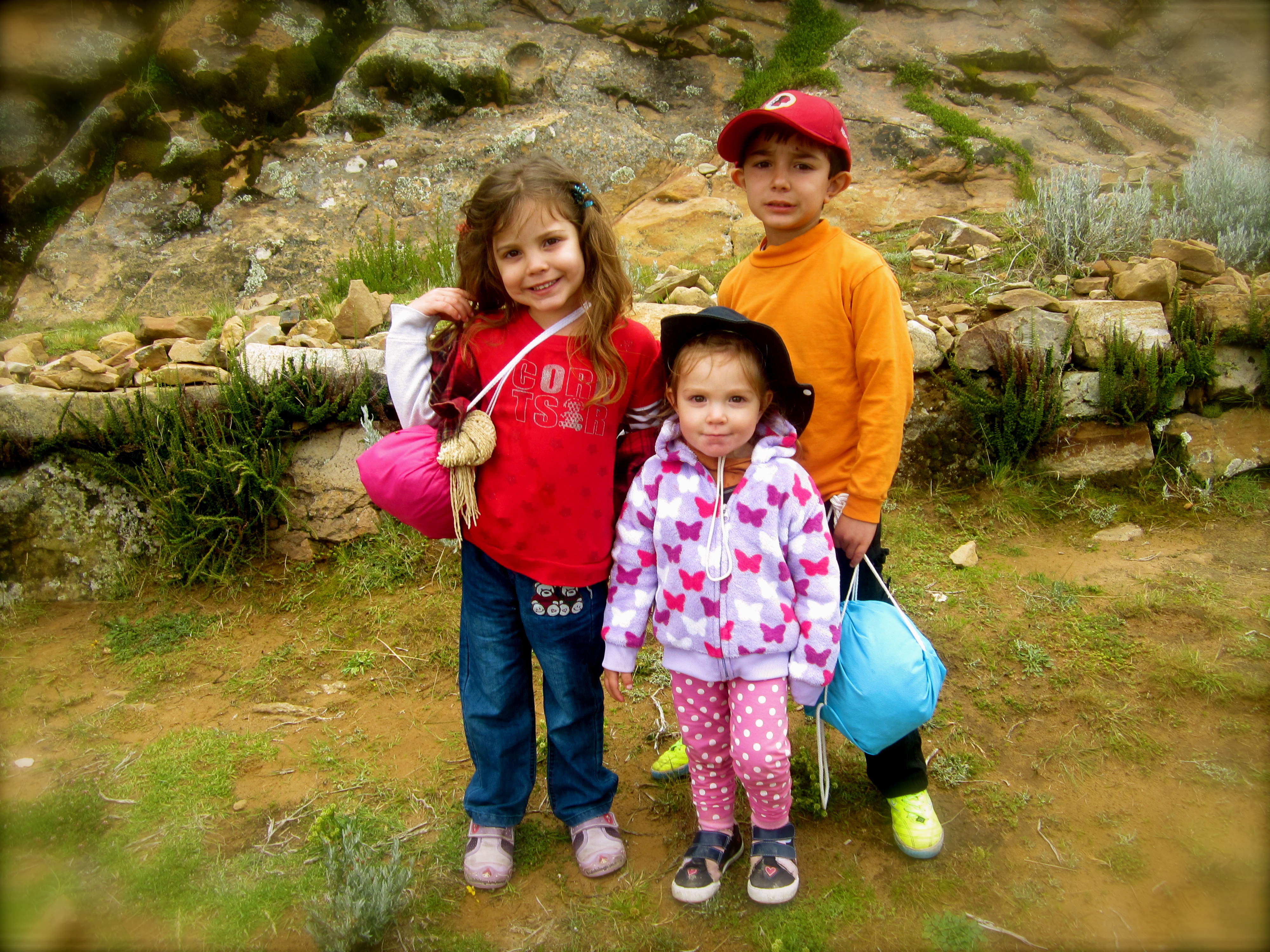


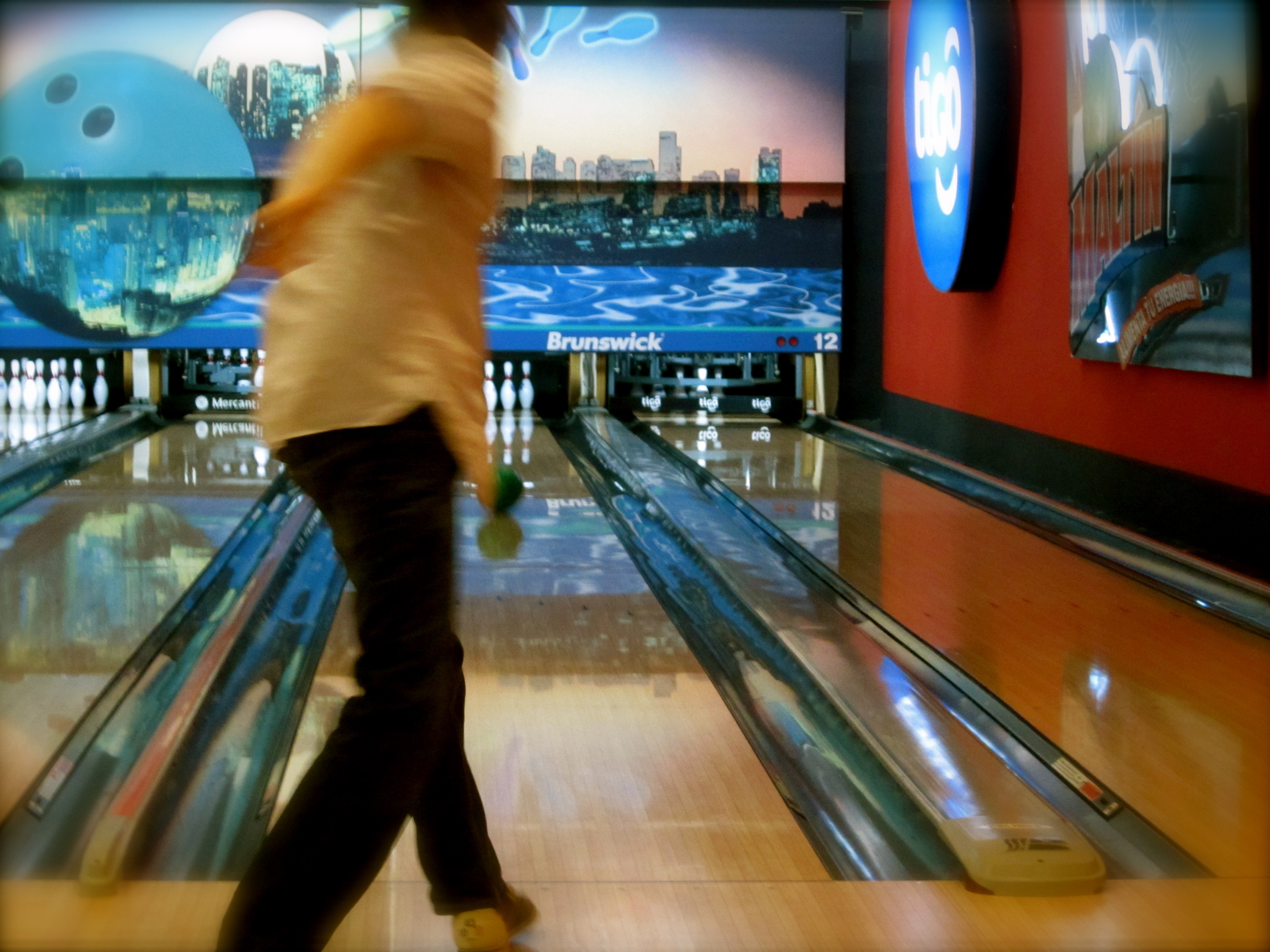
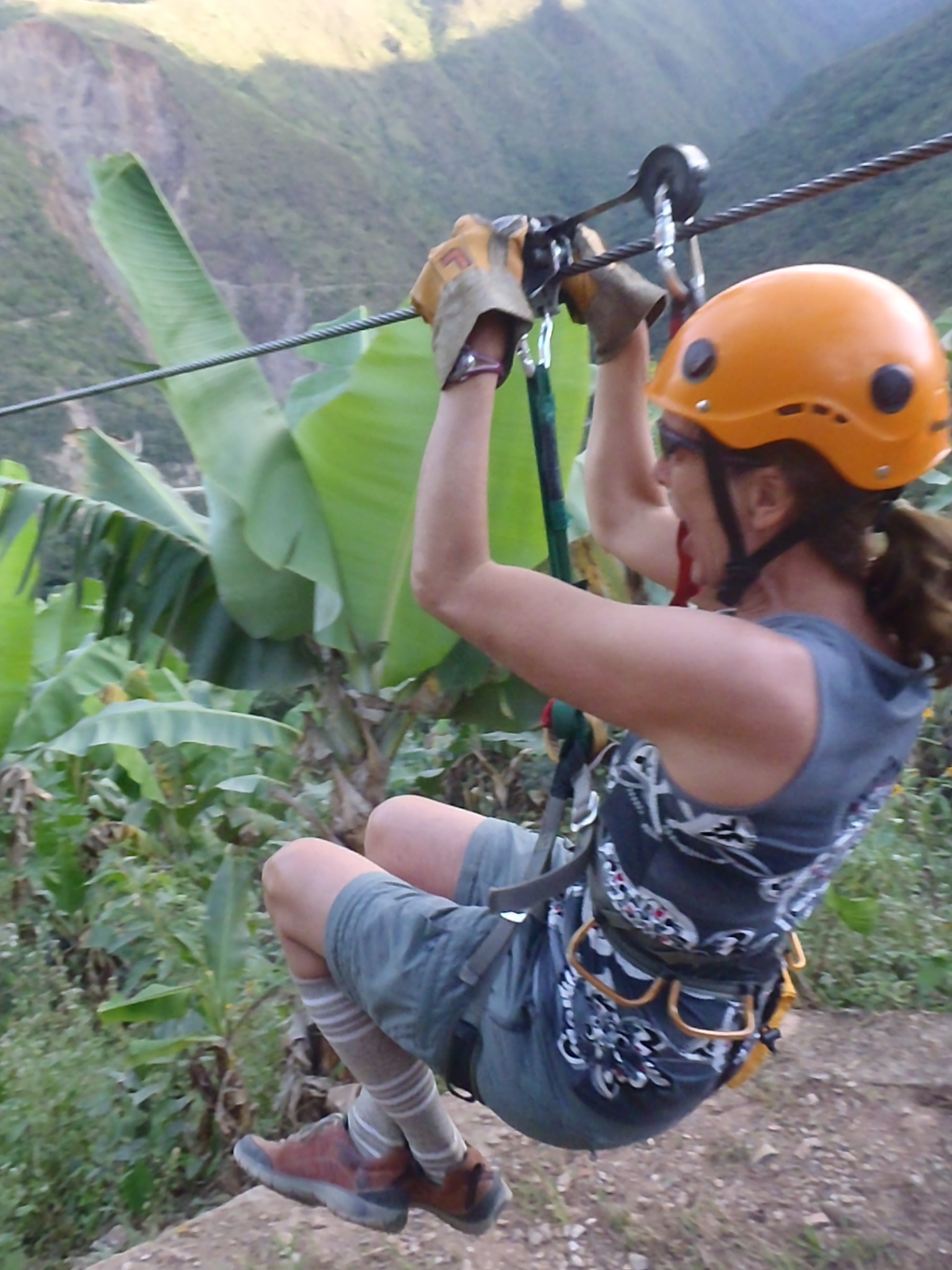
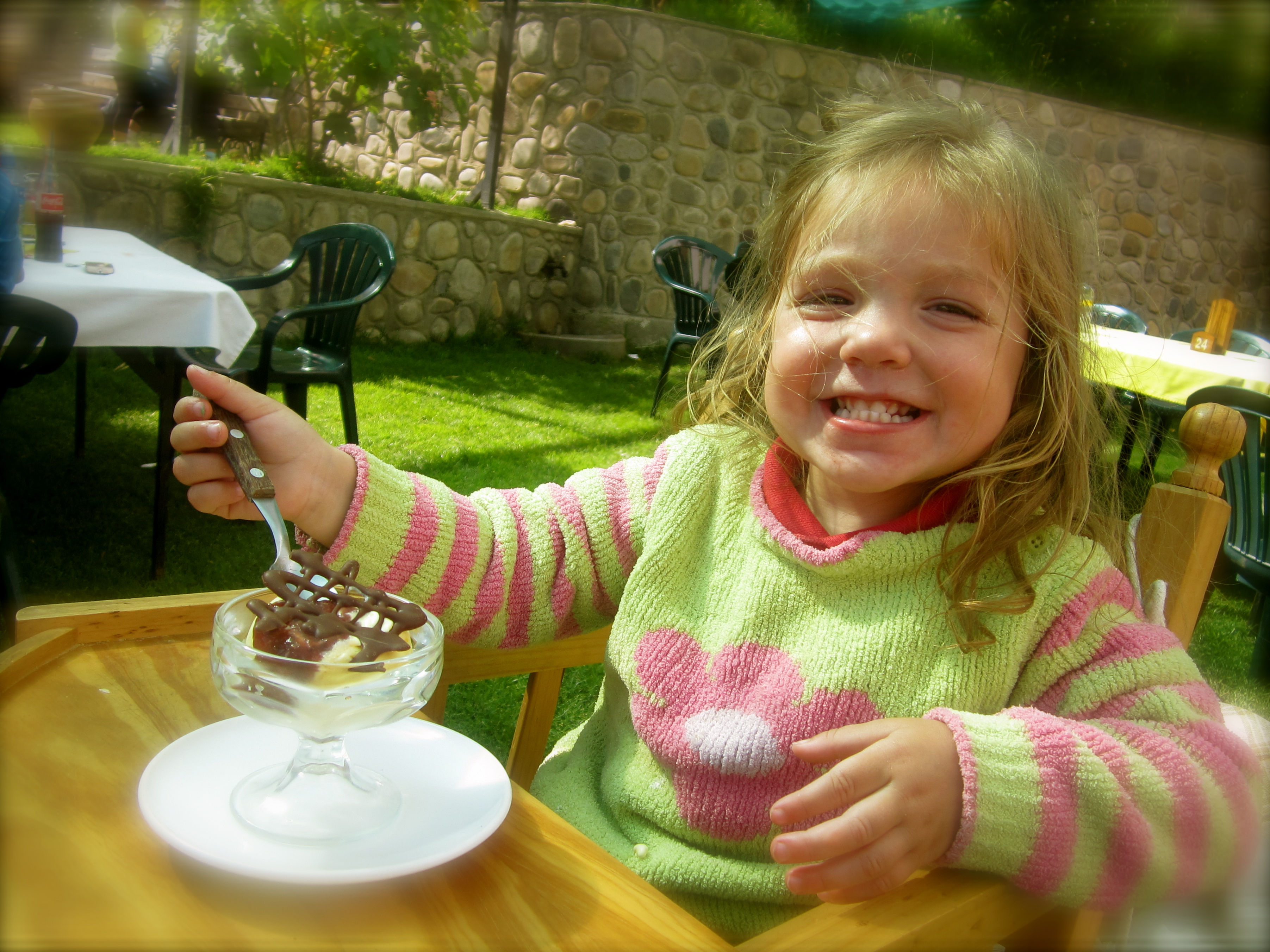


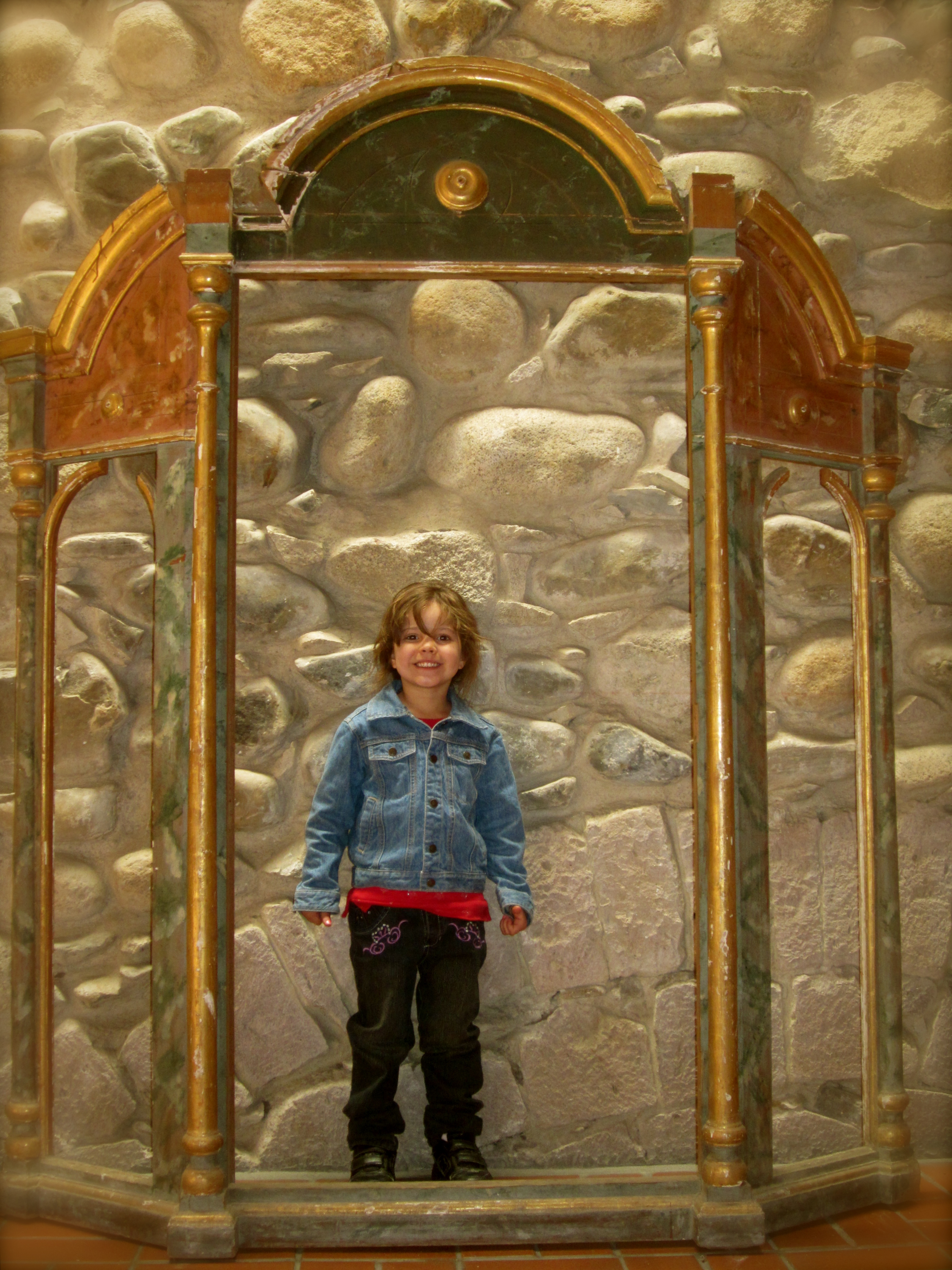


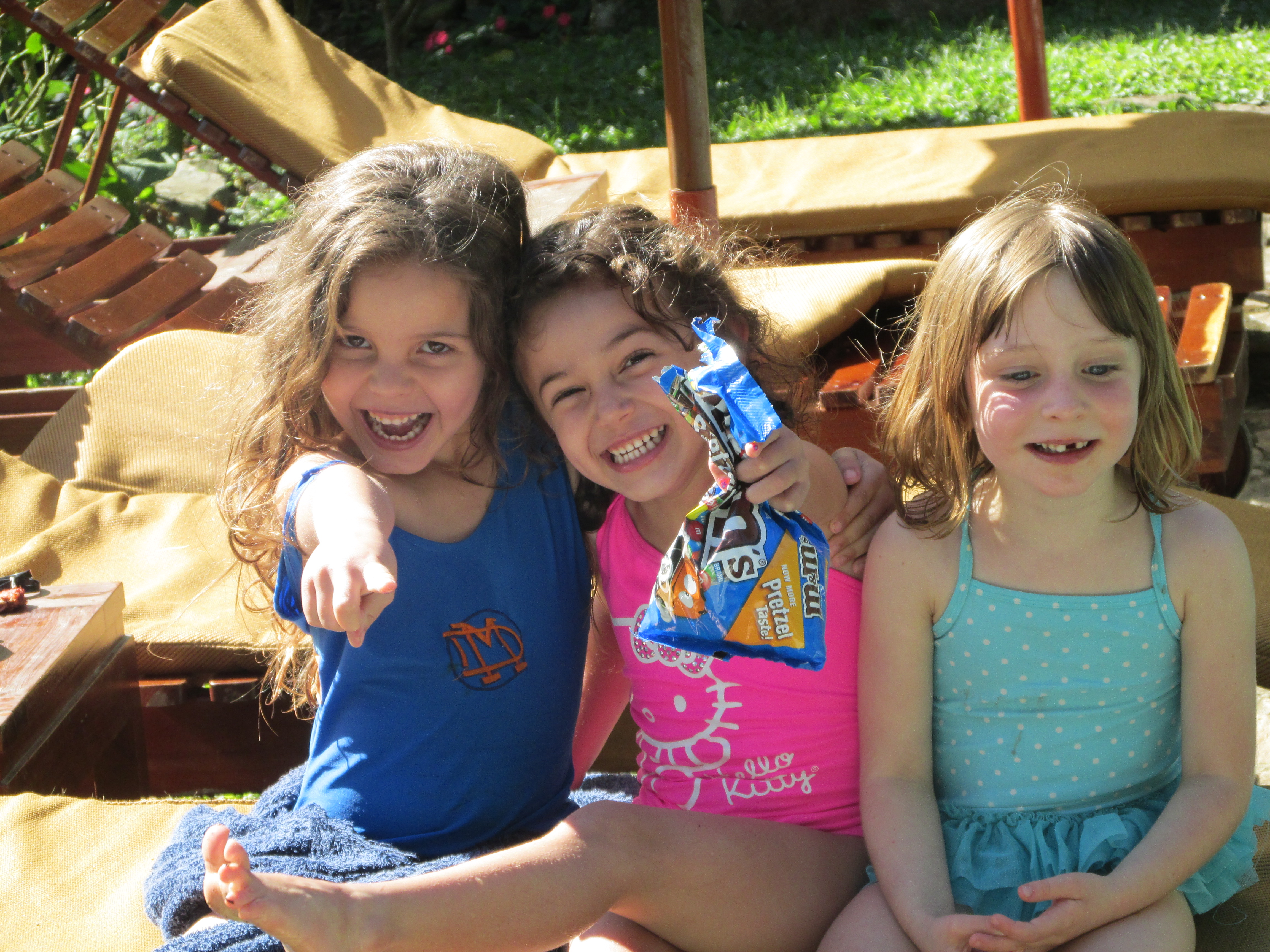


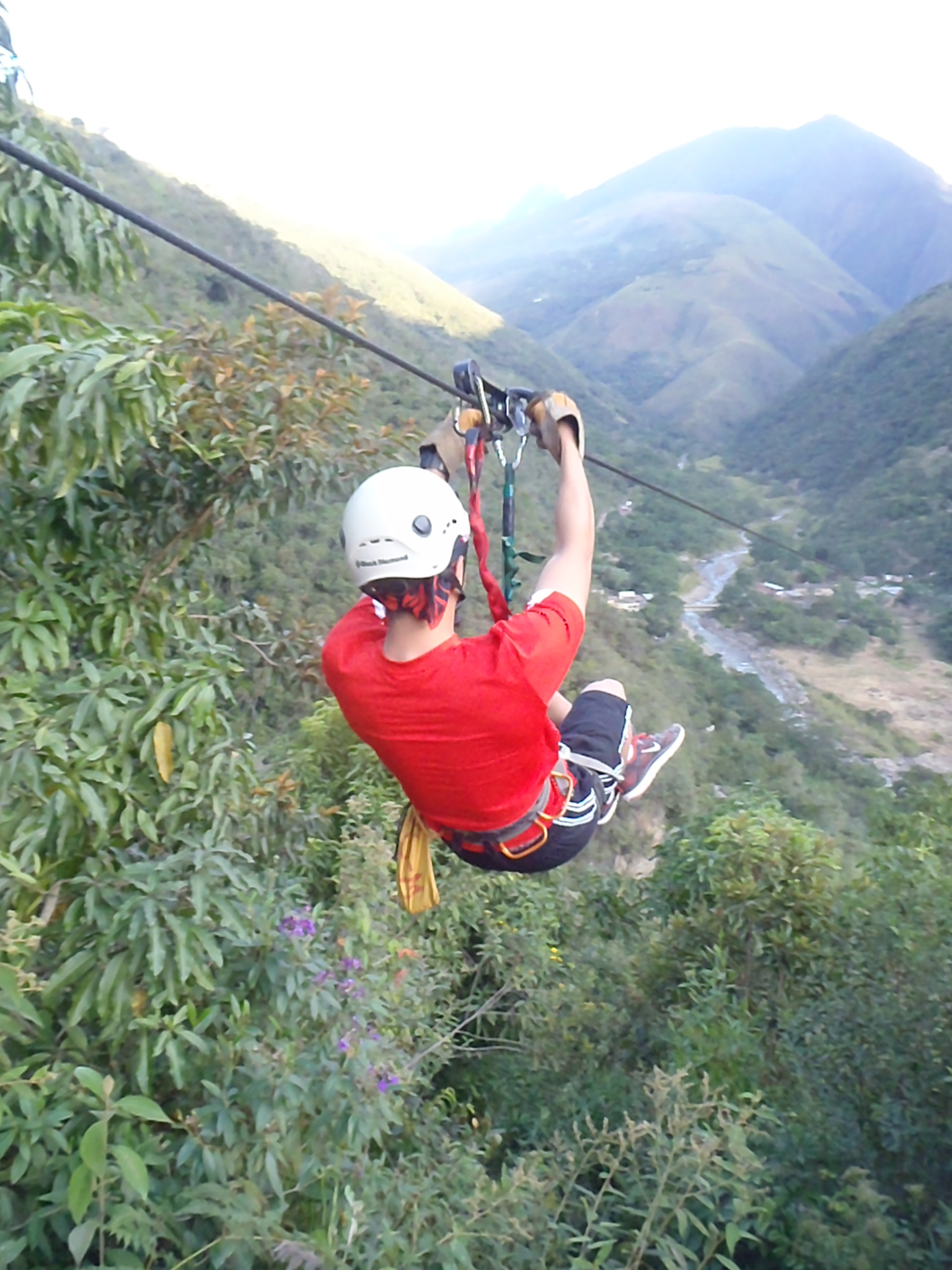


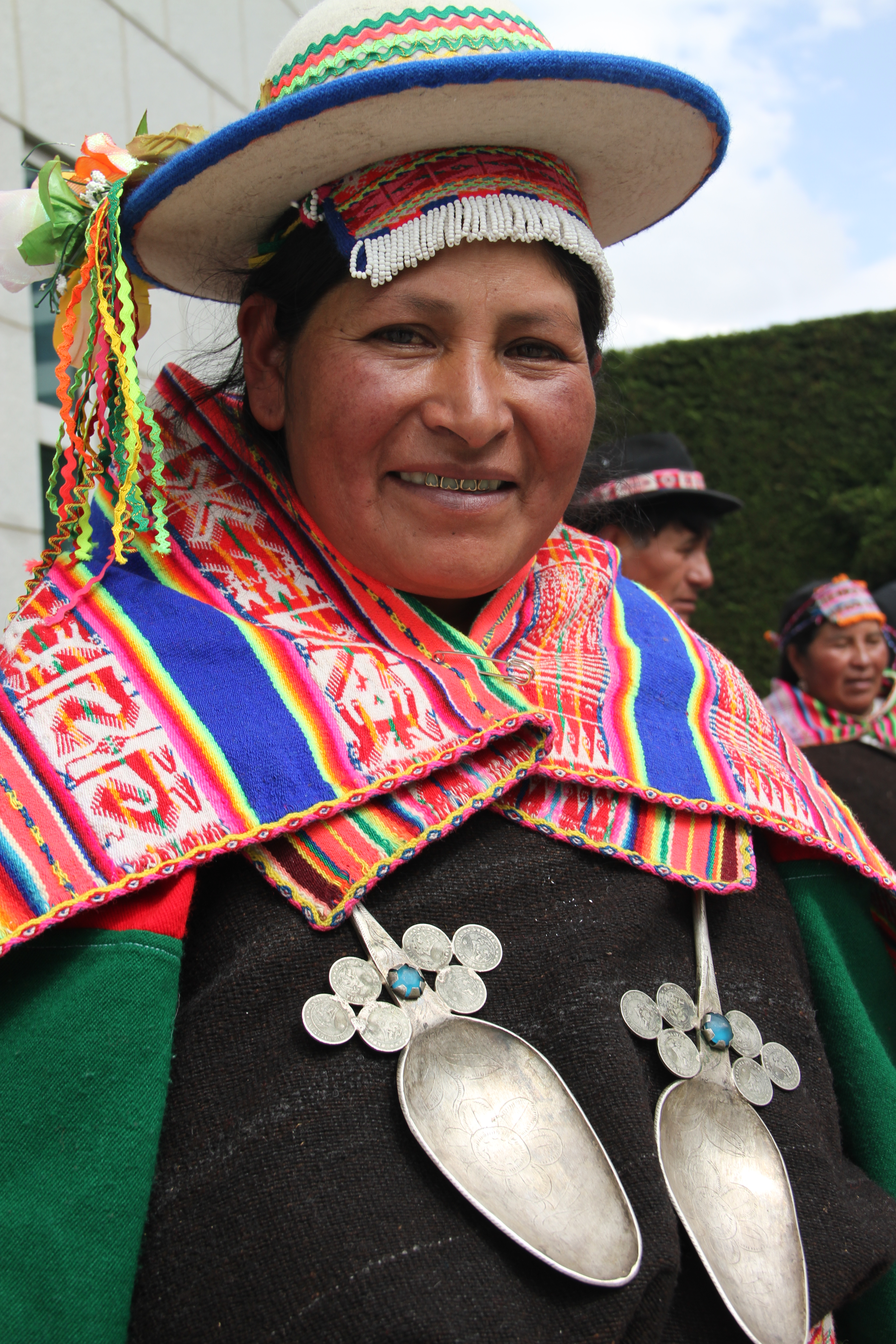

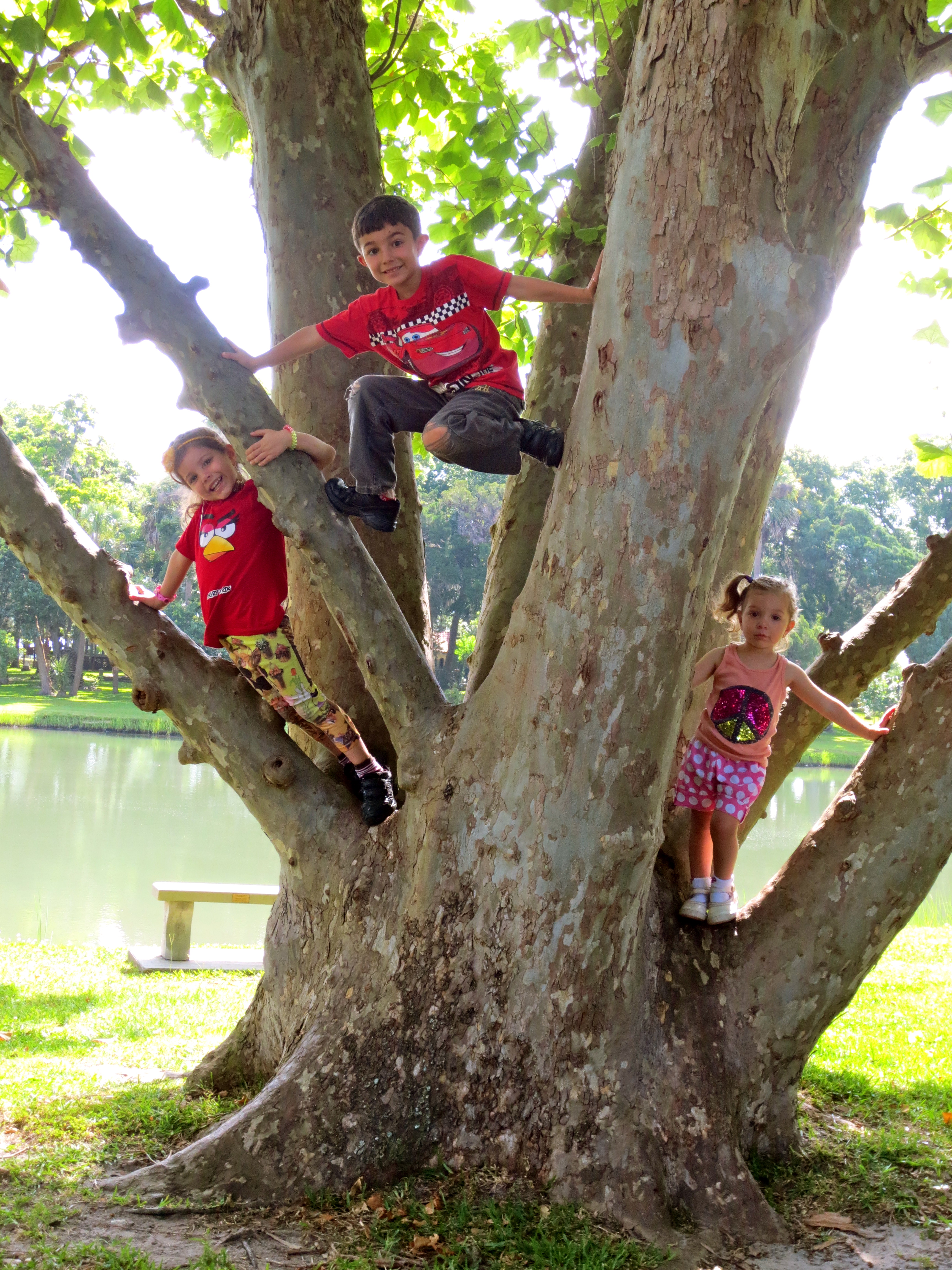


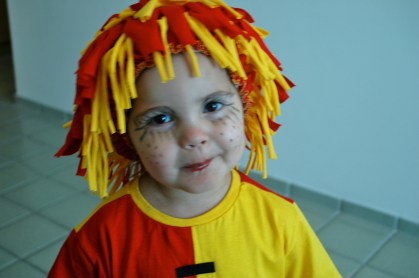
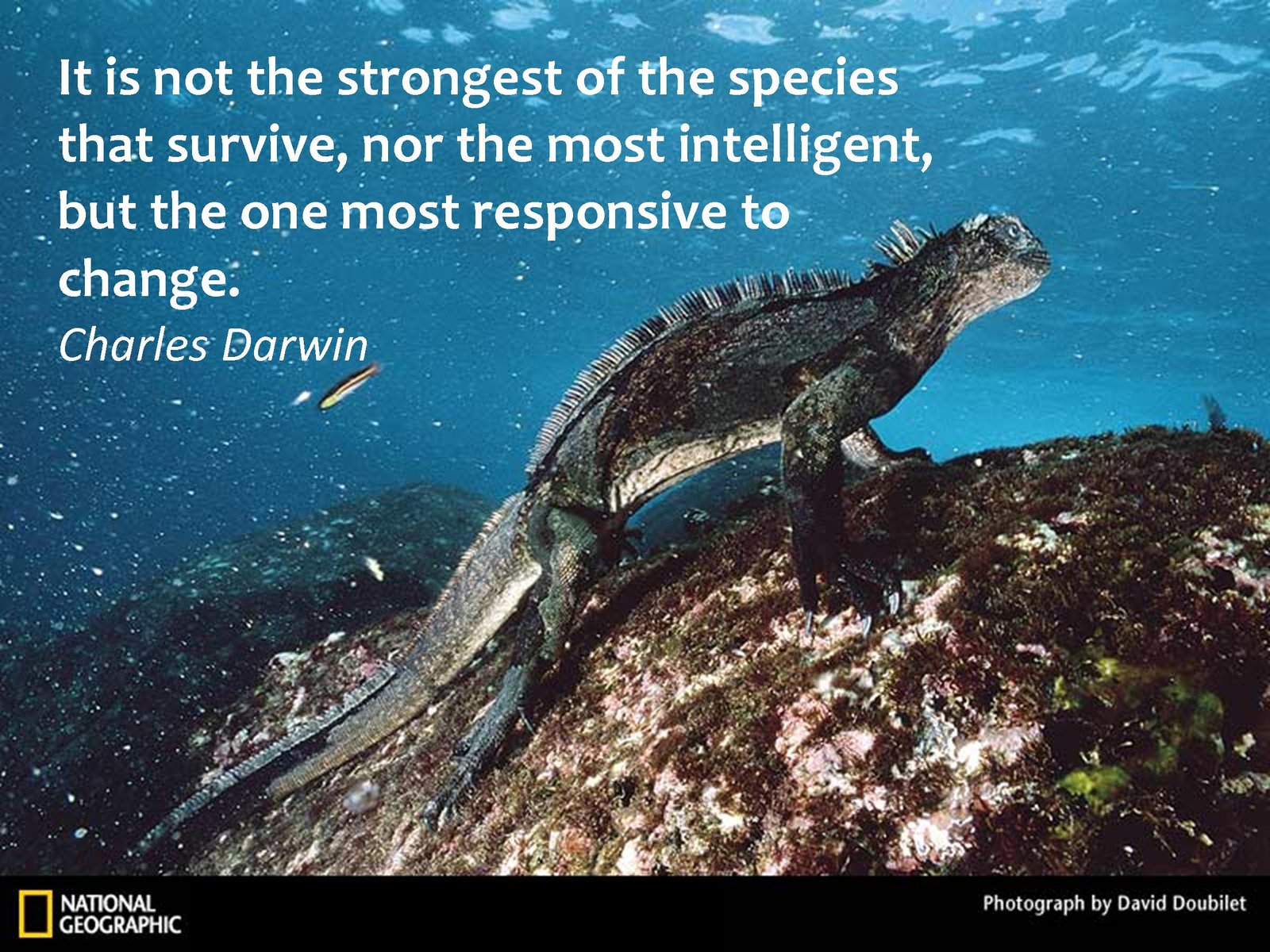





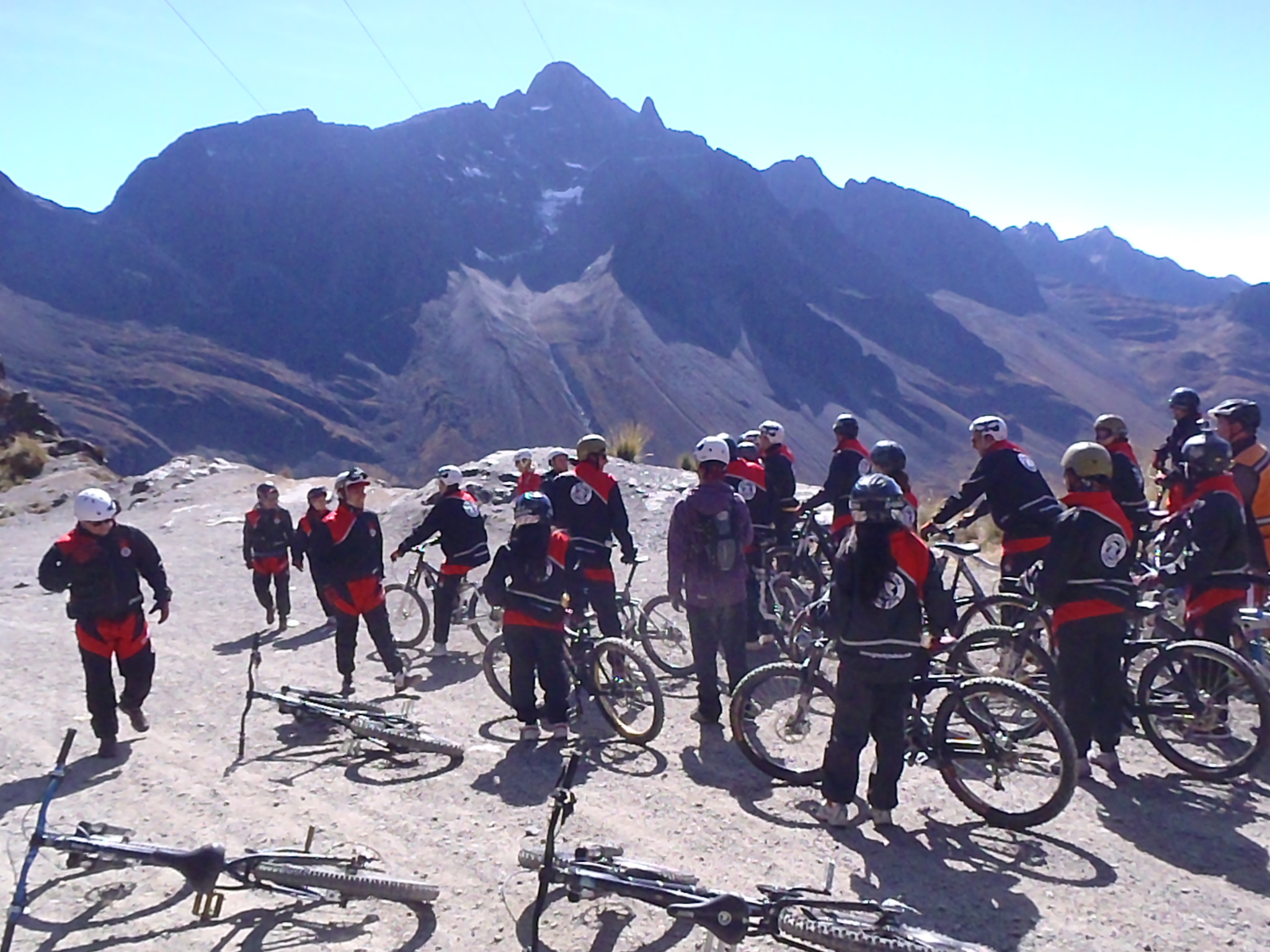

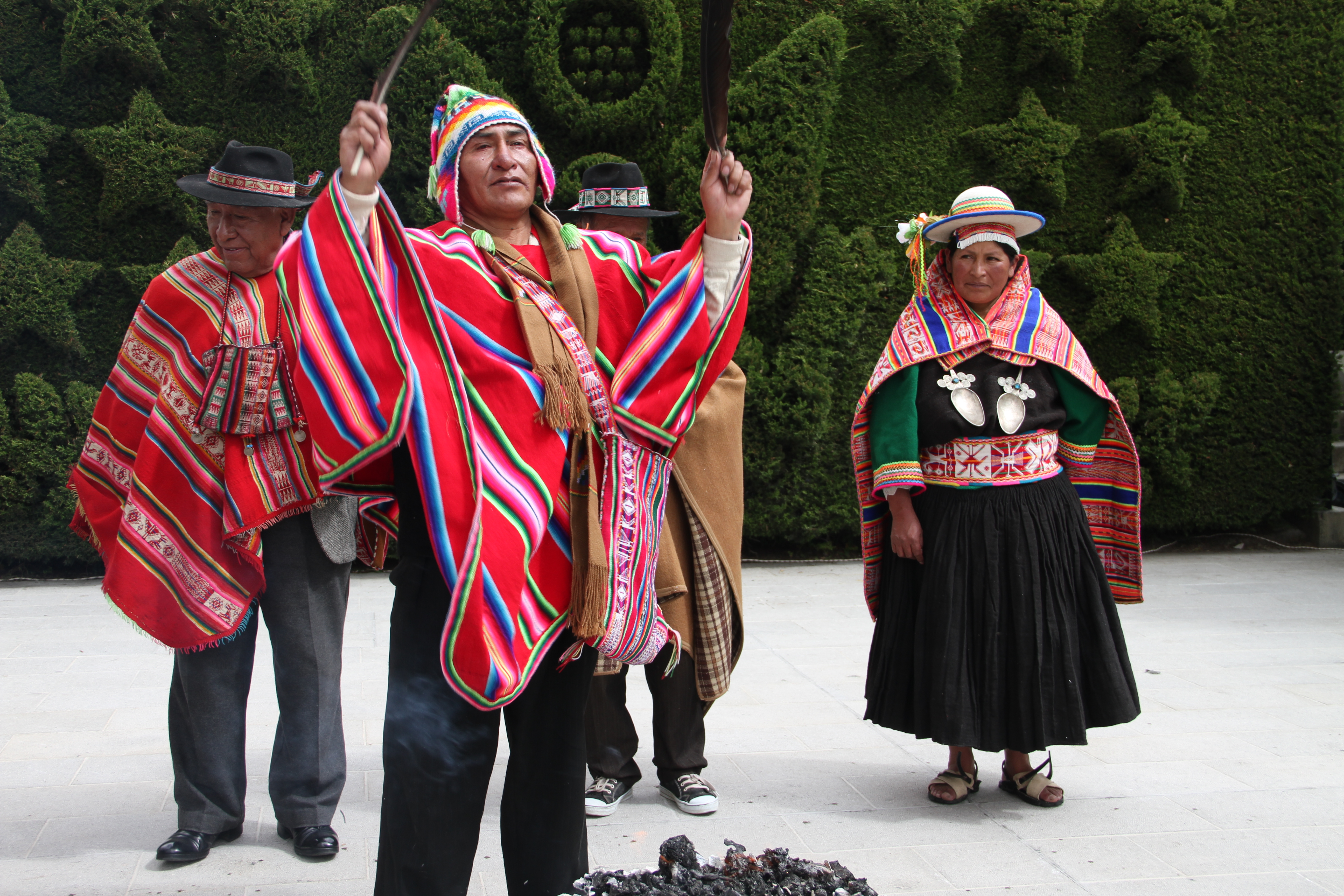
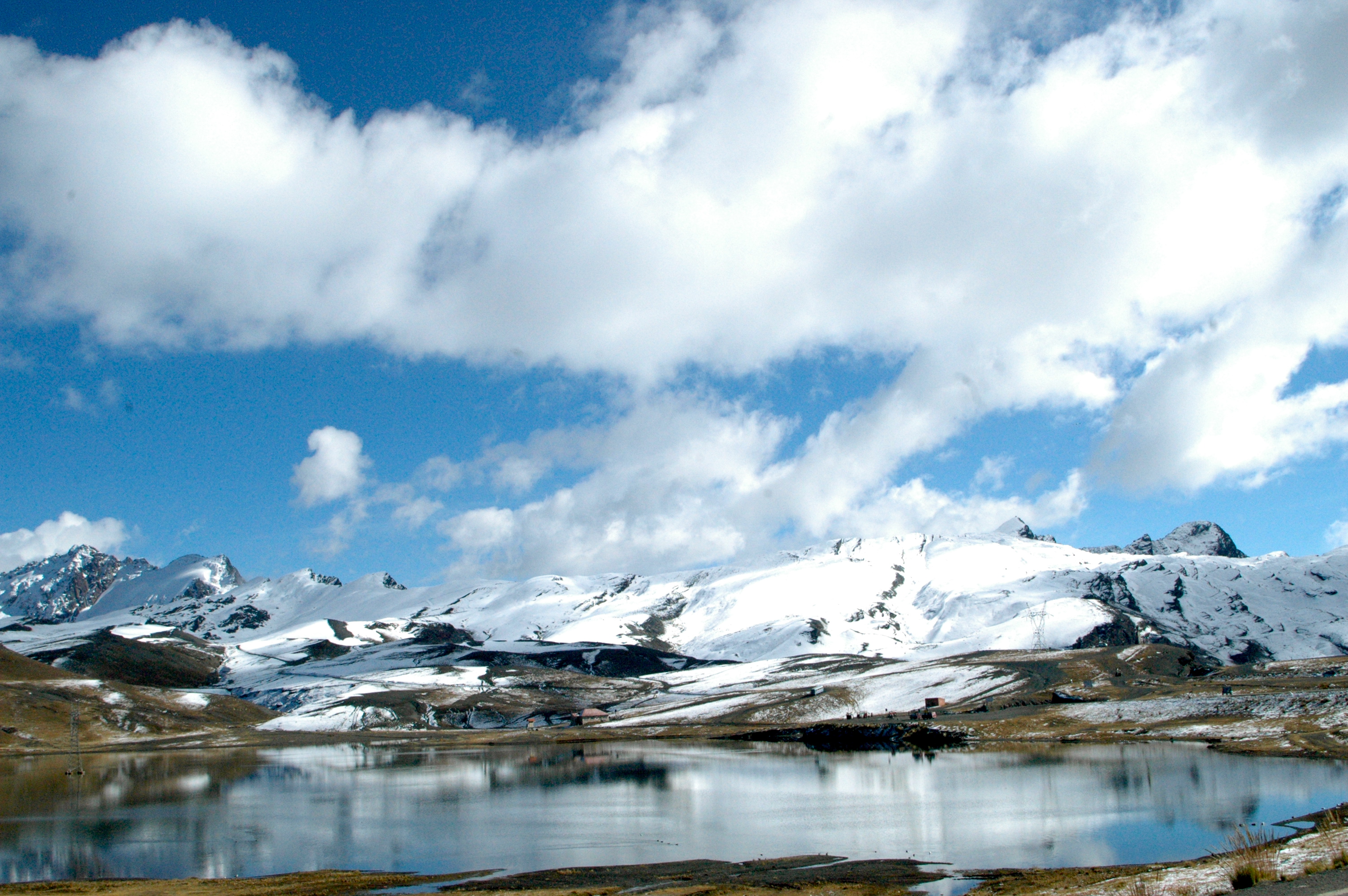
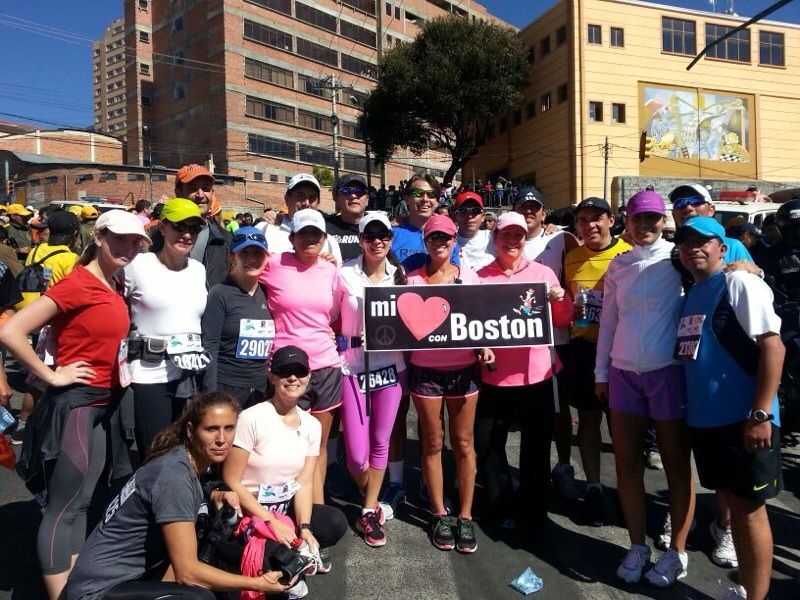



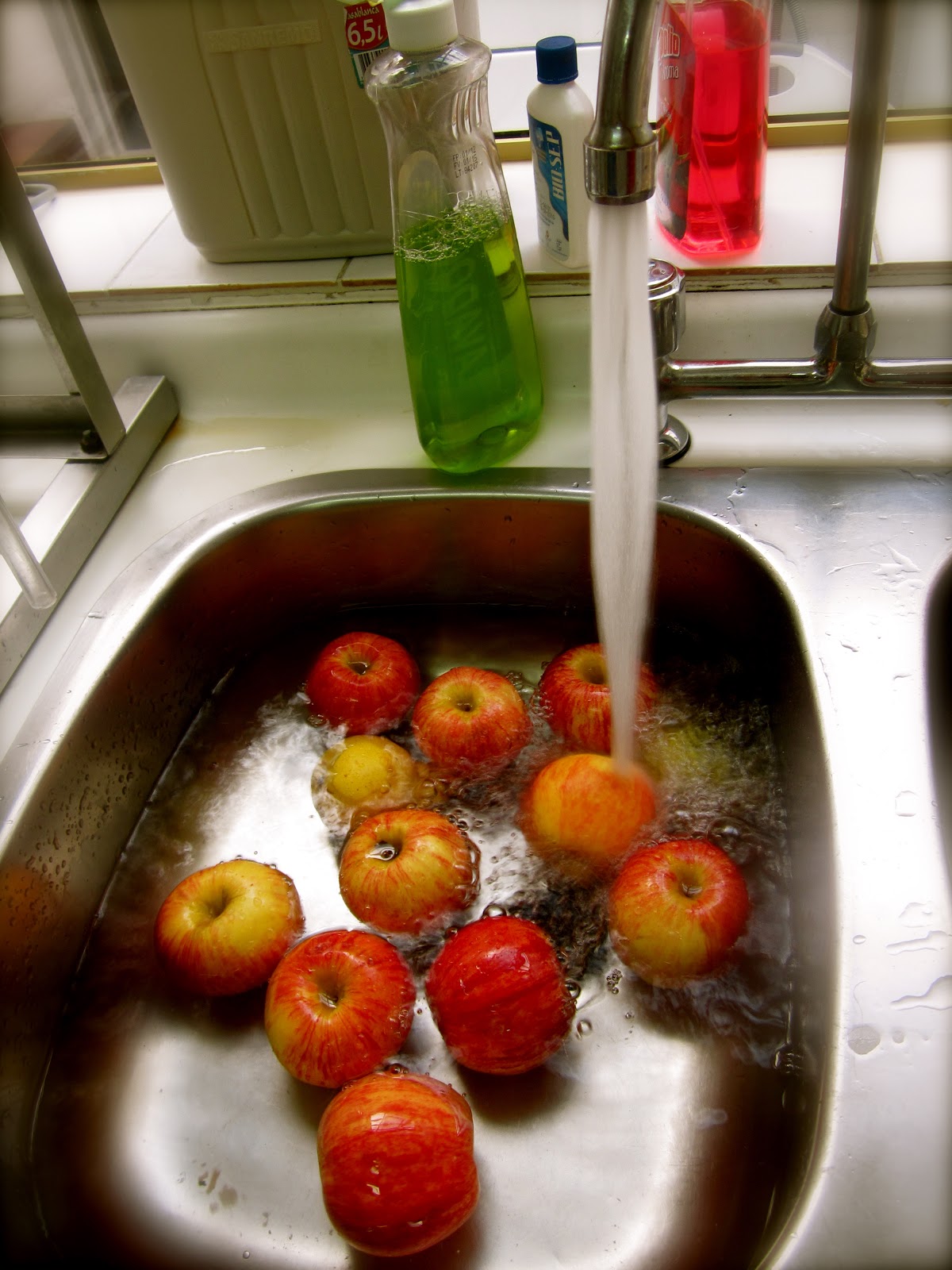

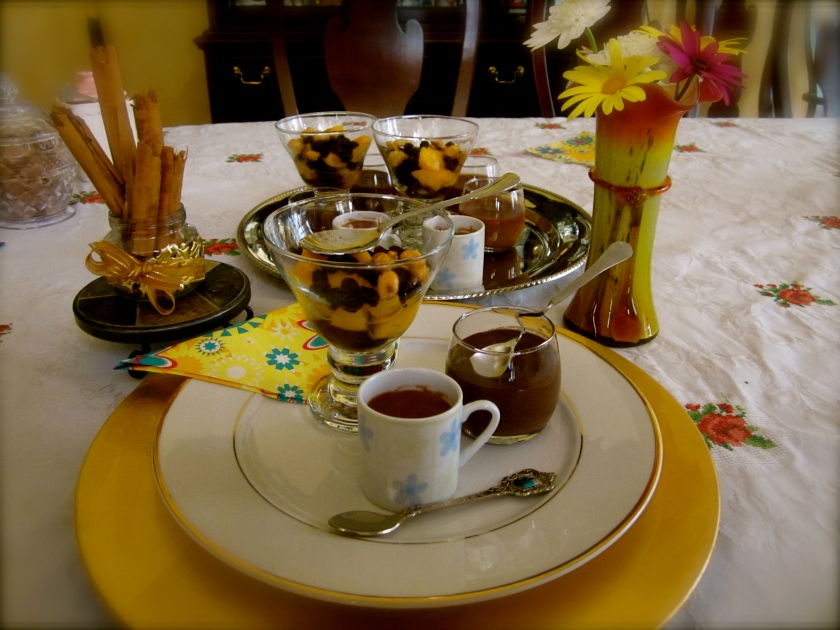


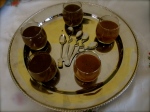


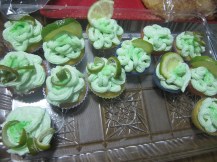


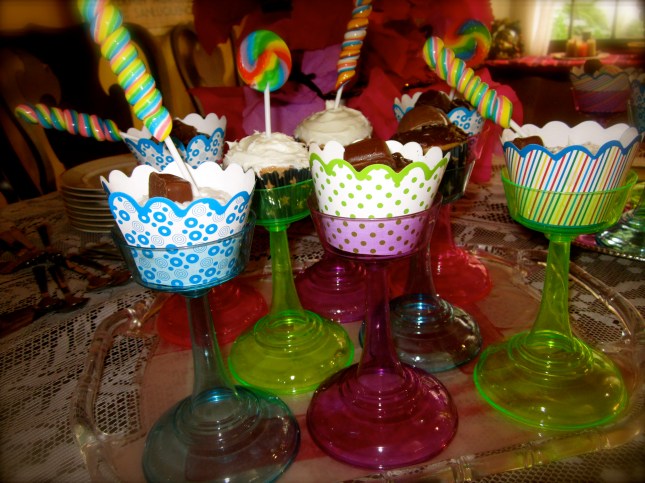



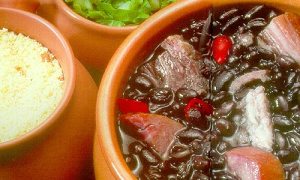


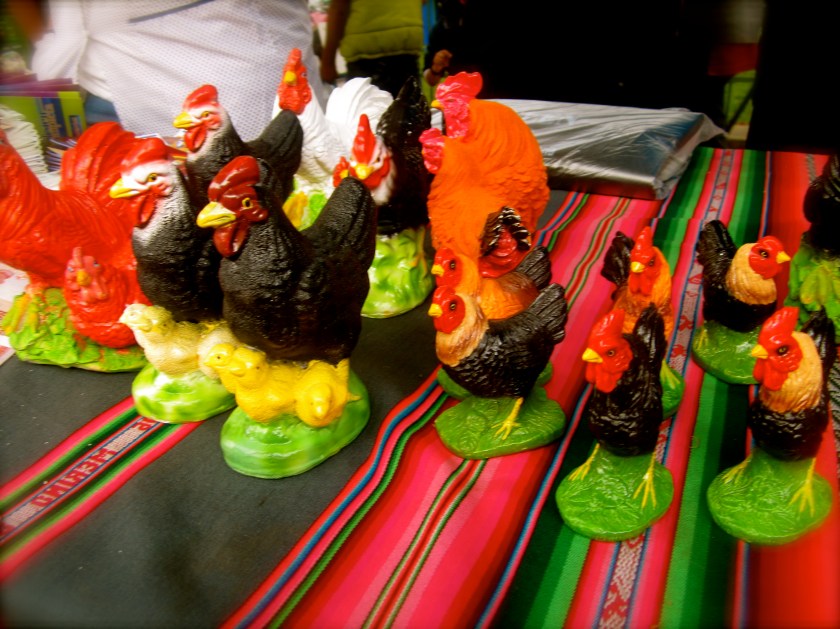

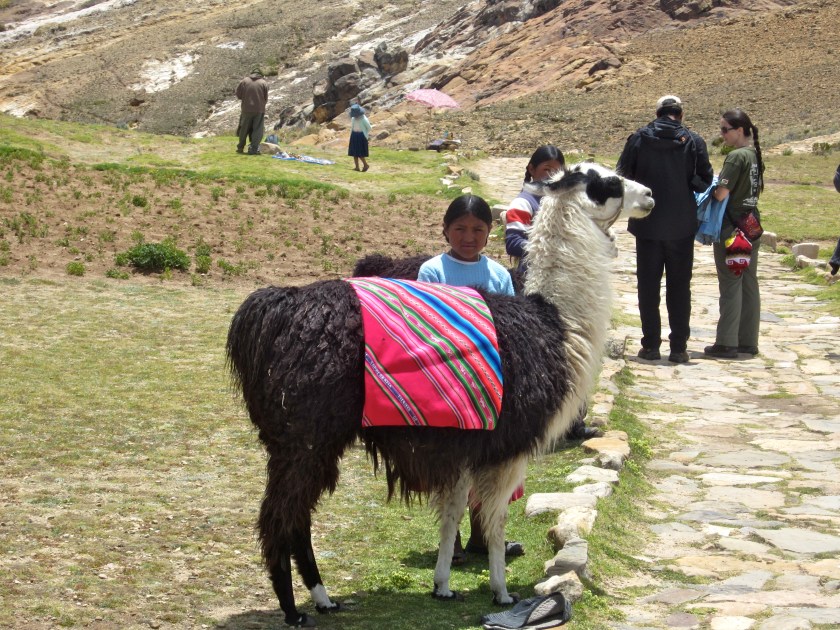


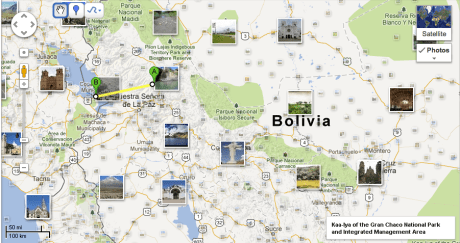

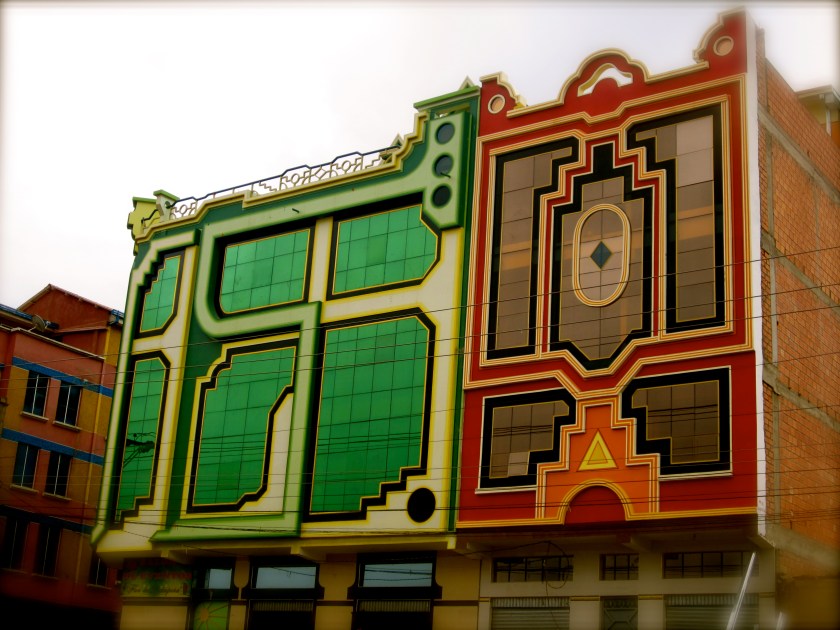


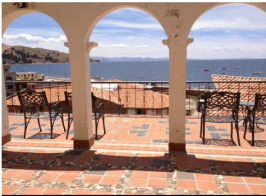


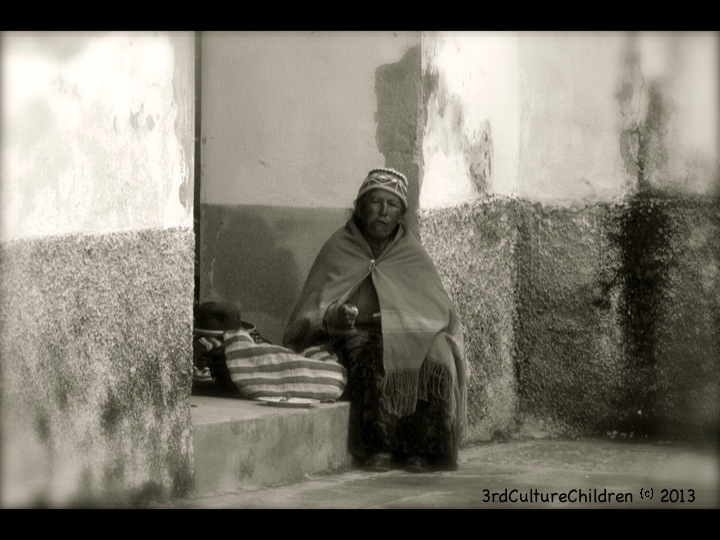


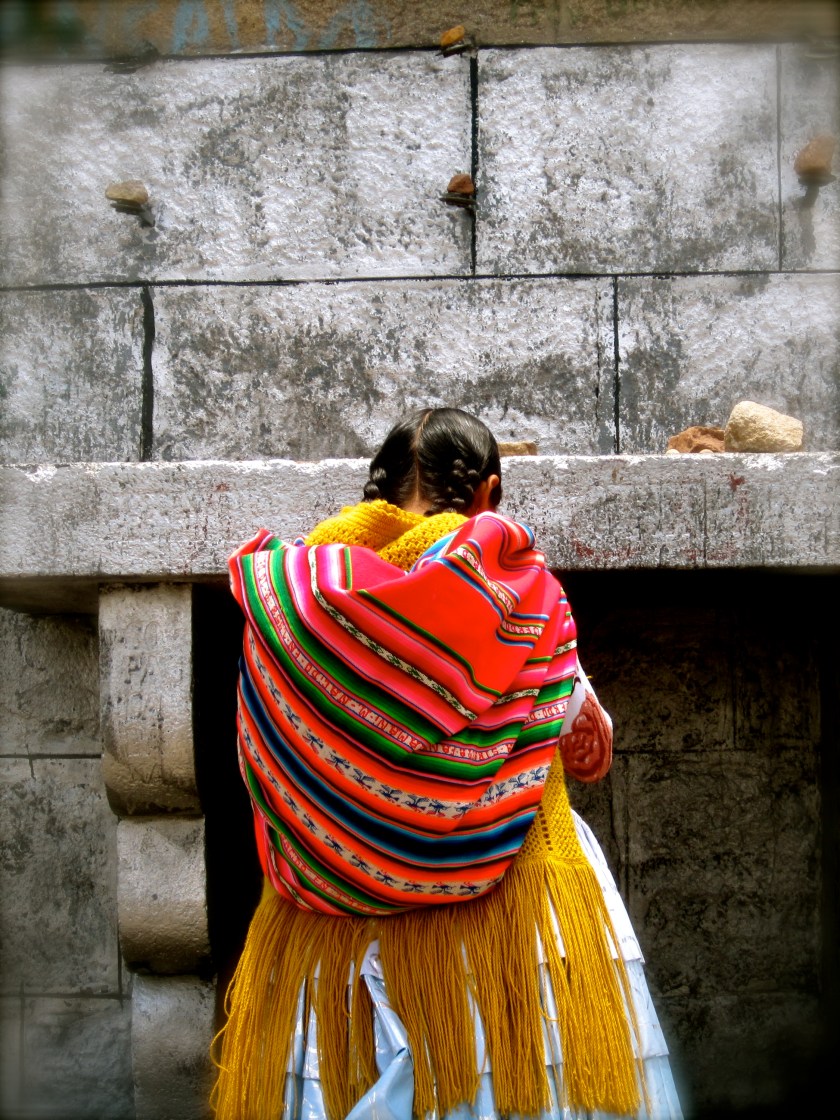

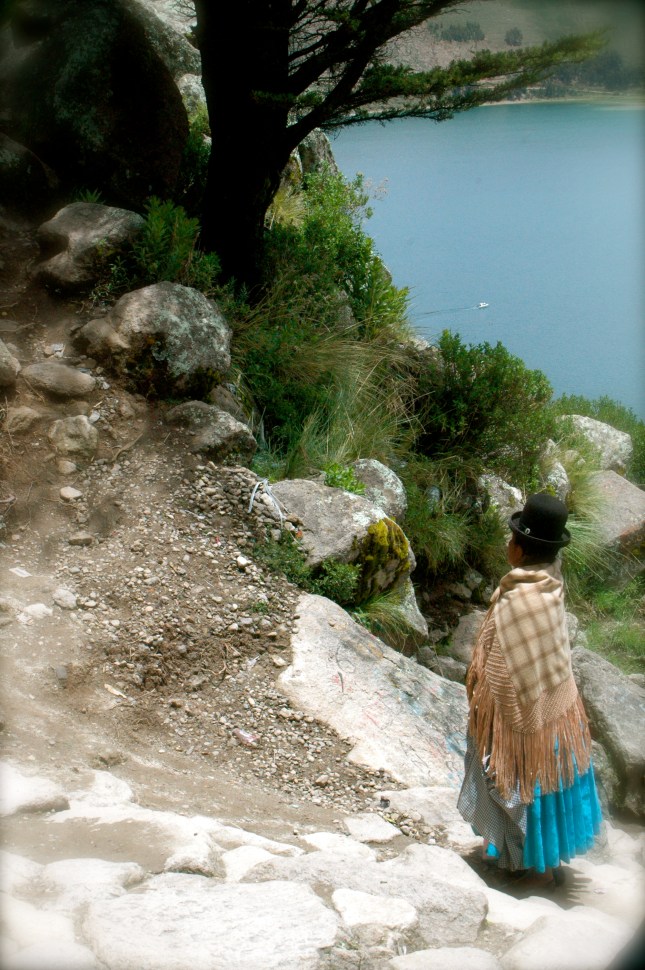


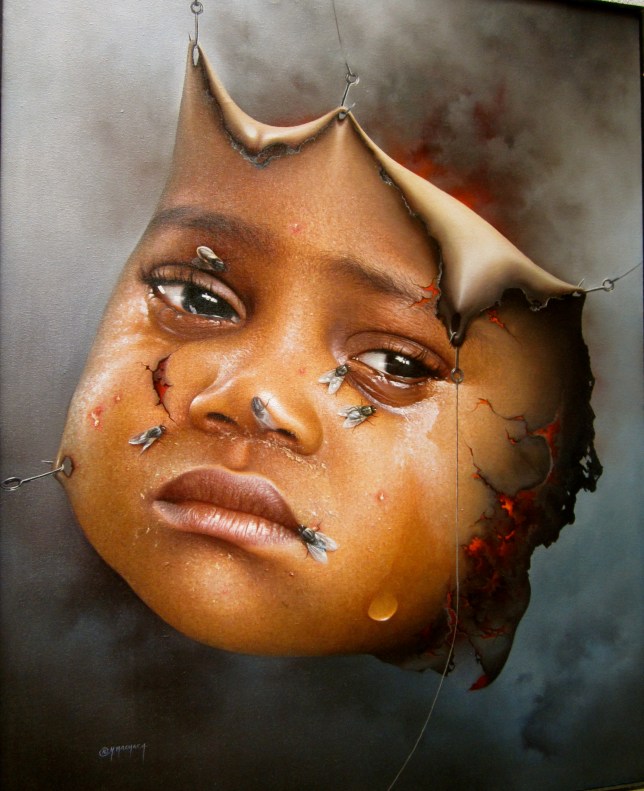

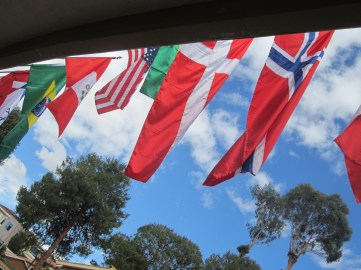


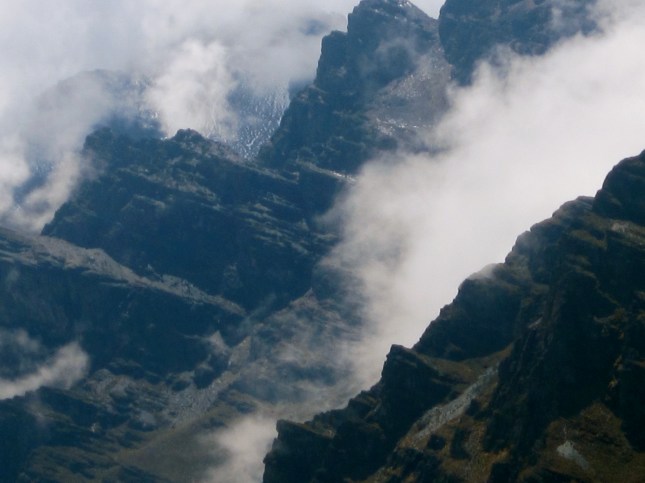

![Quenua Tree [oil on canvas]](https://3rdculturechildren.com/wp-content/uploads/2012/09/img_4726.jpg?w=162&h=217 "Quenua Tree [oil on canvas]")


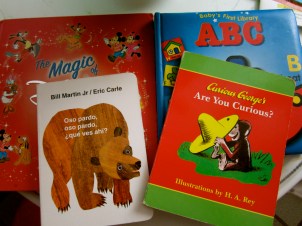
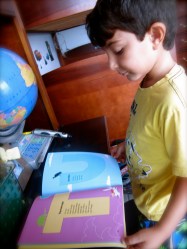















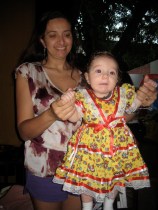
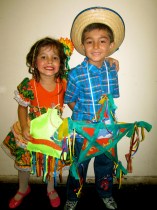
 3rdculturechildren