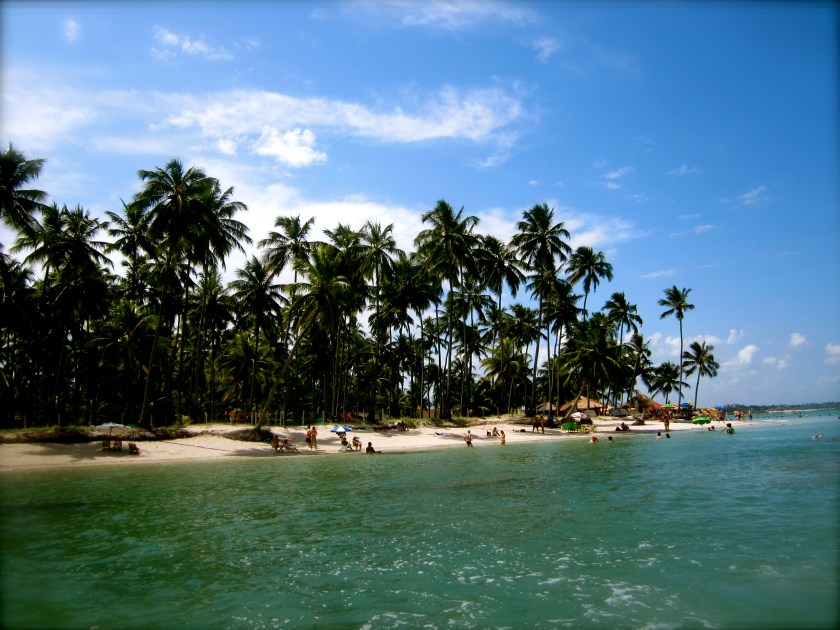
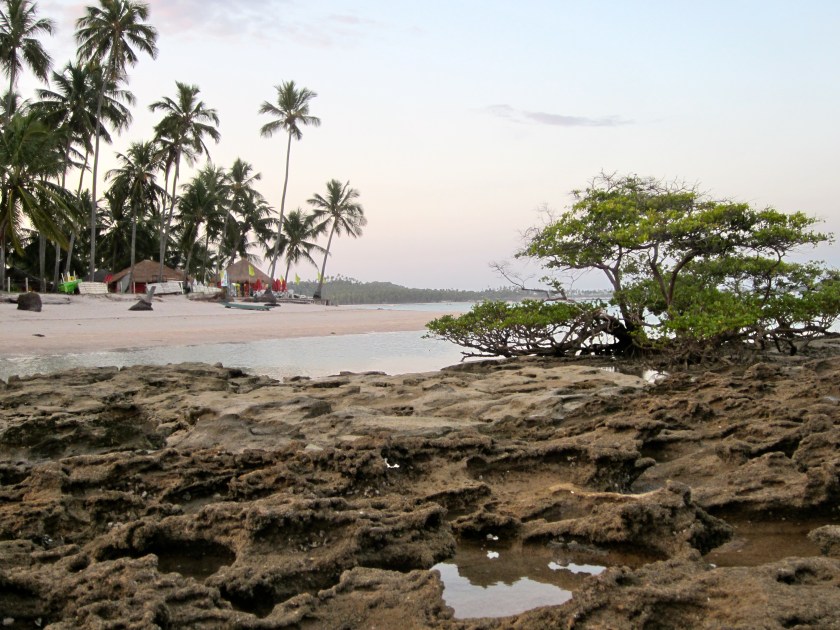
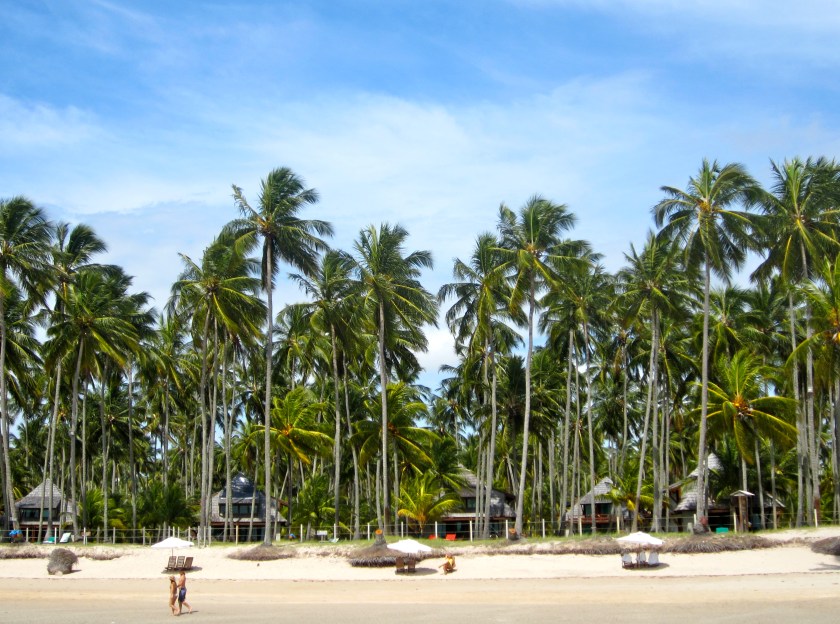
Brasilia Teimosa, from a distance… refreshing images and Portuguese text

 
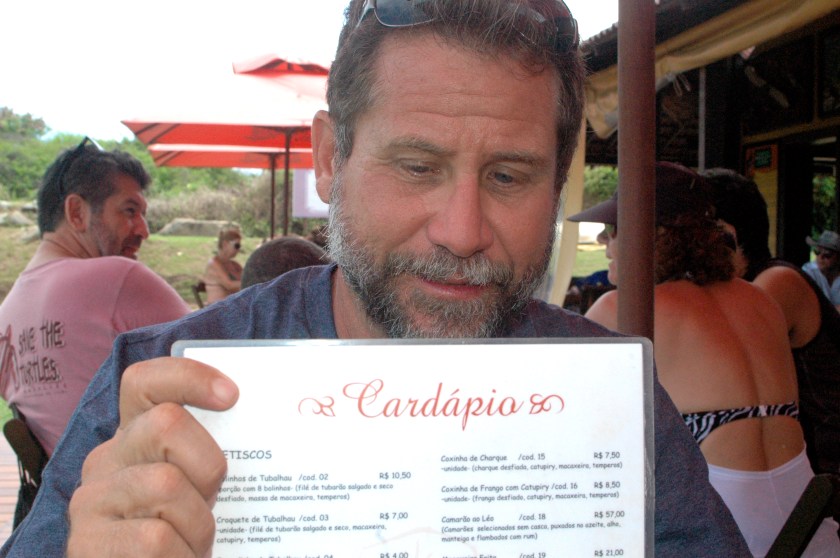
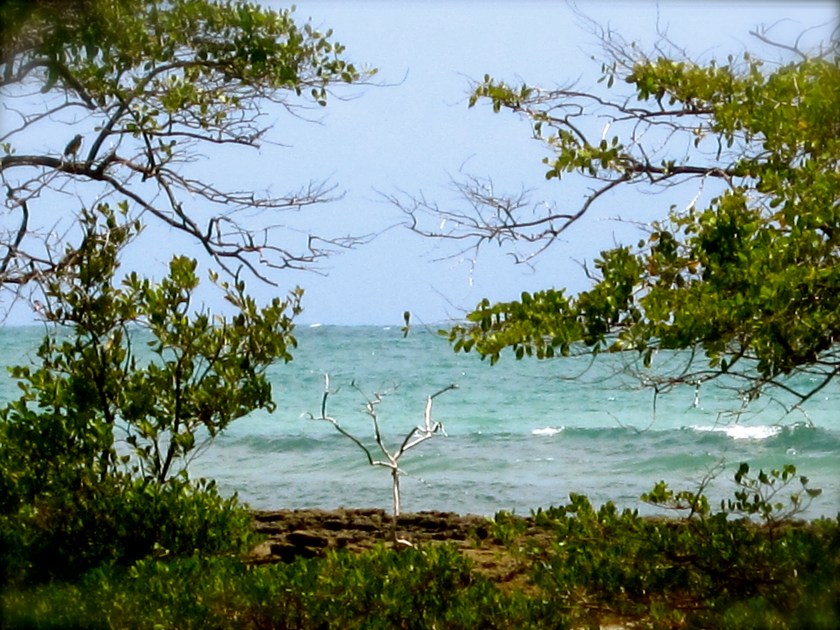
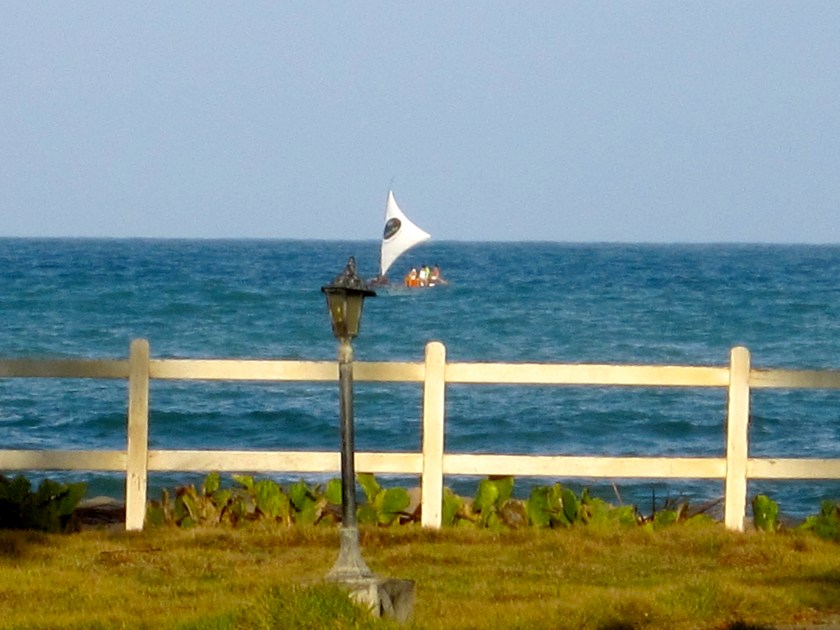
“Brasilia Teimosa” [Stubborn Brasilia] is the oldest urban non-official community in Recife, Pernambuco, Brazil. a great way to observe what’s happening along the coastline, and within the community, is by enjoying a meal with with friends at the Biruta Bar & Restaurant:
 
Source: Wikipedia:
 
Brasília Teimosa é um bairro do Recife.
Situada na zona sul do Recife, entre o bairro do Pina e o Porto do Recife, numa área caracterizada por uma linha contínua de arrecifes paralela à orla, surgiu através da ocupação de uma área antes denominada Areal Novo, iniciada em 1947. Seus habitantes, pescadores, negociantes, estudantes, donas de casa, têm ligação muito forte com o mar.


O nome foi uma alusão a Brasília, então nova capital do Brasil que estava sendo projetada no governo de Juscelino Kubitschek, em contraste com a área em que os moradores viviam, em perene ameaça de expulsão. Essa persistência teve grande destaque nos anos 1950, quando essa área foi destinada pelo Governo do Estado à construção de depósitos inflamáveis. A perseverança dos primeiros moradores, que reconstruíam suas casas durante a noite quando ao longo do dia eram demolidas consolidou a ideia de teimosia, coincidente com o período da construção da Capital Federal. Mais antiga ocupação urbana do Recife. O bairro foi uma das primeiras áreas a serem urbanizadas com recursos do BNH, através de um projeto de urbanização denominado Teimosinho. Esse projeto tomou força em 1982, com a relocação de famílias da Vila da Prata, com ações também em 1986 e 1989, mas a área era novamente ocupada. Em 2004, uma grande intervenção urbana foi realizada pelo Governo Federal com a construção de uma avenida à beira mar. Atualmente o bairro está modificado urbanisticamente, em sua orla marítima, com restaurantes típicos e comércio de frutos do mar, o forte da economia dos seus moradores.


333rd Post: Surrounded by marine dolphins [video]

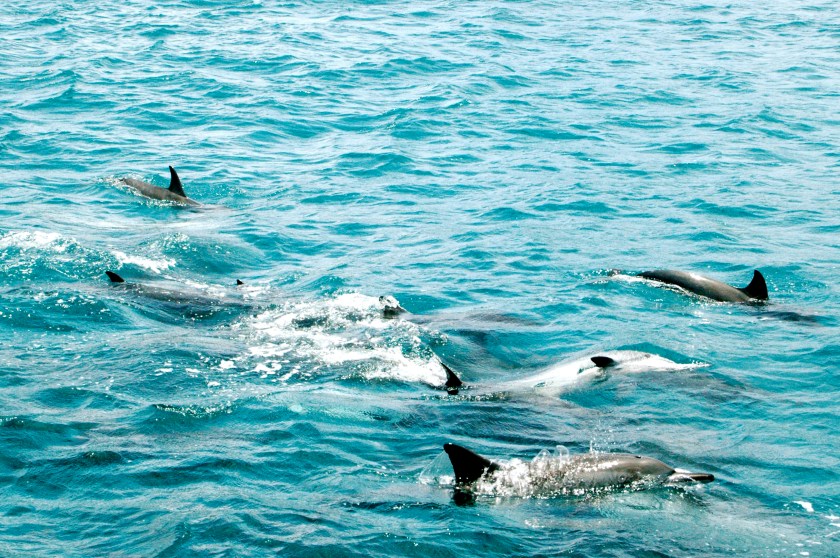
Every year, people travel to Fernando de Noronha, a group of islands off the coast of Brazil, to meet some of the archipelago’s most famous residents: spinner dolphins:

The spinner dolphin is a tropical oceanic dolphin that lives in groups numbering three to more than two thousand individuals. Of the 37 different dolphin species, it is the third most abundant in the world and is named for its tendency to shoot out of the water and complete as many as seven rotations whilst airborne.
The dolphins usually surface during boat rides, showing off their acrobatics skills as they leap out of the water and putting on a real show. The stunts they perform are more than simply fun; they’re an important form of signalling, drawing the attention of the boat, which, in turn, protects the rest of the pod from potential predators. The communication system consists of different types of jumps and beats made with the body on the surface of the water, producing turbulence when the dolphin completes its dive.
The daily routine for the spinner dolphins in Fernando de Noronha involves feeding, primarily during the night, followed by a morning relocating to the appropriately named Dolphins Bay. They arrive in the bay at sunrise and depart for various feeding areas in the afternoon.

Dolphins Bay (Baia dos Golfinhos), located off Sancho Beach, is a top destination for dolphin spotters. The bay’s waters are the calmest and deepest in the entire archipelago, ranging from 0 to 25 metres but averaging about 15 meters in the centre. The floor of the bay is composed predominantly of volcanic sands with scattered rocks and can be accessed by a single trail that offers a good vantage point from which to observe the activities of the spinner dolphins. One ideal point from which to observe Dolphins Bay is Dolphin Lookout, set 55 metres above sea level. It can be reached via a one-kilometre-long walking trail that begins in a parking lot at Sancho Bay.

This slideshow requires JavaScript.

Fernando de Noronha Marine National Park: wildlife

Fernando de Noronha in Brazil is famous for its exquisite natural environment, pristine beaches, and tropical climate where the sun shines the whole year! A paradise for scuba diving in Brazil, there are numerous things to do on the Fernando Noronha island. The wildlife of Fernando de Noronha is very rich, and one of the main attractions of the island are the Spinner Dolphins which can be seeing 365 days a year from the Dolphins Bay Viewpoint or on a Noronha boat ride. We were fortunate to spot a few other “representatives” of the archipelago’s wildlife.

This slideshow requires JavaScript.

Communications from the past: Post Office and Wall Telephone

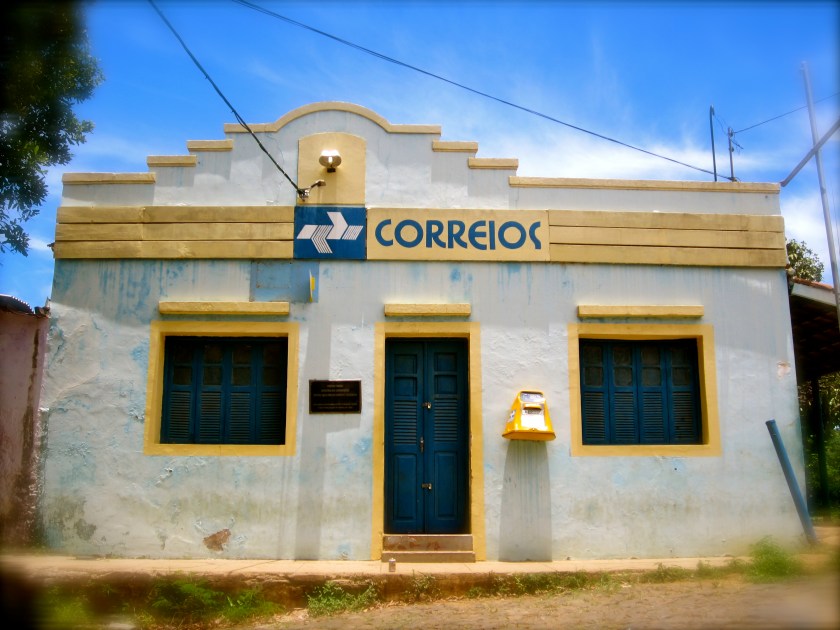
Post Office building, with its respective collecting box - still in business!
Brooklyn wall telephone

[Impressions] Surfing the uncertainty

Several options, different paths to choose from...
Searching for your own path...
A change in direction is always an opportunity to experience different things...
The experience
The experience...
Lonely Observer...

Sunday is for food! Gastronomic event and islander cuisine.

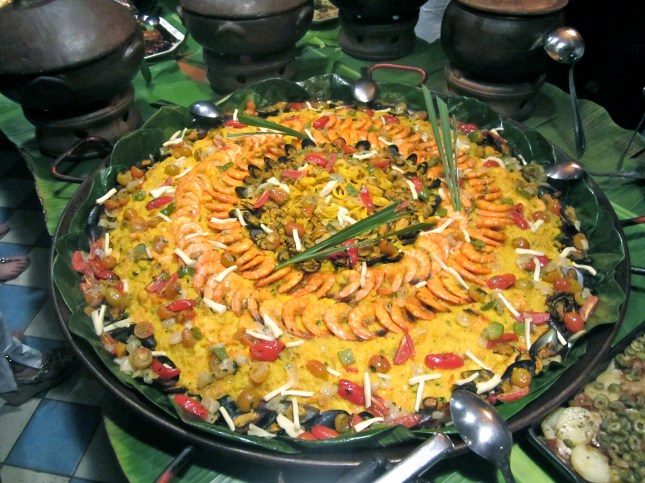
During our visit to the Archipelago of Fernando de Noronha, we were invited to enjoy the magnificent islander cuisine, through an unique gastronomic event. This event happens every Wednesday and Saturday evenings at one of the best bread and breakfast of Fernando de Noronha called “Pousada Zé Maria. Father and son run the business, and the night event we attended was hosted and presented by Zé Maria’s son, Tuca Noronha. Our appreciation to the host, as well as to the pleasant evening among friendly companions…

That said, the ecologically correct paradise of Fernando de Noronha offers opportunities for its visitors to be adventurous, without impacting the environment – and this concept is extended to its cuisine. Besides participating at Zé Maria’s Gastronomical Event, we also enjoyed typical food from the island at the Shark Museum Restaurant and Restaurante da Edilma (where I had shark for the first time!), and the perfect evening view at Pousada Maravilhas restaurant. The union of great food, good conversations and pleasant ambience, is the perfect combination for wonderful travel memories…

Gastronomic Event at Zé Maria’s:

Sea Food Specialty at Maravilha Restaurant:

A special dish at the Shark Museum, in honor of its creator, Eng. Leonardo Veras: “Camarão ao Léo”:

Enginneer Leonardo Veras, our host.

[Português/English] Marine Turtles in Northeastern Brazil – Projeto TAMAR em Fernando de Noronha

Five of the world’s seven sea turtle species are found in Brazil.

For over 20 years TAMAR project is responsible for identifying and protecting nesting beaches and feeding areas, doing research, promoting awareness and involving the local community.

Thanks to good planning, loyal sponsorship and an innovative merchandising program they are able to maintain 20 bases in Brazil. Releasing more than 600 thousand hatchlings every year, the TAMAR bases have become important tourism attractions and mean income to 1200 families.

[NOTE FROM BLOGGER] ALL THE INFORMATION BELOW IS PROVIDED BY WWF BRAZIL:
Project: Supported by WWF
Year started: 1982
Other Partners/Supporters: Petrobrás
Address: Alameda do Boldro s/no. – Fernando de Noronha – PE
Contact: Claudio Bellini
e-mail: infonoronha@tamar.org.br
more info: www.projetotamar.org.br
Area: Natural
Activities: Visit a conservation unit
Equipments: sandals, shorts, t-shirts, swimming gear, towel, small backpack, sunglasses, sunscreen
Gateway: Recife ou Natal
Near airport: Fernando de Noronha – PE
Dist. from the airport: 2 KM
Max. number visitors: 15
Min. number visitors: 2
Max. Lenght: 10 day(s)
Min. Lenght: 2 day(s)
Level: easy
Activity: Enviromental, Scientific, Social
Best time to go: February, March, April, May
Attending a night-time lecture (9 pm) at the TAMAR Institute

[Portuguese] O arquipélago de Fernando de Noronha, composto por 21 ilhas e ilhotas de origem vulcânica, está situado a 345km de Natal, capital do Rio Grande do Norte/RN e a 545Km de Recife, capital de Pernambuco/PE. É sítio de reprodução da tartaruga-verde (Chelonia mydas), que utiliza as praias arenosas do lugar para desovar entre os meses de dezembro e julho. É também área de alimentação, crescimento e repouso para juvenis desta espécie e da tartaruga-de-pente (Eretmochelys imbricata).

As praias de desova apresentam características propícias a um monitoramento diário, inclusive noturno nas áreas principais. A do Leão concentra 80% das ocorrências. As demais desovas acontecem ao longo do mar de dentro, entre as praias do Sancho e da Conceição. Cada estação reprodutiva, registra em média 100 desovas, gerando 8.900 filhotes da tartaruga verde.
O TAMAR iniciou suas atividades na região em 1984, quando o arquipélago ainda era território federal administrado pela Aeronáutica (hoje é território do Estado de Pernambuco).

Em 1986, foi criada a APA-Área de Proteção Ambiental. A praia do Leão, principal área de desova do arquipélago, tornou-se o embrião do Parque Nacional Marinho, criado por decreto federal, em 1988.

Fernando de Noronha é uma das bases mais importantes para o trabalho do Tamar.

É um verdadeiro laboratório natural, pois a transparência do mar oferece excelente condição ao desenvolvimento de pesquisas sobre a biologia e comportamento das tartarugas marinhas em ambiente natural, sobretudo debaixo d’água.

Além do monitoramento de fêmeas, durante o período reprodutivo, a base mantém um programa de marcação e recaptura de tartarugas que utilizam o arquipélago como área de alimentação, crescimento e repouso, durante uma etapa do seu ciclo de vida. Desde 1990, mais de mil tartarugas já foram marcadas pelo Tamar através desse programa, em que os pesquisadores realizam mergulho livre, autônomo ou rebocado.

Além do mais, o grande fluxo turístico que o arquipélago registra é estratégico para o trabalho de sensibilização e educação ambiental, principalmente através do Centro de Visitantes-Museu Aberto das Tartarugas Marinhas, o qual tivemos o prazer e honra de visitar durante nossa recente visita ao arquipélago. Todos os visitantes do Museu-Aberto do TAMAR recebem uma palestra gratuita sobre a vida selvagem a ser encontrada no arquipélago, assim como, são instruídos a como se comportar em frente à natureza, sem causar quaisquer impacto ambiental. Todas as palestras são às 9 da noite, e seguem por cerca de uma hora até uma hora e meia. Extremamente informativas,claras, concisas e ministradas por pesquisadores e voluntários do TAMAR. É a perfeita preparação para os que irão aventurar-se a explorar as ilhas na manhã seguinte. Nós adoramos a experiência, eu enquanto bióloga, e meu esposo, agora apaixonado pela vida marinha. Um sucesso e uma oportunidade única de vivenciar, aprender e compartilhar conhecimentos.
Weekly Photo Challenge: Contrast

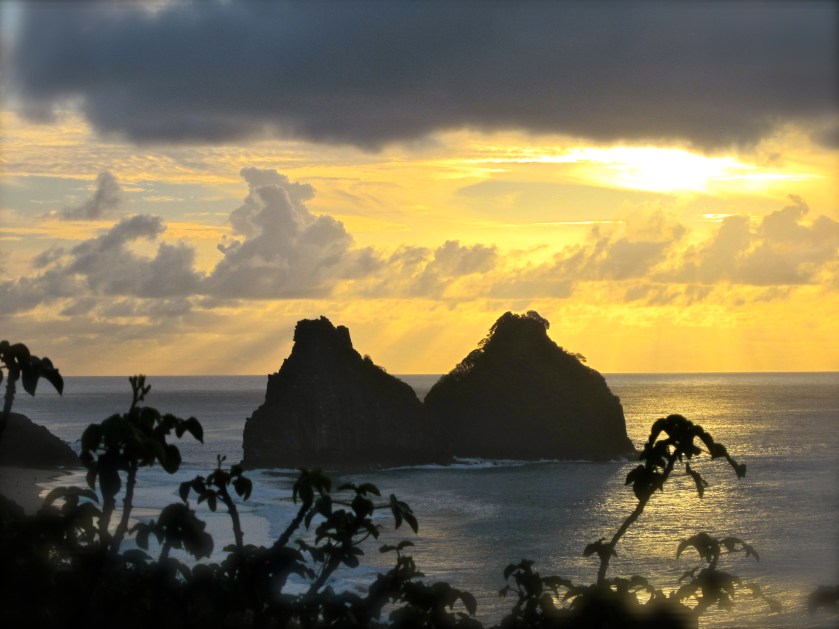
The inspiration for this week’s challenge is “Contrast”, and here I’m, sharing a very recent image that represents a lot of contrast: the end of the day, beginning of the evening; the dark colors from the previously light sky, kindly kissing the calm ocean waters, introducing the night to observers and by-passers…

The postal card for Archipelago Fernando de Noronha, in Brazil

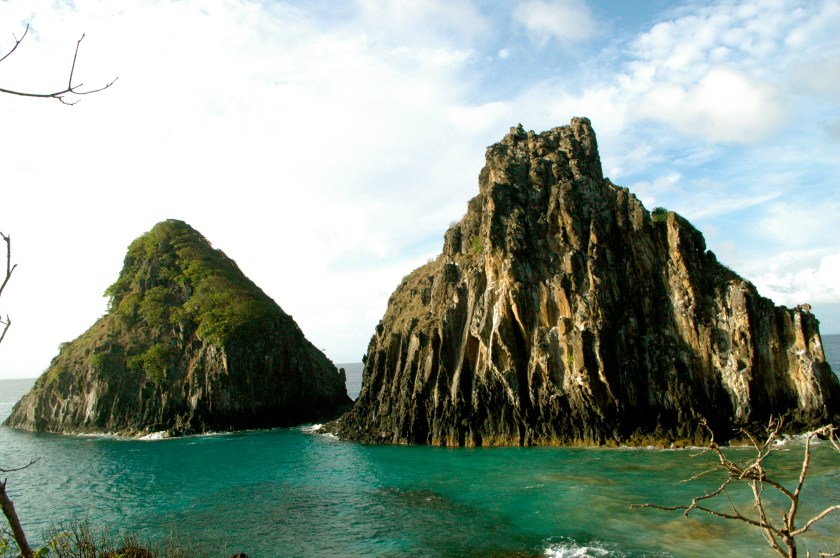
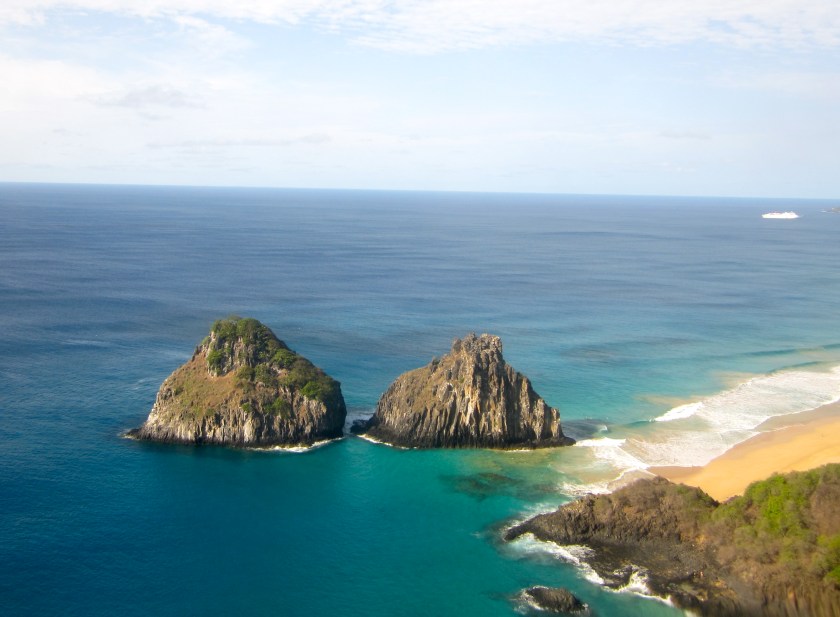
And, if you’re curious to know how this scene would look during the day, here’s another contrast: the ‘earth-colored sky’ is replaced by a paradisiac blue sky, which is reflected onto the turquoise and green waters…. from a far away view, I’m bringing you all to a closer look at the “Morro Dois Irmãos”(Two Brother’s Hill) 😮

So, do you prefer the “sunset view” or the “daytime view”?  I’m totally bias, because I’m deeply in love with the main island, but I’m leaving the question here! 😮

Related Posts from other WordPress photographers: Contrast

World Heritage Wonder: Fernando de Noronha Archipelago, Brazil

The "Two Brothers" hill - Morro Dois Irmãos, viewed from the Praia da Cacimba do Padre, FN.

Just like the AtlantisFernando de Noronha has caught the imagination of travelers for centuries and many urban myths are associated with this gloriously surreal island. With its powdery beaches, lush rolling greens and crystalline azure waters, Fernando de Noronha is a tropical paradise of sublime beauty that is steeped deep in mysticism and mystery. The archipelago – named after a 16th-century Portuguese nobleman who may never have actually set foot there – exists in the proud Brazilian imagination, as well as a beautiful group of a main island and several islets. Fernando de Noronha is, strictly speaking, an archipelago made up of one 11-square-mile chunk of volcanic rock and 20 smaller islands, three degrees south of the equator, 220 miles from Brazil’s north-eastern coast.

Discovered in 16th century, the eco-wonderland is big on conservation, thus traveling from mainland is expensive business. Fernando de Noronha has the best beaches in Brazil, as Guia Quatro Rodas Praias, Brazil’s ‘Beach Bible’, bestowed five starts to only four beaches in Brazil – and three of them are at Fernando de Noronha. One of the more popular ways to explore the island-mountain is by hiring a dune buggy [look at our photos here on the sides!], which is available easily for rent.

We would always start or days early, heading towards Lago dos Dois Irmãos, or walking down the cobblestone streets in Vila dos Remédios.

street in Vila dos Remédios
Main Church - Igreja da Conceição

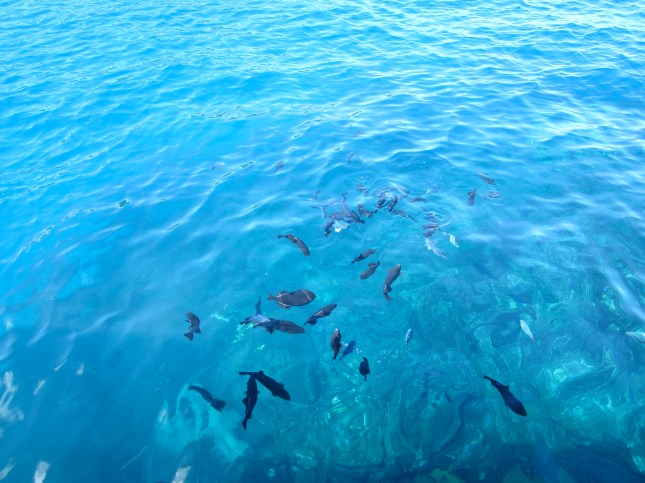
In Atalaia Beach, we were able to snorkel with fishes and juvenile sharks, checking out the swarms of hawksbill and green turtles, and also, witness rare island species like iguanas. Other adventure seekers like us, engaged in underwater activities, diving and snorkeling to experience the prolific marine life including albacore, barracuda, snappers, cangulos (fish)… An upcoming post will offer more details about our encounters with the marine and wild lives from the archipelago 😮

Leão, Sancho and Porcos Bay are the best beaches in Fernando de Noronha and our personal favorite is Sancho Bay as the water changes color from crystal to turquoise to emerald and there is a huge reef wall around the beach making it popular among snorkelers. These will be subject of upcoming posts, since we’re still going through our pictures, often having to bring ourselves back to our present time…

Watching the sunset behind the "Morro Dois Irmãos" (Two Brothers)
Hiking along the beach coast - Praia do Cachorro, Praia do Meio, Praia da Conceição
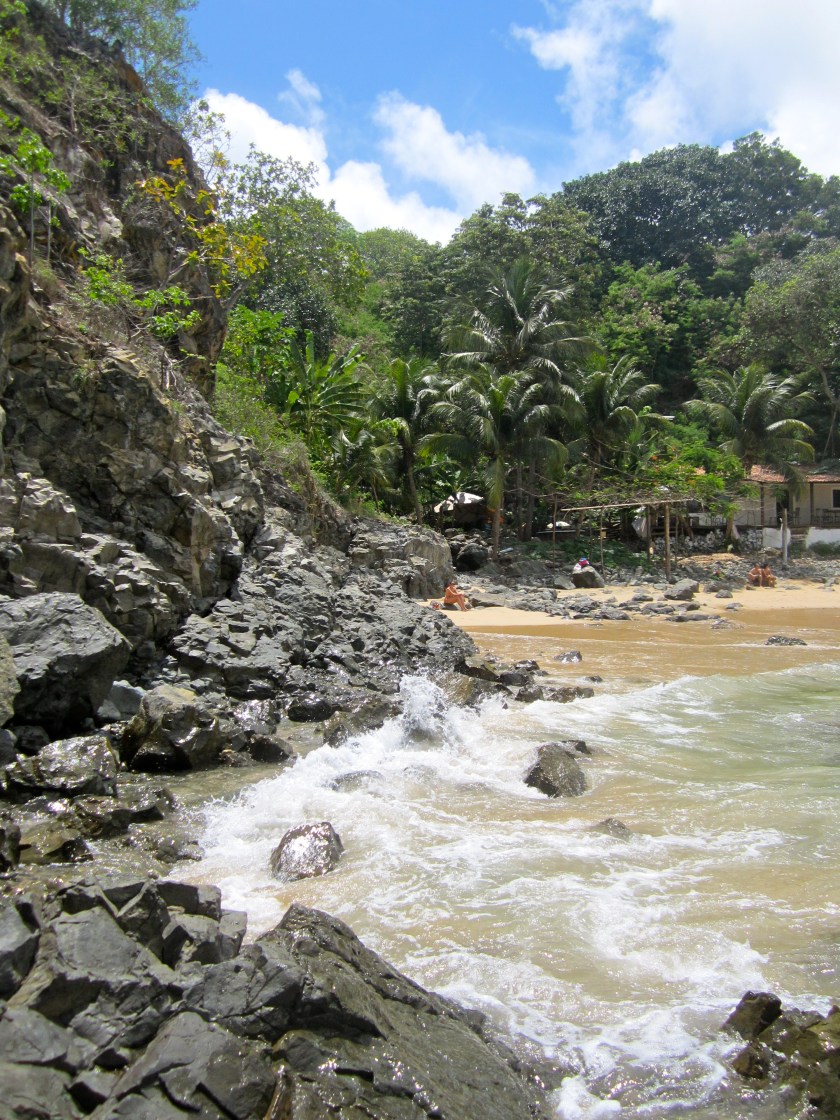
One of the natural wonders found during our hiking adventures - native Atlantic/Rain Forest setting

Praia da Cacimba do Padre, well-known destination by surfers, and observers

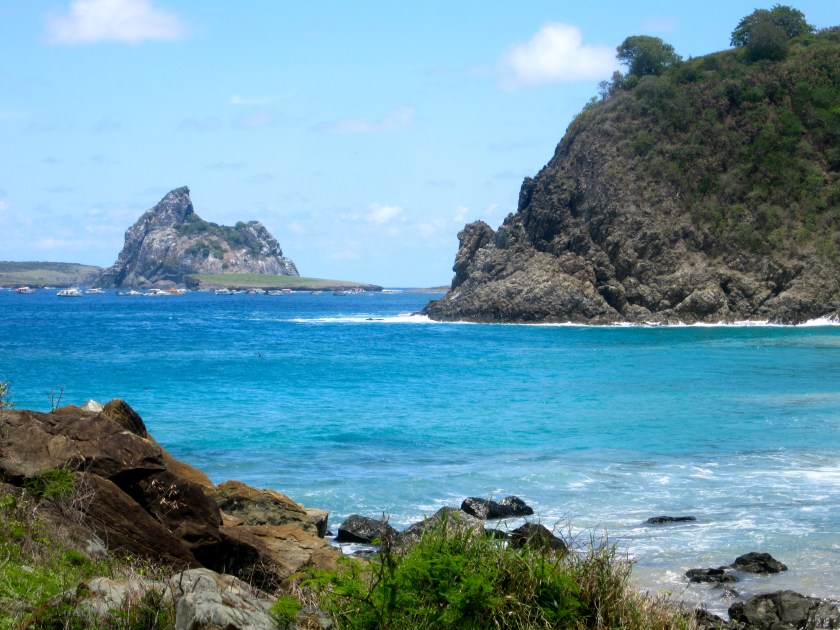
Turquoise waters
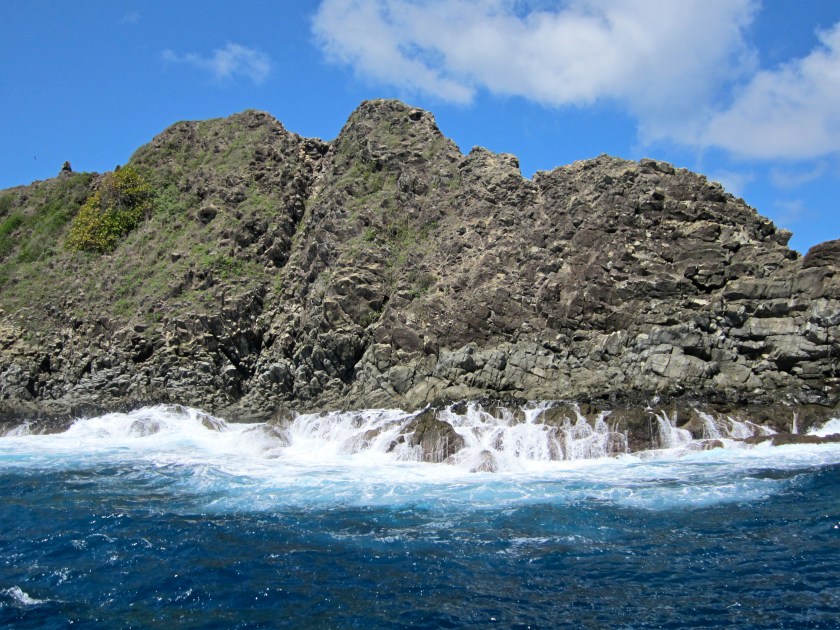
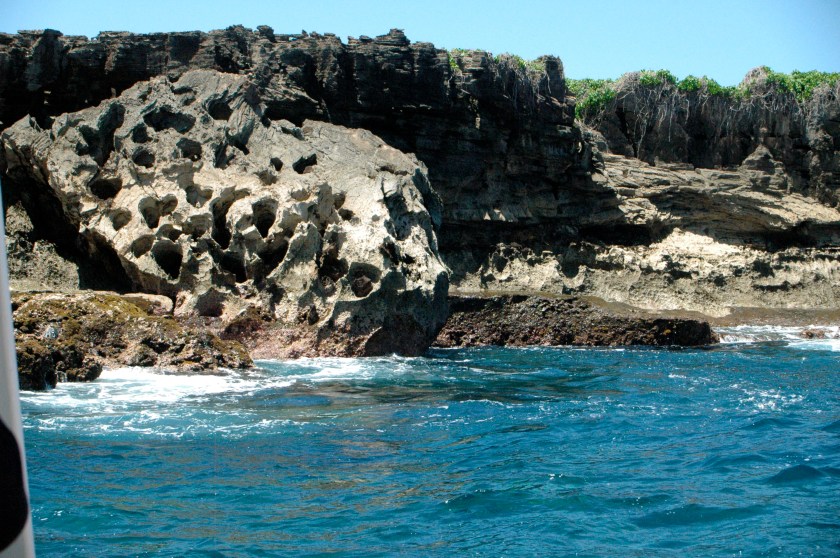
Intriguing formations among the volcanic rocks

Fernando de Noronha’s claim to fame is its diverse and rich ecosystem. And while nature lovers throng to this eco-paradise, the volcanic island with its splendid marine life, dramatic rock formations and long lazy stretches of beaches is the perfect romantic destination as well… and we can vouche for that! 😮

Searching for marine fish and dolphins

hiking couple :o
hiking couple 😮


…finally, leaving you “curious for the posts to come“, a glimpse of what we found during our eco-friendly explorative adventures: 😮

[We still need to share our experiences with the Brazilian TAMAR Project (marine turtles) and with the Shark Museum (“Museu do Tubarão”)]. Imagine!!

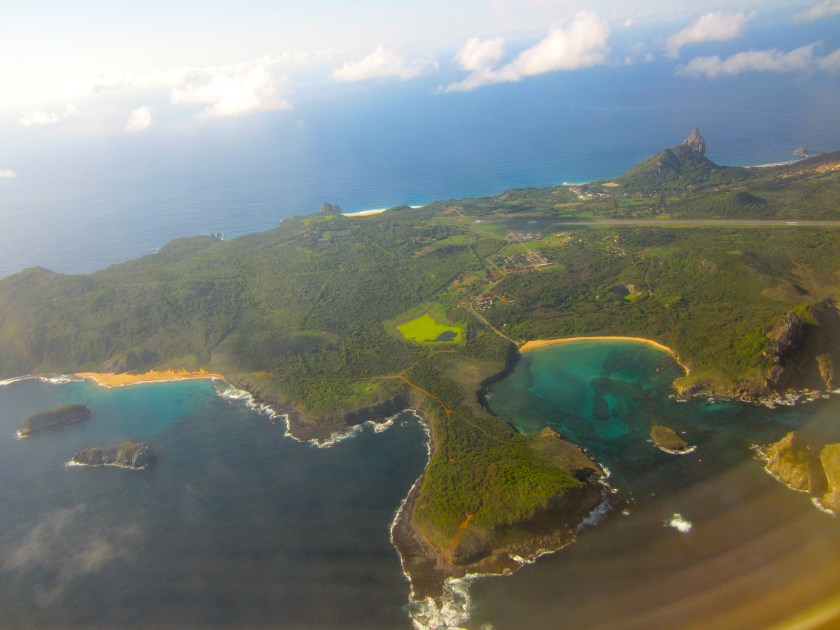
Searching for paradise: Aerial views of Fernando de Noronha Archipelago, Brazil

This is the first in a series of posts on our recent trip to the Brazilian Archipelago of Fernando de Noronha: leisure, research, adventure, photography.

Peaks of the Southern Atlantic submarine ridge form the Fernando de Noronha Archipelago off the coast of Brazil, representing a large proportion of the island surface of the South Atlantic and the rich waters are extremely important for the breeding and feeding of tuna, shark, turtle and marine mammals. The islands are home to the largest concentration of tropical seabirds in the Western Atlantic. Baia de Golfinhos has an exceptional population of resident dolphin. The Fernando de Noronha archipelago covers the majority of the main island and includes the majority of smaller offshore islands and islets. The islands are part of a large submarine mountain system of volcanic origin, which rises from the ocean floor some 4,000 m in depth. The Fernando de Noronha volcano is estimated to be between 1.8 million and 12.3 million years old. The coastline is complex, with a number of high cliffs and sandy beaches. The north-west facing shores are relatively calm, whereas the south-east shores face the predominant currents and winds and are largely rocky shores with significant wave action.
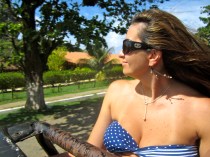
Arriving… flying along the coastline

And here, a snapshot of “who’s got an unchallengeable view” of this paradise:

The highly productive coastal waters around islands are used by many fish species for spawning and as a refuge for juvenile fish. The shallow waters also provide habitat for benthnic organisms (such as coral, sponges and algae). Oceanic islands therefore play a key role in the reproduction and dispersal of marine organisms, providing a staging point for the colonization of other coastal areas and the surrounding ocean. There are less than 10 oceanic islands in the South Atlantic and the Fernando de Noronha Archipelago represents almost 50% of the islands in terms of surface area. As the site makes up such a large proportion of insular South Atlantic coastal area, it is an important repository for the maintenance of biodiversity for the entire South Atlantic basin.

Fernando de Noronha is also the only know location for Insular Atlantic Forest – a subtype of Atlantic Rainforest. To date over 400 species of vascular plants have recorded, including three endemics. The archipelago also contains the sole oceanic mangrove in the South Atlantic. [Source: UNESCO/CLT/WHC]

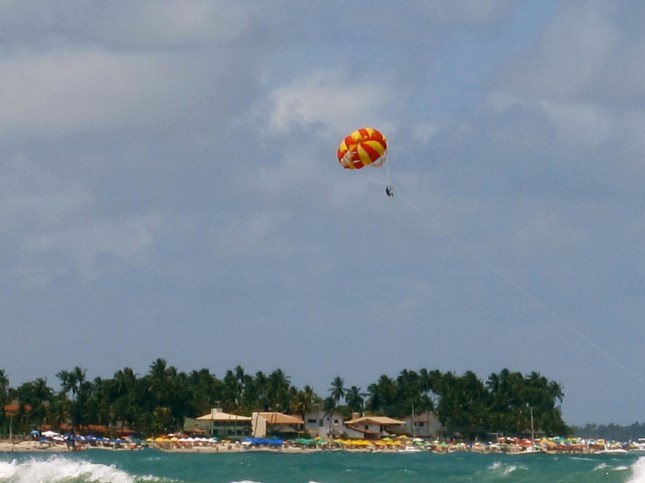
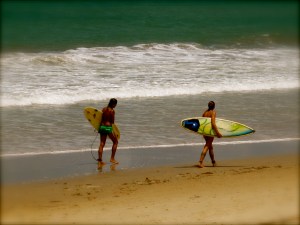
Water sports abound in Maracaipe Beach…

"silence.. the only sound here is from the waves..."

A great alternative to escape from the urban madness, enjoying the warm weather and calm waters


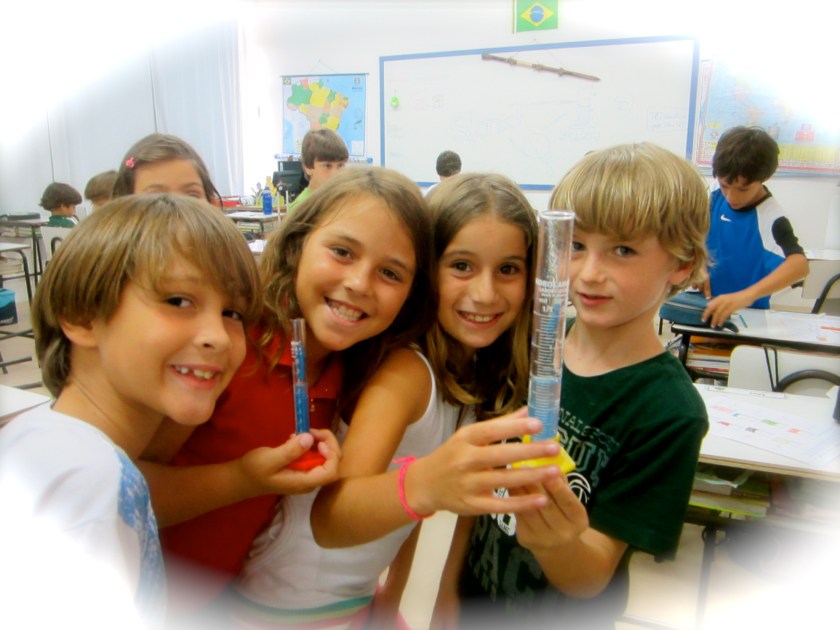
Snapshots of fun science!

This slideshow requires JavaScript.

Recently interviewed by BlogExpat!

3rd culture children

 Just got interviewed by BlogExpat:From Brazil to USA to Africa and back to Brazil: 3rd Culture Childrenby Erin [27 February, 2012 11:37]Raquel L. Miranda, Brazilian by birth, lived and studied in Argentina. Worked as an international researcher in the USA, before marrying and becoming a Foreign Service ‘hauling spouse’, mother of 3 third-culture children, all under the age of 7! Currently posted in Recife, Brazil – previous posts including Washington, DC and Maputo, Mozambique.

1. Why did you move abroad?
I was born abroad! [smiles!] My parents used to be public servers with the Brazilian government, so we traveled a lot. With a background in science and research, I was always on a plane, traveling to conferences or symposiums. Then, one day, 11 years ago, resting at the beach in Brazil, while taking a break from my PhD research and endless lecture preparation at the university, I met the one who would become my husband – he was a charming 26 year-old pre-grad student, interested in international politics, and (surprise!), who liked to travel around the world… Read more

Acadêmicos do Samba, de Olinda, Pernambuco

It’s official: Brazilian Carnival is over. Done. Finished. Has come and gone…

The crude reality is knocking on everyone’s doors – tomorrow is Monday! A true and full working day… [snif, snif] The first real working/school day in a long time (at least, in a week, at some places!)

The year has officially began (as any good Brazilian would know, nothing really happens in Brazil before Carnaval! 😮 ) Now, the only comfort left is the thought of another holiday, maybe some long weekend, a full day at the beach, or, at least, the perspective of a Sunday barbecue, with some good music and positive vibe. With this spirit, here is a bit of remembrance: a Samba Group, from our neighboring city, Olinda. Let’s all enjoy, and walk together towards “reality Monday”! 😮

Acadêmicos do Samba, from Olinda, Pernambuco
Tambores de carnaval, Samba de Roda & Sambão!

Acadêmicos do Samba honoring the Escola de Samba Mangueira, with Sambão!

Multicultural Carnival: February 2012, Pernambuco, Brazil

During one of my blog hopping ventures, found a very good site – my deepest appreciation to this great blog, for sharing such a rich description about how diverse the Carnival in Pernambuco is!


“Recife and Olinda are among the best cities in Brazil to experience Carnival. With the distance between them at less than one half mile, their combined Carnival is really just one distinctive party even bigger than the sum of the two. The party has an enticing contrast of tradition and imagination. Deep set traditions practiced for ages are reminiscent of the romance of Carnivals past. Yet, popular music and culture certainly reserve an equally powerful influence over the festivities. Carnival in Recife and Olinda is said to be the most beautiful, spontaneous and diverse of all the Carnivals in Brazil.

According to the Guiness Book of World Records, ever since 1995 Carnival in Recife has been home to the bloco that gathers the largest number of people in the world: Galo da Madrugada. The group began waking up the city at sunrise on the first official day of Carnival in 1978 with 75 people around a truck carrying a giant rooster. The mascot still stands the same, but by last year the celebration around it had grown to an estimated 2 million people dancing in the streets, bridges and boats to the sounds of 31 trios elétricos (moving speaker trucks with bands playing on the stages atop them). These trios elétricos warm up the party parading in Recife’s ocean front avenue between modern high rises and the beach every night of the week preceding official Carnival. Recife’s old harbor neighborhood also hosts people partying in its narrow streets where the colonial architecture makes for the perfect setting to watch the passing of music schools for various traditional rhythms every night of Carnival and during the four weekends prior to the official holiday. The party through the narrow roads up and down the hills of Olinda is on the same schedule. Those celebrating in their costumes, jumping and dancing in a multiplicity of blocos among the giant dolls and water wars literally take over the hills where tourists rent the houses of the residents who make space and some extra income. Different from the rhythms of the Samba in Rio de Janeiro and the Axe in Salvador, in Recife and Olinda, Carnival participants immerse themselves in the ecclectic sounds of Frevo (typical music of Pernambuco), Maracatu, Coco (of African origin), and Coboclinhos (of Indian origin). Manifesting the rich cultural backgrounds of Brazil, these unique rhythms originated from Africa and the indigenous cultures of Brazil. Partygoers in Recife and Olinda are notoriously tireless, as they move together in the most pleasureble chaos to the euphoric music and energy of Carnival.”

This slideshow requires JavaScript.

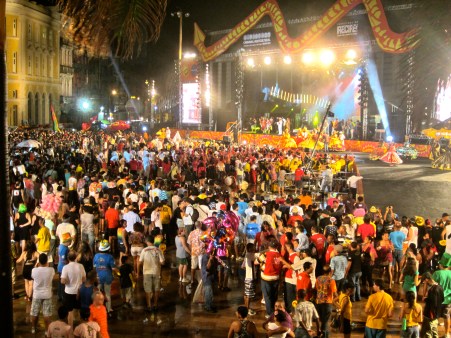
STOMP STAGE EXPERIENCE: Carnaval 2012, Brazil


Stomp (USA) during the Official Opening of Carnaval 2012, at Marco Zero, Recife, Brazil.

Date: February 17th, 2012. No heavy rain would have stopped them! 😮

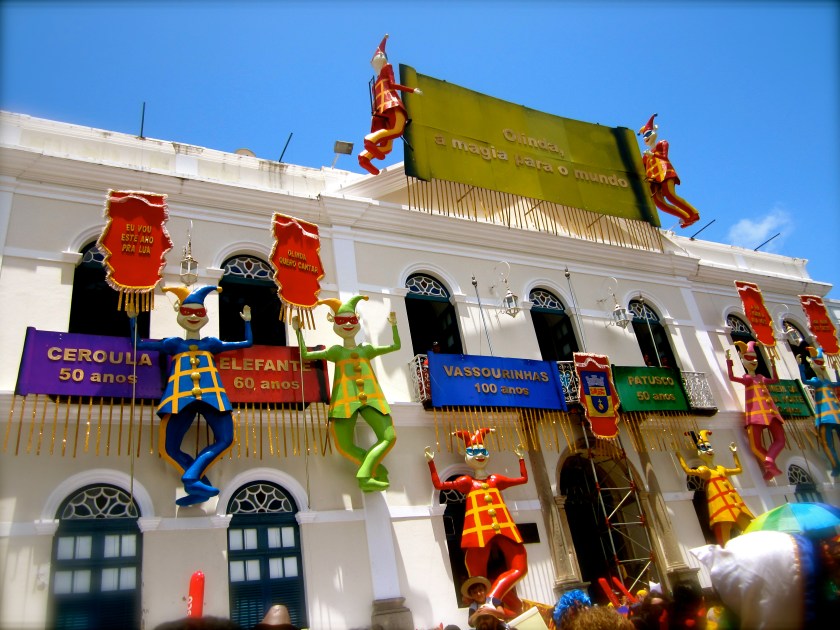
The giant dolls parade

Venue & Date: streets of Olinda, Carnaval Monday, February 2012.

The wonderful thing about Brazil is that Rio and Salvador aren’t the only places to experience the Carnival. Smaller towns like Olinda and Recife are as imbibed with the effervescent spirit of the Carnival steeped in strong Afro-Brazilian and Indian traditions. Most tourists head to Rio, but Olinda and Recife are extremely popular among Brazilians, as well as, among tourists.
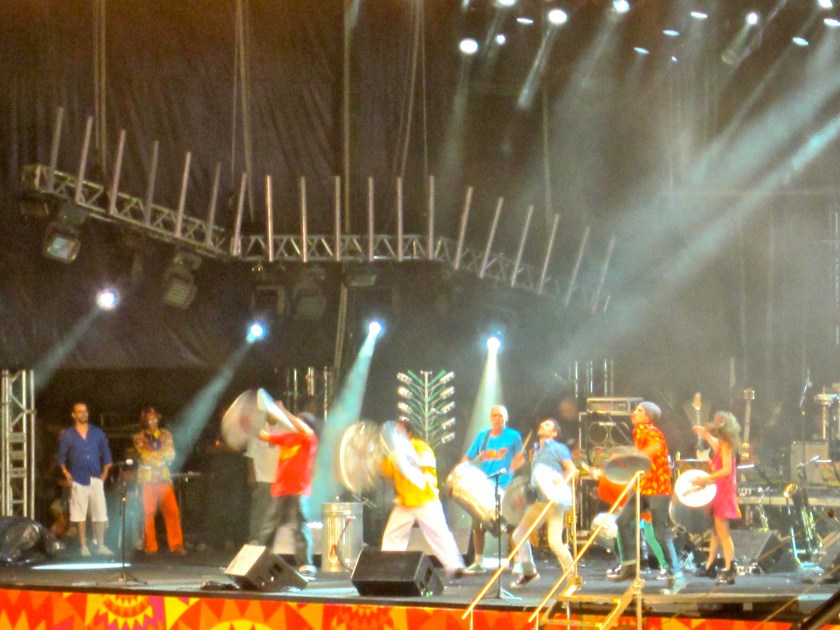
Visitors and families (like ours) headed this Carnaval Monday for an encounter with the so-called Giant Dolls, an old tradition featuring 9 feet tall wood and fabric dolls, throughout the historic cobblestone streets of Olinda. The most famous doll is the “midnight man” or “homem da meia-noite”‘ coming to life at midnight on carnival Sunday, and officially kicking off the giant dolls party.

Parading bands, under the sound of Frevo and samba, accompany the excited crowd, until it’s finishing line, where all the 50 giant dolls, resembling famous people, celebrities, politicians, meet and dance with the cheering public, for hours!

Heading to the Parade

Where it all begins: waiting for the giant dolls to come!


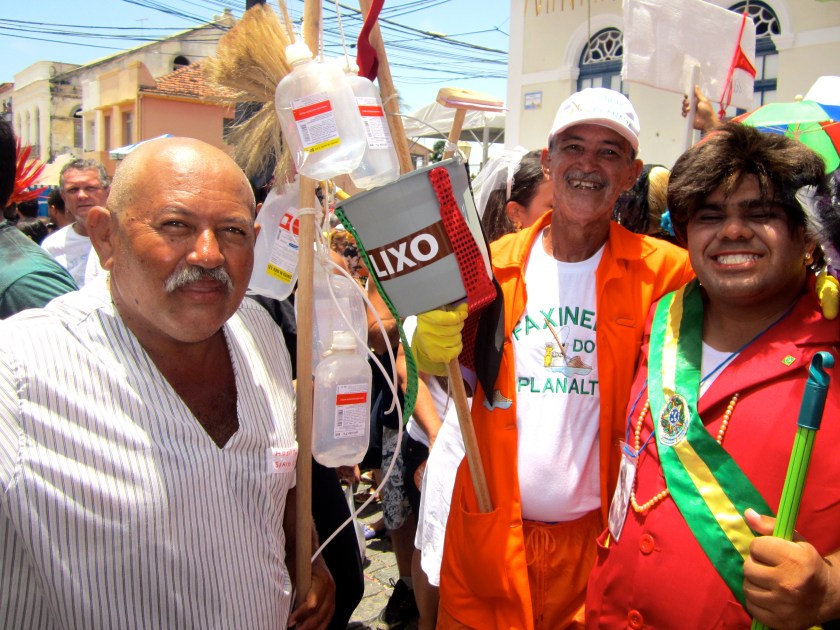
The Maracatu Dancers, a “former president”, a “current president”, more giant dolls and pure joy!

This slideshow requires JavaScript.

2012 Street Carnival: Heads with Style

Carnival Heads: Color & Style!

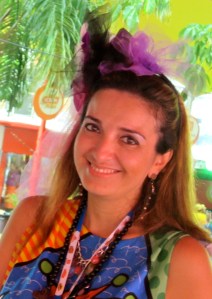
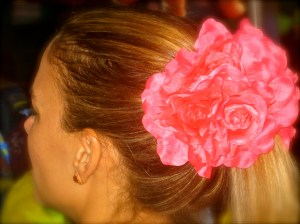
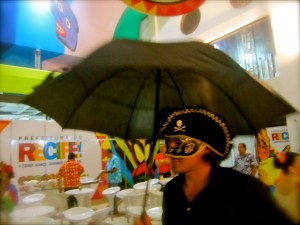
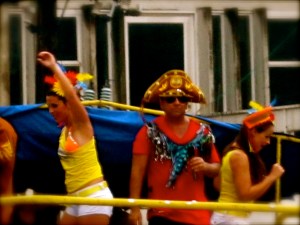
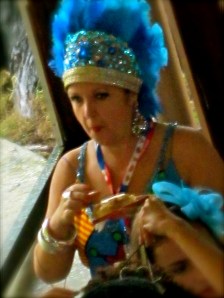
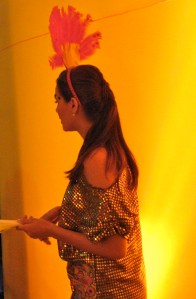
Carnival head decorations, flower arrangements, head pieces, tiaras, hats, colorful hair, any excuse is a good one to come out, taking over the streets, showcasing unique designs when it comes to fun and stylish costumes…

Why not, extend the costumes to “over the head”? 😮 Too many different styles to choose from: conservative, modern, over-the-top… Pick your favorite, or simply enjoy the endless creativity displayed during the most democratic carnival in the world!

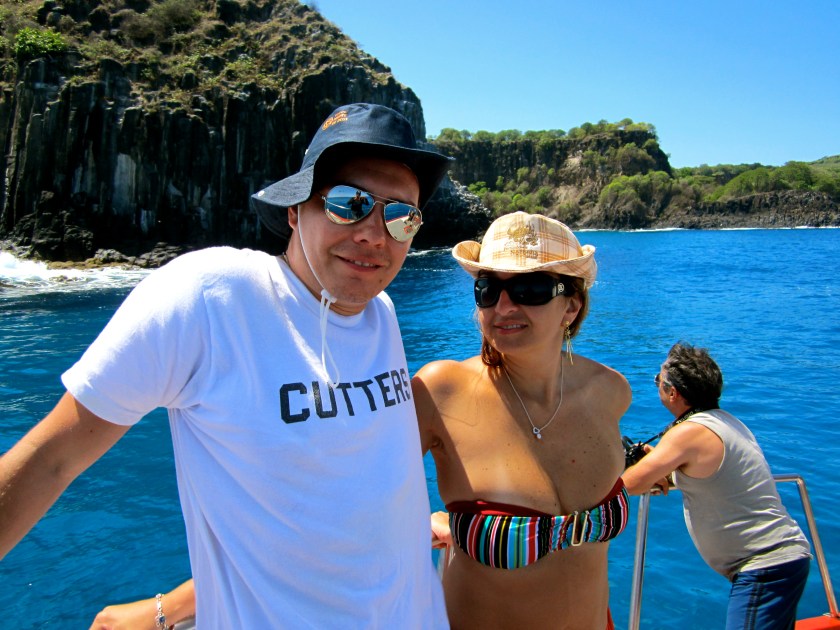
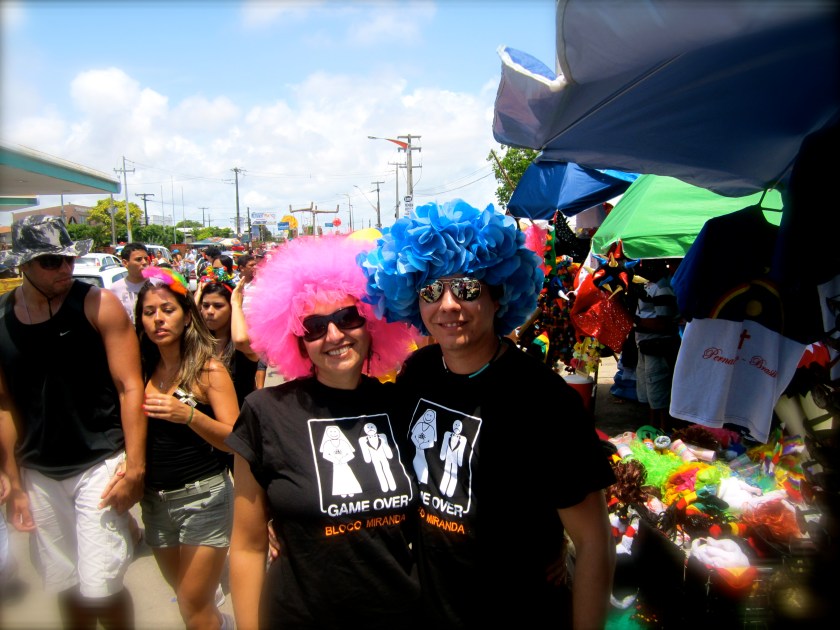
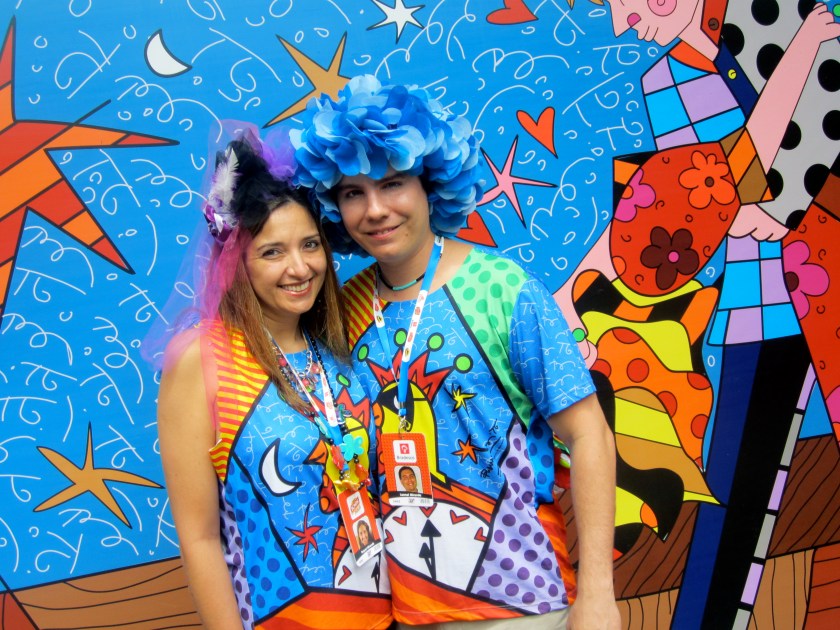
…and of course, as part of this list, our “own” head decoration: when it comes to having fun during carnival, this couple here likes to dare: every day, a different outfit, a different piece of art decorating our heads! 😮

"Married Couple", first night of Carnival
Second day of Carnival: Blue Happiness with Galo da Madrugada

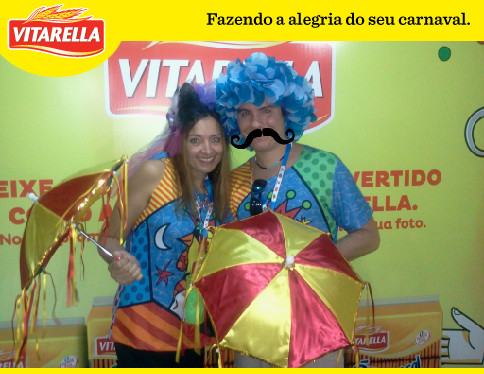
Having too much fun with Galo da Madrugada! [Camarote Globeleza]

g-sheina-sherry-matthew-sandelands


Galo da Madrugada (Foto: Heudes Régis / JC Imagem / AE)  Chuva não foi problema para brincar o Galo da Madrugada (Foto: Heudes Régis / JC Imagem )

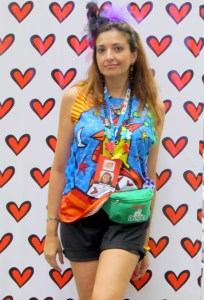
“Summer Britto” 2012: Galo da Madrugada with art!

“Summer Britto”. Romero Britto is one of the most successful artists of our time. This pop artist uses vibrant colors and bold patterns as a visual language of HOPE and happiness. He has been credited with the largest public art installation in Hyde Park history, and exhibited at the Carrousel du Louvre Museum – an art that appeals to all. what about carnival? The designed outfits for camarote globeleza, as well as tote bags and decoration… All in one place, all during Galo da Madrugada!
É esse o tema do camarote mais disputado do Galo da Madrugada, o Globeleza 2012, na esquina da Dantas Barreto com a Guararapes, na Praça da Independência (Pracinha do Diário). E como o próprio nome diz, é o artista plástico pernambucano, radicado em Miami, Romero Britto, quem inspira e assina toda a identidade visual do espaço, do layout da camisa, com estampa de um Galo, às bolsas do kit-convite, passando por suas típicas ilustrações coloridas e desenhadas exclusivamente a decoração, que terá concepção de Romildo Alves.

E aqui, os “pequenos Globais”… já prontos para a sua festa!

This slideshow requires JavaScript.

[300th post] Bora Bora, but not the French Polynesian island!

What a great way to celebrate the blog’s 300th post! [WOW, it’s amazing how much you can do, when you put your heart to it!] We did not have to cross the seas to find this natural beauty. Not an island, though, but for sure, a paradisiac stop! The name: Bora Bora, but in Brazil!

This slideshow requires JavaScript.

Happy Birthday to our Valentine’s Day Baby!

UPDATE: How is she now? 😮

She’s not a baby anymore… growing up pretty fast, becoming her own person, very loving, very intense. Four years ago, we got the best Valentine’s Day gift: our daughter Marcela. Baie Dankie, South Africa for this wonderful Valentine’s!

With much love, happy birthday, darling! Feliz cumple, Feliz Aniversário!

Environmentally Protected Area (APA): Reserva Biológica do Altinho, Pernambuco, Brazil

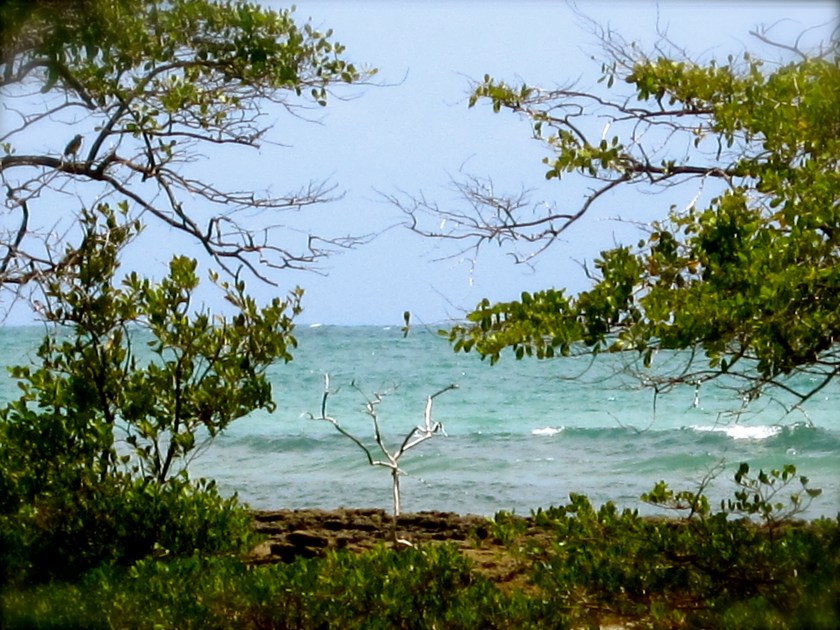
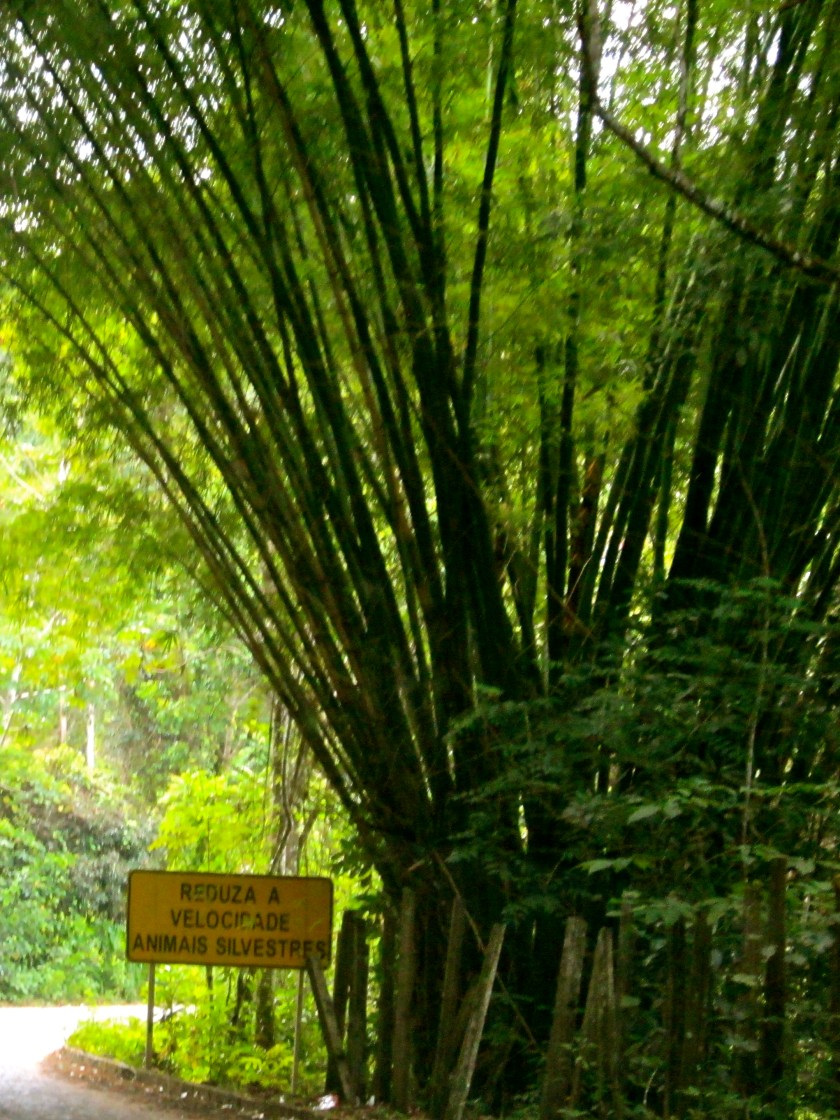
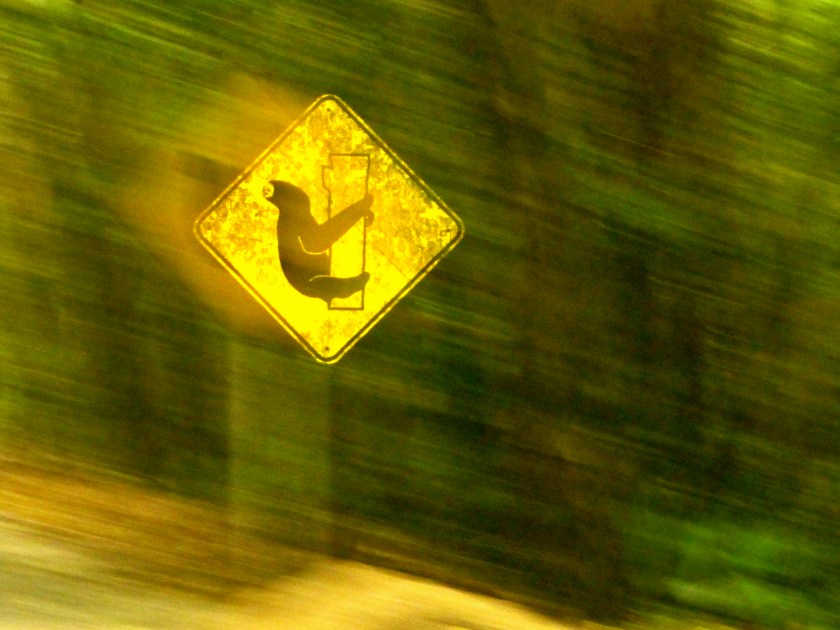
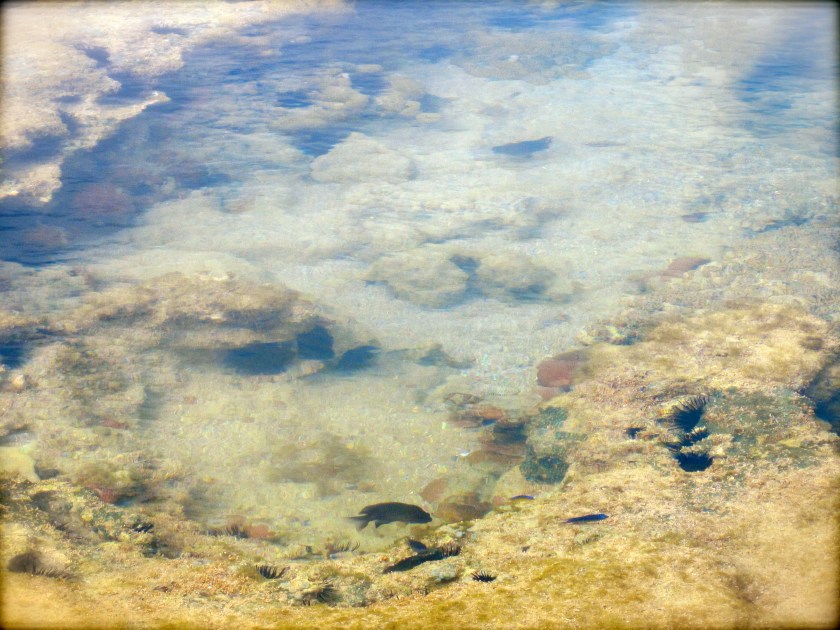
Be aware: Cute Animals Ahead!

Find below images from our visit to the “Environmentally Protected Area” of Altinho, a park embedded in the middle of the State of Pernambuco, in the Agreste Region of the country, showcasing the characteristic Caatinga vegetation (desertic, hiperxerophyla, lacking leaves trees). Not far from our home, some good 160 km, or 260 miles – a good weekend getaway!
The protected park borders the (famous for seasonal festivities and their arts & crafts) cities of Caruaru and São Caetano; Cupira, Panelas and Ibirajuba; Agrestina and Cachoeirinha. The park is surrounded by several rivers, but mainly by the Una and Ipojuca rivers. The rivers lead into the Atlantic Ocean, creating deltas, which are a great spot for calming and relaxing baths…

Entering the Park:

Área de Proteção Ambiental, Reserva Ecológica do Saltinho, Pernambuco
Where the Una river meets the Atlantic Ocean
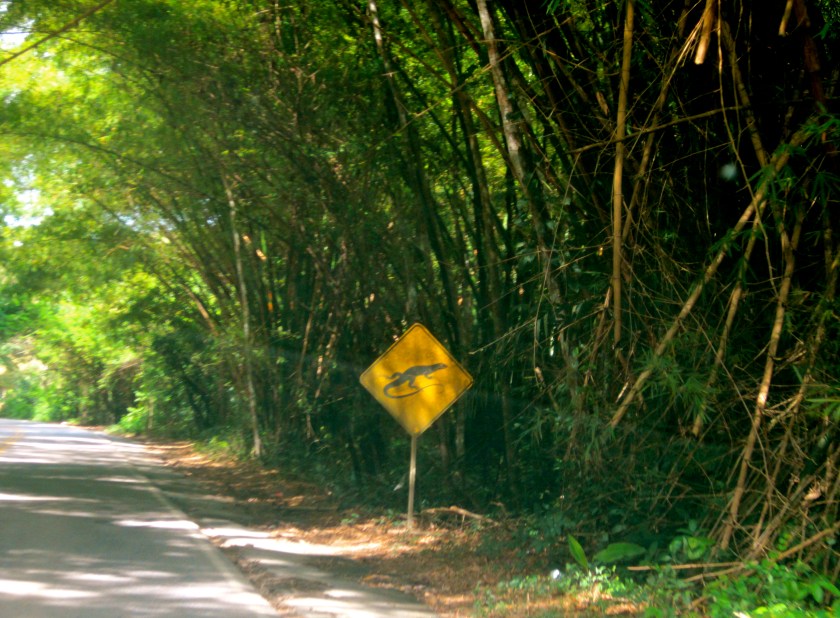
Caution with the animals crossing the road

Exploring one of the largest coral reefs in the world: Carneiros Beach, Pernambuco, Brazil

Waving along the Southern Coast of Pernambuco, Carneiros Beach (“Praia dos Carneiros”) discreetly possesses all the requirements to become a paradise. Sea of calm and crystal clear waters in shades of blue, palm trees, coral reefs and even a river that ends into the ocean.

Rustic bungalows have been built and decorated to meet the needs of comfort, and privacy, so tourists, or vacationing families may enjoy the peaceful setting that reigns in this paradise, still respecting the environment, its unique features and learning about preservation and ecological conscience. [The ‘talk’ about the beach’s intriguing bungalows is reserved for a ‘soon-to-come‘ post!]

bidding farewell...

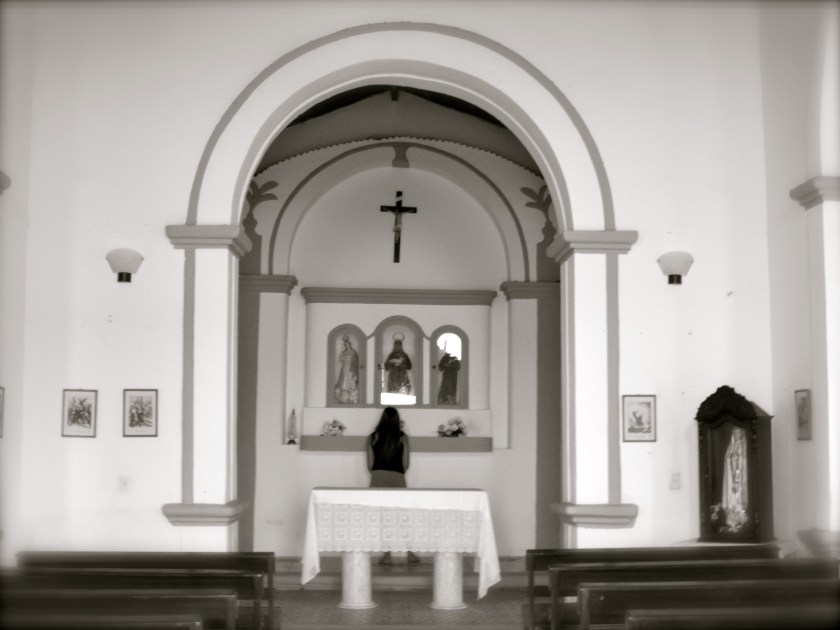
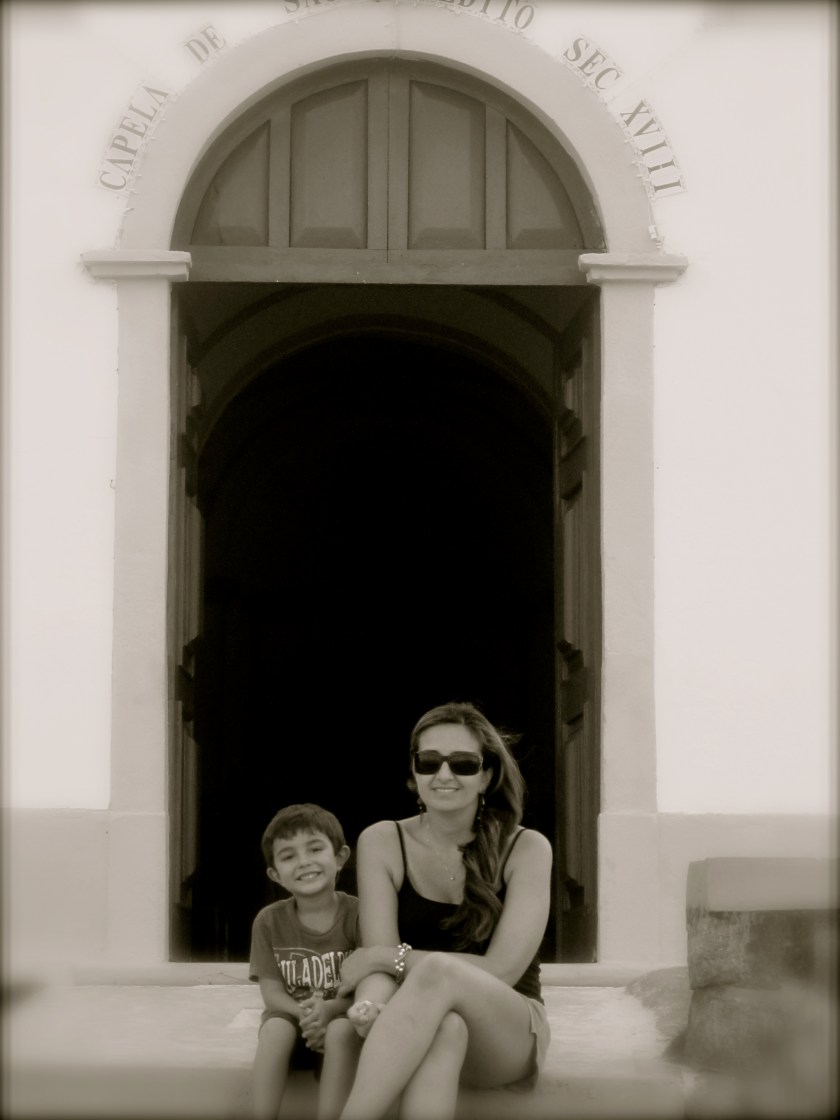
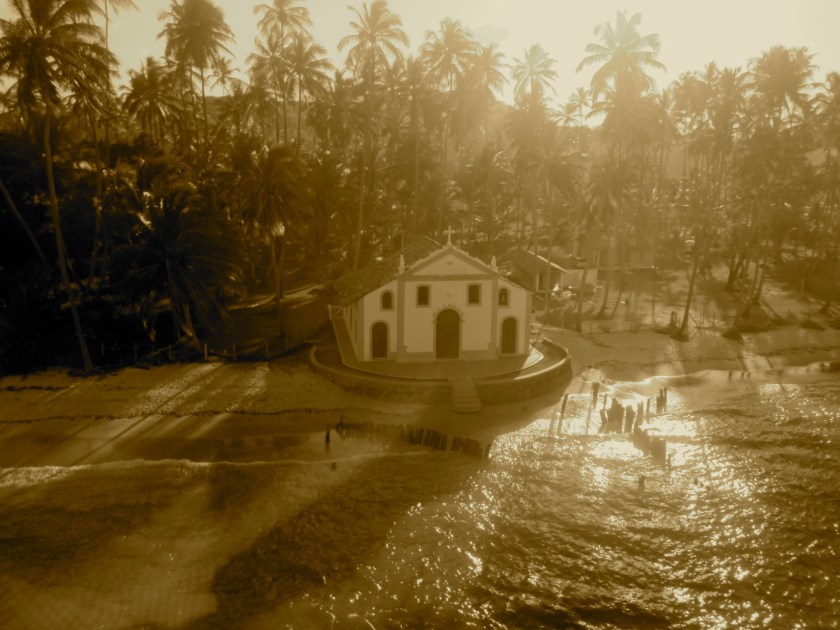
XVIII Century São Benedito Chapel at the sea shore of Carneiros Beach, Northeastern Brazil.

The walk along the beach, leading to the church front

The front of the Secular Church

The young learns about the secular traditions

Inside the Church

Church window looks out to the beach front

Bidding farewell to the Church and getting ready to walk back along the beach

mother and daughter

one more photo before leaving the church area

“Twenty Days to Carnaval”, says the beer can!

That’s right! And who says that is a beer can… What?! 

Wait… it’s a bit more than a gigantic beer can on the side of the road… it’s a traffic engineering device… hiding not one, but two traffic-monitoring camera… very clever! 😮

A very “shy” pair of cameras silently watch and monitor the street traffic…

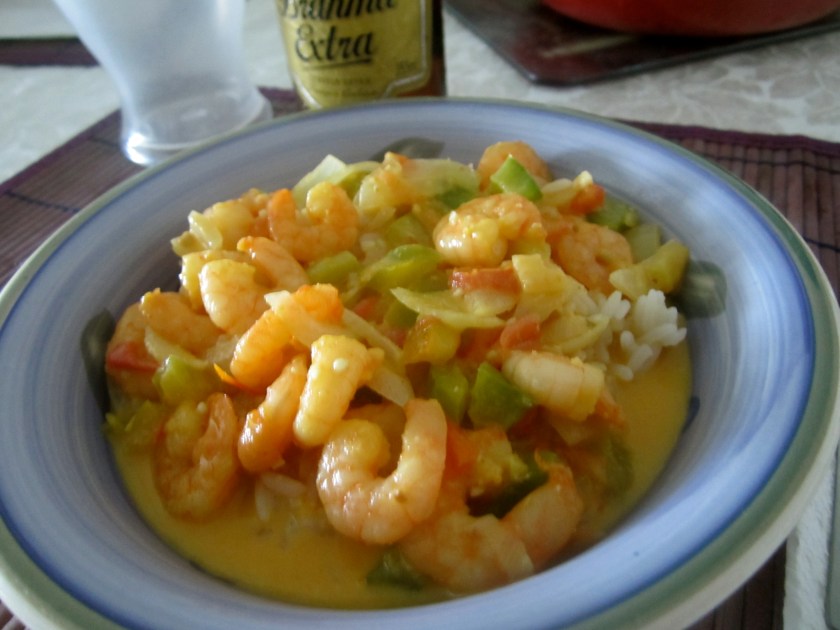
Spicy shrimp casserole with curry and coconut milk

Sunday is the best excuse for a great family lunch! Easy, quick, colorful and delicious!

I just started playing with the ingredients, trying different variations of the shrimp casserole, or Brazilian moqueca – a very popular dish among the members or our household, and responding to the husband’s request, here it is, “step-by-step”, or better saying, “image-by-image”… 😮

First, get all the fresh ingredients (or as fresh as possible, but hey, nothing against a convenient bottle of garlic powder!) together. The shrimp needs to be peeled and cooked. After being cooked, it could be stored in the freezer, if needed. Able to get a some organic vegetables (tomatoes, bell peppers, onions), as well, and they looked beautiful!

Sunday is the best excuse for a great family lunch! Easy, quick, colorful and delicious!

Where hot sauce and curry meet... heaven!

I just started playing with the ingredients, trying different variations of the shrimp casserole, or Brazilian moqueca – a very popular dish among the members of our household, and responding to the husband’s request, here it is, “step-by-step”, or better saying, “image-by-image”… 😮

First, get all the fresh ingredients together (or as fresh as possible, but hey, nothing against a convenient bottle of garlic powder!). The shrimp needs to be peeled and cooked. After being cooked, it could be stored in the freezer, if needed. I was able to get a some organic vegetables (tomatoes, bell peppers, onions), as well, and they looked beautiful!

Starting with some heat… curry & hot sauce:

Can you see the heat in action? look at the color of these bad boys!

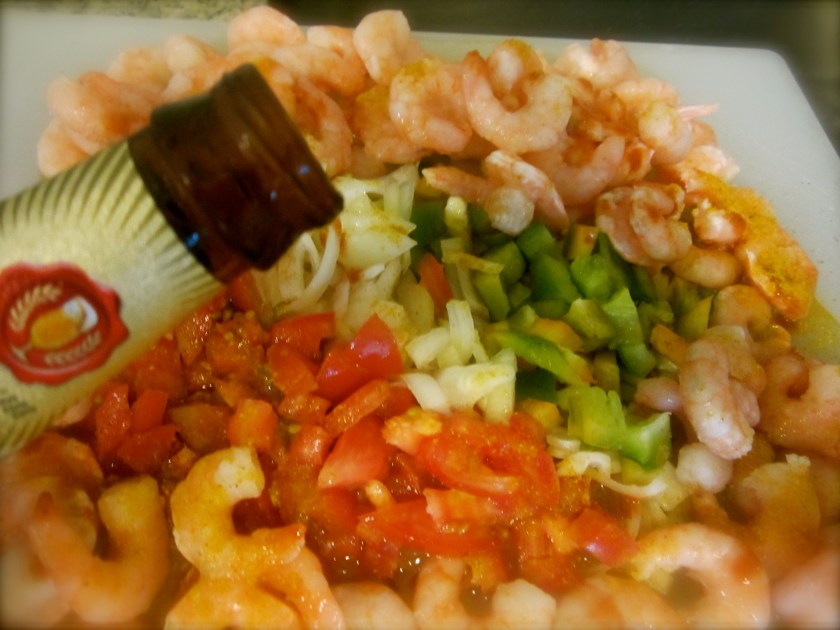
Adding a very important ingredient to the marinating mix: beer!

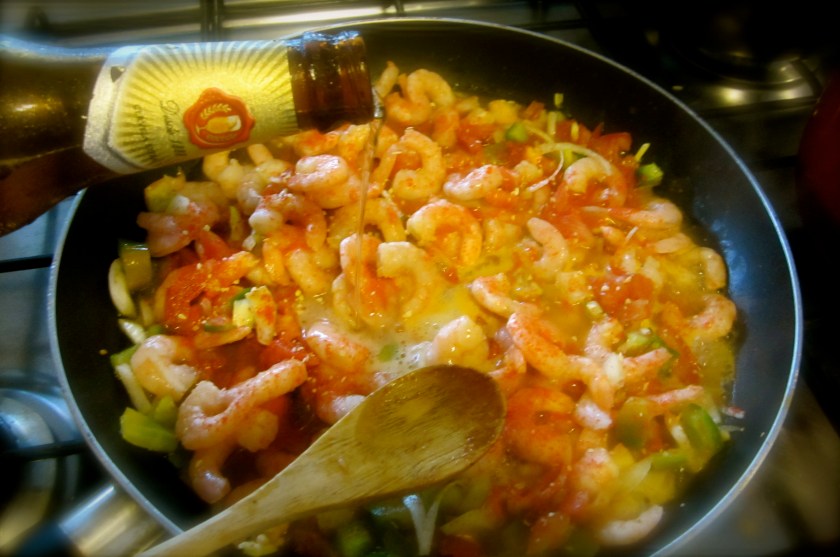
Simmering all the ingredients.. allowing for all the flavors to rejoice!

...don't forget to add a bit more "liquid" to the mixture...

Bringing in another surprising ingredient: coconut milk – very popular member of the traditional Brazilian cuisine!

How should it look? Pretty much like this! 😮

Now, a quick look over the side dishes:

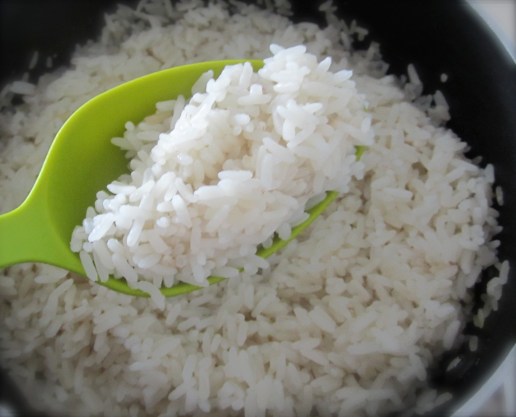
While you were working your magic with the shrimp casserole, rice was being cooked! It's simple like that!

Rice is done!

quick, easy, fluffy! like gradma's homecooking!

Another side order: organic veggies make a great and tasty salad!

Husband’s plate: [accompanied by his ‘favorite’ cold drink!]

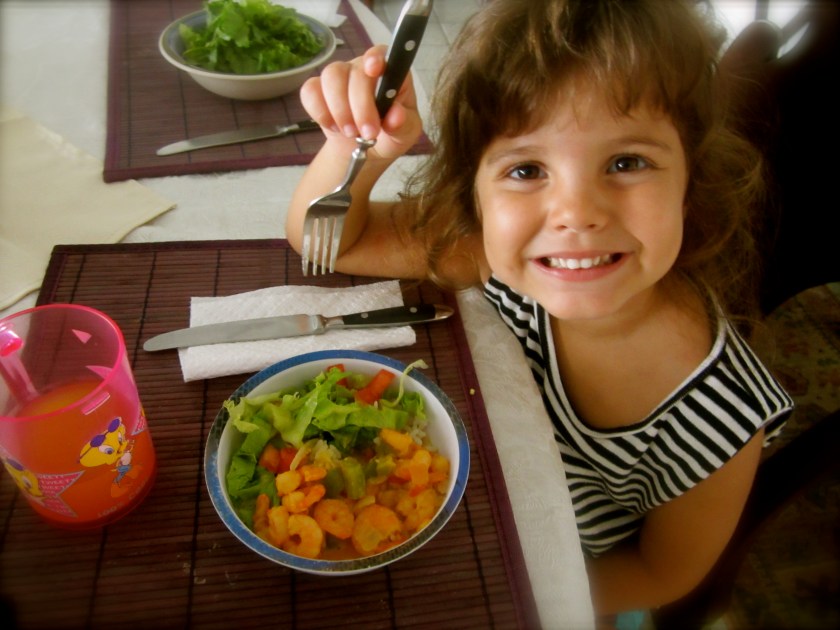
Two of my most demanding [and happy] customers! Happy Sunday!

Eighteen months in Brazil: helping other expat women adjust to new lifestyle (sharing tips).

We’re on countdown mode!

Time has gone pretty fast, but I feel like we still have a lot to do, a lot to see and experience… Lot of planning on my horizon, as well… we’re less than six months before we pack our bags and head out, in preparation for our next assignment. In the meantime, found some time to do some research, ask around and prepare a simplified list of “tips” for expat women living or planning on moving to Brazil.

FIRST: A great blog, listing several expat experiences in Brazil, thank you, TheTaoofMe for working on this fantastic list! 😮

source: The Economist Magazine

We’re on countdown mode!

Time has gone pretty fast, but I feel like we still have a lot to do, a lot to see and experience… Lot of planning on my horizon, as well… we’re less than six months before we pack our bags and head out, in preparation for our next assignment. In the meantime, found some time to do some research, ask around and prepare a simplified list of “tips” for expat women living or planning on moving to Brazil.

FIRST: A great blog, listing several expat experiences in Brazil, thank you, TheTaoofMe for working on this fantastic list! 😮

* * Resources for the “cosmopolitan woman”  * *

American Society of Sao Paulo
http://www.americansociety.com.br/
The Society exists for the following purposes: To promote and maintain friendly relations between the United States of America and Brazil, to provide for the celebration of days of remembrance such as Thanksgiving, Fourth of July, and other holidays traditional to United States citizens, to receive and entertain officials and visitors from the United States, to aid United States citizens and their immediate families who are destitute or have insufficient resources to meet emergencies or other essential needs, to aid and assist newly arrived United States citizens by providing information which helps orient them in their new surroundings, to promote charitable, social, cultural, and athletic activities of interest to the U.S. community in São Paulo.

Associação Beneficente Internacional Women’s Club Porto Alegre
http://br.geocities.com/iwcpoa/
Participation in our Club has given the members the opportunity to meet an international group of people with varied interest, customs, cultures and languages, to learn more about Porto Alegre and the Brazilian way of life. Some have found that special friend to help through the difficult adjustment in a new country.

International Newcomers Club – Rio de Janeiro
http://www.incrio.org.br
The International Club of Rio (InC) is a non-profit organization comprised of individuals from the local and expatriate English-speaking communities.

International Women’s Club of Paraná
http://www.iwcpbrasil.com.br
The aim of the club is to provide opportunities to meet informally, exchange ideas and make new friends as well as helping newly arrived international families settle more easily in their new life. The club is open to expatriate women and their families that are new to Brazil, Brazilian women who have lived abroad for at least three years (within the last 10 years) and (English-speaking) Brazilian women whose husbands are foreigners.

International Women’s Club Porto Alegre http://br.geocities.com/iwcpoa/

Macaé International Women’s Club (MIWC)
http://www.miwc-br.org
A non-profit, volunteer organization offering friendship, guidance and service to women establishing residence in Macaé and surrounding areas. Furthermore the Macaé International Women’s Club provides opportunities for charitable activities and humanitarian assistance to our community.

Newcomers Club – Brazil
http://www.newcomersclub.com/br.html
An English-speaking group that is designed to give you the opportunity to meet and develop friendships with others who live in the same area.

The American Society of Rio de Janeiro (AmSoc Rio)
http://www.americansocietyrio.org/amsoc/default.asp
This organization celebrates American traditions, hosts themed parties, and supports local charitable projects. The group is open to all nationalities and offers opportunities to volunteer, meet new friends, and network through group events, including a Speaker Series. Their Ambassador program links new members with those who have lived there for many years.

Got kids in School?

I grew up here! 😮

American School of Brasília http://www.state.gov/m/a/os/1527.htm

American School of Campinas (EAC)
http://www.eac.com.br
pre-K to 12, co-ed
Follow the American curriculum. Recognized by SACS (Southern Association of Colleges and Schools) and have an excellent program of studies. We have in our community children from all over the world.

American School of Recife http://www.ear.com.br/

Note: worked here for over a year. If you’ve got any questions about the school, and believe I could offer any assistance, feel free to drop me a line! :o

American School of Rio de Janeiro http://www.earj.com.br/

Escola das Nacoes Brasília http://www.edn.org.br/

International School of Curitiba http://www.iscbrazil.com/

Pan American School of Bahia http://www.paspanthers.org.br/

St. Paul’s School Sao Paulo http://www.stpauls.br/

The American Elementary and High School Sao Paulo http://www.graded.br/

The American School of Belo Horizonte http://www.eabh.com.br/

Tip Toe Alphaville’s Montessori School &
Discovery Alphaville’s Elementary School Sao Paulo
http://www.tiptoeschool.com.br/

For now, we’ll keep enjoying the journey! 😮

Producing 650 million liters a year: touring the Coca-Cola Guararapes factory

Founded on December 31, 1983, Coca-Cola Guararapes established its excellence in the segment of consumer goods, production and distribution of beverage portfolio of Coca-Cola FEMSA. Since 2001, the company reports directly to The Coca-Cola Company, Atlanta / USA.
[Portugues] A empresa mantém um parque fabril com oito unidades industriais, sendo composta por quatro fábricas (Jaboatão dos Guararapes, Suape, Petrolina e João Pessoa) e quatro centros de distribuição (Arruda, Caruaru, Garanhuns e Campina Grande). Juntas, as unidades têm uma capacidade de produção instalada de 650 milhões de litros de bebidas por ano. A frota da empresa conta com mais de 650 veículos (caminhões, carretas, motos, carros) e a força de vendas é composta por, aproximadamente, 500 pessoas, que atendem a 61 mil pontos-de-venda.

Founded on December 31, 1983, Coca-Cola Guararapes established its excellence in the segment of consumer goods, production and distribution of beverage portfolio of Coca-Cola FEMSA. Since 2001, the company reports directly to The Coca-Cola Company, Atlanta / USA.

[Portugues] A empresa mantém um parque fabril com oito unidades industriais, sendo composta por quatro fábricas (Jaboatão dos Guararapes, Suape, Petrolina  e João Pessoa) e quatro centros de distribuição (Arruda, Caruaru, Garanhuns e Campina Grande). Juntas, as unidades têm uma capacidade de produção instalada de 650 milhões de litros de bebidas por ano. A frota da empresa conta com mais de 650 veículos (caminhões, carretas, motos, carros) e a força de vendas é composta por, aproximadamente, 500 pessoas, que atendem a 61 mil pontos-de-venda.

Here, a few snapshots from a guided tour through the factory, as well as images from a very nice neighborhood – stopping by the beach on the way back to town… why not?

😮

Read here an original article, by Luis Delfin, President of the Guararapes Unit.

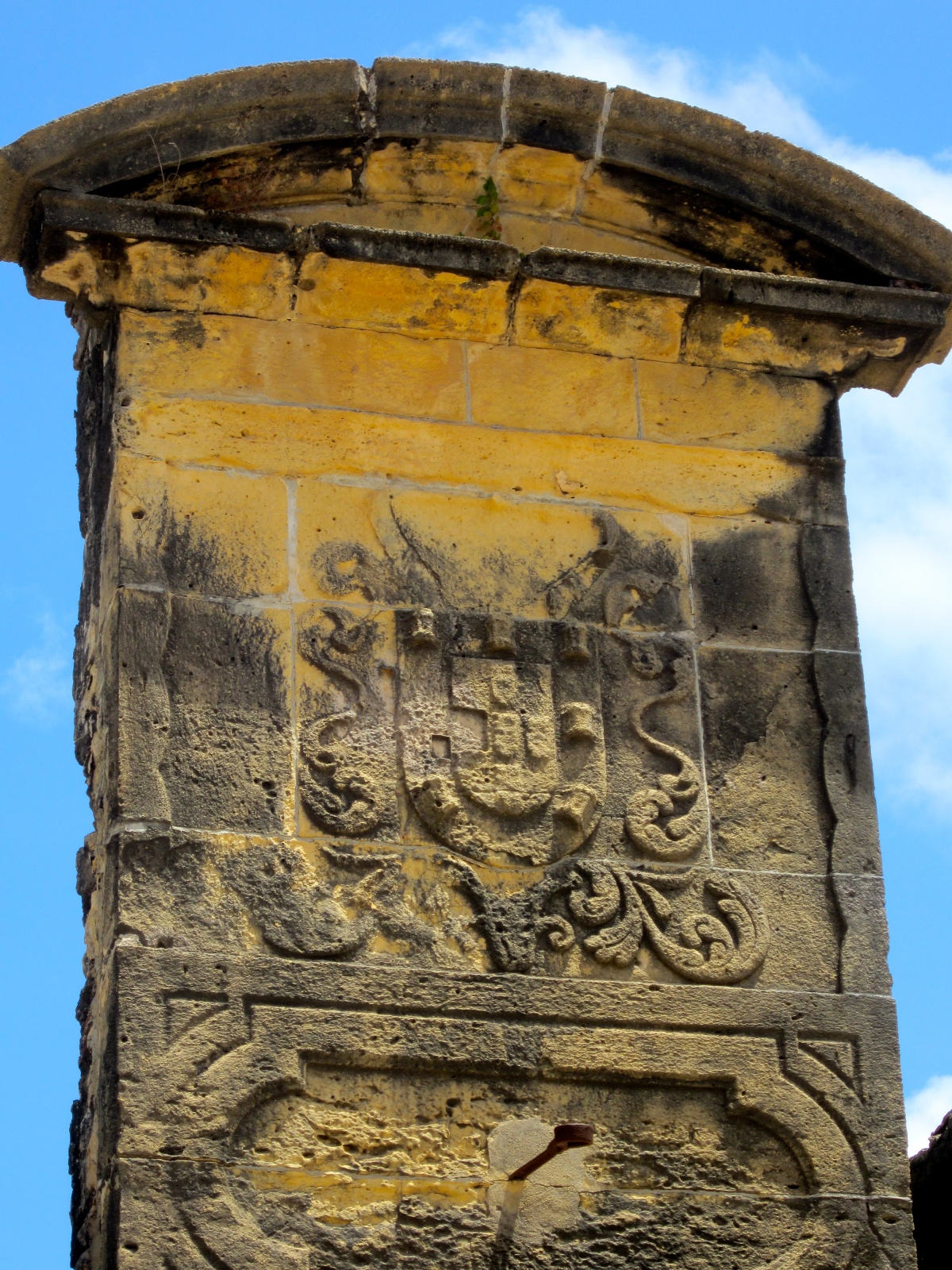
Snapshots from Fort Orange (Dutch Brazil), on Itamaraca Island.

Another day trip endevour, getting to explore our surroundings, and offering our family an opportunity to have fun, enjoy quality time together, and learn more about the local history, geography and social arts.

A bit of historical background, first, bringing everyone to the same page: 😮

“The Fort of Santa Cruz de Itamaracá, popularly known as Fort Orange (“Forte Orange” due to the Dutch Colonization of the Pernambuco territory), located on Itamaracá Island (the word “Itamaraca” means rock that sings, in Tupi-Guarany native language) on the north coast of the state of Pernambuco in Brazil.

In the context of the second Dutch invasions in Brazil, it was originally a small island (now lost) in front of the tip of the Southeast Itamaracá Island, where the bar dominated the southern channel of Santa Cruz.

It was started from May 1631 as a fortification campaign by Dutch forces (Barretto, 1958:133), under the command of Steyn Callenfels and received the name Fort Orange, in homage to the House of Orange-Nassau, which then ruled the Netherlands.

It was garrisoned by a detachment of 366 men under the command of the Polish Captain Crestofle d’Artischau Arciszewski. This effectively resisted the Portuguese forces commanded by Conde of Bagnoli, who defeated (1632), withdrew abandoning its artillery: four pieces of brass brought from Arraial Velho do Bom Jesus. This position formed the basis for the conquest of the island of Itamaracá, defended by the forces of Salvador Pinheiro. After this achievement (1633), the fort was repaired and expanded.

Another day trip endevour, getting to explore our surroundings, and offering our family an opportunity to have fun, enjoy quality time together, and learn more about the local history, geography and social arts.

A bit of historical background, first, bringing everyone to the same page: 😮

“The Fort of Santa Cruz de Itamaracá, popularly known as Fort Orange (“Forte Orange” due to the Dutch Colonization of the Pernambuco territory), located on Itamaracá Island (the word “Itamaraca” means rock that sings, in Tupi-Guarany native language) on the north coast of the state of Pernambuco in Brazil.

In the context of the second Dutch invasions in Brazil, it was originally a small island (now lost) in front of the tip of the Southeast Itamaracá Island, where the bar dominated the southern channel of Santa Cruz.

It was started from May 1631 as a fortification campaign by Dutch forces (Barretto, 1958:133), under the command of Steyn Callenfels and received the name Fort Orange, in homage to the House of Orange-Nassau, which then ruled the Netherlands.

It was garrisoned by a detachment of 366 men under the command of the Polish Captain Crestofle d’Artischau Arciszewski. This effectively resisted the Portuguese forces commanded by Conde of Bagnoli, who defeated (1632), withdrew abandoning its artillery: four pieces of brass brought from Arraial Velho do Bom Jesus. This position formed the basis for the conquest of the island of Itamaracá, defended by the forces of Salvador Pinheiro. After this achievement (1633), the fort was repaired and expanded.

In this structure, Maurice of Nassau reported:

“(…) Inside the bar [of the island of Itamaracá] presents the first strong Orange, situated on a low sand separated from the mainland by a creek, which is fordable low-water mark. This fort dominates the harbor entrance, since such vessels entering have to pass before him the shot gun. It is square with four bastions [the vertices], and lately has been raised and repaired, but almost no gaps, or stockade or palisade, which is necessary to make, and should widen the gap and surround the outside with a counter-scarp.(Nassau, Maurice of.’Short Address. January 14 in 1638.)

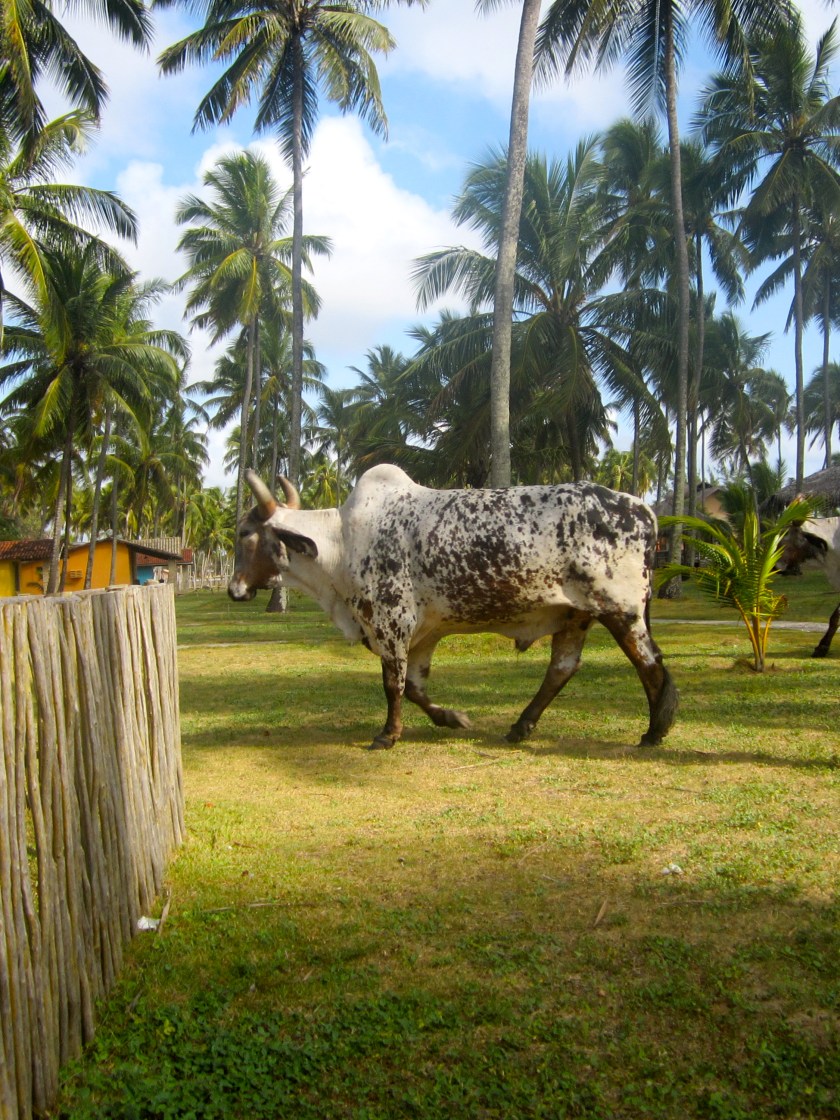
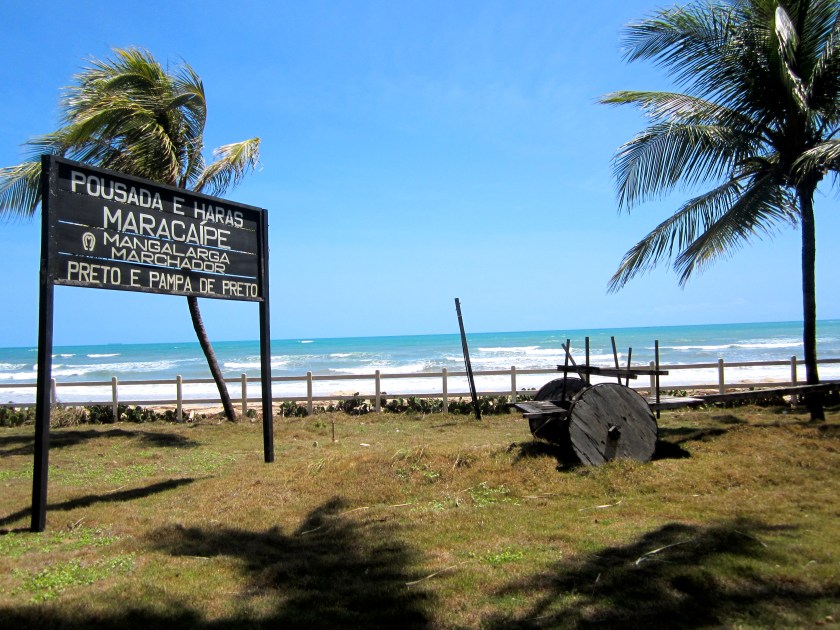
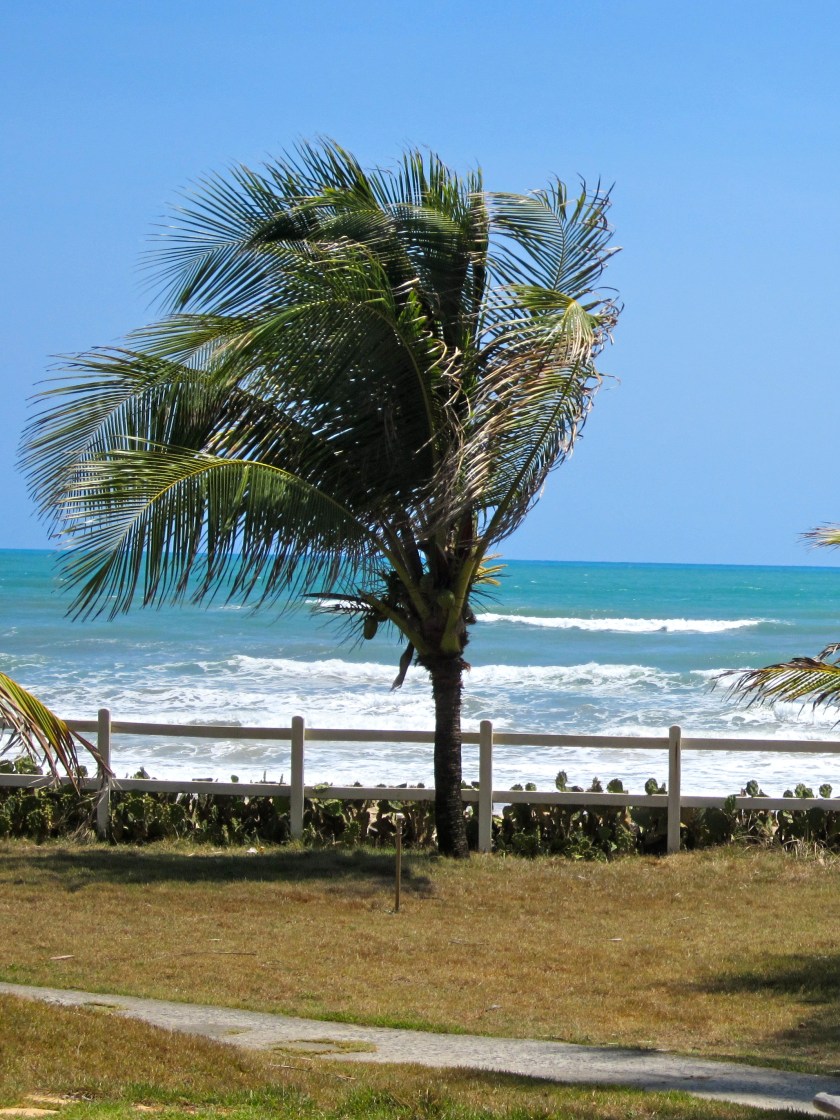
Snapshots from Maracaipe Beach, Pernambuco

Preserve este paraíso. Não deixe nada além de pegadas, não leve nada além das lembranças.”

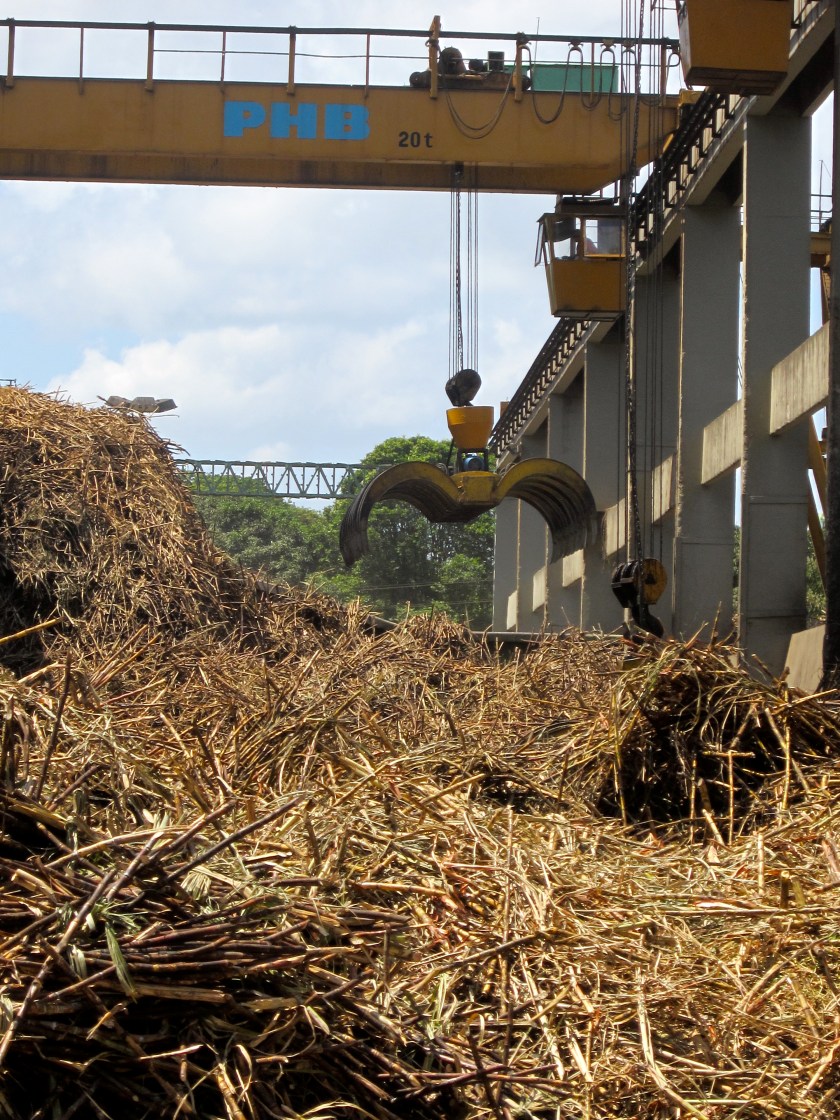
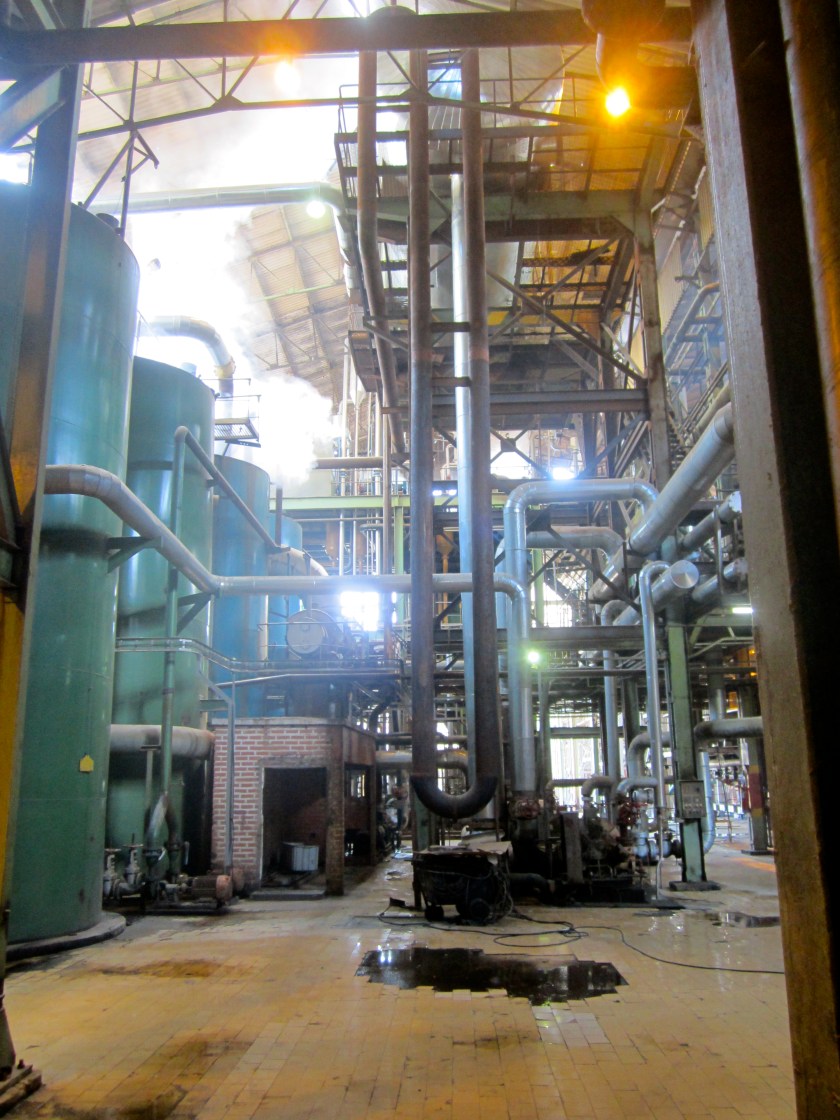
Snapshots from typical sugarcane farm in Brazil

Sugarcane products include table sugar, falernum, molasses, rum, cachaça (a traditional spirit from Brazil), bagasse and ethanol.

Photography: Sharing some images from recent visit to a traditional sugarcane farm, and its corresponding mill, in the Northeastern region of Brazil.

[From Wikipedia] ”Sugarcane is an important industrial crop of tropical and subtropical regions and is cultivated on close to 20 million hectares in more than 90 countries (according to FAO). Sugarcane products include table sugar, falernummolassesrumcachaça (a traditional spirit from Brazil), bagasse and ethanol”. 

Sugarcane is a renewable, natural agricultural resource, providing not only sugar, but also, biofuel, fibre, fertilizers and a myriad of by-products/co-products, ecologically sustainable. Molasses, sugarcane’s main by-product, is the raw material for alcohol-based industries. Excess bagasse is now being used as raw material in the paper industry, and its use as a potential fuel alternative, has been considered in recent years.

Some images were taken during the flyover, before arriving at the farm, while others, came through the visit to its grounds, the mills, main installations and sugar processing steps. Enjoy this “sweet” journey!

Arriving at the sugarcane farm:

Visiting the sugar cane plant:

Beginning the process of collection, extraction, refining:

general view
"Casa Grande" (owner's house)
old manual mill

it's always nice to live close to work! 😮


A little gift, to bring home…

hummm... sweet!


Departing…


Ending the African Chapter (for now!): Rwanda

Date: June 2007.

Work trip to Kigali, Rwanda, for the PEPFAR Implementing Partners Meeting. Leonel got to visit the Capital, learn about the Country’s history and attend the Conference.
Raquel stayed back in Maputo (Mozambique), recovering from an extended work trip to the province of Zambezia. And it all happened before we learnt that we’d become parents a second time…