No ghosts were seen today at Calle Apolinar Jaén, in downtown La Paz… Despite the legends, myths, stories from long-time residents and local business owners… This morning, there were no wondering gnomes, nor widows, searching for lonely bachelors, too enebriated to find their own way… This morning, the bright and warm colors covering this street’s colonial houses offered nothing but a pleasant welcome to the two of us, on our last-minute decision on visiting one of the most famous streets in La Paz – la antigua Calle Kaura Kancha…
Today, the street so used to host commercial exchanges, is now a hotspot for the bohemian crowd visiting La Paz – it’s a must-visit sight for expats in search of learning more about the Paceña culture, its stories, its fears…
We found Calle Jaén, just after a short walk from the city center and Plaza Murrllo, and we confirmed it’s one of most charming colonial streets in the city.Museo Murillo is on this street. This old mansion was once owned by Pedro Domingo Murillo, a hero of the Bolivian republic, and now houses furniture and items from colonial times. The buildings and cobblestoned street are preserved, without traffic, and attract visitors for the soothing atmosphere. This morning, husband and I had the opportunity to enjoy the peace and quietness from Calle Jaén – apparently, the ghostly tales do not come to life on Monday mornings… 😮
While walking along Jaén, we visited the Museum of Musical Instruments, and an art gallery, displaying several pieces from the Mamani collection – the warm, earthy colors and textures, as well as the unique musical instruments inventions made up for a delightful beginning before we headed out to our other sights: the San Francisco Church and Plaza, its informal market [for some well-deserved craft shopping!], and a peek at the Mercado de Brujas [Witch Market]…
Definitely, one of the best ways to spend a morning off-work: learning, experiencing, living the Bolivian culture – a tale at a time… 😮
And, little bit in Spanish:
El lugar más mágico de La Paz, la calle Jaén, ubicada en el casco antiguo de la capital, calle empedrada de misterios que se esconden detrás de las paredes de sus casas coloniales. Según cuenta la leyenda, en la calle, entonces llamada callejón Cabra – Cancha, se han venido produciendo fenómenos paranormales con los condenados desde tiempos coloniales.Los fantasmas, duendes, almas en pena, ruidos infernales de carruajes tirados por caballos y cadenas arrastradas por el suelo, sembraban el pánico en los habitantes.
When being called “Incredibly Good” is really not good for children?
Great Wednesday, although it began with a not-so-welcoming weather in La Paz – the rainy season has arrived, and flooded streets displaying the hectic driving behavior are definitely not the best place to be!
Back to work, as expected, and having the opportunity to read the paper before the work day starts is key! The Washington Post column on ‘Parenting’ called my attention with an article on ‘Stop heaping praise on your kids’, by Amy Joyce, really brought some thoughts up, as well as, a few questions and concerns.
When being called “Incredibly Good” is really not good for children?
Great Wednesday, although it began with a not-so-welcoming weather in La Paz – the rainy season has arrived, and flooded streets displaying the hectic driving behavior are definitely not the best place to be! The inspiration for this ‘quasi-op-piece’ comes from the idea of leaving the readers ‘hanging’[thanks, Michelle W., btw!]’, while I freely start a discussion on possible strategies on parenting well-rounded children [or lack of thereof!].
Back to work, as expected, and having the opportunity to read the paper before the work day starts is key! The Washington Post column on ‘Parenting’ called my attention with an article on ‘Stop heaping praise on your kids’, by Amy Joyce, really brought some thoughts up, as well as, a few questions and concerns.
STOP PRAISING YOUR KIDS??
Not really, but let’s keep on moving on. Also, nobody should be telling us what to do regarding the way we bring our kids up, correct? 😮
We’ve all done it, stated Amy Joyce. But I’m sure not all of us knew we might be hurting our kids by doing it… At least, I did not know. How could I? Simply trying to work my best magic tricks when it comes to parenting…
Why would we, parents, knowingly harm our children?
This travel/family blog just reached the mark of 4,000 Wordpress followers… Thank you for helping us keep on growing! Great way to begin 2014!
And a special thank you goes to ‘follower # 4,000’: MeralKathwari – hope you enjoy the journey with us!
This travel/family blog just reached the mark of 4,000 WordPress followers…
Thank you for helping us keep on growing! Great way to begin 2014!
And a special thank you goes to ‘follower # 4,000’: MeralKathwari – hope you enjoy the journey with us!
2013 was ending, and our traveling family was in deep need of a quick trip before the new year rang in… it had to be to a kid-friendly place, not too far from our home, La Paz, and yet, a place that offered great sights, tons of history, tales and stories to write home about… We were looking for a visiting site that wouldn’t break our end-of-the-year budget [between the Christmas holidays and the New Year’s!].
We found it – Bolivia’s historical capital, the [sweet!] city of Sucre, whose name, coincidently means ‘sugar’, in French [completely unrelated to this blogpost, but a nice send-back to my high school French lessons!] Again, nothing to do with our trip, so, forgetting now my long-lost French lessons, and back to our reality – family life, parenting & traveling!
2013 was ending, and our traveling family was in deep need of a quick trip before the new year rang in…
…it had to be to a kid-friendly place, not too far from our home, La Paz, and yet, a place that offered great sights, tons of history, tales and stories to write home about… We were looking for a visiting site that wouldn’t break our end-of-the-year budget [between the Christmas holidays and the New Year’s!].
We found it – Bolivia’s historical capital, the [sweet!] city of Sucre, whose name, coincidently means ‘sugar’, in French [completely unrelated to this blogpost, but a nice send-back to my high school French lessons!] Again, nothing to do with our trip, so, forgetting now my long-lost French lessons, and back to our reality – family life, parenting & traveling!
All that said, our family of 5 headed out to Sucre, a comfortable, affordable short flight from La Paz, right after Christmas Day, for a long and well-deserved weekend.
This post showcases several images we were able to capture with our constantly-switching-hands camera. More yet to come: a visit to Sucre’s Dinosaur Park, the largest one in South America – but I’ll leave it for later… too many beautiful sites/snapshots to enjoy for now!
And, if curious about things to do in Sucre [according to the Lonely Planethttp://www.lonelyplanet.com/bolivia/the-southwest/sucre/things-to-do, there are some 112 items to add to any expat visiting list!], feel free to hop over to another friendly site, from a Twitter follower, @SucreLife, and get insider tips, info and advice on traveling to the “White City”[www.sucrelife.com]
Thank you for all the comments, and shared tweets! Not only this blog is bringing home a sweet shopping voucher from Amazon, but the Silver Badge on the side – great way to begin this Christmas Week! 😮
[Could not repeat the same feat as last year, when this blog was awarded Gold. Congratulations Jessica for representing so well this year the beautiful country of Bolivia with her ‘Bohemian Diaries’! Keep on blogging!]
Expat Blog Awards 2013 Top List Contest Winners is pleased to announced to the winners of this year’s Expat Blog Awards! The standard was simply breathtaking, with such a diverse range of talented bloggers quite clearly pulling out all the stops to bring you the best they can! Without further ado, here are the Expat Blog Awards 2013 prize and award winners…
Thank you for all the comments, and shared tweets! Not only this blog is bringing home a sweet shopping voucher from Amazon, but the Silver Badge on the side – great way to begin this Christmas Week! 😮
[Could not repeat the same feat as last year, when this blog was awarded Gold. Congratulations Jessica for representing so well this year the beautiful country of Bolivia with her ‘Bohemian Diaries’! Keep on blogging!]
Expat Blog Awards 2013 Top List Contest Winners is pleased to announced to the winners of this year’s Expat Blog Awards! The standard was simply breathtaking, with such a diverse range of talented bloggers quite clearly pulling out all the stops to bring you the best they can! Without further ado, here are the Expat Blog Awards 2013 prize and award winners…
Our Top 3 Prize Winners
Overall Winner: Kathleen Siddell
Contest Entry: The Top 8 Ideas Worth Adopting From the Chinese
1st Runner Up: Becky the Great
Contest Entry: N is for Nomads
2nd runner Up: Emily Calle
Contest Entry: Top 50 Ways You Know You’re an Expat Living in Vienna
Our Fave Reader Comment:Mrs Partly Cloudy
Contest Entry: Welcome to Singapore:don’t look down
Blog Listing: Partly Cloudy
Top FB Likes: Paul Giles
Contest Entry: The Top Six Dangers You Face When Travelling to Colombia
Blog Listing: Colombia Travel Blog
Top Tweets: 3rd Culture Children Contest Entry: Twenty Reasons for Adding Bolivia to Your Expat Visiting List
Blog Listing: 3rd Culture Children
Random Winner: Christie Montague
Contest Entry: 6 Things You Should Know About the South of France if You Want to Blend in
Blog Listing: You can go your own way
Now, here is the Top Tweets Winner Post – with all its colorful images! Thanks again for all who read, commented, shared the link, and learned a bit about Bolivia – and maybe, the ones who are now considering adding the country to theirExpat Visiting List! 😮
From the ExpatsBlog team of editors: “After our hugely successful Expat Blog Awards 2012 last year, we thought we’d take a different spin on this year’s awards! Realising that last year’s scenario would be unfair to recently-joined newer bloggers, we’ve decided to combine the Expat Blog Awards 2013 with a big expat writing contest!” Twenty Reasons for Adding Bolivia to Your Expat Visiting List !
That said, here’s my pitch… If this blogpost here makes you a bit curious… hop over to ExpatBlogs and check out a list especially prepared for this year’s writing contest: Suggestions on why expats should add Bolivia to their visiting list… they’ll be so in love that may want to stick around for a while! And remember: your great comment will help this blog go for Gold… two years in a row… why not? 😮
Bolivia is a culturally diverse, geographically unique and strange in so many other ways that it’s hard to find another place/country quite like it. And this statement is coming from a ‘serial expat’, a traveling mother of third-culture children, a trailing spouse married into the US Foreign Service, and a Latina-born woman.
Hummm… need more examples of the colors and textures? Take a look:
The worldly recognized, the Andean rugs…
Also, here one may enjoy the typical “salteñas“, recipes borrowed long ago from neighboring Argentina…
Craving for more? Let’s go on a quick trip towards this unique place on earth!
What you may find in Bolivia? Take a look at these images, and don’t forget: go visit the Expat Blogs and share your wonderful comment about this travel blog! [Thank you!!!]
dressed in patterns
What looks like a carpet of stalagmites canvassing a desert, Valle de la Luna, or “Valley of the Moon” is what is left of a mountain composed of clay and sandstone that has been battered by strong winds and time.
This is the second part of the ‘contest post’ – the article published on ExpatsBlog about our ‘list on why expats should add Bolivia to their bucket list… and maybe sticking around for a while!’ is getting some feedback! See below what others are talking about the article, and don’t forget to hop on over to Twenty Reasons for Adding Bolivia to Your Expat Visiting List!, leaving your comment about our take on Bolivia for expats.
I’m intrigued: I thought Lhasa was the highest capital in the world. I’ve been there, and the mountains and the light in your pictures, and the way the people look remind me of it a lot. I hope you have a wonderful two years.
Reader 2 wrote 18 hours ago:
I love your writing style and your suggestions make me want to visit Bolivia now! Enjoy your tour
Reader 3 wrote 8 hours ago:
Wow! What a delight to find out about your blog from this contest. Too bad your entry as posted here doesn’t show your wonderful photography. Best to you and your family as you travel across Bolivia and the world with you open loving hearts.
Reader 4 wrote 2 hours ago:
ADOREI SEU BLOG!! Meu Deus…you made me cry, I MISS Bolivia like crazy, everything you posted is SO TRUE…I am glad that you guys are having a great time. Being in EUR its so different from Bolivia, 180 degree change for me…the culture, the people, the weather and the community- there are no comparison, I enjoyed my time there. I miss the warmth and kindness of the people, and that I was called “señorita” by everyone made me feel very special. Great photos, keep it up, GRACIAS! for sharing. Good luck to you! Beijos!
Connect with the past, experience the present and look into the future… Bolivia offers it all! ♥
Bolivia is a culturally diverse, geographically unique and strange in so many other ways that it’s hard to find another place/country quite like it. And this statement is coming from a ‘serial expat’, a traveling mother of third-culture children, a trailing spouse married into the US Foreign Service, and a Latina-born woman.
Bolivia is the country where the Spanish left their living legacy, where ancient cultures still co-exist with modern habits and traditions; a place where the Spanish language is mixed with the neighboring Portuguese [or Portunol, for that matter!] and the visiting English, sprinkled by the native dialects [like Ayamara and Quechua]. Bolivia share cultures with the world and within itself. It’s definitely a ‘Plurinational’ country, and will likely remain that way – people come here, they struggle with the high altitude, they suffer with the constant lack of oxygen, and with no doubt, end up falling in love with its people, its colors, and its blend of climates due in part to its long-standing isolation from the world.
The diversity of Bolivia’s topography and landscapes is not its only marking feature: the Bolivian people display an unpaired psyche and the lifestyles they lead.
From the ExpatsBlog team of editors: “After our hugely successful Expat Blog Awards 2012 last year, we thought we’d take a different spin on this year’s awards! Realising that last year’s scenario would be unfair to recently-joined newer bloggers, we’ve decided to combine the Expat Blog Awards 2013 with a big expat writing contest!”
That said, here’s my pitch… If this blogpost here makes you a bit curious… hop over to ExpatBlogs and check out a list especially prepared for this year’s writing contest: Suggestions on why expats should add Bolivia to their visiting list… they’ll be so in love that may want to stick around for a while! And remember: your great comment will help this blog go for Gold… two years in a row… why not? 😮
Bolivia is a culturally diverse, geographically unique and strange in so many other ways that it’s hard to find another place/country quite like it. And this statement is coming from a ‘serial expat’, a traveling mother of third-culture children, a trailing spouse married into the US Foreign Service, and a Latina-born woman.
Hummm… need more examples of the colors and textures? Take a look:
The worldly recognized, the Andean rugs…
Also, here one may enjoy the typical “salteñas“, recipes borrowed long ago from neighboring Argentina…
Craving for more? Let’s go on a quick trip towards this unique place on earth!
What you may find in Bolivia? Take a look at these images, and don’t forget: go visit the Expat Blogs and share your wonderful comment about this travel blog! [Thank you!!!]
dressed in patterns
What looks like a carpet of stalagmites canvassing a desert, Valle de la Luna, or “Valley of the Moon” is what is left of a mountain composed of clay and sandstone that has been battered by strong winds and time.
This is another infographic about expats (see the sources at the end of the infographic). I chose to post it here on my blog, right after the post about the Sea Change Mentoring symposium I attended last Saturday, because many issues listed in this infographic have a major impact on expact children, and Sea Change Mentoring is one place to contact when facing issues like these.
Expat life is not as easy and smooth as many people think. Especially the different stages of expatriate adjustment should be taken seriously. These stages affect parents and children, and often not simultaneously. This is exactly why parents and children should reach out for help.
Another point seems very important to me: that expats or people who envisage this kind of life, should consider longer stays in a new location in order to give their children the opportunity to pass from a “gradual adjustment”…
Originally posted on "It was the best of times, it was the worst of times…": by Margarita The fourth Intercultural Blog Carnival is finally here and today we will be focusing on Expatriation and Relationships. A huge topic for sure since it can include relationships with just about anyone (and anything!) — and…
“Moving on to relationships with children, Reflections on the Expat Life by 3rdCultureChildren touches upon the difficulties that children experience when following their parents around the world — and the approach that parents can take to make those moves easier.”
Great collection of posts – thanks Margarita for the inclusion!
The fourth Intercultural Blog Carnival is finally here and today we will be focusing on Expatriation and Relationships. A huge topic for sure since it can include relationships with just about anyone (and anything!) — and luckily for our readers, today’s collection does. So without further ado, here are our participants:
Learning a language for love — Cat Gaa starts us off with a personal story of how learning the intricacies of a foreign language can make your romantic relationship evolve and flourish while also saving you from those awkward moments when you think they said/meant something that they actually didn’t.
In an appropriately titled Expatriation and Relationships, Susan Cross explores what it’s like to make a friend while an expat, then say good-bye to that friend, and then have to make friends again. A regular expatriate conundrum, isn’t it?
You may think it’s because I’m different… I know I’m not from here… but who is? We’re all from somewhere else…
Click here for image source – gotta be true to the sources, right? 😮
You may think it’s because I’m different… I know I’m not from here… but who is? We’re all from somewhere else…
Born in the sunny city of Rio de Janeiro… likely born to be wild… a restless, yet love-searching, soul…
Because of my parents line of work, moved from place to place quite often, growing up in the capital of the country… an intriguing city, sharing love-and-hate relationships with its citizens…
I’m a nomad, a traveler. A verb, rather than a noun…
But one day, met my better half… the day had come for love… and again, a foreigner to me, but one who changed my life completely…
And the rest… is pretty much history! A story we’ve been writing together… 😮
The suggestion comes out as Michael Pick pokes us all with the question “Does watching violent movies inspire violence in the real world? “. In his own words, “When tragedies happen in the real world because of the violent deeds of a particular individual, the shock and horror that this happened very soon leads to trying to unravel the reason behind how it came to pass.
For some, the violence seen in films is taken as a catalyst or the inspiration for disturbing acts of violence in the real world. For others, blaming film violence for real life tragedies is cutting corners at best and “scapegoating” at worst — an effort to pin complex social or psychological issues on an enemy that can’t fight back…”
As a parent, a traveler, a ‘serial expat’, and mother of 3 growing TCKs, I believe there are so many factors responsible for shaping up the future of a child – and this is especially true when we’re talking about raising well-adjusted, worldly citizens, well-rounded children, as products of hybrid cultures.
I’ve been away from blogging a bit too long, and now, the opportunitiy to bring up my random thoughts on a very intriguing social issue, has arisen. The suggestion for this personal op-piece comes out as Michael Pick pokes us all this week, with the question: “Does watching violent movies inspire violence in the real world? “. In his own words, “When tragedies happen in the real world because of the violent deeds of a particular individual, the shock and horror that this happened very soon leads to trying to unravel the reason behind how it came to pass.
For some, the violence seen in films is taken as a catalyst or the inspiration for disturbing acts of violence in the real world. For others, blaming film violence for real life tragedies is cutting corners at best and “scapegoating” at worst — an effort to pin complex social or psychological issues on an enemy that can’t fight back…“
Violent? These are Super-Heroes, embedded with super-dupper powers, and any husband’s little boy’s dream! Image downloaded from the site http://abduzeedo.com
As a parent, a traveler, a ‘serial expat’, and mother of 3 growing TCKs, I believe there are so many factors responsible for shaping up a child’s future – and this is especially true when we’re talking about raising well-adjusted, worldly citizens, well-rounded children, as products of hybrid cultures.
Some of these factors are culture, socialization and the own child’s experience; its perception of the world, and the child’s feelings and frustrations. Unfortunately, due to being exposed to a myriad of social situations and contexts, a so-called ‘third culture child‘ is also more vulnerable to external influences. One of the strongest influences relates to the common day-to-day aspects of life: the innocent act of ‘absorbing‘ images and concepts brought home through movies, TV shows, streamed videos, all the so-handy resources offered by the internet! And why not say, through the apparently harmless violence-based children’s video games… 😮
Third culture children are in continuous need to understand the true origins of caring, the need to help others, and the strategies to display a nonaggressive behavior. The key players in order to achieve that level of self-knowledge, comes from parental socialization, the family system, schools and cultural influence. Currently, the easiest and quickest [albeit, not fully harmless!] avenues are the social media tools, television and movies. For younger kids, especially, the last two ‘avenues’ mentioned before, have both a fast and deep impact on the children’s minds, and the way they begin developing their own concepts, affirmations and perceptions about their surroundings.
Children who are growing up under this modern ‘violence-influenced’ scenario, will likely tend to develop the understanding that violence is a regular [and maybe necessary] part of life, which could be extremely dangerous for our future generations.
Again, as a parent, I’m concerned with the loss of sensitivity when it comes to publicly offering free violence viewing to our kids, as if it were part of a healthy environment.
Is reality really as cruel as it’s perceived through the movies? Is it all necessary? What good is it bringing to the upcoming generations?
Too many questions, and not on single answer – at least, not from my parental and confused mind.
We’re all just trying to get by surviving one day at a time, and hoping that our children will turn out to be well-balanced, responsible and loving adults. That’s simply my hope; as much as I’d like to, I don’t have control over my children’s future. I can offer them advice and love, but can’t hide them inside a bubble, making sure they won’t get hurt or even hurt others. This ‘motherly bubble’ doesn’t exist, thankfully… Kids need to be kids and yet, need to experience life. Life as it is. Holywoodian life is not life, it’s not real. The ‘reality’ portrait by movies is not, in fact, real. And the violence offered by movies should always be perceived as what it really is: fiction… 😮
LA PAZ SE PARALIZA ESTE DOMINGO PARA CELEBRAR EL DÍA DEL PEATÓN
Sólo podrán circular las movilidades autorizadas por el municipio, pero a una velocidad de 20 kilómetros por hora. Asimismo, está prohibida la venta y consumo de bebidas alcohólicas en espacios y vía pública desde las 00:00 horas del sábado hasta las 00:00 horas del domingo. COMPARTE:
El día del peatón/Foto ANF.
What a fantastic way to spend a Sunday. September 1st marked the Pedestrian Day, for the City of La Paz.
Families and their children, bikes, tricycles, scooters, skates took over the streets. No cars – and lots of healthy and peaceful fun! ♥ Below here, images from our [otherwise very busy on Sundays!] neighborhood:
LA PAZ SE PARALIZA DOMINGO PARA CELEBRAR EL DÍA DEL PEATÓN
Sólo podrán circular las movilidades autorizadas por el municipio, pero a una velocidad de 20 kilómetros por hora. Asimismo, está prohibida la venta y consumo de bebidas alcohólicas en espacios y vía pública desde las 00:00 horas del sábado hasta las 00:00 horas del domingo.
Everybody deserves respect. As families this should be a value high up on our priority list as embracing diversity is not only important for helping children to respect other people, it also helps them to accept themselves and celebrate the variety of people the world has to offer.
Exposing ourselves to diversity not only widens our worldview it helps us better understand our connections to each other, helping us to become more globally aware.
by Jessica Girard
Everybody deserves respect. As families this should be a value high up on our priority list as embracing diversity is not only important for helping children to respect other people, it also helps them to accept themselves and celebrate the variety of people the world has to offer.
Exposing ourselves to diversity not only widens our worldview it helps us better understand our connections to each other, helping us to become more globally aware.
The challenges of diversity
Opportunities to experience different cultures and embrace diversity can be somewhat limited when living within a small town, particularly when that small town is on an island, physically detached from the rest of the world.
This would be my experience of living in Guernsey, a small British island located in the English Channel, only 30 miles away from the coast of France. Now, when I say small, I actually mean tiny. The total area of the island is almost 25 square miles, which means you can drive around the entire island in about an hour!
[Image Credit] Wikipedia
I kind of have a love-hate relationship with the island. I love the beautiful scenery and the fact that the beach and the countryside are only a mere fifteen minute walk from my doorstep.
I do however, hate the smallness of Guernsey, not only in size but sometimes in thinking. Small towns can have rather insular mindsets as there is often a (physical and mental) disconnection from life elsewhere. It would be fair to say that this can be true for Guernsey. Living here at times can feel like living in a bubble, there is limited choice and a lack of variety and this can be stifling (to me).
You could not describe the island asa culturally rich environment. Guernsey has a very homogenous population. The vast majority being white, middle class, Brits who, if they profess to any faith it would likely be Christianity as you will find over 50 churches on the island but not one mosque, synagogue or temple.
If variety is the spice of life, then Guernsey is lacking in flavor.
There are expat professionals working on the island, however they tend to be on short-term licence (the Guernsey version of a visa) and stand little chance of gaining permanent residency. We do however, have a small but established Portuguese community on the island and a growing number of Eastern Europeans, mainly from Latvia and Poland which adds to the cultural mix. This growing cultural diversity is not welcomed by all and unfortunately these communities are often stereotyped, surrounded by stigma and alienated from mainstream life.
(Town Centre, Guernsey. Photo Credit: Visit Guernsey)
If not careful, the disconnection that many small towns like Guernsey have with the outside world and even the cultures within it, can lead to insular thinking and an ignorance of other world cultures. This in turn can lead to a lack of understanding and disrespect of diversity.
I have found that within the small town context the point is not only a matter of embracing diversity, but rather the fact that we need to pursue it in the first place.
Foundations for pursuing diversity
Even in cosmopolitan cities people tend to gravitate towards homogenous communities. Small town dwellers therefore, have to be all the more intentional about pursuing diversity when there is less of it to go round.
Opportunities to immerse ourselves and our children in different cultural experiences may be rare but are worth pursuing, if we want to help our children grow to be compassionate global citizens.
As a family we have created five foundations that will hopefully help our family, and yours, in the pursuit of diversity.
1. Model relationships across cultures/religions/genders/abilities etc
One of the most important ways of promoting a culture of diversity is to show your comfort in relating with people of a different race, faith, culture, gender, age, ability and sexual preference. Children mimic their parents’ behaviour and if they can see you confidently interacting with people and celebrating your differences, they are much more likely to do likewise.
This also means not shying away from talking about differences, even in public. Children are naturally inquisitive and yes, their questions are sometimes poorly timed! Try to see these (awkward) situations as an opportunity for discussing and celebrating differences with your children. Shushing or distracting your child can actually make you appear unwilling to discuss these differences and can lead to your child thinking it is wrong to do so.
2. Be aware of your own ”diversity deficits”
It is important to be aware of what Christopher Metzler, Ph.D describes as, “diversity deficits”. No one is immune to making judgements and/or holding negative feelings about people who are different from ourselves. Whether it be a negative stereotype, judgemental attitude or apprehension of a particular country or people group, children can easily pick up on these. It is therefore even more crucial that we understand where these feelings may stem from so that we can avoid passing the “deficits” on to our children.
3. Breakdown stereotypes
Stereotypes are dangerous things. They label people unnecessarily and lead to people making judgements about entire countries, cultures, races and genders that can often be offensive and misleading.
It is important to work to breakdown these stereotypes, especially for children who are impressionable and still trying to understand the world around them. Removing books and toys that promote stereotypes is a good place to begin. Model positive language and listen to the words your children use and if necessary, discuss how their language could be hurtful.
4. Get out of your comfort zone
When living in a homogenous society it is important to try and get out your comfort zone and intentionally explore diversity.
There are many ways of doing this, most of which can be done in your hometown, here are some of the ways we have gotten out of our comfort zones:
Eat ethnic foods (preferably with people from that country) – we’ve eaten nsima (maize), the Malawian staple with Malawians living on island
Celebrate cultural events and religious festivals – We have joined our Chinese friends in celebrating Chinese New Year
Read multi-cultural books – We’ve gathered a small collection of books to read with our daughter that explore different countries, races, religions, genders and abilities.
Befriend and learn from expats in your community – We’ve made friends with some wonderful expats. The bonus being that we get to sample their cultures and challenge our own way of doing things, on a regular basis.
5. Create opportunities for discussion in the everyday
Gear your home up in a way that it naturally creates opportunities for discussions on diversity. Our daughter is only a baby so discussions are a little way off yet, but by bringing a little bit of the world inside our home we are developing a more culturally rich environment that will, in time, generate more questions.
In our home we create opportunities by having piles of travel books, maps and globes readily available to research countries, people groups and religions. We also have lots of hand crafted items on display, including handmade toys for our daughter to play with.
[Photo Credit] Diversity MBA Magazine
The important thing to remember is that whether we live in a small town or multi-cultural city, when it comes to pursuing diversity, reading books and eating ethnic food, simply is not enough. Our attitude is what is important. We need to show our children (and communities) that we are intentionally trying to engage with people and promote social inclusion.
Have you experienced similar challenges of small town living?
In what ways have you pursued opportunities for diversity?
Jessica Girard is currently a full-time mother and spare-time blogger over at The Open Home, where she writes about faith, mission, travel, world culture, simple living and getting back to nature.
Oh, well, why not mention here a great book that just came out [July 2013], by the author Linda Janssen?
And the reason for that? Linda interviewed several expats, families, collected their experiences, challenges, suggestions, stories and tales. All together, bound in one book – and I’m happy to say I’m one of the proud contributors [insert a shameless smile here! :o] to her compendium… My little 2 cents: lessons learned from our ‘nomadic life’ with the US Foreign Service – as a professional, a around-the-clock mother, a traveler, an FSO spouse… a survivor… 😮
Happy reading!
Oh, well, why not mention here a great book that just came out [July 2013], by the author Linda Janssen?
And the reason for that? Linda interviewed several expats, families, collected their experiences, challenges, suggestions, stories and tales. All together, bound in one book – and I’m happy to say I’m one of the proud contributors to her compendium…
[insert a shameless smile here! :o]
My little 2 cents: lessons learned from our ‘nomadic life’ with the US Foreign Service – as a professional, a around-the-clock mother, a traveler, an FSO spouse… a serial expat… ♥
Happy reading!
Linda A Janssen, The Emotionally Resilient Expat
The Emotionally Resilient Expat: Engage, Adapt and Thrive Across Cultures
Living abroad offers enriching experiences of growth, broadened perspective, enhanced cultural understanding. Yet its transition-rich, change-driven, cross-cultural nature can place considerable demands, leaving us stressed, disconnected, our identity in flux. Building on existing literature and benefitting from recent developments in psychology and brain-body connections, The Emotionally Resilient Expat: Engage, Adapt and Thrive Across Cultures shows the key to successful transitions and beyond lies in emotional resilience to adapt, adjust or simply accept. Linda A. Janssen combines candid personal stories from experienced expats and cross-culturals, with a wealth of practical tools, techniques and best practices from emotional, social and cultural intelligence, positive psychology, mindfulness, stress management, self-care and related areas. FACTORS™ offers a way to live a healthier, more positive, emotionally engaged, culturally connected global life.
Curious to learn more about the book? Follow this link:
“Using personal story and solid theory in her groundbreaking book on emotional resilience, Linda A. Janssen guides those facing the challenges of cross-cultural living to dig under the initial rocky surfaces of overseas life to discover – and use – the rich gold of their own experience. A great resource for expats of all backgrounds.” Ruth E. Van Reken, Author, Third Culture Kids: Growing Up Among Worlds
“Janssen’s work is sure to be a stand out in any expatriate or cross-cultural arena. She eloquently, articulately and incisively delves into areas previously considered taboo in order to highlight how we can all gain mastery over whatever life throws our way. I will definitely be referencing Janssen’s material when working with TCKs, expat parents and international students.” Tina L Quick, Author, The Global Nomad’s Guide to University Transition,www.internationalfamilytransitions.com
“A practical guide in the art of managing the risks of overseas life in ways that will promote endurance and effectiveness. Full of honest and hope-filled stories from the lived experience and life-long learning of Janssen and her dozens of expatriate contributors. An invaluable companion for expats who want to know that they are not alone.” Duncan P. Westwood, PhD, (C)OACCPP Clinical Director of Expatriate Care & Development, International Health Management
“As with any food rich in nutrition, this book is best sampled regularly and digested slowly.” Drs. Douglas W. Ota, NIP Psychologist, NMI Mediator, Family Therapist, www.dougota.nl
I know, I know…. Procrastination seems to be word of order…
I know I’ve gotta get out the images from our recent hiking adventure to the Muela del Diablo [“Devil’s Tooth”], but feel like we’re always caught up, keeping ourselves afloat while cruising through daily homework [kids], the demanding toddler and work [outside the house, for the grown-ups!]
I know, I know…. Procrastination seems to be word of the moment… 😮
Evnetually, I’ve gotta get the images from our recent hiking adventure out, the drive to the Muela del Diablo [“Devil’s Molar“, and its 150 meters, on a 3,800m of altitude]; but feel like we’re always caught up, keeping ourselves afloat while cruising through daily homework [kids], attending to the demanding toddler and obviously, going to work [outside the house, for the grown-ups!]
This wild rock [“Muela”] can be seen from almost every where in the southern part of La Paz. The giant appears steep und unapproachable right within its bizarrely shaped erosion landscape and green lands.
For the time being, I’m leaving here a little ‘place holder’ for what’s to come. Hopefully, very soon. 😮
And, as a bit of a spoiler [text borrowed from The Gadling], “Devil’s Tooth is an inactive volcano that is approximately 492 feet high. According to our guide, it got its name because indigenous people believed it looked like the tooth of Satan.”
The command for our past Sunday was: “are you ready?” I’m sure these ones here were!
I recognize you may be still too young to understand many of the things that go around in your life.
I’m also aware that you may feel confused at times, when your mother and father come forward telling you we will have to move, once more.
I feel and I know your pain, and your disbelief. I myself felt the same when back in Brazil – your grandparents would come to me and to your uncles, letting us know we would again, have to change schools, due to new job assignments and/or the economic situation.
One day you will begin hearing and understanding a very powerful word – ‘Economy’. It has the ability to change scenarios, to split families up, and to alter planning. Times were different when your mother was growing up, than it is now for the three of you. Back then, your mother, the oldest of 3 children, learned to cook, clean and take care of your uncles, way before she was ready to begin middle school.
You, my children, will not have to face any of this.I was a nomad child without the realization of it. I learned to cope with family moves before having to deal with any ‘high school drama’, so familiar to any teenager. There was no time, nor space for ‘teen drama’. Childhood is a very special place in time, and should be lived through. Hopefully, it will not happen to the three of you, my children.
You will be presented with the opportunity to experience life on its fullest. You’ll have the chance to choose your paths, making your own mistakes and learning from them…
Life’s been laid out in front of you, and despite also living a ‘nomad life’ because of your mother and father’s work style, you’ll confidently be shielded from most of the difficulties.
Your father and I are cautious and attentive to any signs of distress – please come to us with your questions, your concerns, your troubles. We’ll try to help you, and offer advice, as much as we’re capable of. Please let us know when you’re sad, when you’ve been hurt, when your heart is unsettled…
We’ll be there for you. We’ll offer you comfort and our arms. We’ll talk together, and if needed, we’ll cry together.
I’m very happy for you, my children. This nomad life has taught me a great deal, and I feel capable of transferring some resilience to you. I’m not passing on any resentment, any sadness or hard feelings… I’m thankful with what life has offered me, and my gratitude will show itself on the way we’re raising the three of you. I’m grateful life has given me the opportunity to become your mother, your guide, your safe haven. I sincerely hope you’re not disappointed on me…
You will grow to become worldly citizens, grounded and compassionate. That would definitely be the best reward to me, still working on my parenting skills, but trying my best not to fail…
Quite an accomplishment, I’d say. Especially in our present time, where marriages come and go with the wind… 😮
Quite an accomplishment, I’d say. Especially in our present time, where marriages come and go with the wind… 😮
Our proud friends were happy to celebrate their 20th Wedding Anniversary – in a fantastic style – Red for the Victorious Couple, and black & white for the guests!
My hope is that one day, husband and I will be repeating this… for our own anniversary. But for now, still looking forward to celebrate our first decade together – just a few months ahead of us! 😮
This is a third post on my ‘random thoughts’ about bringing our children out [first one discussed multilingualism and its approach as parents], especially when it comes to the diverse society they [children] are about to face…. any moment from now… the second post presented a discussion on the misperceptions of being a ‘serial expat’, a nomad, a ‘rolling stone’….
The discussion on social diversity is not only part of our family’s daily life, but it also tailors the way we are raising our children, and the way we would like them to understand and perceive their surroundings.
This is a third post on my ‘random thoughts‘ about bringing our children up into this ‘nomad world’ [first one discussed multilingualism and its approach as parents], especially when it comes to the diverse society they [children] are about to face…. any moment from now… the second post presented a discussion on the misperceptions on being a ‘serial expat‘; a nomad, a ‘rolling stone‘…. I’m sure there’ll be more posts to come – thank you all for reading, and for the continuous feedback on this [and other!] topics – the suggestions, comments and shared stories from other parents/travelers/expats have made this ‘blogging experience’ much richer. And I’m very grateful for all that.
The discussion on social diversity is not only part of our family’s daily life, but it also tailors the way we are raising our children, and the way we would like them to understand and perceive their surroundings.
Geodesic Dome, by Buckminster Fuller (credit: Wikipedia)
For many children, expat life is an enriching, wonderful experience, but for many others, it is an unbelievably difficult time. Much is gained — language, travel, worldview, diversity – but there are very real losses — extended family, longtime friends, a sense of belonging. Some of the losses are unrecognized and unacknowledged until later in life…
As parents of TCKs, my husband and I try to be sensitive to their particular situation. Each child is different, and reacts to the uprootedness differently. Some are more sensitive, and others relish in it.
Buckminster Fuller (credit: Wikipedia)
One thing we have always tried to be, however, is their anchor. Since their external life is in constant flux, we try to keep our family life constant and stable. We try to have our own habits and traditions, which, as it turns out, are a bit of a blend between the countries we inhabit. Yes, they [our kids] may be exotic to the kids around them, and again, each handles that differently. One thrives on that, another cringes, but it is what it is. We know that they would have a different perspective than we do as their parents…
Perhaps, the best way of handling the identity issue is to adopt the dictum of the late Buckminster Fuller: “I am not a noun, I seem to be a verb…”
Welcome to the July edition of The Raising Multilingual Children’s Blogging Carnival. This month’s theme was Hidden Opportunities where I asked people to submit blogs based on the unexpected occurrences of bringing up multilingual children.
Opportunities for the Kids
Spanish Playground opens up this month’s carnival with some encouraging news for anyone still struggling to teach two or more languages: she has been there and done that and now has three grown kids. In her post Teaching my Children Spanish – A Few Observations Now that they Are Older she identifies the advantages they now have, some of which she never ever dreamed of when she started out on the road to bilingual education.
Came to Find – Vim Encontrar is nowadays a grown up bilingual English and Portuguese speaker. She writes about the day that changed her life and all of the opportunities she has now that she is…
This post is for this month’s Raising Multilingual Children Blogging Carnival hosted by Headoftheheard. This month’s theme is “Hidden Opportunities”.
When you are multilingual and start having kids, you have to choose which language you’ll talk to your children. Linguists always recommend to talk your “mothertongue” to you children. But which is the mothertongue if you are perfectly bilingual? In my case: should I talk Italian or German to my kids?
When our son was born, we lived in Italy and as Italian is one of my mother tongues, it was very natural for me to talk Italian to him from the beginning. Our home languages were Italian (me and my son), Swissgerman (my husband and my son) and German (my husband and me) and we were convinced that he would pick up German automatically too.
When we moved to the Netherlands our son was 2.5 years old…
The value of diversity promotion in the State Department was well emphasized by EEO Counselor Krishna Das (Letters to the Editor, January issue). As a parent, I see the discussion regarding how we bring up our children within the diverse Foreign Service lifestyle as equal parts interesting, challenging, and crucial. It is, of course, necessary to serve as role models for our children right from the start, particularly in teaching the lesson that everyone, despite appearances or stereotypes, deserves respect.
As noted, State Department children are highly exposed to diverse cultures, and we as parents should demonstrate why this is such an advantage to their own growth as human beings.
Building a culture of diversity starts at home, a literal reality for many State Department families. We speak different languages, come from distinct cultural backgrounds, and practice different religions. And yet in most cases, our children are growing up in a culturally richer environment than we (parents) were brought up. Children in the Foreign Service live the concept of diversity and its social implications – on a daily basis.
Seal of the United States Department of State. (Photo credit: Wikipedia)
That said, it is often necessary for us to question what is our role as parents in this process? How can we assist our children regarding the issue of diversity? It would appear as far as diversity is concerned, we need to be extra involved in their lives: listening to their stories, learning about their ventures and challenges adjusting to new, countries, discussing their questions and social frustrations, establishing a healthy communication channel, building positive identities and respect for differences. Further, we should seek ways to insert these concepts into the routines of our children’s everyday lives and help convince them through our actions that a society without discrimination is possible. It is critical for us parents and caretakers to develop ‘cultural sensitivity’ regarding our surroundings; otherwise, without specific cultural information, we may inadvertently promote practices and approaches that could counter other parents’ efforts.
One great piece of advice I once received was to “encourage your child’s friendships with others across race, ethnicity, class, religious practices, background and ability.”
The more personal experiences children have with other groups, the easier it will be to dismiss stereotypes and misperceptions.
******
Want to add to the discussion? Please feel free to share your comments/opinions/suggestions here!
Though more people are starting to travel for their job, and more people are embracing the idea of “lifestyle design,” the serial expat is still a relatively rare creature. Maybe you know someone who taught English in Asia for a year – I’m one of them – but few of us know people who spend their whole lives living abroad, maybe even bouncing from country to country, seeing the world while they work.
Perhaps because so few people actually know a serial expat, there are a lot of misconceptions about what serial expats are like and what their lives are like. Many of them are negative, though a couple are positive. Either way, they all miss the mark in some way. Here are a few of the myths about the serial expat compared to the reality of the expat lifestyle:
by Chloe Trogden
In the Midst of This (Photo credit: Wikipedia)
Though more people are starting to travel for their job, and more people are embracing the idea of “lifestyle design,” the serial expat is still a relatively rare creature. Maybe you know someone who taught English in Asia for a year – I’m one of them – but few of us know people who spend their whole lives living abroad, maybe even bouncing from country to country, seeing the world while they work.
Perhaps because so few people actually know a serial expat, there are a lot of misconceptions about what serial expats are like and what their lives are like. Many of them are negative, though a couple are positive. Either way, they all miss the mark in some way. Here are a few of the myths about the serial expat compared to the reality of the expat lifestyle:
They Don’t Want to Grow Up
One of the most common perceptions about the serial expat is that they are Peter Pan types who don’t want to grow up. They party all the time, and they hold down a job only long enough to finance their next trip to some tropical beach where they can party the days and nights away. The perception is that serial expats can’t face the reality of a job and a mortgage and a family, so they defer the inevitable by literally dropping out and moving to another country.
The reality is that – just like with any group of people – this is true for some expats, but it is not true of them as a group. Many serial expats are working in serious jobs that are a part of achieving their long-term career goals. They are working in senior positions or working their way up to them. They are living the same kind of lives that anyone else lives – except they’re doing it in another country. In many cases, they may even be buying real estate or raising families.
They Can’t Commit
Serial expats are often thought of as serial bachelors. Many people think that they don’t want to commit to a partner, to get married, or to raise a family. The logic is that if they were settled down with a spouse and children, they wouldn’t be moving around to other countries – they’d be saddled with a mortgage State-side near their extended families.
However, the reality is that many serial expats are traveling with their partners and their spouses and that many of them have children. There are expats taking round-the-world trips as they homeschool their children. There are expats who are pursuing career opportunities as they put their children in English-speaking schools.
They Can’t Get “Real” Jobs
Going overseas to teach English is a popular choice for recent college grads who can’t find work in their home state – or who aren’t quite sure what they want to do for a career. Yet many people think that serial expats – especially teachers – decided to go overseas because they couldn’t or didn’t want to get “real” jobs.
The truth is that there are expats working in all types of jobs overseas. There are some working in NGOs, working as reporters at English daily newspapers, working as business leaders and so on. Even those working as teachers are working “real” jobs – many are committed to careers teaching ESL and developing curriculum.
Expats are seen as adventurers who are traveling the world, learning about new cultures, tasting new cuisine, and meeting new people. Many people think that every day for them will bring something new and exciting. They may look to the lives of serial expats with envy.
There is some truth to this perception, as expats do get to experience many adventures and learn about new cultures and new people. However, every day doesn’t bring something new and exciting. Many expats are living the same kind of lives as their friends and family back home – going to work, paying bills, keeping doctors’ appointments and so on.
Many people think that moving to another country is a big risk and that only those who are spontaneous and used to taking risks will make that choice. While moving to another country may be a big risk for some, it’s not for others. There are many expats who consider the move to be on par with moving to another state for a job. They may be comfortable making the move yet be risk averse in other areas of their life.
There’s no one-size-fits-all approach for the expat lifestyle. There’s as much diversity in the expat community as there is in any other community. Perceptions are just that: Perceptions, not necessarily reality. The truth is that serial expats are living the same kind of lifestyles as any other group of people – just in a different location.
Bio:
Chloe Trogden is a seasoned financial aid writer who covers specific opportunities such as grants for school. Her leisure activities include camping, swimming and volunteer work.
What perceptions have you encountered about serial expats? Share your thoughts on them in the comments!
Recently, our family was invited to a friend’s house warming. The original couple has moved to Bolivia over a decade ago, and are strengthening their roots with this beautiful country, in more ways than one.
They’re a loving, caring family, who has elected Bolivia as their home, and the home for their children.
As part of the ‘open house’ celebrations, the guests could appreciate a Saya Celebration, in honor of the new house, a new home for years to come. Sharing here are a few snapshots of this folkloric celebration, and wishing our friends and their family many years of happiness at their new home!♥
Learning a bit more about the Bolivian culture – part of my ‘unofficial duties’ as an expat and a mother… The harmonious relationship between the Indian population and the Mother Nature is very present in the handycraft industry, the musical folklore, and the religion. The worship dedicated to the natural divinities influences the daily life of the Indian community on the altiplano. Bolivians have a great respect and veneration of Pachamama, the goddess of the Earth. In her honor, offerings (challa) of small object with symbolic value are deposited or burned in the medium of incantations and prayers. There are lots of rituals dedicated to Pachamama, as for example, the construction of a new house must be preceded by a small blessing ceremony; another common ritual is before swallowing a glass of beer or liquor, one must honor Pachamama, while pouring a few drops on the ground. A few months ago, family was invited to a friend’s house warming. The original couple has moved to Bolivia over a decade ago, and are strengthening their roots with this beautiful country, in more ways than one… They’re a loving, caring family, who has elected Bolivia as their home, and the home for their children.
As part of the ‘open house’ celebrations, the guests could appreciate a Challa Celebration, in honor of the new house, a new home for years to come. Sharing here are a few snapshots of this folkloric celebration, and wishing our friends and their family many years of happiness at their new home! ♥
Guests and their family members were invited to participate in the ceremony.
Ashes are buried in the house yard for happy and peaceful years to come…
This is a third post on my ‘random thoughts’ about bringing our children out [first one discussed multilingualism and its approach as parents; and the second one dealt with approaching diversity issues], especially when it comes to the heterogeneous society they [children] are about to face…. any moment from now… [find all interesting links to great discussions at the bottom of this post!]
For a child, especially the young ones, parents are their strongest link to the concepts of ‘reality’ and ‘normalcy’.
That said, I recently found from Expat Child, a fantastic site for inspirations for any parent out there, even if they’re not ‘serial expats’ like our family: [and my deepest appreciation to the site authors for letting me share this!]
Here’s a brief update on this blogpost – a book that just came out, from the author Linda Janssen, and from which I’ve learned a lot during this journey of ‘raising expat children’:
The Emotionally Resilient Expat – Engage, Adapt and Thrive Across Cultures
For a child, especially the young ones, parents are their strongest link to the concepts of ‘reality‘ and ‘normalcy‘.
That said, I recently found from Expat Child, a fantastic site for inspirations for any parent out there, even if they’re not ‘serial expats’ like our family:
[and my deepest appreciation to the site authors for bringing out such an interesting discussion!]
It is not the strongest of the species that survive, nor the most intelligent, but the one most responsive to change. – Charles Darwin
Resilient children tend to have parents who are concerned with their children’s education, who participate in that education, who direct their children everyday task, and who are aware of their children interests and goals. Another important characteristic of resilient children is having at least one significant adult in their lives. – Linda F. Winfield
Courage is resistance to fear, mastery of fear, not absence of fear. – Mark Twain
There are two lasting bequests we can give our children: one is roots, the other is wings. – Hodding Carter
Self-esteem is the real magic wand that can form a child’s future. A child’s self-esteem affects every area of her existence, from friends she chooses, to how well she does academically in school, to what kind of job she gets, to even the person she chooses to marry. – Stephanie Martson
I don’t have answers for these questions, and maybe, secretly, would hope to find a few over here… from other expat/parents out there... I’m aware that we [parents] are all seeking answers, suggestions, so, I’ll echo my voice with many more… who knows? Comments/messages are very much appreciated, and more than welcome! “How are we [parents] working on raising more [socially] resilient children?”
Originally posted on rogue cheerios: My husband bought me Mama, PhD as a graduation gift. He thought I would appreciate the stories about “motherhood and academic life.” In under a week, I tore through the anthology. Divided into four sections, the editors captured women’s stories about “The Conversation” whether to start a family, “That Mommy…
I’m back. Back on blogging, back from a restful family R&R and just found this great piece. Loved her final comment, and felt so related to it, that decided to share it over here, with my dear readers/expats/travelers/nomad parents in the Foreign Service! And how cool is that we [the author and myself] share the same name – granted: my version is in Portuguese, a proud devotion to my roots – thanks, mom! ♥
Family life is important. More important than your/our [original] career decisions… once one’s got a family, decisions and changes in life need to take that into consideration! 😮 I remember myself being so afraid/concern to tell my [then] Post-Doctorate advisor on my [first] pregnancy, back in 2005, and fearing for his reactions… today, several years later, 3 kids and changing jobs at every post we’ve been assigned to live/work, there are no regrets. My career did change, and I believe, for better. I’ve become more adaptable, more adjustable, and with the always-needed flexibility, I’m more patient with myself, with my husband, and more understanding about his career. I believe we [as a family] have evolved, which is great. 😮 After that, life has taken us to many different places, and for sure, my career has changed. Quite a bit, I’d say. And I’m happy with that. I’m satisfied with the decisions we’ve made for our growing children, under the circumstances of being a ‘nomad couple’ with the Foreign Service.
Definitely, it’s worth a read – my favorite part, the original author’s [another mother/career/academic woman!] wrap-up comment: “I am not sure if I have been “parent tracked” but I do know that my family is important to me, and decisions about my or my husband’s professional lives will always take the well-being of our family and our marriage into account. We would not choose to have jobs that forced us apart, we want to remain close to our extended family if we can, and we want our children to have both of us present in their everyday lives. If that means that I make deliberate professional choices and pursue non-tenure-track or alternative-academic opportunities, I feel comfortable with that arrangement”…
My husband bought me Mama, PhD as a graduation gift. He thought I would appreciate the stories about “motherhood and academic life.” In under a week, I tore through the anthology. Divided into four sections, the editors captured women’s stories about “The Conversation” whether to start a family, “That Mommy Thing” that competes with more scholarly pursuits, how “Recovering Academic[s]” fare after becoming parents, and the “Momifesto” that women create for themselves to guide their own professional and personal lives.
I felt comforted to read memoirs of women’s lives as they described their worry in revealing their pregnancy to their advisory committee, the schlepping and physical challenges of being pregnant on a big college campus, the swell of support or the lack thereof from different significant others in their lives, and the realization that life would never be the same after becoming a mother. Each vignette was short, and I…
When I stop to think, ‘why do I blog?’ or ‘why do we share stories about your family experiences, our travels, our difficulties and joys while raising kids?’, I come back to the same answers:
I blog because, to me, it’s a personal experience. I have no ambitions to use the blog as some sort of ‘marketing springboard’, although, since along the years, it has become quite a forum for other expatriates, traveling families, members of the foreign service community… a safe place where I can express my views and takes on life, share our questions, seeking for answers and/or advice from others facing similar situations…
When I stop to think, ‘why do I blog?’ or ‘why do we share stories about your family experiences, our travels, our difficulties and joys while raising kids?’, I come back to the same answers:
I blog because, to me, it’s a personal experience. I have no ambitions to use the blog as some sort of ‘marketing springboard’, although, since along the years, it has become quite a forum for other expatriates, traveling families, members of the foreign service community… a safe place where I can express my views and takes on life, share our questions, seeking for answers and/or advice from others facing similar situations…
I’m a parent, and with my husband, we’ve built an interesting lifestyle for ourselves and for our growing children. We are diverse. We share different backgrounds, cultures, knowledges and lessons learned. We share our learnings with our kids. We speak different languages in our household… and everyone has to try all the different types of food mom and dad were brought up with! 😮
We share the joy, the sad moments, the adventurous decisions… We share the concerns and we look for solutions. Among ourselves, within the expat community. We look for input from other families in the foreign service. We try to enjoy life, snapping shots along the way, and sharing those beautiful and unique images here. Hopefully, this ‘live journal’ will one day be useful to our kids, our worldly citizens, growing up as products of hybrid cultures – and if that happens, I’ll be very proud! ♥
That’s why I blog. I makes me happy to share, and at the same time, it keeps me going. It helps me cope with difficult situations, it helps me assist other families, and it gives me the so much needed reassurance that, despite all challenges, we are not alone. And we’ll never be alone… that’s one of the beauties and positive sides of the cybersphere! 😮
And you, why do write, blog, share your very own ‘personal space’ with other bloggers, keeping the ‘blogsphere’ active and spinning? 😮 Some others have done their part, and, as expected, given away their reasons [see below]… thank you all for sharing!http://dailypost.wordpress.com/2013/05/01/daily-prompt-personal-space/
Tomorrow, March 8, it’s Women’s International Day. Bolivia, like many other countries, is honoring all women with a full month of celebration and recognition. In the capital, La Paz, it’s possible to appreciate the artistic works of several gifted women, through painting and photography – and luckily, a couple of the artists presenting their pieces are friends of ours, and members of the US community here. Congratulations, ladies! 😮
Sharing here a few images from the exhibit, with art pieces [paintings and photography], courtesy of one of the participants, Mrs Susan Scanlon – my deepest appreciation to her as a wife, committed mother, artist and friend – thank you! ♥
Tomorrow, March 8, it’s Women’s International Day. Bolivia, like many other countries, is honoring all women with a full month of celebration and recognition. In the capital, La Paz, it’s possible to appreciate the artistic works of several gifted women, through painting and photography – and luckily, a couple of the artists presenting their pieces are friends of ours, and members of the US community here. Congratulations, ladies! 😮
Sharing here a few images from the exhibit, at the Galeria de Arte Alternativa – by the neighborhood of San Miguel, La Paz – with art pieces [paintings and photography], courtesy of one of the participants, Mrs Susan Scanlon – my deepest appreciation to her as a wife, committed mother, artist and friend – thank you! ♥
Spanish: La galería Alternativa inauguró el sábado la muestra Mujeres artistas con obras pictóricas de Mirta Cwirko, Carolina Lovo, Mónica Rina Mamani, Rosmery Mamani, Guiomar Mesa, Laura Miller, Susan Scanlon y Cecilia Wilde, las esculturas en cerámica de Corina Barreto y los trabajos en metal de Marcela Mérida.
Con un total de 40 obras realizadas en diferentes formatos, técnicas y con una amplia variedad de temática, esta muestra estará abierta al público paceño hasta el 22 de marzo.
Post originally prepared as a contribution to the “Hardship Homemaking collaborative blog, which is a back to basics blog for recipes, tricks, and tips to make life overseas at hardship posts easier”. The blog is a collaborative effort, with several authors, each one sharing unique experiences and life backgrounds, most of them, with real examples of life in the Foreign Service, its implications, challenges and strategies to overcome them.
Living at hardship posts offers more than challenges to all ‘household managers’ out there. If offers us the opportunity to learn – through advice from our peers, through our own research, through experience and why not say, through mistakes – ours or someone else’s – while facing similar situations. A common concern among families living at hardship posts is ‘how to offer the best, healthiest diet to my family?’- and that includes not only how to “optimize” your grocery shopping budget, but how to ensure those beautiful fruits and veggies will be safe for consumption, even before they’re tossed in the fridge, or beautifully displayed on a fruit bowl!
Post originally prepared as a contribution to the Hardship Homemakingcollaborative blog, which is a back to basics blog for recipes, tricks, and tips to make life overseas at hardship posts easier”. The blog is a collaborative effort, with several authors, each one sharing unique experiences and life backgrounds, most of them, with real examples of life in the Foreign Service, its implications, challenges and strategies to overcome them.
“Handling Fruits and Vegetables: Sanitary Tips
Living at hardship posts offers more than challenges to all ‘household managers’ out there. If offers us the opportunity to learn – through advice from our peers, through our own research, through experience and why not say, through mistakes – ours or someone else’s – while facing similar situations. A common concern among families living at hardship posts is ‘how to offer the best, healthiest diet to my family?’- and that includes not only how to “optimize” your grocery shopping budget, but how to ensure those beautiful fruits and veggies will be safe for consumption, even before they’re tossed in the fridge, or beautifully displayed on a fruit bowl!…” [continue reading]
Curious to learn more tips on this and other topics? Hope over to the Hardship Homemaking collaborative blog! Thank you for the interest…
The value of diversity promotion in the State Department was well emphasized by EEO Counselor Krishna Das (Letters to the Editor, January issue). As a parent, I see the discussion regarding how we bring up our children within the diverse Foreign Service lifestyle as equal parts interesting, challenging, and crucial. It is, of course, necessary to serve as role models for our children right from the start, particularly in teaching the lesson that everyone, despite appearances or stereotypes, deserves respect.
The value of diversity promotion in the State Department was well emphasized by EEO Counselor Krishna Das (Letters to the Editor, January issue). As a parent, I see the discussion regarding how we bring up our children within the diverse Foreign Service lifestyle as equal parts interesting, challenging, and crucial. It is, of course, necessary to serve as role models for our children right from the start, particularly in teaching the lesson that everyone, despite appearances or stereotypes, deserves respect.
As noted, State Department children are highly exposed to diverse cultures, and we as parents should demonstrate why this is such an advantage to their own growth as human beings.
Building a culture of diversity starts at home, a literal reality for many State Department families. We speak different languages, come from distinct cultural backgrounds, and practice different religions. And yet in most cases, our children are growing up in a culturally richer environment than we (parents) were brought up. Children in the Foreign Service live the concept of diversity and its social implications – on a daily basis.
That said, it is often necessary for us to question what is our role as parents in this process? How can we assist our children regarding the issue of diversity? It would appear as far as diversity is concerned, we need to be extra involved in their lives: listening to their stories, learning about their ventures and challenges adjusting to new, countries, discussing their questions and social frustrations, establishing a healthy communication channel, building positive identities and respect for differences. Further, we should seek ways to insert these concepts into the routines of our children’s everyday lives and help convince them through our actions that a society without discrimination is possible. It is critical for us parents and caretakers to develop ‘cultural sensitivity’ regarding our surroundings; otherwise, without specific cultural information, we may inadvertently promote practices and approaches that could counter other parents’ efforts.
One great piece of advice I once received was to “encourage your child’s friendships with others across race, ethnicity, class, religious practices, background and ability.”
The more personal experiences children have with other groups, the easier it will be to dismiss stereotypes and misperceptions.
Want to add to the discussion? Please feel free to share your comments/opinions/suggestions here!
Today, another milestone was reached, having me surprised and pleased, finding out that our ‘family travel & photoblog’ displayed over 120,000 visits.
Being passionate about your life experiences, sharing images and impressions, reporting what one sees happening around, somehow, pays back. At least, in the ‘blogsphere’…
March 2011 marked my very first blogpost: shared impressions from the world’s largest street carnival. It was obviously in Brazil, the country that lives and breathes popular festivities, and our assignment with the foreign service from 2010 to 2012.
Today, another milestone was reached, having me surprised and pleased, finding out that our ‘family travel & photoblog‘ displayed over 120,000 visits.
Being passionate about your life experiences, sharing images and impressions, reporting what one sees happening around, somehow, pays back. At least, in the ‘blogsphere‘… I’m inspired by the several bloggers who take part at the writing prompts, Weekly Photo Challenges, FrizzText and Jake Austria, probably being my very first inspiration (thank you both!); as well as, all the beautiful ideas shared by Ailsa, from ‘Where’s my Backpack?‘, with her travel theme challenges, and The Island Traveler, a parent, like many of us, who decided to share some beauty from their regular lives with the world…
Thank you all out there, parents, expats, bloggers, friends, for reading, commenting, following, and for offering a great deal of inspiration… blogging is fun! 😮
What is your NEXT MILESTONE? Your Blog Milestone? Share here, if you care! Thanks!♥
Like herShe’s not a baby anymore… better to say, she’s a young lady… a ‘señorita’… 😮
She’s not a baby anymore… better to say, she’s a young lady… a ‘señorita’… 😮
Like her parents, this young lady has already moved quite a bit…
She was not born in Rio de Janeiro, like her momma, not in Virginia, like her daddy. She did not have her Brazilian ‘vovó and vovô’ to welcome her into this world, nor her American ‘nana and abuelito’ to greet her when she first smiled… She was born 5 years ago, while our family was stationed in Mozambique, and was fortunate enough to have the unique Pretoria (South Africa) as her birth place.
Despite not having our families around, she was [and still is!] surrounded by love, through her parents’ friends, the extended family, and her now, personal friends in Bolivia.
Like her parents, this young lady has already moved quite a bit…
She was not born in Rio de Janeiro, like her momma, not in Virginia, like her daddy. She did not have her Brazilian ‘vovó and vovô’ to welcome her into this world, nor her American ‘nana and abuelito’ to greet her when she first smiled… She was born 5 years ago, while our family was stationed in Mozambique, and was fortunate enough to have the unique Pretoria (South Africa) as her birth place.
Despite not having our families around, she was [and still is!] surrounded by love, through her parents’ friends, the extended family, and her now, personal friends in Bolivia.
This morning, before getting ready for school, still recovering from the very intense and fun Carnaval in La Paz, our girl came to our bedroom, holding her index finger upright: “Mommmy, would you believe we’re only ONE DAY away from my cumple?” 😮 She’s right: Valentine’s Day is just around the corner, and she knows it! For our family, this particular day will aways transcends all the commercialism, the consumerism associated with the date – it goes beyond that, it’s definitely, truly, unconditionally related to LOVE. The love between parents and their daughter…
We’re pleased, lucky and grateful for all the experiences we’ve been through, and we’re grateful for having had this intense, warm, active and loving girl into our lives for the past five years… Half a decade ago, husband and I received the best gift one could ever expect for Valentine’s Day: the birth of a baby girl! ♥ And, for the ones who may find hard to believe that there are no boundaries, limits nor geographical barriers for friendships, that little baby girl got some visitors… friends from DC [pictured below] came to meet her, while visiting South Africa… 😮 Our deepest appreciation for such a great demonstration of friendship! ♥
Trying a different thing here! Before you begin reading, let’s try this: I hope you’ll enjoy this post — please let me know your thoughts by dropping me a comment below – obviously, after checking all these beautiful images out! ♥ Thank you! This is the third post of a series on our visit to the main Bolivian town on the shore of Lake Titicaca. The previous posts focused on people and our perception of their lives, as well as our ‘on-foot exploration’ of the Copacabana town [missed the great images? No problem! Just hop over to the posts using these links: stop 1 & stop 2!]
From our home, La Paz, to the town of Copacabana, we drove some 172 kilometers, route including a ride on a Ferry Boat! Once in town, we took a 2-hour boat, packed with tourists, families, kids, to the mystic Isla del Sol, for an exciting and exhausting challenging (!!) 3 hour hike through the rocky mountains, towards the pre-Inca ruins, the Sacred Inca Labyrinth, and a well deserved stop at the intriguing ‘floating islands’ [islas flotantes], artificially established fish farms, restaurants & rest areas, for some delicious trout lunch! 😮
According to Wikitravel, “Isla del Sol (“Island of the Sun”) is the largest island on Lake Titicaca, and part of Bolivian territory. An ancient holy site of the Inca, it’s easily reachable from Copacabana”. Considering I love to search for meanings, reasons, traditional explanations, I really loved to learn that, “the Inca [people] legend says that Viracocha, the bearded god who created the universe, emerged from the waters of Lake Titicaca and created the sun at this location”… How can something get any cooler than this?
Trying an unusual blogging experience here!
I hope you’ll enjoy this post. Before you begin reading, let’s try this: “what do you expect to see through this post? What type of images come to your mind when you read ‘Isla del Sol’? ‘Bolivia’? — please let me know your thoughts by dropping me a comment below: did the results live up to your expectations? – obviously, share your thoughts after checking all these beautiful images out! ♥Thank you!
This is the third post of a series on our visit to the main Bolivian town on the shore of Lake Titicaca. The previous posts focused on people and our perception of their lives, as well as our ‘on-foot exploration’ of the Copacabana town [missed the great images? No problem! Just hop over to the posts using these links: stop 1 & stop 2!]
From our home, La Paz, to the town of Copacabana, we drove some 172 kilometers, route including a ride on a Ferry Boat! Once in town, we took a 2-hour boat, packed with tourists, families, kids, to the mystic Isla del Sol, for an exciting and exhausting challenging (!!) 3 hour hike through the rocky mountains, towards the pre-Inca ruins, the Sacred Inca Labyrinth, and a well deserved stop at the intriguing ‘floating islands’ [islas flotantes], artificially established fish farms, restaurants & rest areas, for some delicious trout lunch! 😮
According to Wikitravel, “Isla del Sol (“Island of the Sun“) is the largest island on Lake Titicaca, and part of Bolivian territory. An ancient holy site of the Inca, it’s easily reachable from Copacabana“. Considering I love to search for meanings, reasons, traditional explanations, I really loved to learn that, “the Inca [people] legend says that Viracocha, the bearded god who created the universe, emerged from the waters of Lake Titicaca and created the sun at this location”… How can something get any cooler than this? 😮 That said, we’ve been to the place where it all began… or at least, the spot where the Sun was created! ♥
Lovely, right? And the images are a testimony of that… take a look and enjoy this journey with our traveling family!
The boat ride to the Isla del Sol…
Take weekend trips with other families with kids -it’s a life-saver!
Largest freshwater lake in South America
…and snapshots of the floating islands and the fish [trout] farms!
The floating restaurant
The floating restaurant
Detail from the trout farm
The fish farm
The floating restaurant
view from the floating restaurant
Learning a bit about the island and its features:
A full-day tour took two hours to get from Copacabana to Cha’llapampa, two and a half hours to see the museum and make a round trip hike to the Rock of the Puma, and back to the Inca Steps and two hours for the ride back to Copacabana.
It’s possible to hike from the Rock of the Puma back to Yumani (three hours) and catch the boat from there. Our family just could not do this, and we skipped the extra 3-hour hike, due to exhausted kids… But, our adventure was well-worthy:
Cha’llapampa, the town on the northern end of the island, is where the boat lets you off. The Gold Museum (Museo de Oro) displays Inca treasures which were discovered underwater off the island in the last decade.
The sights on the northern tip are ancient Inca sacred sites. The Rock of the Puma, or Titi Kharka, after which the lake is named.
A short distance from the rock is the Inca Table, a low platform fashioned of stone. which was supposedly used for human sacrifices. The Footsteps of the Sun nearby are a set of natural impressions in rock.
From Yumani on the southern part of the island, the Inca Steps descend down to the water. At the bottom is the Fountain of Youth.
Finally, once at the island, our hiking adventure through mysticism, tradition & culture!
This is the second post of a series on the city of Copacabana, the main Bolivian town on the shore of Lake Titicaca.
Our path towards a very restful weekend. Bags packed, kids packed, car tank full. Let’s begin! ♥
Our ‘home away from home’, Hotel Rosario do Lago Titicaca, a welcome respite in this funky beach town …. heavenly views, spacious rooms very tastefully decorated, modern and spacious bath, comfortable and beautiful beds. Food is fantastic with beautiful views overlooking lake and lovely gardens…
Typical lady of Copacabana, selling bread in front of the church. Photo taken at the Basilica of the Virgin of Copacabana
This is the second post of a series on the city of Copacabana, the main Bolivian town on the shore of Lake Titicaca.
The previous post focused more on people and our perception of their lives, the image on the right should give a pretty good first impression of what we found during our visit [if curious, hop over to the post using this link!]
Our path towards a very restful weekend. Bags packed, kids packed, car tank full. Let’s begin! ♥
172 kilometers to drive, route including a Ferry!
Leaving La Paz was a breeze! Not the heavy traffic we expected throughout El Alto, and as a bonus, some very interesting buildings along the way – see below!
Our kids simply loved their ‘new way of moving’ along the Lake!
Our ‘home away from home’,Hotel Rosario do Lago Titicaca, a welcome respite in this funky beach town …. heavenly views, spacious rooms very tastefully decorated, modern and spacious bath, comfortable and beautiful beds. Food is fantastic with beautiful views overlooking lake and lovely gardens… Here is what we spotted from our hotel, while enjoying a cup of coffee [me] or a chilled beer [husband] – the magnificent Lake Titicaca:
The city was completely ready for pilgrims and tourists coming from all sorts of places. People seeking blessings, people honoring promises, people of faith and tourists. The colorful city of Copacabanahad a special place for each and every one of them!
The street markets were a sure hotspot for visitors! Clothing articles, leather-made products, typical food, ‘the famous tostadas’ were among the offers!
Hiking options were also available to all, and again, the reasons varied with the will: adventure, faith, curiosity, photography… you name it! The views from up top the Calvary Hill are definitely priceless, and made us forget the difficulties climbing up through the 14 Stations [of the Cross] with a bunch of little kids!
Our youngest member of the hiking team: a 2-yr-old girl”
Detail from one of the “Stations of the Cross”
Moms & Kids, resting at mid-point.
Detail: hiking and adventure see no boundaries… no age is too young!
The city of Copacabana, spotted from our hiking mid-point
…and more kids along the way!
The little members of our family’s hiking team – our kids!
Entrance to the “Calvary”
The beginning of the hike along the Calvary Hill
Detail from another one of the 14 Stations of the Cross
Once at the top of the Calvary Hill, we were introduced to the popular Alasitas! Miniatures representing a wish. It could be a house, a job, a diploma, a car…even money! [they actually had miniature copies of dollar bills!]
People would buy their ‘product of desire’ and have it blessed by a priest [at the Basilica of Our Lady of Copacabana] or by a native yakiri… Some people chose both options, why not? 😮
At the top of the Calvary Hill, it was time to enjoy the magnificent natural beauty around us: the Lake seemed endless, powerful, and yet, soothing. The deep blue colors from the waters mirrored the blue ceiling the sky was offering to all the ones brave enough to accomplish the walk up… ♥
After all this, were we tired? For a bit, we were, for sure. But we found enough energy to keep moving on, and exploring… an island! The Isla del Sol [Sun Island], a 2-hour boat ride away from Copacabana, with occasional stops at the ‘floating islands‘… But this will be part of an upcoming post… For now, just get back to the images, enjoy them, and if you wish, let us know what you think! 😮 Thanks for tagging along with our ‘traveling family of 5′!’
[Spanish] Copacabana, región encantadora a orillas del Lago Titikaka, está situada a una altura de 3.841 m.s.n.m, y a una distancia de 155 km la ciudad de La Paz, que es la sede de Gobierno de Bolivia y la ciudad más importante del país.
El recorrido desde La Paz toma aproximadamente 3 horas y media por carretera asfaltada. Copacabana, casi es un paso obligatorio entre Cusco (Perú) y la ciudad de La Paz.
This is the first post of a series on the city of Copacabana, the main Bolivian town on the shore of Lake Titicaca. It’s an amateur attempt to capture more than just images, landscapes and hotspots from the enormous Lake Titicaca and its surroundings – it’s an experiment to enter people’s lives and understand their feelings… That’s why it’s being called ‘People and Feelings of Copacabana’.
Typical lady of Copacabana, selling bread in front of the church. Photo taken at the Basilica of the Virgin of Copacabana patio, where she patiently waited for the Mass to end…
This is the first post of a series on the city of Copacabana, the main Bolivian town on the shore of Lake Titicaca. It’s an amateur attempt to capture more than just images, landscapes and hotspots from the enormous Lake Titicaca and its surroundings – it’s an experiment to enter people’s lives and understand their feelings… That’s why it’s being called ‘People and Feelings of Copacabana‘.
[Spanish] Copacabana, región encantadora a orillas del Lago Titikaka, está situada a una altura de 3.841 m.s.n.m, y a una distancia de 155 km la ciudad de La Paz, que es la sede de Gobierno de Bolivia y la ciudad más importante del país. El recorrido desde La Paz toma aproximadamente 3 horas y media por carretera asfaltada. Copacabana, casi es un paso obligatorio entre Cusco (Perú) y la ciudad de La Paz.
Religion, devotion, faith – many names for the several different ways of approaching what’s believed to be a stronger, powerful protective force… People seeking blessings, seeking help, seeking guidance…
The town has a large 16th-century shrine, the Basilica of Our Lady of Copacabana. Our Lady of Copacabana is the patron saint of Bolivia. As part of our trip, we also visited the Isla del Sol, and appreciated the long and heartwarming hike through the rocky paths, up to the pre-Inca ruins – sensations and feelings, were everywhere…
More still to come on our recent family 4-day road trip, but for now, let’s begin with these very personal and intimate photo shots… Hope you are all able to perceive the same sensations we got… ♥ Let us know!
Art galleries in La Paz have been springing up like cactus flowers after the rains.
Many are within an easy walk from one another. Is there a better way for getting to know the beauties (and resources) this colorful city offers?
Now, that I’m comfortable enough to walk around the city, I’ve begun a series of posts about art in the city, this one being the result of an afternoon visit to a current Art Exhibit at the Museo de Arte Contemporaneo ‘Plaza’, in La Paz. Oh, the temporary advantages of being a ‘stay-home-mom’! ♥
Got some free time to explore, what about nicely educating yourself on the country’s history, art and endless man-made beauty? I’ve got, and I’m slowly educating myself… through art and history! 😮
Art galleries in La Paz have been springing up like cactus flowers after the rains.
Many are within an easy walk from one another. Is there a better way for getting to know the beauties (and resources) this colorful city offers?
Now, that I’m comfortable enough to walk around the city, I’ve begun a series of posts about art in the city, this one being the result of an afternoon visit to a current Art Exhibit at the Museo de Arte Contemporaneo ‘Plaza’, in La Paz. Oh, the temporary advantages of being a ‘stay-home-mom’! ♥
Got some free time to explore, what about nicely educating yourself on the country’s history, art and endless man-made beauty? I’ve got, and I’m slowly educating myself... through art and history! 😮
[All images provided here were taken by me – with permission].
Still curious for more?
Find below a list of gallery websites, and/or related resources:
Do you have a photo which invites the viewer to look beyond? Are there hidden depths in the background? Is the focal point just a framing for the rest of the picture? If it’s not clear why we should look beyond, tell us! Lead us through the story in your photo.
With at least a post a week for 2013, which I’m calling “52 Bolivian Sundays”, I keep moving forward with the plan to share my [photo] impressions about our surroundings, the culture we’re currently calling ‘ours’, the place we’ll call home for the next year and a half…
Today, for the third Sunday of 2013, I’m sharing one of photo I snapped during a recent visit to a local Art Exhibit in town. The photo responds to the weekly photo challenge, “Beyond“, trying to answer to: “Do you have a photo which invites the viewer to look beyond?”
Leading the readers through the story in the photo. What do YOU SEE BEYOND the picture? 😮
This is s very powerful picture, an oil painting, part of this months current Art Exhibit at the Museo de Arte Contemporaneo ‘Plaza’, in La Paz [more images from my visit to the museum to come later this week, after we return from our family escape to the Lake Titicaca!].
The image has many possible meanings/interpretations, although I believe there’s not doubt about its powerful impact/reaction… The picture portraits the image of a kid, maybe in despair? And, at the same time you find yourself looking at the helpless face of this boy, you discover the image is being ‘ripped off’ from its reality, which brings us to the questions:
‘Is it all real?‘ ‘Is all the pain portrait here, simply an illusion?’ Is the image a symbol of a lost childhood?’
What about you? What are you seeing beyond the painted image? ♥
This is a second post on my ‘random thoughts’ about bringing our children out, especially when it comes to the diverse society they [children] are about to face…. any moment from now…
The discussion on social diversity is not only part of our family’s daily life, but it also tailors the way we are raising our children, and the way we would like them to understand and perceive their surroundings. Life as an expat has shown me that we (parents) are the only ‘constant’ on our children’s lives. Childhood friends come and go, depending on their parent’s jobs. Schools change. Countries, cultures, music, social patterns and expected behaviors last as long as one’s post assignment does. For a child, especially the young ones, parents are their strongest link to the concepts of ‘reality’ and ‘normalcy’. Over time, children will learn who they are and what to do through these experiences – absorbing a sense of their routines, traditions, languages, cultures, and national or racial identities – at their own pace, creating their very particular ‘hybrid culture’, assuming their own identity, as unique social beings. We are diverse, we speak different languages in our household, we come from distinct cultural and/or religious backgrounds… and our children could not be any different from that narrative.
I feel like I began this year on a very ‘introspective mode‘, rethinking life, our lifestyle, and the way we plan on leading it forward…
The discussion on social diversity is not only part of our family’s daily life, but it also tailors the way we are raising our children, and the way we would like them to understand and perceive their surroundings.
Being a foreign-born spouse, who has moved out of Brazil over a decade ago, constantly traveling because of work and family life, I had to learn early that, the need to readjust and reinvent oneself is a critical part of the adaptation process in a foreign country. I’m also a parent, and often find myself trying to answer a few questions, to my own children, as well as, to other parents facing similar challenges: “What can I do to help my children around the issue of diversity?” And, in fact, how ready is our society to embrace diversity?
Life as an expat has shown me that we (parents) are the only ‘constant‘ on our children’s lives. Childhood friends come and go, depending on their parent’s jobs. Schools change. Countries, cultures, music, social patterns and expected behaviors last as long as one’s post assignment does.
For a child, especially the young ones, parents are their strongest link to the concepts of ‘reality‘ and ‘normalcy‘.
Over time, children will learn who they are and what to do through these experiences – absorbing a sense of their routines, traditions, languages, cultures, and national or racial identities – at their own pace, creating their very particular ‘hybridculture‘, assuming their own identity, as unique social beings.
We are diverse, we speak different languages in our household, we come from distinct cultural and/or religious backgrounds… and our children could not be any different from that narrative. Our children are coming up as divergent individuals, in a much richer way than we (parents) were brought up. We are all very unique, and that notion needs to be reflected not only on the job represented by our officers (and their families) overseas, but also, through our own behavior as social creatures.
Diversity brings innovation and creativity. It’s important for us, parents, to add to our home environment, so it is reflective of other (cultural, racial, ethnic, family style) groups. It’s critical to express pride in our own heritage. Building positive identities and the respect for differences, would mean inserting these concepts to the routine of children’s everyday lives.
I don’t have answers for these questions, and maybe, secretly, would hope to find a few over here… from other expat/parents out there... I’m aware that we [parents] are all seeking answers, suggestions, so, I’ll echo my voice with many more… who knows? Comments/messages are very much appreciated, and more than welcome!
That said, what is our role as parents? How could we help our children regarding diversity? One of the suggestions is that we need to be constantly involved in their lives. Listening to their stories, learning about their ventures and challenges adjusting to new/unknown realities. We need to devote a great deal of patience for establishing a healthy communication channel within our household, and between all the levels of our (expatriate) community; opportunities will present themselves at the school, at the work level, at social events where children may take part… . It’s necessary to talk to our children about differences, in a very understanding and respectful way. Let us be resourceful and take advantage of the diversity around us.
One of the advantages this life as expatriates offers to families is the possibility to enroll our children in international schools. It’s already been discussed that students who attend schools with a diverse population (student body, faculty, staff) are capable of developing an understanding of the perspectives of other children’s backgrounds, learning to function in a multicultural, multiethnic environment.All of us are born free of biases, (un)fortunately, we tend to learn them as we grow. Is it a totally negative aspect of our lives?Could we turn our ability to make social judgments into a positive impacting tool? Let the discussion begin! 😮
Moving homes can be one of the most stressful times in someone’s life. Does it always have to be such a nightmare, or can there be a breezy move?
Originally aired on January 14, 2013
Hosted by: Nancy Redd
GUESTS:
Rachel Greenfield Marketing Manager, Sparefoot @sparefoot
Dean Xeros (Austin, TX) Vice President of Relocation, uShip Motors @uShip
S. D. Moore (Walnut Creek, CA) Had A Bad Moving Experience
Jeremi McManus (San Francisco, CA) Dating & Relationship Coach @jeremimcmanus
Katie Brown (Orlando, FL) Creator of the Blog “Confessions of a Young Married Couple”; Had A Bad Moving Experience @marriageconfess
[ – ] Hide Segment Info
MOVING HELP: UShip
NEW: Moving Company Legislation
GUEST BLOG: Choosing The Right Moving Company
HORROR: A New Graduate’s Shipping Nightmare
SCARY: A Moving Company Held Her Stuff Hostage
TIPS: Make Moving Easier.
WOW: Moving is the 3rd Most Stressful Life Event
Moving homes can be one of the most stressful times in someone’s life. Does it always have to be such a nightmare, or can there be a breezy move?
WOW: Moving is the 3rd Most Stressful Life EventMoving is a big source of stress for many Americans every year. And it’s listed as the 3rd most stressful life event.View Original
Today, for the second Sunday of 2013, the chosen photo is inspired by the weekly photo challenge, “Illumination”, and is a little remembrance of the way the city of Nuestra Señora de La Paz greeted the New Year of 2013… Illumination brings rebirth, reinvention.
“Lights are functional — everyday objects in our rooms and on our streets. Yet lights can be powerful symbols: signs of life, curiosity, and discovery…”
Today, for the second Sunday of 2013, the chosen photo is inspired by the weekly photo challenge, “Illumination“, and is a little remembrance of the way the city of Nuestra Señora de La Paz greeted the New Year of 2013… Illumination brings rebirth, reinvention, rejoice!
“Lights are functional — everyday objects in our rooms and on our streets. Yet lights can be powerful symbols:signs of life, curiosity, and discovery…”
I’ve been blogging for exactly 22 months [the first post went live on March 11, 2011, about the Largest Street Carnaval in Brazil – and apparently, it didn’t take long to be picked up by Pop Pressed‘s radar, on March 2011. Link here for full post].
But it’s always nice to get that sweet email from the WordPress editors… Especially, for the second time.. what are the odds? 😮 Thank you all for reading! ♥
A bit of Math here [and my former Algebra students who thought they were free from this!]: The chances of being Freshly Pressed are, on any given day, about 12 per million. Well, considering that just happened for the second time, it brings the odds to… 1 in 6,400,000,000
This community we’re part of [Foreign Service] is all about networking and sharing… sharing information, advice, comments, experiences… In sharing, we all become stronger, and able to keep moving forward! 😮 That said, I’m now sharing some information learned from The Dinoia Family‘s Blog, about this year’s Girls Scout Cookies Initiative, involving a couple of other very active ladies [and their daughters!] from the FS community – definitely, a great one! And I’m very grateful for the opportunity to be sharing their initiative and efforts! 😮
Quoted from The Dinoia Family’s blog:
“Yep…it’s cookie time!
Girl Scout cookies are back and we are on those orders! In fact, this year, we are working together with Jill and Riley to spread the cookie goodness far and wide throughout the Foreign Service. We have made it terribly easy to enjoy those once-a-year treats that you buy en masse because they are so darn yummy (and ship well!).
To make it easy, I have copied the “how to” from Jill’s blog. Follow these simple instructions and you, too, could be enjoying those cookies very soon! And now…Spanish homework is calling again…
Want cookies? Read the excerpt from Jill’s post below and just follow the instructions!
First and foremost, we don’t want to step on anyone’s toes, so our joint efforts are focused on providing Girl Scout Cookies solely to our Foreign Service friends overseas, where we can ship to an APO/FPO/DPO or pouch address. If you are our family members or personal friends and want to buy from us rather than from the little girlies who are SURE to knock on your door sometime in the next few months, that’s great too. But we’ll take care of you outside of this joint venture.
Just like the last few years, the cookies are only $4 / box … with all your favorites returning!
Thin Mints
Samoas
Thank You Berry Munch
Trefoils
Dulce de Leche
Tagalongs
Do-Si-Dos
Savannah Smiles
Here’s how to order:
1) Attempt to narrow down how many boxes you want (versus how many boxes your eyes and stomach want.)
2) Send an email to DSforGS@yahoo.com by Friday, January 18th, with …
* Your Name
* Your Post
* Your Address
* Exactly how many of each kind you’d like
3) When the cookies come in, send us your payment via paypal, and we’ll get them out to you ASAP. We’ll send you an email invoice letting you know your totals.
It’s THAT simple.
We will be shipping the cookies in the USPS Flat Rate boxes. The current APO/FPO rate is $13.45 for a 12″ x 12″ x 5 1/2″ box … and we can fit 8 boxes of cookies in them. And as an incentive … you pay the first $10 / box, and we’ll pick up the rest!
A wee bit of additional information …
** If you are at a post overseas, pass along this information to any of your friends. We would LOVE to outfit your entire Consulate or Embassy.
** Consider combining orders with your friends to help reduce shipping costs.
** Between the two families, our girls sold over 1100 boxes of cookies to 50+ countries during the last two years to FS personnel.
** We set up the DSforGS@yahoo.com email address so that we could make it easy to get more cookies shipped out to more places. If you know either of us personally and want our daughters to send out your cookies – no worries. Just say so in your email. Otherwise, we have divided up the world behind the scenes so that all you need to do is send in your order, and let us take care of the rest!
Now what are you waiting for? Happy ordering!”
Please hop back to Jen Dinoia‘s blog for more information! Thank you!♥
[Backstory, inspiration from WP] “As bloggers, we scan through photos and descriptive tales from our fellow writers who share their travels with us… Maps symbolize the places we’ve been, the places we want to go, and the places we’ll end up, even if we don’t know it yet… ”
That said, I’m taking up on the challenge, and ‘mapping out’ the places in my life. Just the important, ‘life event’ moves. A couple years back when I began blogging, I decided to name this blog, representing/expressing what my [now 3] kids are: the product of their mom’s and dad’s hybrid/joined cultures. Moving is part of our lives, and was part of mine way before met the so-called husband. Maps are a frequent guest at my posts, and this time, responding to the challenge, I’m ‘mapping out my life’, the moves I’ve endured as a nomad child back in Brazil, the ones leading me to a new path as an expat, mother and ‘trailing spouse’… ♥
Moving as an expat…
[Backstory, inspiration from WP] “As bloggers, we scan through photos and descriptive tales from our fellow writers who share their travels with us… Maps symbolize the places we’ve been, the places we want to go, and the places we’ll end up, even if we don’t know it yet…”
That said, I’m taking up on the challenge, and ‘mapping out’ the places in my life. Just the important, ‘life event’ moves. A couple years back when I began blogging, I decided to name this blog, representing/expressing what my [now 3] kids are: the product of their mom’s and dad’s hybrid/joined cultures. Moving is part of our lives, and was part of mine way before meeting the so-called ‘best-half’. Maps are a frequent guest at my posts, and this time, responding to the challenge, I’m ‘mapping out my life’, the moves I’ve endured as a nomad child back in Brazil, the ones leading me to a new path as an expat, mother and ‘trailing spouse‘… ♥
The beginning: ‘this child is born’, in a small Japanese colony, in Southeastern Brazil:
Itaguaí, Rio de Janeiro, Brazil
The original family moves to the nation’s capital, for a fantastic couple of decades of friendships, schooling, learning, growing, language, cultural and life experiences:
Professional opportunities keep leading that grown child to keep moving up… and North!
Life presents itself in very strange ways... and sometimes, love, personal life & work seem to agree with each other… a few fortunate moments, that one must take advantage of… and move on! Again, keep moving up… and North! The new home, now officially an expat, the “D” city indicated by the map – working as a foreign research fellow, in Davis, CA.
One day, we all come to the realization that it’s necessary to say ‘YES’ to a lifetime commitment… and so I did! And the acceptance brought me to a new address, some 2,800 miles away, to new work opportunities, to a new life as a spouse:
What happens when a ‘nomad child’ marries another ‘nomad spirit’?
Well, they move, together with their first ‘world citizen‘! This time, as a ‘trailing spouse’ and a mom, I’m going back South… to Southern Africa…
It came time to welcome our second child… so then we moved to a neighboring country, for a little while…
We were done with our work in Africa, and had to return to our original home. Back in Washington DC, before heading out to our next adventure… From “A” to “B”, landing in “C”, and welcoming our third child into the world [of traveling!]:
But since we’ve got ‘itchy souls‘, common to world travelers, we may not stop… We’re always moving, and as a result of work, lifestyle and adventurous minds, we find ourselves in a different place, the beautiful country of Bolivia… for now! 😮 Thanks for following us, and… what about you? What is YOUR JOURNEY?Feel free to leave a link at the comments section for others to ‘live thru your experiences’!! 😮
Well, this is the time to come up with New Year Resolutions. I’m no different than many others, and since once of my resolutions is to get better at photoblogging, I’ve resolved to do something.
Just created a project for 2013, which I’m calling ’52 Bolivian Sundays’. And why? Well, it’s a simple way to share my visual impressions about my surroundings, throughout this year… and considering our family still has a year and half here, it’s safe to bet on the 52 weeks.Today, the first Sunday of 2013, the opening photo is inspired by the weekly photo challenged, “Resolved”.
52 images of natural landscapes, people, culture, food, tradition, daily life, social events, artistic expressions… you name it! But each and every one of them need to represent the place we’re now calling home, the beautiful country of Bolivia! ♥
My first resolution for the year: getting out and exploring the country. We haven’t done a lot of traveling in these past 5 months here, but now it’s time to explore… and find out what’s hiding behind these mountains…
Well, this is the time to come up with New Year Resolutions. I’m no different than many others, and since once of my resolutions is to get better at photoblogging, I’ve resolved to do something.
My resolution? Trying to blog better, more consistently… this year, I’ll see if I can abide by a weekly schedule… with at least a post a week for 2013, which I’m calling “52 Bolivian Sundays”, my plan to share my [photo] impressions about our surroundings, the culture we’re currently calling ‘ours’, the place we’ll call home for the next year and a half… Hopefully, I’ll stick to the plan, and have a photo post out every Sunday… 52 images of natural landscapes, people, culture, food, tradition, daily life, social events, artistic expressions… you name it! But each and every one of them need to representthe place we’re now calling home, the beautiful country of Bolivia! ♥
Today, the first Sunday of 2013, the opening photo is inspired by the weekly photo challenge, “Resolved“. My first resolution for the year: getting out [more] and exploring the country. We haven’t done a lot of traveling in these past 5 months here, but now it’s time to explore… and find out what’s hiding behind these mountains… or, what lies beyond these clouds… 😮
Art galleries in La Paz have been springing up like cactus flowers after the rains. Many are within an easy walk from one another. Is there a better way for getting to know the beauties (and resources) this colorful city offers? Now, that La Paz is our home, and I’m comfortable enough to walk around the city, I’ve begun a series of posts about art in La Paz, this initial one bringing up a list of resources for other visitors/expats, life myself. Got some free time to explore, what about nicely educating yourself on the country’s history, art and endless man-made beauty? That’s what I’m doing! 😮
My most recent creation, showcasing the love affair with a unique tree – the Andean Queñoa, from my front yard!Like many others, I need color in my life. A few years back, I discovered a good way to cope with the intense life of the foreign service, moving every so often, and raising kids along the way – through artistic expressions. We’ve been at our new posting for a little over 2 months, and I’m getting back together with my passion: painting. I’ve been learning, touring galleries, listening to stories…
Art galleries in La Paz have been springing up like cactus flowers after the rains. Many are within an easy walk from one another. Is there a better way for getting to know the beauties (and resources) this colorful city offers? Now, that La Paz is our home, and I’m comfortable enough to walk around the city, I’ve begun a series of posts about art in La Paz, this initial one is about ‘Painting’, bringing up a list of resources for other visitors/expats, like myself. Also, this month I’ll resume my painting classes – something I’d stopped while back in Brazil when my baby girl was born (2010). Here in La Paz I already got one canvas out, but still feel the enormous need to improve my skills, and learn more techniques… Oh, the temporary advantages of being a ‘stay-home-mom’! Got some free time to explore, what about nicely educating yourself on the country’s history, art and endless man-made beauty? I’ve got, and I’m slowly educating myself... through art and history! 😮
[All images provided here were taken by me – with permission – at different art galleries throughout the neighborhood of San Miguel, La Paz].
Here, 3 of my “creations”…
Find below a list of gallery websites, and/or related resources:
I often talk about the challenges of parenting, especially considering the difficulties placed by language and culture, one of the many issues associated with moving to a different country, every couple of years. That said, I took a look back at the posts published in 2012, mainly on parenting & language, and found one that gave me a very positive feedback, working as a sort of a ‘discussion forum’, that I plan on exploring/expanding some time this year. [Another one of my New Year’s Resolutions… Like everyone else, I know there’ll be a great deal of ‘procrastination’ before I’ll be able to cross tasks off my 2013 to-do list!]
Oh, well, at least, I’m taking the time to revisit thoughts/facts/articles… it’s the first step for the beginning of a good research! 😮
“Are you curious?” We are! 😮
**UPDATE:Follow-up post discussing thoughts on Diversity & Raising Children as Expats
I often talk about the challenges of parenting, especially considering the difficulties placed by language and culture, one of the many issues associated with moving to a different country, every couple of years. That said, I took a look back at the posts published in 2012, mainly on parenting & language, and found one that generated a very instructive feedback; working as a sort of a ‘discussion forum‘, that I plan on exploring/expanding at length, some time this year… [Another one of my New Year’s Resolutions… Like everyone else, I know there’ll be a great deal of ‘procrastination’ before I’ll be able to cross tasks off my 2013 to-do list!]
Oh, well, at least, I’m taking the time to revisit thoughts/facts/articles… it’s the first step for the beginning of a good research! 😮
“…raising multilingual children is an adventure you share together – one that is a lot of fun, but for which you will need quite a lot of patience. Sometimes, linguistic development will not progress in the way you hoped. That is fine, and everything will eventually work itself out. Sharing my language with my children has been about sharing my heritage more than anything else. It might be difficult at times, but it is a gift that will last a lifetime“.
Last year’s blogpost provoked a very positive reaction, expressed through the number of visitors, and especially, throughout the comments, coming from parents, consultants, educators, expats like ourselves, or simply, other parents who echo our opinions about how challenging, adventurous and/or never-ending this experience should be.
Learning should never stop, and teaching our kids through example is the best way to keep ourselves current! At least, that’s the hope! 😮
Here are some of the comments, and based on their [shared] experiences, it could be YOUR TURN to answer – what type of multilingual parent are you? Or, even better, what type of [multilingual] parent you hope to become?
But first, let me thank all the visitors/readers who shared a comment, or who sent me a message [with your opinion/suggestion] regarding this topic. It makes the blogging experience much richer, more productive, and way more enjoyable! My deepest appreciation to all of you! ♥
VisitorMy husband is a German TCK growing up in Taiwan, and thinks in English most of the time. He is fluent in German and can read fairly well – though he is more comfortable in English. We are living in a Chinese environment and have been since we’ve been married. We had high hopes of me speaking English and him speaking German, but that didn’t work out. I’d say mainly because he didn’t think in German when the oldest was born – he rarely spoke German to anyone. So, remembering to speak it at home was difficult. He did better speaking Chinese to them. On top of this, his family all speaks English fluently, so there was no pressure on us in that regard as well. I do have a question, though that I’m wondering. Will you continue to educate your children in all three languages through middle school and high school or focus more on one language? I’m just really curious about this. You seem to be really doing a great job with them right now so that they master both written and spoken of the three. Great post to ponder on… Visitor In our house we speak English, Spanish and Dutch and the boys seem to know all three languages equally. My five year old is a dynamo with languages. He can switch, translate and think in all three. My two year old understands all three but is not as talkative as my five year old was. We lived in Mozambique with the older one until the age of three and he was able to speak 4 languages when we lived there. It is curious to see how the different children take to the languages differently. I thought for sure my two year old would be the same since we haven’t done anything really different, but I noticed he is taking longer to use his words, although you can see he understands all three. I call Dutch the secret language in my house, because only the boys (not me) speak it. So basically this is how it works: School = English, Language we speak as a family = English, Mommy = Spanglish to the boys (more spanish), Daddy = Dutch to the boys, Empleada/Nanny = always Spanish. The boys will also take Dutch lessons once or twice a week. It is definitely challenging, but so worth it. We don’t really think about it… just the way we live our life. VisitorEnjoyed your post! All the more so since /multilingual-multicultural life – as mentioned by Sakti above – is part and parcel of life in India! I think it is an advantage more than a challenge, an opportunity to broaden horizons! VisitorI am probably not looking at it from a parents’ perspective. My challenge is to make sure some of our less spoken languages – that includes my mother tongue, that my grandkids can not speak! – do not become extinct! VisitorVery interesting. I am from India and we have a different challenge as India has more than 2 dozens of official languages. I studied a different language (Odia) than my mother tongue (Bengali) and now staying in a state, which speak another language (Gujarati). Everybody in India speaks English and Hindi. So my kids (both below 6 years) now have almost learnt to speak and understand all the above languages. Yes it is a challenge. VisitorThanks for the mention of our upcoming session on Emotional Resiliency in Foreign Service Kids that will be held next week (*). Even though you won’t get to see it live, AFSA will upload the video to their website for worldwide viewing. I wish I could comment on what kind of bilingual parent I am…. but mine would be more of what I failure I was! When my daughter was 2, we left Portugal, where we had spoken Portuguese in the home when our housekeeper was around. The housekeeper only spoke to my daughter in Portuguese from infancy, so our daughter understood Portuguese as well as English. When we left Portugal, I tried to continue the Portuguese with her, only – at the age of only 2! – she wouldn’t answer me in Portuguese and finally admonished me to “stop speaking like Dolores!” I finally gave up on it. (*) Please refer to original post for the full text, and more details on the 2012 AFSA initiative. VisitorI’m inspired to speak spanish at home more now. My kids’ dad all speak Spanish and I beg them to speak Spanish to the kids but they haven’t. My mom was raised bilingual, I was until they couldn’t accurately diagnose my infant-aged hearing issues because they couldn’t tell if I didn’t hear them or didn’t understand them so they told my mom to stop speaking Hungarian to me and she did. But she still wishes she’d have kept up with it. Other countries are so great with this and the US doesn’t do enough! VisitorThis is so interesting! We also got “moderate parent”. I try to speak spanish to them most of the time but sometimes forget. I also read to them in french and english is the main language in the household. I’m taking them to a spanish speaking playgroup in hopes Evan will be motivated by seeing other little kids speak spanish! Great post!
So, 2013 is here… and we got to celebrate it’s first hours surrounded by great music, yummy food, good friends, all of our kids (yeap, kids were too excited to fall asleep, or even, take a short nap! but it’s all part of the course, and we let them join us for a midnight celebration), watching the fireworks throughout the city of La Paz).♥
Image Credit: http://stuckonthe80s.com/
Earlier, I’d shared that a couple of our expat friends here had decided to put together an 80s party to welcome the New Year! It was a blast, and here are some of the images from the last day of 2012, and the very first hours of 2013.
So, 2013 is here… and we got to celebrate it’s first hours surrounded by great music, yummy food, good friends, all of our kids, who joined us for the midnight celebration (yeap, kids were too excited to fall asleep, or even, take a short nap!); while we all watched the fireworks happening throughout the city of La Paz…♥
Earlier, I’d shared that a couple of our expat friends here had decided to put together an 80s party to welcome the New Year! Everyone had a blast, and here are some of the images from the last day of 2012, and the very first hours of 2013.
That’s what the New Year’s Celebration brought out! The best? Definitely the 80s hair styles… look at what people came up with! 😮
Someone else who wrote about ‘Style’ for the New Year? Here!
Celebrating the arrival of 2013, and bidding farewell to a dear 2012… All with style – 80s style! Could there be a more fun way to do it?
[A confession,thank you very much, Robert Smith, for not only making my high school/early College years bearable, but also for helping me endure my recent parenting years, as a mother of 3 little ones…
Only another tired mom would understand the calming and motivational power of an 80s song…
😮 Especially if, that same mom is ready to give up on her first-grader’s homework on a Saturday morning!
Somehow, the 80s music finds a way to ‘reach out to me’, and bring me back to reality… Not in high school anymore… the sleepless nights are not due to some term paper or exam…
now, the short nights usually come from a crying kid with fever, or, another one having a nightmare; or simply, missing my well-deserved beauty rest by having a couple of extra ‘bodies’ in our bed… every single night, since 2005! ♥
But well, that’s the path we chose, and the 80s music have always helped me thru ‘tough times’… ♥ My favorite, without question, The Cure…
Wonders that only a blond wig can do! 5 years later, 3 kids, 2 more countries under the belt… the forties have arrived… let’s see what type of hairstyle this mom will bring out! 😮
Let’s see what the New Year’s Celebration brings!
Now, not only I’ll go to a party with ‘my guy’, but a handful of other ‘accessories’, which will include a 7-year-old boy, who loves 70s & 80s music; an almost 5 year old girl who loves to dress up [like her mother!] and is ‘addicted’ to dance… and a 2-year-old girl, which’s still a bit young to define her style… time will tell…
That said, getting these bad boys out of the closet [I mean, the leg warmers! mine are pink with white stripes], making sure the hair will be ‘par’ for the celebration, check the clothing colors [lots of them, and they better be bright!], accessories, make-up… and head to the party humming my favorite tunes!
NOW:on my way out to the local market, trying to find some ‘miracle hair products’ for tomorrow night’s bash! 😮

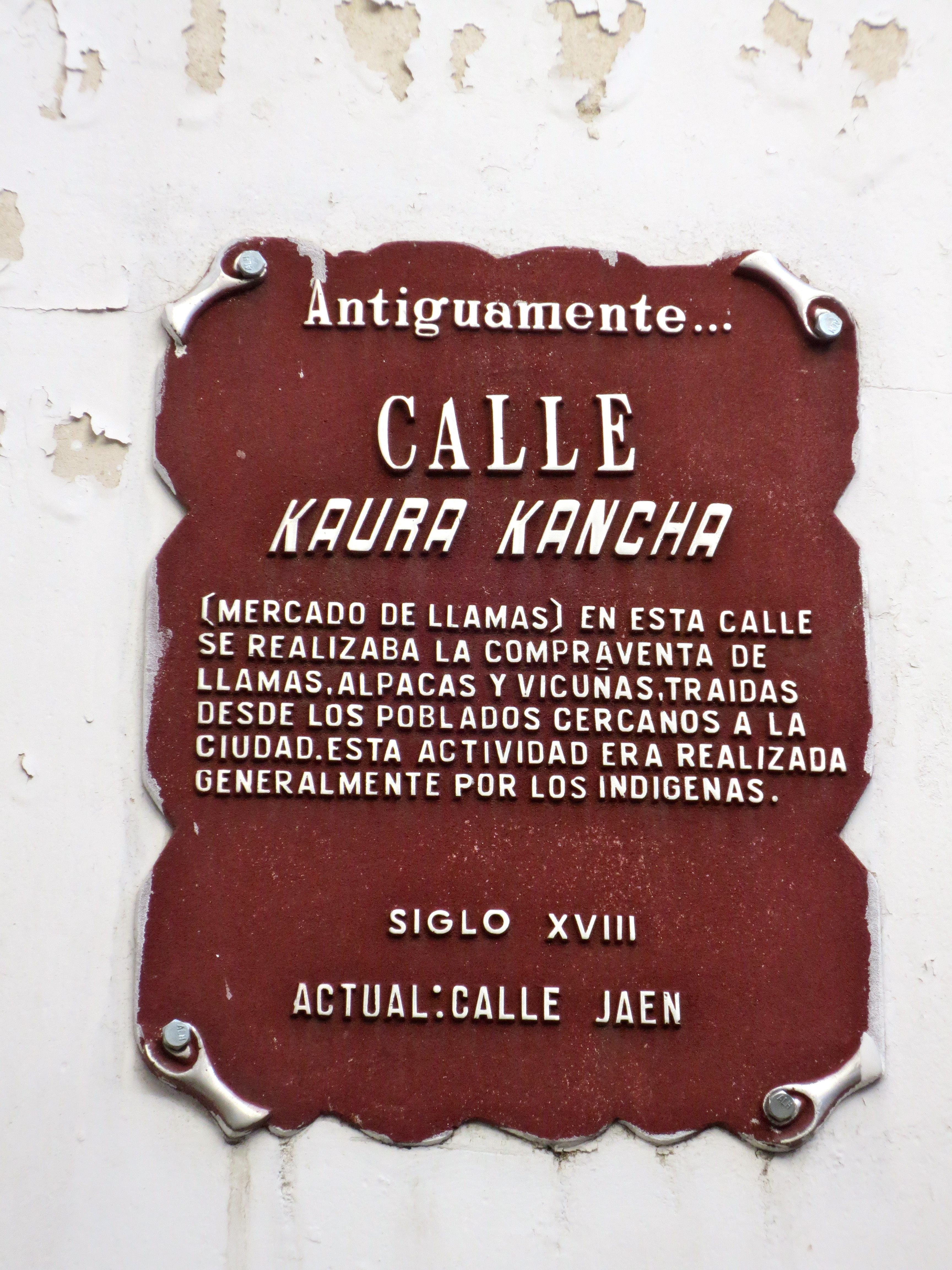





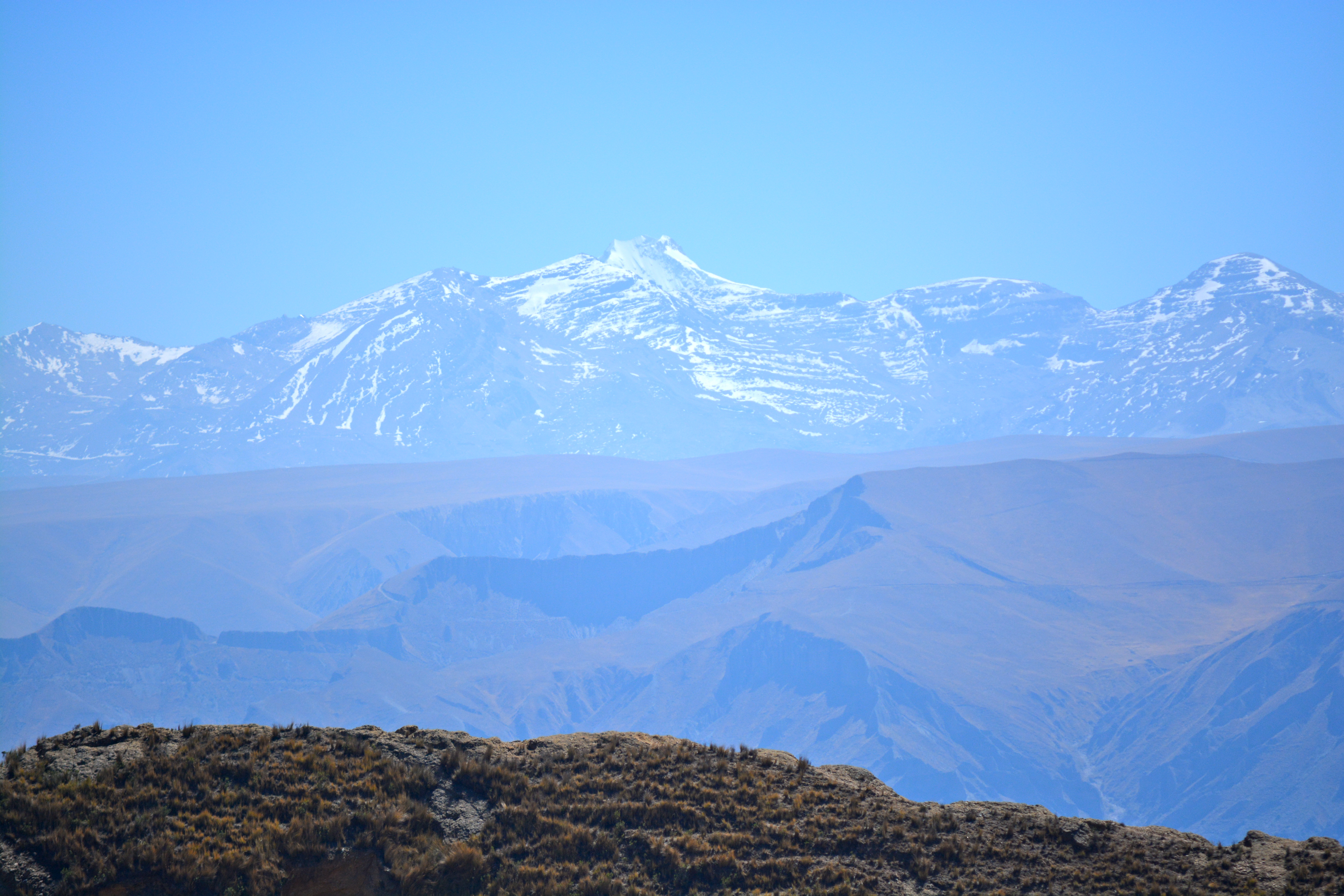
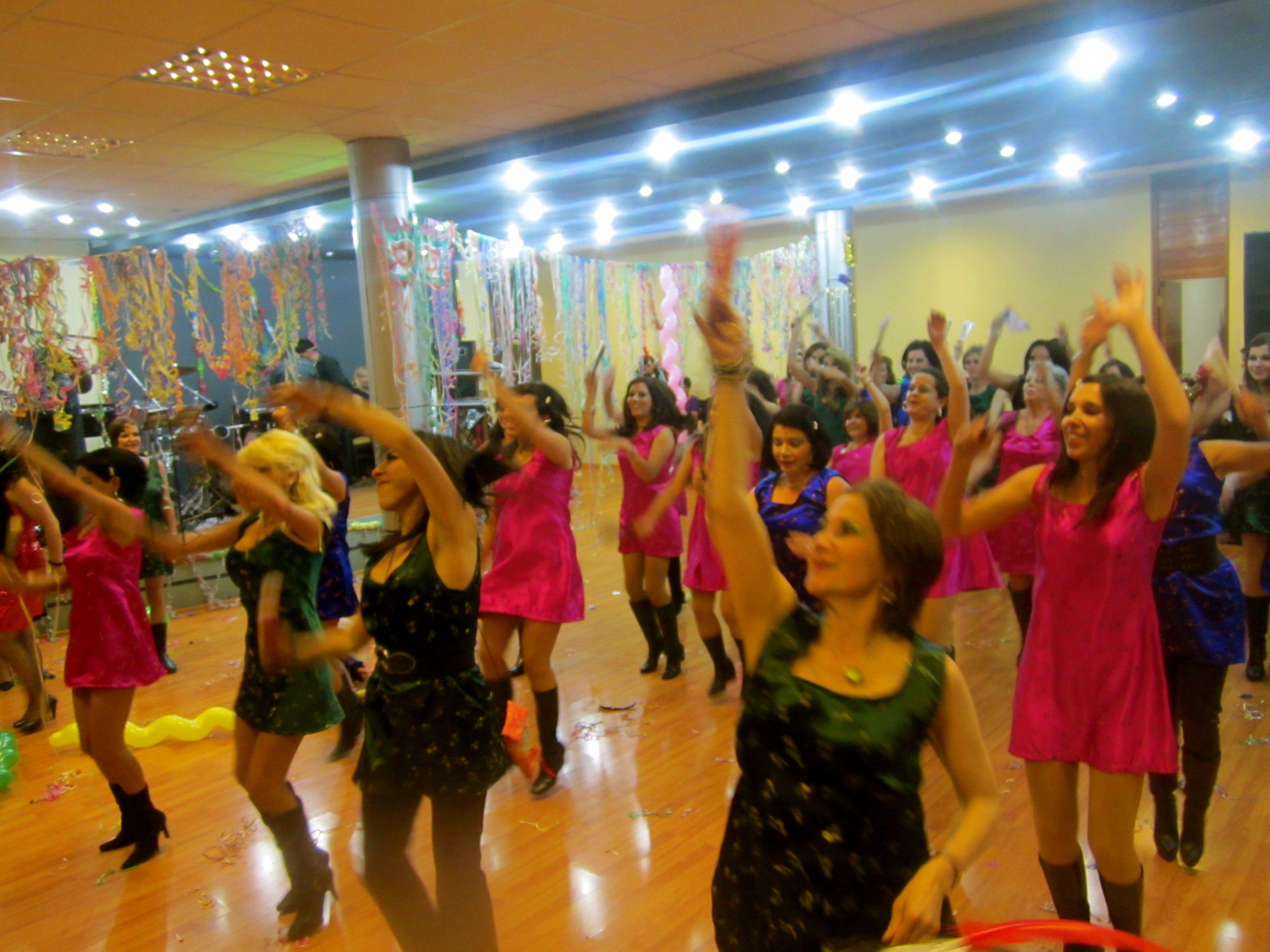
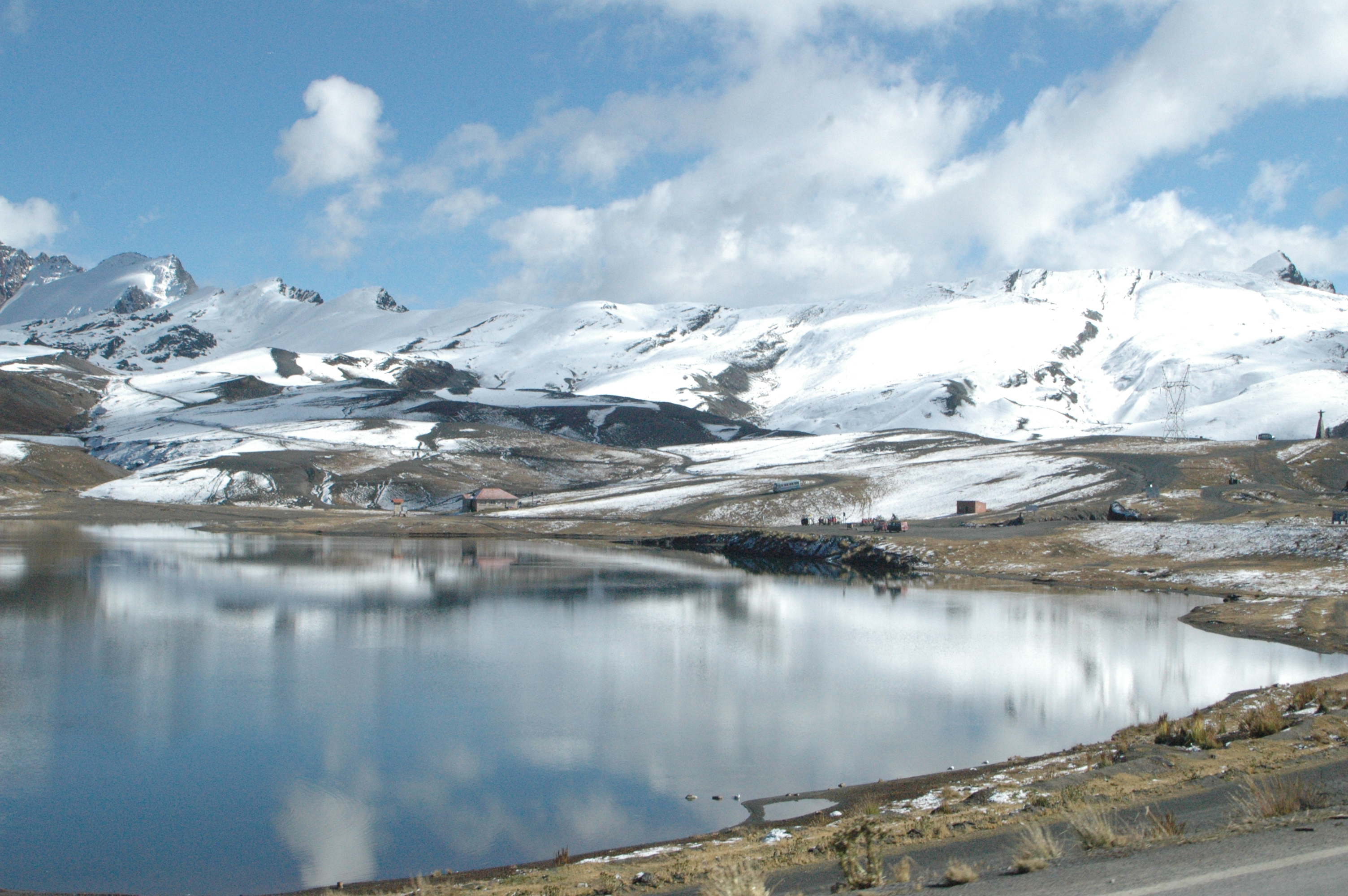
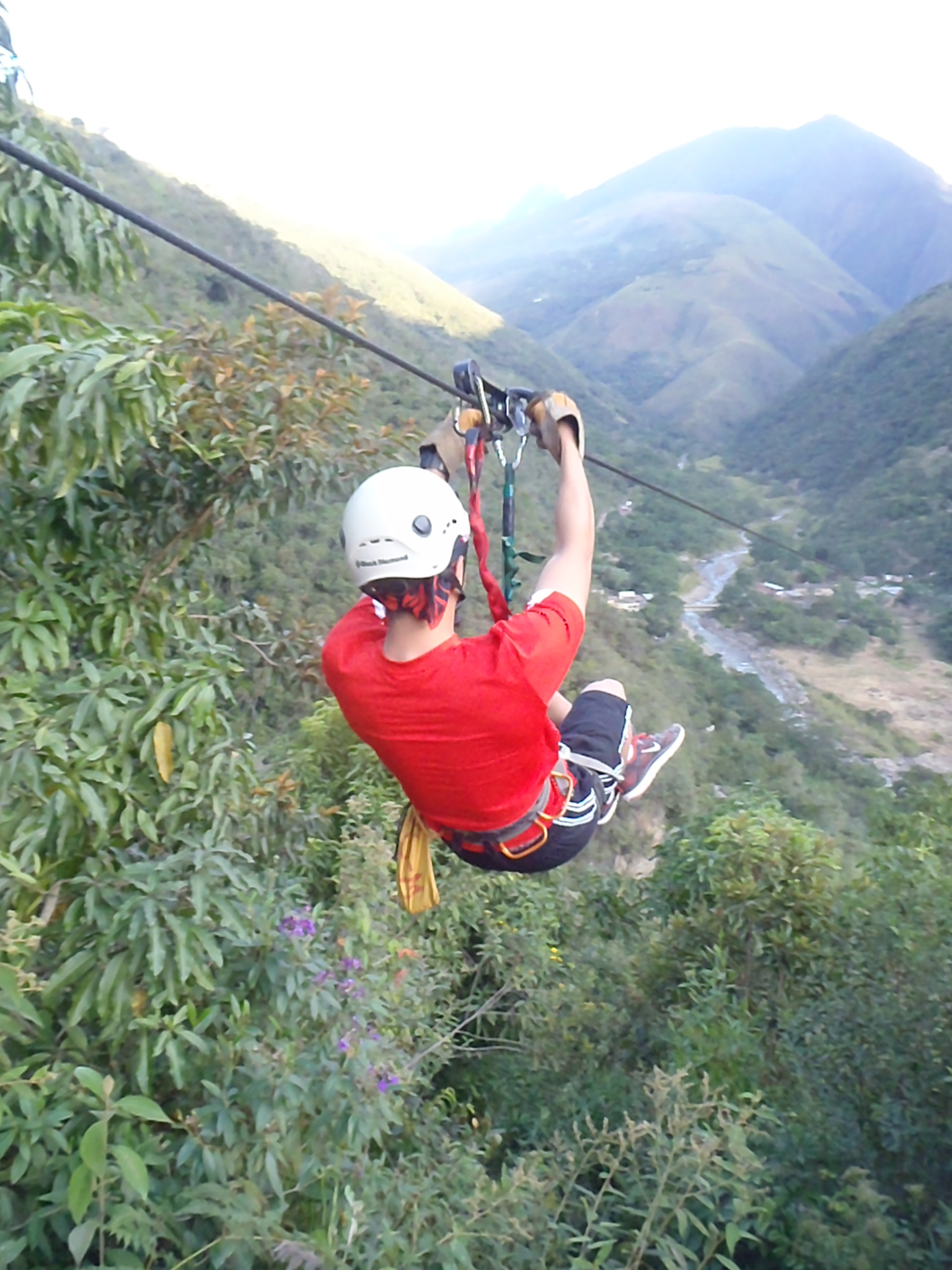
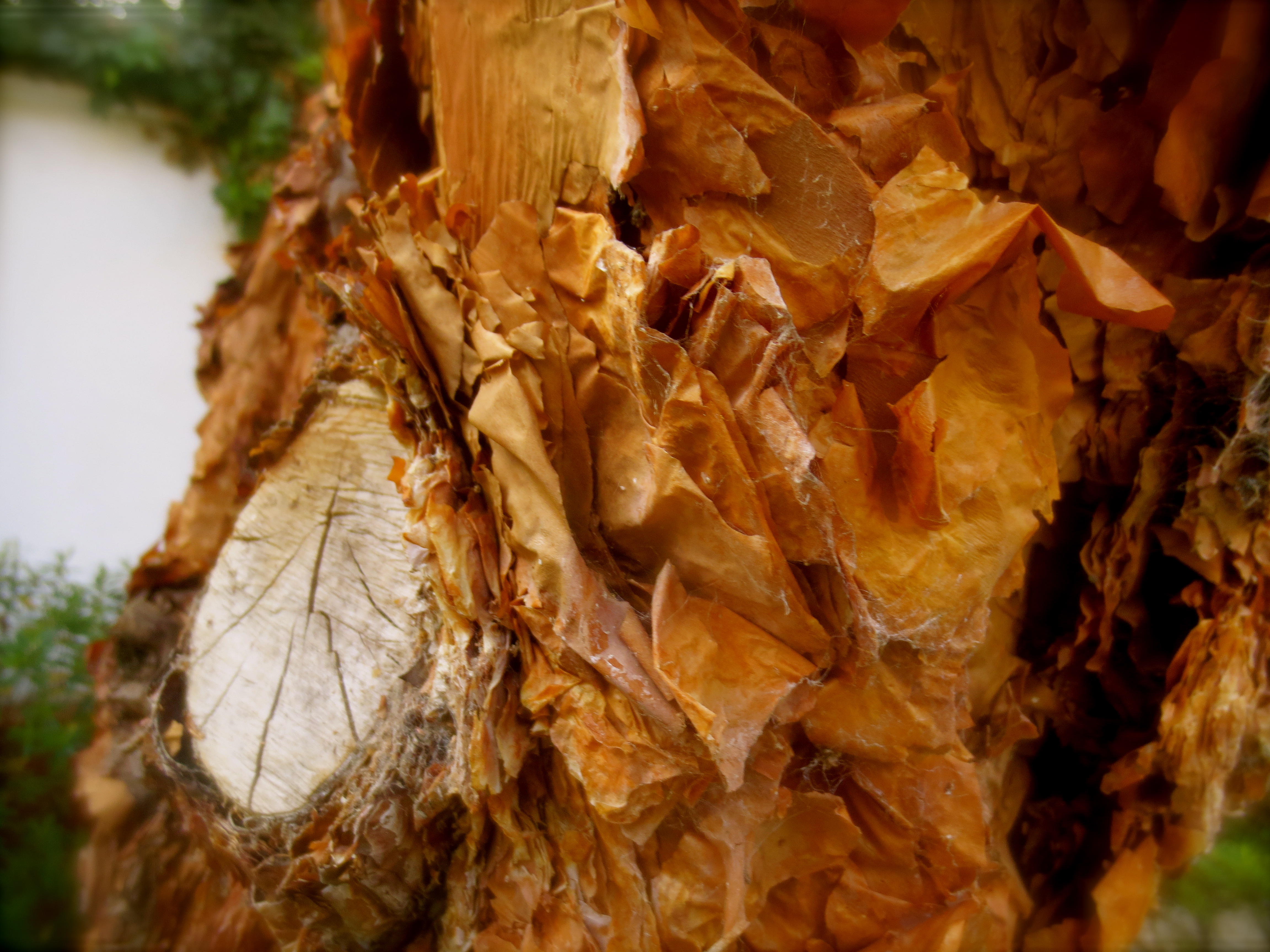
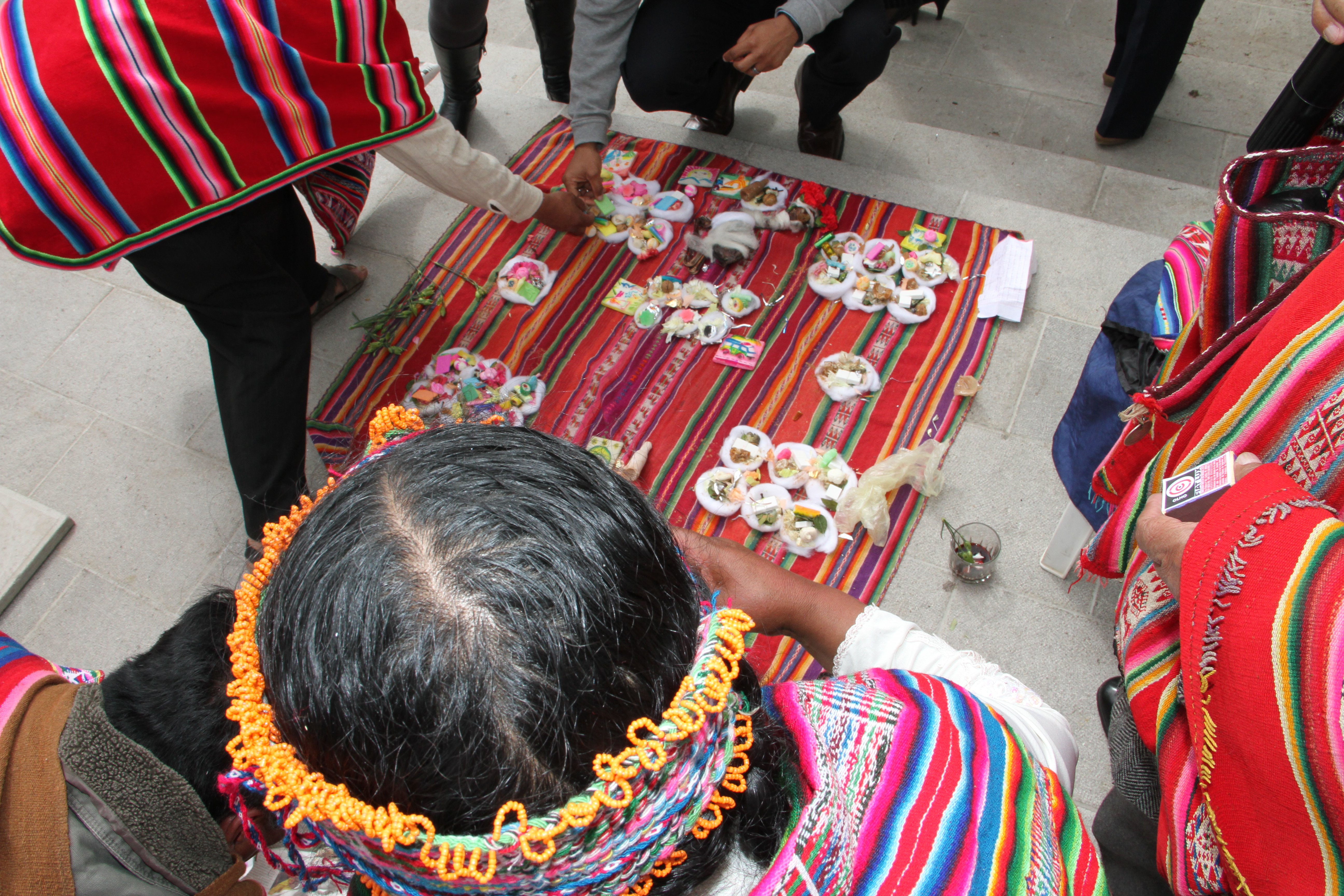





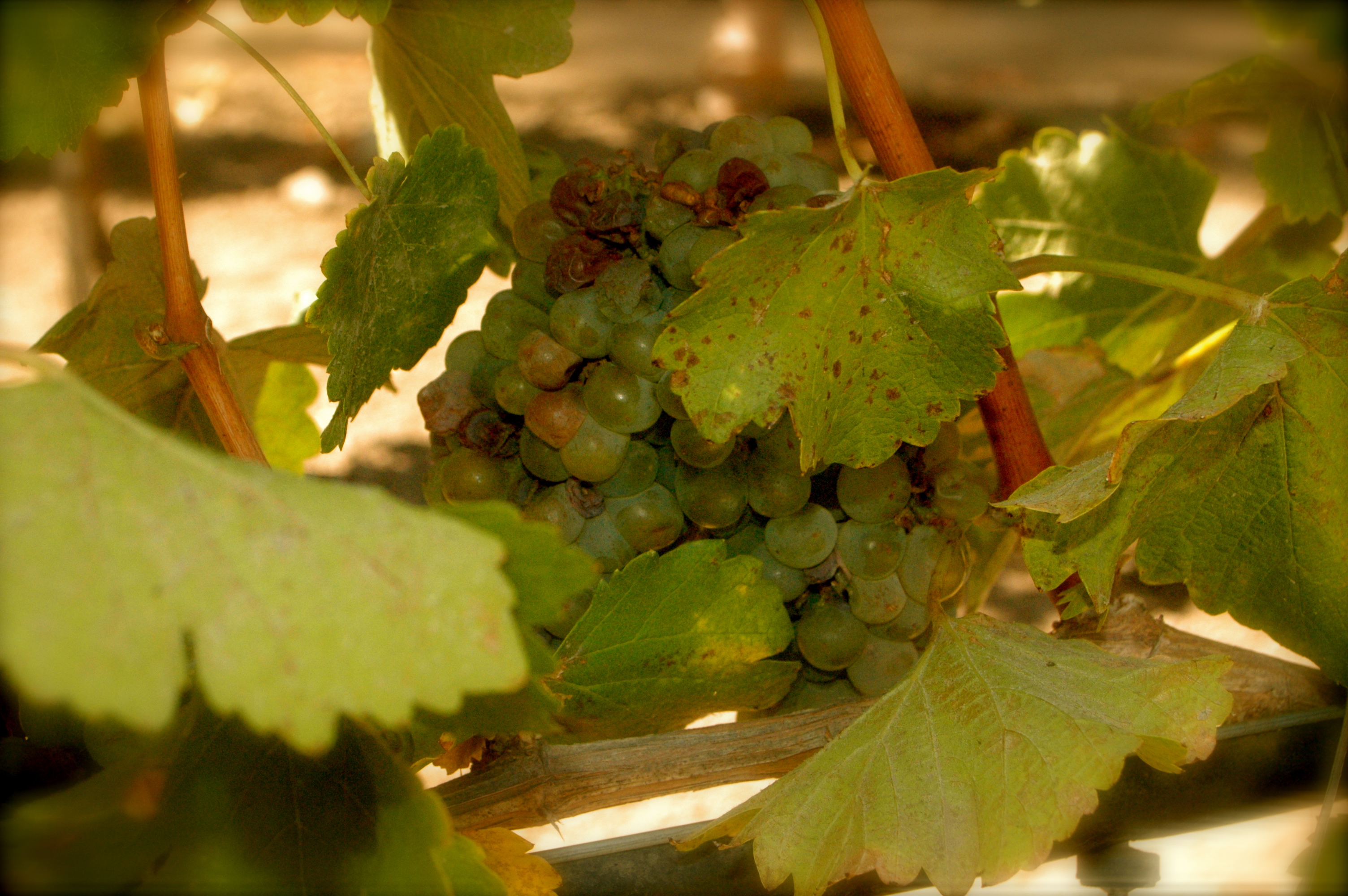

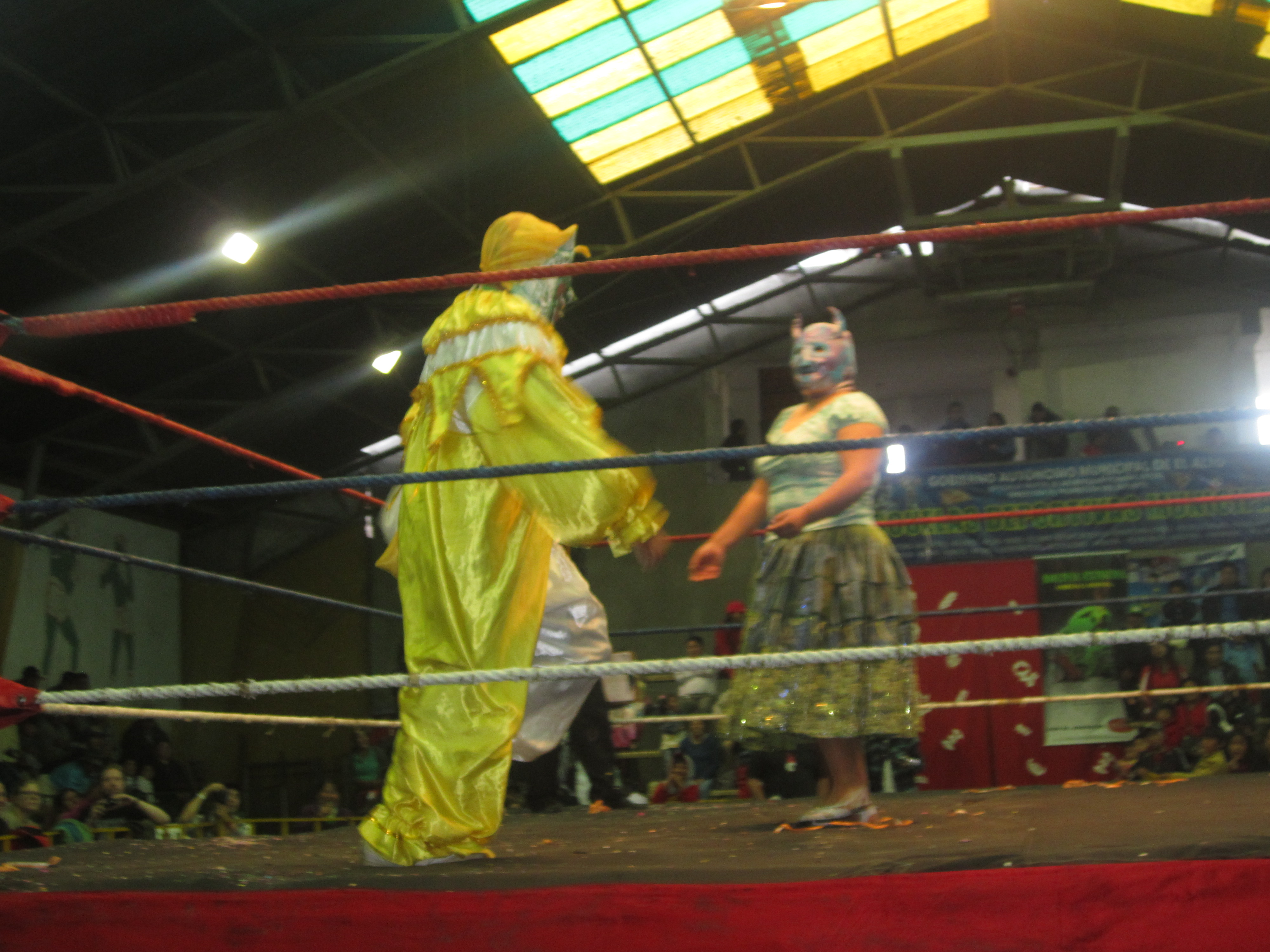
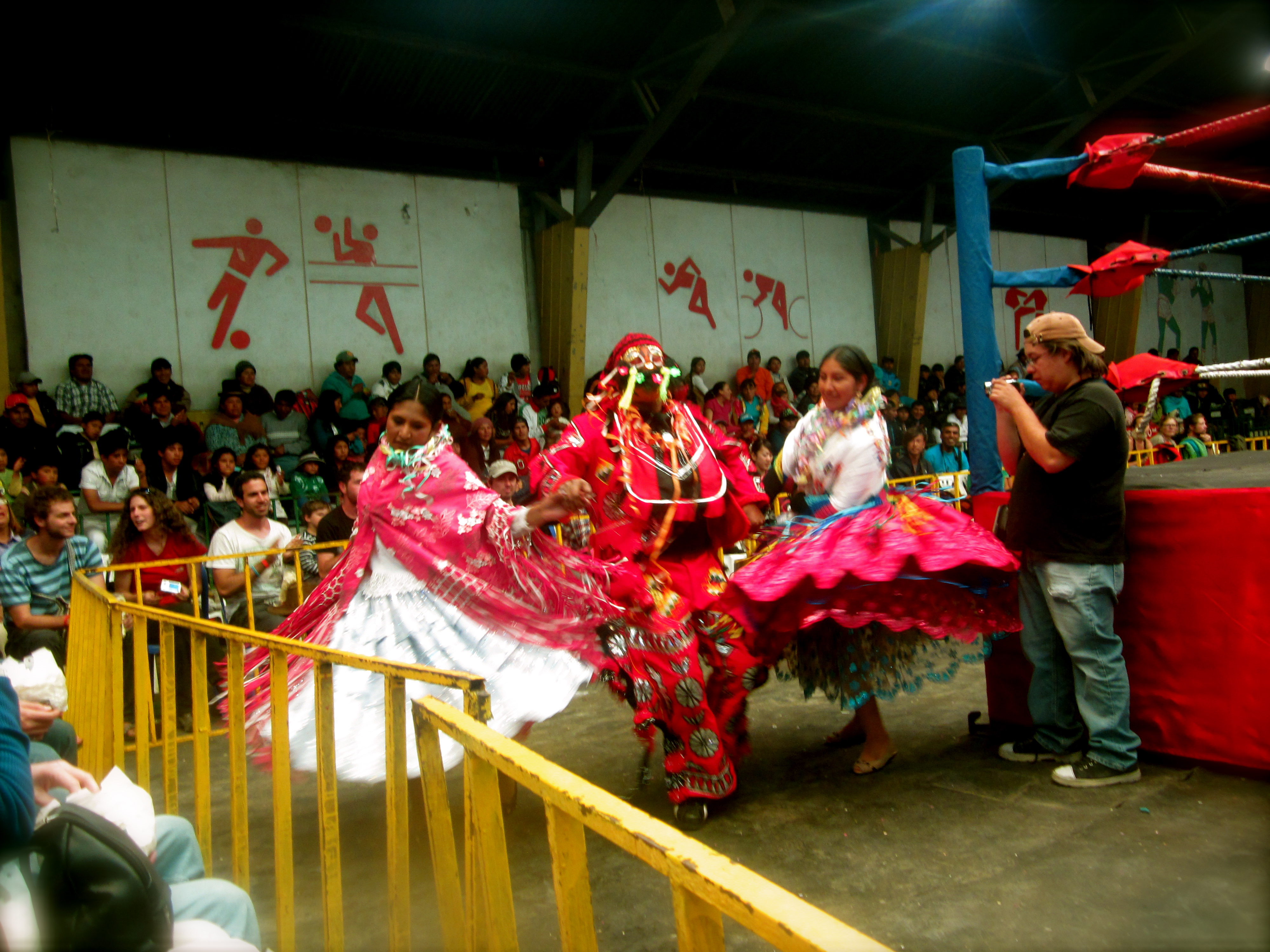


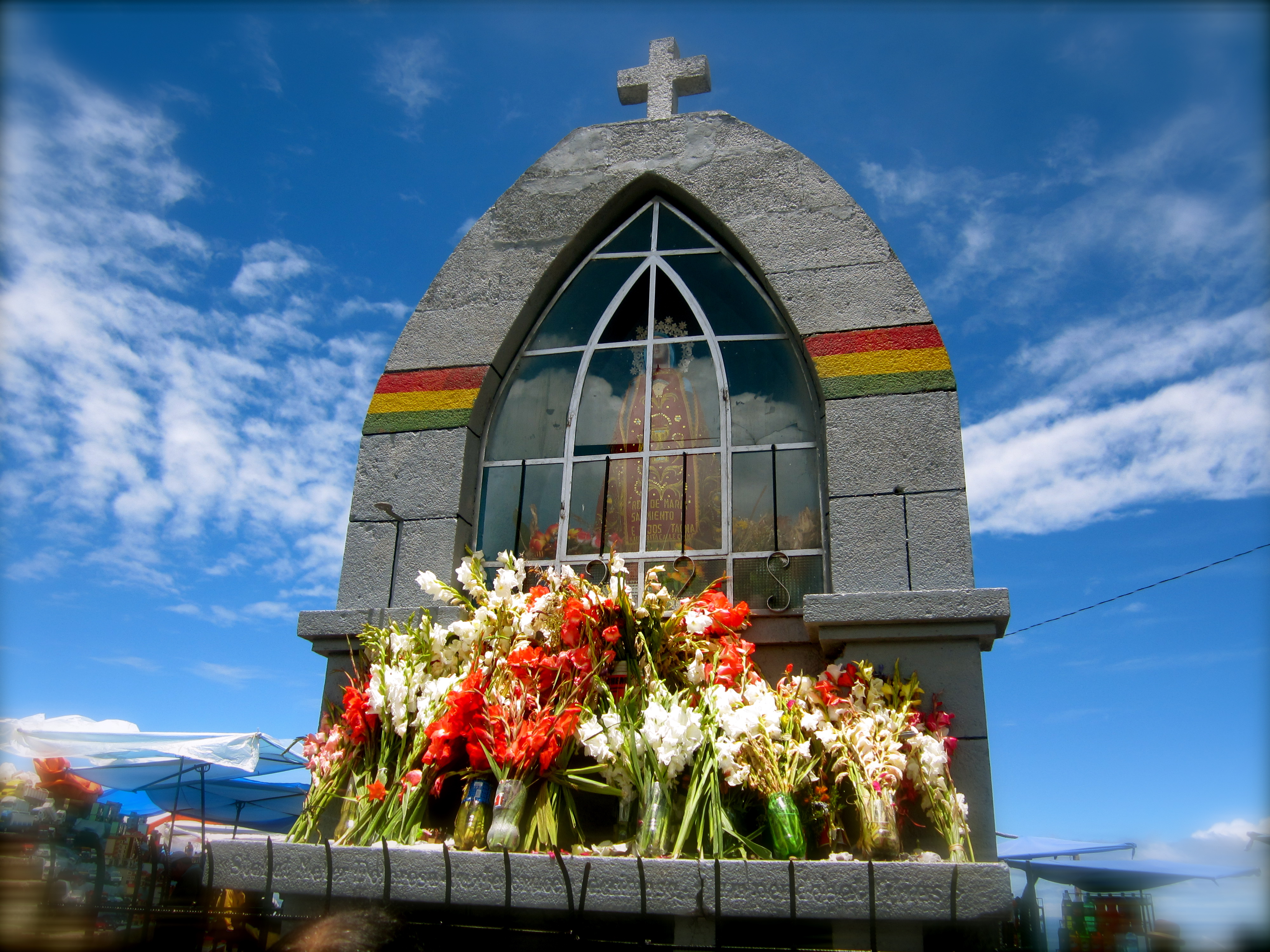
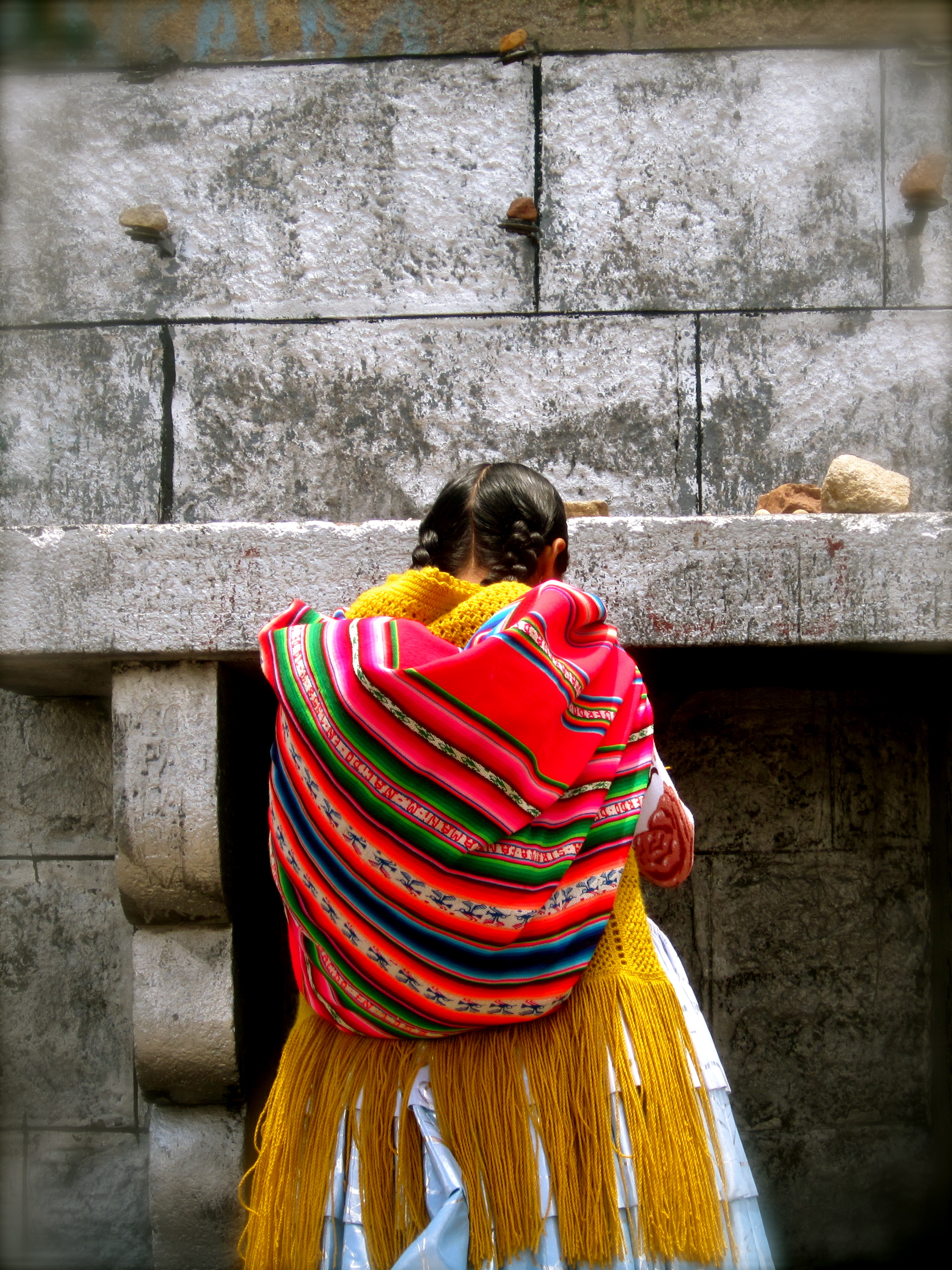


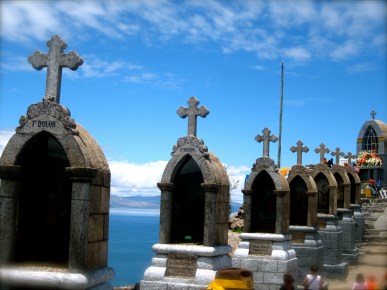


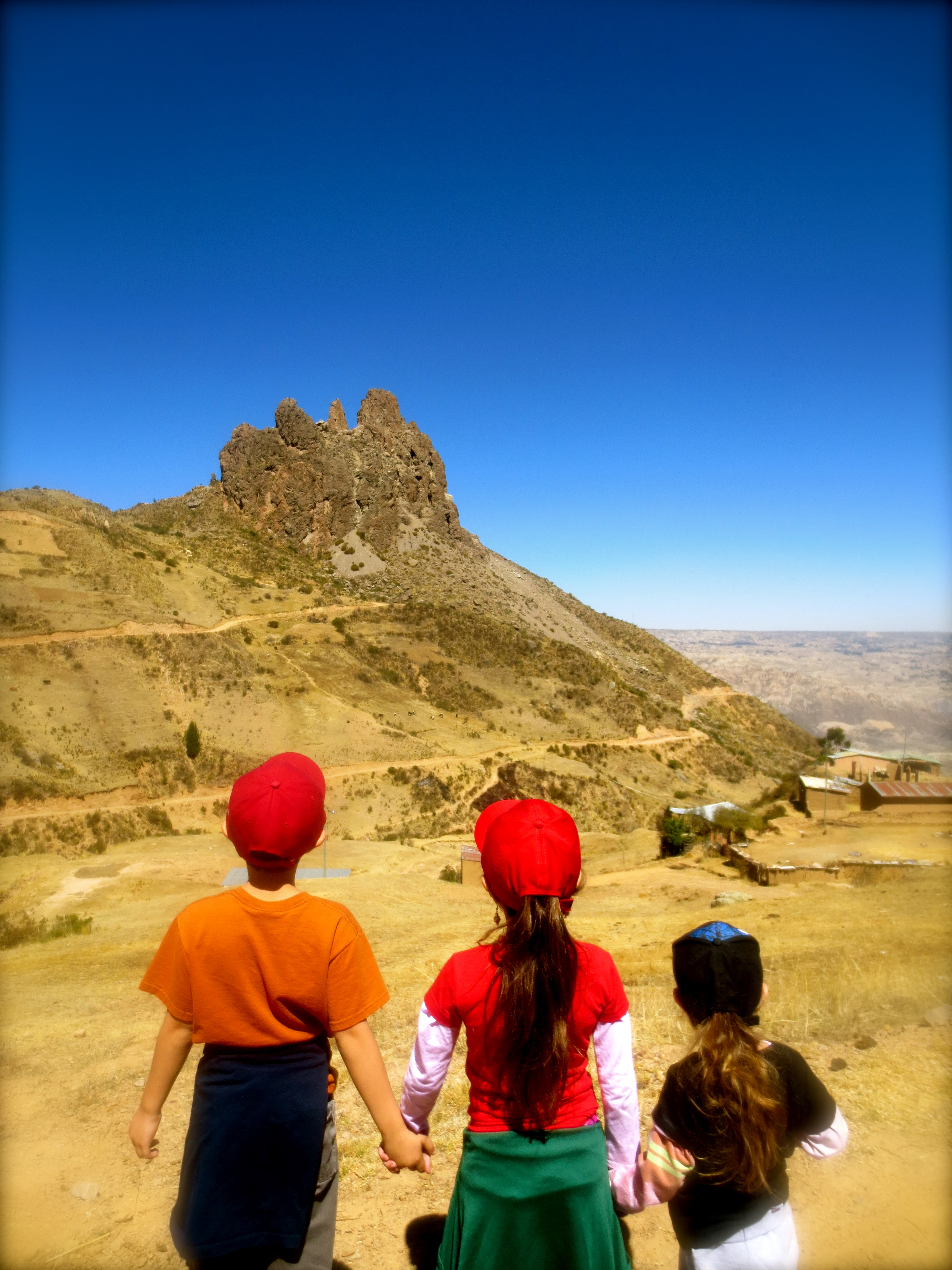





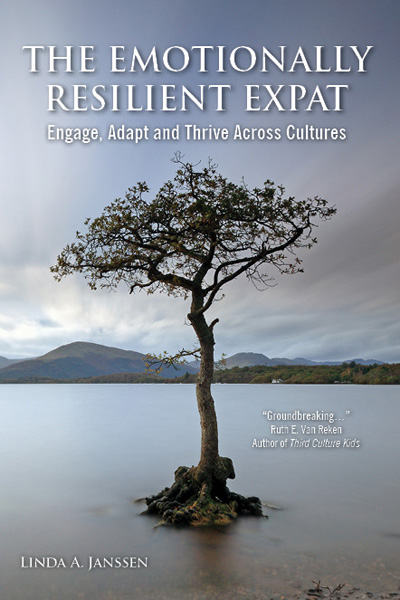


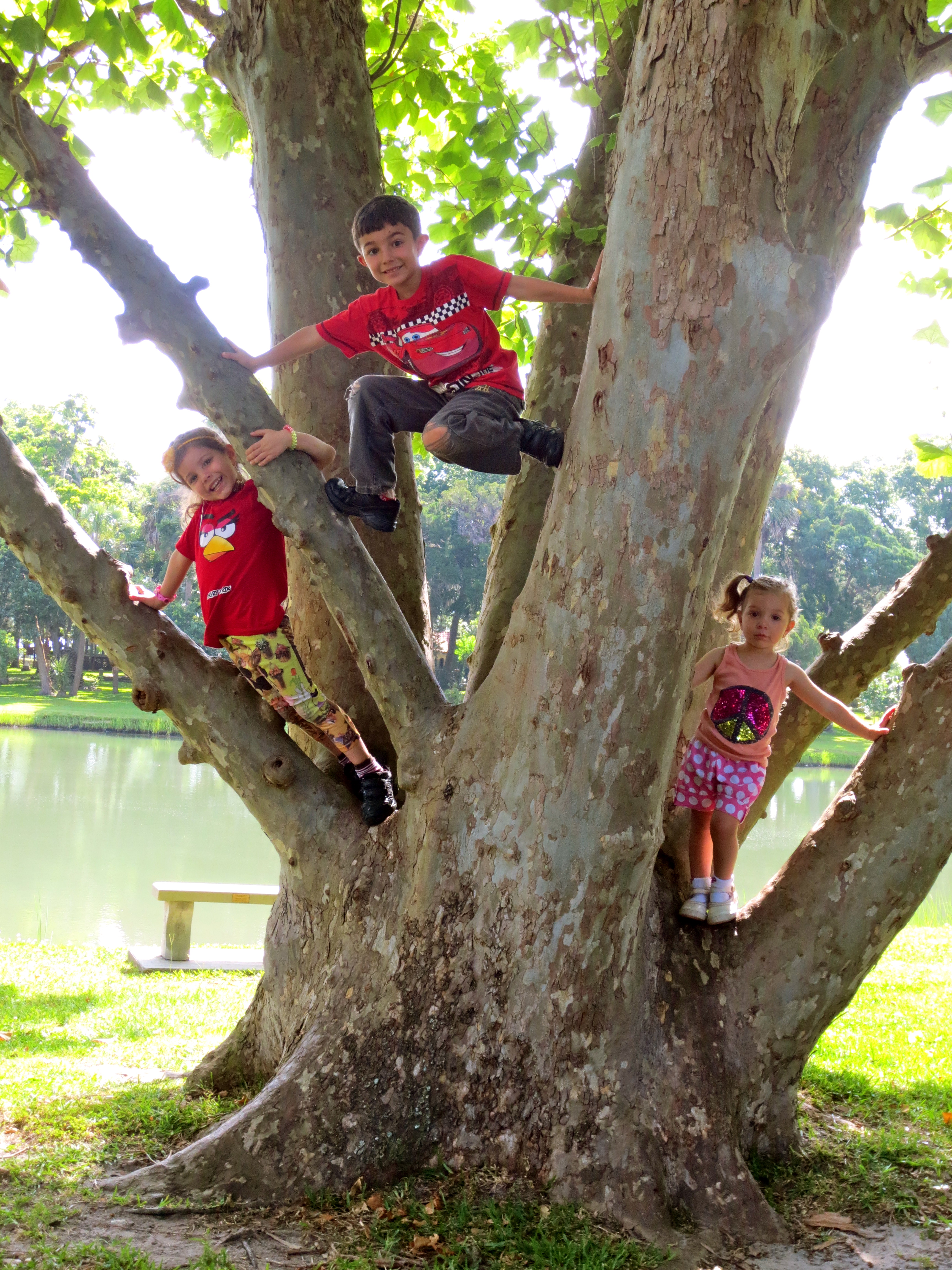
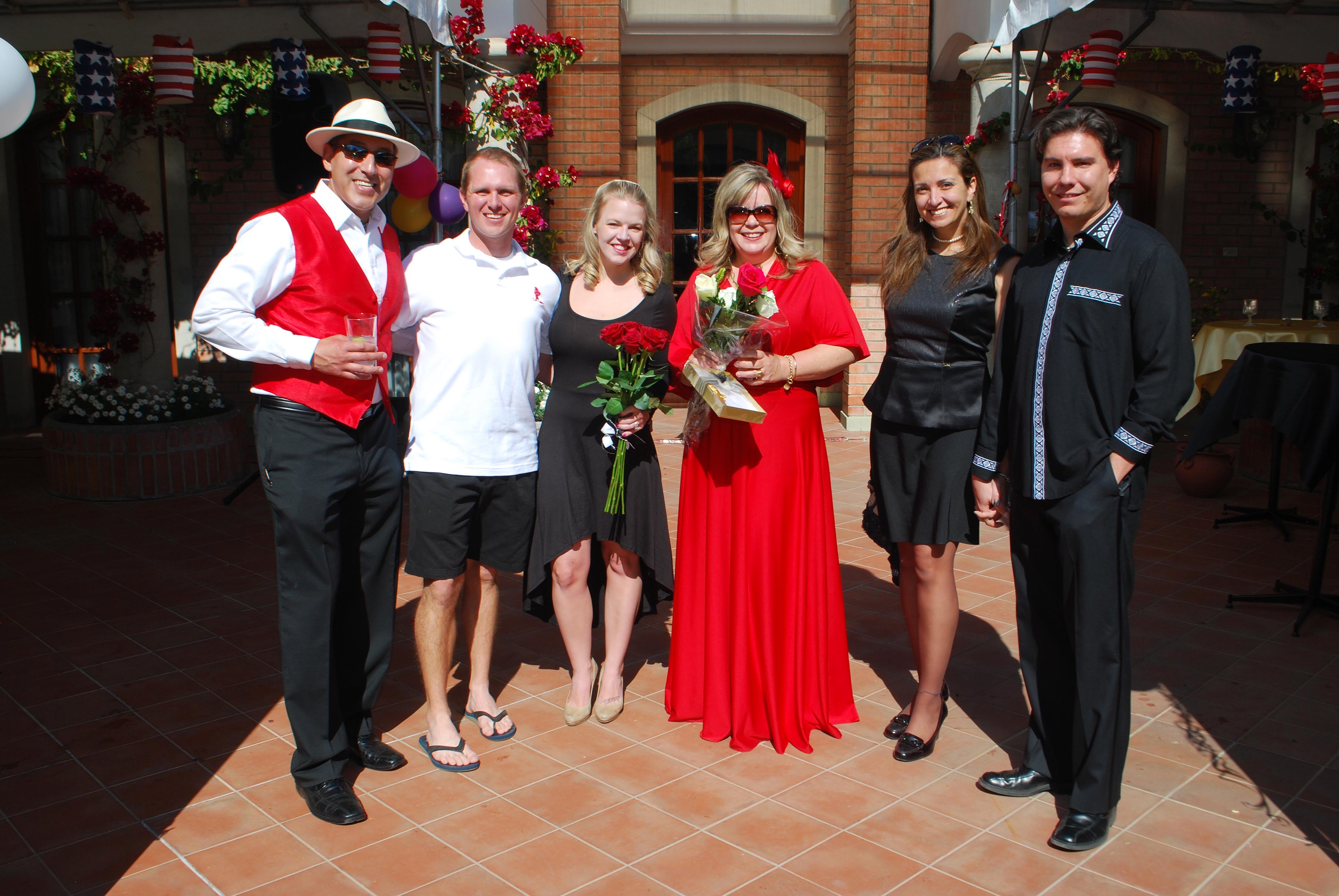
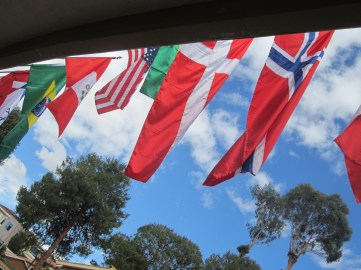


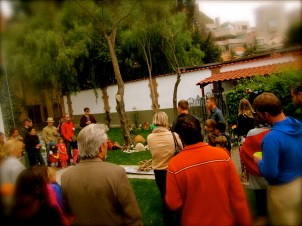

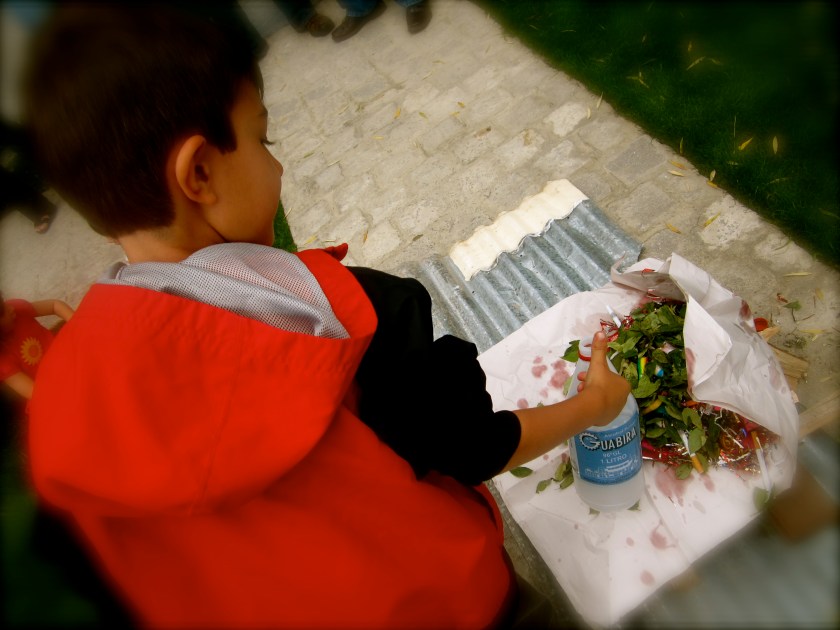
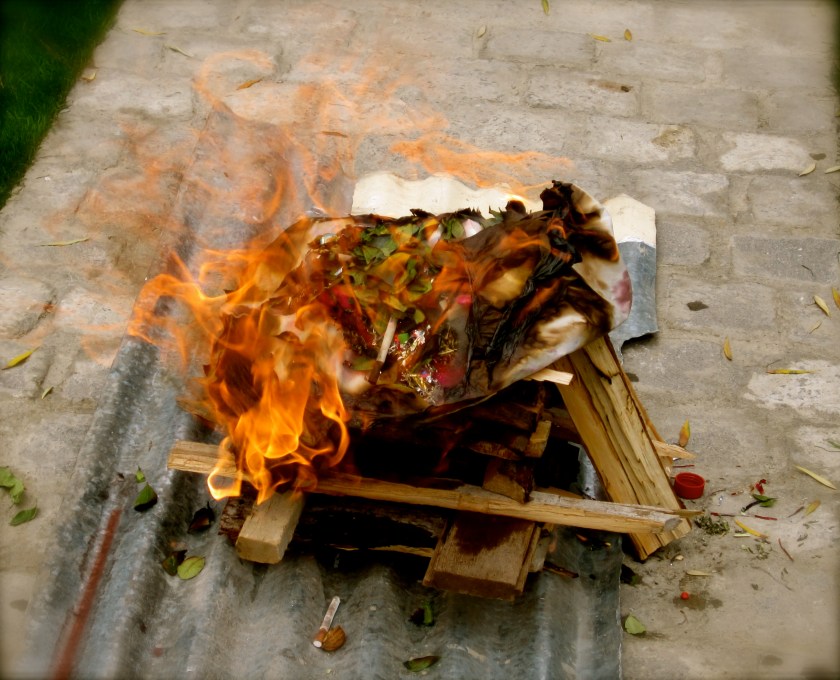


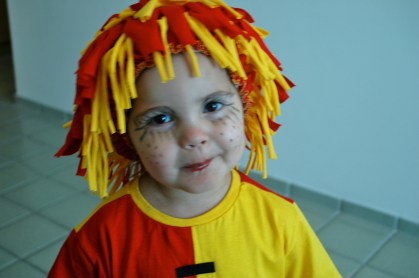
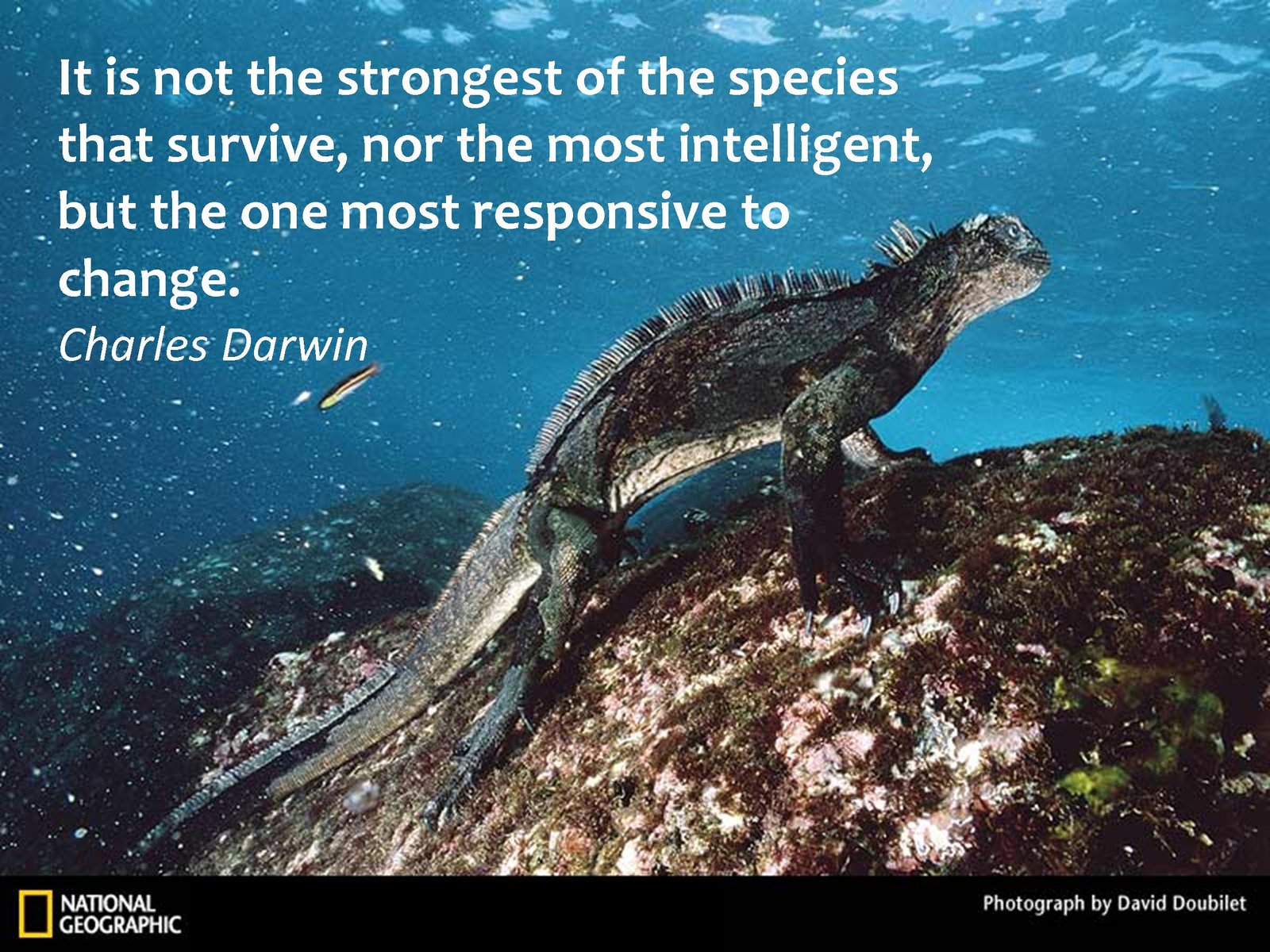


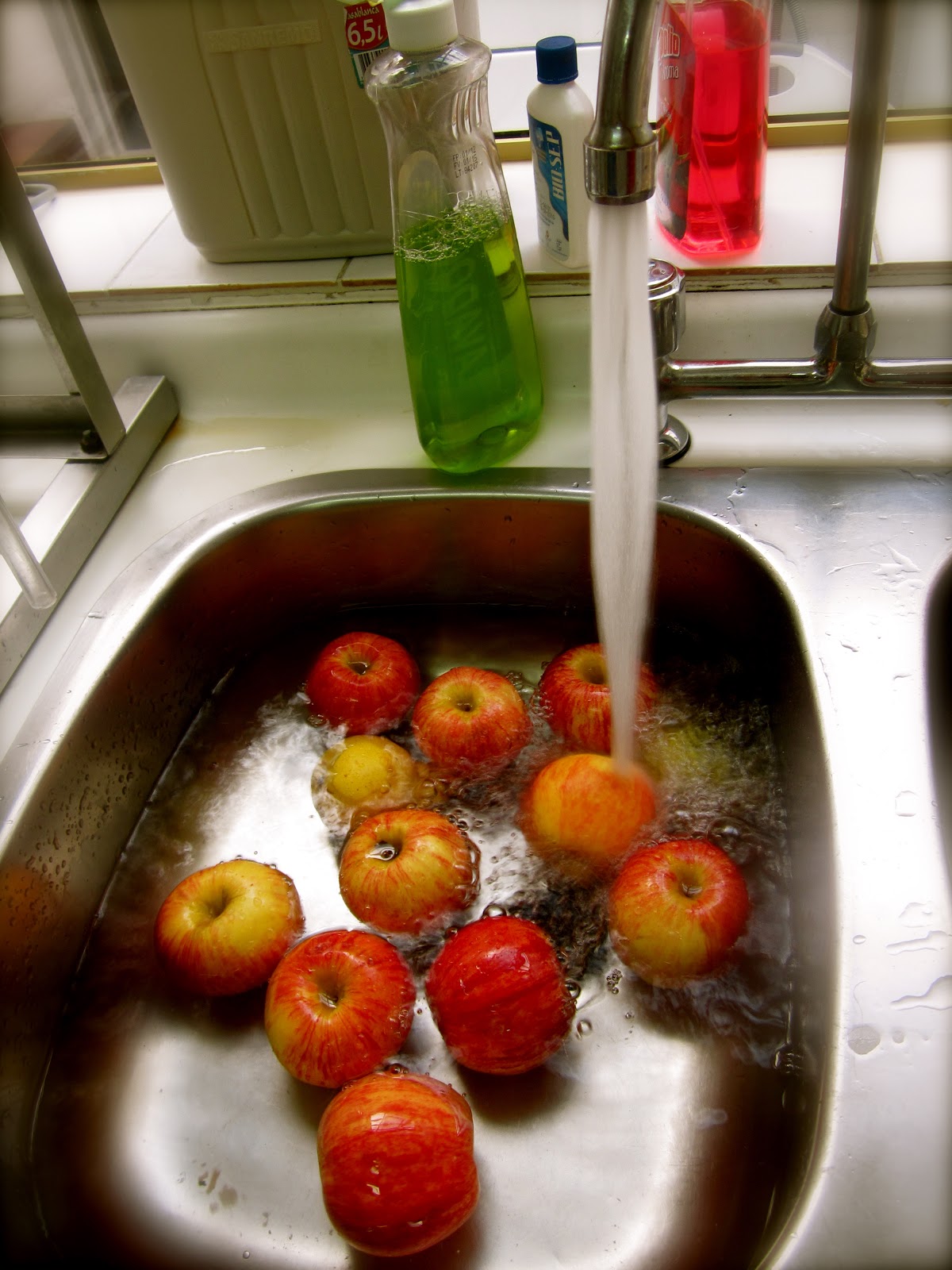




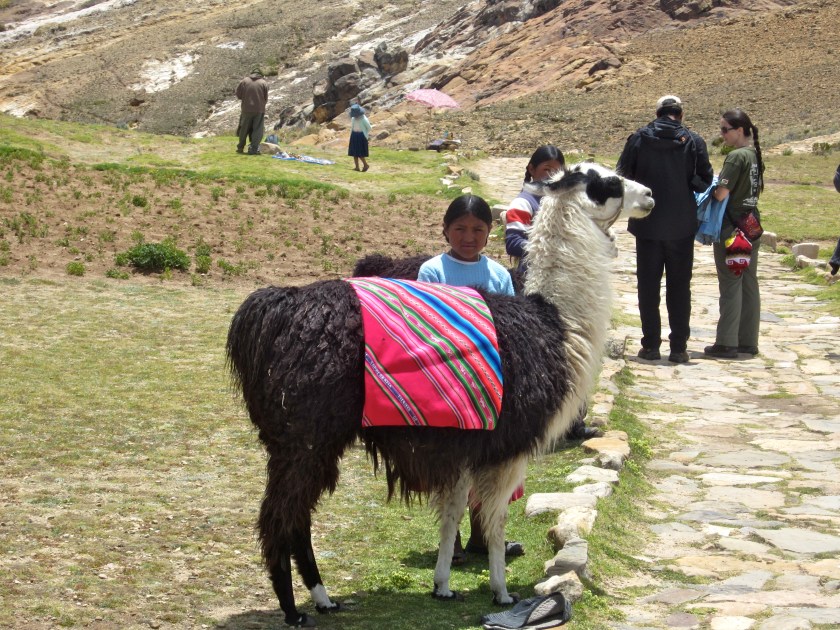


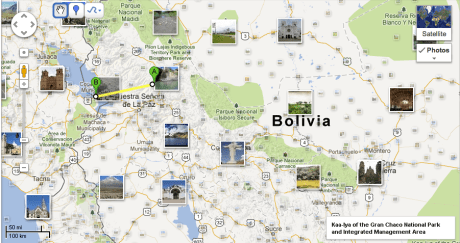

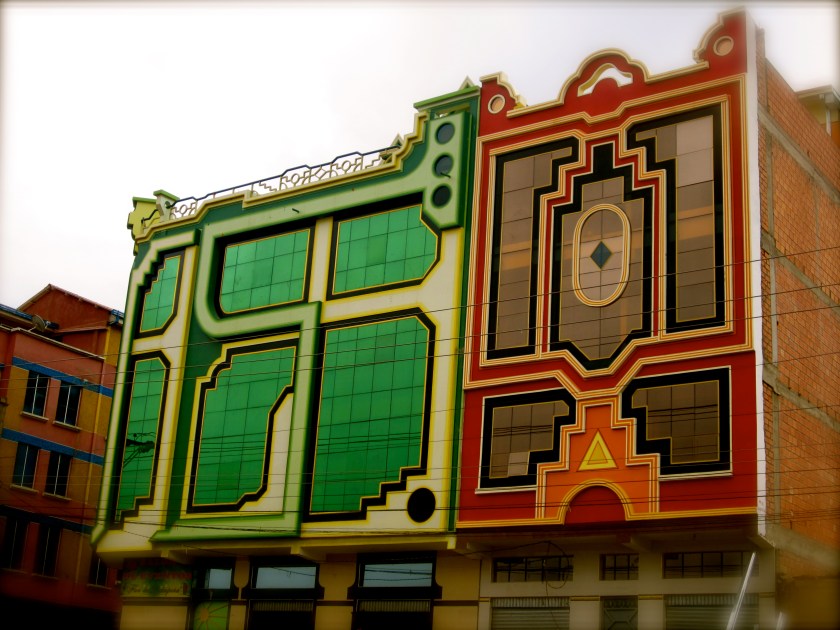


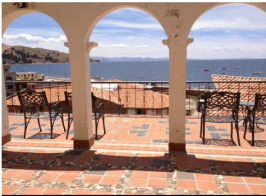


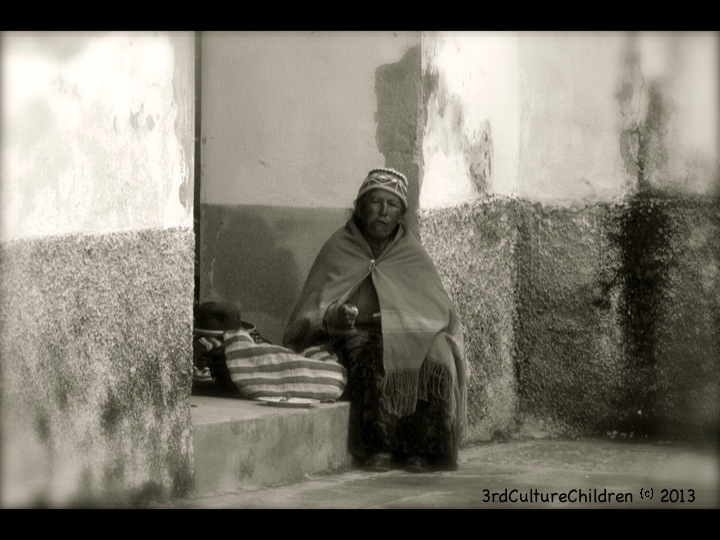


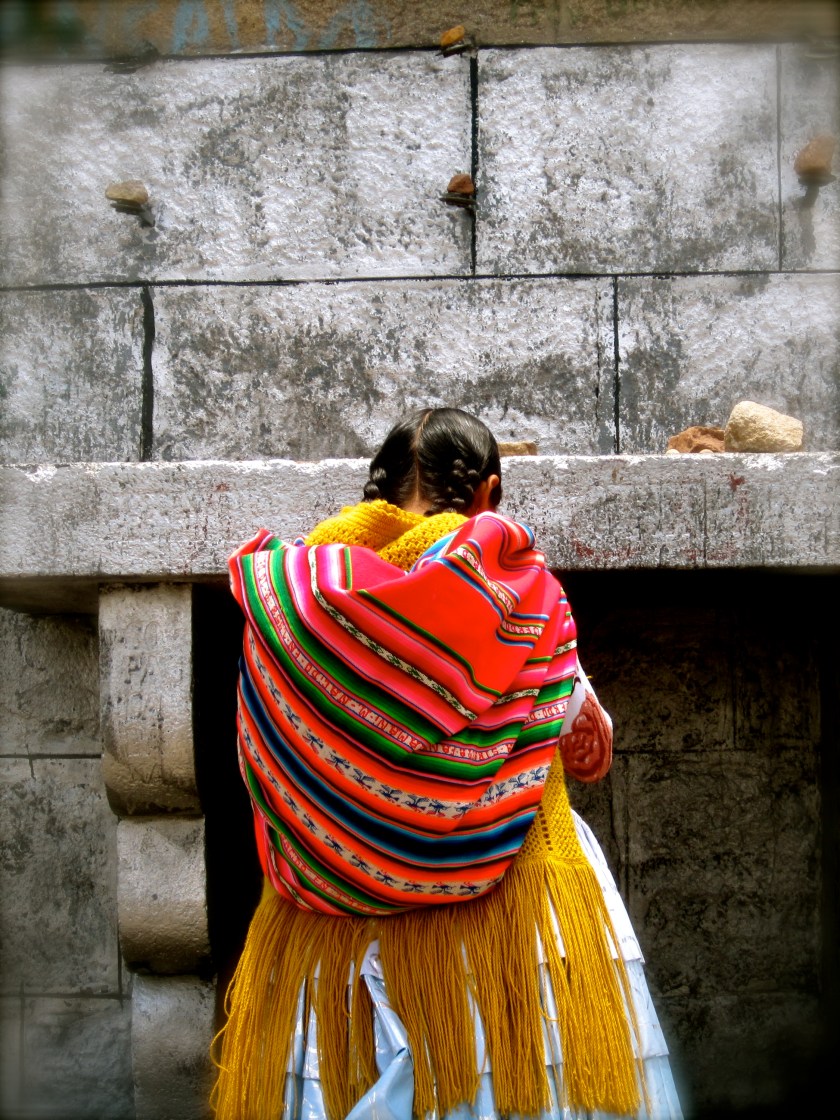

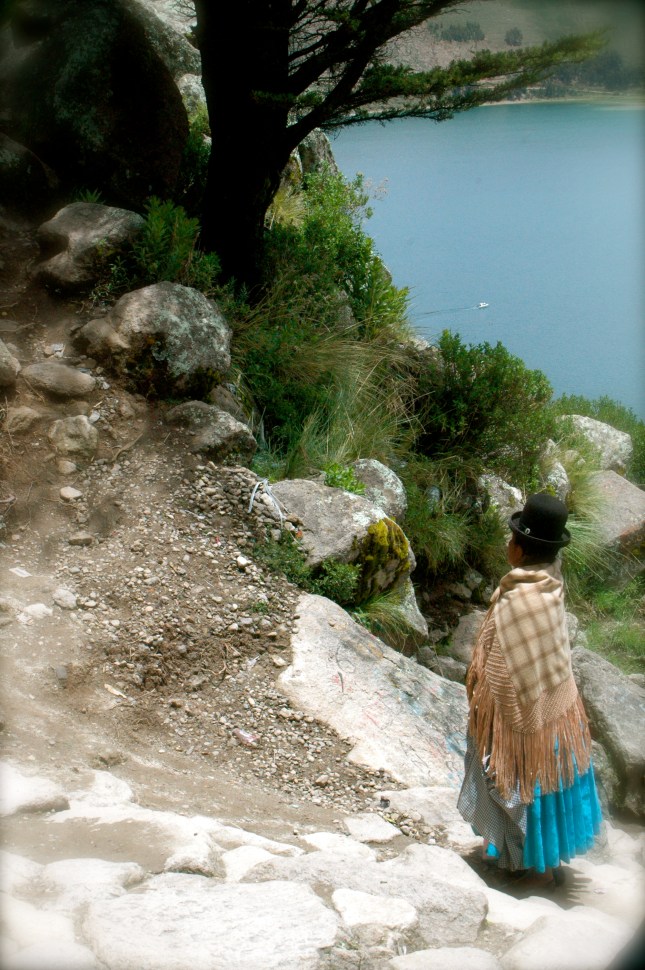


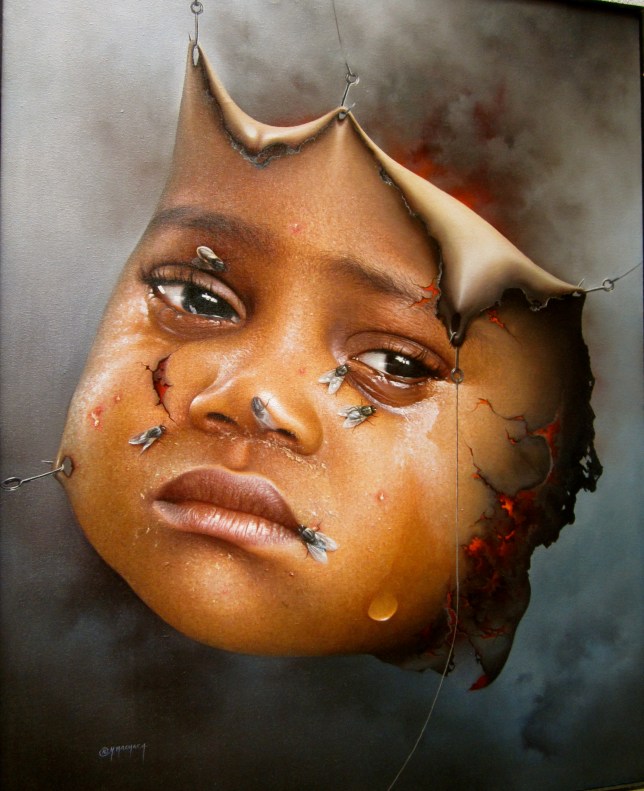


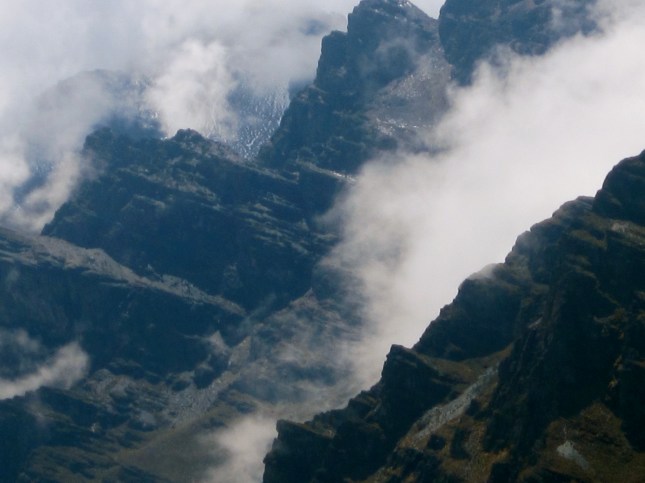

![Quenua Tree [oil on canvas]](https://3rdculturechildren.com/wp-content/uploads/2012/09/img_4726.jpg?w=162&h=217 "Quenua Tree [oil on canvas]")


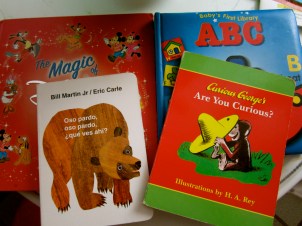




 3rdculturechildren
