Well, this is the very first blogpost of 2014 – a promising ‘blogging year’… Let’s wait and see!
2013 was a fantastic year for our family, and we’ve enjoyed every bit of it – life in Bolivia has proven to be warm, friendly, healthy and joyful. We’re now ready for embracing our last few months here, prepare for home leave back in the US and for our future assignment, Brasilia, in Brazil.
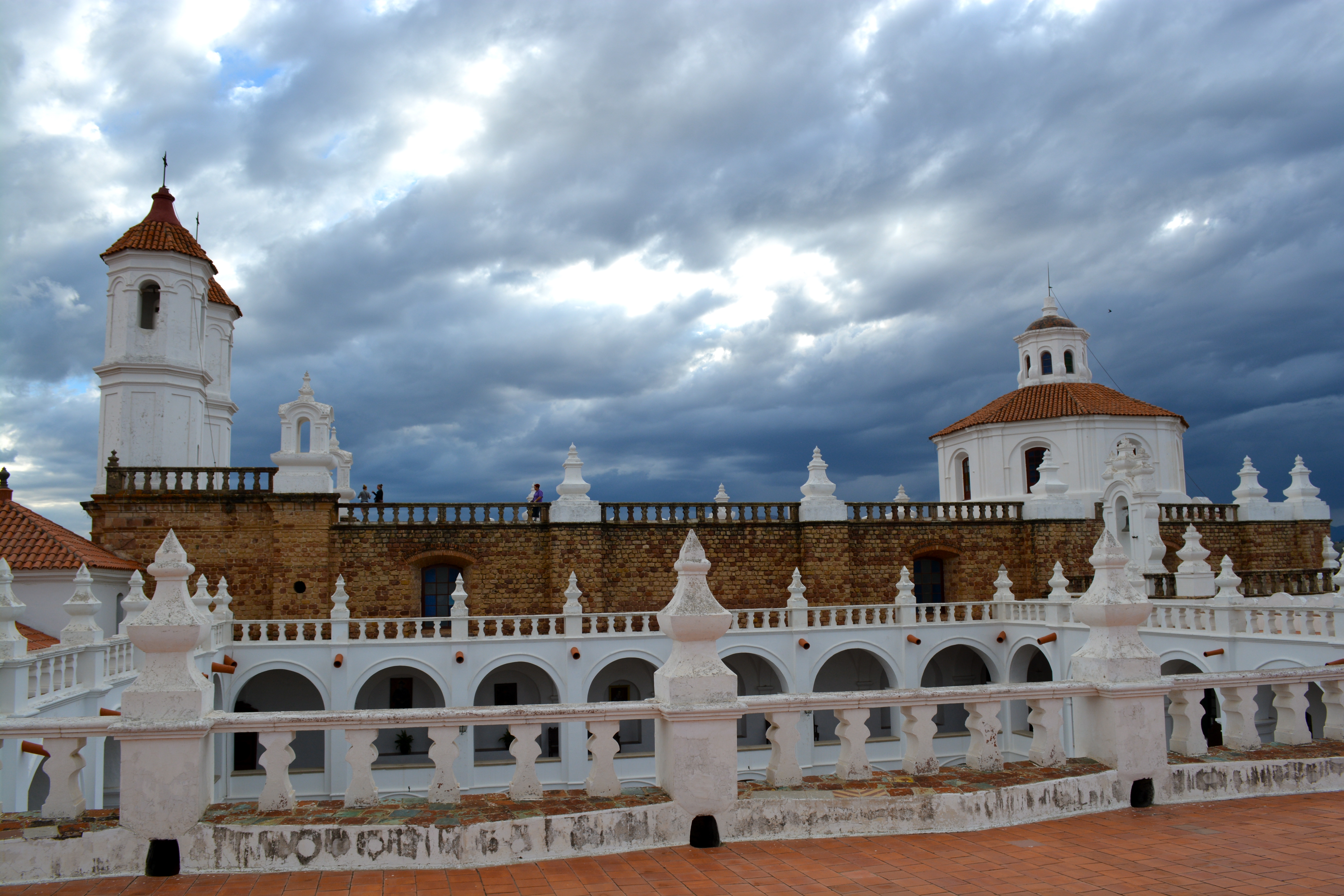
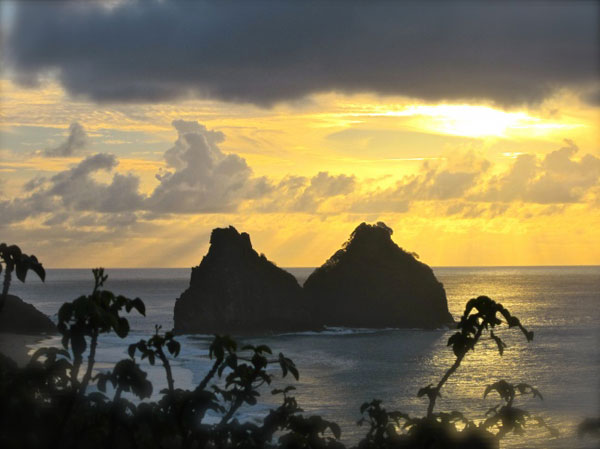
A bit of a regular day in the beautiful city of Sucre: can’t beat a sky like this, right?
Well, this is the very first blogpost of 2014 – a promising ‘blogging year’…
Let’s wait and see!
2013 was a fantastic year for our family, and we’ve enjoyed every bit of it – life in Bolivia has proven to be warm, friendly, healthy and joyful. We’re now ready for embracing our last few months here, prepare for home leave back in the US and for our future assignment, Brasilia, in Brazil.
A bit of a regular day in the beautiful city of Sucre: can’t beat a sky like this, right?
Closing up our travels in Bolivia in 2013, our family had the pleasure to experience the country’s capital, the original historical place, its stories and tales – the city of Sucre.
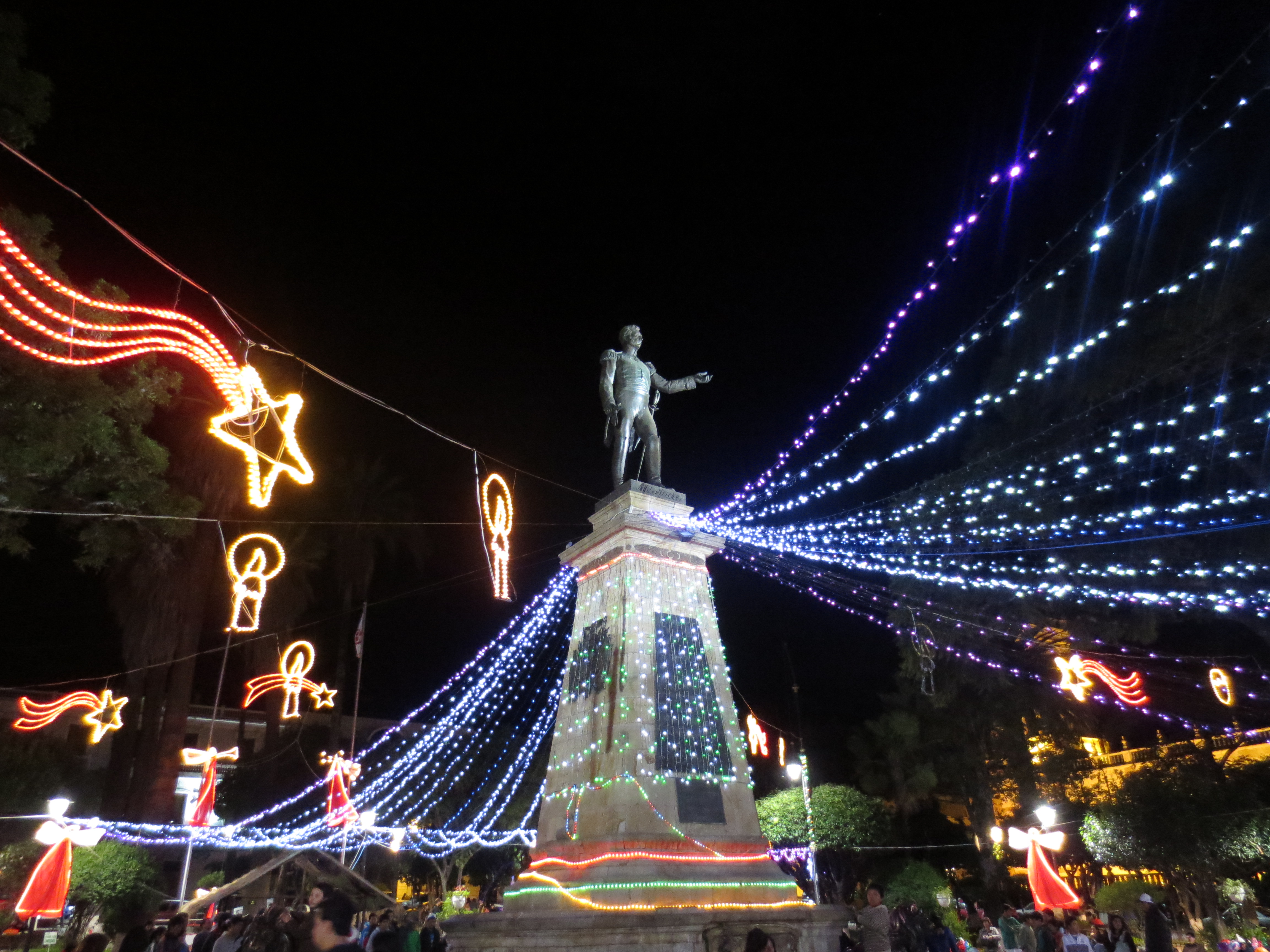
The city’s main plaza
Right after Christmas Day, we flew out of La Paz for several restful days in the country’s original capital – more on this visit will soon come, but for now, I’ll leave you all with this ‘placeholder’ for future posts.
Sucre (Spanish pronunciation: [ˈsukɾe]), also known historically as Charcas[ˈtʃarkas], La Plata[la ˈplata] and Chuquisaca[tʃikiˈsaka](population 247,300 in 2006) is the constitutional capital of Bolivia, the capital of the department of Chuquisaca and the 5th most populated city in Bolivia. Located in the south-central part of the country, Sucre lies at an elevation of 2810 m. This relatively high altitude gives the city a cool temperate climate year-round [Excerpt from Wikipedia].
It first began with an inspiration from WordPress, a weekly ‘suggestion’ proposed to bloggers/photographers all around, a ‘weekly photo challenge’ idea. It soon morphed into a very personal photo project, where we’d share impressions, images, and ‘tastes’ of life in Bolivia, our home from August 2012 until next Summer. Now, before we begin next year, and start making plans for our future home, Brasilia, Brazil, I’d like to share the ‘results’ of this ‘blogging experience’, the Photo Project 52 Bolivian Sundays!
Clearly, if you pay attention [and count!] the number of links, you’ll be able to reach one not-so-perfect result: unfortunately, the full 52 weeks mark was not achieved… [insert a sad face here] Although, tried my best to accomplish it… Maybe 2014 will bring better luck and longer weeks for this around-the-clock mamma of 3, working inside and out of the house, and being a trophy wife to dear husband! 😮
Please find below the topics for each ‘weekly inspiration’, and follow the link to its original post, if you wish! ♥
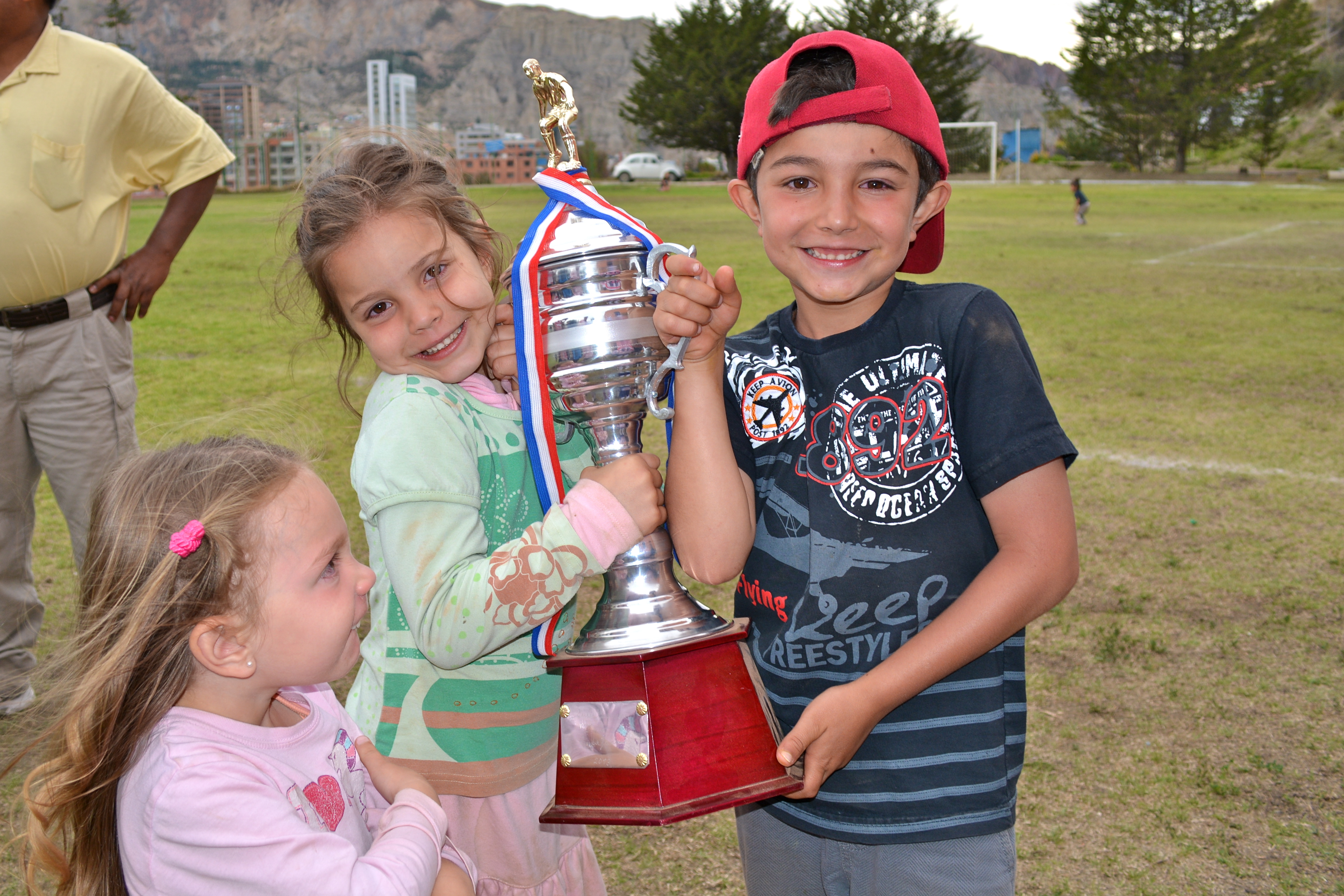
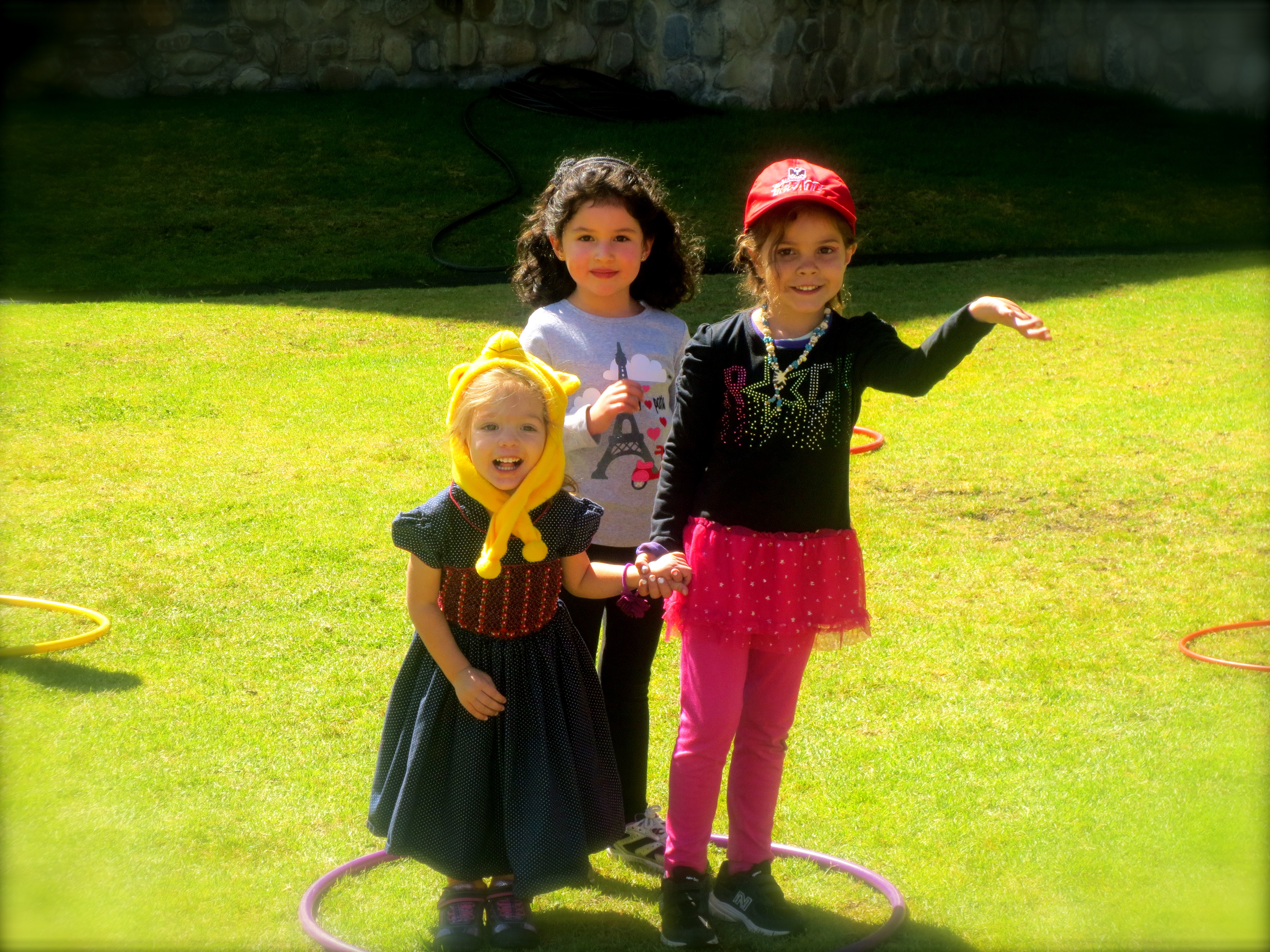
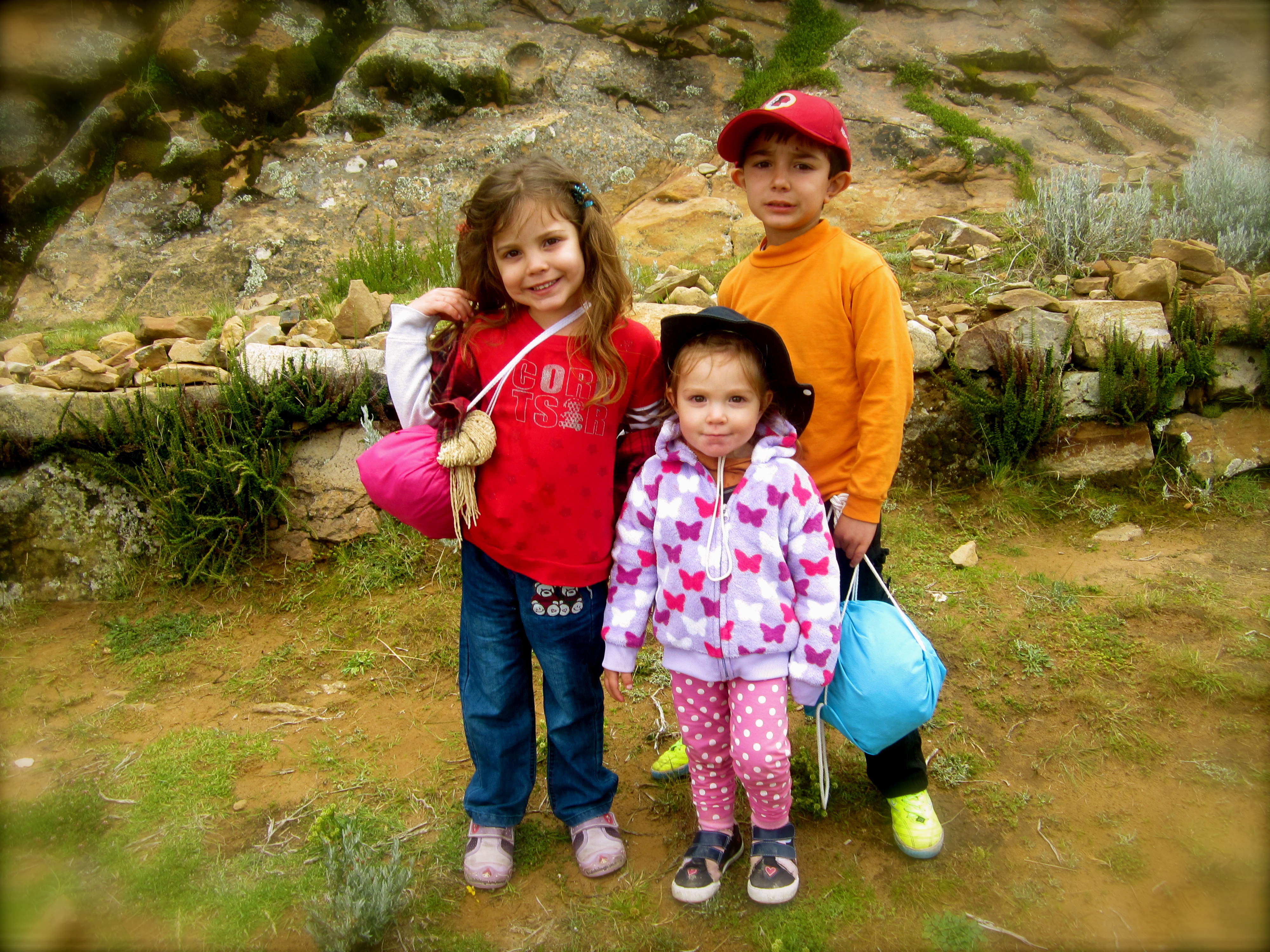
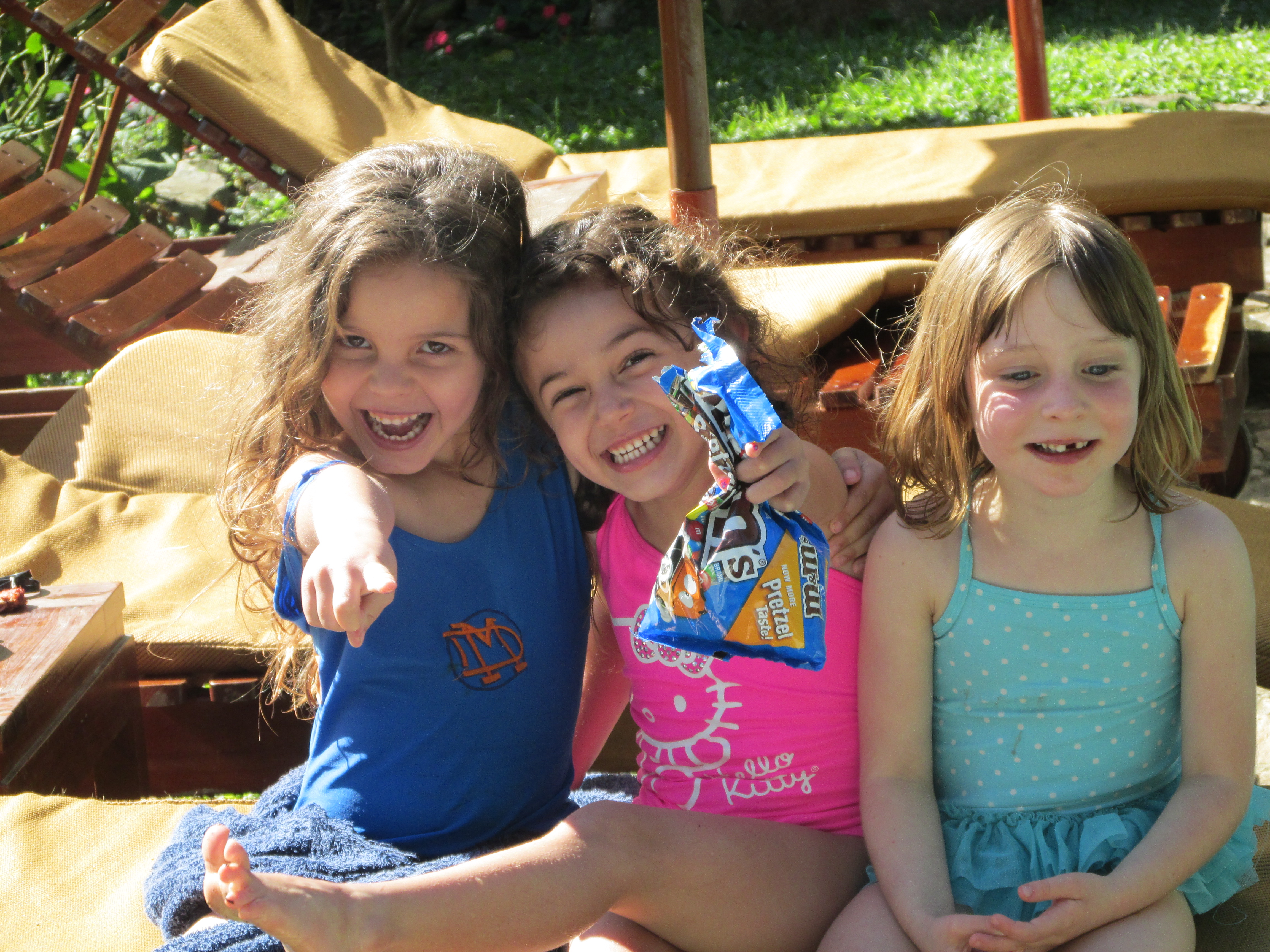
Inspired by this week’s WordPress Photo Challenge, and finishing up with our personal year-long photo project, 52 Bolivian Sundays [feel free to visit link on the right for previous weeks!], a joyful interpretation [and super bias, ’cause, I do live for these little 3 kiddos, pictured here with a couple of their friends…] for this last Sunday of 2013′!
♥ EnJOY as you please, and thanks for stopping by! ♥ Happy New Year to All of Us!
Thank you for all the comments, and shared tweets! Not only this blog is bringing home a sweet shopping voucher from Amazon, but the Silver Badge on the side – great way to begin this Christmas Week! 😮
[Could not repeat the same feat as last year, when this blog was awarded Gold. Congratulations Jessica for representing so well this year the beautiful country of Bolivia with her ‘Bohemian Diaries’! Keep on blogging!]
Expat Blog Awards 2013 Top List Contest Winners is pleased to announced to the winners of this year’s Expat Blog Awards! The standard was simply breathtaking, with such a diverse range of talented bloggers quite clearly pulling out all the stops to bring you the best they can! Without further ado, here are the Expat Blog Awards 2013 prize and award winners…
Thank you for all the comments, and shared tweets! Not only this blog is bringing home a sweet shopping voucher from Amazon, but the Silver Badge on the side – great way to begin this Christmas Week! 😮
[Could not repeat the same feat as last year, when this blog was awarded Gold. Congratulations Jessica for representing so well this year the beautiful country of Bolivia with her ‘Bohemian Diaries’! Keep on blogging!]
Expat Blog Awards 2013 Top List Contest Winners is pleased to announced to the winners of this year’s Expat Blog Awards! The standard was simply breathtaking, with such a diverse range of talented bloggers quite clearly pulling out all the stops to bring you the best they can! Without further ado, here are the Expat Blog Awards 2013 prize and award winners…
Our Top 3 Prize Winners
Overall Winner: Kathleen Siddell
Contest Entry: The Top 8 Ideas Worth Adopting From the Chinese
1st Runner Up: Becky the Great
Contest Entry: N is for Nomads
2nd runner Up: Emily Calle
Contest Entry: Top 50 Ways You Know You’re an Expat Living in Vienna
Our Fave Reader Comment:Mrs Partly Cloudy
Contest Entry: Welcome to Singapore:don’t look down
Blog Listing: Partly Cloudy
Top FB Likes: Paul Giles
Contest Entry: The Top Six Dangers You Face When Travelling to Colombia
Blog Listing: Colombia Travel Blog
Top Tweets: 3rd Culture Children Contest Entry: Twenty Reasons for Adding Bolivia to Your Expat Visiting List
Blog Listing: 3rd Culture Children
Random Winner: Christie Montague
Contest Entry: 6 Things You Should Know About the South of France if You Want to Blend in
Blog Listing: You can go your own way
Now, here is the Top Tweets Winner Post – with all its colorful images! Thanks again for all who read, commented, shared the link, and learned a bit about Bolivia – and maybe, the ones who are now considering adding the country to theirExpat Visiting List! 😮
From the ExpatsBlog team of editors: “After our hugely successful Expat Blog Awards 2012 last year, we thought we’d take a different spin on this year’s awards! Realising that last year’s scenario would be unfair to recently-joined newer bloggers, we’ve decided to combine the Expat Blog Awards 2013 with a big expat writing contest!” Twenty Reasons for Adding Bolivia to Your Expat Visiting List !
That said, here’s my pitch… If this blogpost here makes you a bit curious… hop over to ExpatBlogs and check out a list especially prepared for this year’s writing contest: Suggestions on why expats should add Bolivia to their visiting list… they’ll be so in love that may want to stick around for a while! And remember: your great comment will help this blog go for Gold… two years in a row… why not? 😮
Bolivia is a culturally diverse, geographically unique and strange in so many other ways that it’s hard to find another place/country quite like it. And this statement is coming from a ‘serial expat’, a traveling mother of third-culture children, a trailing spouse married into the US Foreign Service, and a Latina-born woman.
Hummm… need more examples of the colors and textures? Take a look:
The worldly recognized, the Andean rugs…
Also, here one may enjoy the typical “salteñas“, recipes borrowed long ago from neighboring Argentina…
Craving for more? Let’s go on a quick trip towards this unique place on earth!
What you may find in Bolivia? Take a look at these images, and don’t forget: go visit the Expat Blogs and share your wonderful comment about this travel blog! [Thank you!!!]
dressed in patterns
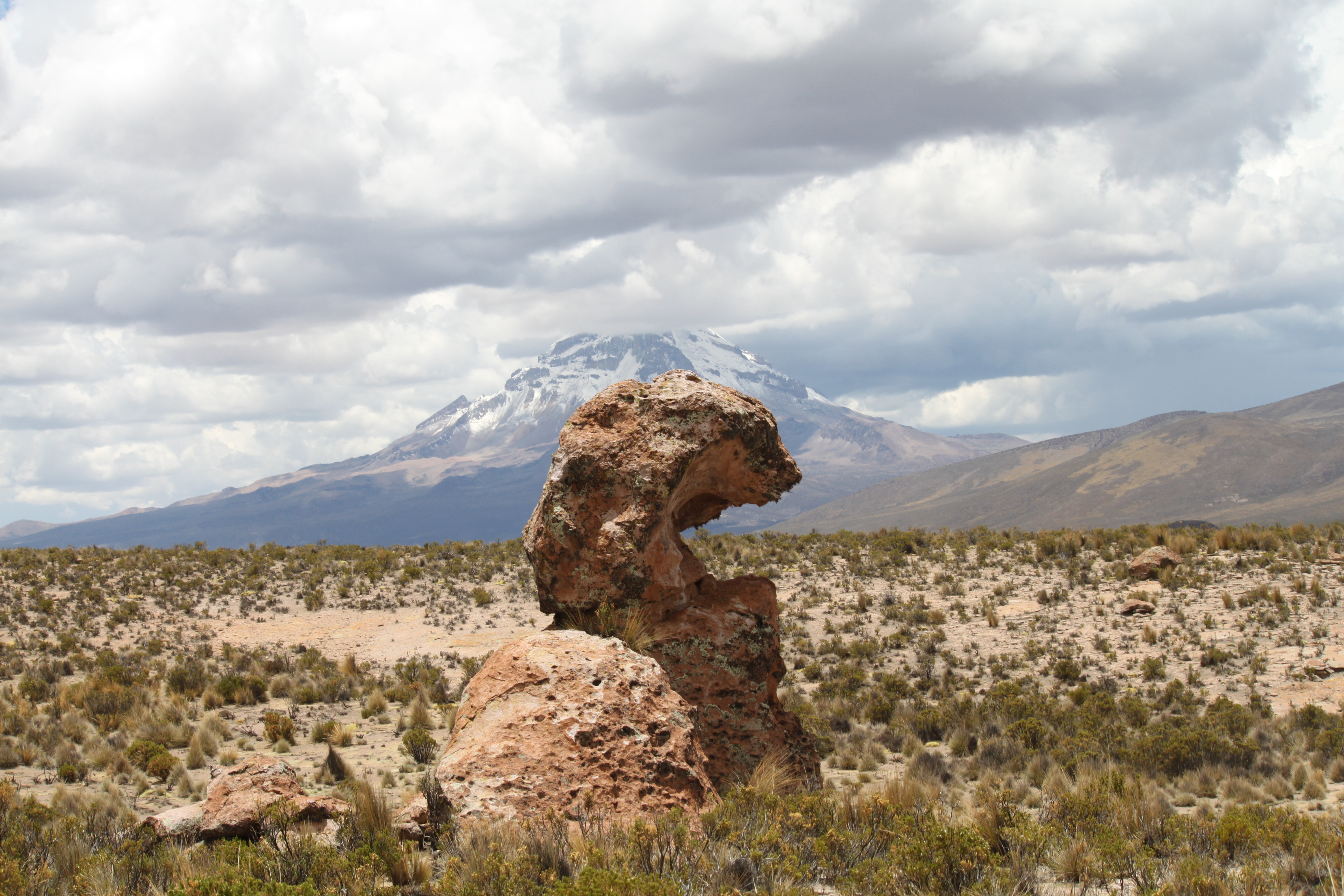
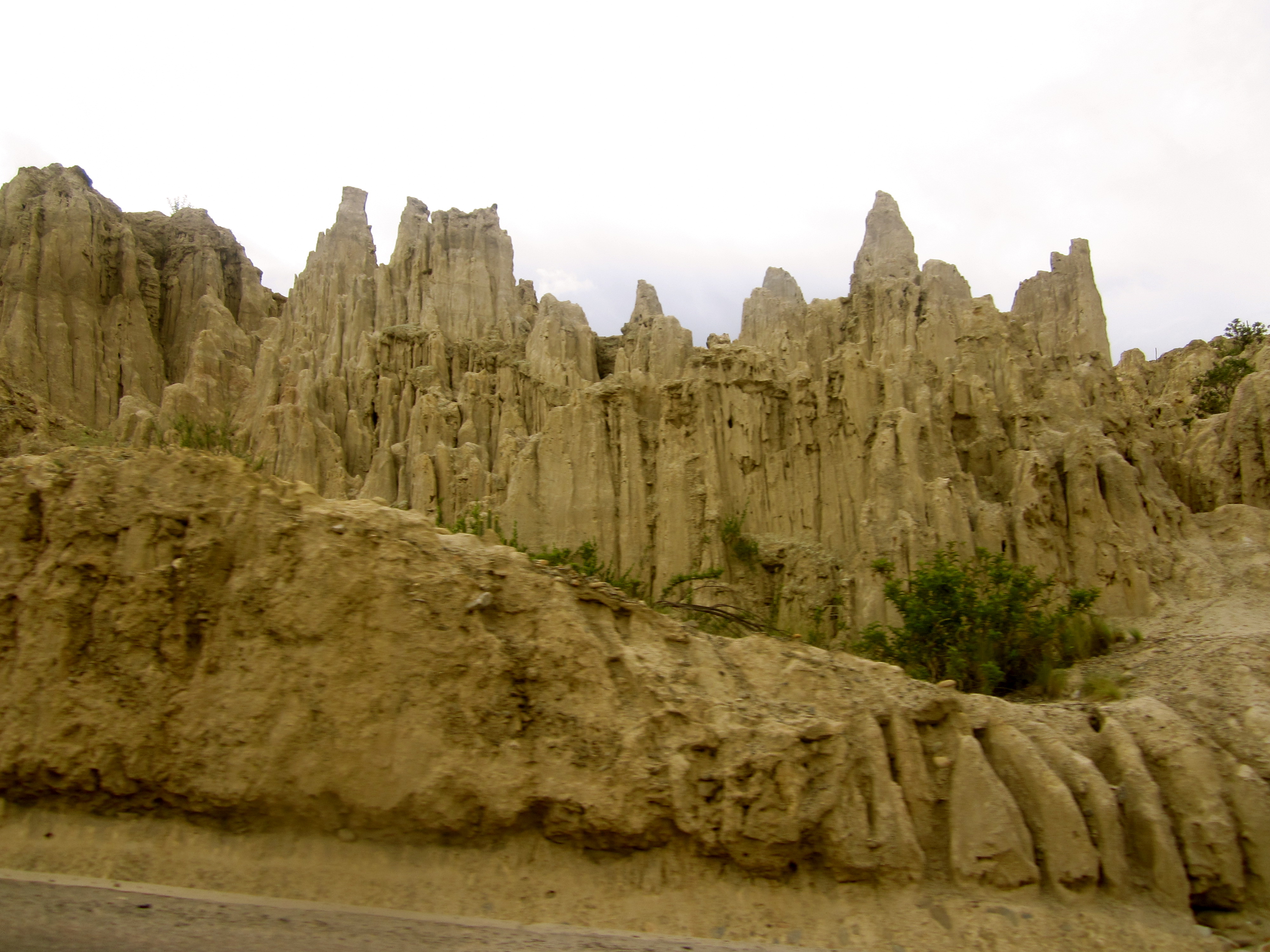
What looks like a carpet of stalagmites canvassing a desert, Valle de la Luna, or “Valley of the Moon” is what is left of a mountain composed of clay and sandstone that has been battered by strong winds and time.
Inspired by this week’s WordPress Photo Challenge, and continuing with our personal photo project, 52 Bolivian Sundays [feel free to visit link on the right for previous weeks!], a humble interpretation of ‘One’…
♥ Enjoy as you please, and thanks for stopping by! ♥
This is the second part of the ‘contest post’ – the article published on ExpatsBlog about our ‘list on why expats should add Bolivia to their bucket list… and maybe sticking around for a while!’ is getting some feedback! See below what others are talking about the article, and don’t forget to hop on over to Twenty Reasons for Adding Bolivia to Your Expat Visiting List!, leaving your comment about our take on Bolivia for expats.
I’m intrigued: I thought Lhasa was the highest capital in the world. I’ve been there, and the mountains and the light in your pictures, and the way the people look remind me of it a lot. I hope you have a wonderful two years.
Reader 2 wrote 18 hours ago:
I love your writing style and your suggestions make me want to visit Bolivia now! Enjoy your tour
Reader 3 wrote 8 hours ago:
Wow! What a delight to find out about your blog from this contest. Too bad your entry as posted here doesn’t show your wonderful photography. Best to you and your family as you travel across Bolivia and the world with you open loving hearts.
Reader 4 wrote 2 hours ago:
ADOREI SEU BLOG!! Meu Deus…you made me cry, I MISS Bolivia like crazy, everything you posted is SO TRUE…I am glad that you guys are having a great time. Being in EUR its so different from Bolivia, 180 degree change for me…the culture, the people, the weather and the community- there are no comparison, I enjoyed my time there. I miss the warmth and kindness of the people, and that I was called “señorita” by everyone made me feel very special. Great photos, keep it up, GRACIAS! for sharing. Good luck to you! Beijos!
Connect with the past, experience the present and look into the future… Bolivia offers it all! ♥
Bolivia is a culturally diverse, geographically unique and strange in so many other ways that it’s hard to find another place/country quite like it. And this statement is coming from a ‘serial expat’, a traveling mother of third-culture children, a trailing spouse married into the US Foreign Service, and a Latina-born woman.
Bolivia is the country where the Spanish left their living legacy, where ancient cultures still co-exist with modern habits and traditions; a place where the Spanish language is mixed with the neighboring Portuguese [or Portunol, for that matter!] and the visiting English, sprinkled by the native dialects [like Ayamara and Quechua]. Bolivia share cultures with the world and within itself. It’s definitely a ‘Plurinational’ country, and will likely remain that way – people come here, they struggle with the high altitude, they suffer with the constant lack of oxygen, and with no doubt, end up falling in love with its people, its colors, and its blend of climates due in part to its long-standing isolation from the world.
The diversity of Bolivia’s topography and landscapes is not its only marking feature: the Bolivian people display an unpaired psyche and the lifestyles they lead.
From the ExpatsBlog team of editors: “After our hugely successful Expat Blog Awards 2012 last year, we thought we’d take a different spin on this year’s awards! Realising that last year’s scenario would be unfair to recently-joined newer bloggers, we’ve decided to combine the Expat Blog Awards 2013 with a big expat writing contest!”
That said, here’s my pitch… If this blogpost here makes you a bit curious… hop over to ExpatBlogs and check out a list especially prepared for this year’s writing contest: Suggestions on why expats should add Bolivia to their visiting list… they’ll be so in love that may want to stick around for a while! And remember: your great comment will help this blog go for Gold… two years in a row… why not? 😮
Bolivia is a culturally diverse, geographically unique and strange in so many other ways that it’s hard to find another place/country quite like it. And this statement is coming from a ‘serial expat’, a traveling mother of third-culture children, a trailing spouse married into the US Foreign Service, and a Latina-born woman.
Hummm… need more examples of the colors and textures? Take a look:
The worldly recognized, the Andean rugs…
Also, here one may enjoy the typical “salteñas“, recipes borrowed long ago from neighboring Argentina…
Craving for more? Let’s go on a quick trip towards this unique place on earth!
What you may find in Bolivia? Take a look at these images, and don’t forget: go visit the Expat Blogs and share your wonderful comment about this travel blog! [Thank you!!!]
dressed in patterns
What looks like a carpet of stalagmites canvassing a desert, Valle de la Luna, or “Valley of the Moon” is what is left of a mountain composed of clay and sandstone that has been battered by strong winds and time.
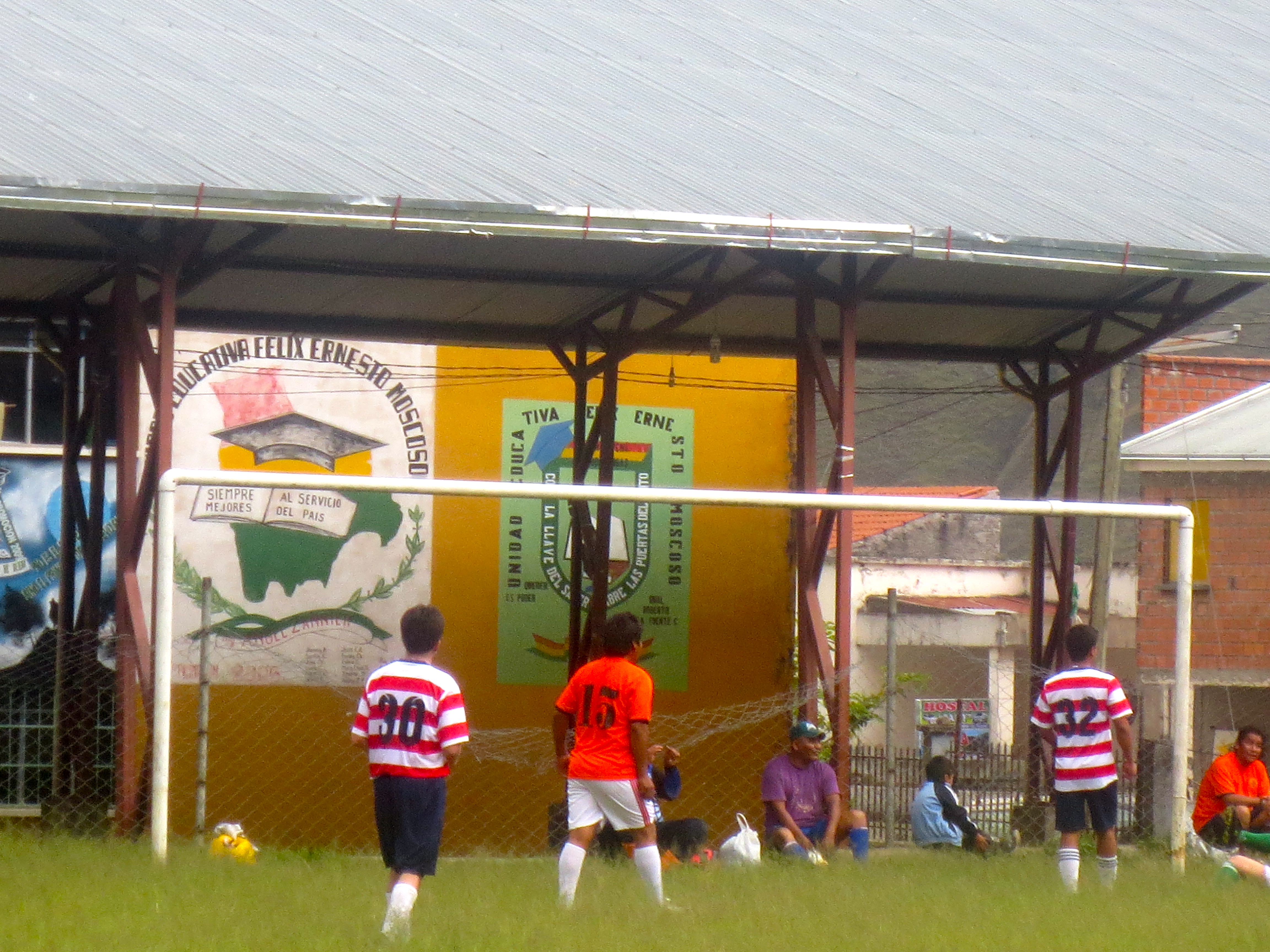
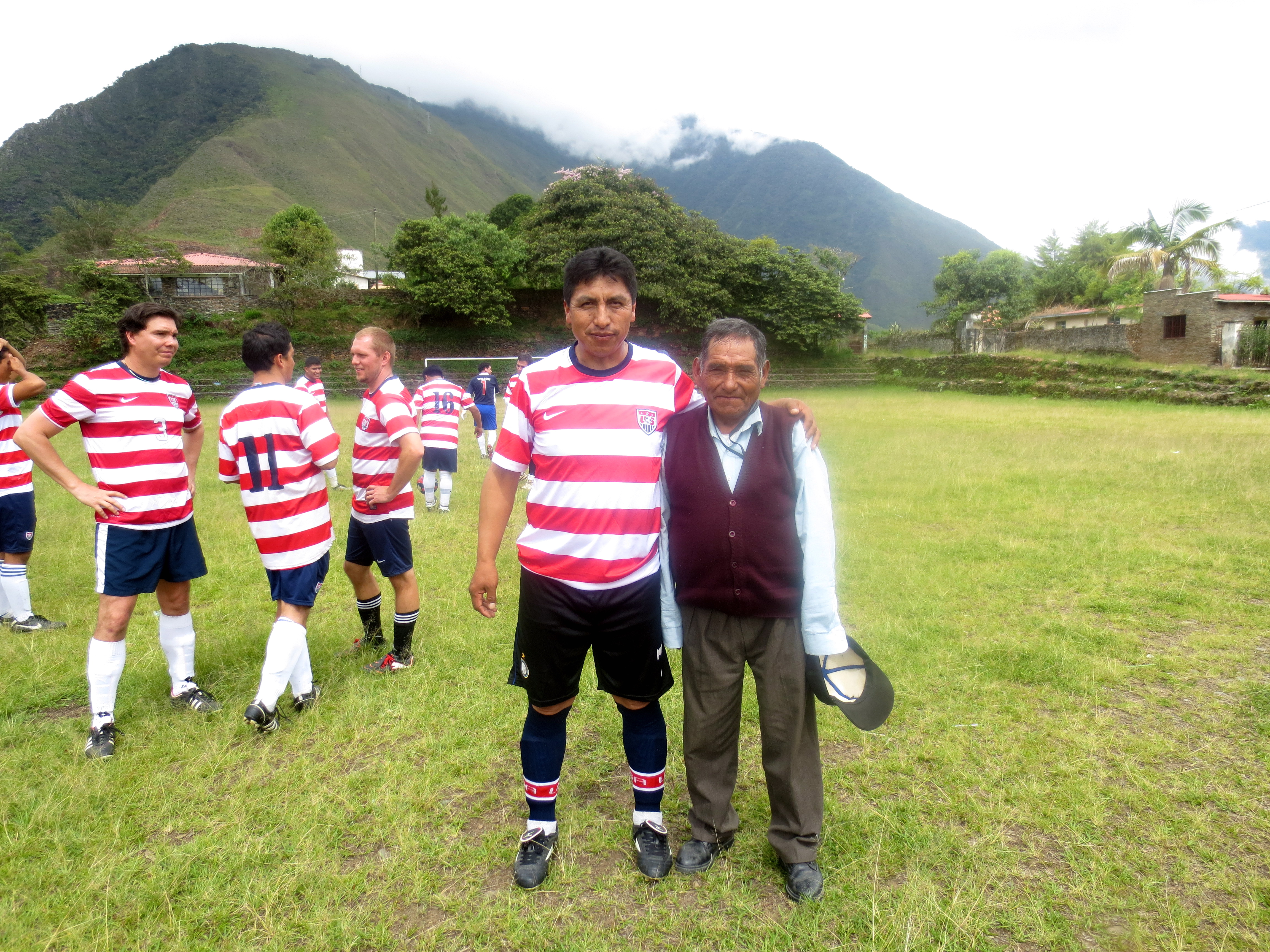
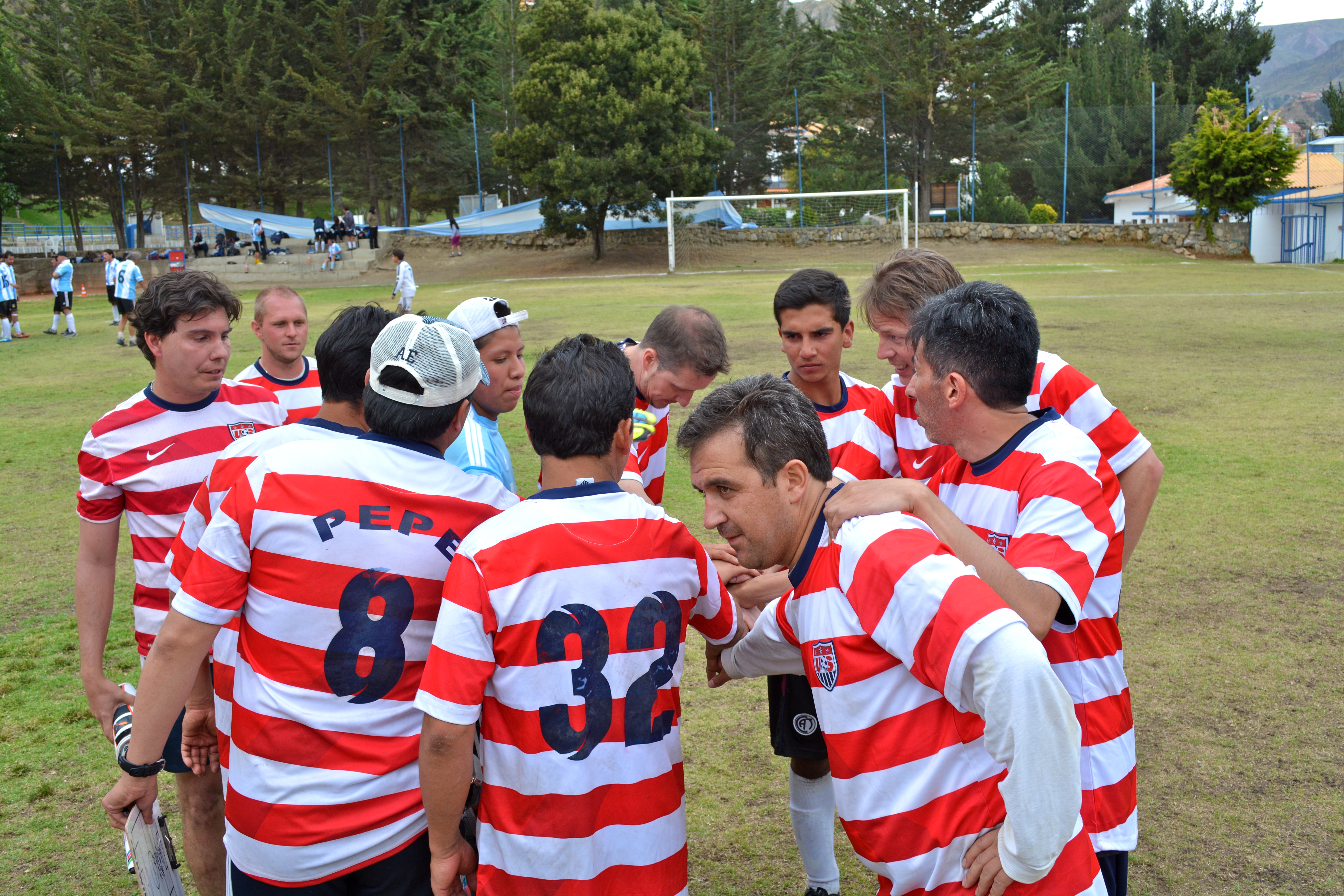
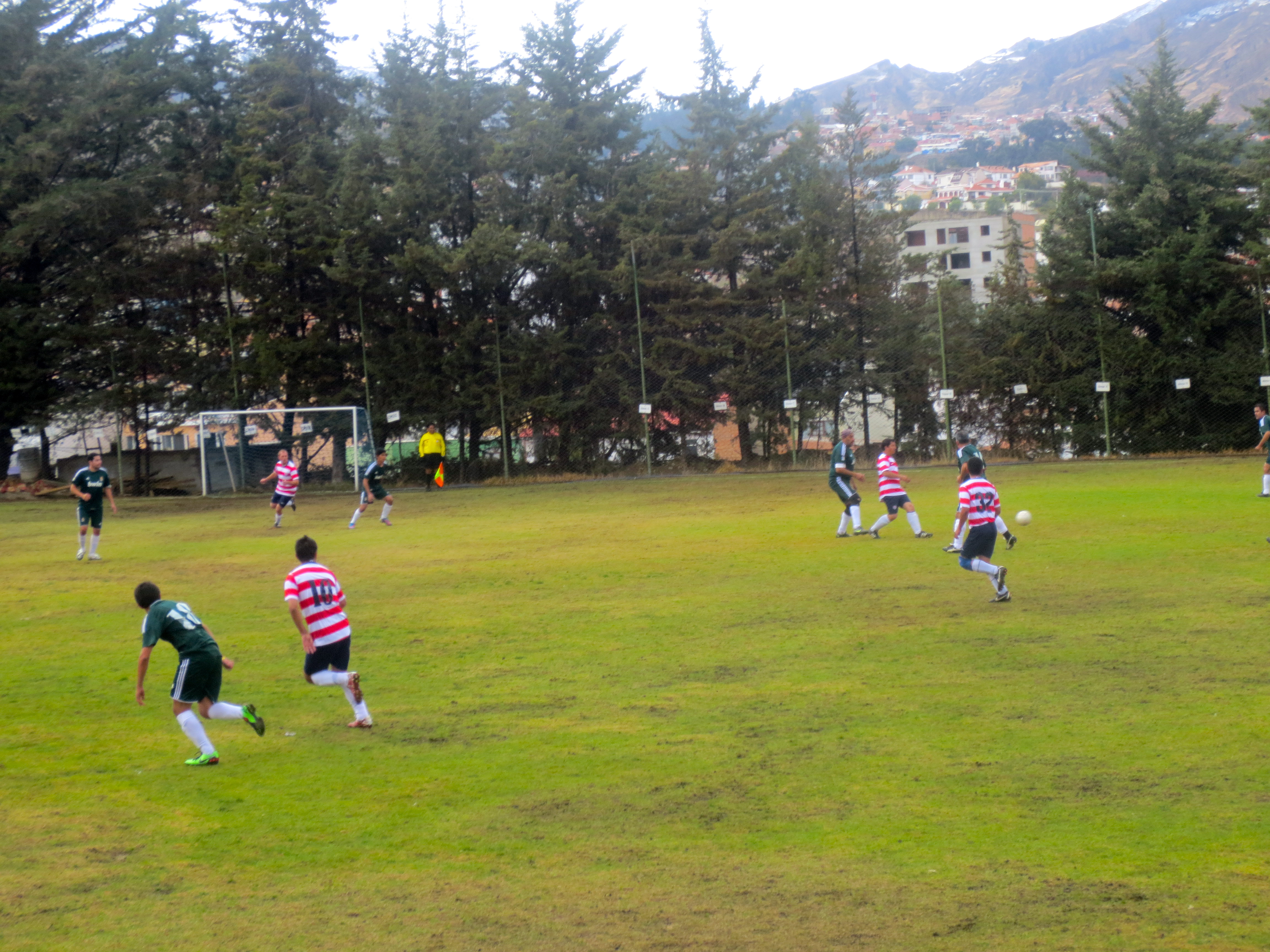
Inspired by this week’s Wordpress Photo Challenge, and continuing with our personal photo project, 52 Bolivian Sundays [feel free to visit link on the right for previous weeks!], a humble interpretation of ‘Community’: reaching out to the Bolivian community through a common passion – soccer!
Inspired by this week’s WordPress Photo Challenge, and continuing with our personal photo project, 52 Bolivian Sundays [feel free to visit link on the right for previous weeks!], a humble interpretation of ‘Community’: reaching out to the Bolivian community through a common passion – soccer!
PS: I’m proudly married to the team’s captain… 😮 Community Outreach while exercising his passion for soccer!
♥ Enjoy as you please, and thanks for stopping by! ♥
Yanacachi is a location in the La Paz Department in Bolivia. It is the seat of the Yanacachi Municipality, the third municipal section of the Sud Yungas Province
Despite the holiday season ringing in, demanding [yet, wonderful!] family life, my hubby and his colleagues find time to visit communities outside La Paz, and share joyful and peaceful ‘soccer moments’… 😮
Yanacachi is a location in the La Paz Department in Bolivia. It is the seat of the Yanacachi Municipality, the third municipal section of the Sud Yungas Province [Source: Wikipedia].
Inspired by this week’s WordPress Photo Challenge, and continuing with our personal photo project, 52 Bolivian Sundays [feel free to visit link on the right for previous weeks!], a humble interpretation of ‘Grand’:
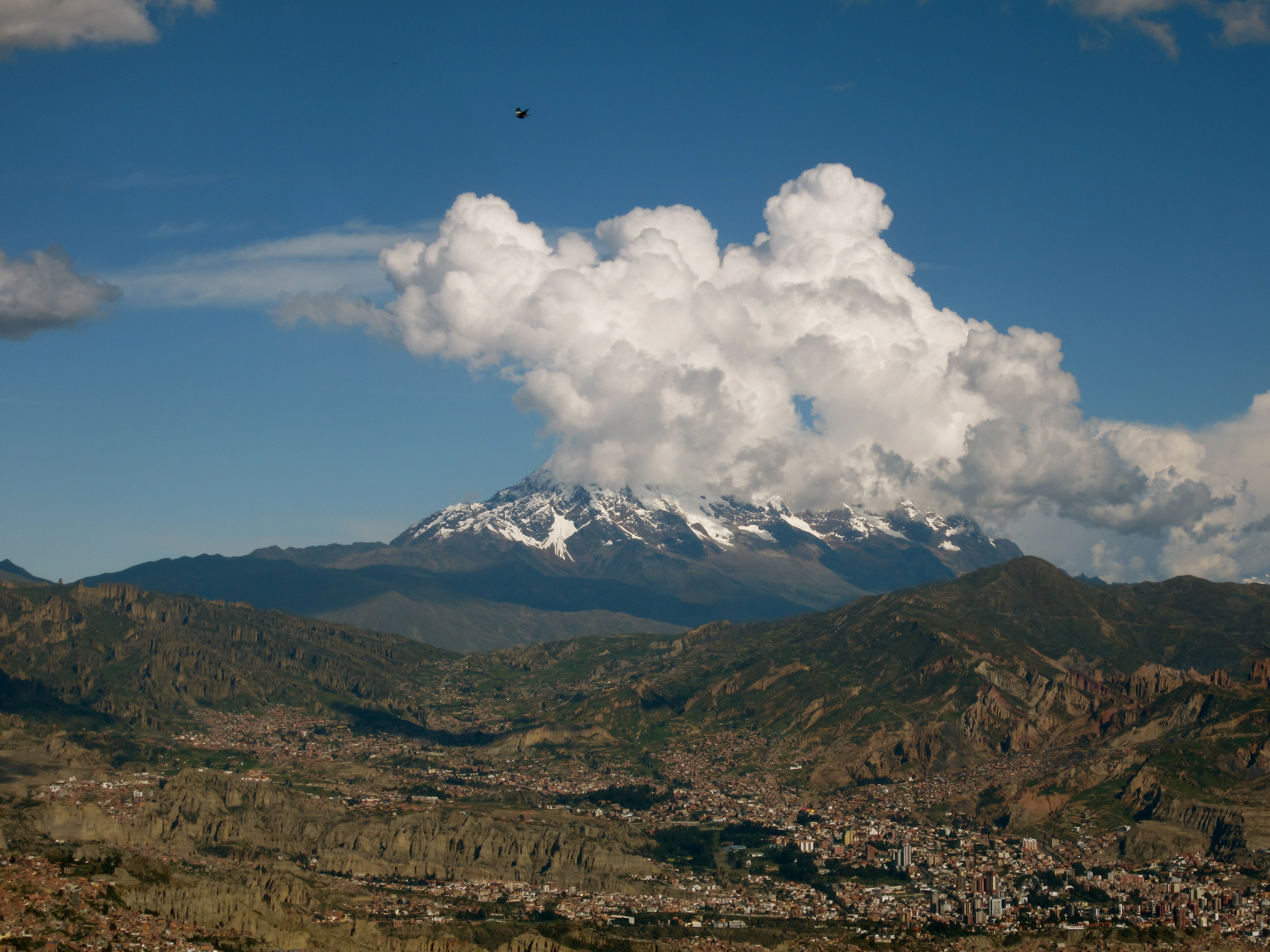
Copacabana, Boliviatouring the Yungas region…Cotapata Park, BoliviaThe Ilimani
♥ Enjoy as you please, and thanks for stopping by! ♥
We’re already half way into November… Lots have happened: our FS family got our next post assignment – so grateful, the stressful bidding season is over, and we’re happy we’ll be heading out to Brazil!
October catch-up – Celebrating Book Week in School!
“Something eerie has a story to tell — one you aren’t quite sure you want to know.” [The Daily Post]
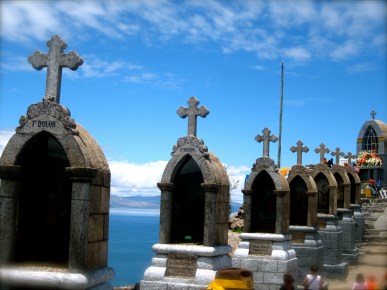
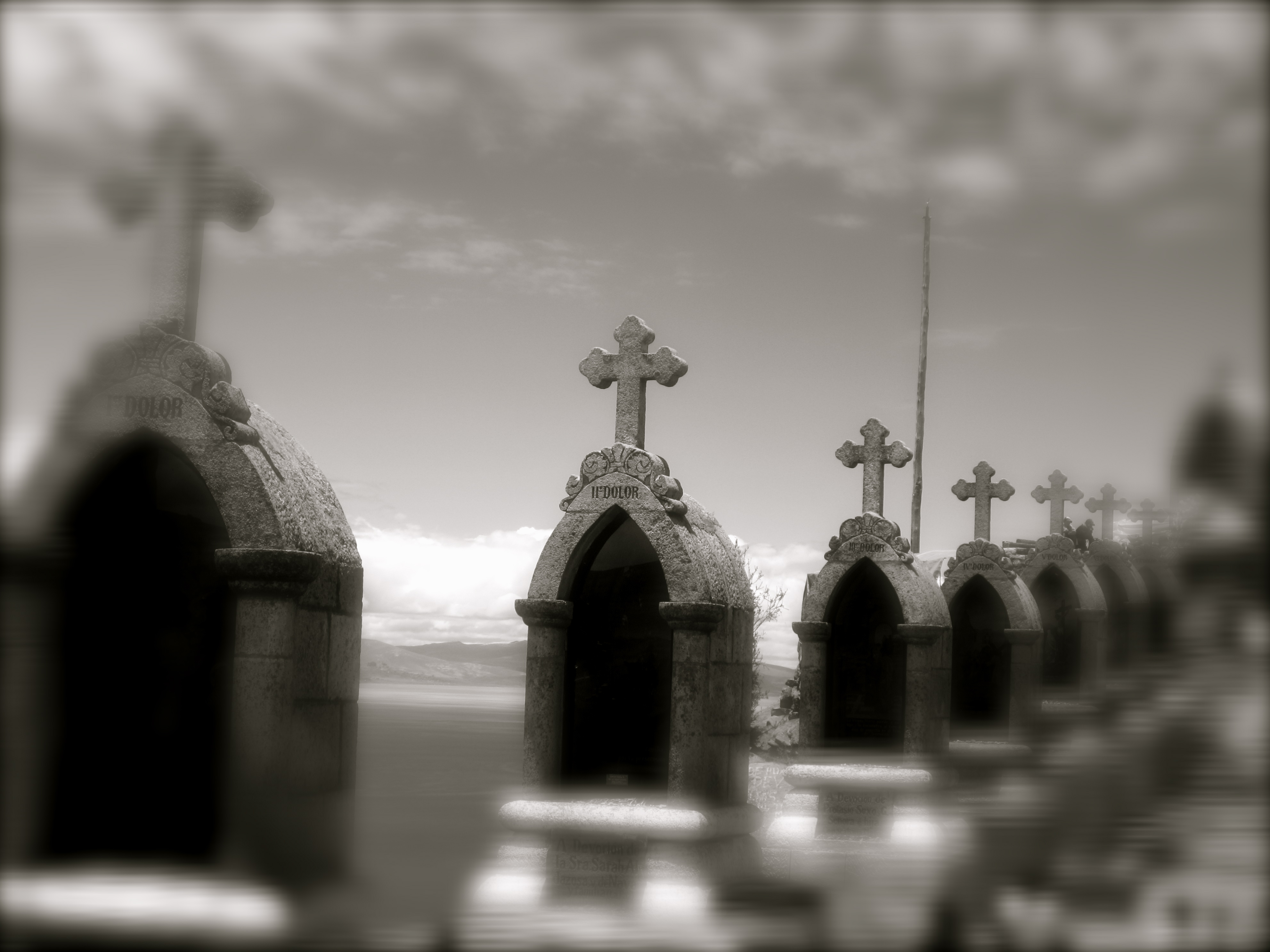
My offer for this week’s photo challenge [Week 44… 2 more little months to go!], sharing bits and pieces of the Bolivian culture, through the 52 Bolivian Sundays Photo Project. Today, an interpretation of ‘eerie’, as we look at a snapshot of the religious, mystic and mysterious city of Copacabana. People worshiping along the altars hallway seem like ghosts in this scenario…
♥ Enjoy as you please, and thanks for stopping by! ♥
A few tears, here and there, because we’re living a real life – the two of us have built a story for ourselves and for our ‘nomad family’. The two have become five; and we’re grateful for what the past and present have brought to our family.
We’re intrigued with what the future will unveil…
We will keep moving forward, despite any difficulties or unpleasant moments… And quoting one of my favorite readings from our wedding ceremony: “love knows all things, love believes all things, endures all things… love never fails…”
This past week, our family took advantage of the children’s school break and flew out of La Paz, seeking warmer temperatures, good hiking, and a relaxing scenario. Tarija is famous for its warm weather and the colorful winery settings. More to come, as we get our photos organized in the ‘shoe box’. For now, a quick example of what we saw/experienced/enjoyed over there:
This past week, our family took advantage of the children’s school break and flew out of La Paz, seeking warmer temperatures, good hiking, and a relaxing scenario. Tarija is famous for its warm weather and the colorful winery settings. More to come, as we get our photos organized in the ‘shoe box’. For now, a quick example of what we saw/experienced/enjoyed over there:
The orange shades displayed by the glasses filled with Singani drinks – one of Bolivia’s trademarks – seem to perfectly fit the bill for ‘a hue of me‘… a lovely combination of orange and wood tones…
♥ Enjoy as you please, and thanks for stopping by! ♥
With a glimpse from the past, looking forward into our future.
Ten years of a life together: laughs, love, joy, challenges…
A few tears, here and there, because we’re living a real life – the two of us have built a story for ourselves and for our ‘nomad family’. The two have become five; and we’re grateful for what the past and present have brought to our family.
We’re intrigued with what the future will unveil…
We will keep moving forward, despite any difficulties or unpleasant moments…
Now, cheers to many more decades together! ♥
Taking a quick look into the past, looking forward into our future.
A few tears, here and there, because we’re living a real life – the two of us have built a story for ourselves and for our ‘nomad family’. The two have become five; and we’re grateful for what the past and present have brought to our family.
We’re intrigued with what the future will unveil…
We will keep moving forward, despite any difficulties or unpleasant moments… And quoting one of my favorite readings from our wedding ceremony: “love knows all things, love believes all things, endures all things… love never fails…”
“Infinity can produce contrasting effects on (and in) us: it might make us feel dwarfed or amplified, afraid or empowered.” [The Daily Post]
World’s Most Dangerous Road, Bolivia
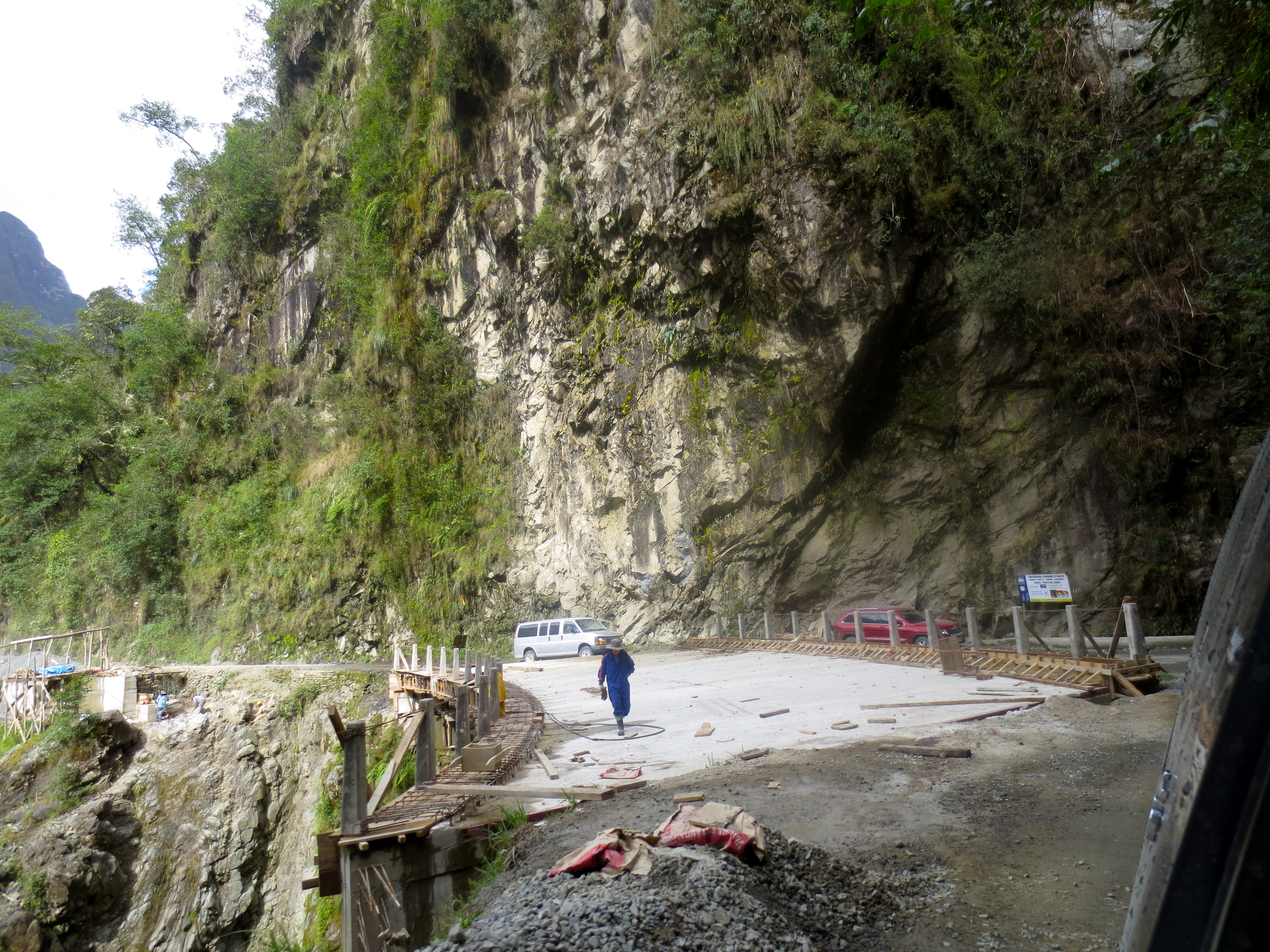
My offer for this week’s photo challenge [Week 41… 11 more to go!], sharing bits and pieces of the Bolivian culture, through the 52 Bolivian Sundays Photo Project. today, an interpretation of ‘infinite’, as we look down into the Road of Death in Coroico [Yungas Region].
♥ Enjoy as you please, and thanks for stopping by! ♥
We all start our days in different ways: going for a run, hitting snooze 17 times, or watching the morning news, among many, many others. [from The Daily Post, Wordpress]. Why not start the day by greeting the Sunshine? 😮
My offer for this week’s photo challenge, sharing bits and pieces of the Bolivian culture, through the 52 Bolivian Sundays Photo Project: being greeted by a typical ‘Good Morning’ at work – yes, we’ve got a garden around the building! 😮
We all start our days in different ways: going for a run, hitting snooze 17 times, or watching the morning news, among many, many others. [from The Daily Post, WordPress].
Why not start the day by greeting the Sunshine?
My offer for this week’s photo challenge [Week 40 finally arrived… 12 more to go!], sharing bits and pieces of the Bolivian culture, through the 52 Bolivian Sundays Photo Project: being greeted by a typical ‘Good Morning’ – yes, we’ve got a garden! 😮
♥ Enjoy as you please, and thanks for stopping by! ♥
The quena is a South American wind instrument, mostly used by Andean musicians
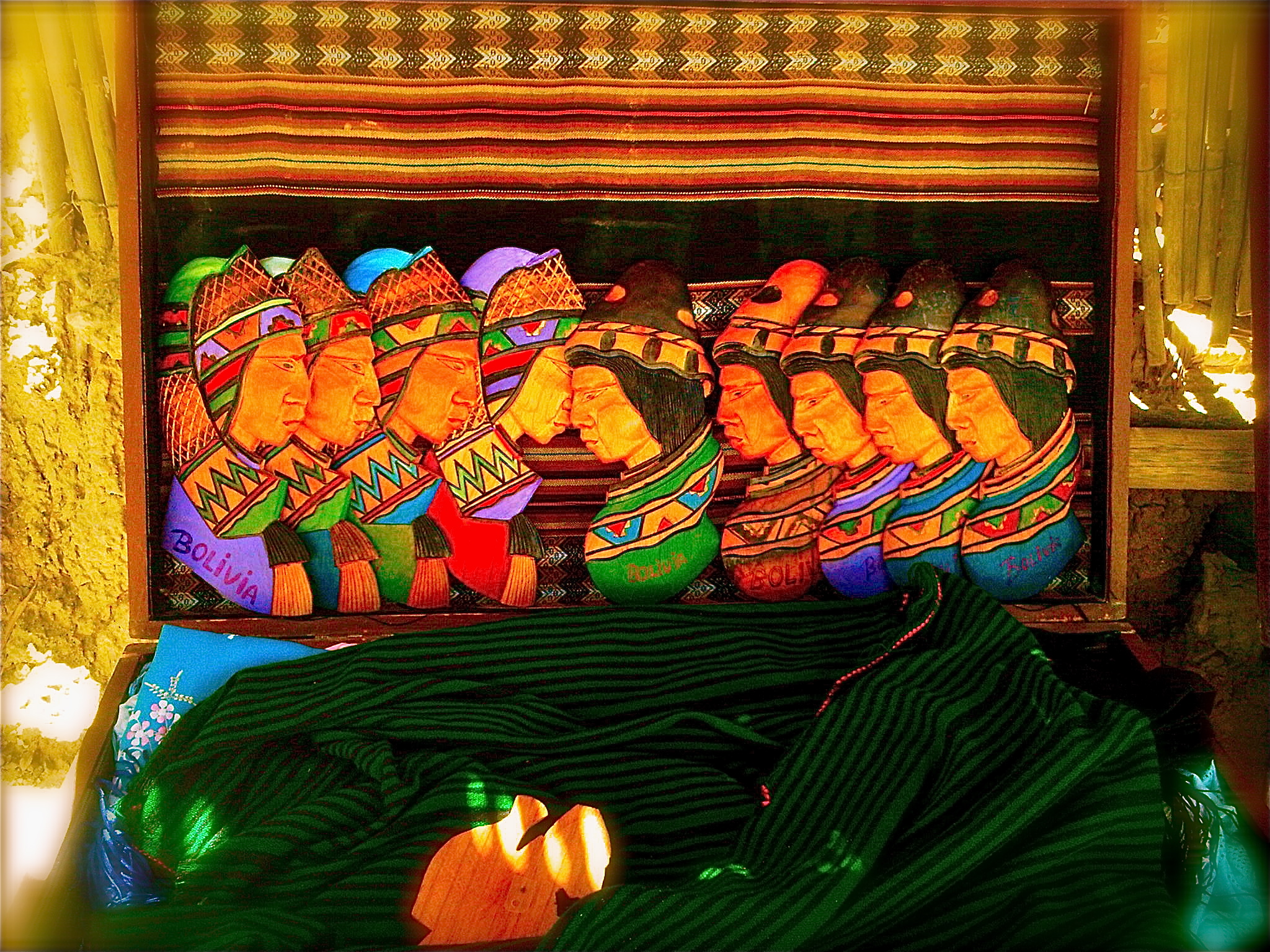
Saturated. With colors. My offer for this week’s photo challenge, still sharing bits and pieces of the Bolivian culture, through the 52 Bolivian Sundays Photo Project! 😮
This photo was taken during one of our recent hikes, just outside La Paz, through the Valle de La Luna unique geological formations. Flute players, Andean musicians usually come over and greets adventurers and pass-byers with their art… in more ways than one!
This beautiful wood case is commonly used to carry the Quena set, the traditional Andean flute. Note the unique wood work inside the case, all the colorful faces, carefully design to represent different Bolivian pueblos.
The quena (Quechua: qina, sometimes also written “kena” in English) is the traditional flute of the Andes. Traditionally made of bamboo or wood, it has 6 finger holes and one thumb hole, and is open on both ends or the bottom is half-closed (choked). To produce sound, the player closes the top end of the pipe with the flesh between his chin and lower lip, and blows a stream of air downward, along the axis of the pipe, over an elliptical notch cut into the end.
Quena is mostly used in traditional Andean music. In the 1960s and 1970s the quena was used by several Nueva Canción musicians, this use was in most cases for particular songs and not as a standard instrument but some groups such as Illapu have used it regularly. In the 1980s and 1990s some post-Nueva Canción rock groups have also incorporated the quena in some of their songs; notably Soda Stereo in Cuando Pase el Temblor and Los Enanitos Verdes in Lamento Boliviano. The quena is also relatively common in World music.
♥ Enjoy as you please, and thanks for stopping by! ♥
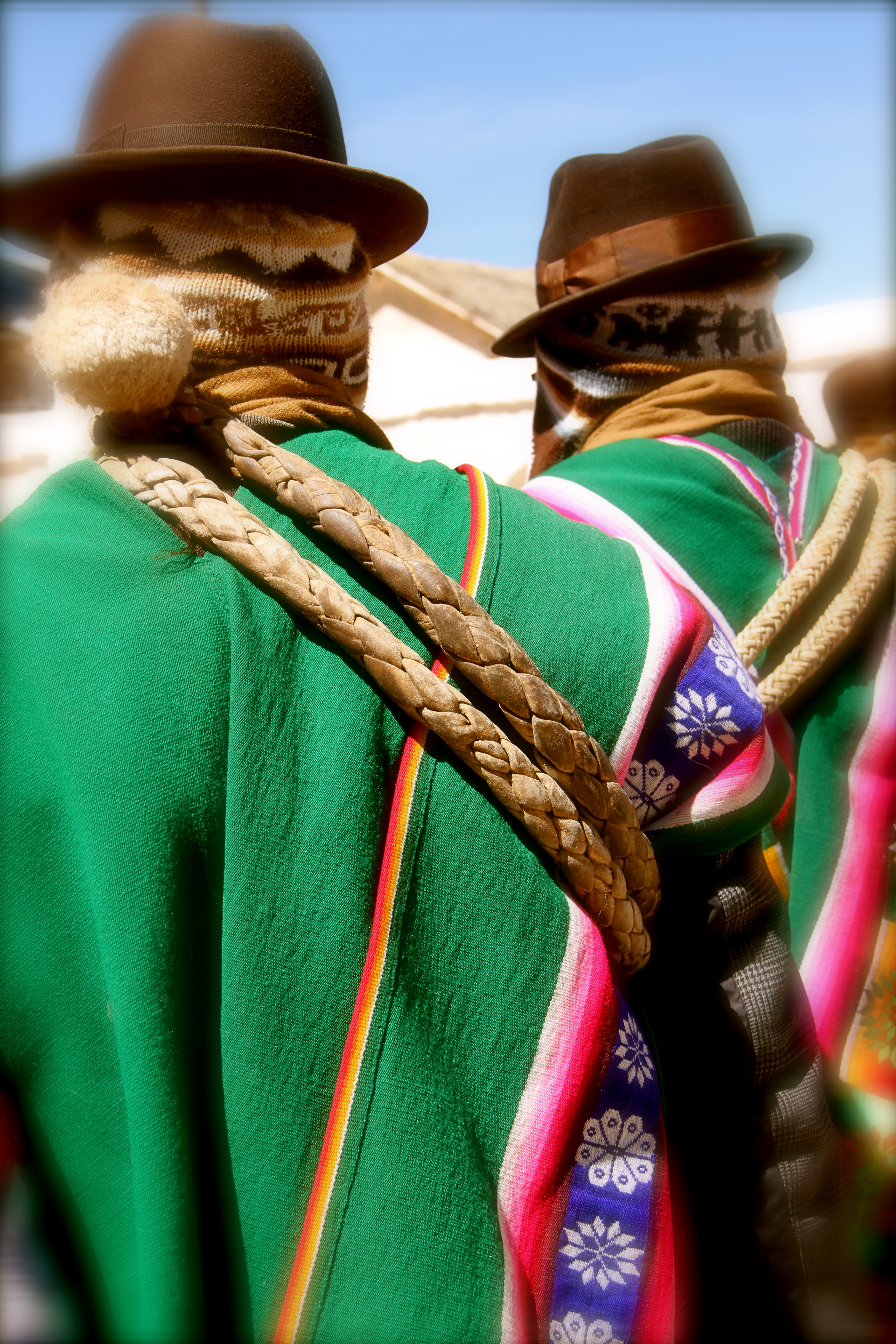
Today’s challenge is inspired by Evan Zelermyer‘s stunning urban, abstract, and architectural images from his “Shape, Line, Texture, Pattern” post published earlier this week. I’d love to see your interpretations of these elements, so grab your camera, get outside, and snap a great shot of shapes or lines that you stumble upon, or a cool texture or pattern that catches your eye.
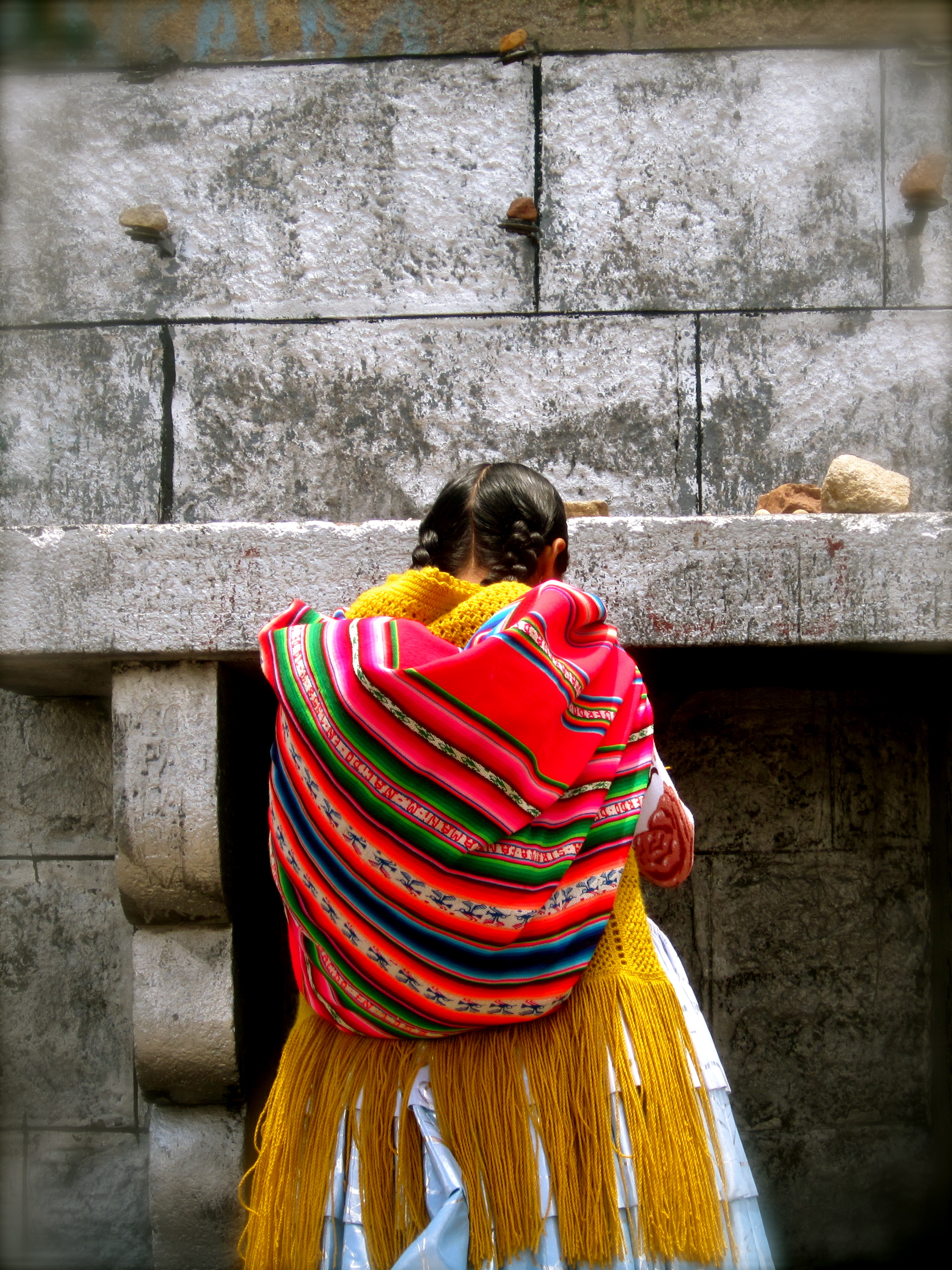
dressed in patterns
lines and patterns
Lines and patterns through the traditional Andean Aguayo…
Today’s challenge is inspired by Evan Zelermyer‘s stunning urban, abstract, and architectural images from his “Shape, Line, Texture, Pattern” post published earlier this week. I’d love to see your interpretations of these elements, so grab your camera, get outside, and snap a great shot of shapes or lines that you stumble upon, or a cool texture or pattern that catches your eye.
LA PAZ SE PARALIZA ESTE DOMINGO PARA CELEBRAR EL DÍA DEL PEATÓN
Sólo podrán circular las movilidades autorizadas por el municipio, pero a una velocidad de 20 kilómetros por hora. Asimismo, está prohibida la venta y consumo de bebidas alcohólicas en espacios y vía pública desde las 00:00 horas del sábado hasta las 00:00 horas del domingo. COMPARTE:
El día del peatón/Foto ANF.
What a fantastic way to spend a Sunday. September 1st marked the Pedestrian Day, for the City of La Paz.
Families and their children, bikes, tricycles, scooters, skates took over the streets. No cars – and lots of healthy and peaceful fun! ♥ Below here, images from our [otherwise very busy on Sundays!] neighborhood:
LA PAZ SE PARALIZA DOMINGO PARA CELEBRAR EL DÍA DEL PEATÓN
Sólo podrán circular las movilidades autorizadas por el municipio, pero a una velocidad de 20 kilómetros por hora. Asimismo, está prohibida la venta y consumo de bebidas alcohólicas en espacios y vía pública desde las 00:00 horas del sábado hasta las 00:00 horas del domingo.
A good way to begin a peaceful week is to take advantage of a US holiday on Monday, and explore our surroundings… while the kids are happily spending quality time at the local school! The next step is sharing images from our recent visit to the Valle de La Luna, in the municipality of Mallasa, a town 20-30 minutes from the city of La Paz, is a place of family entertainment with a pleasant climate, nature and tourist attractions.
A good way to begin a peaceful week is to take advantage of a US holiday on Monday, and explore our surroundings… while the kids are happily spending quality time at the local school! The next step is sharing images from our recent visit to the Valle de La Luna, in the municipality of Mallasa, a town 20-30 minutes from the city of La Paz, is a place of family entertainment with a pleasant climate, nature and tourist attractions.
The land formations that resemble the lunar soil, where erosion over the years has formed a group of astonishing rock formations, which give the visitor the sensation of having discovered an unknown world. Truly an almost real lunar landscape.
What looks like a carpet of stalagmites canvassing a desert, Valle de la Luna, or “Valley of the Moon” is what is left of a mountain composed of clay and sandstone that has been battered by strong winds and time.
The earth peaks and crevices creates a surreal landscape that lends itself wonderfully to unique and intriguing pictures.
Like many mountains surrounding the La Paz area of Bolivia, the gutting formations contain rich variations of mineral content, creating colorful composition throughout the drastic landscape.
The Valley of the Moon is located about 10 km southwest from La Paz, near the small town of Mallasa, and while a portion of the valley has been preserved, housing is steadily popping up on the unstable soil.
While trails are provided and clearly marked for explorers, they are narrow and a bit treacherous, come prepared for sharp edges and uneven paths.
There isn’t much in the way of wildlife to see, other than some cacti and a few small flowering plants. Locals have named some of the rock formations after shapes they believe to symbolize: La Madre Luna (mother moon), El Sombrero de la Dama (lady’s hat), to mention a few examples.
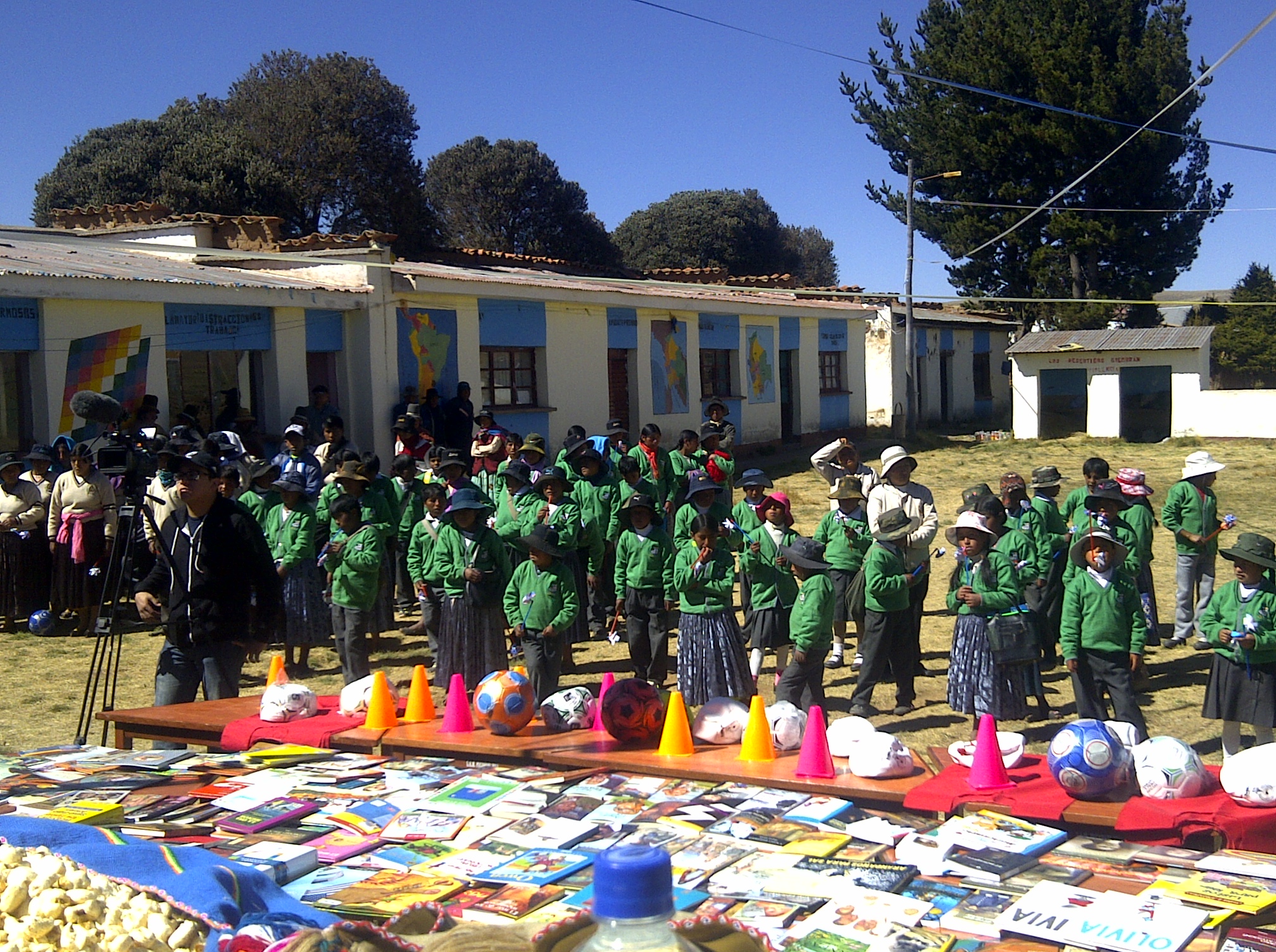
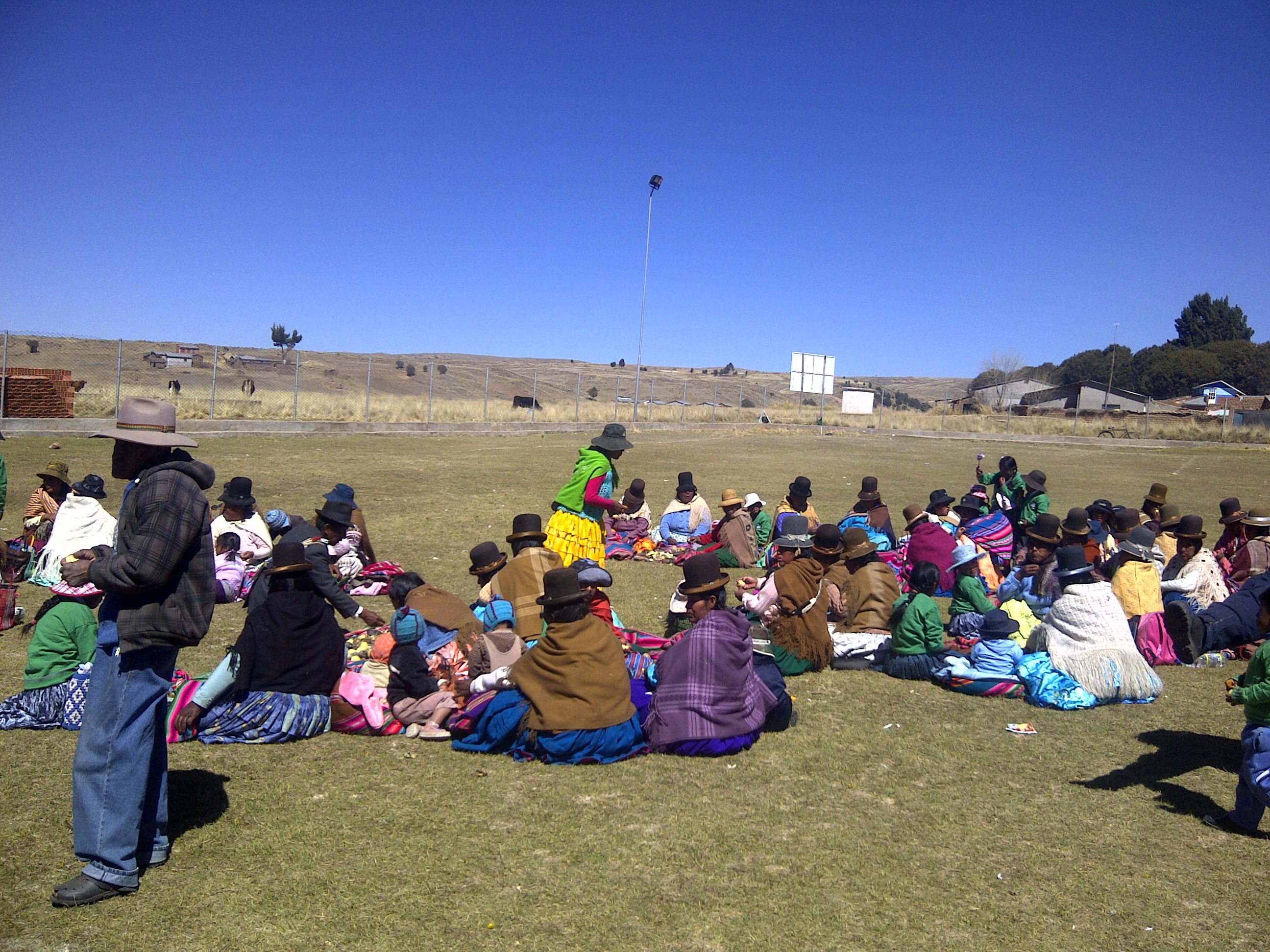
Mid-August: the U.S. embassy soccer team visited the Community of Quiripujo in Korila for a friendly soccer match and a book donation. The visit began in Quiripujo school where a cultural event took place, the day continued with a soccer match between the teams of Korila and the U.S. Embassy, which ended with a resounding victory for the local team and concluded with the traditional Apthapi communal feast.
I totally understand the words ‘sea’ and ‘Bolivia’ do not got together in the same sentence!
For the ones who have forgotten a bit of their geography: no, the country of Bolivia do not have access to the ocean, it does not have a ‘sea view’ of it’s own… Not going into political details… some neighboring countries may have some justification to that… 😮 but for now,leaving politics completely out of any of my blogposts!
For this week photo series, I’m bringing in two possible options for the ‘Challenge Sea’.
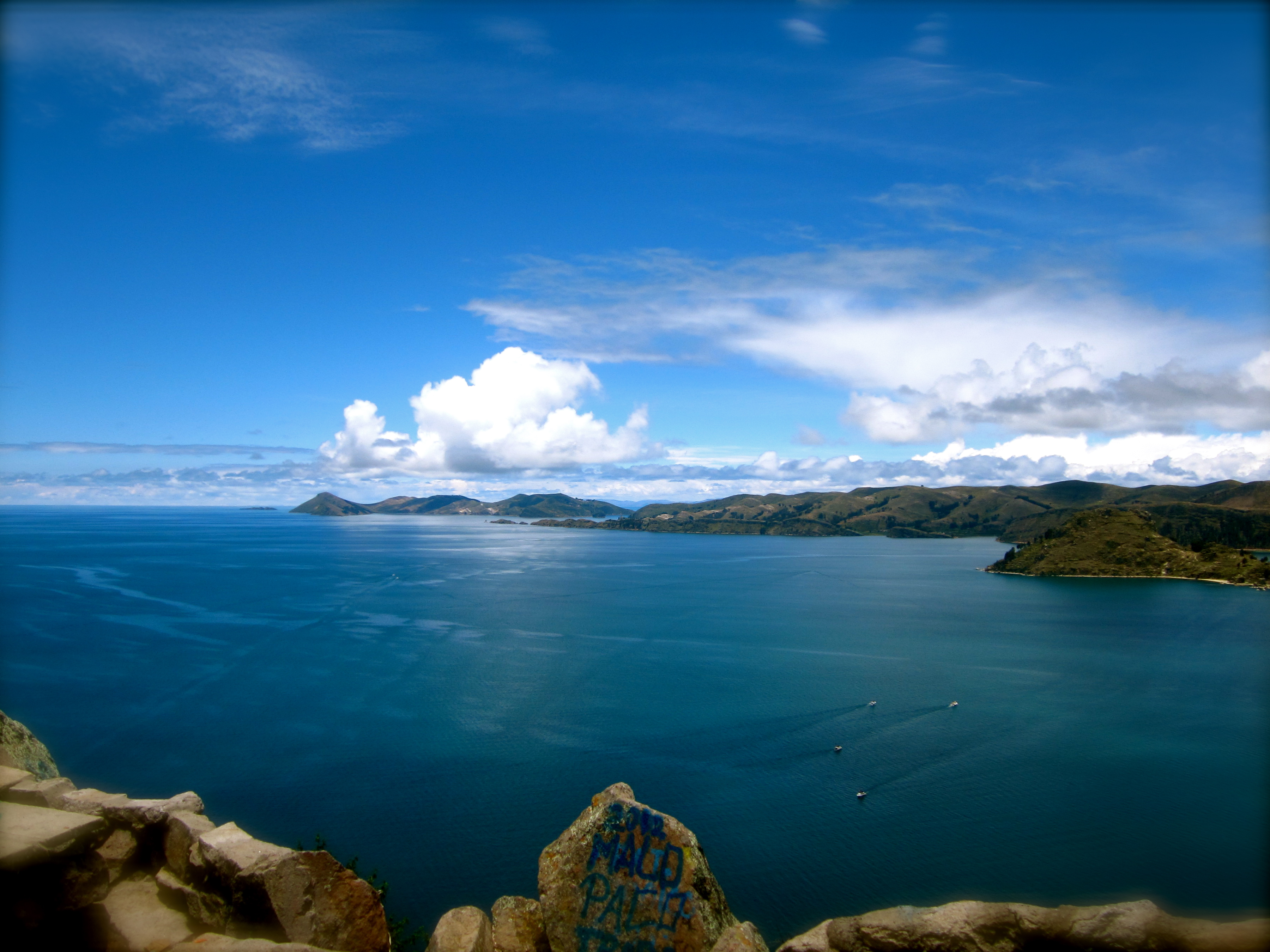
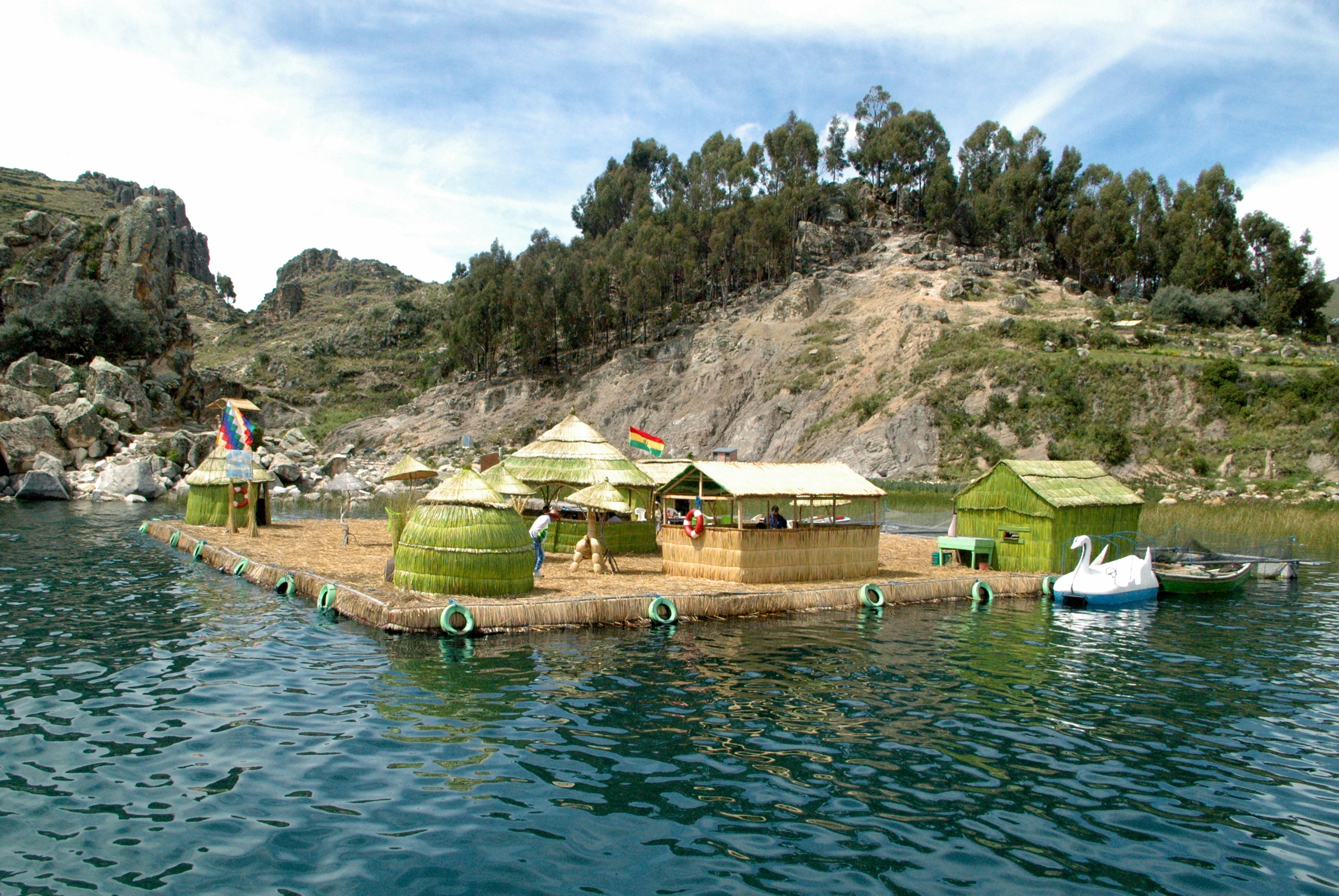
Sunset by the lake Titicaca
fun by the boardwalk in Chile
Location of Bolivia in South America (Photo credit: Wikipedia)
I totally understand the words ‘sea’ and ‘Bolivia’ do not got together in the same sentence!
Sorry for that… ♥
For the ones who have forgotten a bit of their geography:
Unfortunately, the country of Bolivia do not have access to the ocean, it does not have a ‘sea view’ of it’s own…
Not going into political details…
Some neighboring countries may have some justification to that… 😮 but for now, leaving politics completely out of any of my blogposts!
For this week photo series, I’m bringing in two possible options for the ‘Challenge Sea‘.
The second option: the easiest way to get a unique ‘sea view’, on any given ‘Bolivian Sunday’ is to visit the neighboring Chile…. like our family did, some time this year!
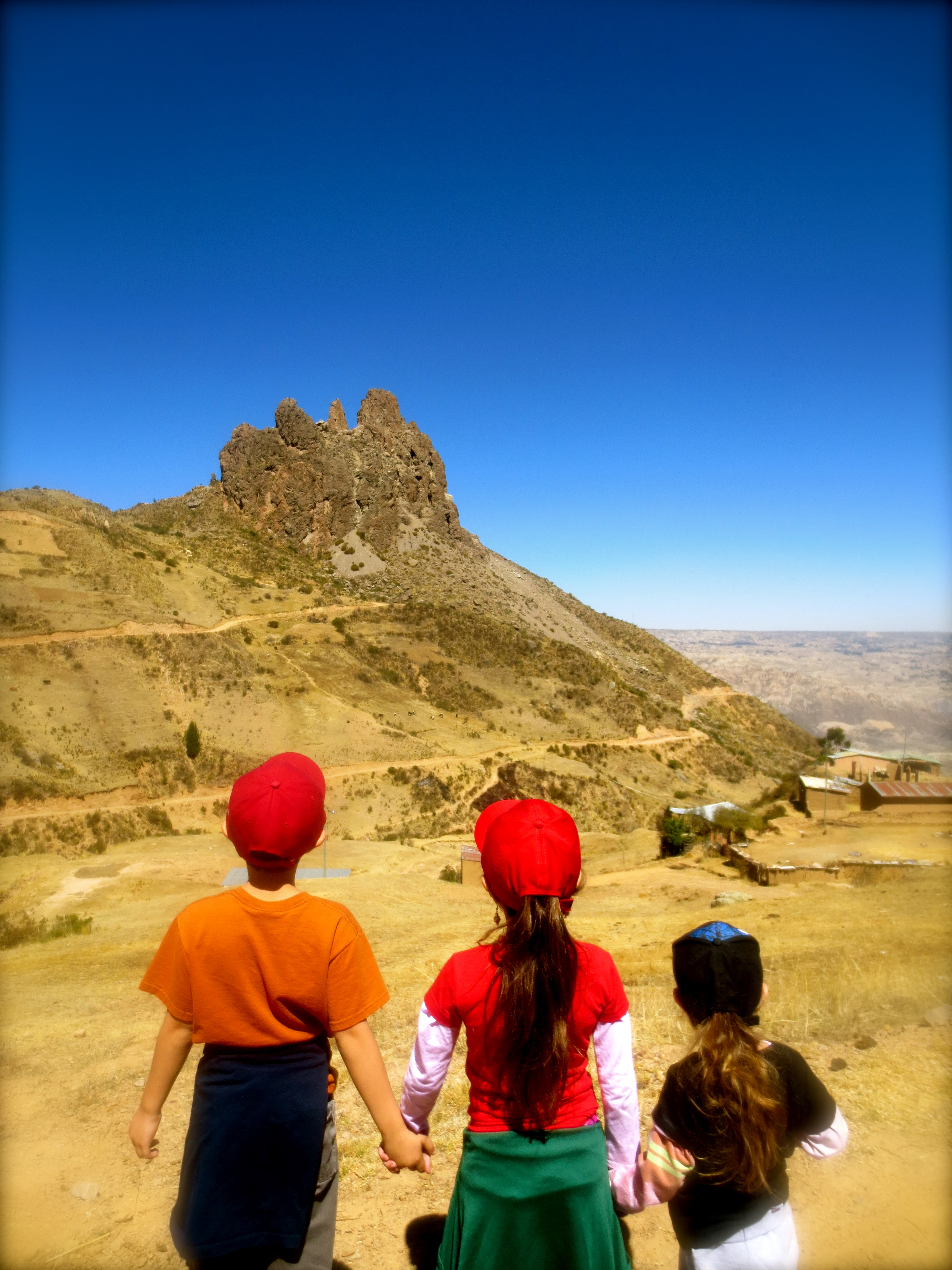
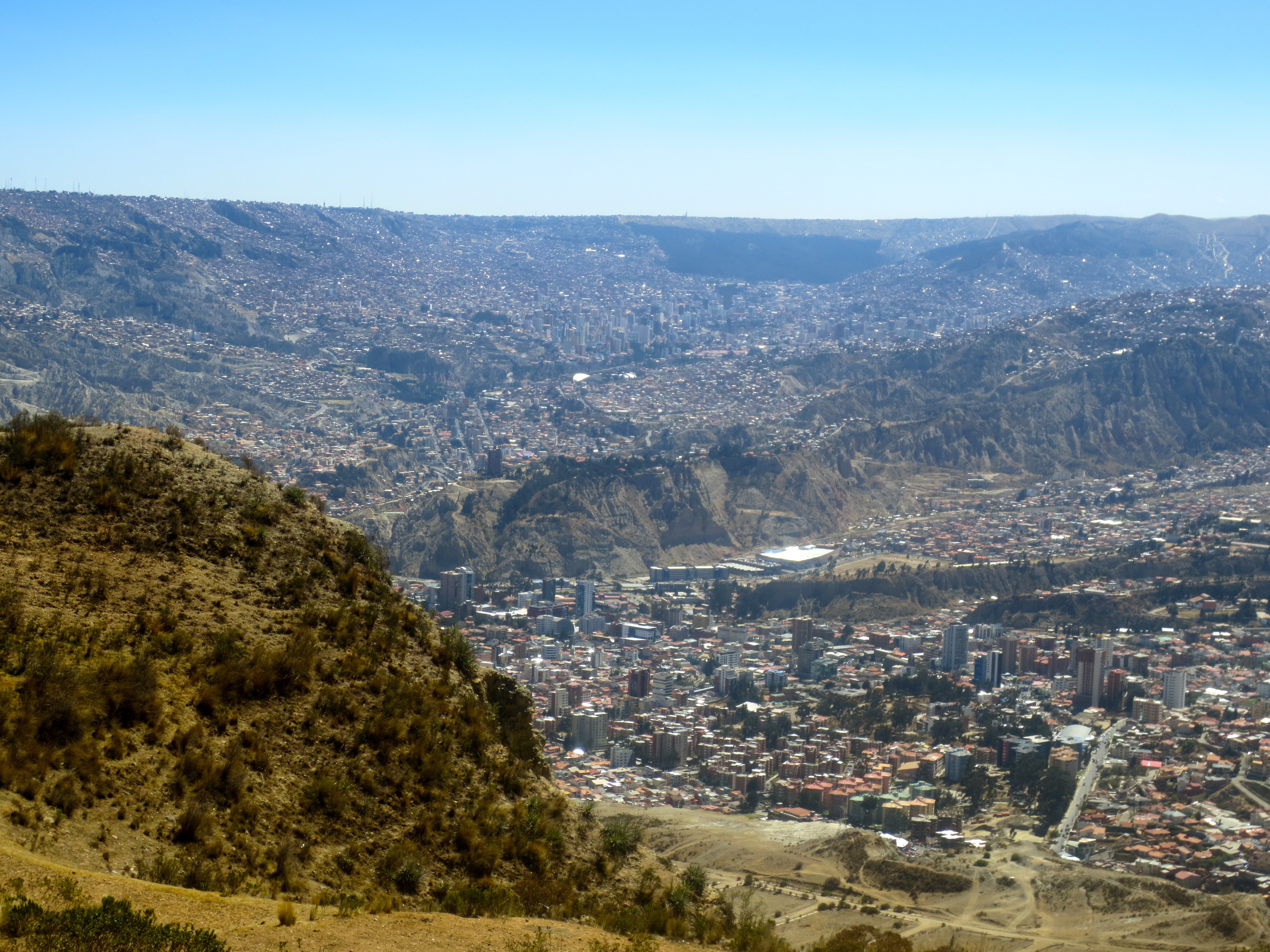
For this week photo series, I’m bringing in our view from the top of the Muela del Diablo [‘The Devil’s Molar’] mountain – result from a recent family hiking trip. If curious to see more unique images about this intriguing, challenging attempt, filled with endless beauty, come by later and click here! [Still working on the “Pictorial Journal”!] 😮
For this week photo series, I’m bringing in our view from the top of the Muela del Diablo [‘The Devil’s Molar‘] mountain – result from a recent family hiking trip. If curious to see more unique images about this intriguing, challenging attempt, filled with endless beauty, come by later and click here! [Still working on the “Pictorial Journal“!] 😮
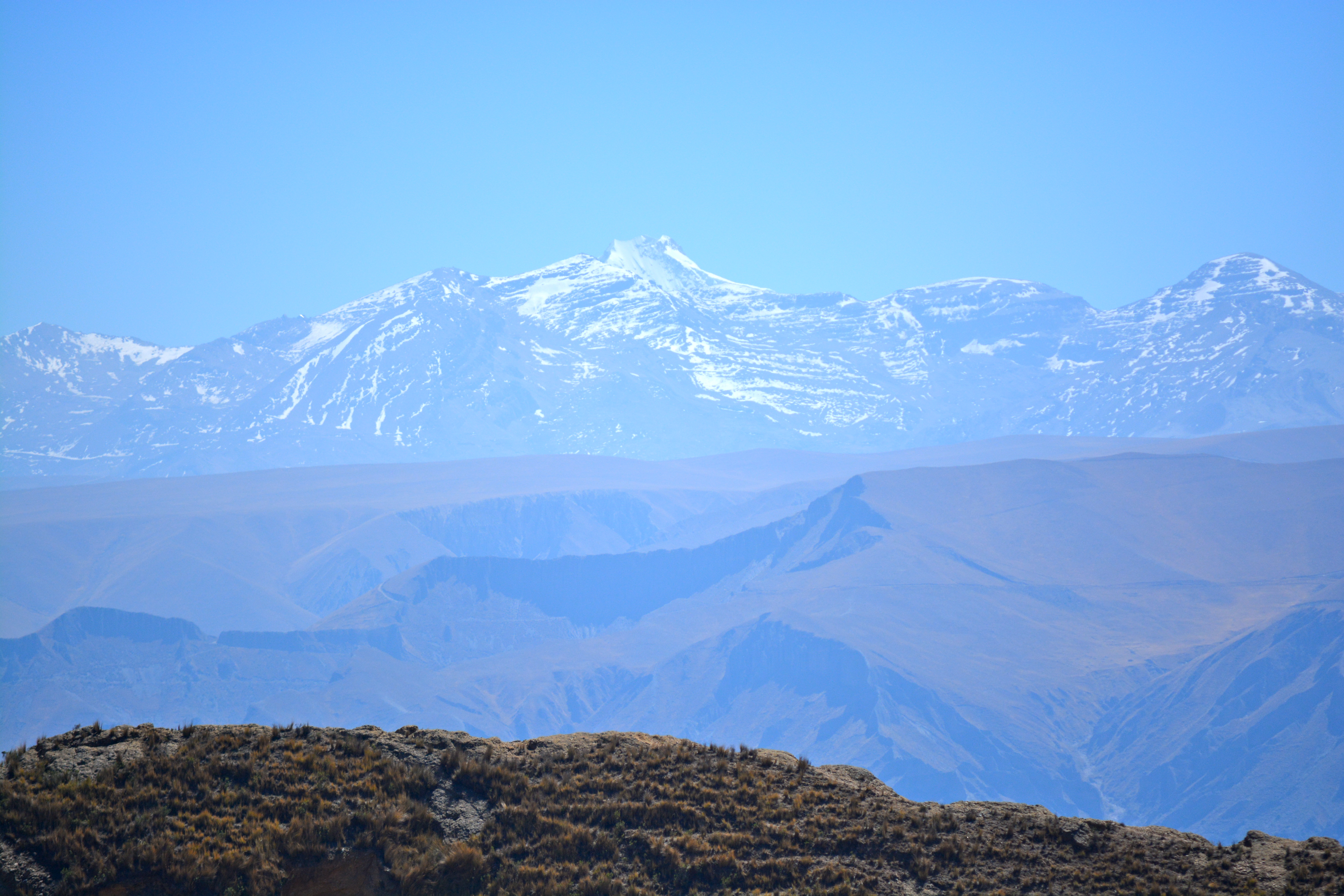
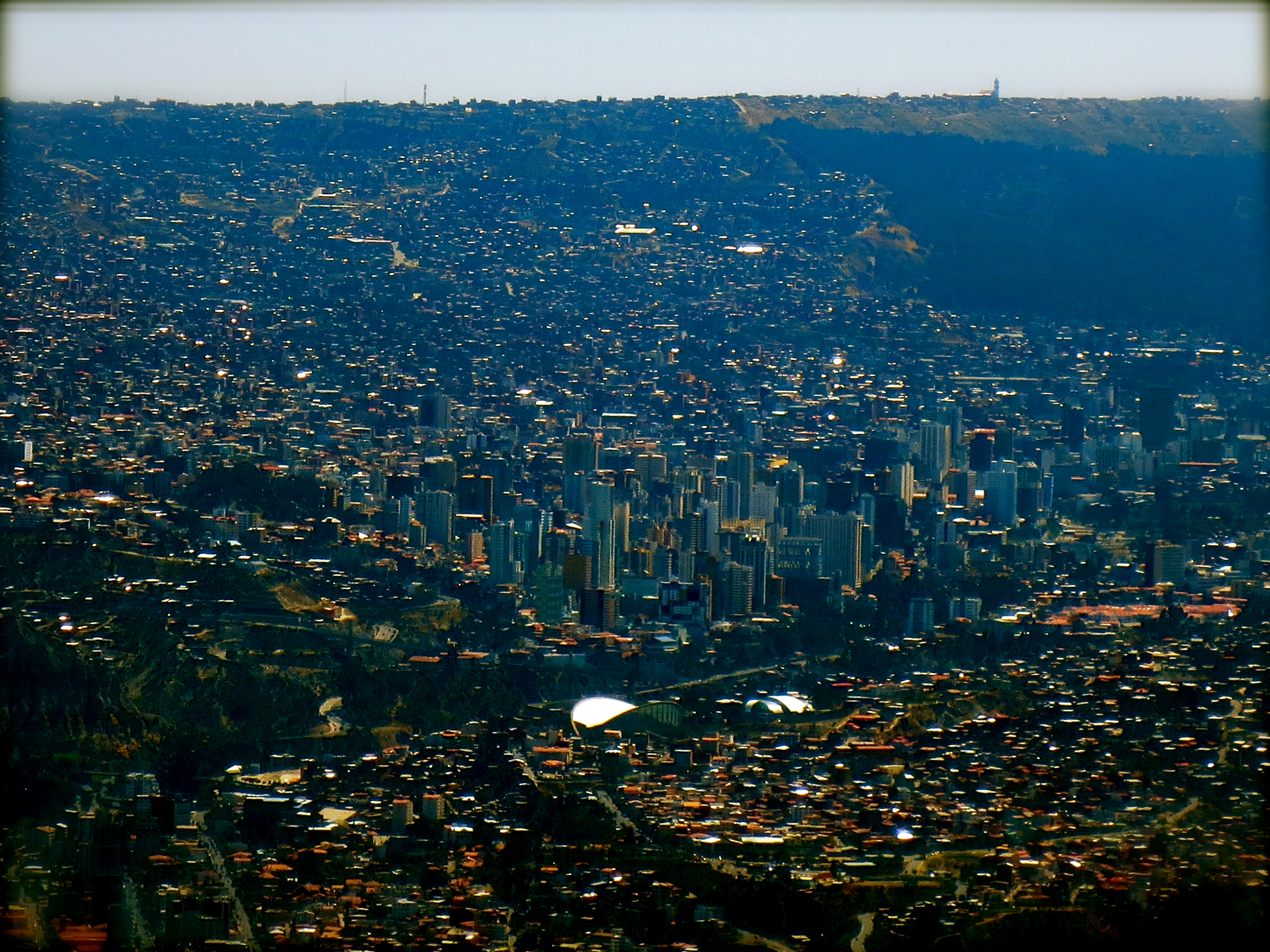
For the second view, moving the point of interest a little – from the natural scenario, searching for the urbane: at the center, the city of La Paz, surrounded by the mountainous chain, and blessed by the lightest blue sky…
Visiting a typical Italian village? Not really – we’re still in La Paz, Bolivia, and no chances of finding ‘romantic steps’ leading to an Italian restaurant… The way around it? Pose in front of the restaurant’s wall poster! 😮
Visiting a typical Italian village? Not really – we’re in the heart of La Paz, the well-known neighborhood of San Miguel – the hotspot for fashion trends.
No chances of finding ‘romantic steps’ leading to an Italian restaurant… The way around it? Pose in front of the restaurant’s wall poster! 😮
Life is definitely filled with ‘fake’ moments – it’s the fun part of it!
I know, I know…. Procrastination seems to be word of order…
I know I’ve gotta get out the images from our recent hiking adventure to the Muela del Diablo [“Devil’s Tooth”], but feel like we’re always caught up, keeping ourselves afloat while cruising through daily homework [kids], the demanding toddler and work [outside the house, for the grown-ups!]
I know, I know…. Procrastination seems to be word of the moment… 😮
Evnetually, I’ve gotta get the images from our recent hiking adventure out, the drive to the Muela del Diablo [“Devil’s Molar“, and its 150 meters, on a 3,800m of altitude]; but feel like we’re always caught up, keeping ourselves afloat while cruising through daily homework [kids], attending to the demanding toddler and obviously, going to work [outside the house, for the grown-ups!]
This wild rock [“Muela”] can be seen from almost every where in the southern part of La Paz. The giant appears steep und unapproachable right within its bizarrely shaped erosion landscape and green lands.
For the time being, I’m leaving here a little ‘place holder’ for what’s to come. Hopefully, very soon. 😮
And, as a bit of a spoiler [text borrowed from The Gadling], “Devil’s Tooth is an inactive volcano that is approximately 492 feet high. According to our guide, it got its name because indigenous people believed it looked like the tooth of Satan.”
The command for our past Sunday was: “are you ready?” I’m sure these ones here were!
Quite an accomplishment, I’d say. Especially in our present time, where marriages come and go with the wind… 😮
Quite an accomplishment, I’d say. Especially in our present time, where marriages come and go with the wind… 😮
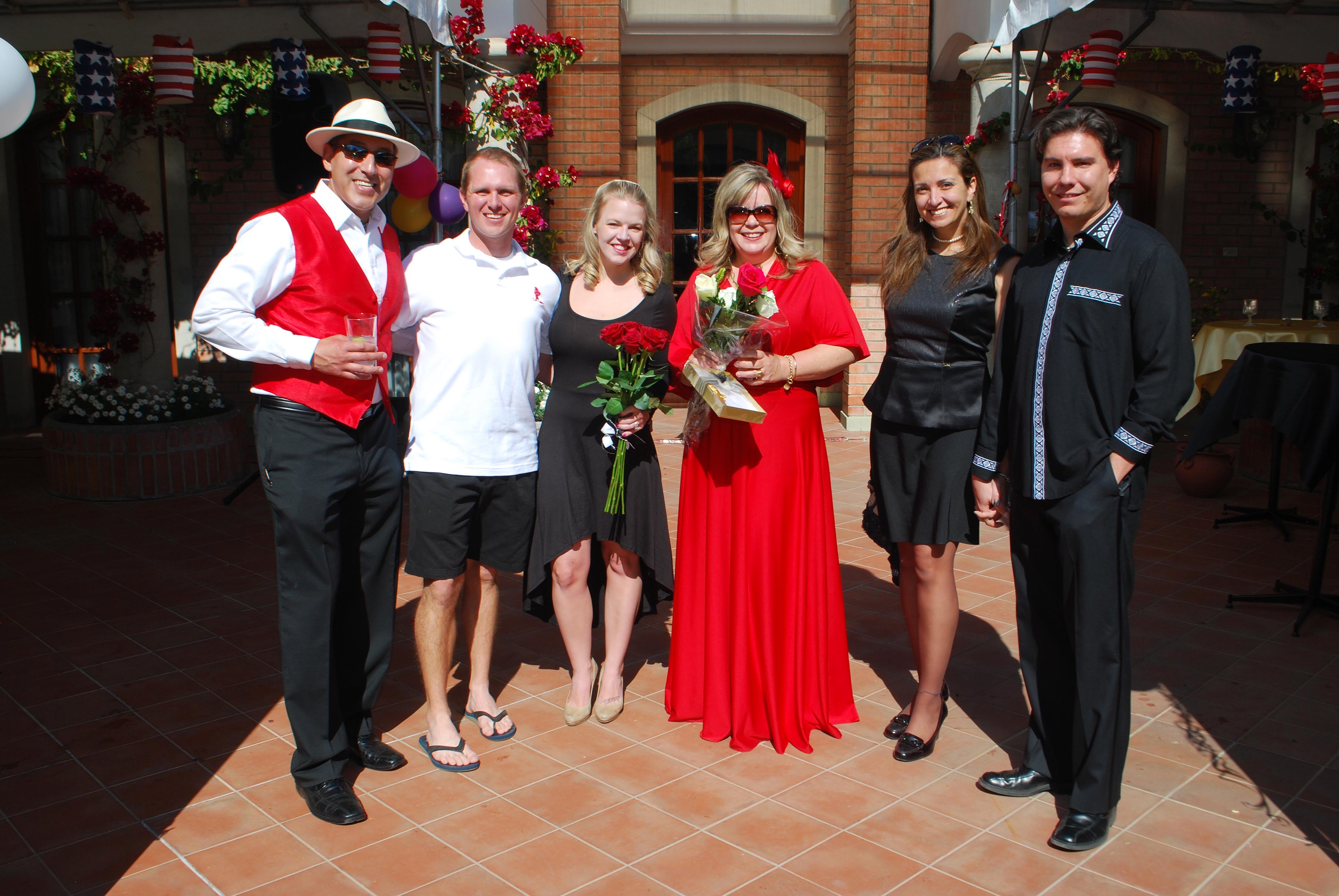
Our proud friends were happy to celebrate their 20th Wedding Anniversary – in a fantastic style – Red for the Victorious Couple, and black & white for the guests!
My hope is that one day, husband and I will be repeating this… for our own anniversary. But for now, still looking forward to celebrate our first decade together – just a few months ahead of us! 😮
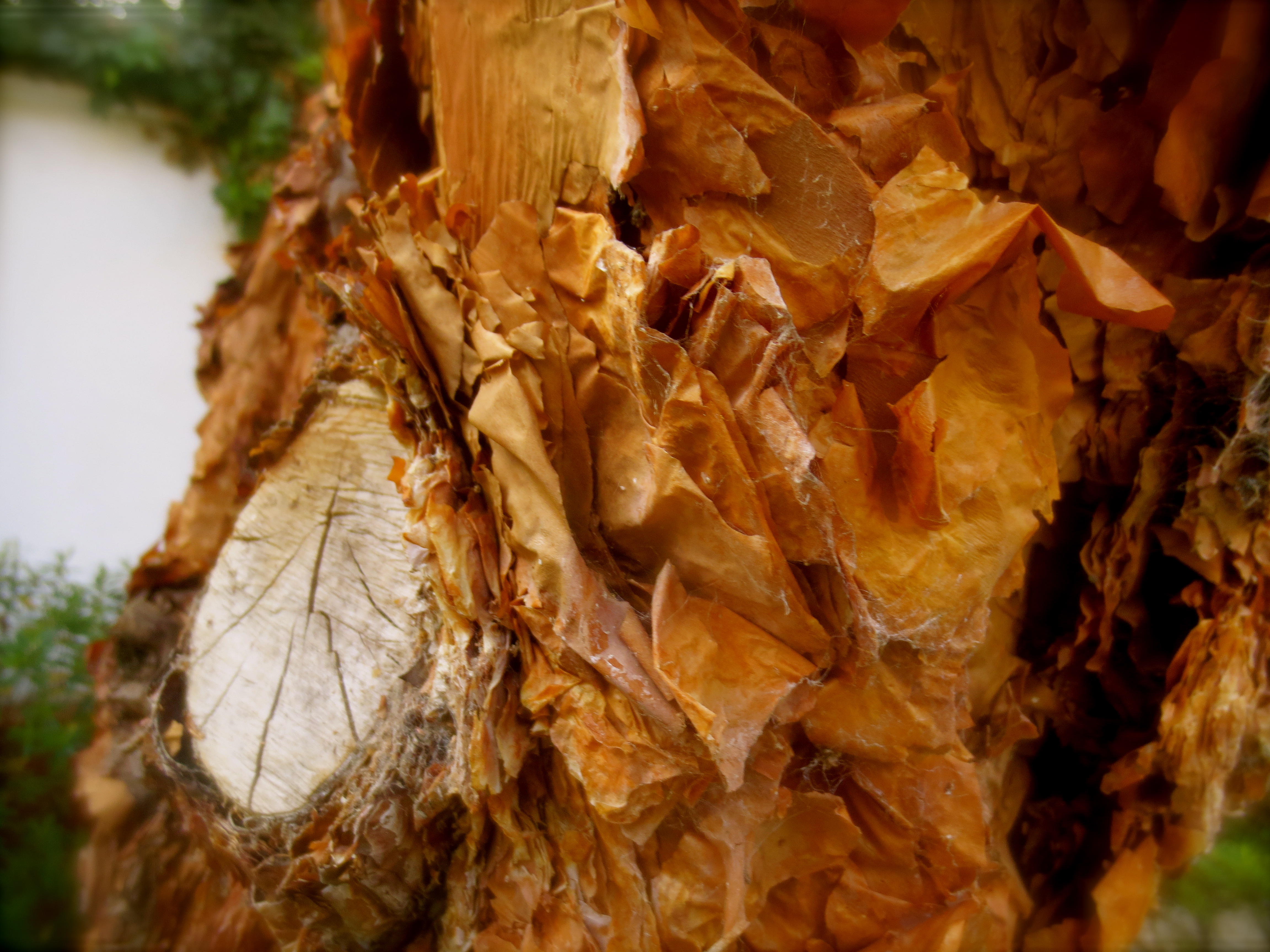
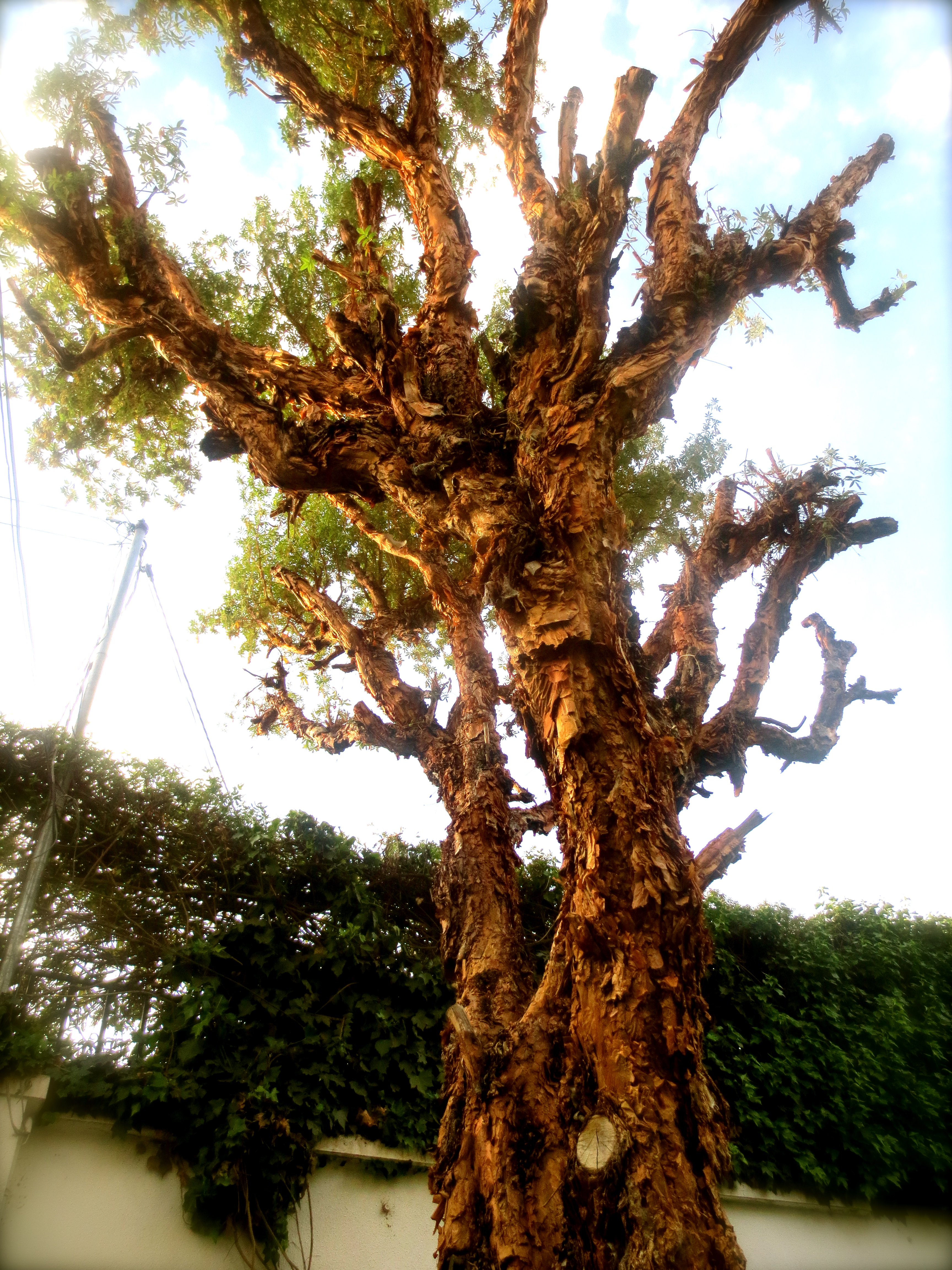
It’s higher than any other tree in the world. Polylepis woodland is a distinctive, high-elevation Andean forest habitat that occurs above cloud level (3,500-5,000 m) as patches of woody vegetation surrounded by paramo (e.g., Festuca species) or puna (e.g., Ichu species) grass and shrub (e.g., Baccharis species) communities. These high-altitude woodlands tend to be relicts of a once-widespread habitat and comprise mainly evergreen trees of the genusPolylepis (Rosaceae) which are highly drought tolerant. The trunk and branches are laminated with brown-reddish bark that peels off in paper-like sheets as a protection against extremely low temperatures, and often have mosses and lichens growing on them.
For this photo, decided to go with different angles to better showcase the unique and intriguing texture displayed by the tree.
It’s higher than any other tree in the world. Polylepis woodland is a distinctive, high-elevation Andean forest habitat that occurs above cloud level (3,500-5,000 m) as patches of woody vegetation surrounded by paramo (e.g., Festuca species) or puna (e.g., Ichu species) grass and shrub (e.g., Baccharis species) communities. These high-altitude woodlands tend to be relicts of a once-widespread habitat and comprise mainly evergreen trees of the genusPolylepis (Rosaceae) which are highly drought tolerant. The trunk and branches are laminated with brown-reddish bark that peels off in paper-like sheets as a protection against extremely low temperatures, and often have mosses and lichens growing on them.
The original/inspirational photo:
For this week photo series, decided to go with different angles to better showcase the unique and intriguing texture displayed by the tree.
Enjoy as you please, and thanks for stopping by! ♥
This inspiring image/photo came from another travel blog – Thanks for sharing! 😮
From Wikipedia: “The Laguna Verde, meaning neaon Green lake,[1] covers an area of 1700 ha, and a narrow causeway divides it into two parts. It is at the southeastern extremity of the Reserve Eduardo Avaroa and Bolivia itself. It has mineral suspensions of arsenic and other minerals which renders colour to the lake waters. Its colour varies from turquoise to dark emerald depending on the disturbance caused to sediments in the lake by winds. In the backdrop of the lake is the inactive volcano Volcan Licancibur (elevation 5868m), which is the near perfect shape of cone.[2] It is believed that an ancient crypt used to be at its peak. Icy winds are a common phenomenon here and lake waters can attain temperatures as low as -56 degree C but because of its chemical composition its waters still remains in a liquid state. It is 30 km from Laguna Palques.[3][4]
The laguna verde is well known for its spectacular scenery and hot springs.”
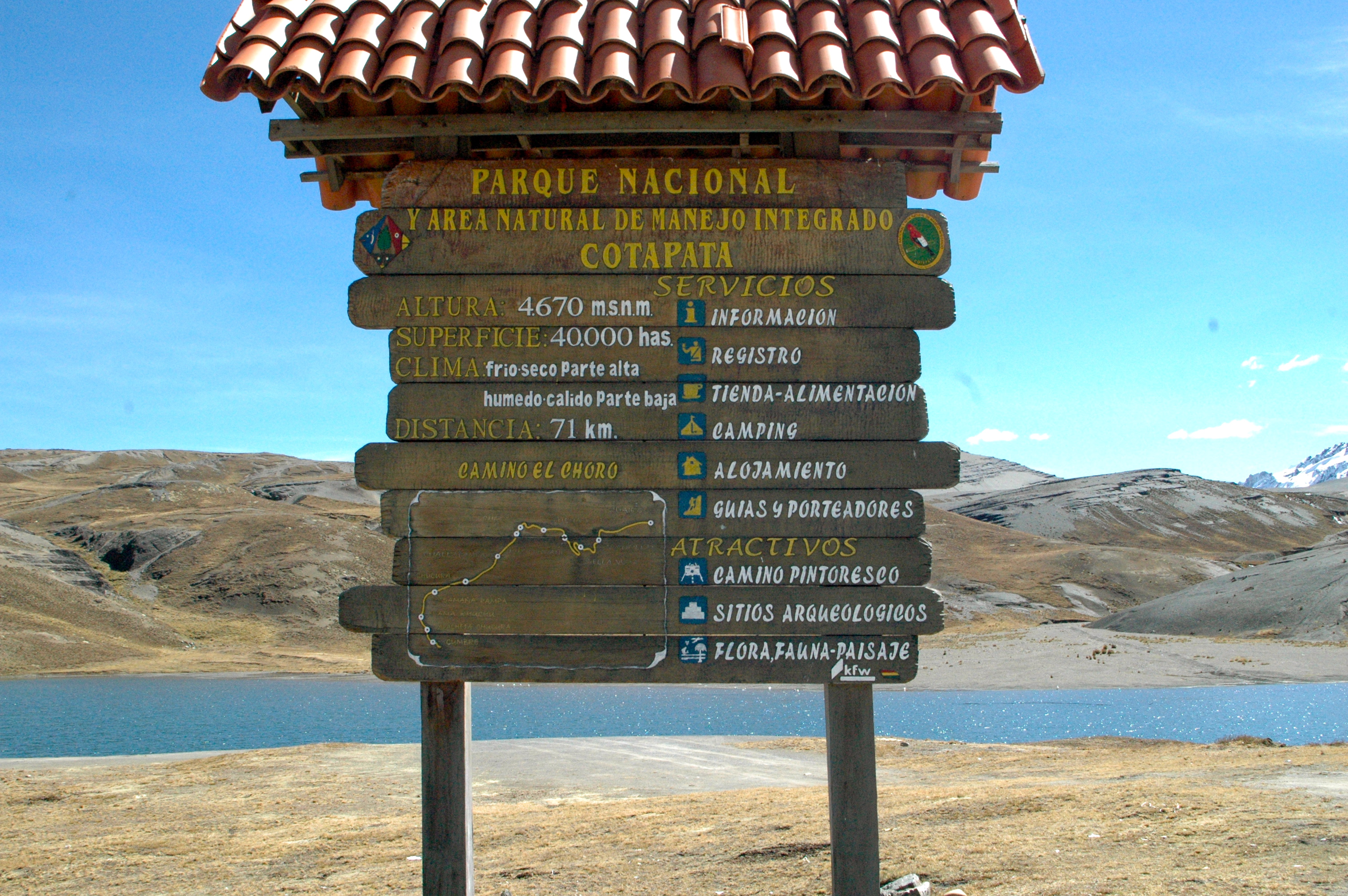
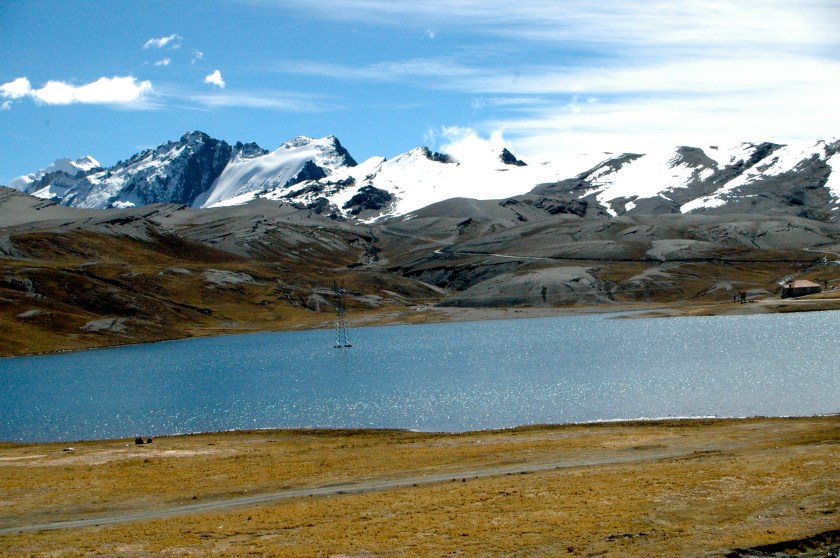
Around 20km north of La Paz, some four hundred square kilometres of the north face of the Cordillera Real are protected by PARQUE NACIONAL COTAPATA (otherwise known as Parque Nacional y Area Natural de Manejo Integrado Cotapata).
Around 20km north of La Paz, some four hundred square kilometres of the north face of the Cordillera Real are protected by PARQUE NACIONAL COTAPATA (otherwise known as Parque Nacional y Area Natural de Manejo Integrado Cotapata).
Ranging in elevation from 1000m to 6000m, Cotapata encompasses many of the astonishing range of different ecosystems and climatic zones formed as the Andes plunge down into the valleys of the upper Amazon Basin.
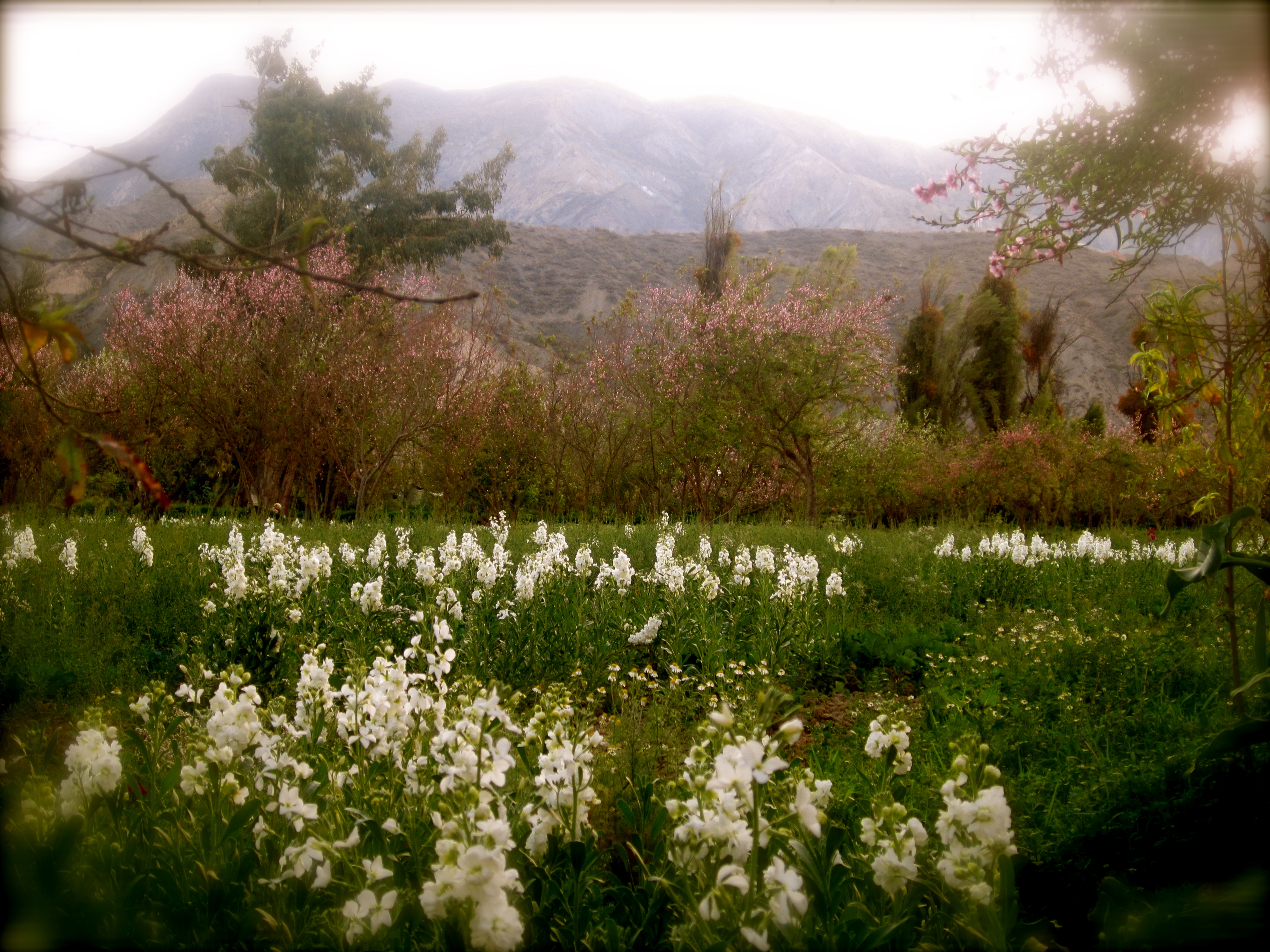
Within a remarkably short distance high mountain peaks, snowfields and puna grasslands give way to dense cloudforest, which in turn blends into the humid montane forest that covers the lower slopes of the Andes in a thick green blanket.
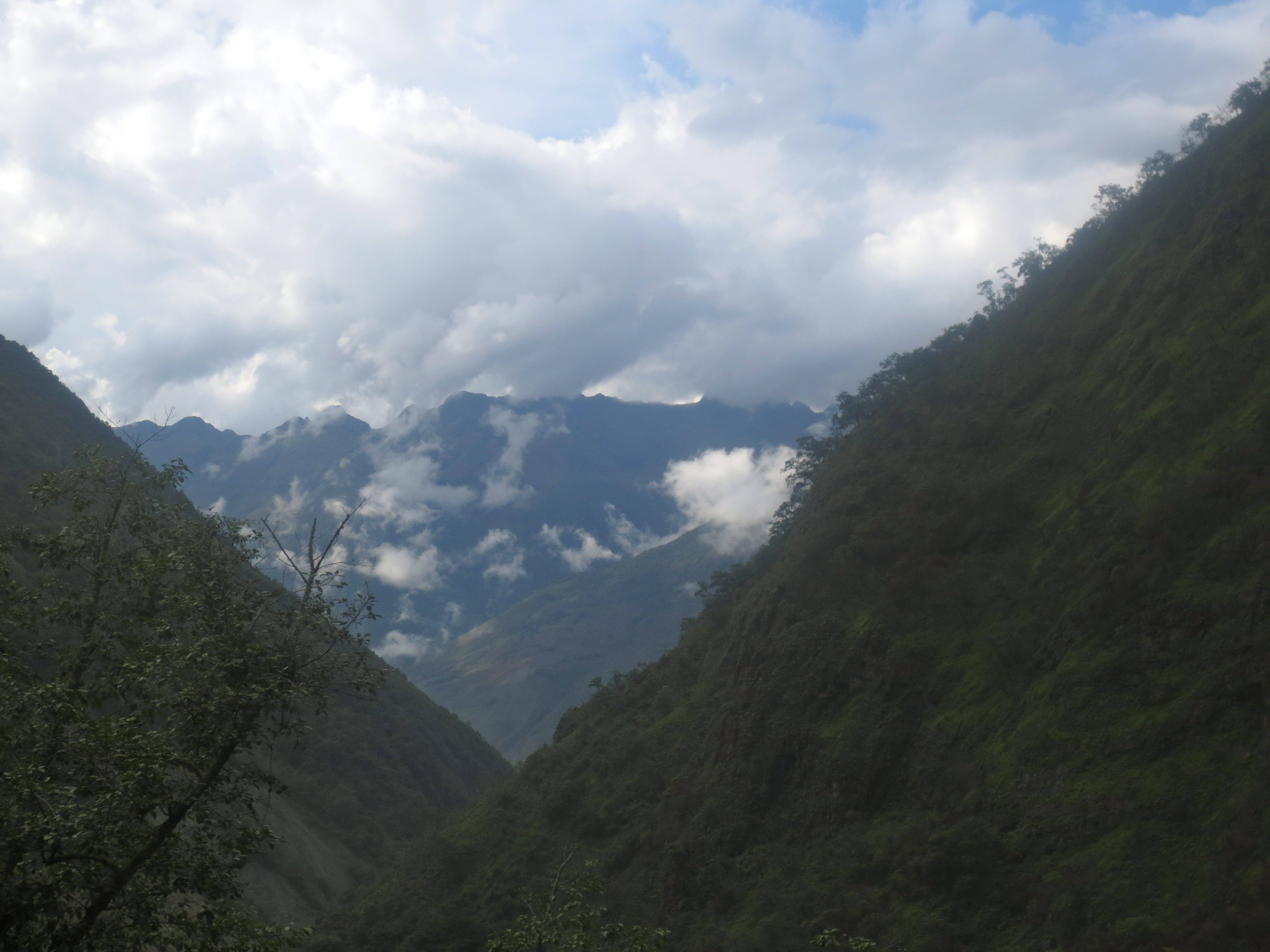
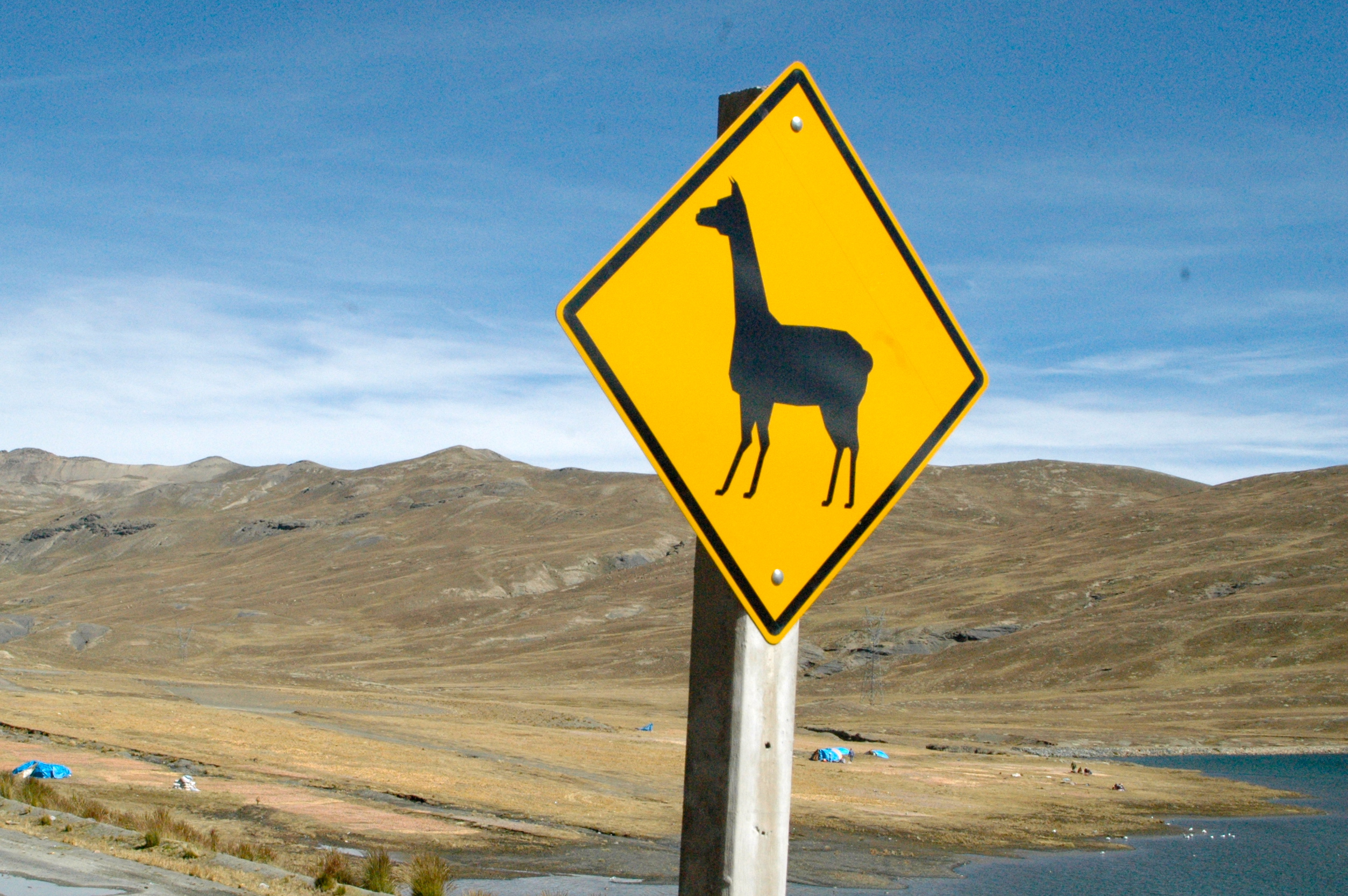
The cloudforest – also known as the ceja de selva or “jungle’s eyebrows” – is particularly striking, made up of low, gnarled trees and home to many unique bird species, and elusive pumas and spectacled bears.
Nature’s masterpieces at their best expression… a few examples of unique works of art throughout the Bolivian country. Enjoy as you please, and thanks for stopping by! ♥
Moon Valley – “Valle de La Luna”The urban peacefully co-existing with the natural
Nature’s masterpieces at their best expression… a few examples of unique works of art throughout the Bolivian country. Enjoy as you please, and thanks for stopping by! ♥
The Miranda Family arrived in La Paz in the beginning of august, 2012. assignment. Our familial “nucleus” is constituted of 2 adults, 2 kids (7 1/2 and 5 1/2 yrs-old) and a 2 1/2 year-old toddler. ,Being a parent/caretaker requires lots of diplomacy, negotiation, peacekeeping, policy implementation and strategy skills. That said, managing a household, its respective juvenile population and the consequent budgetary implications, is a… HUGE, EXPERIMENTAL and UNFORESEEN task!
A male Green-and-rufous Kingfisher on Chalalan Lake, Tuichi River. (Photo credit: Wikipedia)
The Miranda Family arrived in La Paz in the beginning of August, 2012. assignment. Our familial “nucleus” is constituted of 2 adults, 2 kids (7 1/2 and 5 1/2 yrs-old) and a 2 1/2 year-old toddler. Being a parent/caretaker requires lots of diplomacy, negotiation, peacekeeping, policy implementation and strategy skills. That said, managing a household, its respective juvenile population and the consequent budgetary implications, is a… HUGE, EXPERIMENTAL and UNFORESEEN task!
There is a never-ending need to keep kids and parents sane (as much as possible). Family outings require loads of planning and logistics management – even if we’re just talking about a Sunday lunch!
Here are some suggestions for entertaining the kids (without pulling our hair off), we’ve learnt along the way:
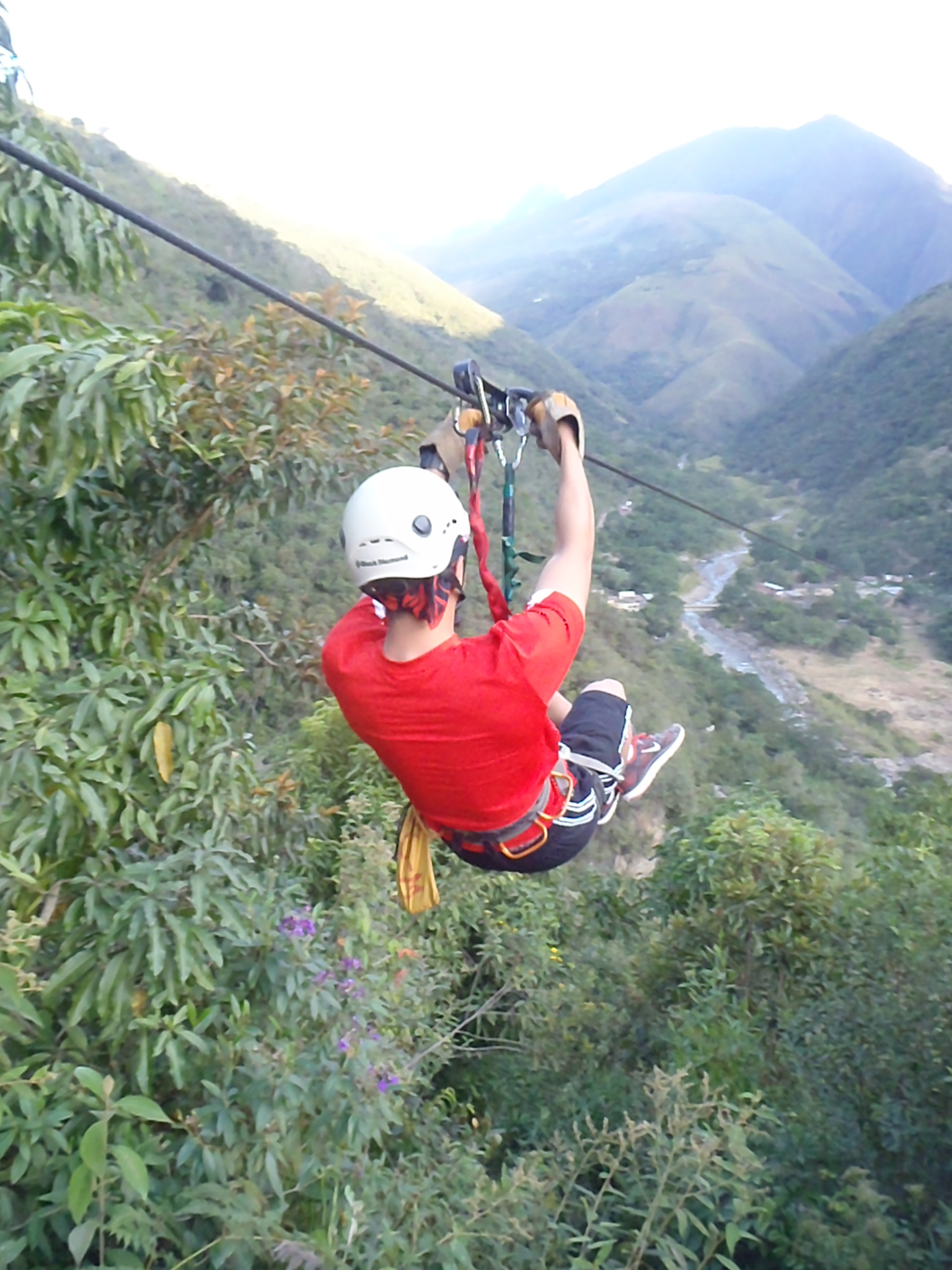
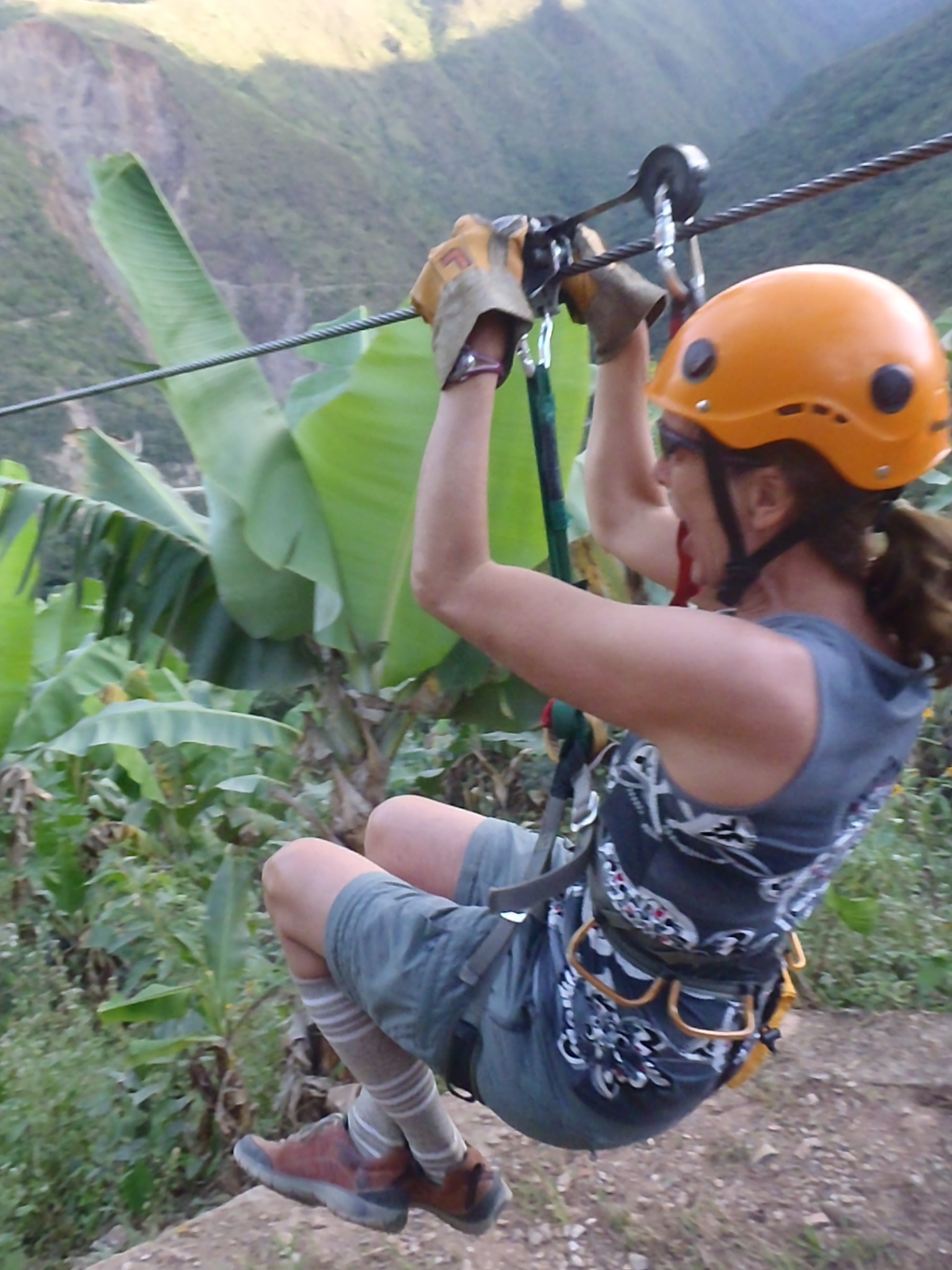
Take weekend trips with other families with kids – it’s a life-saver!Immerse into the local culture and traditionsGo hiking through the Isla del SolHost a kids’ Halloween Blast!Join the traditional ‘water balloon fights’ during Carnaval!Go bowling!Go Zip-lining at the Yungas!Throw impromptu ‘themed lunches’Go out! Family and friends spend the Sunday together at Oberland.Go on a boat trip along the waters of Lake TiticacaJoin a ‘greening initiative’ for a weekend of activitiesCome up with impromptu costume parties!Days spent at close-by parks and playgroundsGet out of your comfort zone! Family luncheons and walks thru the neighborhood of CalacotoEscape to the neighboring Santiago…Visit Museums in Prado, La Paz.Take a mountain biking tripUnplug! Family trip to the Isla del Sol, Copacabana.Out again! Family day trip to the Cotapata ParkWeekend with friends at the Yungas Region
Surprise your children. Here are some links on good stuff to do around La Paz:
Español: Alumnos del Colegio Padre Luis Gallardo “Nayra Inti” interpretando con sus tarkas una tarkeada. (Photo credit: Wikipedia)
Children’s Activities
Bolivia does not boast an extensive selection of activities for children, but what it does offer is stunning national parks and the chance to get close to nature and see scenes that cannot be seen anywhere else in the world.
La Paz Zoo
La Paz Zoo has recently relocated from a tiny plot of land in the south of the city to a much bigger area in Mallasa, which can be found just outside of the city. The bigger space has allowed new enclosures to be built as well as a children’s petting area and an information block. Children will not fail to be impressed by the menagerie living in natural surroundings. You will find many animals in a park-like setting, living life as they would in the wild. After a morning’s excitement with the animals, try out the on-site café for some lunch and treat the kids to a souvenir from the gift shop.
Madidi National Park, Bolivia (Photo credit: Wikipedia)
National Parks
Bolivia is home to some of the most unspoilt national parks in the world. These parks boast a tremendous variety of wildlife, although you have to be lucky to see a lot of animals as most of them hide deep in the densest of forests. Madidi National Park is recorded by National Geographic as being one of the world’s largest biologically diverse reserves. One of Bolivia’s richest forests can be found here as well as over 988 species of animals. It stretches from the Andes to the western Amazon Basin and allows people to watch animals, trek through woodland and explore the many nature trails. The children will love this unique chance to get back to nature.
Toro Park fountain (Photo credit: Rob Michalski)
Toro Toro National Park is located close to Potosi and is ideal for dinosaur lovers. You will find giant dinosaur footprints and fossils as well as the caves of Umajalanta. Carrasco National Park is an enormous rainforest park located in the Andes’ foothills. It is a great park for children as there is so much space to run around in.
Witches’ Market
This market is also known as Mercado de Brujas and is full of magic and mystery. Goods sold here include herbs and remedies as well as other components used in ancient Aymara traditions. It is La Paz’s most colourful site, with many sights to amaze and excite children.
Recently, our family was invited to a friend’s house warming. The original couple has moved to Bolivia over a decade ago, and are strengthening their roots with this beautiful country, in more ways than one.
They’re a loving, caring family, who has elected Bolivia as their home, and the home for their children.
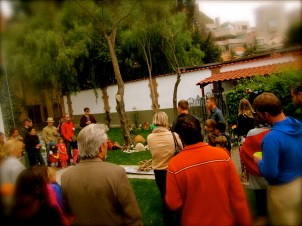
As part of the ‘open house’ celebrations, the guests could appreciate a Saya Celebration, in honor of the new house, a new home for years to come. Sharing here are a few snapshots of this folkloric celebration, and wishing our friends and their family many years of happiness at their new home!♥
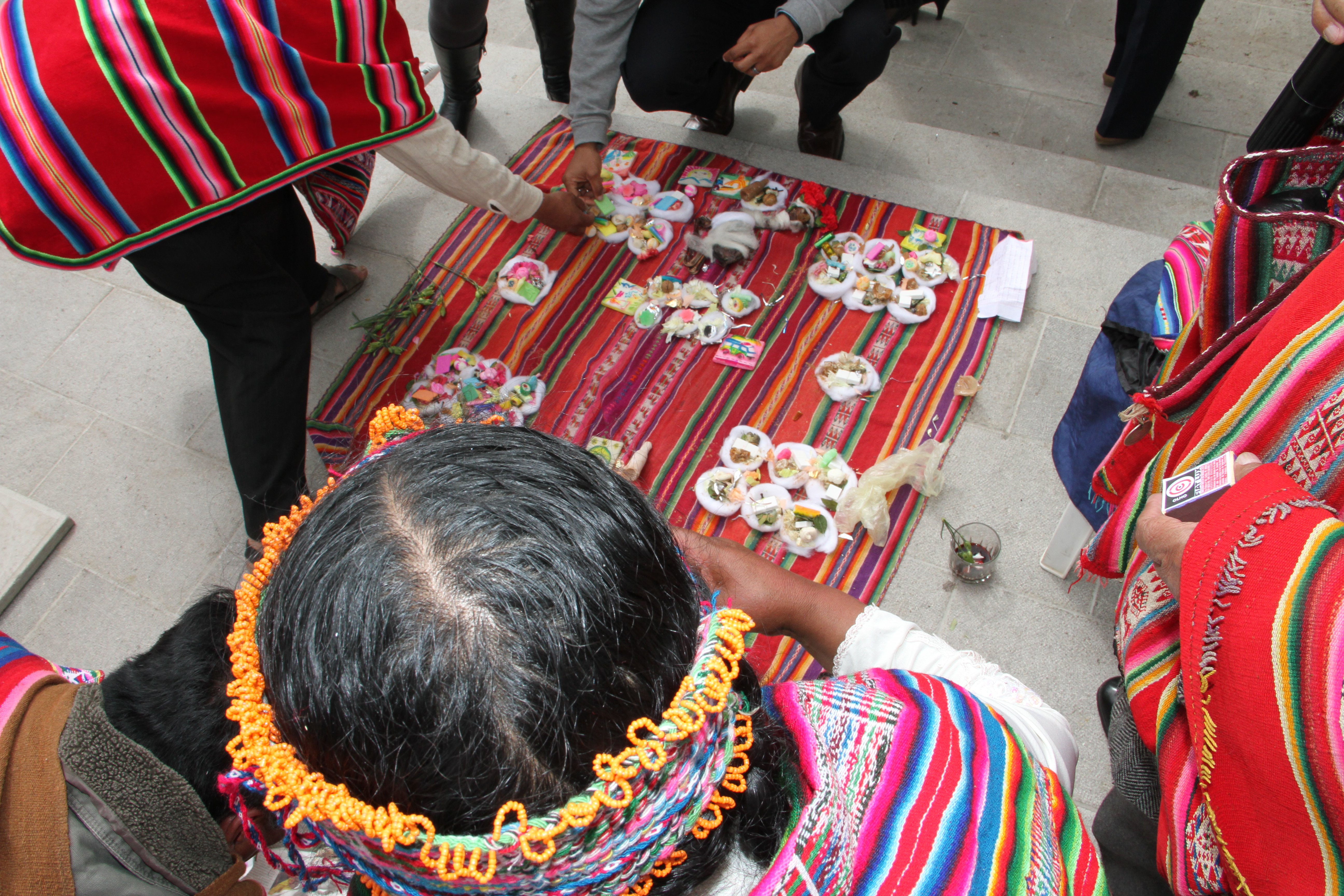
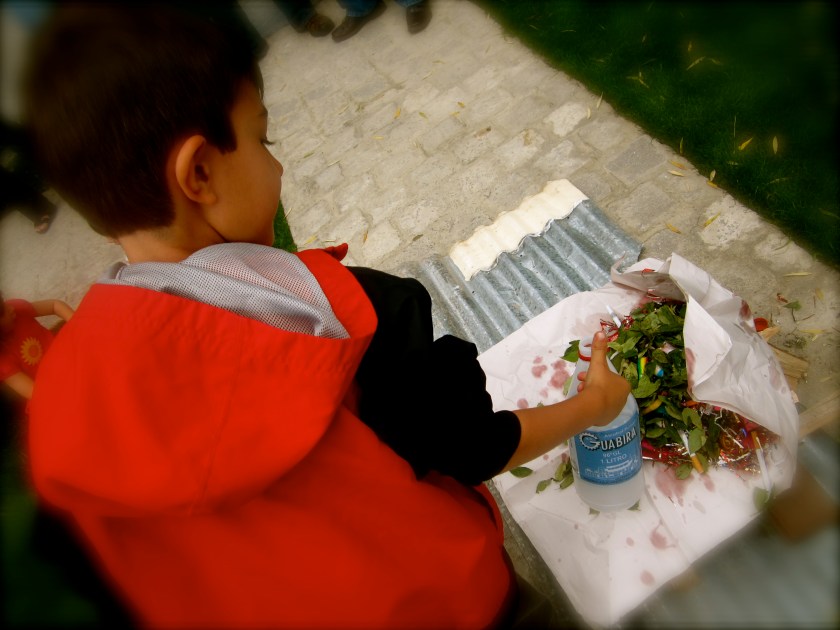
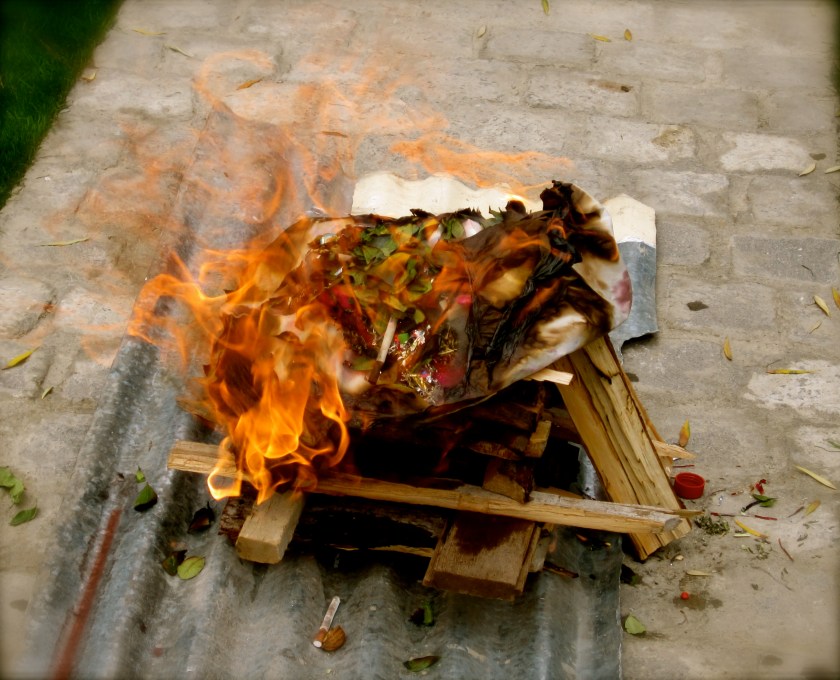
Learning a bit more about the Bolivian culture – part of my ‘unofficial duties’ as an expat and a mother… The harmonious relationship between the Indian population and the Mother Nature is very present in the handycraft industry, the musical folklore, and the religion. The worship dedicated to the natural divinities influences the daily life of the Indian community on the altiplano. Bolivians have a great respect and veneration of Pachamama, the goddess of the Earth. In her honor, offerings (challa) of small object with symbolic value are deposited or burned in the medium of incantations and prayers. There are lots of rituals dedicated to Pachamama, as for example, the construction of a new house must be preceded by a small blessing ceremony; another common ritual is before swallowing a glass of beer or liquor, one must honor Pachamama, while pouring a few drops on the ground. A few months ago, family was invited to a friend’s house warming. The original couple has moved to Bolivia over a decade ago, and are strengthening their roots with this beautiful country, in more ways than one… They’re a loving, caring family, who has elected Bolivia as their home, and the home for their children.
As part of the ‘open house’ celebrations, the guests could appreciate a Challa Celebration, in honor of the new house, a new home for years to come. Sharing here are a few snapshots of this folkloric celebration, and wishing our friends and their family many years of happiness at their new home! ♥
Guests and their family members were invited to participate in the ceremony.
Ashes are buried in the house yard for happy and peaceful years to come…
Inspired by this week’s photo challenge, and continuing our travel project “52 Bolivian Sundays”, we’re cruising though week 28. For this week, a set of photo shots, departing the USA and getting back to our current home, Bolivia – all taking advantage of the intriguing light of the ‘golden hour’, the last hour of our last day. According to Cheri Lucas, from Wordpress, “The Golden Hour. In photography, the “golden hour” is the first and last hour of sunlight of the day. Photographers venture out on sunrise hikes or sunset treks to capture a magical shot, due to the quality of the light during that time of day.”
Inspired by this week’s photo challenge, and continuing our travel project “52 Bolivian Sundays”, we’re cruising though week 28. For this week, a set of photo shots, departing the USA and getting back to our current home, Bolivia – all taking advantage of the intriguing light of the ‘golden hour‘, the last hour of our last day; an overnight flight separating our family from the ‘goodbyes’ to dear friends and family in DC, to a warm ‘welcome back’ from our friends and colleagues in La Paz.
According to Cheri Lucas Rowlands, from WordPress, “In photography, the “golden hour” is the first and last hour of sunlight of the day. Photographers venture out on sunrise hikes or sunset treks to capture a magical shot, due to the quality of the light during that time of day.”
Enjoy as you please, and thanks for stopping by! ♥
And, since we’re talking about the last flight from this year’s R&R, here are a few shots from two little people taking advantage of the night flight opportunity – posing as flight captains before the take off! 😮
Find here, more impressions from other bloggers on “nostalgic”… Thank you all for sharing!
Have you checked the blue line on the map [above]? That’s right! 😮 All the driving done, during our so-called Rest and Recuperation [with 3 little kids?!] trip. As many know, we’re currently in La Paz, Bolivia, for our work assignment. And a year from now, we’ll be leaving here, heading to our new post assignment. In order to break our 2-year assignment a little, we headed back to the US for a well-deserved “Rest & Recuperation” {R&R} trip. Three weeks driving from Florida to Delaware, stopping, snapping photo shots and introducing our children to new cities/states.
Have you checked the blue line on the map? That’s right! All the driving done, during our so-called Rest and Recuperation [with 3 little kids?!] trip. As many know, we’re currently in La Paz, Bolivia, for our work assignment. And a year from now, we’ll be leaving here, heading to our new post assignment. In order to break our 2-year assignment a little, we headed back to the US for a well-deserved “Rest & Recuperation” {R&R} trip. three weeks driving from Florida to Delaware, stopping, snapping photo shots and introducing our children to new cities/states.
Have you checked the blue line on the map [above]? That’s right! 😮 All the driving done, during our so-called Rest and Recuperation [with 3 little kids?!] trip. As many know, we’re currently in La Paz, Bolivia, for our work assignment. And a year from now, we’ll be leaving here, heading to our new post assignment. In order to break our 2-year assignment a little, we headed back to the US for a well-deserved “Rest & Recuperation” {R&R} trip. three weeks driving from Florida to Delaware, stopping, snapping photo shots and introducing our children to new cities/states.
Inspired by this week’s photo challenge, and continuing our travel project “52 Bolivian Sundays”, we’re cruising though week 27, and this picture of my oldest daughters and her two BFFs in the hammock sent me back to a happy place down memory lane… growing up in Brazil, and having the luxury of hours spent swinging in hammocks…
Venue: Nor Yungas, Bolivia
Inspired by this week’s photo challenge, and continuing our travel project “52 Bolivian Sundays”, we’re cruising though week 27, and this picture of my oldest daughters and her two BFFs in the hammock, sent me back to a happy place down memory lane… growing up in Brazil, and having the luxury of hours spent swinging in hammocks…
Have you checked the blue line on the map [above]? That’s right! 😮 All the driving done, during our so-called Rest and Recuperation [with 3 little kids?!] trip. As many know, we’re currently in La Paz, Bolivia, for our work assignment. And a year from now, we’ll be leaving here, heading to our new post assignment. In order to break our 2-year assignment a little, we headed back to the US for a well-deserved “Rest & Recuperation” {R&R} trip. three weeks driving from Florida to Delaware, stopping, snapping photo shots and introducing our children to new cities/states.






































![Photo Project ’52 Bolivian Sundays’ [week 36, ‘Unusual Point of View’].](https://3rdculturechildren.com/wp-content/uploads/2013/09/bolivia-unusual-21.jpg?w=835)








![The city of La Paz seen from the Devil's Molar [Muela del Diablo]](https://3rdculturechildren.com/wp-content/uploads/2013/08/dsc_00061.jpg)





























 3rdculturechildren
