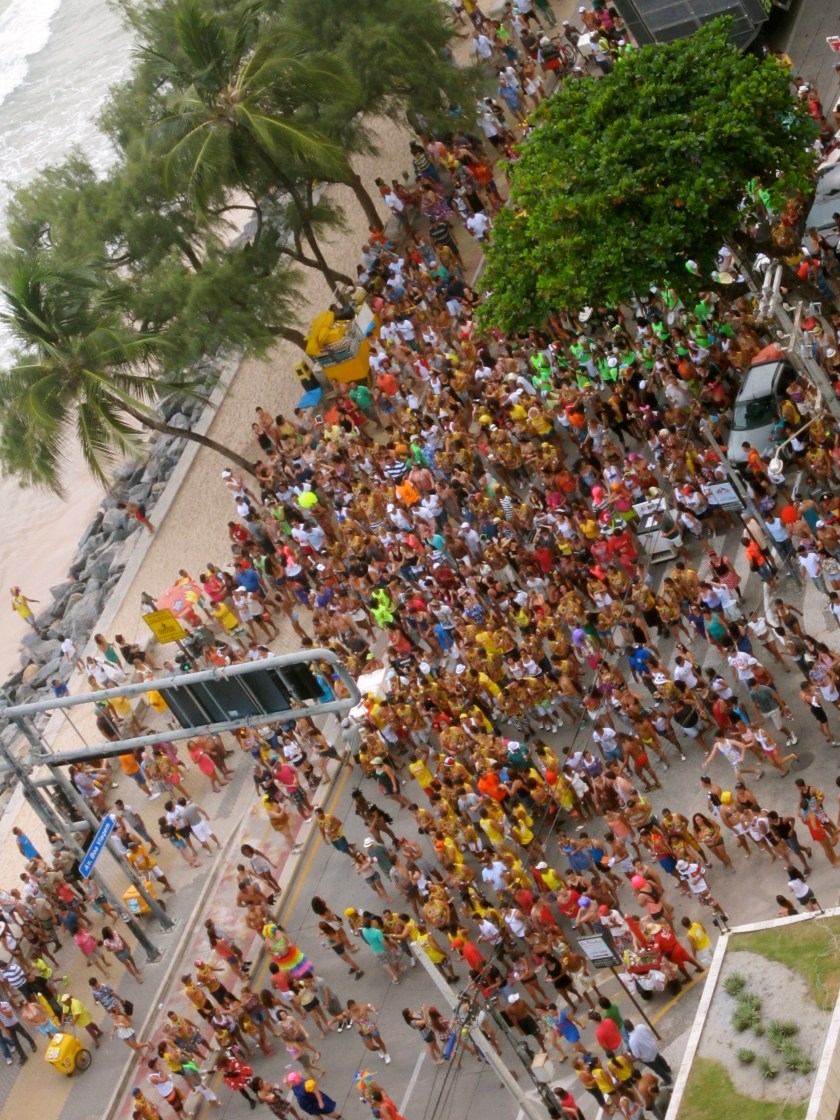
So, here we are, a week before the largest celebration this country is capable of displaying: Carnival or, how we say it Brazil, “Carnaval”… Well, not a week from today, but from last Saturday, February 11th, when these pictures were taken from our veranda… People really can’t wait for the real fun to be here…
streets taken by the crowdThe parade moves on, enchanting tourists and beach-goers!
She’s not a baby anymore… growing up pretty fast, becoming her own person, very loving, very intense. Four years ago, we got the best Valentine’s Day gift: our daughter Marcela. Baie Dankie, South Africa for this wonderful Valentine’s!
With much love, happy birthday, darling! Feliz cumple, Feliz Aniversário!
Find below images from our visit to the “Environmentally Protected Area” of Altinho, a park embedded in the middle of the State of Pernambuco, in the Agreste Region of the country, showcasing the characteristic Caatinga vegetation (desertic, hiperxerophyla, lacking leaves trees). Not far from our home, some good 160 km, or 260 miles – a good weekend getaway!
The protected park borders the (famous for seasonal festivities and their arts & crafts) cities of Caruaru and São Caetano; Cupira, Panelas and Ibirajuba; Agrestina and Cachoeirinha. The park is surrounded by several rivers, but mainly by the Una and Ipojuca rivers. The rivers lead into the Atlantic Ocean, creating deltas, which are a great spot for calming and relaxing baths…
Entering the Park:
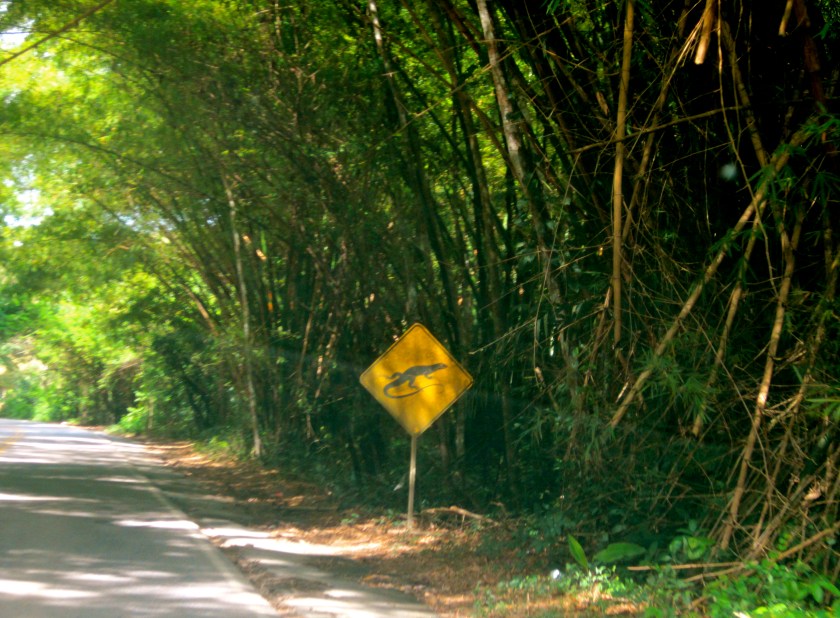
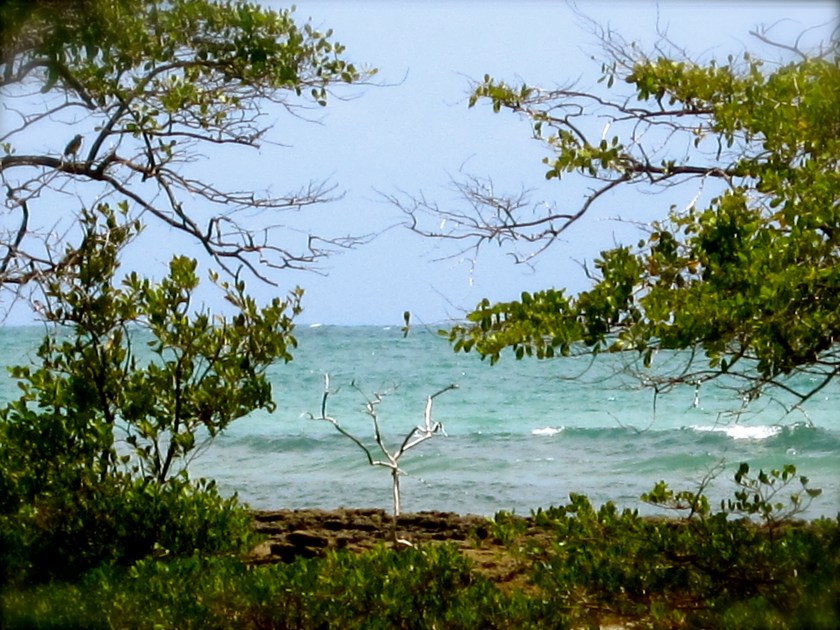
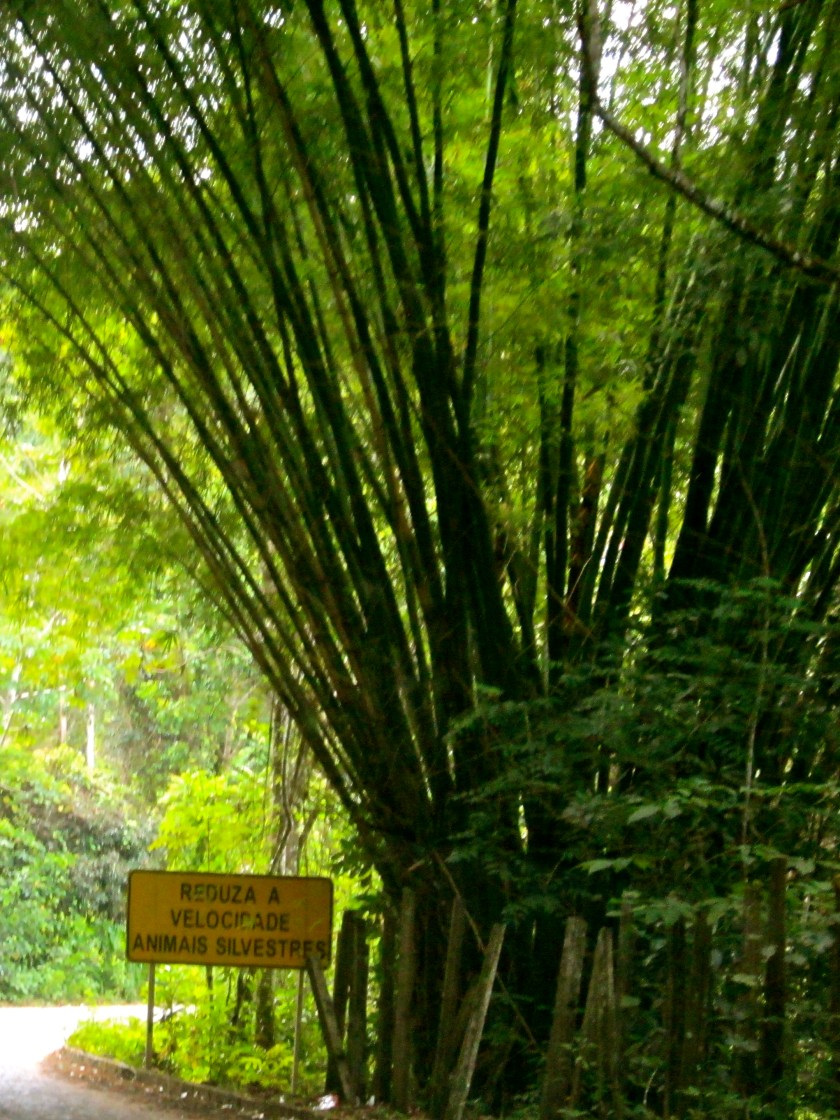
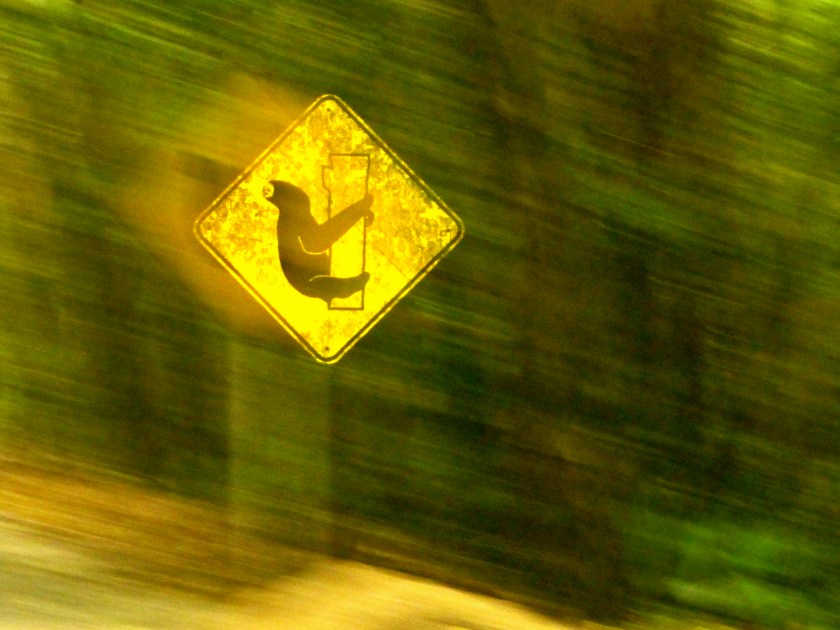
Área de Proteção Ambiental, Reserva Ecológica do Saltinho, PernambucoWhere the Una river meets the Atlantic OceanCaution with the animals crossing the road
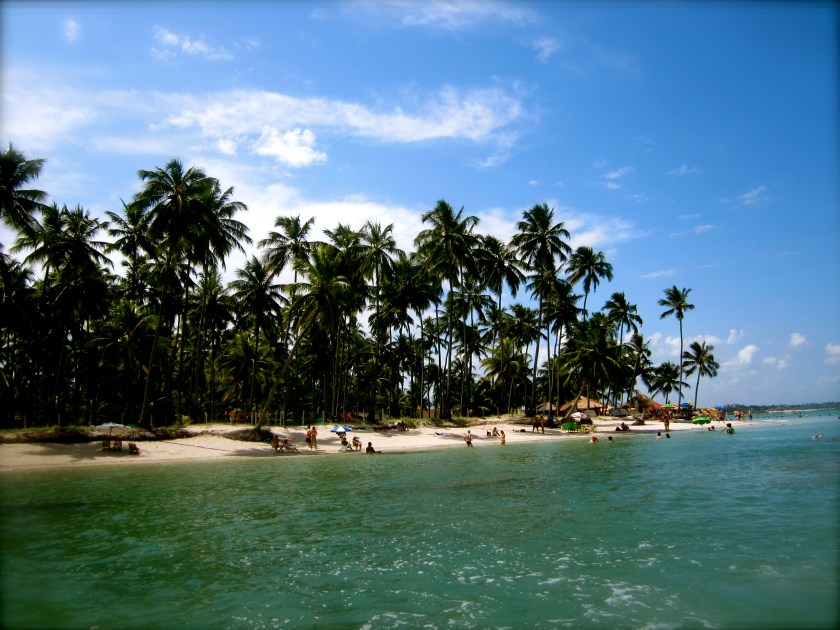
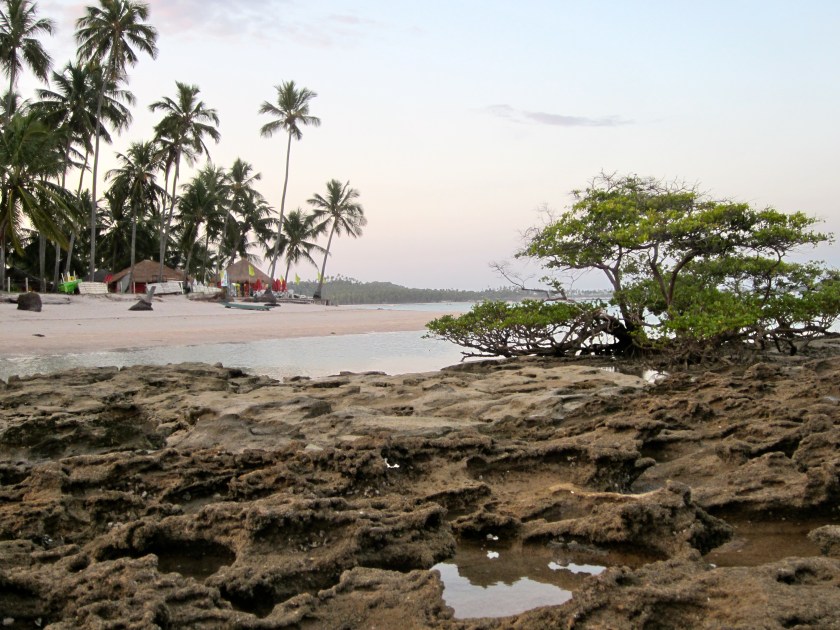
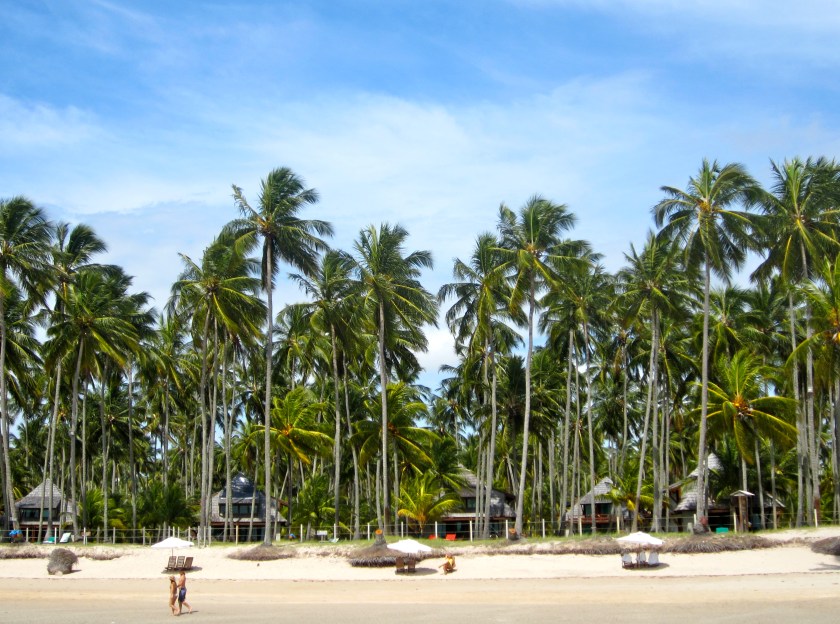
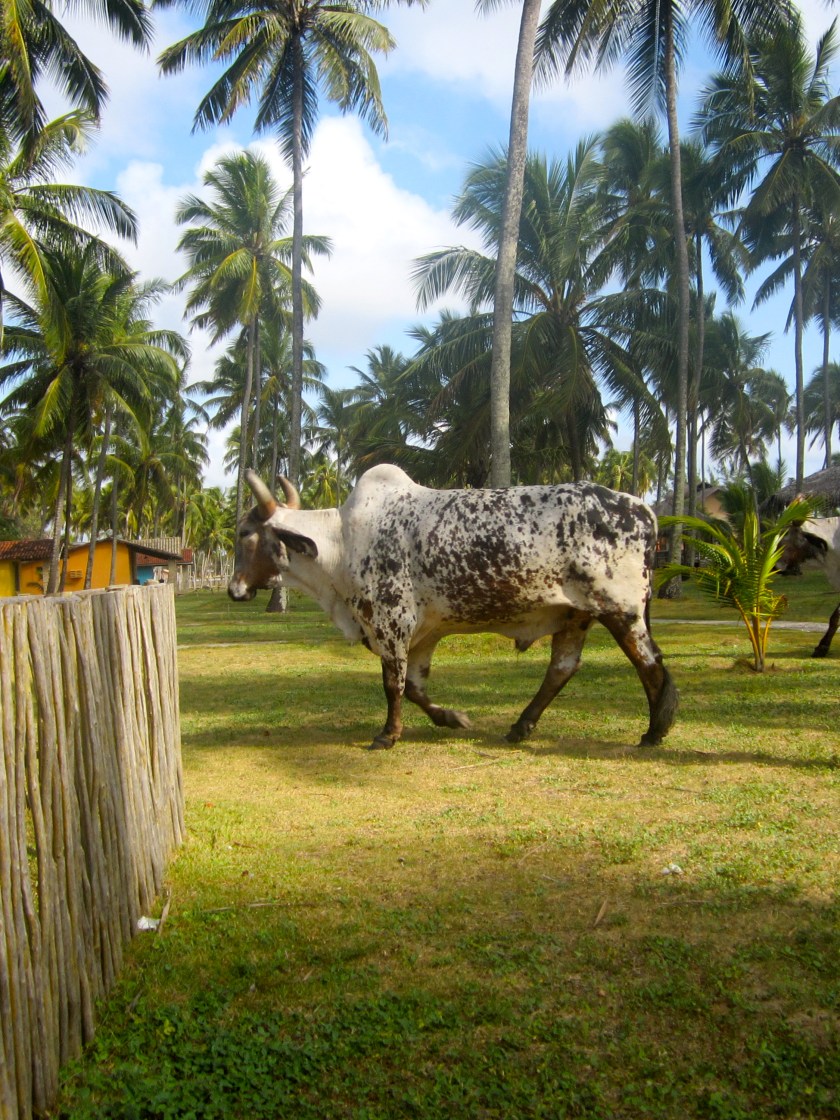
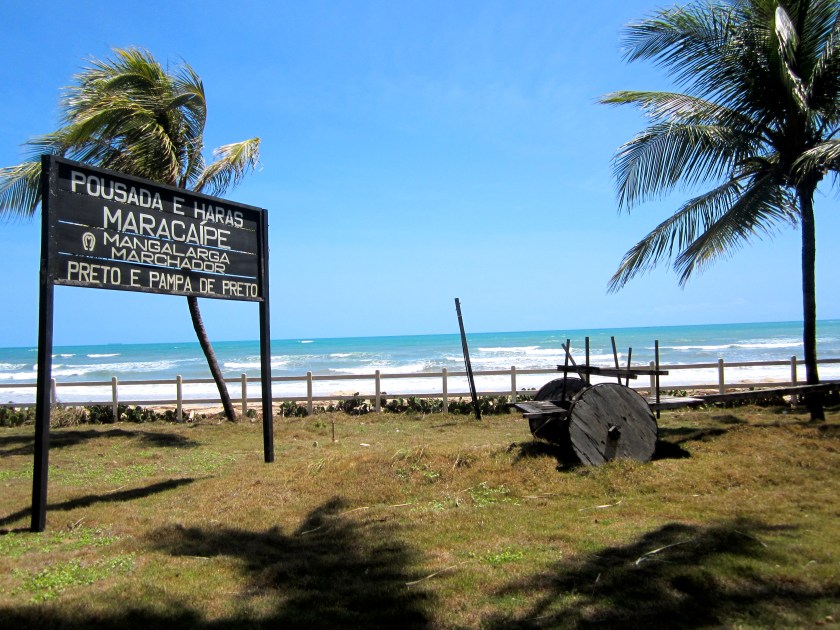
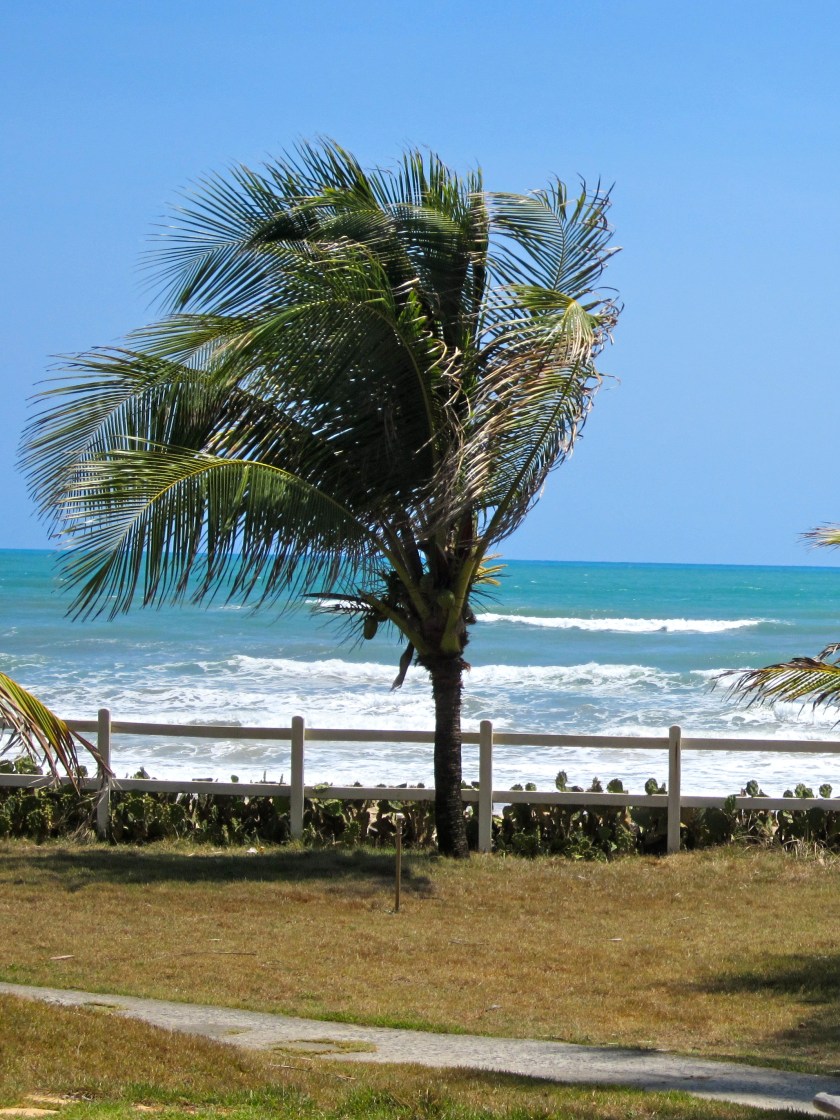
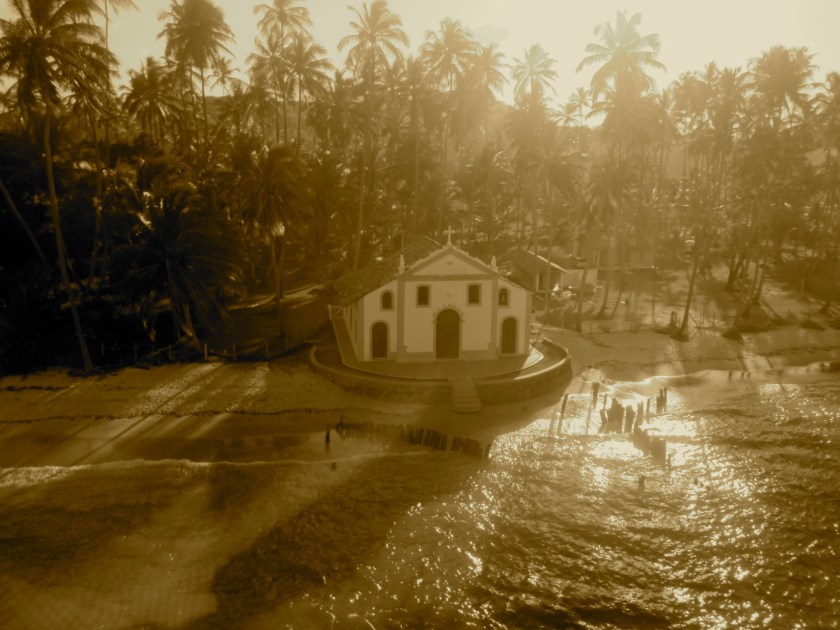
Waving along the Southern Coast of Pernambuco, Carneiros Beach (“Praia dos Carneiros”) discreetly possesses all the requirements to become a paradise. Sea of calm and crystal clear waters in shades of blue, palm trees, coral reefs and even a river that ends into the ocean.
Rustic bungalows have been built and decorated to meet the needs of comfort, and privacy, so tourists, or vacationing families may enjoy the peaceful setting that reigns in this paradise, still respecting the environment, its unique features and learning about preservation and ecological conscience. [The ‘talk’ about the beach’s intriguing bungalows is reserved for a ‘soon-to-come‘ post!]
That’s right! And who says that is a beer can… What?!
Wait… it’s a bit more than a gigantic beer can on the side of the road… it’s a traffic engineering device… hiding not one, but two traffic-monitoring camera… very clever! 😮
A very “shy” pair of cameras silently watch and monitor the street traffic…
Sunday is the best excuse for a great family lunch! Easy, quick, colorful and delicious!
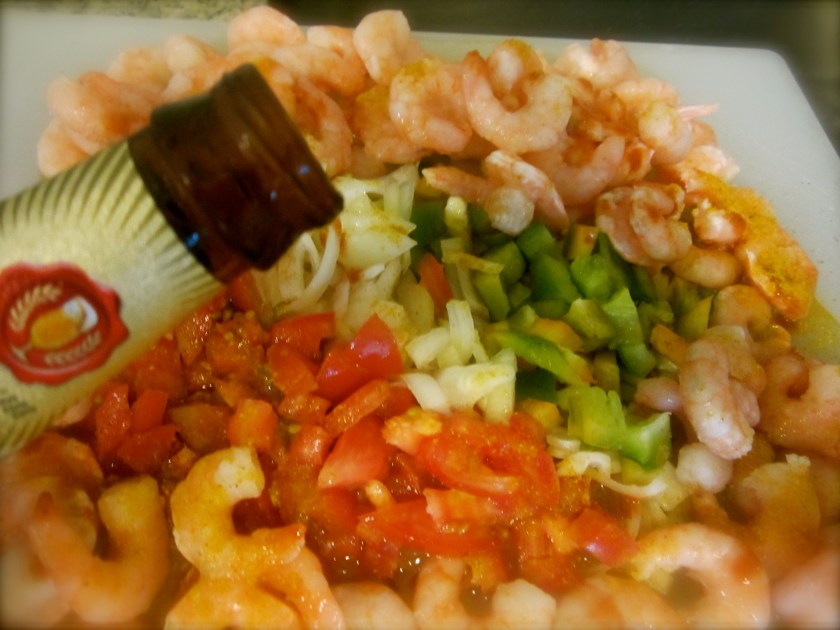
I just started playing with the ingredients, trying different variations of the shrimp casserole, or Brazilian moqueca – a very popular dish among the members or our household, and responding to the husband’s request, here it is, “step-by-step”, or better saying, “image-by-image”… 😮
First, get all the fresh ingredients (or as fresh as possible, but hey, nothing against a convenient bottle of garlic powder!) together. The shrimp needs to be peeled and cooked. After being cooked, it could be stored in the freezer, if needed. Able to get a some organic vegetables (tomatoes, bell peppers, onions), as well, and they looked beautiful!
Sunday is the best excuse for a great family lunch! Easy, quick, colorful and delicious!
Where hot sauce and curry meet... heaven!
I just started playing with the ingredients, trying different variations of the shrimp casserole, or Brazilian moqueca – a very popular dish among the members of our household, and responding to the husband’s request, here it is, “step-by-step”, or better saying, “image-by-image”… 😮
First, get all the fresh ingredients together (or as fresh as possible, but hey, nothing against a convenient bottle of garlic powder!). The shrimp needs to be peeled and cooked. After being cooked, it could be stored in the freezer, if needed. I was able to get a some organic vegetables (tomatoes, bell peppers, onions), as well, and they looked beautiful!
Starting with some heat… curry & hot sauce:
Can you see the heat in action? look at the color of these bad boys!
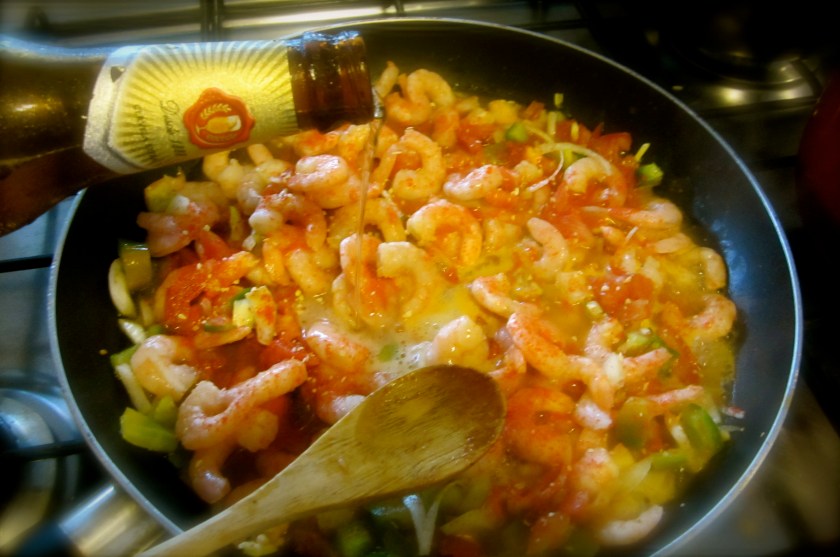
Adding a very important ingredient to the marinating mix: beer!
Simmering all the ingredients.. allowing for all the flavors to rejoice!
...don't forget to add a bit more "liquid" to the mixture...
Bringing in another surprising ingredient: coconut milk – very popular member of the traditional Brazilian cuisine!
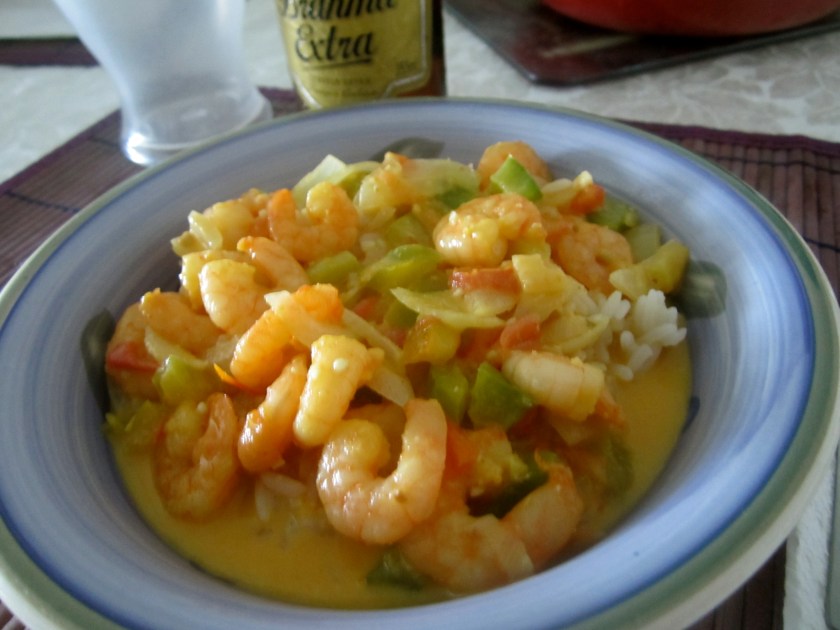
How should it look? Pretty much like this! 😮
Now, a quick look over the side dishes:
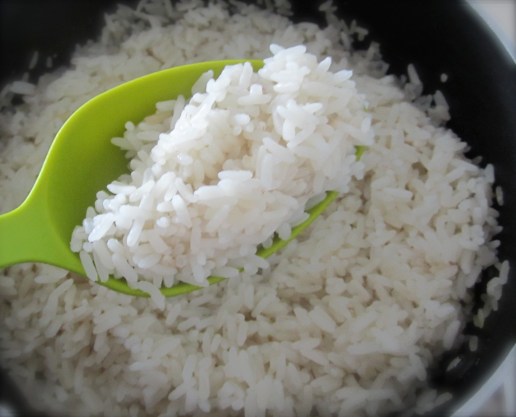
While you were working your magic with the shrimp casserole, rice was being cooked! It's simple like that!
Rice is done!
quick, easy, fluffy! like gradma's homecooking!
Another side order: organic veggies make a great and tasty salad!
Husband’s plate: [accompanied by his ‘favorite’ cold drink!]
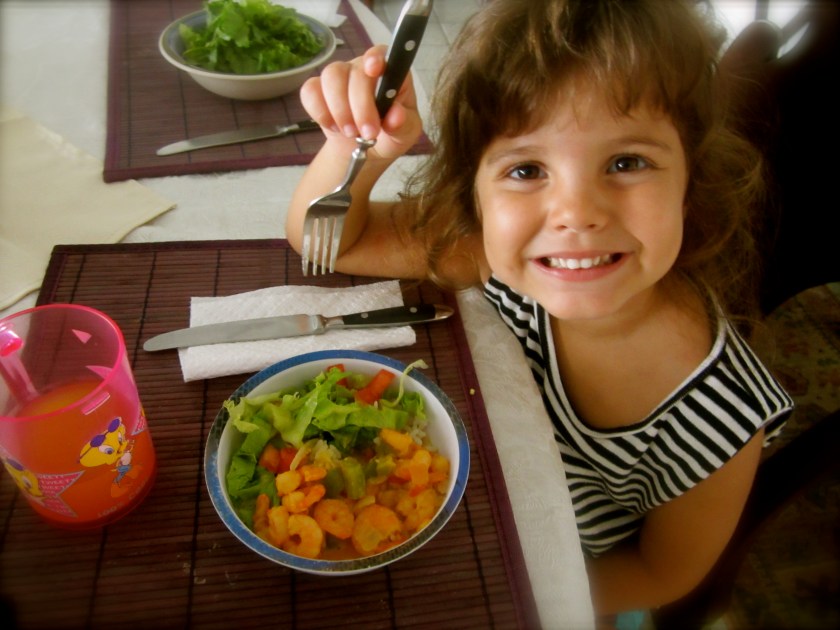
Two of my most demanding [and happy] customers! Happy Sunday!
Time has gone pretty fast, but I feel like we still have a lot to do, a lot to see and experience… Lot of planning on my horizon, as well… we’re less than six months before we pack our bags and head out, in preparation for our next assignment. In the meantime, found some time to do some research, ask around and prepare a simplified list of “tips” for expat women living or planning on moving to Brazil.
FIRST: A great blog, listing several expat experiences in Brazil, thank you, TheTaoofMe for working on this fantastic list! 😮
source: The Economist Magazine
We’re on countdown mode!
Time has gone pretty fast, but I feel like we still have a lot to do, a lot to see and experience… Lot of planning on my horizon, as well… we’re less than six months before we pack our bags and head out, in preparation for our next assignment. In the meantime, found some time to do some research, ask around and prepare a simplified list of “tips” for expat women living or planning on moving to Brazil.
FIRST: A great blog, listing several expat experiences in Brazil, thank you, TheTaoofMe for working on this fantastic list! 😮
* * Resources for the “cosmopolitan woman” * *
American Society of Sao Paulo http://www.americansociety.com.br/
The Society exists for the following purposes: To promote and maintain friendly relations between the United States of America and Brazil, to provide for the celebration of days of remembrance such as Thanksgiving, Fourth of July, and other holidays traditional to United States citizens, to receive and entertain officials and visitors from the United States, to aid United States citizens and their immediate families who are destitute or have insufficient resources to meet emergencies or other essential needs, to aid and assist newly arrived United States citizens by providing information which helps orient them in their new surroundings, to promote charitable, social, cultural, and athletic activities of interest to the U.S. community in São Paulo.
Associação Beneficente Internacional Women’s Club Porto Alegre http://br.geocities.com/iwcpoa/
Participation in our Club has given the members the opportunity to meet an international group of people with varied interest, customs, cultures and languages, to learn more about Porto Alegre and the Brazilian way of life. Some have found that special friend to help through the difficult adjustment in a new country.
International Newcomers Club – Rio de Janeiro http://www.incrio.org.br
The International Club of Rio (InC) is a non-profit organization comprised of individuals from the local and expatriate English-speaking communities.
International Women’s Club of Paraná http://www.iwcpbrasil.com.br
The aim of the club is to provide opportunities to meet informally, exchange ideas and make new friends as well as helping newly arrived international families settle more easily in their new life. The club is open to expatriate women and their families that are new to Brazil, Brazilian women who have lived abroad for at least three years (within the last 10 years) and (English-speaking) Brazilian women whose husbands are foreigners.
Macaé International Women’s Club (MIWC) http://www.miwc-br.org
A non-profit, volunteer organization offering friendship, guidance and service to women establishing residence in Macaé and surrounding areas. Furthermore the Macaé International Women’s Club provides opportunities for charitable activities and humanitarian assistance to our community.
Newcomers Club – Brazil http://www.newcomersclub.com/br.html
An English-speaking group that is designed to give you the opportunity to meet and develop friendships with others who live in the same area.
The American Society of Rio de Janeiro (AmSoc Rio) http://www.americansocietyrio.org/amsoc/default.asp
This organization celebrates American traditions, hosts themed parties, and supports local charitable projects. The group is open to all nationalities and offers opportunities to volunteer, meet new friends, and network through group events, including a Speaker Series. Their Ambassador program links new members with those who have lived there for many years.
American School of Campinas (EAC) http://www.eac.com.br
pre-K to 12, co-ed
Follow the American curriculum. Recognized by SACS (Southern Association of Colleges and Schools) and have an excellent program of studies. We have in our community children from all over the world.
Note: worked here for over a year. If you’ve got any questions about the school, and believe I could offer any assistance, feel free to drop me a line!
Founded on December 31, 1983, Coca-Cola Guararapes established its excellence in the segment of consumer goods, production and distribution of beverage portfolio of Coca-Cola FEMSA. Since 2001, the company reports directly to The Coca-Cola Company, Atlanta / USA.
[Portugues] A empresa mantém um parque fabril com oito unidades industriais, sendo composta por quatro fábricas (Jaboatão dos Guararapes, Suape, Petrolina e João Pessoa) e quatro centros de distribuição (Arruda, Caruaru, Garanhuns e Campina Grande). Juntas, as unidades têm uma capacidade de produção instalada de 650 milhões de litros de bebidas por ano. A frota da empresa conta com mais de 650 veículos (caminhões, carretas, motos, carros) e a força de vendas é composta por, aproximadamente, 500 pessoas, que atendem a 61 mil pontos-de-venda.
Founded on December 31, 1983, Coca-Cola Guararapes established its excellence in the segment of consumer goods, production and distribution of beverage portfolio of Coca-Cola FEMSA. Since 2001, the company reports directly to The Coca-Cola Company, Atlanta / USA.
[Portugues] A empresa mantém um parque fabril com oito unidades industriais, sendo composta por quatro fábricas (Jaboatão dos Guararapes, Suape, Petrolina e João Pessoa) e quatro centros de distribuição (Arruda, Caruaru, Garanhuns e Campina Grande). Juntas, as unidades têm uma capacidade de produção instalada de 650 milhões de litros de bebidas por ano. A frota da empresa conta com mais de 650 veículos (caminhões, carretas, motos, carros) e a força de vendas é composta por, aproximadamente, 500 pessoas, que atendem a 61 mil pontos-de-venda.
Here, a few snapshots from a guided tour through the factory, as well as images from a very nice neighborhood – stopping by the beach on the way back to town… why not?
😮
Read here an original article, by Luis Delfin, President of the Guararapes Unit.
Another day trip endevour, getting to explore our surroundings, and offering our family an opportunity to have fun, enjoy quality time together, and learn more about the local history, geography and social arts.
A bit of historical background, first, bringing everyone to the same page: 😮
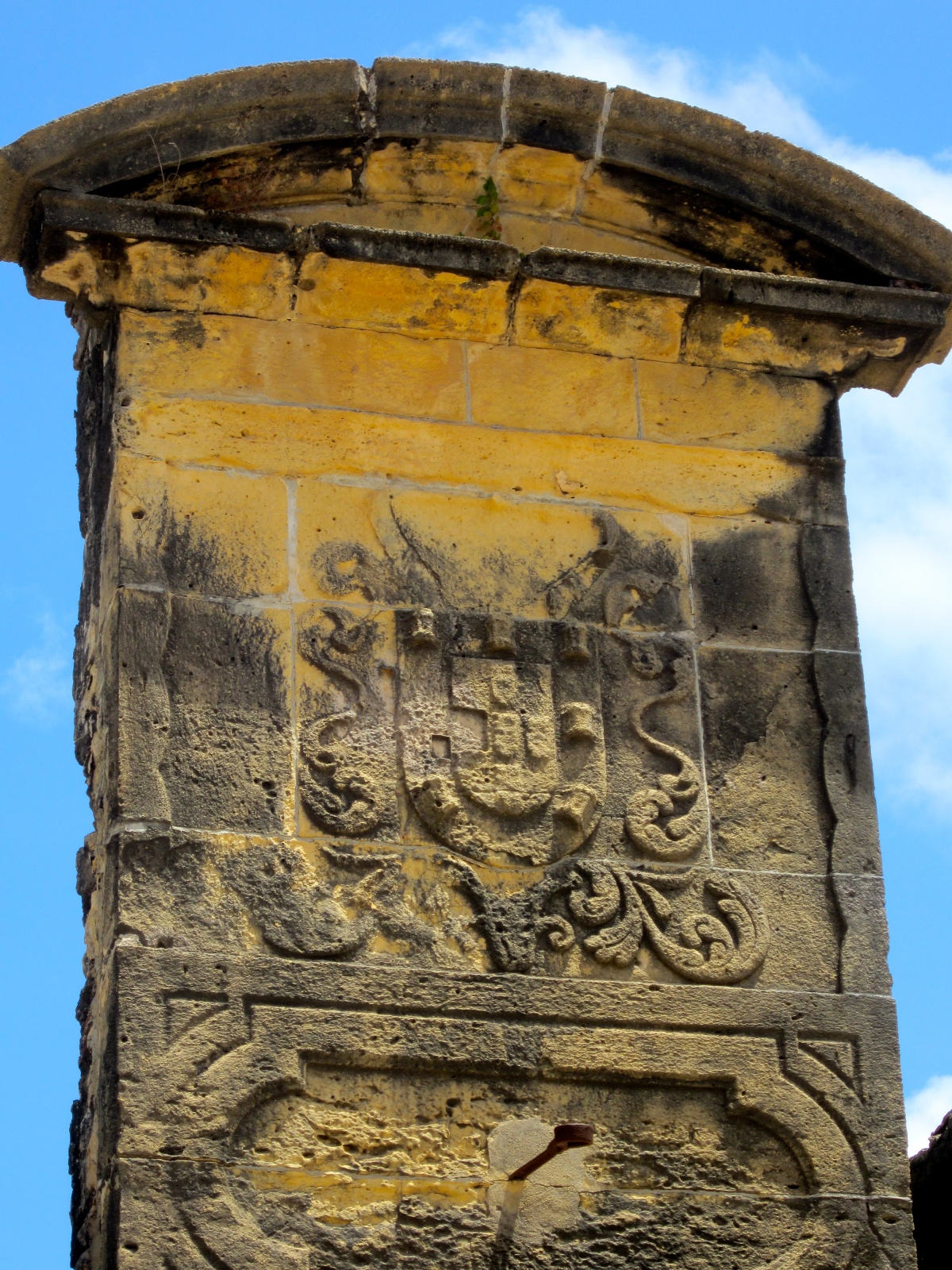
“The Fort of Santa Cruz de Itamaracá, popularly known as Fort Orange (“Forte Orange” due to the Dutch Colonization of the Pernambuco territory), located on Itamaracá Island (the word “Itamaraca” means rock that sings, in Tupi-Guarany native language) on the north coast of the state of Pernambuco in Brazil.
In the context of the second Dutch invasions in Brazil, it was originally a small island (now lost) in front of the tip of the Southeast Itamaracá Island, where the bar dominated the southern channel of Santa Cruz.
It was started from May 1631 as a fortification campaign by Dutch forces (Barretto, 1958:133), under the command of Steyn Callenfels and received the name Fort Orange, in homage to the House of Orange-Nassau, which then ruled the Netherlands.
It was garrisoned by a detachment of 366 men under the command of the Polish Captain Crestofle d’Artischau Arciszewski. This effectively resisted the Portuguese forces commanded by Conde of Bagnoli, who defeated (1632), withdrew abandoning its artillery: four pieces of brass brought from Arraial Velho do Bom Jesus. This position formed the basis for the conquest of the island of Itamaracá, defended by the forces of Salvador Pinheiro. After this achievement (1633), the fort was repaired and expanded.
Another day trip endevour, getting to explore our surroundings, and offering our family an opportunity to have fun, enjoy quality time together, and learn more about the local history, geography and social arts.
A bit of historical background, first, bringing everyone to the same page: 😮
“The Fort of Santa Cruz de Itamaracá, popularly known as Fort Orange (“Forte Orange” due to the Dutch Colonization of the Pernambuco territory), located on Itamaracá Island (the word “Itamaraca” means rock that sings, in Tupi-Guarany native language) on the north coast of the state of Pernambuco in Brazil.
In the context of the second Dutch invasions in Brazil, it was originally a small island (now lost) in front of the tip of the Southeast Itamaracá Island, where the bar dominated the southern channel of Santa Cruz.
It was started from May 1631 as a fortification campaign by Dutch forces (Barretto, 1958:133), under the command of Steyn Callenfels and received the name Fort Orange, in homage to the House of Orange-Nassau, which then ruled the Netherlands.
It was garrisoned by a detachment of 366 men under the command of the Polish Captain Crestofle d’Artischau Arciszewski. This effectively resisted the Portuguese forces commanded by Conde of Bagnoli, who defeated (1632), withdrew abandoning its artillery: four pieces of brass brought from Arraial Velho do Bom Jesus. This position formed the basis for the conquest of the island of Itamaracá, defended by the forces of Salvador Pinheiro. After this achievement (1633), the fort was repaired and expanded.
“(…) Inside the bar [of the island of Itamaracá] presents the first strong Orange, situated on a low sand separated from the mainland by a creek, which is fordable low-water mark. This fort dominates the harbor entrance, since such vessels entering have to pass before him the shot gun. It is square with four bastions [the vertices], and lately has been raised and repaired, but almost no gaps, or stockade or palisade, which is necessary to make, and should widen the gap and surround the outside with a counter-scarp.(Nassau, Maurice of.’Short Address. January 14 in 1638.)“
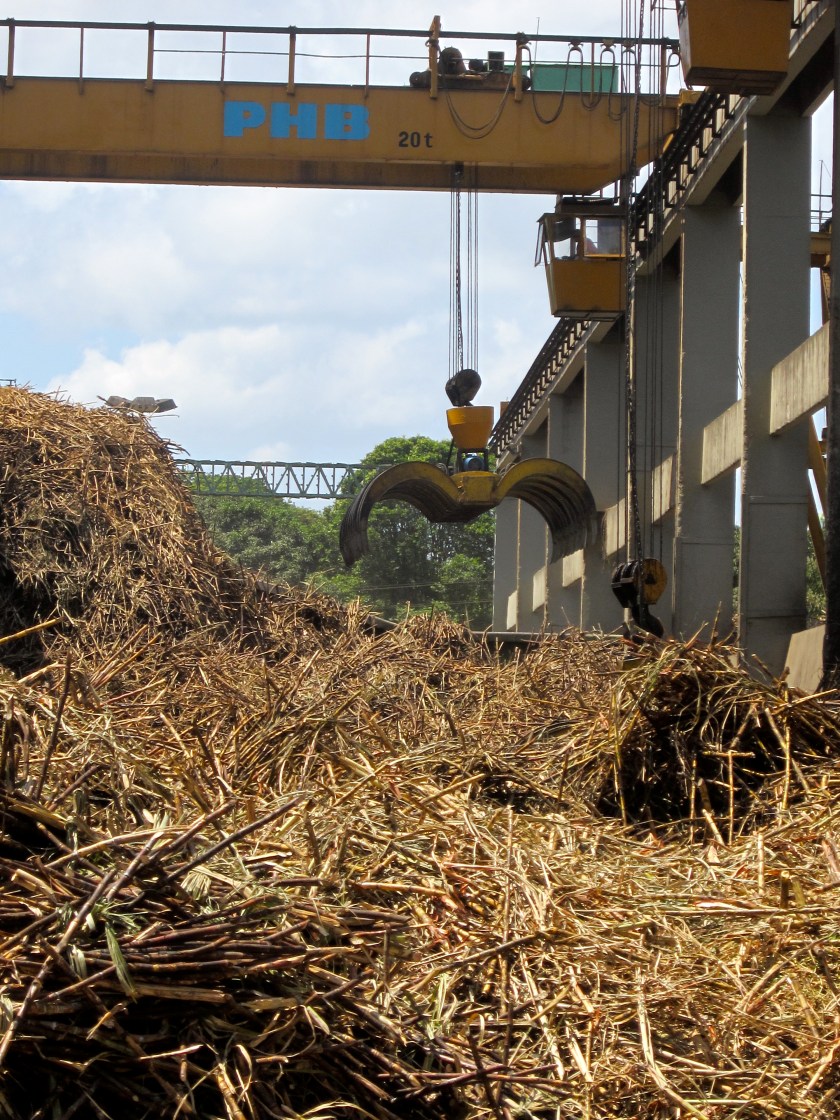
Sugarcane products include table sugar, falernum, molasses, rum, cachaça (a traditional spirit from Brazil), bagasse and ethanol.
Photography: Sharing some images from recent visit to a traditional sugarcane farm, and its corresponding mill, in the Northeastern region of Brazil.
[From Wikipedia] ”Sugarcane is an important industrial crop of tropical and subtropical regions and is cultivated on close to 20 million hectares in more than 90 countries (according to FAO). Sugarcane products include table sugar, falernum, molasses, rum, cachaça (a traditional spirit from Brazil), bagasse and ethanol”.
Sugarcane is a renewable, natural agricultural resource, providing not only sugar, but also, biofuel, fibre, fertilizers and a myriad of by-products/co-products, ecologically sustainable. Molasses, sugarcane’s main by-product, is the raw material for alcohol-based industries. Excess bagasse is now being used as raw material in the paper industry, and its use as a potential fuel alternative, has been considered in recent years.
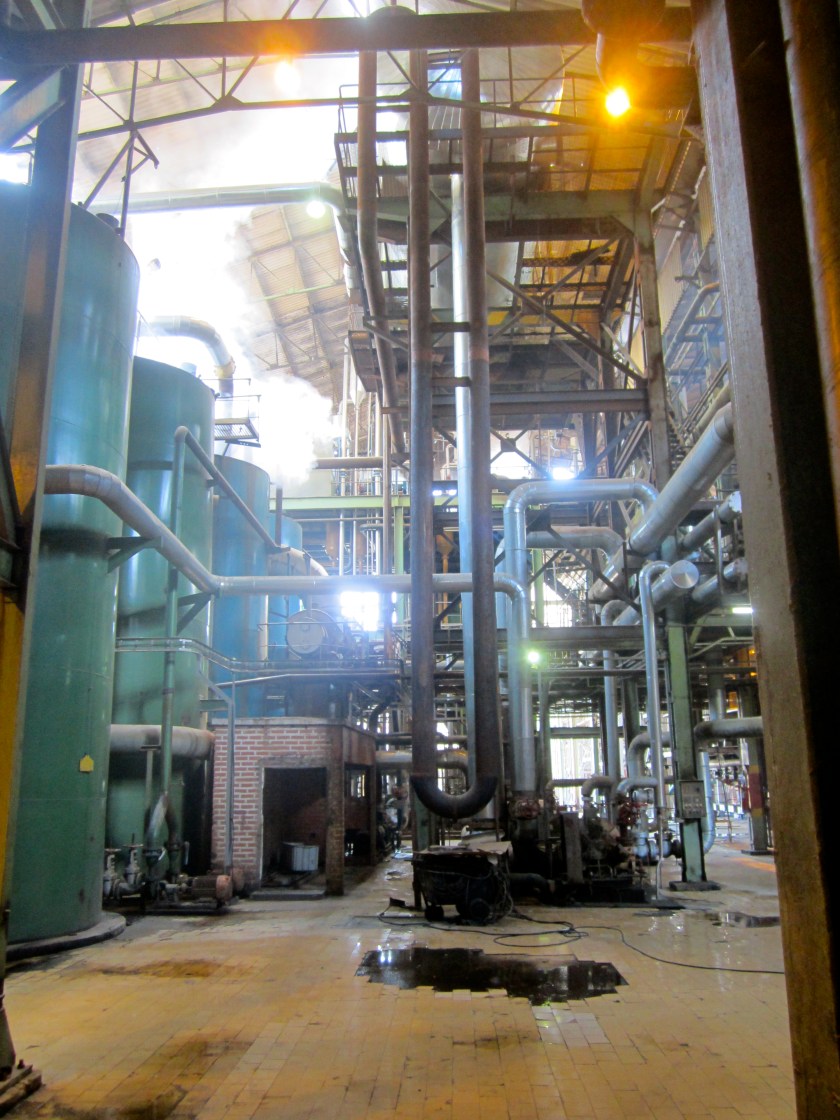
Some images were taken during the flyover, before arriving at the farm, while others, came through the visit to its grounds, the mills, main installations and sugar processing steps. Enjoy this “sweet” journey!
Arriving at the sugarcane farm:
Visiting the sugar cane plant:
Beginning the process of collection, extraction, refining:
general view"Casa Grande" (owner's house)old manual mill
Still need to thank all the fantastic readers & bloggers for all this year’s nominations!I promise it’ll get done – first thing in 2012! 😮 Now, leaving 2011 with a smile… If I had to define my favorite part of blogging I’d say it’s the ability to convert ideas, impressions and images into stories, shared advice, resources to other parents/families/travelers. The excitement of spotting a routine event and transforming it into a surprisingly positive post. I’m a traveler, a researcher, an author, a mom. With an endless desire to learn, discover and share… Happy New Year to all of us, and a very successful 2012 – “keeping ourselves posted”! 😮
A big THANK YOU to all the visitors & readers! 2012 will be here before we know it! That’s also my perception regarding this family/travel photoblog – before I could really understand the true nature behind blogging, I was completely immersed into it – and totally in love with this incredible journey! I’m passionate about sharing our travel pictures, telling stories, discussing our challenges and the discoveries we’re making along the way – people and places.
The New Year is coming!Nominated by a couple of bloggers.Thank you(s) to come! 😮
I initially began this blog to share my impressions, observations and along-the-road experiences with our families and friends, and later, with other expats experiencing similar challenges/adventures. So, the blog morphed into more than just a quasi-travel and photo journal. I liked the idea of organizing not only our travel notes, but also providing resources for other parents, and encouraging an exchange of ideas through comments, questions and suggestions from viewers. The name for the blog came from the term itself: “3rd Culture Children” (TCKs, more information here) are children whose parents come from distinct cultures, and grow up under a hybrid environment, experiencing diverse cultural growth.
“The result of this transcontinental growth can never be taught or learned or fully understood by anyone who hasn’t actually experienced it. The developing child takes the culture of their parent’s passport country, or their first culture, to a foreign land. The child (and later on, the adult) adopts the qualities of the Second Culture into their preexisting First Culture, creating a unique cultural perspective known as the Third Culture”.
Blog of the Week, Dec 2011.
As an expat who is now raising 3 children, all aged 6 and under, the titled fit naturally! I’m so pleased to share with other expatriates, parents, and traveling families, the beauty and excitement of traveling, exploring nature (I’m a biologist!), languages (we’ve got Spanish, Portuguese and English in our household!), social/cultural adjustments, and our not-so-professional advice as “parents-on-the-go“ – imagine hauling this family of 5 around, raising multi-language TCKs, and keeping the passion for photography and story-telling?!
This is our intense life, and we’re lucky to have a very supportive environment, with good friends, family and exciting new places to visit and discover!
Thank you, ClaudiaJohnson, for the nomination! Thank you for the double nomination!
Getting positive feedback from other families in the Foreign Service. was definitely a breakthrough. After blogging for a little less than four months, saw one of my posts, about Brazilian Folklore and the integration of expatriate children, featured by WordPress. Features also included picks made by Ecopressed, PopPressed and The Social Moms network. For a working mom, juggling with the work-life balance, in charge of anything from grocery shopping to planning trips, I’m honored.
the greatest partner...
I’m ending this first ‘blogging year’ bordering 250 posts, with almost 130 followers and over 180 curious tweeters – and yet, blogging remains very fun, intriguing, exciting and challenging – thanks to the ongoing inspiration from PostaDay2011 & PostaWeek2011. Proof to that, is the passion brought by the Weekly Photo Challenges – what a ride!
Still need to thank all the fantastic readers & bloggers for all this year’s nominations! I promise it’ll get done – first thing in 2012!
Now, leaving 2011 with a smile… If I had to define my favorite part of blogging I’d say it’s the ability to convert ideas, impressions and images into stories, shared advice, resources to other parents/families/travelers. The excitement of spotting a routine event and transforming it into a surprisingly positive post. I’m a traveler, a researcher, an author, a mom. With an endless desire to learn, discover and share… Happy New Year to all of us, and a very successful 2012 – “keeping us posted“! 😮

















































 3rdculturechildren